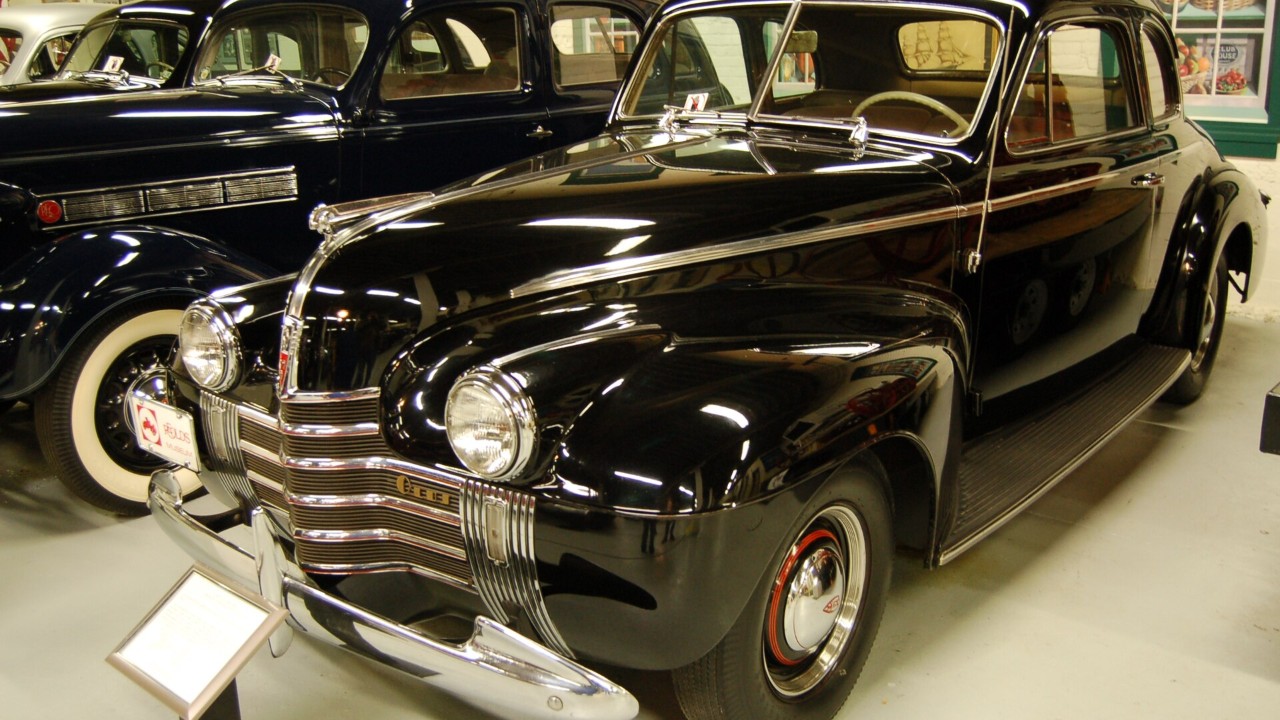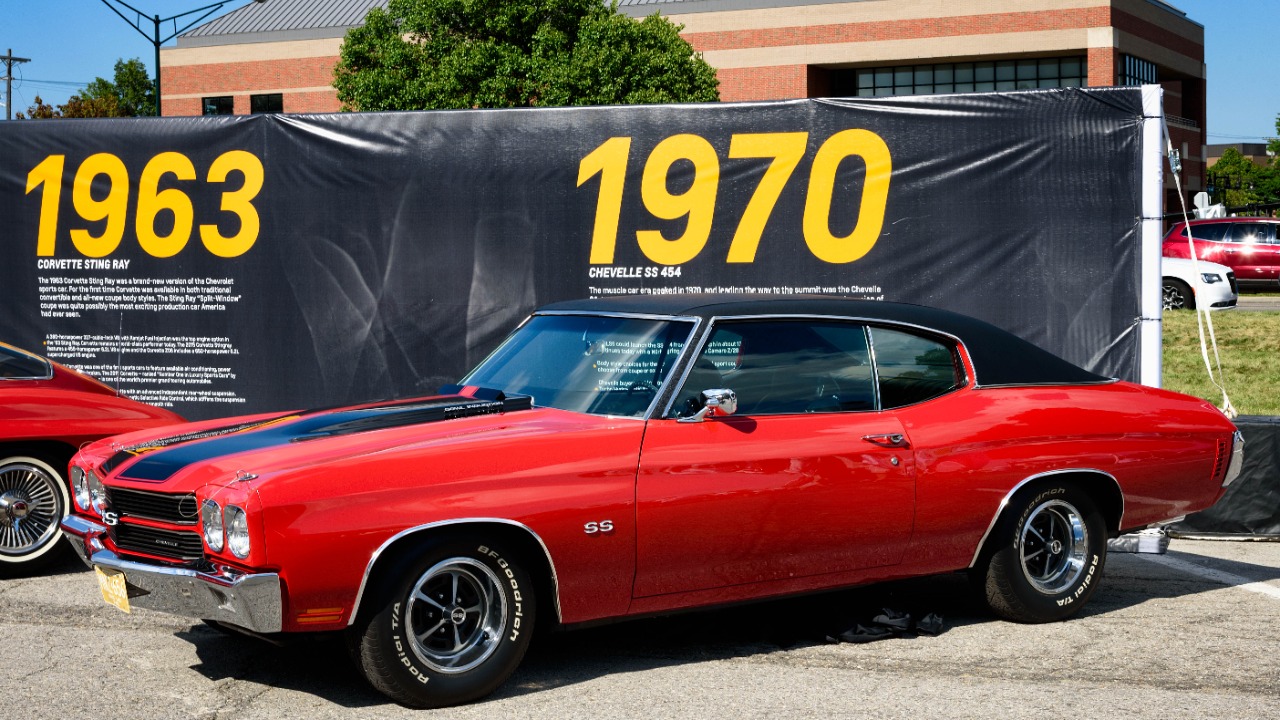
The muscle car era of the 1960s and early 1970s was a thrilling period in automotive history. These powerful machines combined raw horsepower with striking designs, igniting the passion of car enthusiasts everywhere. From the streets to the racetracks, these vehicles brought an exhilarating driving experience that made even the most mundane roads feel alive.
1964 Pontiac GTO
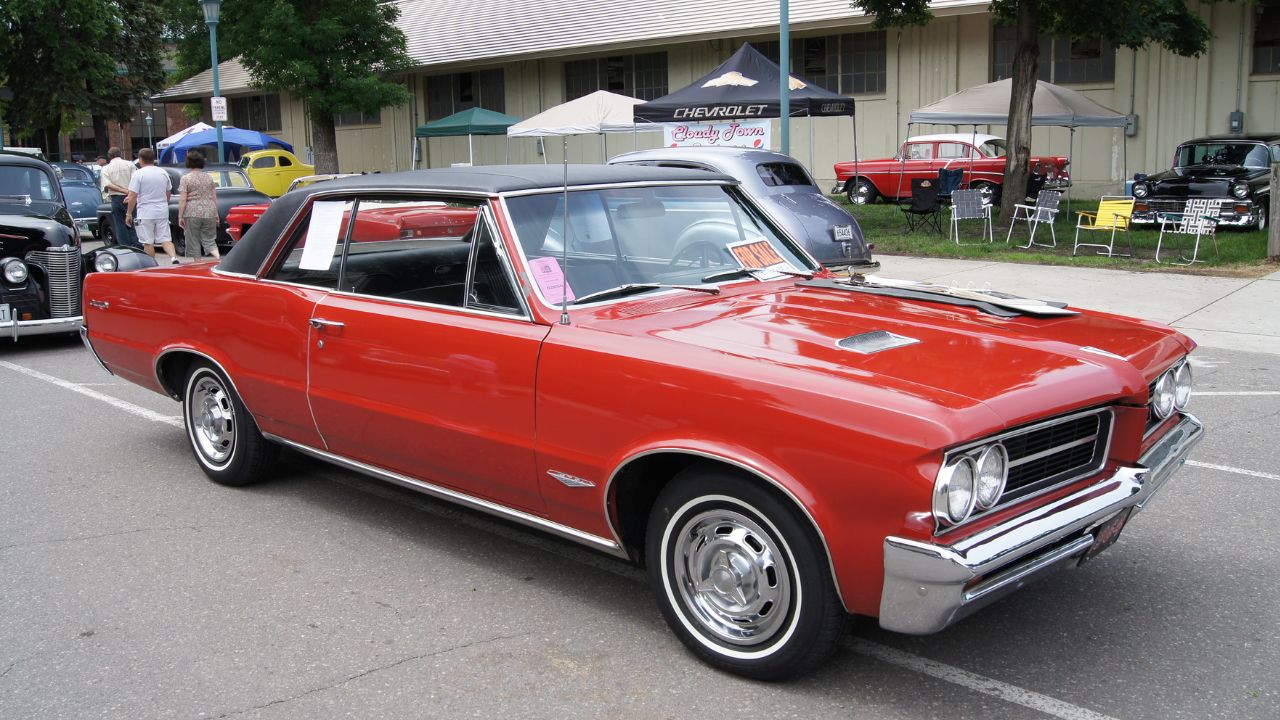
The 1964 Pontiac GTO is often credited with kicking off the muscle car craze. With a 389 cubic inch V8 engine producing 325 horsepower, it was a formidable contender on the streets. Its sleek design and aggressive stance captured the attention of drivers and car lovers alike. The GTO featured a unique combination of performance and style, making it a favorite among enthusiasts. Its success led to the rise of similar models, solidifying its legacy in automotive history. I can’t help but admire how this car set the standard for muscle cars, as its influence is still felt in modern performance vehicles. For more details, check out Car and Driver’s feature on muscle cars.
1966 Ford Mustang GT350
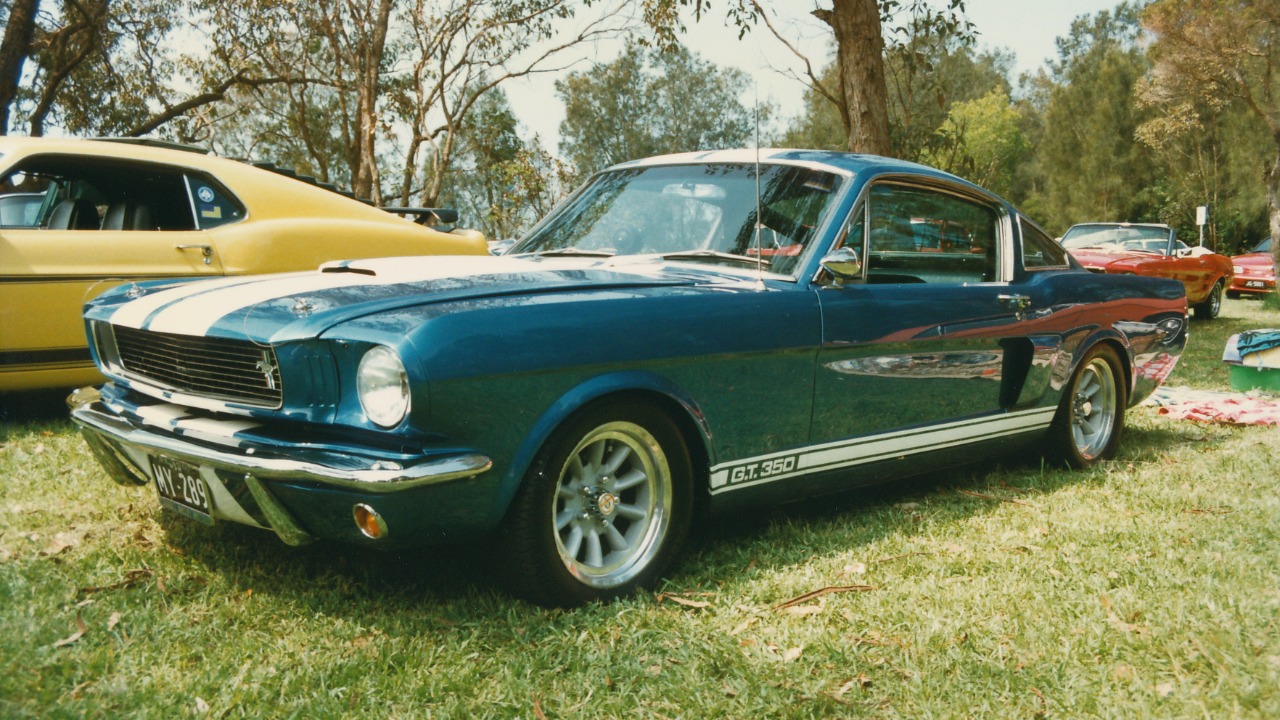
The 1966 Ford Mustang GT350, built for both performance and aesthetics, showcased the perfect blend of power and style. With a 289 cubic inch V8 engine producing 306 horsepower, it quickly became a symbol of American muscle. The GT350 was a collaboration between Ford and Carroll Shelby, aimed at dominating both the streets and the racetrack. Its lightweight body and racing pedigree made it a favorite among enthusiasts. The aggressive styling and unmistakable growl of the engine made it stand out in a crowded market. For those looking to delve deeper into the world of muscle cars, this book is an excellent resource.
1967 Chevrolet Camaro Z/28

The 1967 Chevrolet Camaro Z/28 was introduced as a competitor to the Mustang and quickly gained a reputation for performance. Powered by a 302 cubic inch V8 engine, it produced 290 horsepower and was designed for racing. Its aggressive styling and wide stance gave it a mean look that appealed to many. The Z/28 was not just about power; it also featured enhanced suspension and handling capabilities. The car’s racing success solidified its status as a muscle car legend. Driving the Z/28 feels like embracing a piece of history, as it remains a sought-after vehicle among collectors and enthusiasts alike.
1968 Dodge Charger R/T
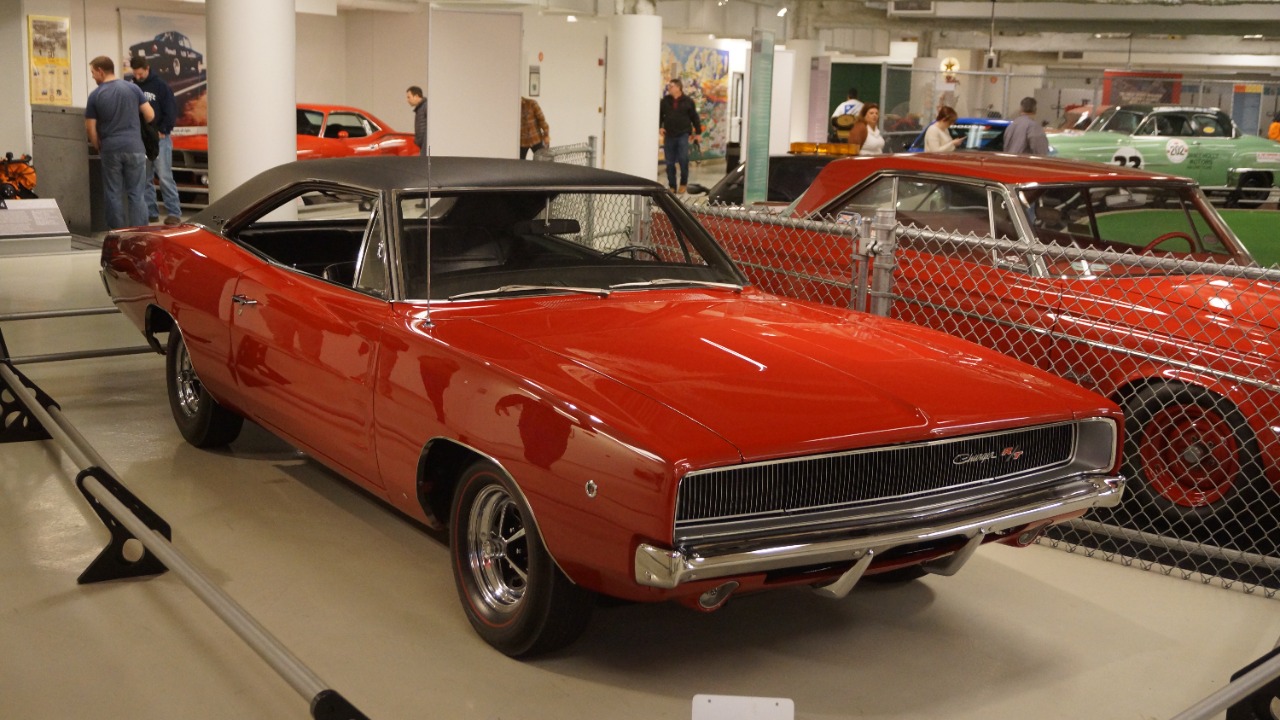
The 1968 Dodge Charger R/T is iconic for its bold design and performance. With a 440 cubic inch V8 engine generating 375 horsepower, it was a powerhouse on the road. The Charger’s distinctive shape and aggressive front grille made it an instant classic. Its spacious interior combined with a powerful engine made for an exhilarating driving experience. The Charger’s presence in films like “Bullitt” only added to its allure. This car represents a perfect blend of muscle and style, making it a sought-after vehicle for collectors. I often find myself reminiscing about its role in American pop culture.
1969 Plymouth Road Runner
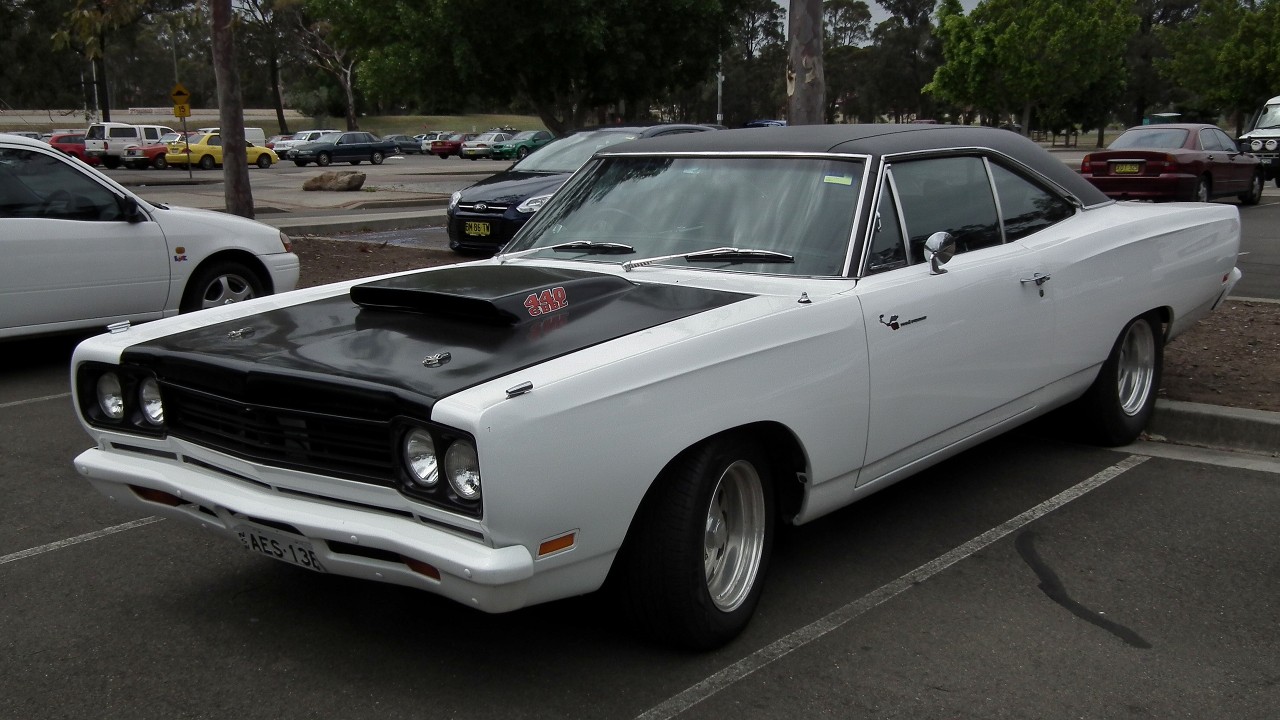
The 1969 Plymouth Road Runner was designed for those who valued performance without breaking the bank. Featuring a 383 cubic inch V8 engine that produced 335 horsepower, it was a true muscle car that delivered on both power and affordability. Its cartoon-like Road Runner mascot added a fun element to its tough image. The Road Runner was built with lightweight materials, enhancing its speed and agility. This car appealed to a wide range of buyers, making it a popular choice during its production run. I appreciate how the Road Runner embodies the essence of American muscle cars from this era.
1970 Chevrolet Chevelle SS 454
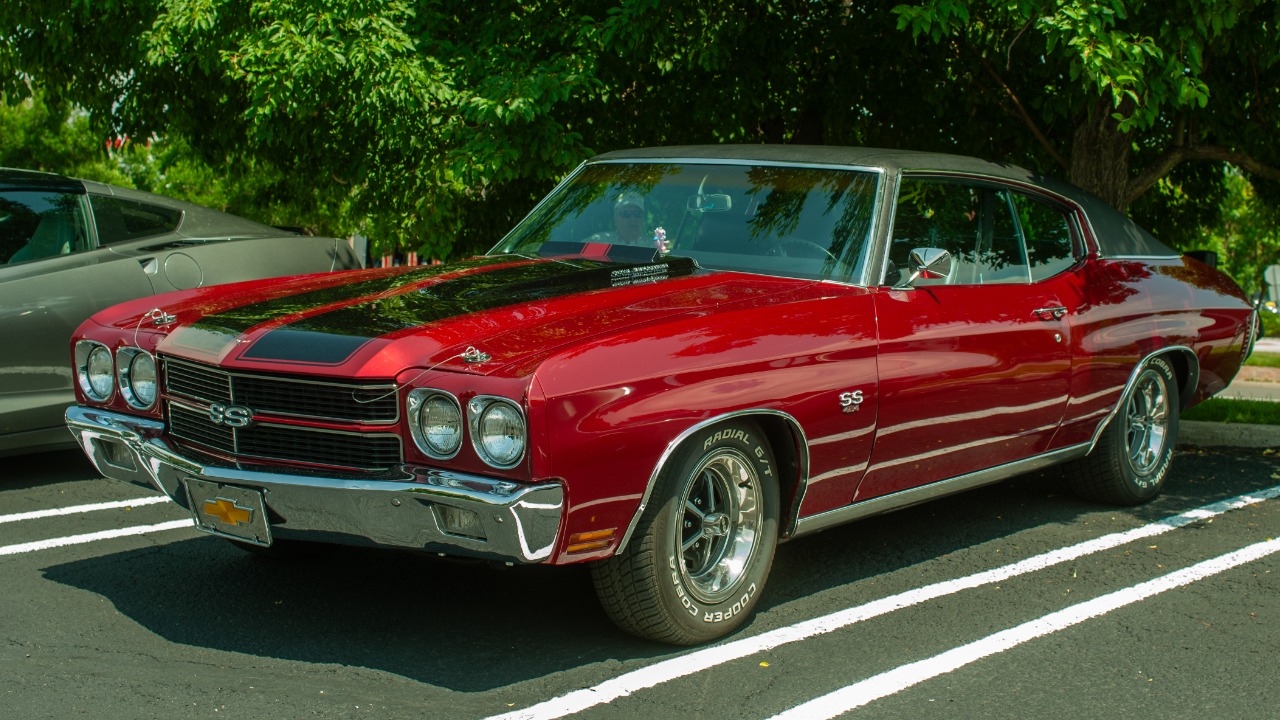
The 1970 Chevrolet Chevelle SS 454 is often celebrated as one of the ultimate muscle cars. With a monstrous 454 cubic inch V8 engine capable of producing 450 horsepower, it was a force to be reckoned with. The Chevelle’s aggressive body lines and muscular stance made it visually striking. It was not only powerful but also comfortable, making it suitable for both cruising and racing. The SS trim added performance features that set it apart from its competitors. I admire how the Chevelle SS 454 remains a symbol of raw American power, continuing to capture the hearts of collectors today.
1970 Ford Mustang Boss 302
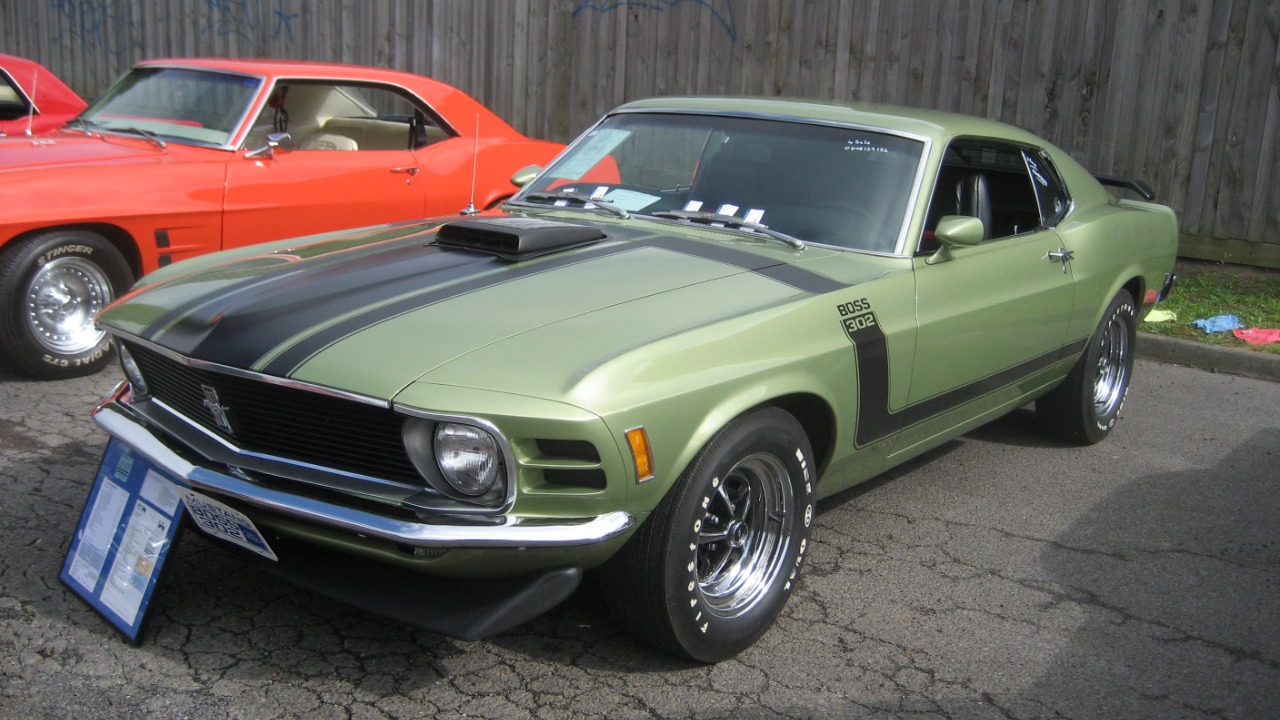
The 1970 Ford Mustang Boss 302 was designed specifically for racing and quickly made a name for itself on the track. Equipped with a 302 cubic inch V8 engine producing 290 horsepower, it was built for performance. The Boss 302 featured unique styling cues such as a special hood and racing stripes, giving it a distinctive look. Its lightweight construction and handling capabilities made it a favorite among enthusiasts. Driving a Boss 302 is a thrilling experience, as it combines the heritage of the Mustang with cutting-edge performance. I often find discussions about this model on classic car forums, highlighting its lasting impact.
1970 Dodge Challenger R/T

The 1970 Dodge Challenger R/T is often celebrated for its aggressive styling and powerful performance. With a range of engine options, including the iconic 426 HEMI V8, it was capable of producing up to 425 horsepower. The Challenger’s bold design featured wide fenders and a long hood, making it a standout on the road. It was designed for those who craved speed and power, and it delivered on both fronts. The Challenger has become a symbol of the muscle car era, often evoking nostalgia among fans. I enjoy sharing stories of this car’s performance legacy with fellow enthusiasts.
1970 Pontiac Firebird Trans Am
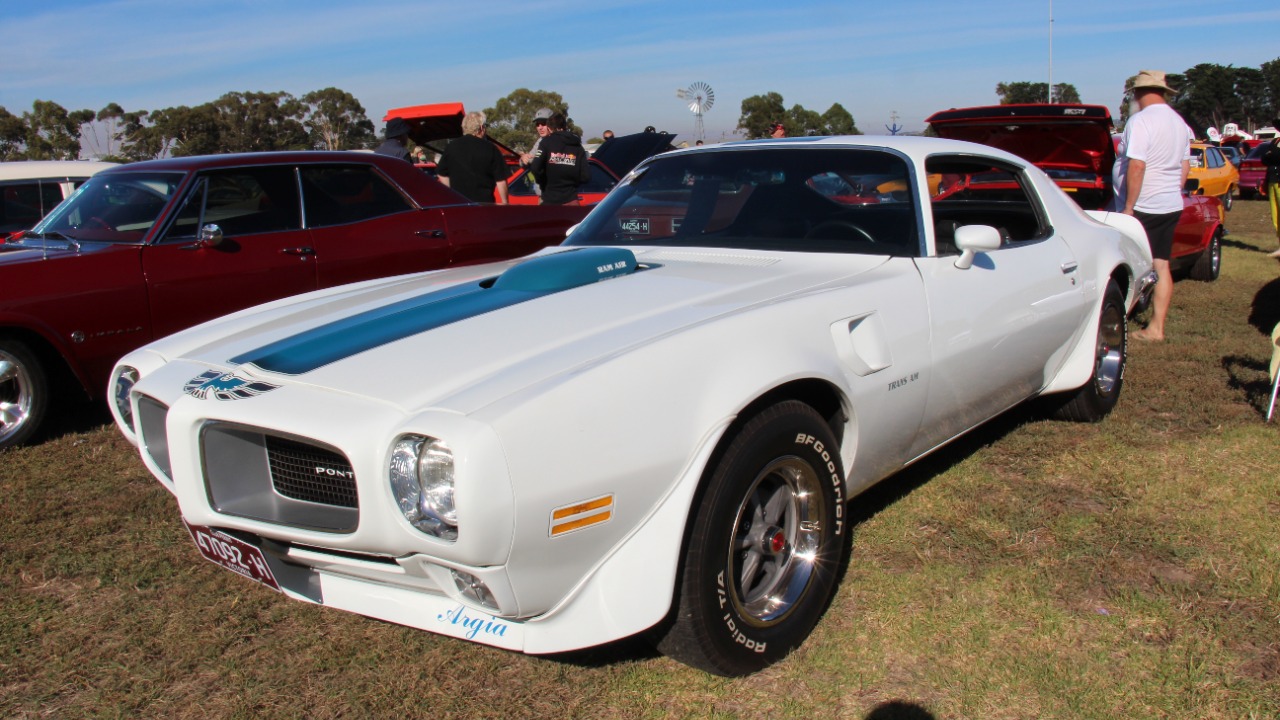
The 1970 Pontiac Firebird Trans Am is a prime example of muscle car excellence. Powered by a 400 cubic inch V8 engine with an impressive 330 horsepower, it delivered thrilling performance. The Trans Am was distinguished by its unique hood scoop and racing-inspired graphics, making it visually striking. It was designed for both performance and handling, excelling on the track and the street. The Firebird Trans Am’s legacy continues to inspire new generations of muscle car enthusiasts, reminding us of the golden age of American automotive engineering. Its combination of style and speed makes it a car I often dream about owning one day.
1971 Plymouth Barracuda

The 1971 Plymouth Barracuda was a significant player in the muscle car scene, especially with its redesigned body that emphasized power and performance. Available with a range of engines, including the formidable 440 cubic inch V8, it was a car built for speed. The Barracuda had a sleek and aggressive design that turned heads on the road. It was known for its excellent handling and powerful acceleration, making it a favorite among driving enthusiasts. The Barracuda’s unique appearance and impressive performance have secured its place in automotive history. I often find myself admiring its classic lines and powerful presence.
1972 Oldsmobile 442
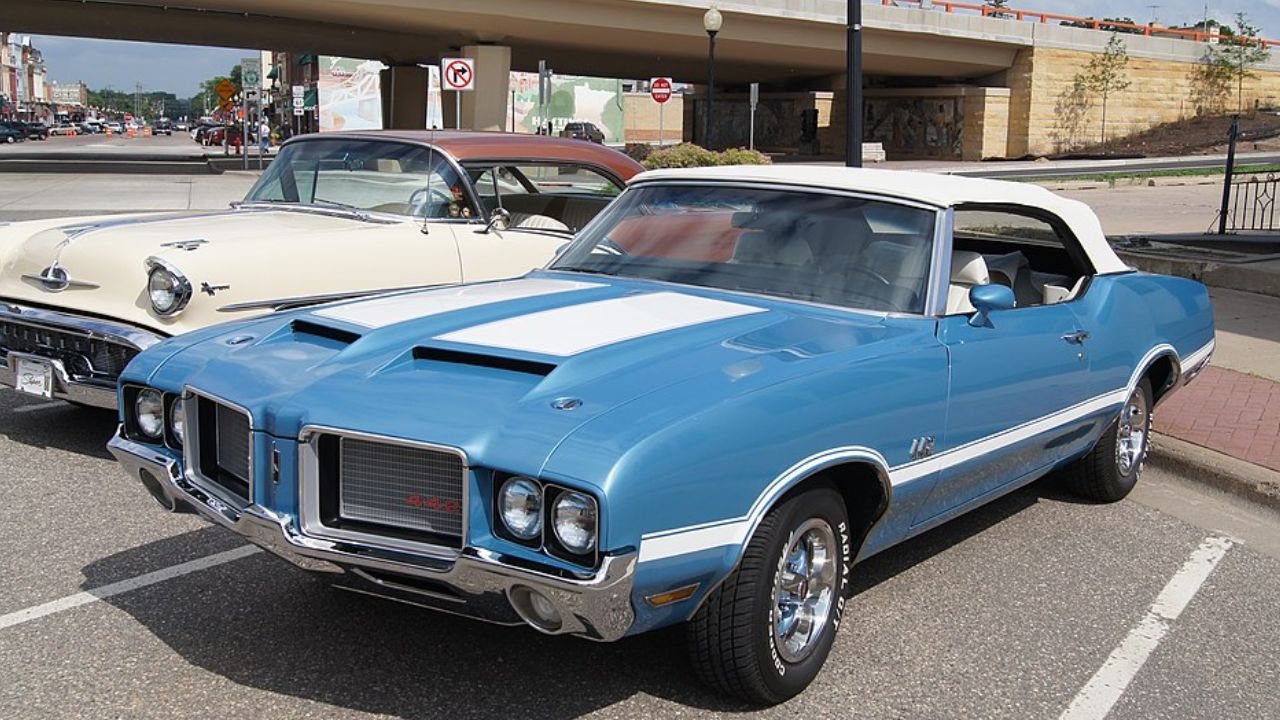
The 1972 Oldsmobile 442 continued the tradition of muscle while adapting to the changing automotive market. With a 455 cubic inch V8 engine producing 300 horsepower, it offered a blend of power and comfort. The 442 was designed with a focus on performance, featuring a sport-tuned suspension and aggressive styling. Its interior was spacious and comfortable, making it suitable for long drives. The 442 remains a favorite among collectors for its combination of style and performance. I appreciate how Oldsmobile managed to maintain the spirit of muscle cars even as regulations began to shift during this period.
1973 Chevrolet Corvette Stingray
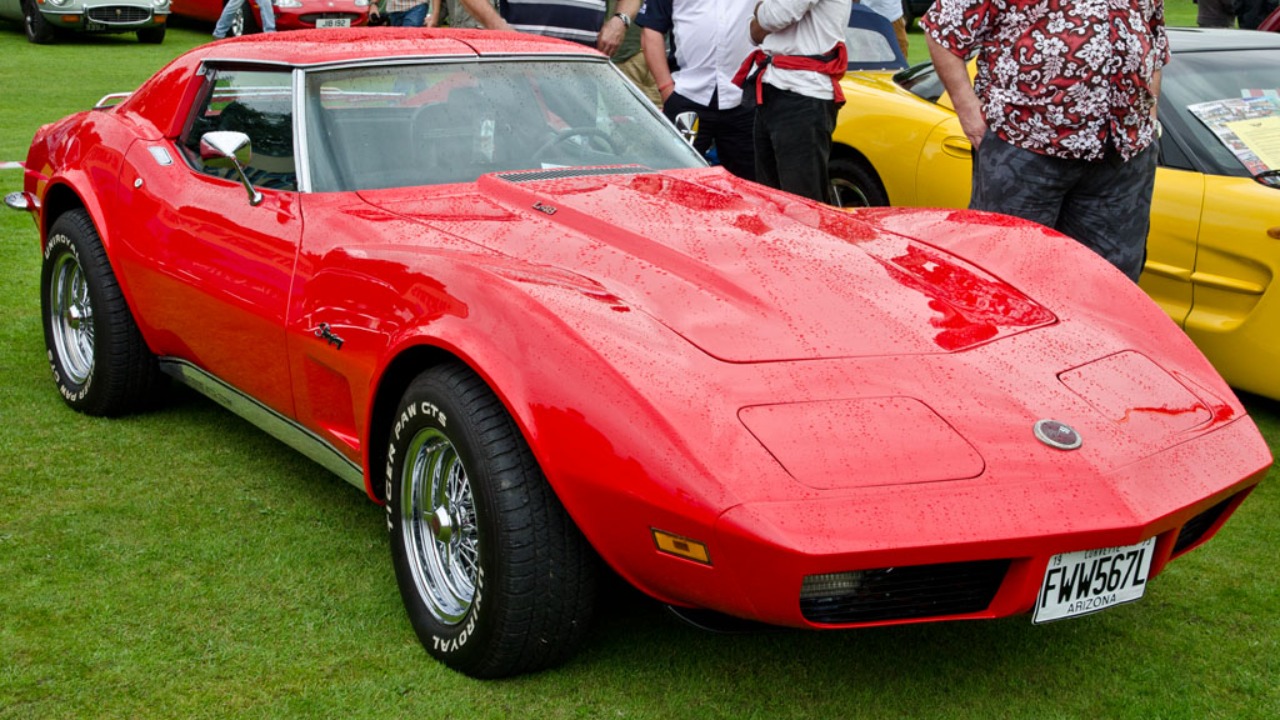
The 1973 Chevrolet Corvette Stingray is often regarded as a classic example of American engineering. With a 350 cubic inch V8 engine producing 190 horsepower, it emphasized a balance between performance and fuel economy during a time of change. The Stingray featured a sleek, aerodynamic design that made it stand out in any crowd. Its well-crafted interior combined luxury with sporty elements, appealing to a wide range of drivers. While it marked a shift in Corvette’s design philosophy, the Stingray remains a beloved model. Discussing its legacy with fellow enthusiasts is always a pleasure, as it represents a unique moment in automotive history.
More from Fast Lane Only
- Unboxing the WWII Jeep in a Crate
- 15 rare Chevys collectors are quietly buying
- 10 underrated V8s still worth hunting down
- Police notice this before you even roll window down
*Research for this article included AI assistance, with all final content reviewed by human editors.