The history of hidden headlights is a fascinating journey through automotive design, technology, and consumer preference. Once a hallmark of innovation and aesthetics, pop-up headlights have seen their rise and fall over the decades, reflecting broader trends in the automotive industry.
Origins of Hidden Headlights
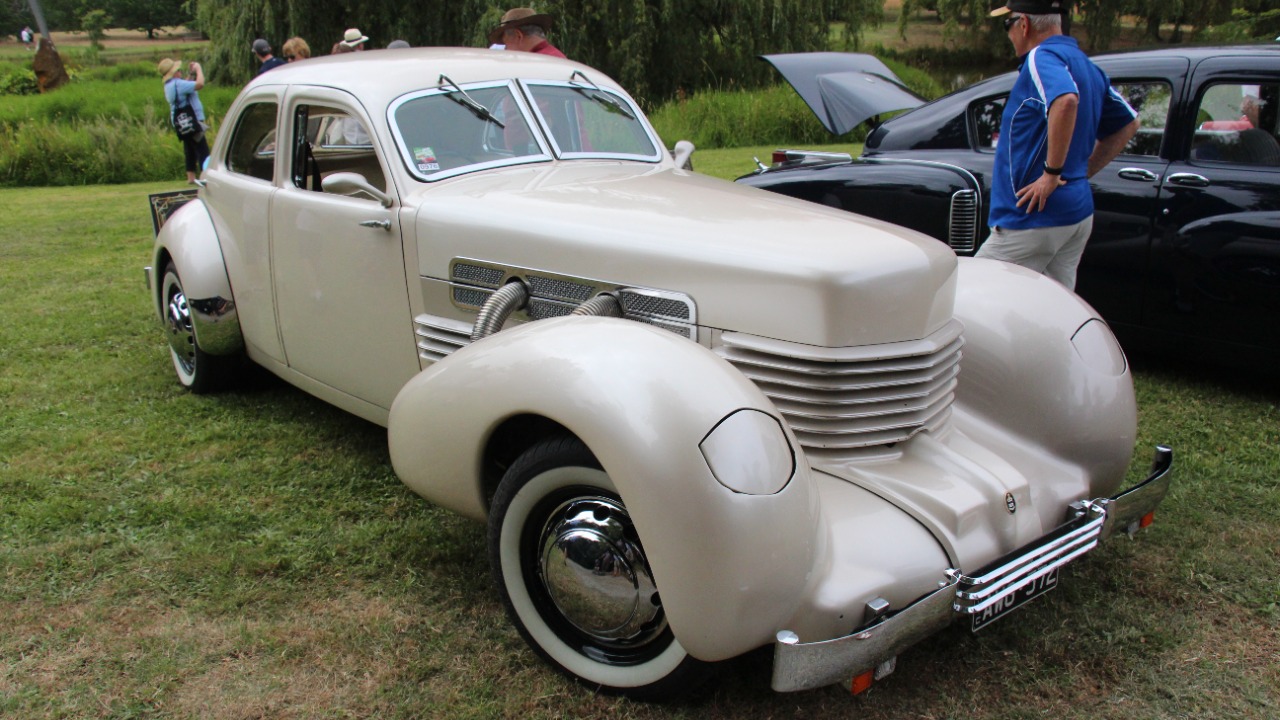
The concept of hidden headlights can be traced back to the early days of automotive design. One of the first instances of this innovative feature appeared in the 1936 Cord 810, which captivated audiences with its sleek lines and retractable headlights. The Cord’s design was not only visually striking but also a practical solution to improving aerodynamics. This early adoption of hidden lighting showcased a commitment to style and function, laying the groundwork for future automotive innovations.
As the mid-20th century approached, the influence of aerodynamics became a defining trend in automotive design. Manufacturers began to realize that reducing drag could enhance performance and fuel efficiency. Hidden headlights offered a way to streamline vehicle profiles, allowing cars to cut through the air with greater ease. The 1956 Buick Centurion is another notable example, featuring a futuristic design that emphasized its hidden headlight system, which was both innovative and aesthetically pleasing.
Throughout the 1960s and 1970s, several key models pioneered the hidden headlight concept, further embedding it in the automotive lexicon. The Chevrolet Corvette, particularly the 1963 model, showcased pop-up headlights that became iconic in their own right. This period marked the transition of hidden headlights from a novelty to a standard feature in sports cars, as manufacturers sought to combine performance with cutting-edge design.
Technological Advancements
The engineering behind pop-up headlights is a fascinating blend of mechanics and creativity. The earliest mechanisms employed hydraulic systems, which were both complex and prone to failure. Over time, manufacturers began to shift toward electric systems, which provided greater reliability and efficiency. For instance, the 1970s saw the emergence of electric actuators that allowed headlights to pop up and down smoothly, enhancing user experience while maintaining the vehicle’s streamlined aesthetics.
Technological advancements didn’t stop there. As materials and design philosophies evolved, so did the functionality of hidden headlights. The introduction of lighter materials and more compact mechanisms allowed for sleeker designs that could incorporate hidden headlights without compromising structural integrity. However, as the automotive industry moved toward increased safety measures and improved headlight technology, the appeal of pop-up headlights began to wane.
The late 20th century marked a significant transition in automotive design, leading to the decline of pop-up headlights. Factors such as safety regulations, improvements in fixed headlight technology, and consumer preferences for easier maintenance played crucial roles. By the 1990s, many manufacturers opted for fixed headlights, which provided better visibility and were less expensive to produce. This shift represented a pivotal moment in the automotive design landscape, as the allure of hidden headlights began to fade.
Pop Culture and Aesthetic Appeal
The allure of hidden headlights extended beyond engineering and functionality; they captured the imagination of car enthusiasts and filmmakers alike. The sleek, futuristic look of cars equipped with pop-up headlights became synonymous with performance and style. Films like “Knight Rider,” featuring the iconic KITT car, and “Transformers,” with its sleek vehicles, showcased these designs, further embedding them in pop culture. The stealthy mechanism of hidden headlights added an element of intrigue, making cars appear more high-tech and desirable.
Memorable car models, such as the 1984 Mazda RX-7 and the 1990 Chevrolet Corvette ZR-1, became symbols of performance and elegance, in part due to their hidden headlight systems. These vehicles not only performed exceptionally but also represented a lifestyle that many aspired to. As a result, hidden headlights became emblematic of a particular era in automotive history, capturing the essence of innovation and style.
The nostalgia factor for hidden headlights is palpable among car enthusiasts today. Many collectors cherish models equipped with this feature, recognizing their importance in classic car culture. Online communities and forums, like those found on Facebook, often discuss the allure of these vehicles, celebrating their unique designs and the memories they evoke. The visibility of classic cars at shows and events serves as a testament to the lasting impact of hidden headlights on automotive enthusiasts.
Safety and Regulatory Changes
As the automotive landscape evolved, so too did safety standards, which significantly impacted the feasibility of hidden headlights in modern designs. The introduction of regulations aimed at improving visibility and reducing accidents led manufacturers to reconsider their headlight designs. The National Highway Traffic Safety Administration (NHTSA) began enforcing stricter guidelines on headlight performance, pushing automakers to prioritize functionality over aesthetics.
Advancements in lighting technology, particularly the shift toward LED and adaptive headlights, shifted consumer focus away from concealed designs. Modern drivers prioritize visibility and safety, and fixed headlights have proven to be more effective in achieving these goals. Studies show that LED headlights provide substantial improvements in illumination, which has contributed to the decline of pop-up headlights in favor of more effective lighting solutions.
Consumer preferences have also played a significant role in the evolution of headlight design. Today’s drivers tend to prioritize functionality and ease of maintenance over aesthetic appeal. As vehicles become increasingly complex, the desire for simple, reliable designs has grown. This shift in consumer attitudes has led manufacturers to focus on fixed headlight systems that are easier to produce and maintain, leaving hidden headlights in the past.
The Modern Era and Future Prospects
In the current automotive landscape, hidden headlights are a rare sight, overshadowed by advancements in LED technology and minimalistic design trends. However, some manufacturers have begun to experiment with reimagining hidden headlight systems. For example, the 2020 Lamborghini Sián introduced innovative headlight solutions that maintain a sleek profile while incorporating modern lighting technology. This demonstrates that while traditional pop-up mechanisms may be gone, the spirit of innovation lives on.
Recent models, such as the Tesla Roadster and the McLaren Speedtail, have embraced the aesthetic of hidden or retractable headlights, showcasing a blend of modern technology and classic design elements. These vehicles symbolize a resurgence of interest in unique automotive features, suggesting that hidden headlights might still have a place in the future of automotive design.
Looking ahead, the future of hidden headlights in the age of electric and autonomous vehicles remains uncertain. As manufacturers continue to push the boundaries of design and technology, there may be opportunities for hidden headlights to re-emerge in a new form. The integration of advanced lighting systems and the ongoing quest for aerodynamic efficiency could lead to innovative solutions that pay homage to the past while embracing the future.
The Legacy of Hidden Headlights
The impact of hidden headlights on automotive design cannot be overstated. They have shaped not only the aesthetics of vehicles but also consumer expectations regarding innovation and style. The allure of hidden headlights continues to captivate car enthusiasts and designers alike, as they represent a unique intersection of technology and artistry.
The blend of nostalgia and innovation is evident in the ongoing discussions surrounding hidden headlights within automotive communities. Many enthusiasts celebrate the designs and engineering feats that brought these features to life, recognizing their significance in the evolution of automotive design. As we look to the future, it is clear that the legacy of hidden headlights will remain a vital part of the automotive narrative.
In the end, features like hidden headlights contribute to the overall allure and character of a vehicle. They serve as reminders of a time when design and innovation were celebrated, and they continue to inspire future generations of automotive enthusiasts and designers. The story of hidden headlights is a testament to the ever-evolving nature of automotive design, and it will undoubtedly continue to influence the industry for years to come.
More from Fast Lane Only
- Unboxing the WWII Jeep in a Crate
- 15 rare Chevys collectors are quietly buying
- 10 underrated V8s still worth hunting down
- Police notice this before you even roll window down
*Research for this article included AI assistance, with all final content reviewed by human editors.