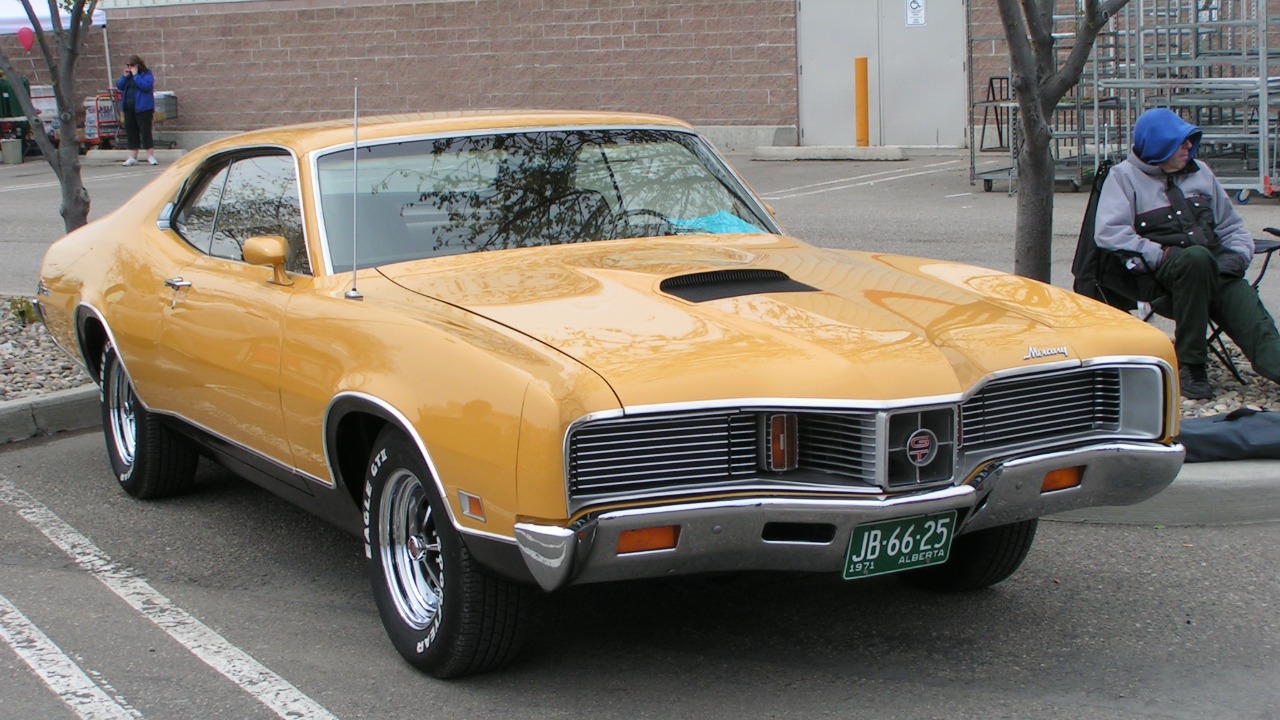
The 1971 Mercury Cyclone GT symbolizes the end of the muscle car era, combining powerful performance with a distinctive design. As emissions regulations and fuel economy concerns began to reshape the automotive landscape, the Cyclone GT stood as a final hurrah for performance enthusiasts.
Historical Context of the Muscle Car Era
The muscle car phenomenon emerged in the 1960s, characterized by powerful engines, aggressive styling, and a youthful spirit that appealed to a generation craving performance and excitement on the road. Manufacturers like Ford, Chevrolet, and Dodge were locked in a fierce competition, each trying to outdo the others with high horsepower and innovative designs. Cars like the Ford Mustang, Chevrolet Camaro, and Dodge Charger not only defined a segment but also became cultural icons during this vibrant era.
By 1971, the muscle car market was undergoing significant changes. The introduction of stricter emissions regulations and rising fuel prices prompted consumers to reconsider their automotive choices. Many performance-oriented buyers began to pivot towards more fuel-efficient models, which pressured manufacturers to adapt their offerings. As a result, the golden age of muscle cars faced a decline, making the 1971 Mercury Cyclone GT a poignant symbol of what was about to be lost.
The Design and Features of the 1971 Mercury Cyclone GT
The 1971 Mercury Cyclone GT stood out from its contemporaries with a unique design that combined bold lines and an aggressive stance. The front end featured a distinctive split grille and quad headlights, giving it a muscular appearance that was both striking and elegant. The elongated hood and fastback roofline not only contributed to its aesthetic appeal but also hinted at its performance capabilities.
Under the hood, the Cyclone GT offered several impressive engine options, including a 351 cubic inch V8 and a high-performance 429 cubic inch big block. These engines delivered horsepower ratings that ranged from a respectable 240 to a staggering 370, ensuring that the Cyclone GT could hold its own against other muscle cars of the time. Inside, the car featured a driver-oriented cockpit with sporty bucket seats, a rally gauge cluster, and available options like air conditioning and an 8-track player, which added a touch of modernity to its classic appeal.
Performance and Driving Experience
The performance of the 1971 Mercury Cyclone GT was impressive, especially when compared to its competitors. With its powerful engines and well-tuned suspension, the Cyclone GT could accelerate from 0 to 60 mph in just over six seconds, making it a thrill to drive. The vehicle’s handling was also commendable, striking a balance between the raw power expected from a muscle car and the comfort needed for daily driving.
Owner testimonials from the era highlight the excitement of driving a Cyclone GT. Many enthusiasts praised its torque and responsiveness, with one owner noting that it felt “like a rocket on the open road.” The combination of speed and comfort made the Cyclone GT a well-rounded choice for those who wanted performance without sacrificing daily usability. Even today, many vintage car enthusiasts appreciate the Cyclone GT for its driving experience, often sharing their stories in online forums and at car shows.
Legacy and Cultural Impact
The significance of the 1971 Mercury Cyclone GT extends beyond its impressive specifications; it represents a critical moment in American automotive history. As the last year of the Cyclone GT model, it marked the end of an era defined by horsepower and performance. The Cyclone GT has become a cherished part of automotive lore, celebrated by collectors and car enthusiasts alike for its historical importance.
In pop culture, the Cyclone GT has made notable appearances in films and TV shows, further cementing its place in the hearts of car lovers. It epitomizes the spirit of the muscle car era, showcasing an era when American cars were synonymous with power and freedom. Many enthusiasts today seek out the Cyclone GT, not only for its performance but also for its nostalgic connection to a time when cars were built for speed and style.
Collectibility and Restoration Trends
The current market value of the 1971 Mercury Cyclone GT reflects its collectibility among classic car enthusiasts. Depending on the condition, mileage, and rarity of specific features, prices can range significantly. Well-maintained models have been known to fetch upwards of $30,000 at auctions, particularly if they come with documented history and original parts. The growing interest in classic muscle cars has driven many collectors to seek out these iconic vehicles, contributing to a vibrant market.
However, restoring a Cyclone GT can present challenges. Many owners encounter difficulties sourcing original parts, as some components are becoming increasingly rare. Enthusiasts often rely on specialized restoration shops or online communities dedicated to classic Mercury vehicles for guidance and support. Organizations like the Mercury Cyclone Club provide resources and networking opportunities for those passionate about preserving these classic cars.
As the muscle car era continues to fade into history, the 1971 Mercury Cyclone GT remains a testament to a time when performance was king. Its unique features, powerful performance, and cultural significance ensure that this classic car will be remembered and celebrated for generations to come. Whether you’re a long-time enthusiast or just discovering the allure of vintage muscle cars, the Cyclone GT is a remarkable piece of American automotive history that deserves recognition.
More from Fast Lane Only
- Unboxing the WWII Jeep in a Crate
- 15 rare Chevys collectors are quietly buying
- 10 underrated V8s still worth hunting down
- Police notice this before you even roll window down
*Research for this article included AI assistance, with all final content reviewed by human editors.