The automotive world experienced a seismic shift during the horsepower wars, a period when manufacturers pushed the boundaries of performance and consumer expectations reached new heights. These cars not only defined a generation but also set standards that continue to influence buyers today. Here are ten iconic models that changed the landscape of automotive performance.
1964 Pontiac GTO: The Birth of the Muscle Car
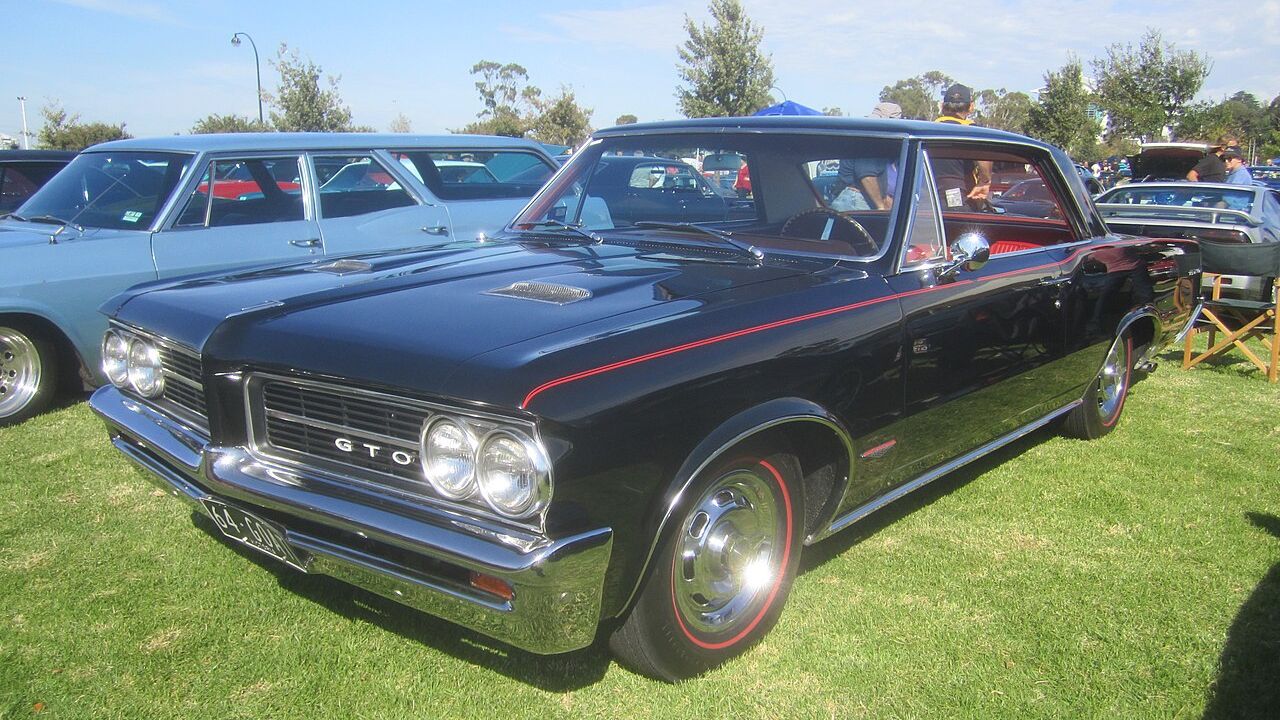
The 1964 Pontiac GTO is often credited with igniting the muscle car era. With its powerful 389 cubic inch V8 engine, producing 325 horsepower, it offered an exhilarating driving experience that was hard to match at the time. The GTO combined youthful styling with impressive performance, making it a hit among consumers. Its marketing strategy, which emphasized speed and excitement, captured the imagination of a generation. The GTO’s success prompted other manufacturers to enter the muscle car fray, leading to fierce competition that defined the 1960s and 1970s. This model laid the groundwork for what buyers would come to expect in terms of power and style in future vehicles.
Beyond its raw power, the GTO’s influence extended into popular culture, appearing in films and music that celebrated American muscle. Car enthusiasts and collectors still regard the GTO as a milestone in automotive history, and it remains a beloved classic. Its legacy continues to resonate, as modern muscle cars strive to recapture that spirit of performance and individuality that the GTO first introduced.
1970 Chevrolet Chevelle SS 454: The King of Torque
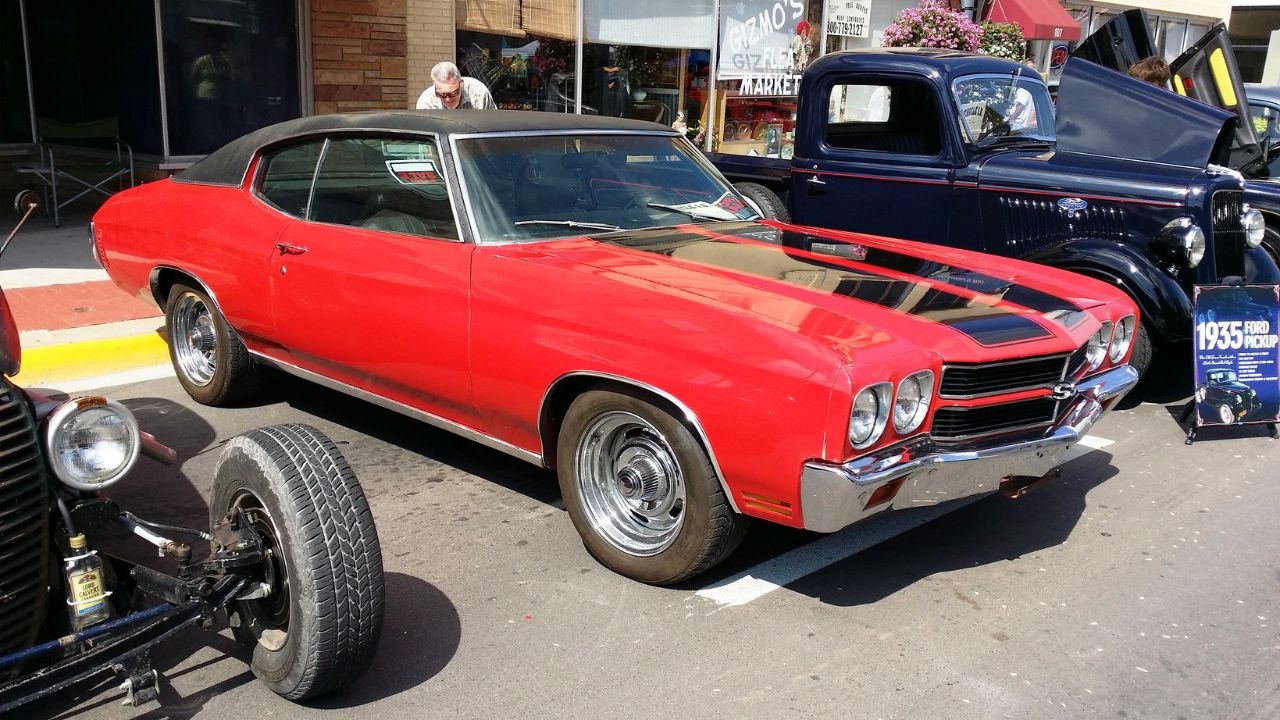
The 1970 Chevrolet Chevelle SS 454 is often hailed as one of the most powerful muscle cars ever produced. Equipped with a massive 454 cubic inch V8 engine that churned out an astonishing 450 horsepower, this beast was unparalleled in its time. The Chevelle SS 454 not only delivered incredible acceleration but also introduced features that elevated the driving experience, such as heavy-duty suspension and distinctive styling. Its performance and torque made it a formidable contender on the street and the track.
The Chevelle’s success not only solidified Chevrolet’s reputation in the muscle car market but also set a benchmark that competitors scrambled to meet. Buyers began to expect not just speed, but also the ability to handle that power, a trend that shaped future muscle car design. The Chevelle SS 454 exemplified the raw performance and aggressive styling that defined the era, making it a must-have for any serious car enthusiast.
1971 Plymouth Hemi ‘Cuda: A Legendary Powerhouse
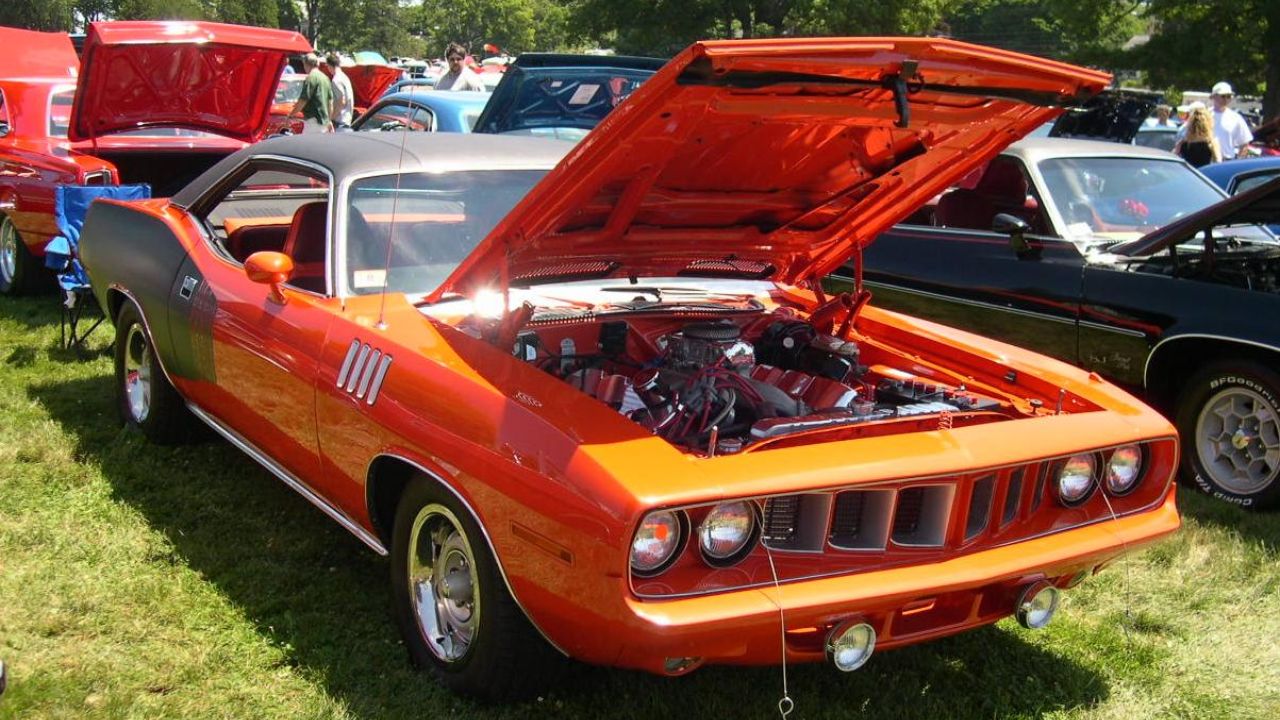
The 1971 Plymouth Hemi ‘Cuda is a legend in its own right, known for its potent Hemi V8 engine and aggressive styling. With up to 425 horsepower on tap, the ‘Cuda was built for raw power and thrilling performance. Its distinctive design, including the iconic “shaker” hood, made it stand out in a crowded market. The combination of performance and aesthetics attracted a new breed of buyers who craved excitement and individuality in their vehicles.
Despite its short production run, the Hemi ‘Cuda left an indelible mark on automotive history. It represented the zenith of the muscle car era, with its performance figures still revered today. As gas prices rose and insurance costs soared, fewer buyers could afford such high-performance models, leading to the Hemi ‘Cuda’s rarity and desirability in the collector market. The legacy of the ‘Cuda continues to influence modern muscle cars, encouraging manufacturers to chase the thrill of power and speed.
1973 Ford Mustang Mach 1: The Pinnacle of Performance
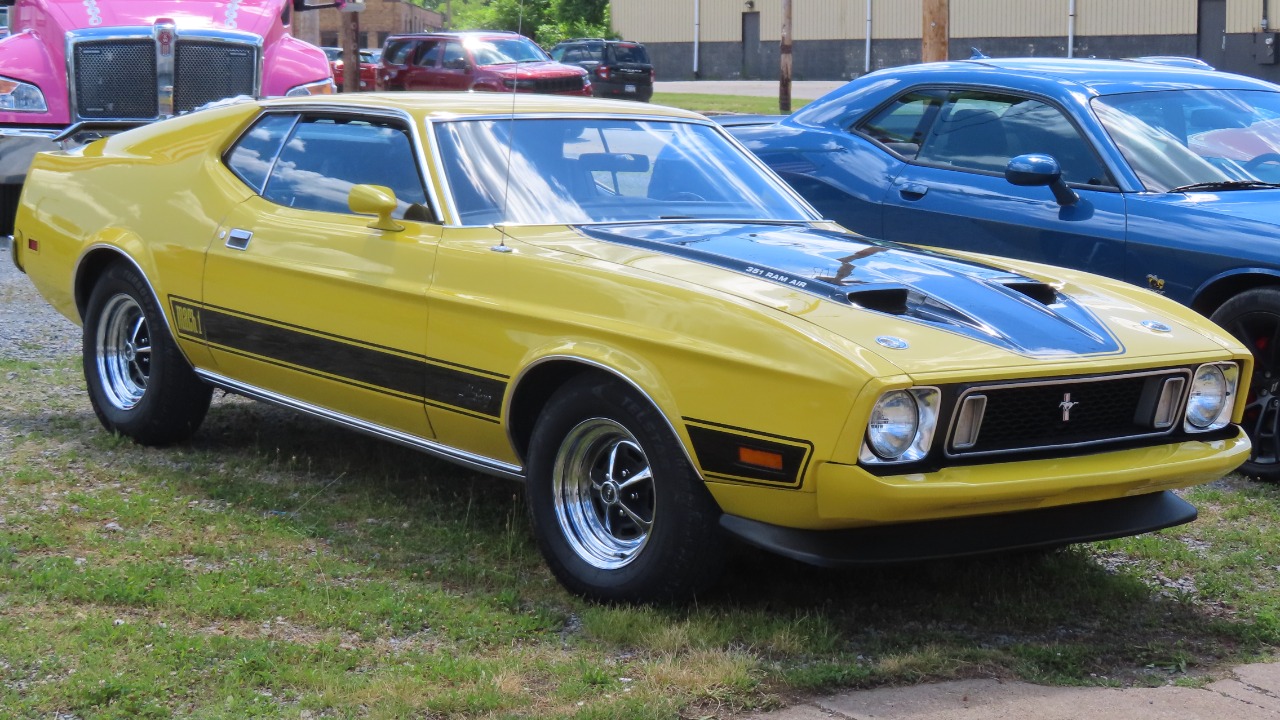
The 1973 Ford Mustang Mach 1 showcased a perfect blend of performance and styling that defined the era. With its available 351 cubic inch engine producing up to 250 horsepower, the Mach 1 was aimed at enthusiasts looking for a sporty ride. The model featured a sleek design with bold stripes and an aggressive stance, appealing to buyers who valued aesthetics as much as performance. The Mach 1 also introduced advanced features like a sport suspension system, enhancing handling and responsiveness.
Despite the impending fuel crisis, which would shift consumer preferences toward fuel efficiency, the Mach 1 managed to maintain a loyal following. It represented the peak of the Mustang’s muscle car evolution before the shift toward more economical cars in the later 1970s. Today, the Mach 1 is celebrated as a symbol of American muscle, influencing modern iterations of the Mustang that continue to evoke the spirit of performance.
1987 Buick GNX: The Turbocharged Revolution

The 1987 Buick GNX marked a turning point in the horsepower wars, introducing turbocharged performance to the muscle car segment. With a 3.8-liter V6 engine producing 276 horsepower and an impressive 360 lb-ft of torque, the GNX was a game changer. It showcased the potential of forced induction in a time when V8 engines dominated the market. The GNX was not just about raw power; it combined luxury and performance, appealing to a demographic that wanted both speed and comfort.
This model’s advanced technology and performance-oriented features redefined expectations for buyers. The GNX’s limited production numbers and performance capabilities have made it a highly sought-after collector’s item. Its legacy is evident in the resurgence of interest in turbocharged vehicles, influencing not just Buick but the entire automotive industry as consumers began to embrace efficiency without sacrificing performance.
1994 Dodge Viper: The American Supercar Emerges
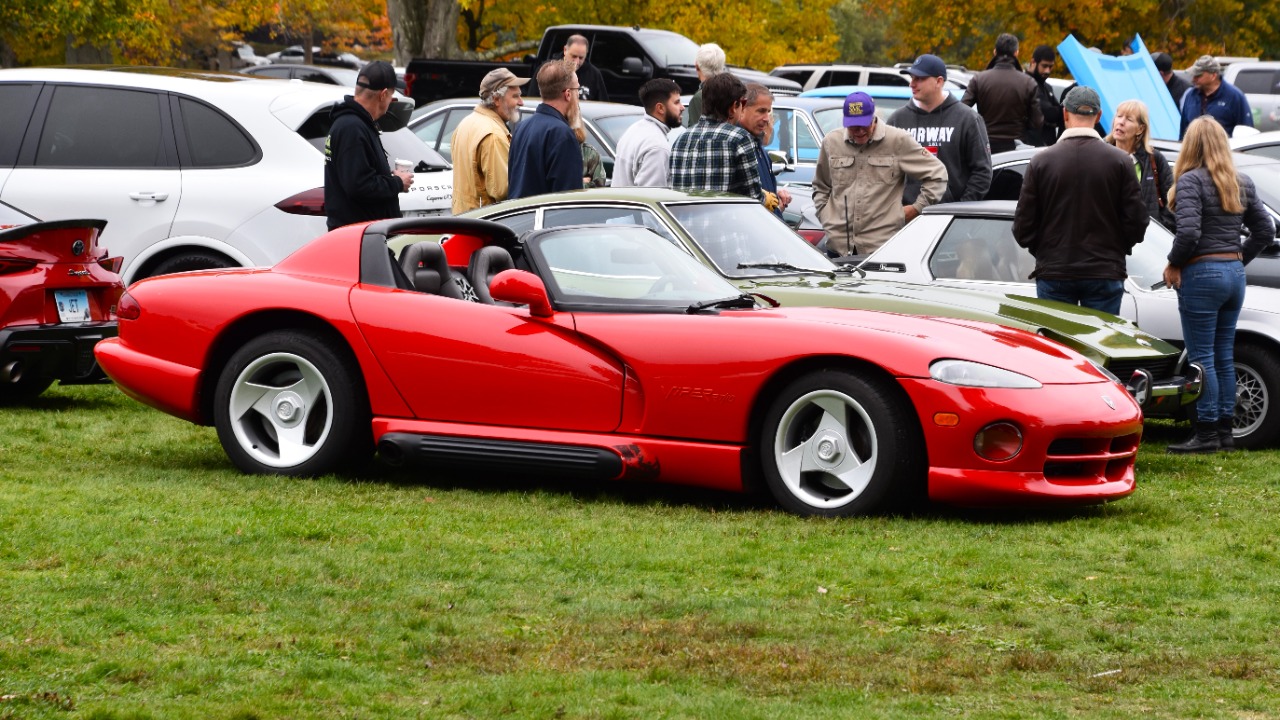
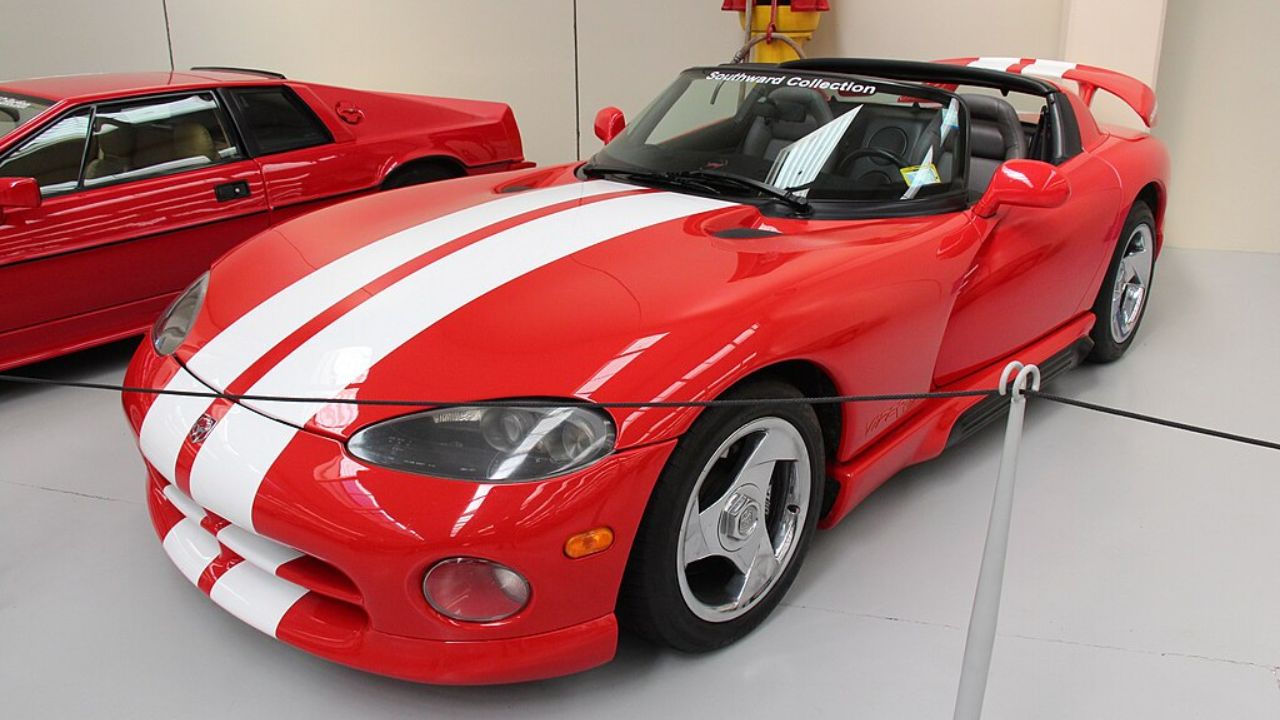
The 1994 Dodge Viper was a bold statement in the world of American automotive design, introducing a raw, unfiltered approach to performance. With an 8.0-liter V10 engine that produced 400 horsepower, the Viper was a true supercar that could compete with European rivals. Its design was aggressive and minimalist, focusing on performance rather than luxury. The Viper quickly captured the hearts of enthusiasts seeking an exhilarating driving experience.
Beyond its performance figures, the Viper changed what buyers expected from an American sports car. It emphasized handling, speed, and a visceral connection between the driver and the road. The model’s success helped pave the way for a new era of American performance vehicles, including the resurgence of muscle cars in the 2000s. The Viper’s legacy continues to influence modern supercars, encouraging manufacturers to prioritize raw power and driver engagement.
2003 Ford Mustang SVT Cobra: The Return of the Muscle
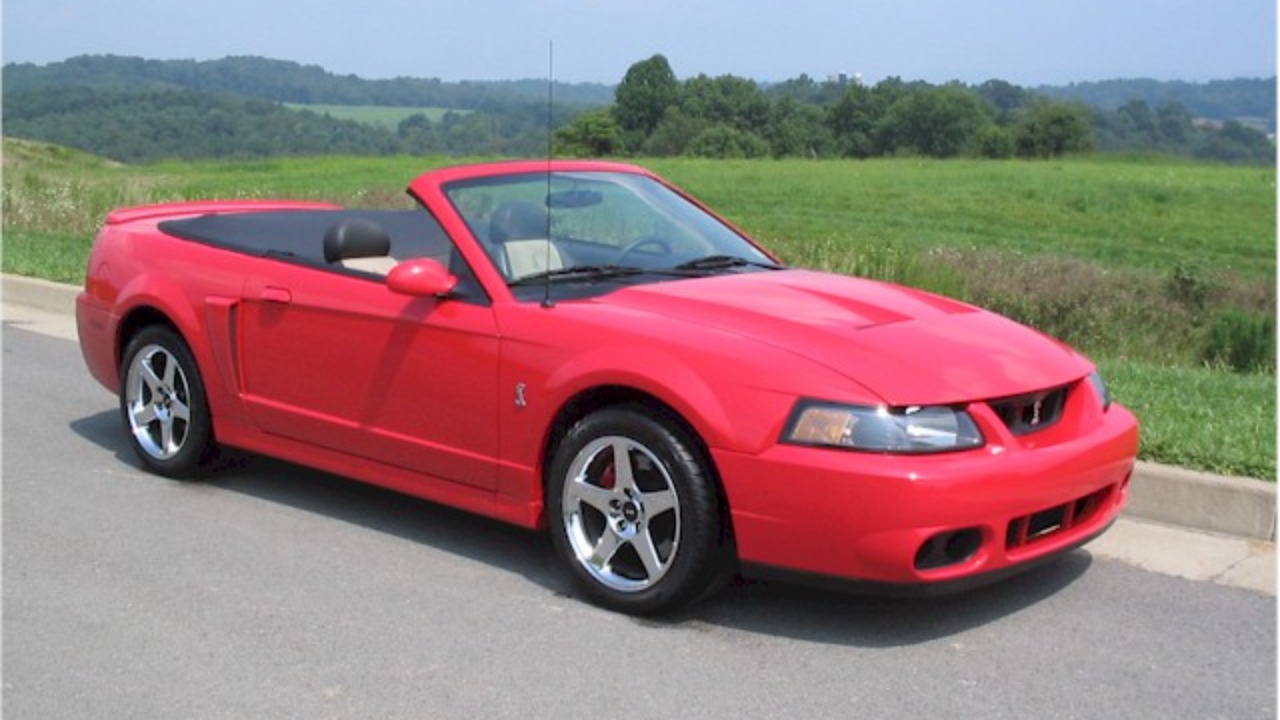
The 2003 Ford Mustang SVT Cobra marked a significant revival of the muscle car spirit, combining modern technology with classic performance. Powered by a supercharged 4.6-liter V8 engine producing 390 horsepower, the SVT Cobra was engineered to deliver thrilling acceleration and precise handling. Its aggressive styling and performance upgrades set it apart from its predecessors, making it a favorite among enthusiasts eager for a return to American muscle.
This model resonated with buyers who had grown up during the original muscle car era, rekindling their passion for high-performance vehicles. The success of the SVT Cobra demonstrated a strong market demand for powerful cars, prompting other manufacturers to re-enter the muscle car segment. The Cobra’s legacy is reflected in today’s Mustangs, which continue to evolve while honoring the spirit of performance that defined the original models.
2004 Pontiac GTO: The Modern Revival of Classic Muscle
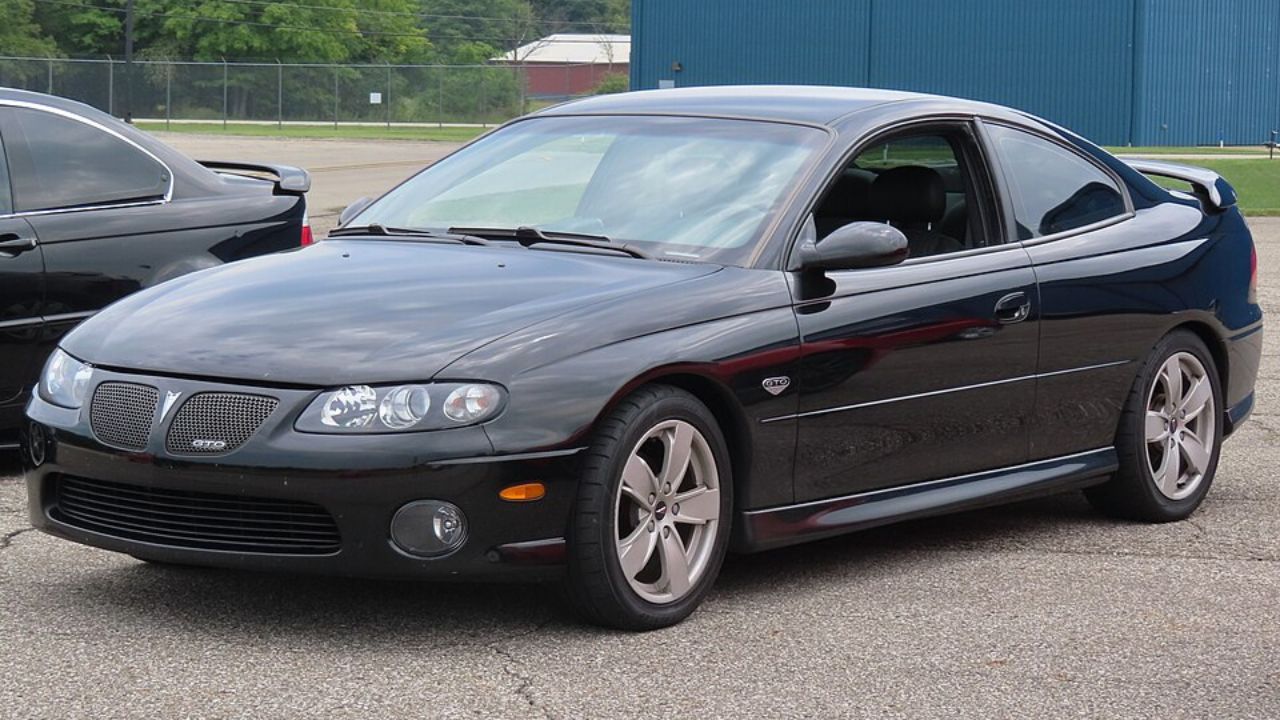
The 2004 Pontiac GTO represented a modern take on the classic muscle car formula, blending retro styling with contemporary performance. Powered by a 5.7-liter V8 engine generating 350 horsepower, the GTO was designed for a new generation of buyers who craved power and nostalgia. Its sleek design and performance capabilities appealed to both enthusiasts and casual drivers, and the GTO was well-received in the marketplace.
This model’s introduction marked a resurgence of interest in muscle cars, as buyers sought vehicles that offered both heritage and modern technology. The GTO’s success encouraged other manufacturers to explore similar revivals, leading to a renaissance of powerful, performance-oriented
2005 Ford GT: Supercar for the Masses
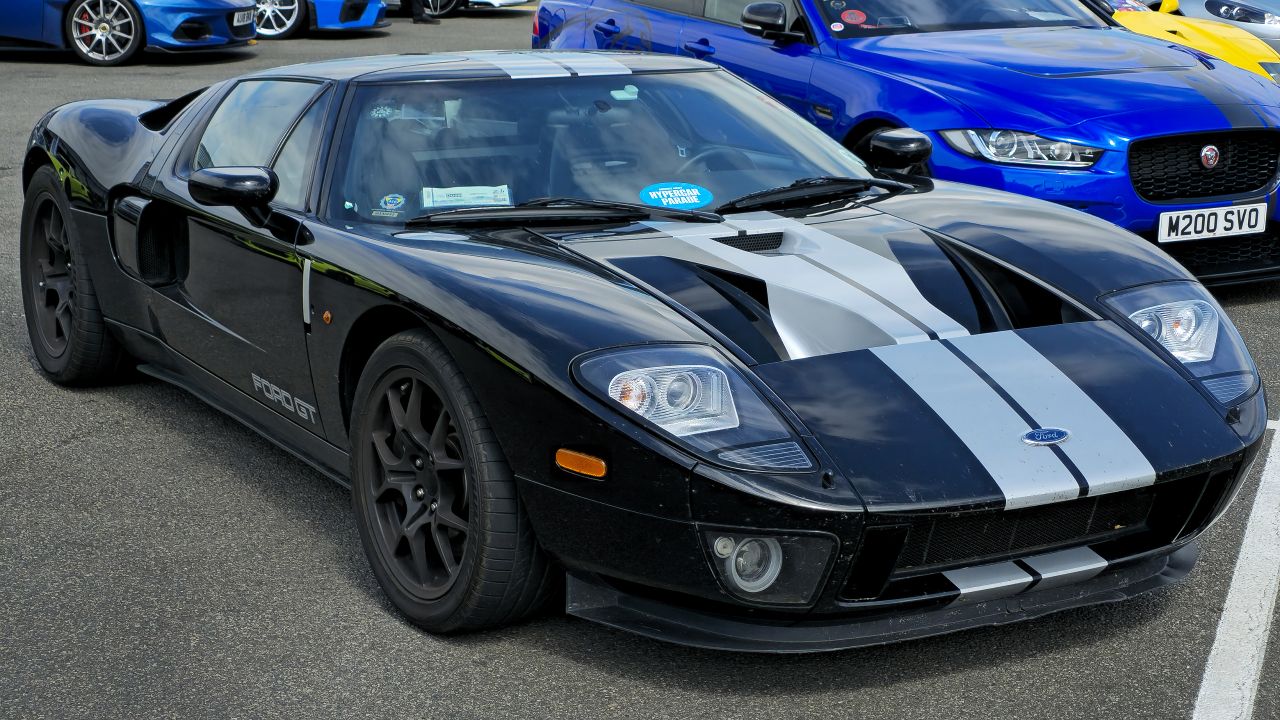
The 2005 Ford GT emerged as a modern interpretation of the iconic Ford GT40, and it quickly captured the imaginations of car enthusiasts. With its supercharged 5.4-liter V8 engine producing 550 horsepower, it offered blistering performance combined with stunning aesthetics.
The GT was more than just a tribute; it was a supercar that could be driven on the streets, thanks to its advanced engineering and racing pedigree. Its introduction to the market elevated buyer expectations for performance vehicles, showcasing that a car could deliver supercar-like capabilities while remaining accessible. The Ford GT’s legacy continues to inspire new generations of performance vehicles.
2015 Dodge Challenger Hellcat: Horsepower Overload
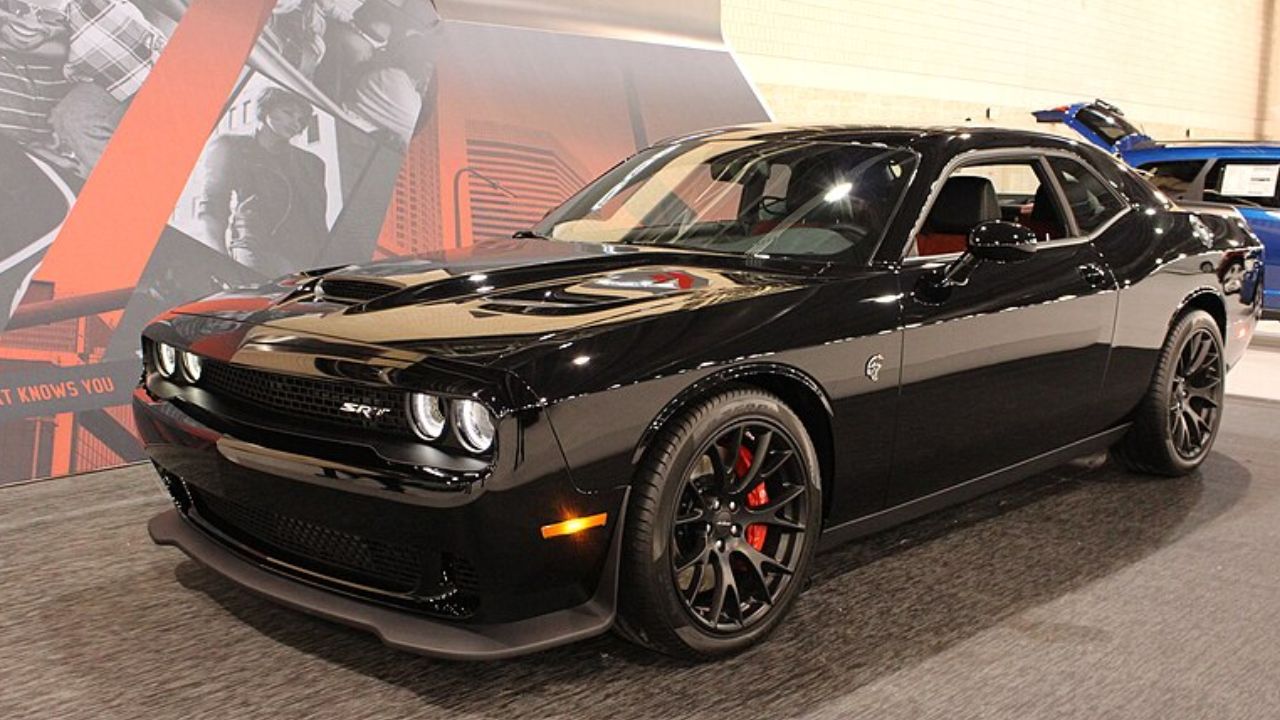
The 2015 Dodge Challenger Hellcat took the horsepower wars to unprecedented heights with its supercharged 6.2-liter HEMI V8 engine, generating a jaw-dropping 707 horsepower. This muscle car was a statement in the automotive world, proving that manufacturers could still push the limits of power while embracing modern technology. The Hellcat’s aggressive styling and impressive performance capabilities attracted a diverse audience, from muscle car purists to modern enthusiasts.
With its ability to accelerate from 0 to 60 mph in just 3.6 seconds, the Hellcat set a new benchmark for what buyers expected from high-performance vehicles. Its impact can still be felt today, as manufacturers continue to chase the elusive combination of power and drivability.
More from Fast Lane Only
- Unboxing the WWII Jeep in a Crate
- 15 rare Chevys collectors are quietly buying
- 10 underrated V8s still worth hunting down
- Police notice this before you even roll window down
*Research for this article included AI assistance, with all final content reviewed by human editors.