In the world of automotive engineering, simplicity often reigns supreme. These classic engines have demonstrated that straightforward designs can lead to remarkable performance, reliability, and longevity. From the early days of motoring to modern classics, these powerplants have left an indelible mark on the automotive landscape, proving that less can indeed be more.
Ford Model T Inline-Four
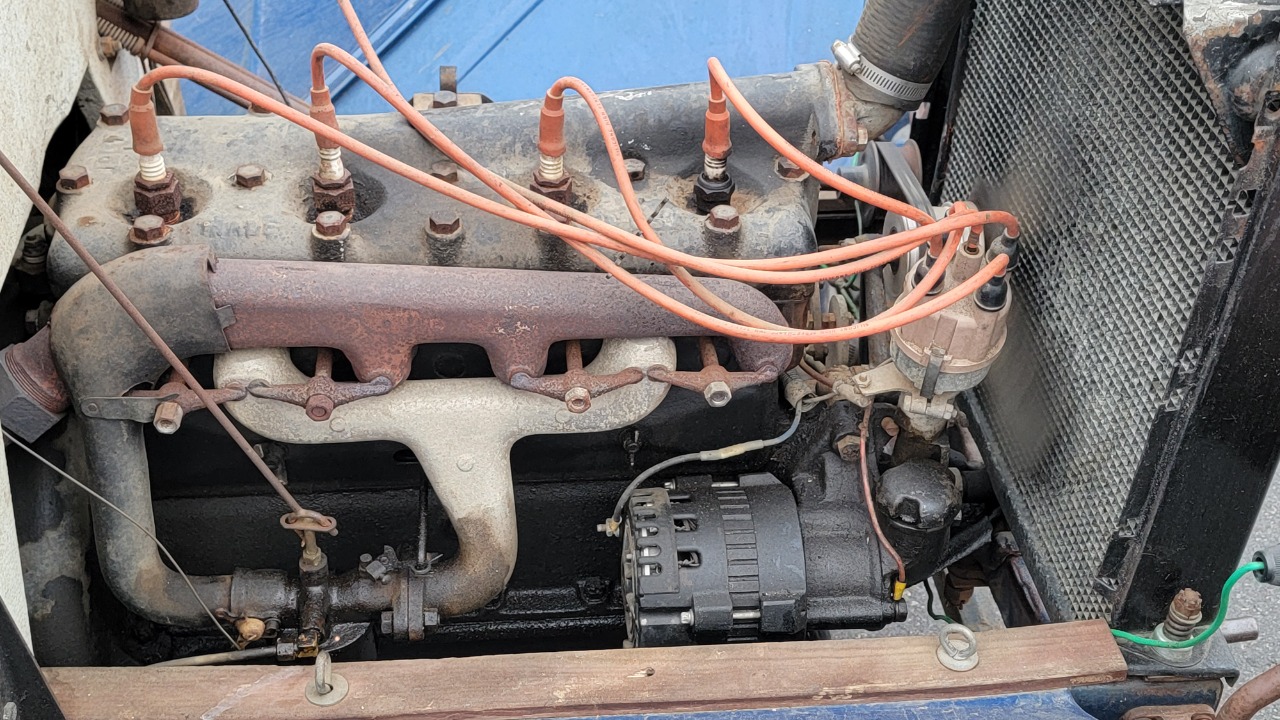
The Ford Model T, produced from 1908 to 1927, revolutionized the automotive industry with its simple yet effective inline-four engine. This 2.9-liter engine was designed for reliability and ease of repair, making it accessible to the average consumer. Its production line efficiency allowed Ford to offer a vehicle that was affordable and dependable. The engine’s design utilized a cast iron block and a simple carburetor, ensuring it could withstand the rigors of daily use. Even after nearly a century, the Model T’s engine remains a testament to the power of straightforward engineering, and many enthusiasts still restore and race these classic cars today.
Volkswagen Beetle Flat-Four
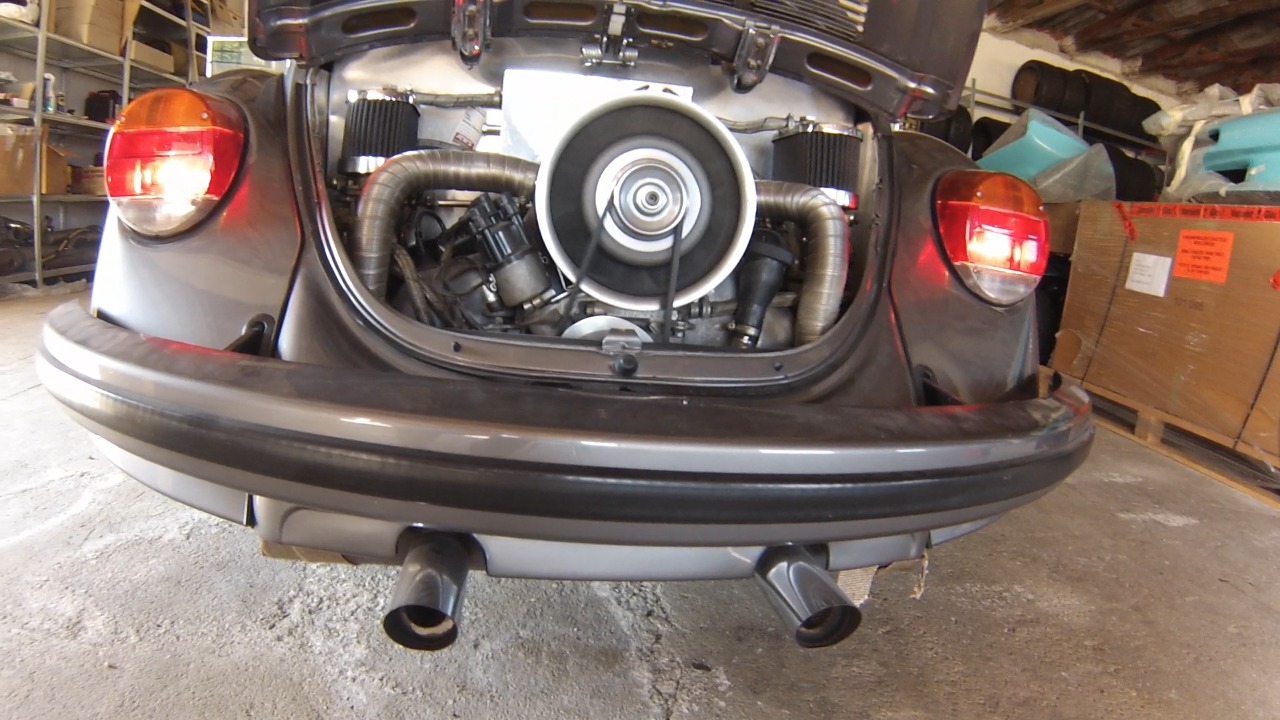
The Volkswagen Beetle, with its iconic flat-four engine, has become a symbol of simple engineering excellence. Manufactured from 1938 until 2003, this air-cooled engine was renowned for its durability and ease of maintenance. The design minimized complexity, featuring a straightforward layout that allowed for quick repairs. Its lightweight construction contributed to the Beetle’s remarkable fuel efficiency and performance, making it a favorite for drivers worldwide. The engine’s design also allowed it to thrive in various conditions, from rough terrain to urban environments. Today, the Beetle remains a beloved classic, demonstrating how a simple engine can deliver exceptional reliability and charm.
Chevrolet Small Block V8
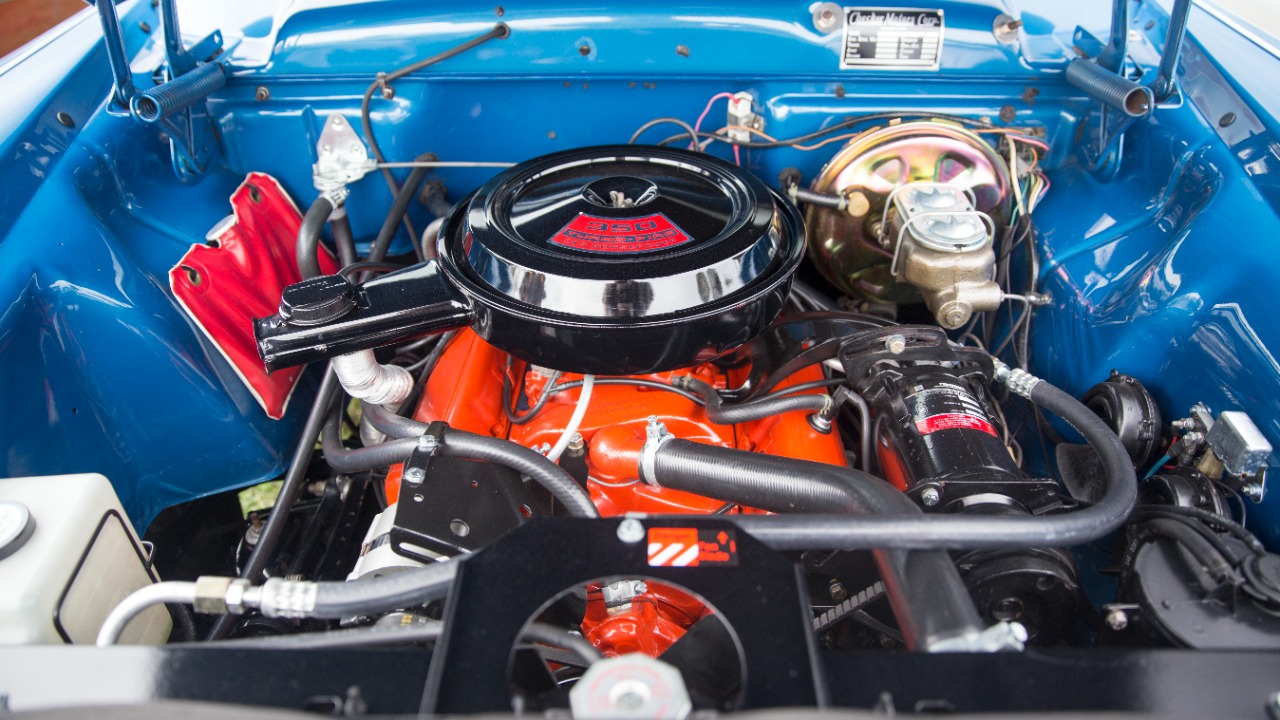
Debuting in 1955, the Chevrolet Small Block V8 quickly became a staple in American muscle cars, pickup trucks, and more. Its lightweight design and simple architecture allowed for easy upgrades and modifications, making it a favorite among car enthusiasts. With a variety of displacements, starting from 265 cubic inches, it produced impressive power output while maintaining fuel efficiency. The engine’s versatility is unmatched, powering everything from the Chevrolet Corvette to the classic Camaro. Its production has spanned decades, with millions manufactured, solidifying its status as one of the most successful engine designs in history. It’s a classic example of how simplicity can yield exceptional performance.
Honda B-Series Inline-Four
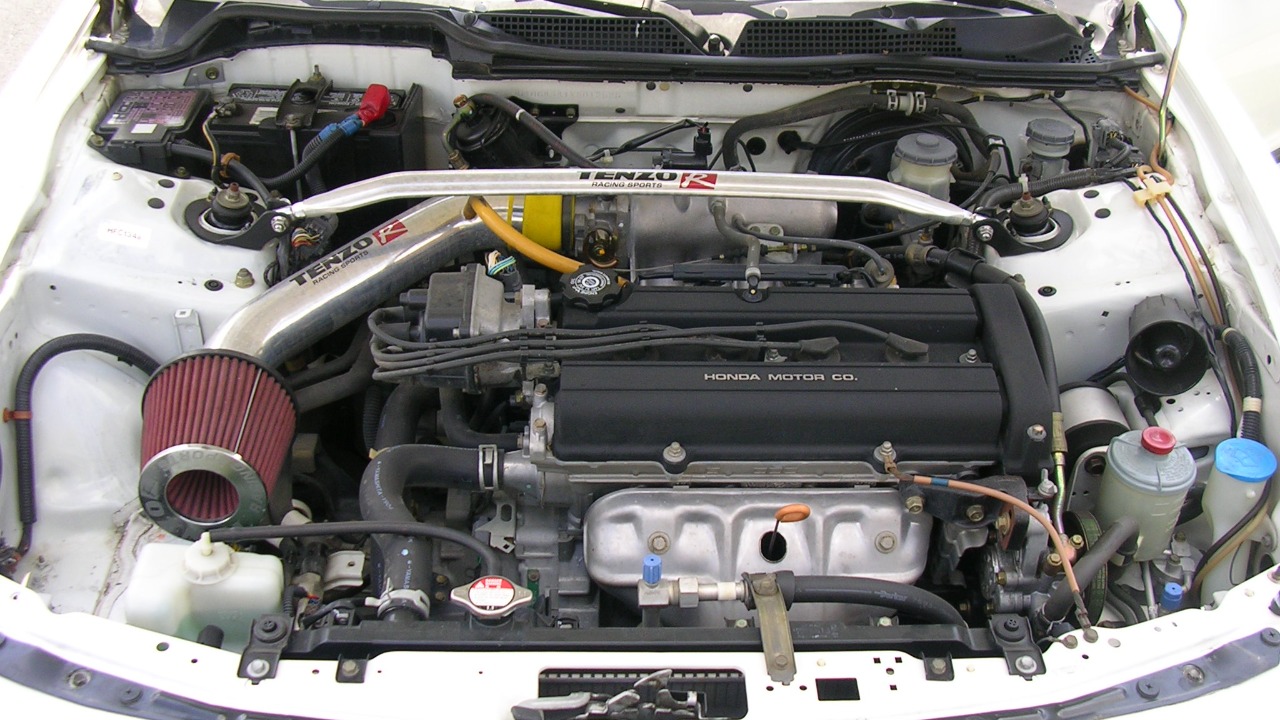
The Honda B-Series inline-four engine, produced from 1988 to 2002, exemplifies the brand’s commitment to performance and reliability. Found in models like the Honda Civic and Acura Integra, this engine gained a reputation for its high-revving capabilities and impressive power-to-weight ratio. With a simple DOHC design, it allowed for easy tuning and modifications, making it a popular choice for car enthusiasts and racers alike. Many B-Series engines have been successfully modified to produce over 400 horsepower, showcasing their potential. Even today, they maintain a loyal following, and their engineering principles continue to influence modern Honda engines. For those interested in four-cylinder engines, this list delves deeper into the subject.
Porsche Flat-Six
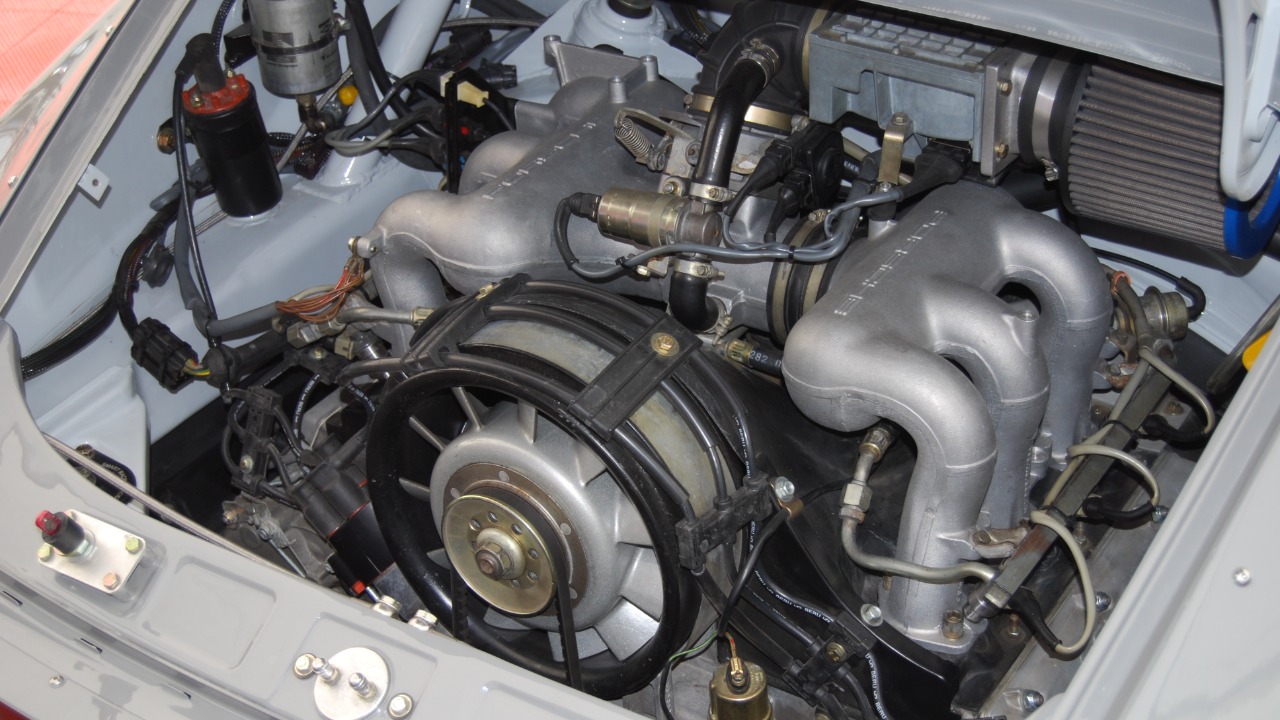
Porsche’s flat-six engine has been a cornerstone of the brand’s identity since the 1960s, featuring in iconic models like the 911. This engine’s design, with horizontally opposed cylinders, offers a lower center of gravity, improving handling and stability. Its simple air-cooled design, utilized until the early 1990s, ensured reliability and ease of maintenance. The flat-six has evolved through the years, with technology enhancements while maintaining its core characteristics. Its distinctive sound and performance have made it a favorite among enthusiasts and a benchmark in the sports car world. The enduring appeal of the Porsche flat-six is evident, proving that classic engineering principles still resonate today.
BMW M10 Inline-Four
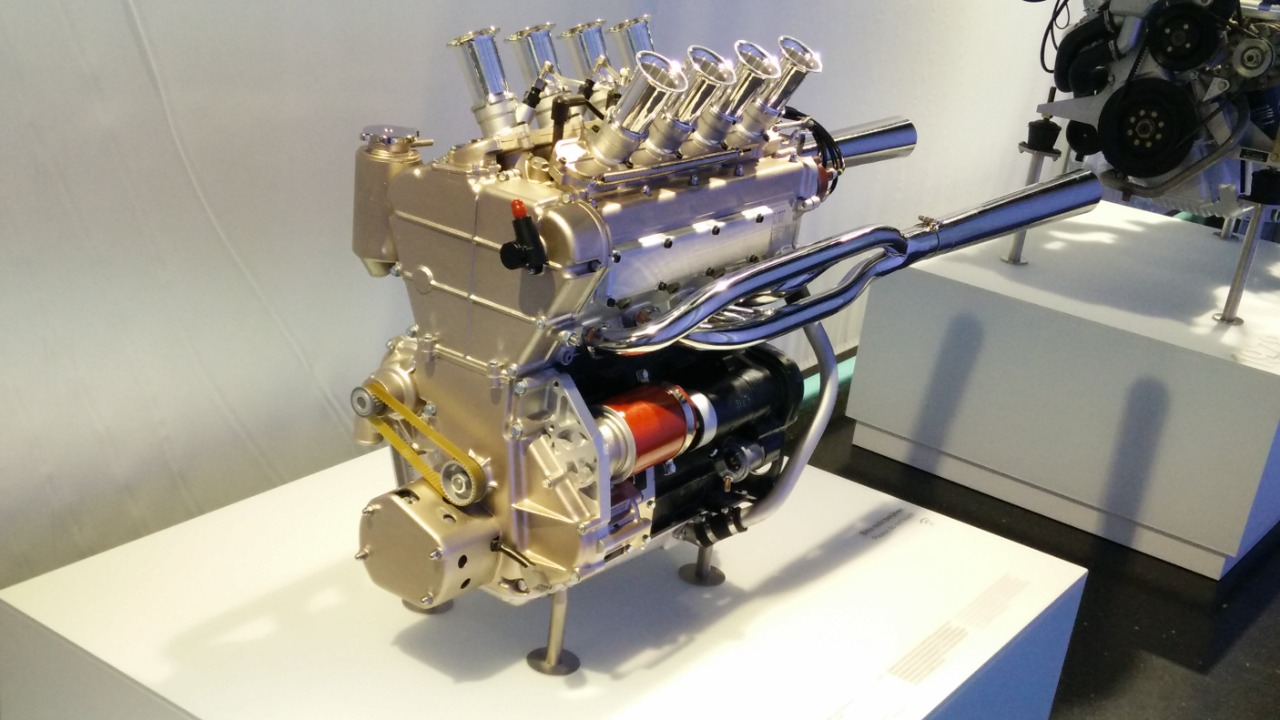
Launched in 1962, the BMW M10 inline-four engine quickly gained a reputation for its performance and tuning potential. Originally designed for the BMW 1500, it featured a simple and robust design that made it popular in racing applications. The M10 was capable of producing impressive power figures, especially when modified, and became the backbone of BMW’s early motorsport success. Its lightweight construction and straightforward architecture allowed for easy upgrades, contributing to its legacy. Even decades later, the M10 remains a beloved engine among enthusiasts who appreciate its simplicity and performance capabilities. It’s a prime example of how classic engineering can lead to lasting success in the automotive world.
Toyota K-Series Inline-Four
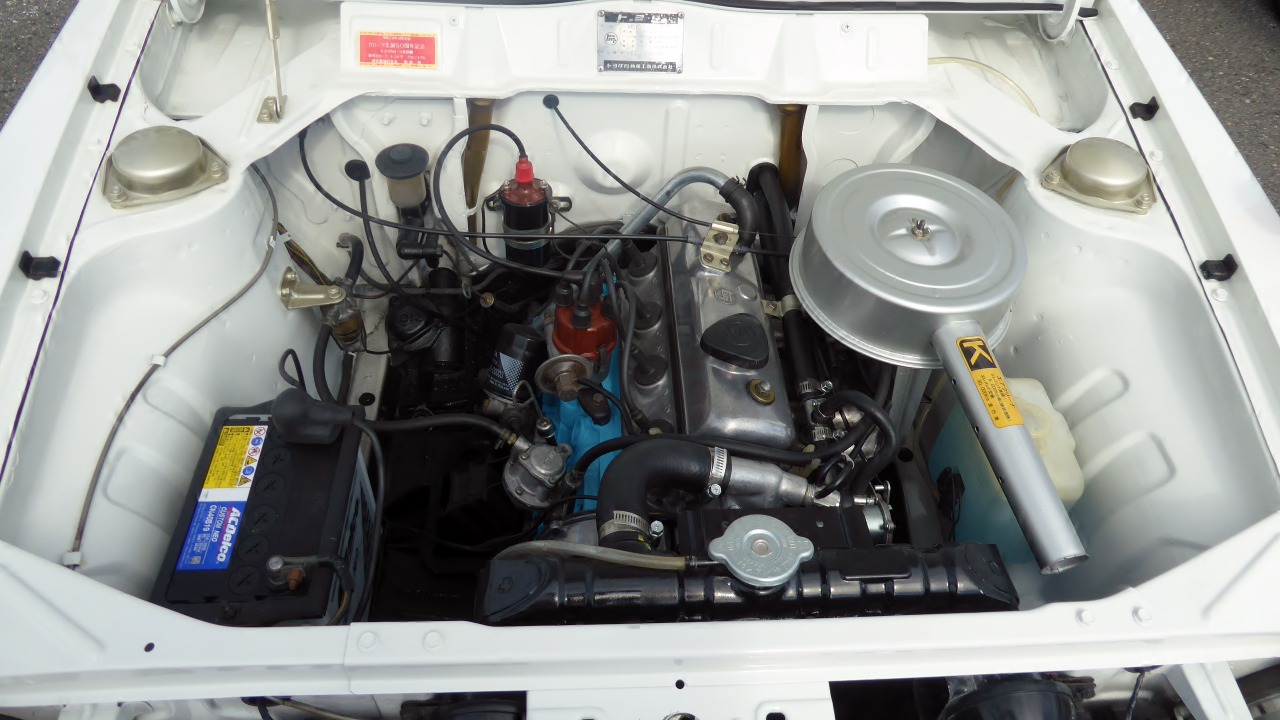
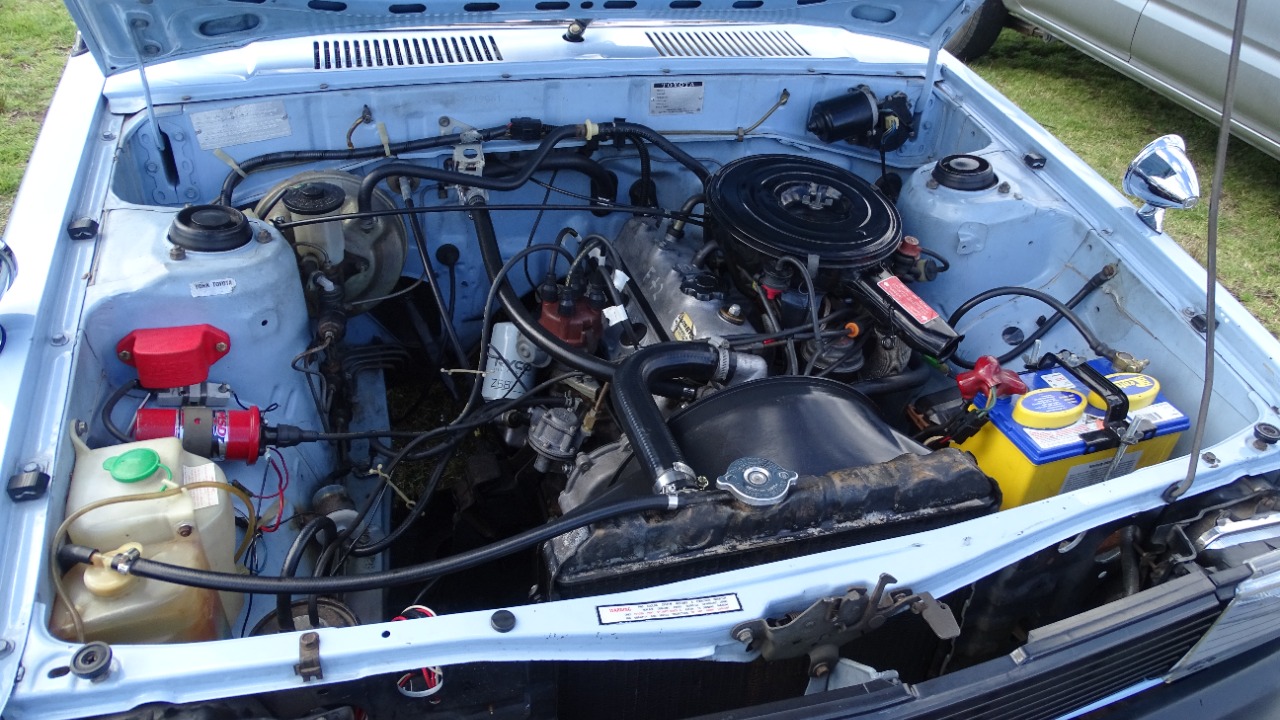
The Toyota K-Series engine family, introduced in the 1960s, is known for its durability and simplicity. This inline-four engine, used in models like the Toyota Corolla and Celica, was designed to be easy to maintain and repair. With displacements ranging from 1.2 to 1.8 liters, it provided reliable power for everyday driving. The K-Series’ robust design has allowed many of these engines to exceed high mileage without significant issues, earning them a reputation for longevity. Even today, enthusiasts restore and modify these engines, showcasing their versatility and dependability. The K-Series continues to be celebrated for its straightforward engineering that puts reliability first.
Nissan L-Series Inline-Six
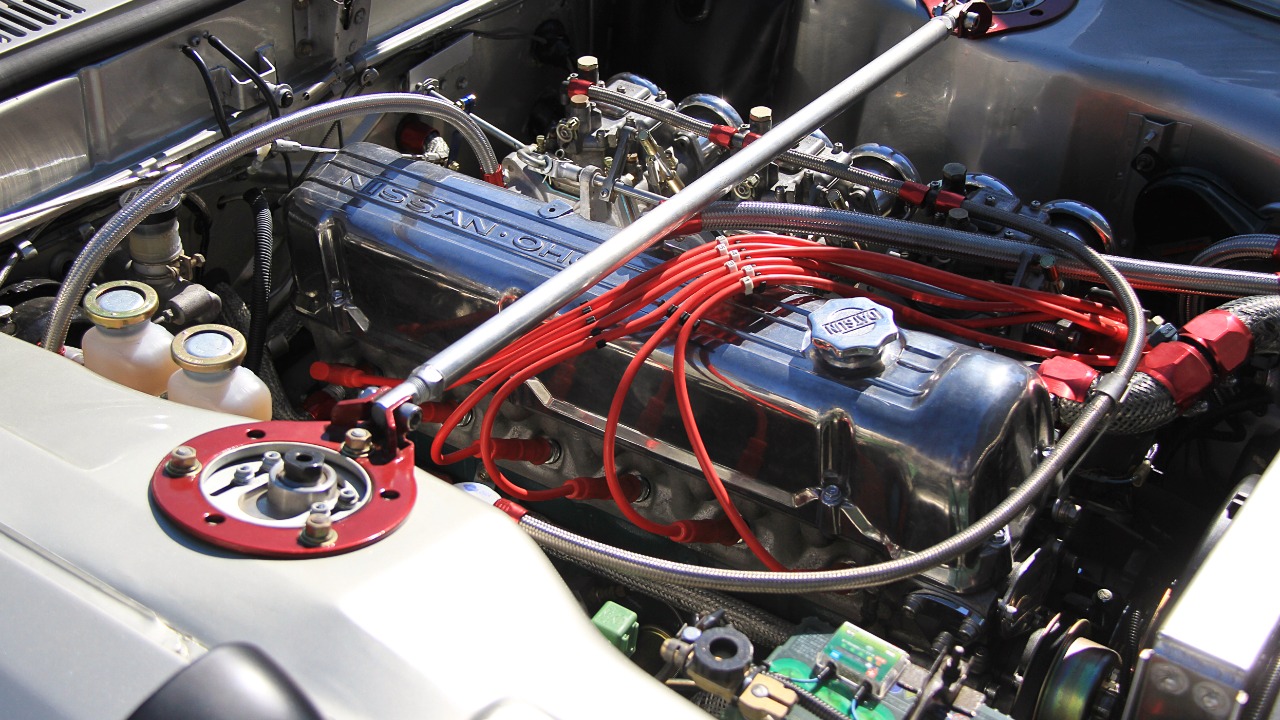
The Nissan L-Series inline-six engine, produced from the 1960s to the 1990s, is a classic example of straightforward engineering. Found in models like the Datsun 240Z, this engine was known for its smooth operation and robust performance. Its simple design, combined with a cast iron block and overhead camshaft, made it easy to maintain. The L-Series engine offered a good balance of power and efficiency, contributing to the success of the Datsun brand in motorsport and everyday driving. Even today, many L-Series engines are still in operation, highlighting their durability and the timeless appeal of uncomplicated engineering solutions.
Subaru EJ Flat-Four
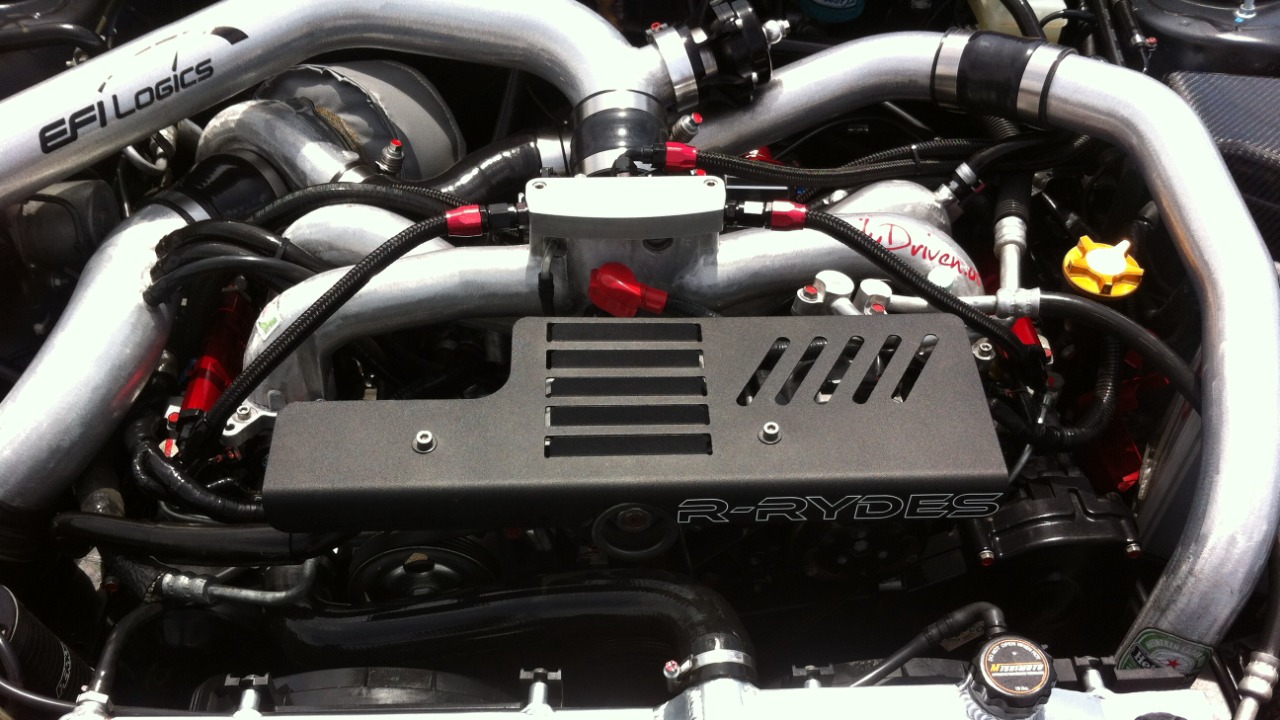
The Subaru EJ flat-four engine has gained a loyal following since its introduction in the 1980s. With its unique design, this air-cooled engine is known for its low center of gravity and smooth power delivery. Found in models like the Subaru Impreza and Legacy, the EJ engine has proven reliable in various driving conditions, from everyday commuting to off-road adventures. Its straightforward architecture makes it easy to work on, and many enthusiasts appreciate the tuning potential it offers. The EJ engine’s success in motorsport and rallying has only added to its reputation. Its engineering simplicity is a testament to Subaru’s commitment to performance and reliability.
Mopar Slant-Six
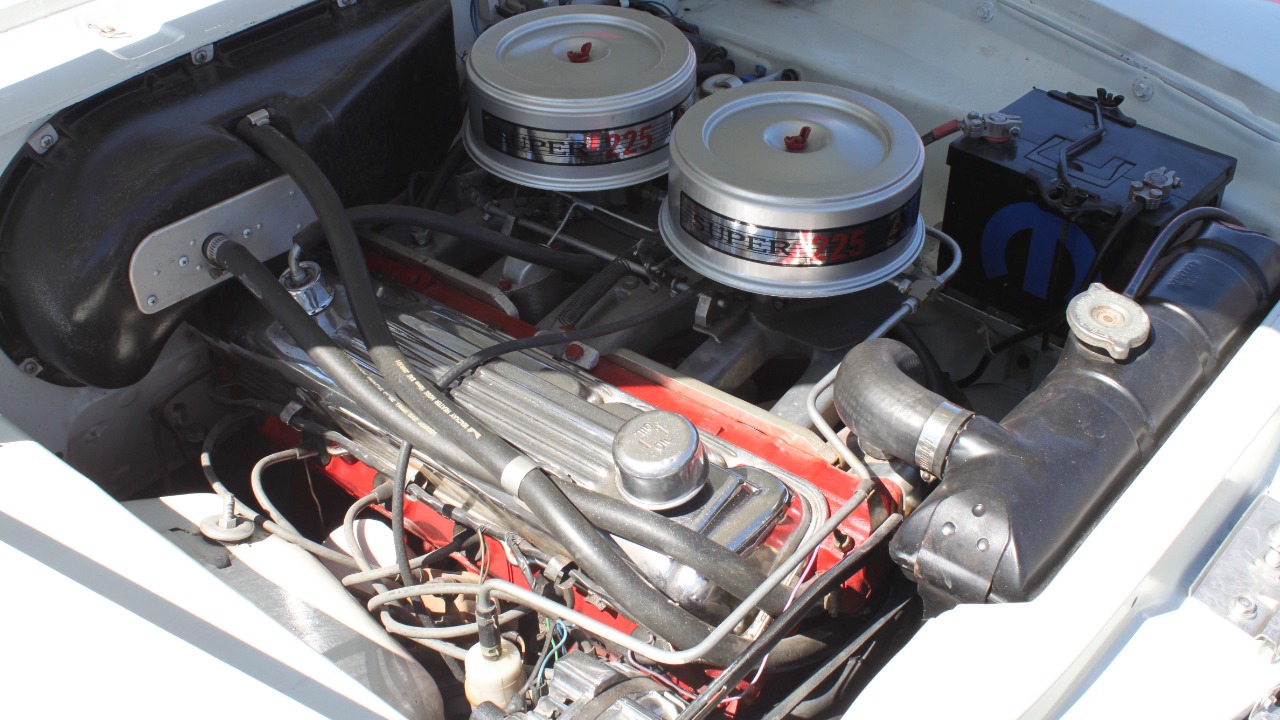
The Mopar Slant-Six engine, produced from 1960 to 1976, is a classic example of simple yet effective engineering. This inline-six engine featured a unique slanted design, which contributed to a lower center of gravity and improved handling. Its straightforward construction made it easy to maintain and repair, appealing to both casual drivers and performance enthusiasts. The Slant-Six was known for its durability and longevity, with many still on the road today. It powered a range of vehicles, from the Dodge Dart to the Plymouth Valiant, and remains a favorite among collectors. The Slant-Six exemplifies how simplicity in engineering can yield a reliable and versatile powerplant.
More from Fast Lane Only
- Unboxing the WWII Jeep in a Crate
- 15 rare Chevys collectors are quietly buying
- 10 underrated V8s still worth hunting down
- Police notice this before you even roll window down
*Research for this article included AI assistance, with all final content reviewed by human editors.