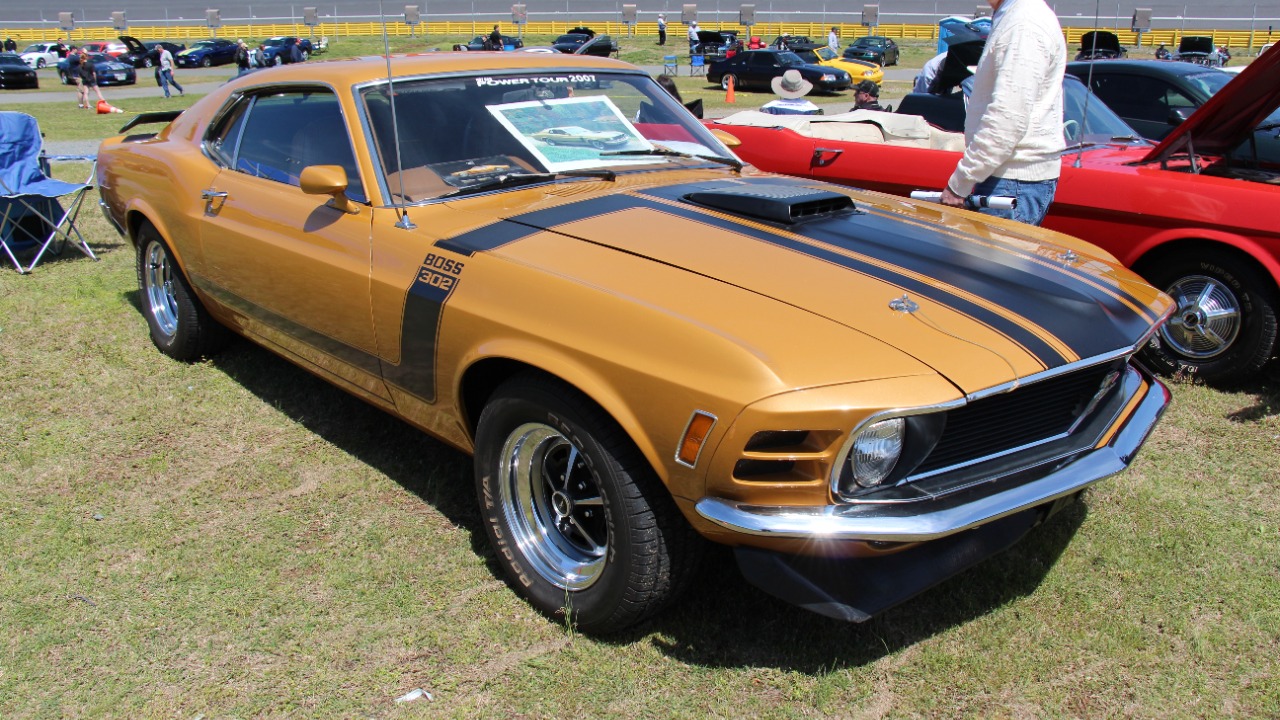
During the late 1960s and early 1970s, Detroit was a hotbed of automotive innovation and performance. The golden age of muscle cars saw manufacturers pushing the limits of design, power, and technology, resulting in iconic vehicles that defined an era. Here’s a look at eight standout models that not only captured the spirit of their time but also set the stage for future generations of performance cars.
1969 Chevrolet Camaro SS
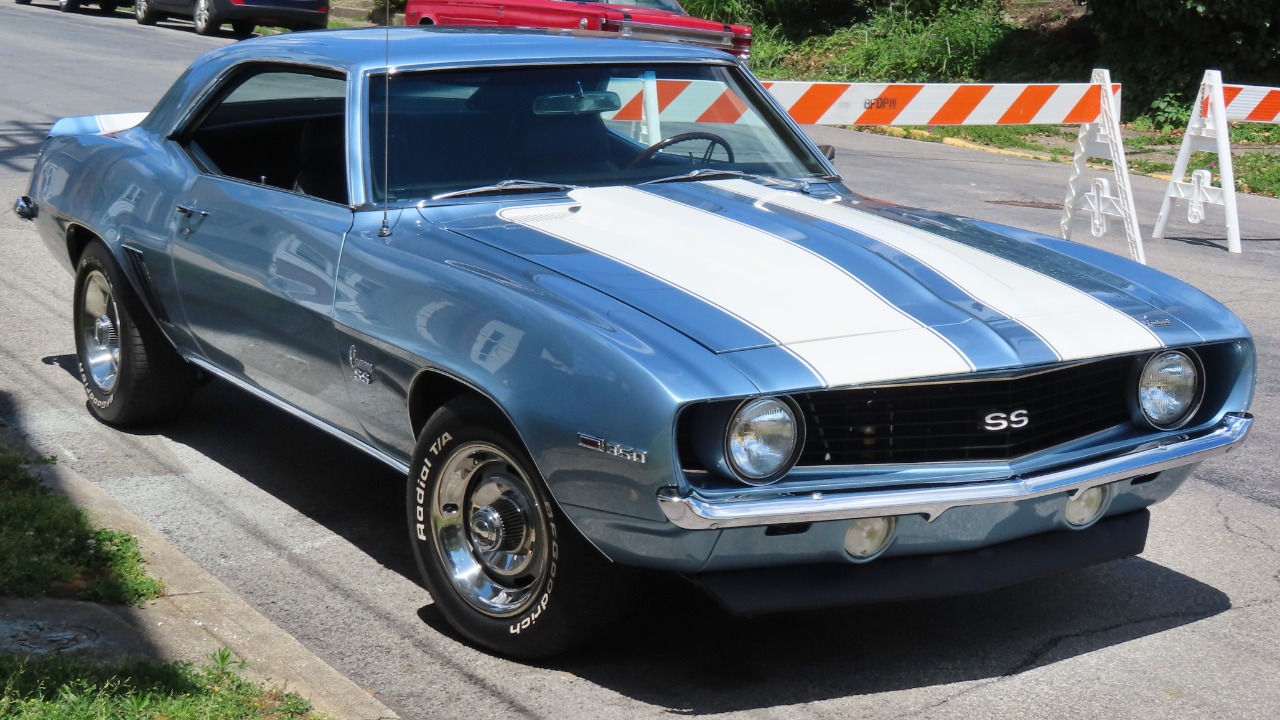
The 1969 Chevrolet Camaro SS is a classic that resonates with muscle car enthusiasts. With its aggressive styling and powerful engine options, including a 396 cubic inch V8, the Camaro SS was built for speed. The combination of lightweight design and high horsepower made it a formidable competitor on the streets and at the drag strip. The SS package included unique badging, sport stripes, and a host of performance upgrades, making it a standout choice for anyone looking for a thrilling ride. Its legacy is celebrated in various automotive publications, including this detailed analysis of classic muscle cars.
Moreover, the Camaro SS’s performance was not just about power; it also excelled in handling, thanks to its well-engineered suspension system. This balance of speed and control made the Camaro SS a favorite among car enthusiasts. The model’s influence is evident in modern iterations, where the spirit of the 1969 Camaro SS can still be felt today. For a visual journey through its history, check out this YouTube video showcasing the Camaro’s evolution.
1970 Dodge Challenger R/T
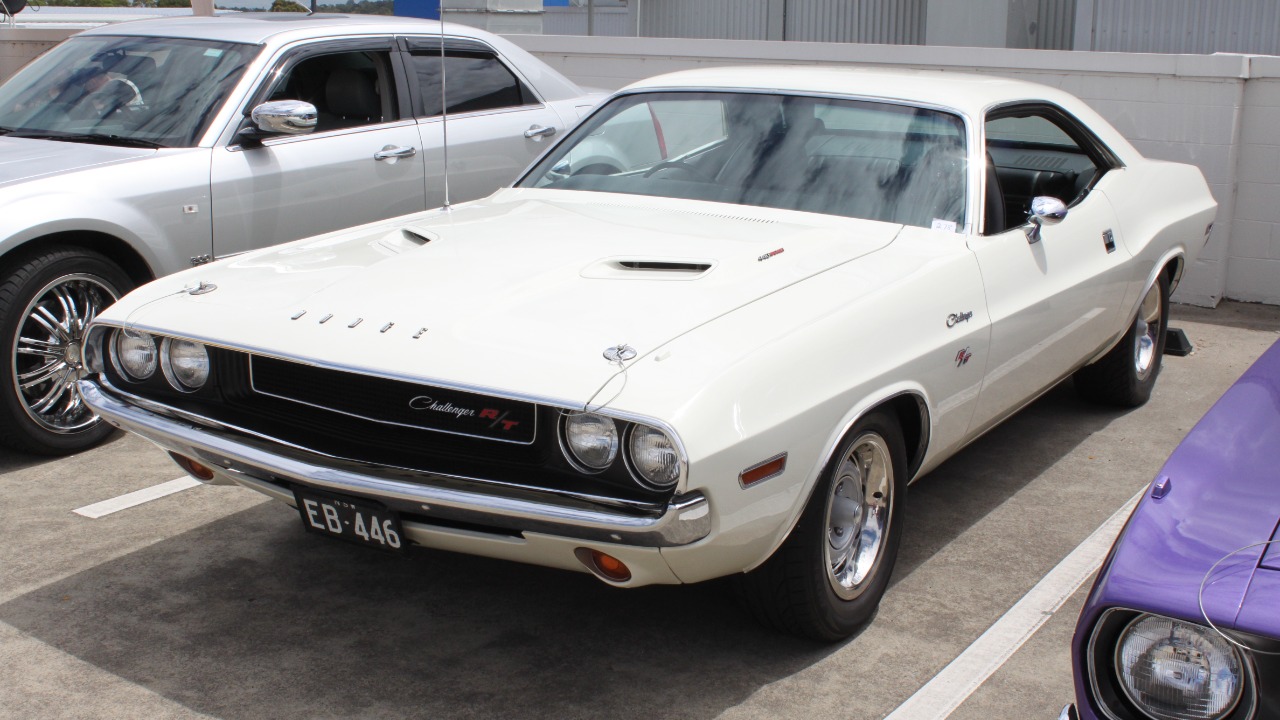
When the 1970 Dodge Challenger R/T hit the market, it was clear that Dodge was serious about performance. With a range of potent engines, including the legendary 426 HEMI, the Challenger was designed to dominate. Its bold styling, characterized by wide fenders and a long hood, made a statement on the road. Performance was further enhanced by features like heavy-duty suspension and rear-wheel drive, which made it a joy to drive. It quickly became a symbol of American muscle, appealing to those who craved power and presence.
The Challenger R/T’s reputation was cemented in various drag racing events, where its raw power was put to the test. It was not only about speed, but also about the driving experience, which was amplified by the car’s throaty exhaust note. For those interested in its racing pedigree, I recommend exploring this in-depth review that highlights its impact on the muscle car scene.
1970 Ford Mustang Boss 302
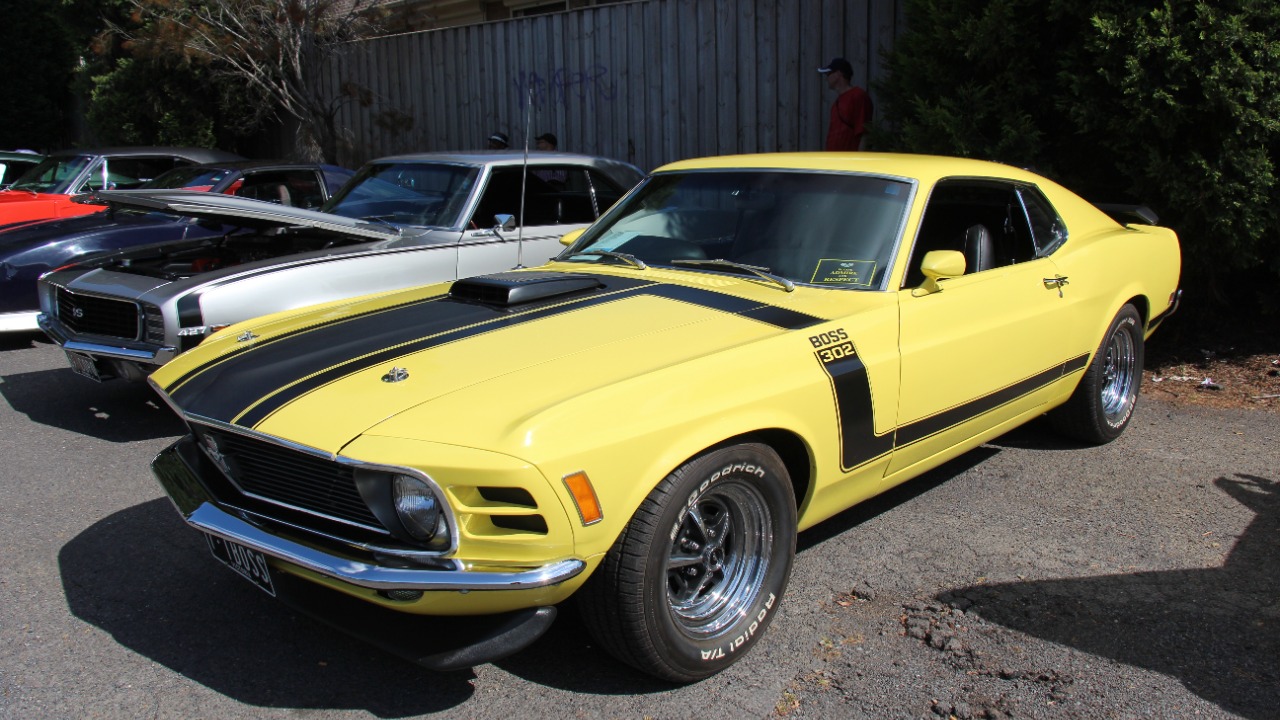
The 1970 Ford Mustang Boss 302 was a game-changer in the muscle car market, combining performance and style in a way that few could match. Developed to compete in the Trans-Am racing series, the Boss 302 boasted a high-revving 302 cubic inch V8 engine that delivered impressive horsepower and torque. Its distinctive graphics and aggressive stance set it apart from other Mustangs, making it a coveted model among collectors and enthusiasts alike.
This Mustang was engineered for performance, featuring a sport-tuned suspension and front disc brakes, which contributed to its exceptional handling capabilities. It was the perfect blend of power and agility, allowing drivers to navigate curves with confidence. The Mustang’s legacy continues to influence modern performance cars, and for a closer look at its racing history, you can view this engaging video overview that details the Boss 302’s achievements on the track.
1987 Buick GNX
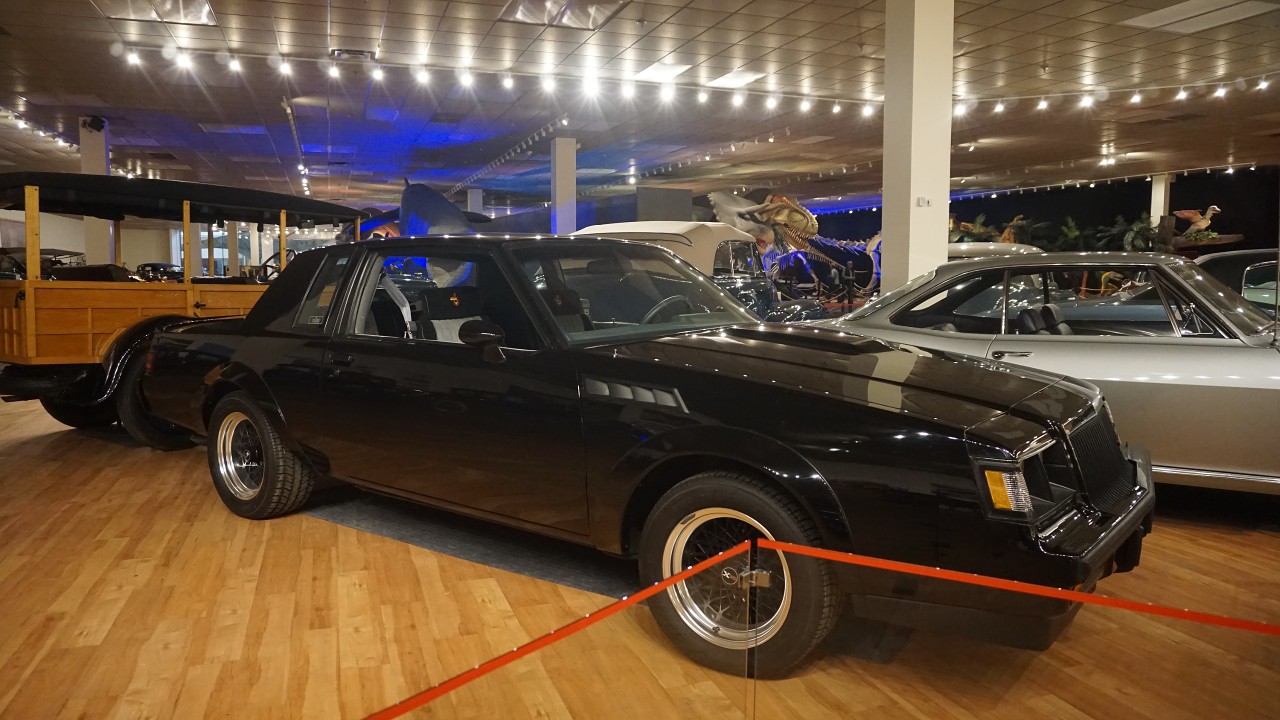
The Buick GNX arrived in 1987 as a limited-production muscle car that turned heads with its turbocharged V6 engine. Boasting 276 horsepower and a design that blended luxury with performance, the GNX represented the last hurrah of the American muscle car era before the market shifted towards fuel efficiency. It was an unexpected powerhouse, often outpacing its rivals despite its unassuming appearance.
The GNX’s launch came at a time when performance vehicles were becoming increasingly rare, making it a sought-after model among collectors. The combination of luxury and speed was a unique selling point, attracting a diverse audience. As the automotive landscape continues to evolve, the GNX remains a standout example of what American engineering can achieve.
1970 Buick GSX
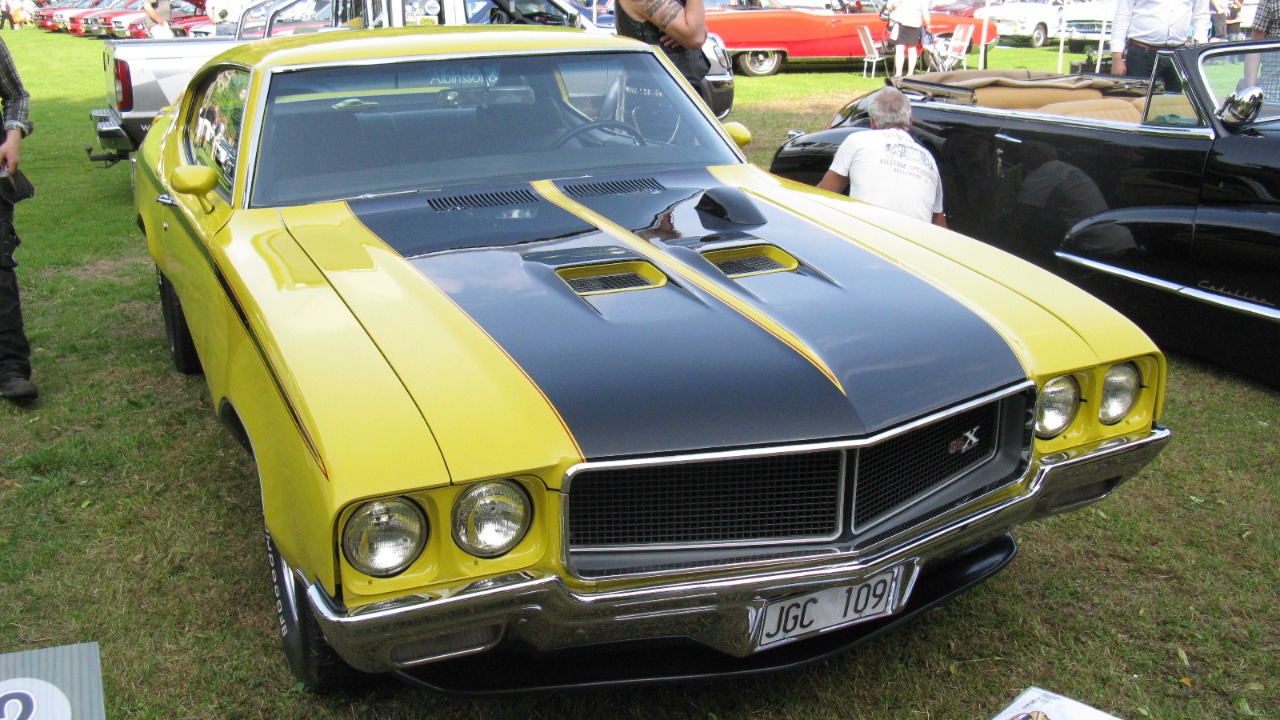
The 1970 Buick GSX was a true powerhouse, combining luxury and performance in a way that few cars could. With its bold styling and striking color options, the GSX quickly became a standout in the muscle car market. It was powered by a massive 455 cubic inch V8 engine, delivering an impressive 510 lb-ft of torque, which translated to exhilarating acceleration and an unforgettable driving experience. The GSX wasn’t just about raw power; it also featured a well-appointed interior, making it comfortable for long drives.
This model was produced in limited numbers, which has contributed to its status as a collectible classic today. Its combination of performance and luxury set a new standard for muscle cars, showing that you didn’t have to sacrifice comfort for speed. The GSX’s legacy continues to be celebrated among car enthusiasts, and it remains a symbol of Buick’s performance heritage.
1970 Mercury Cougar Eliminator
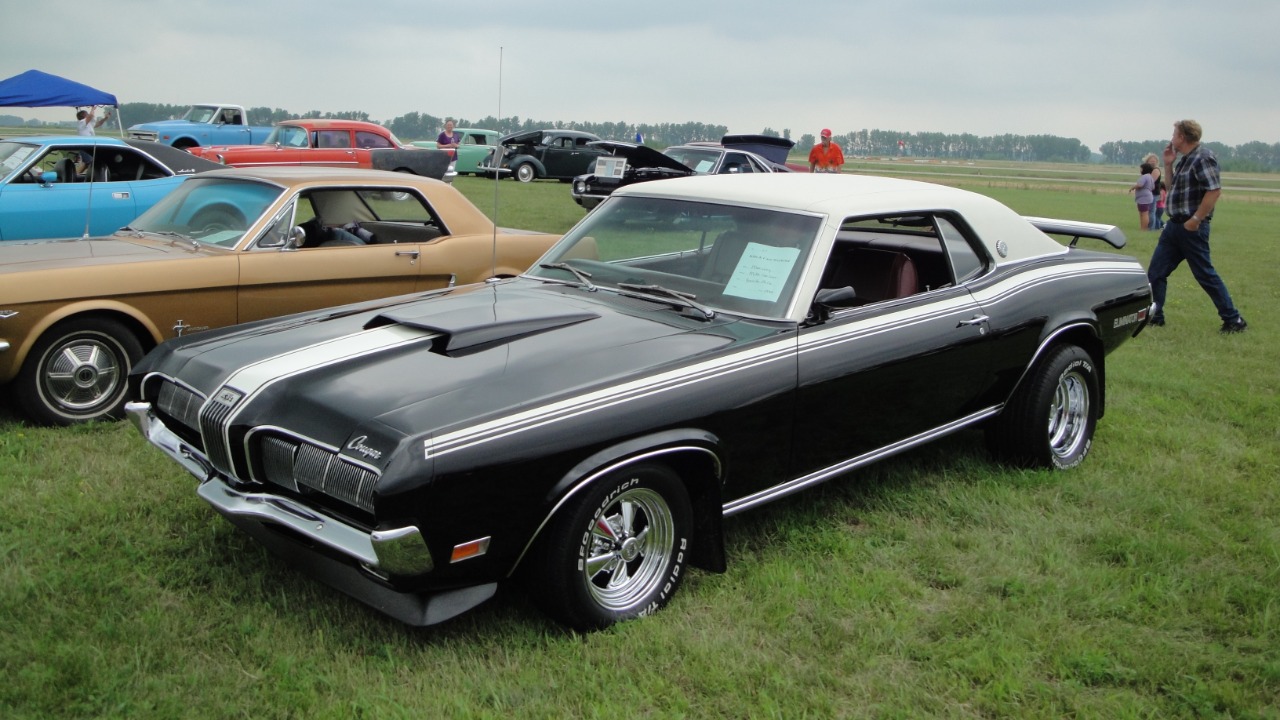
The 1970 Mercury Cougar Eliminator was a stylish and powerful contender in the muscle car arena. With a sleek design and performance-oriented features, the Eliminator targeted buyers looking for both aesthetics and speed. It came equipped with a range of engine options, including a robust 351 cubic inch V8, which provided ample horsepower for thrilling drives. The Cougar stood out with its unique grille and streamlined silhouette, giving it a distinctive presence on the road.
What made the Eliminator particularly appealing was its focus on customization. Buyers could choose from various performance packages and colors, allowing them to personalize their vehicle to match their tastes. This flexibility helped the Cougar carve out a niche in a competitive market. For those interested in learning more about its history, several automotive resources delve into the Cougar’s impact on performance cars of the era.
1969 Pontiac Firebird Trans Am
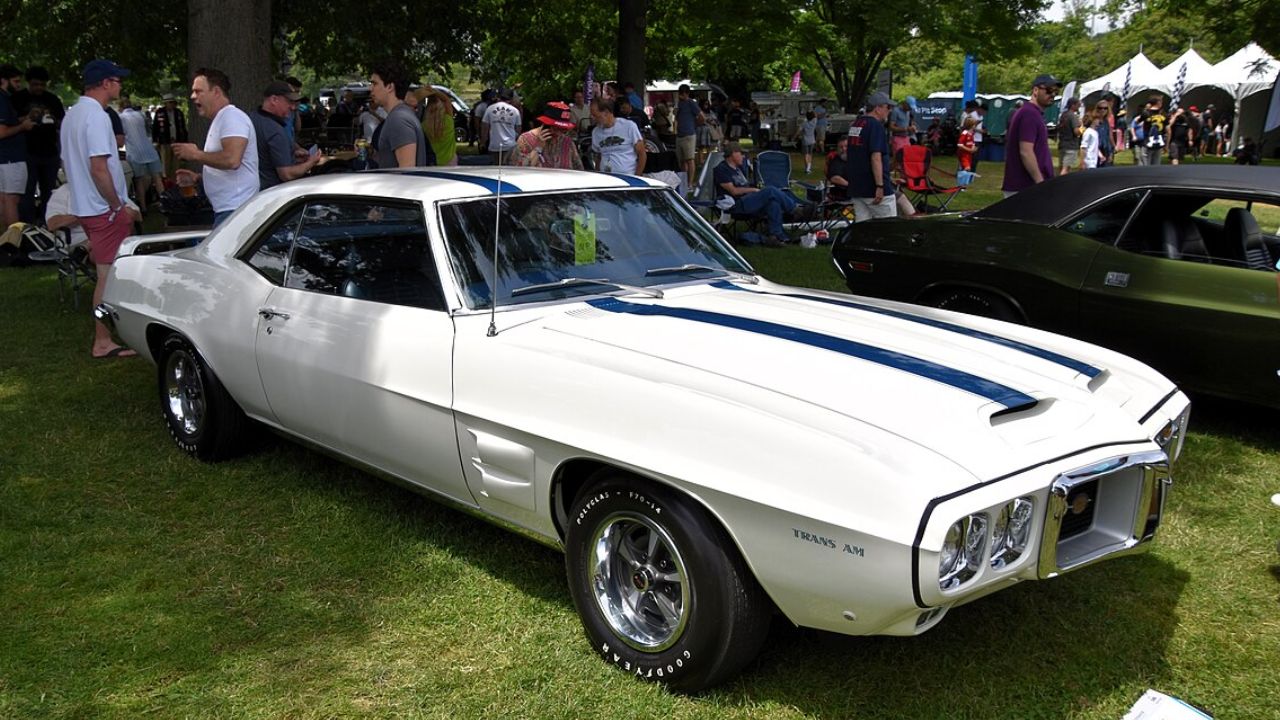
The 1969 Pontiac Firebird Trans Am was a bold statement in the muscle car world, combining performance with a sense of style that few could rival. It was equipped with a powerful 400 cubic inch V8 engine, capable of delivering impressive power to the wheels. The Trans Am’s distinctive hood scoops and racing stripes made it instantly recognizable, and its engineering was crafted for speed and agility. This combination of features made it a favorite among racing enthusiasts and everyday drivers alike.
The Trans Am’s racing heritage further solidified its reputation, as it competed in various motorsport events, showcasing its capabilities on the track. Its legacy continues to influence modern muscle cars, and it remains a sought-after classic among collectors. For a visual representation of its racing history, I recommend checking out video compilations that highlight the Trans Am’s performance on the track.
1971 Oldsmobile 442 W-30
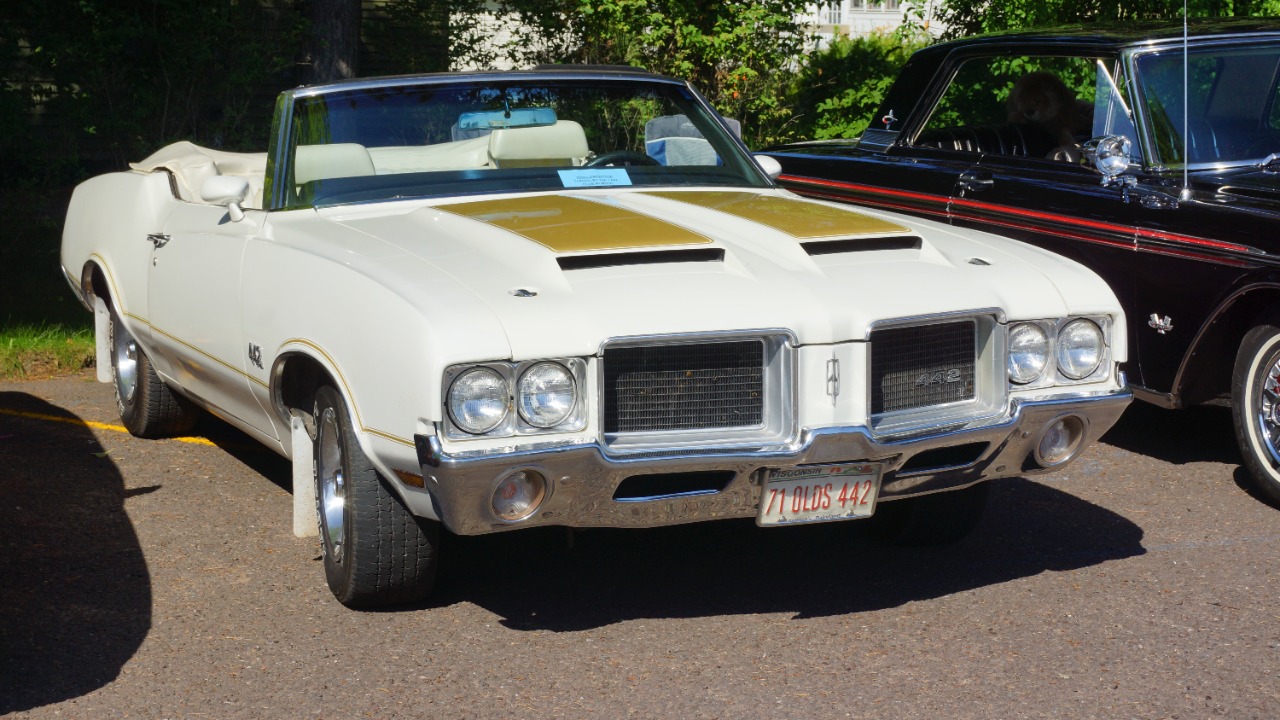
The 1971 Oldsmobile 442 W-30 was a muscle car that embodied the power and performance of its era. With a 455 cubic inch V8 engine, it offered thrilling acceleration and a deep, throaty exhaust note that turned heads. The W-30 package included additional performance upgrades, making it a standout choice for serious enthusiasts. Its aggressive styling, with a sporty front end and wide stance, conveyed the message that it was built for speed.
This model’s reputation was built on its performance on both the street and the track. The 442 W-30 was engineered to compete, making it a popular choice among racers and car enthusiasts. Its limited production numbers have made it a sought-after classic today, and it continues to be celebrated in automotive circles. For those interested in its significance in muscle car history, I suggest exploring various publications and documentaries dedicated to this iconic model.
More from Fast Lane Only
- Unboxing the WWII Jeep in a Crate
- 15 rare Chevys collectors are quietly buying
- 10 underrated V8s still worth hunting down
- Police notice this before you even roll window down
*Research for this article included AI assistance, with all final content reviewed by human editors.