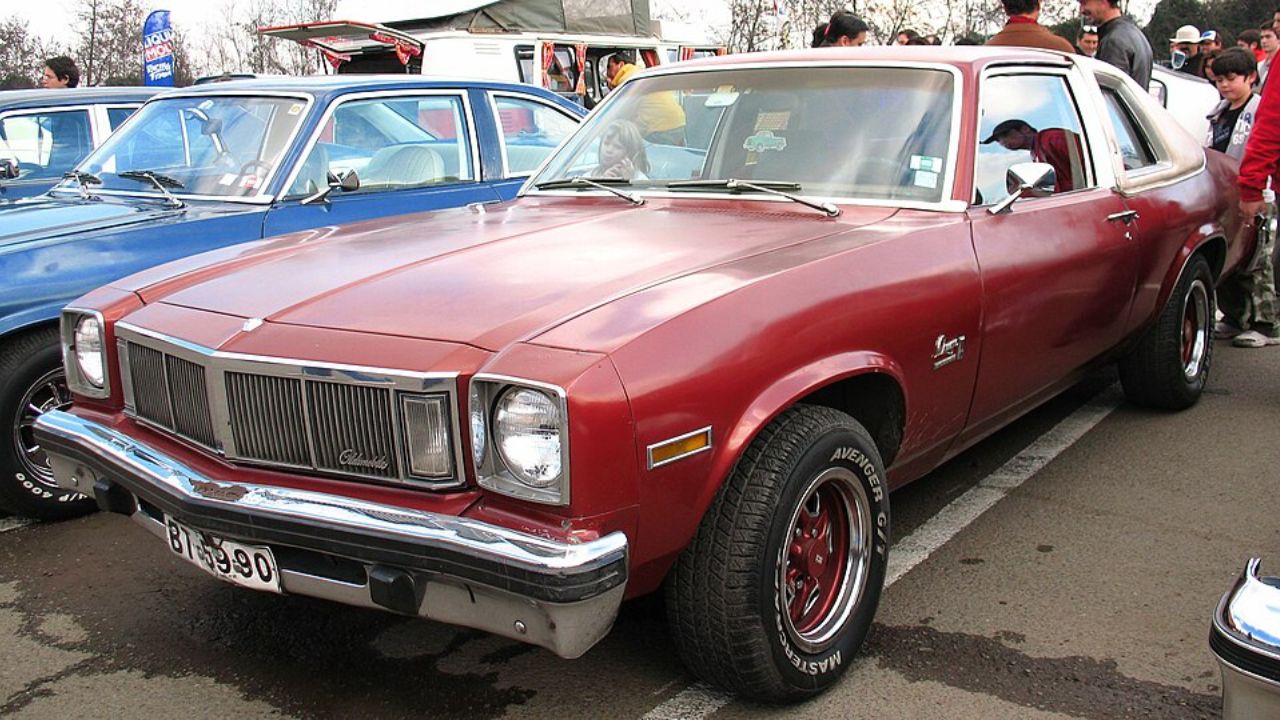
The 1970s produced plenty of cars that seemed ordinary, unfashionable, or inexpensive when new. Decades later, some have developed dedicated followings because of rarity, distinctive styling, unusual engineering, or their connection to an important moment in automotive history. These ten classics became collectibles when few people expected them to.
AMC Gremlin
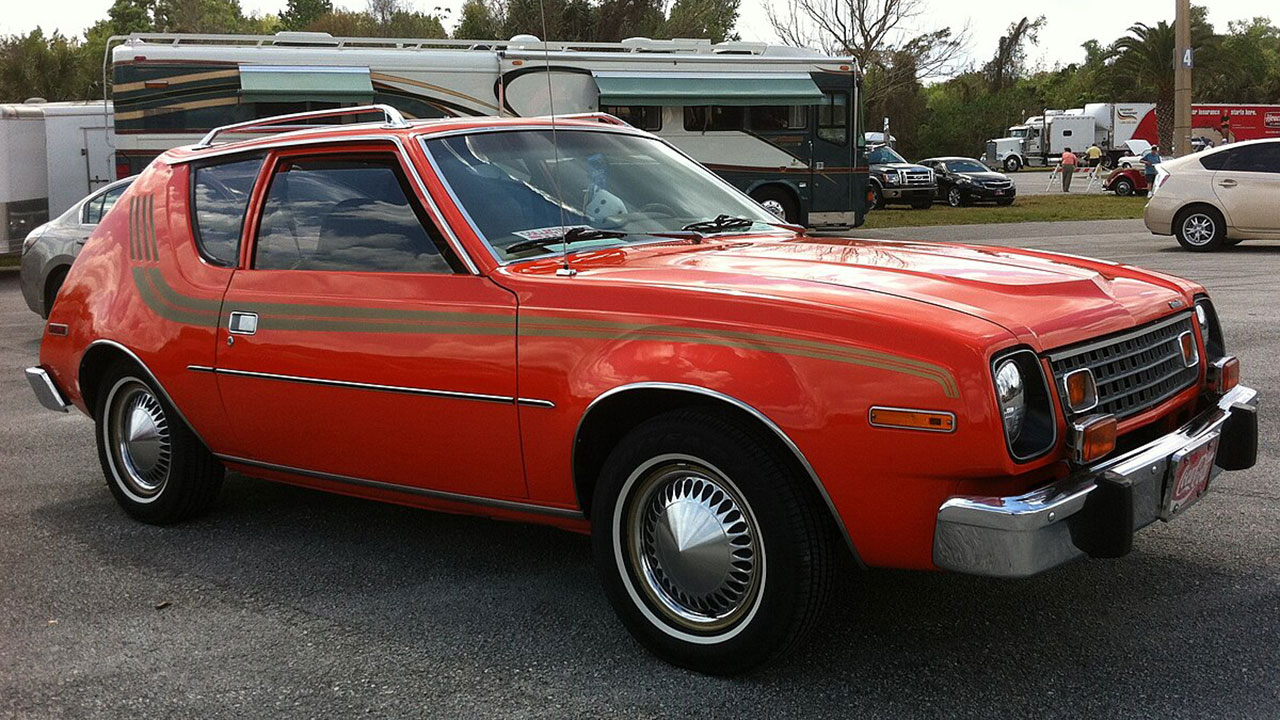
The AMC Gremlin was introduced as an inexpensive compact rather than a future collector car. Its unusual chopped rear end made it instantly recognizable, while available six-cylinder and V8 engines gave certain versions more personality than expected. Today, clean Gremlins attract attention because survivors are increasingly scarce. Its quirky design has become part of its appeal.
Chevrolet Vega
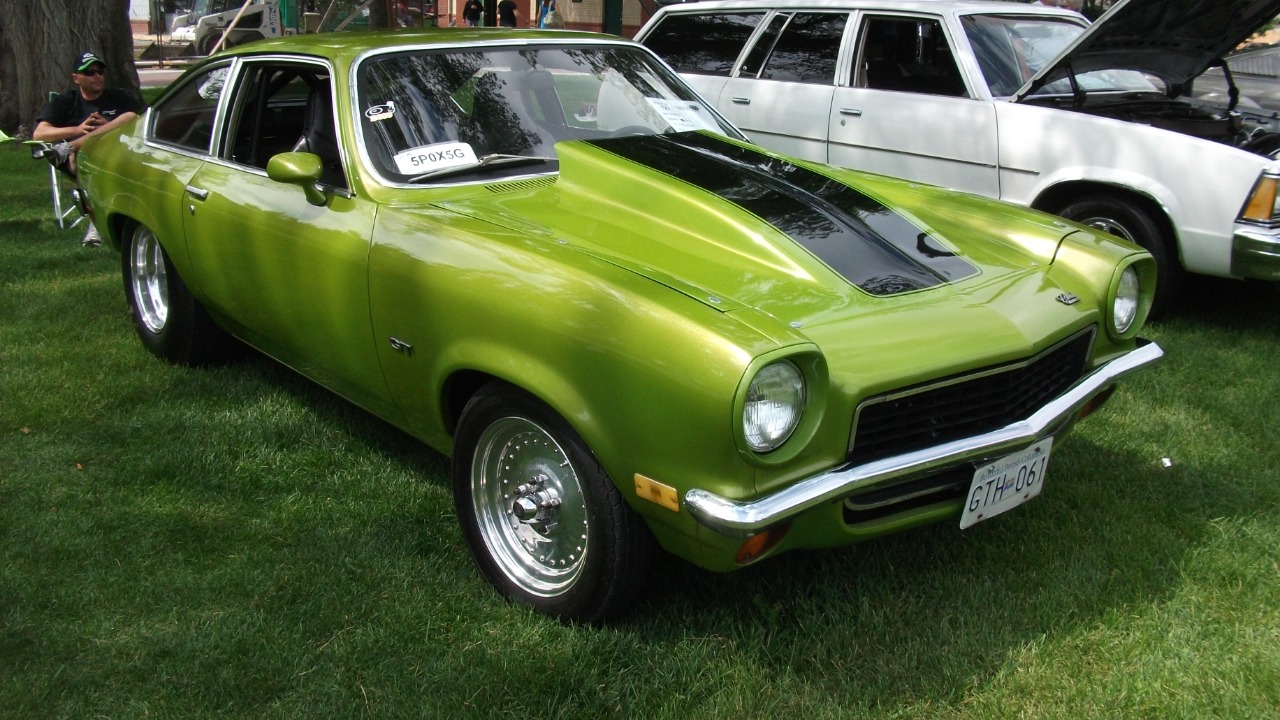
The Chevrolet Vega was one of General Motors’ most ambitious compact cars of the 1970s. Its lightweight body and sporty proportions made it appealing when new, although durability problems hurt its reputation. Because so many disappeared, surviving examples have become unusual. Well-preserved Vegas now attract enthusiasts interested in forgotten chapters of American automotive history.
Ford Pinto
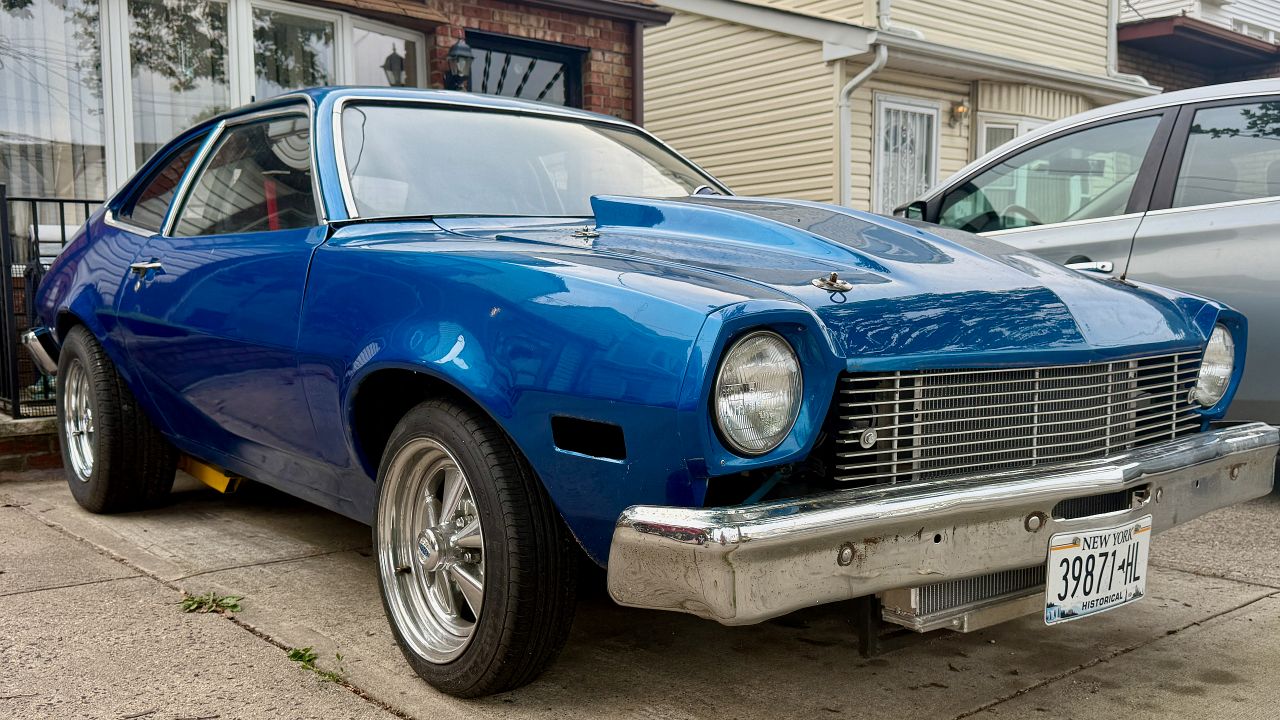
The Ford Pinto became famous for controversy surrounding its fuel-tank design, but the model also represented an important shift toward smaller American cars. Sportier versions and wagons offered distinctive styling for the period. Most were used until they wore out, leaving relatively few survivors. Today, clean examples can attract collectors interested in 1970s automotive culture.
Pontiac Astre
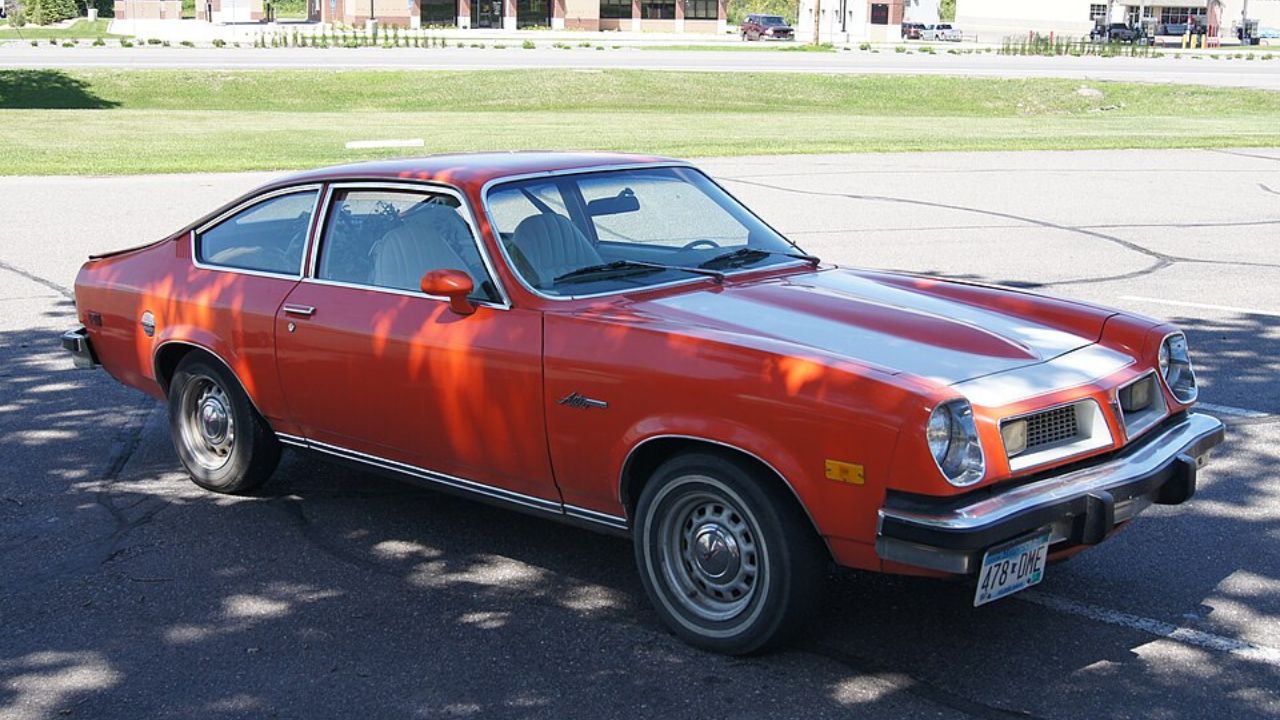
The Pontiac Astre offered a Pontiac-flavored interpretation of the compact-car formula. Based closely on the Chevrolet Vega, it featured distinctive trim and styling details while remaining economical and relatively small. The model was never considered particularly prestigious, which helped keep surviving examples uncommon. Its rarity and unusual place in Pontiac history now give it collector appeal.
Buick Skyhawk
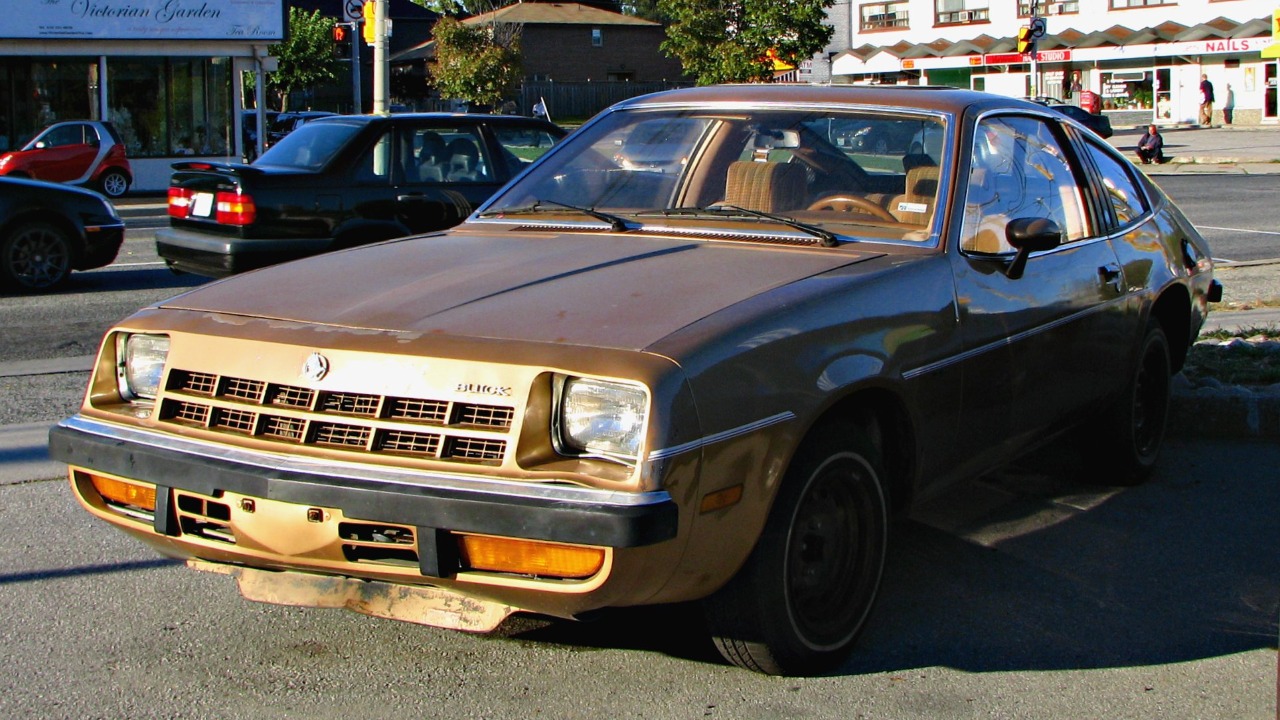
The Buick Skyhawk brought a more upscale character to the compact segment. Its sporty styling, rear-wheel-drive layout, and available V6 power made it an interesting alternative to larger American cars. Most were treated as inexpensive transportation and disappeared with age. Surviving examples now appeal to enthusiasts interested in overlooked 1970s designs.
Oldsmobile Omega
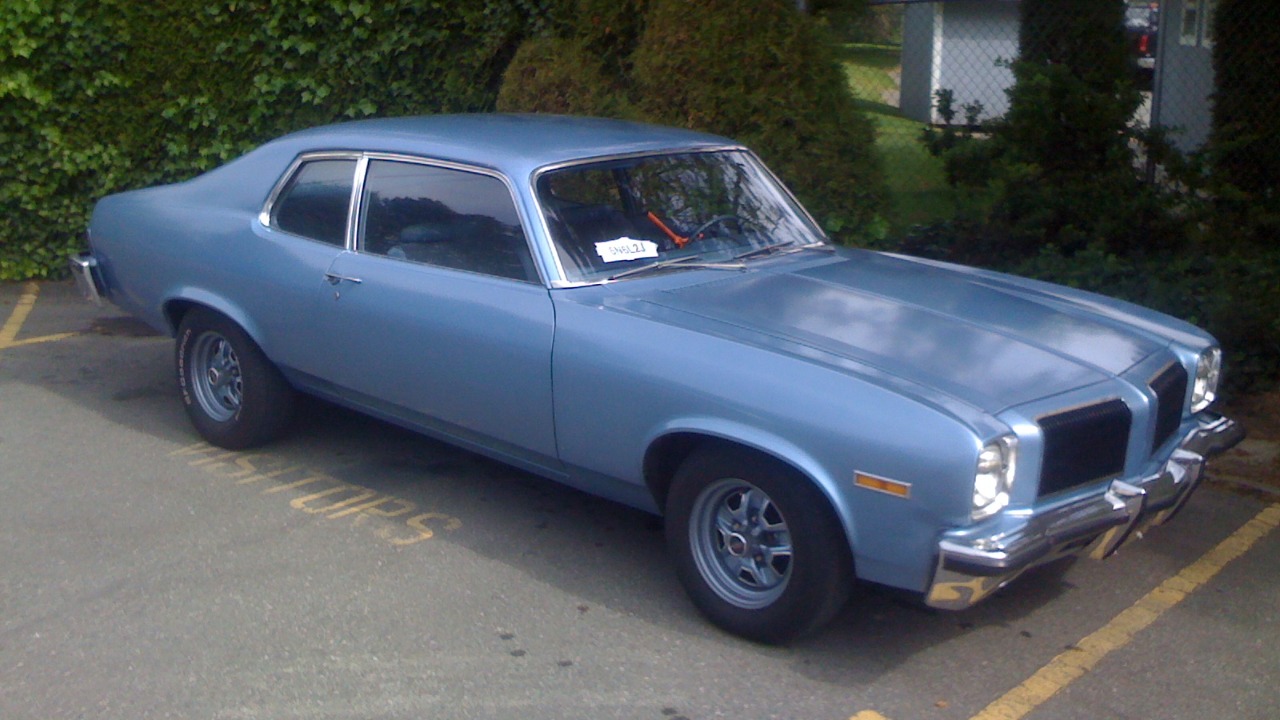
The Oldsmobile Omega became part of the growing American compact-car movement during the 1970s. Its conventional rear-wheel-drive architecture and available six-cylinder and V8 engines gave it more traditional mechanical character than many economy cars. Because few were preserved, the Omega has become increasingly unusual at shows. Its rarity alone can make a clean example worth saving.
Mercury Capri

The Mercury Capri offered American buyers a stylish European-influenced coupe at an accessible price. Early versions were based on Ford’s European Capri, giving the car a distinctive identity within Mercury’s lineup. Sportier variants added to its appeal. As surviving examples became harder to find, the Capri developed a niche following among enthusiasts who appreciate unusual Ford products.
Dodge Aspen
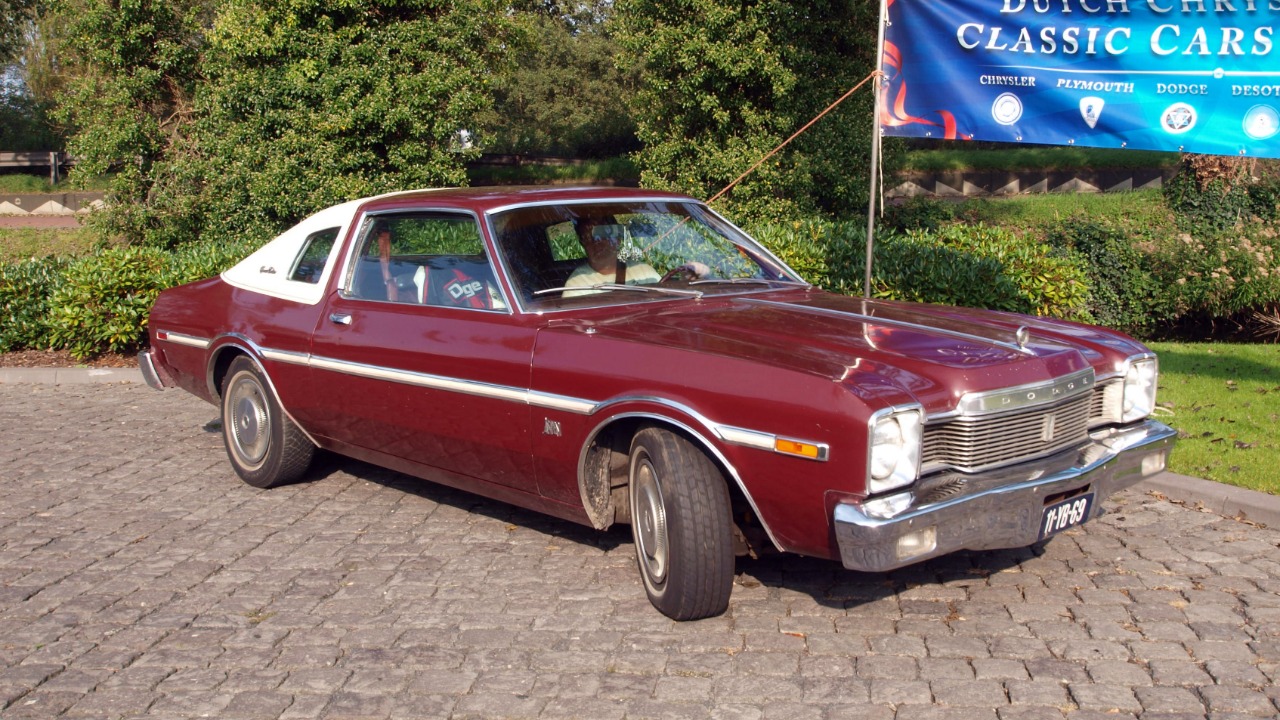
The Dodge Aspen represented Chrysler’s attempt to compete in the increasingly important compact and midsize markets. It offered conventional rear-wheel-drive engineering, several body styles, and available performance-oriented packages. Many were simply driven until they failed, leaving relatively few survivors. Today, an unusually clean Aspen can attract attention precisely because it is so unexpected at a collector event.
Ford Granada
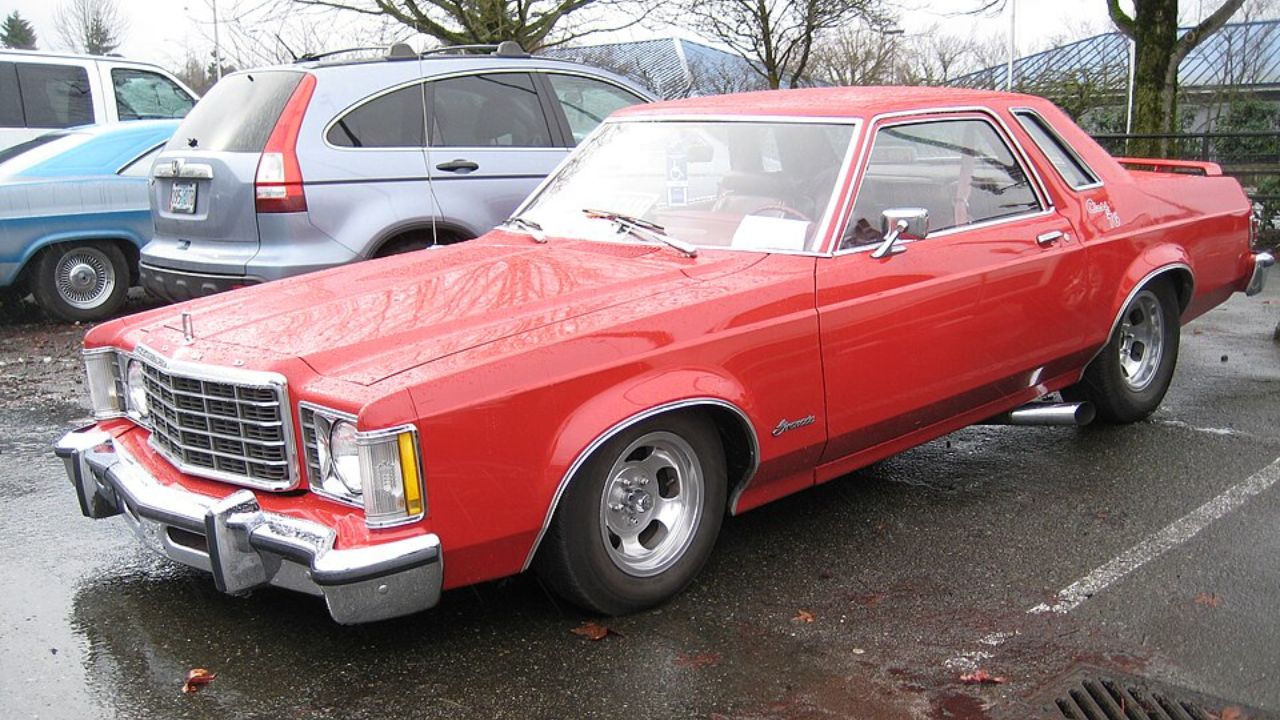
The Ford Granada was marketed as comfortable and affordable transportation rather than a future classic. Its boxy styling, conventional mechanical layout, and V8 availability reflected changing American tastes during the decade. Most examples eventually disappeared through ordinary use and rust. Clean survivors now provide an interesting look at the transitional period between classic American cars and the smaller vehicles that followed.
Chevrolet Monza
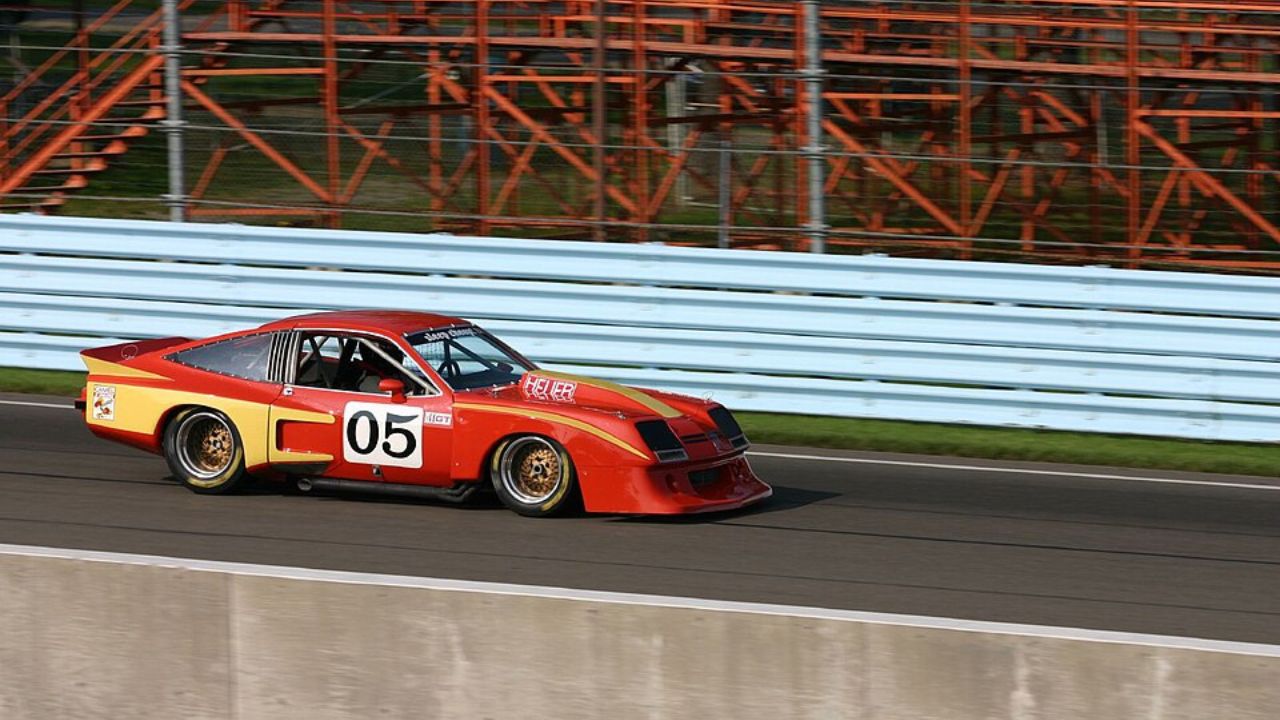
The Chevrolet Monza combined compact proportions with sporty styling and available V8 power. Its sleek fastback and rear-wheel-drive platform gave it genuine enthusiast potential, but it never achieved the fame of the Camaro. Many were modified, neglected, or simply discarded. Today, surviving Monzas have become increasingly interesting to collectors seeking overlooked American performance cars.
More from Fast Lane Only
- Unboxing the WWII Jeep in a Crate
- 15 rare Chevys collectors are quietly buying
- 10 underrated V8s still worth hunting down
- Police notice this before you even roll window down
*Research for this article included AI assistance, with all final content reviewed by human editors