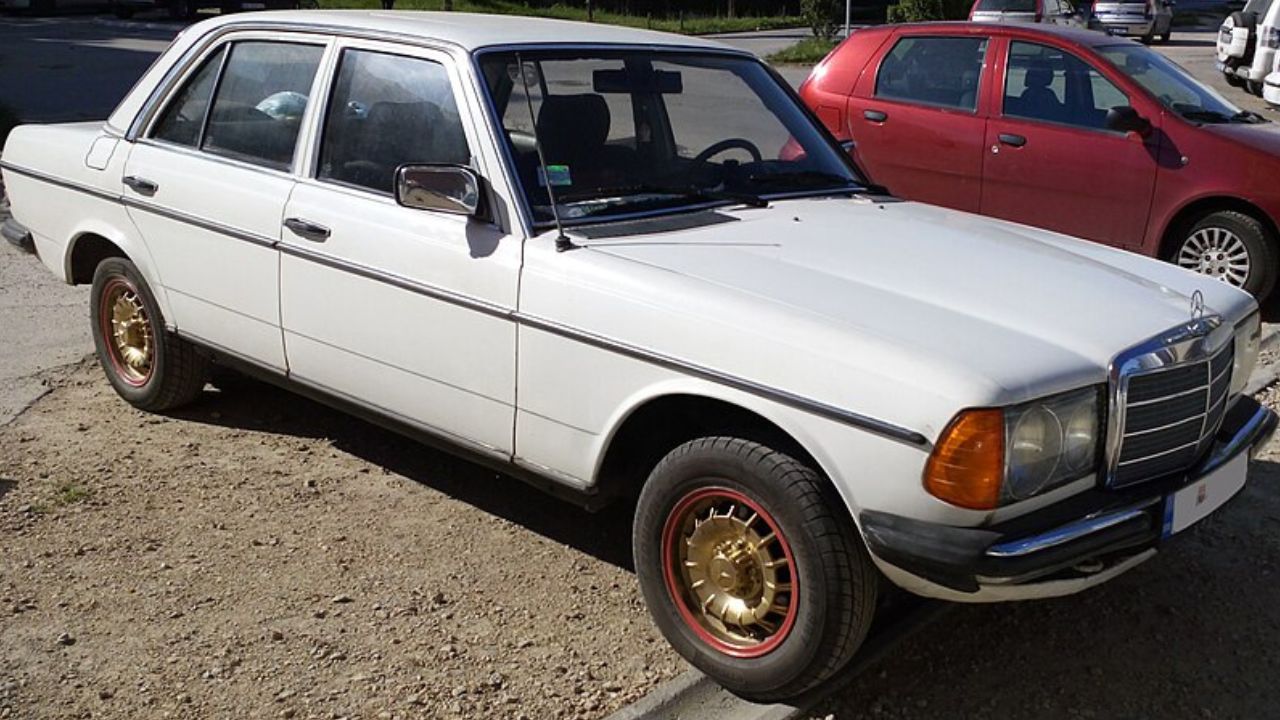
Diesel engines earned their reputation the hard way. They powered taxis, family cars, work vehicles, and off-roaders that were expected to run for years with relatively simple maintenance. Some became famous for extraordinary mileage, while others survived because their conservative engines could tolerate demanding conditions. From old Mercedes-Benz sedans to rugged Peugeot and Land Rover diesels, these ten classics demonstrate why diesel durability became legendary.
Mercedes-Benz 180D
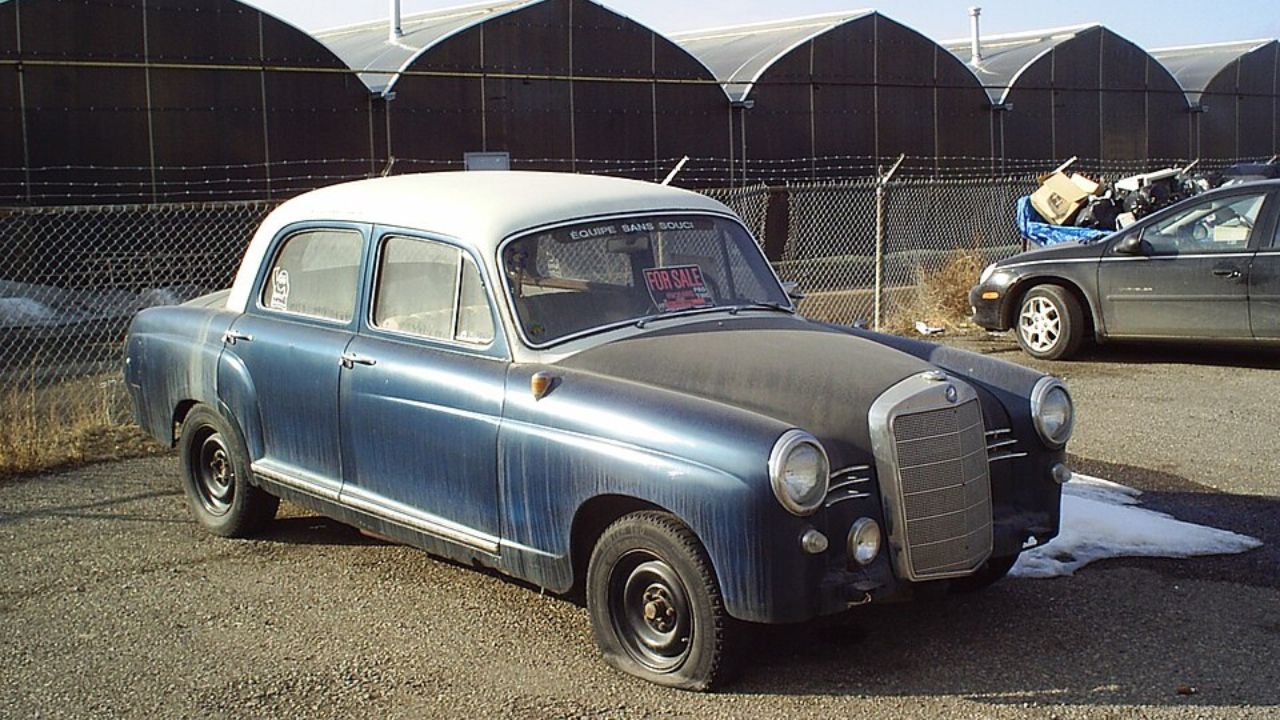
The Mercedes-Benz 180D became one of the defining diesel passenger cars of the 1950s. Its 1.8-liter diesel produced only about 40 horsepower, but the engine was designed around economy and longevity rather than speed. Mercedes’ conservative engineering allowed the same basic diesel to remain useful in other applications for decades. In the Philippines, Mercedes even promoted the OM636’s ability to cover hundreds of thousands of kilometers with regular maintenance.
Peugeot 403
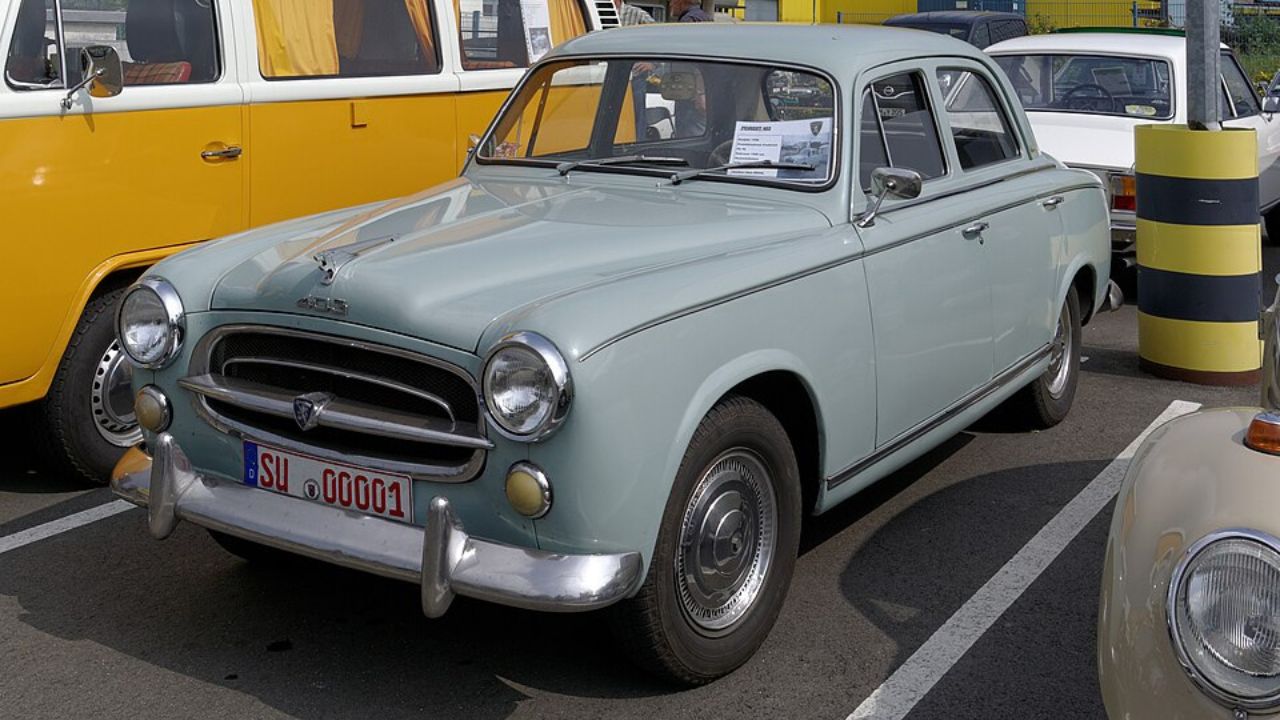
The Peugeot 403 became an early European diesel success story after Peugeot introduced its diesel engine in the estate version in 1958 and the sedan a year later. Taxi operators quickly appreciated its fuel economy and robust mechanical design. Performance was modest, but that was hardly the point. The 403 was built to provide inexpensive transportation for years, and surviving examples remain valued for their straightforward construction and easy maintenance.
Land Rover Series II
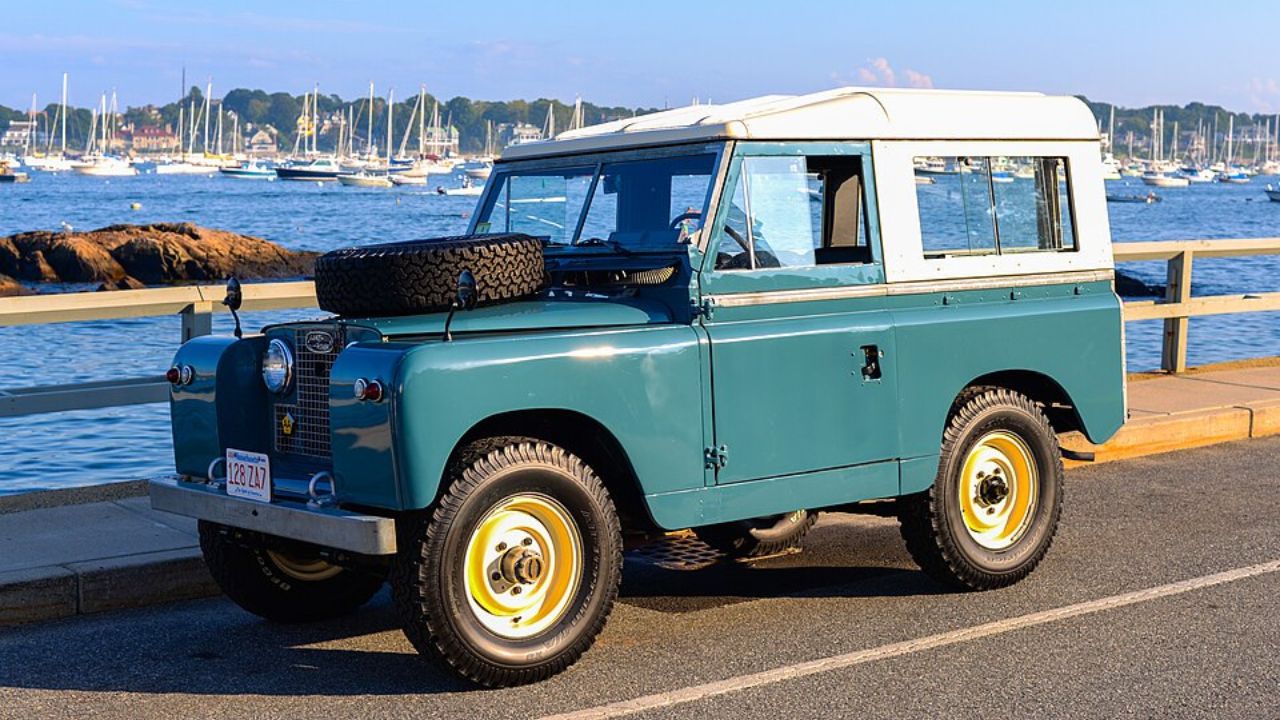
The Land Rover Series II brought diesel power to buyers who needed something tougher than an ordinary passenger car. Its 2.0-liter diesel produced only 51 horsepower, but its low-speed torque and four-wheel-drive system made it useful on difficult terrain. The later Series IIA received a 2.25-liter diesel with additional displacement. Original diesel examples are now uncommon, partly because so many were subjected to hard working lives.
Mercedes-Benz 240D
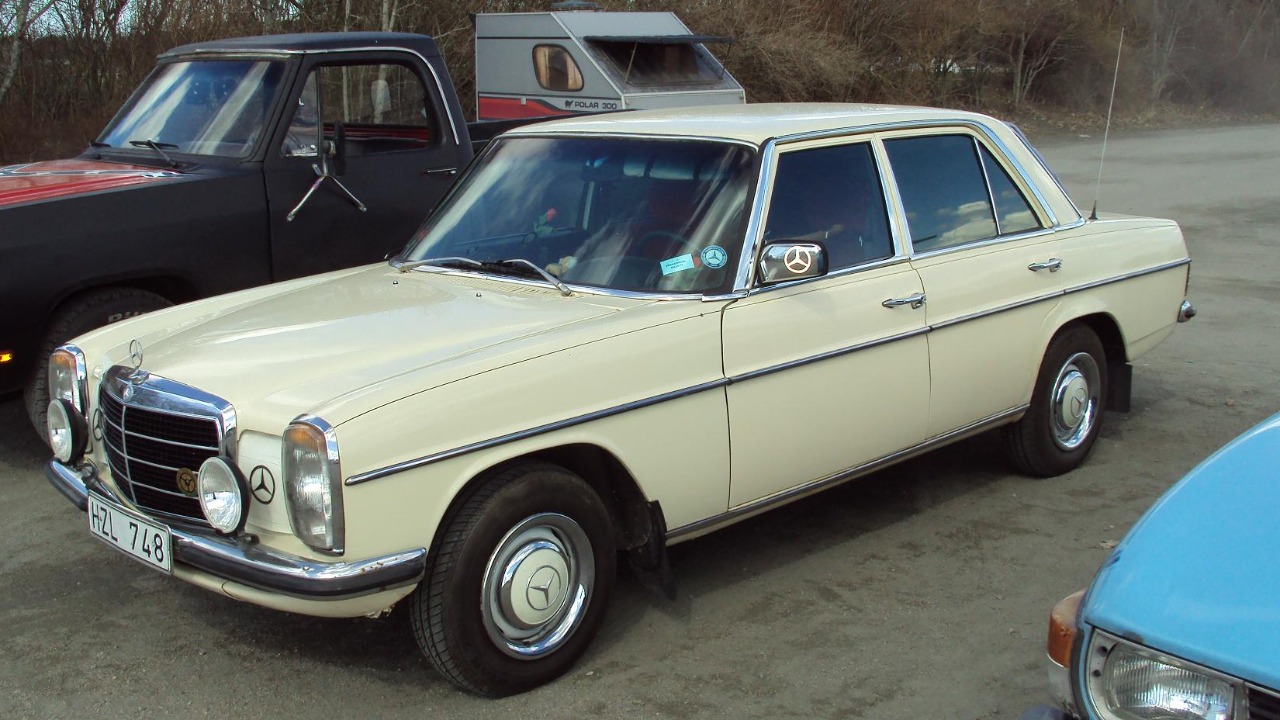
The Mercedes-Benz 240D became famous for its remarkably conservative OM616 four-cylinder diesel. Producing around 65 horsepower, it was hardly quick, but its simple construction and reputation for durability made it a favorite among high-mileage owners. The W123 240D became especially well known in countries where cars were expected to last for decades. Properly maintained examples have earned reputations for surviving extraordinarily high mileage.
Peugeot 504
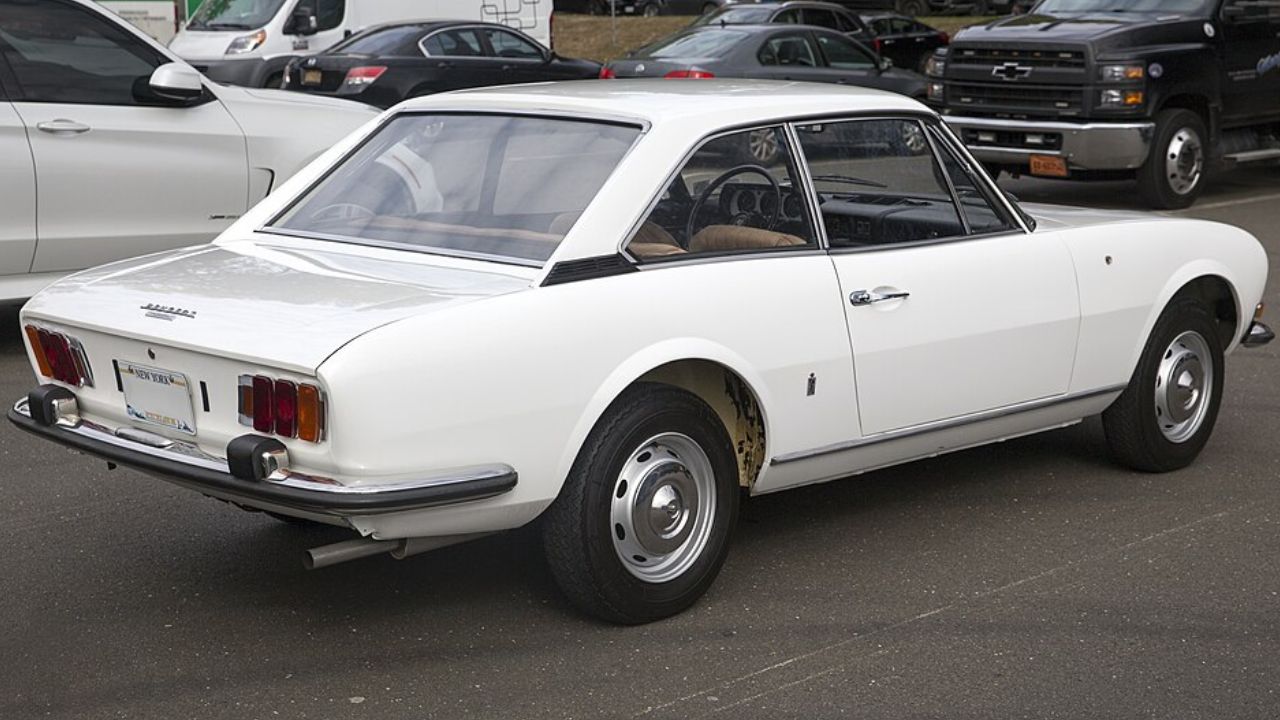
The Peugeot 504 became legendary in markets where roads were rough and reliability mattered more than sophistication. Its diesel versions combined a durable chassis with economical four-cylinder engines, and the model remained in production in various markets for decades. Contemporary testing described the 504 Diesel as an old car that remained far from obsolete. That reputation helped make the 504 one of Peugeot’s most enduring classics.
Mercedes-Benz 300D

The Mercedes-Benz 300D gave buyers the durability of the W123 platform with a larger five-cylinder diesel engine. Its OM617 engine produced more power than the four-cylinder diesels while retaining the conservative engineering that made the W123 famous. The 300D became especially popular with owners who valued long-distance cruising and enormous mileage. Today, it remains one of the most recognizable examples of the classic Mercedes diesel formula.
Mercedes-Benz W124 300D
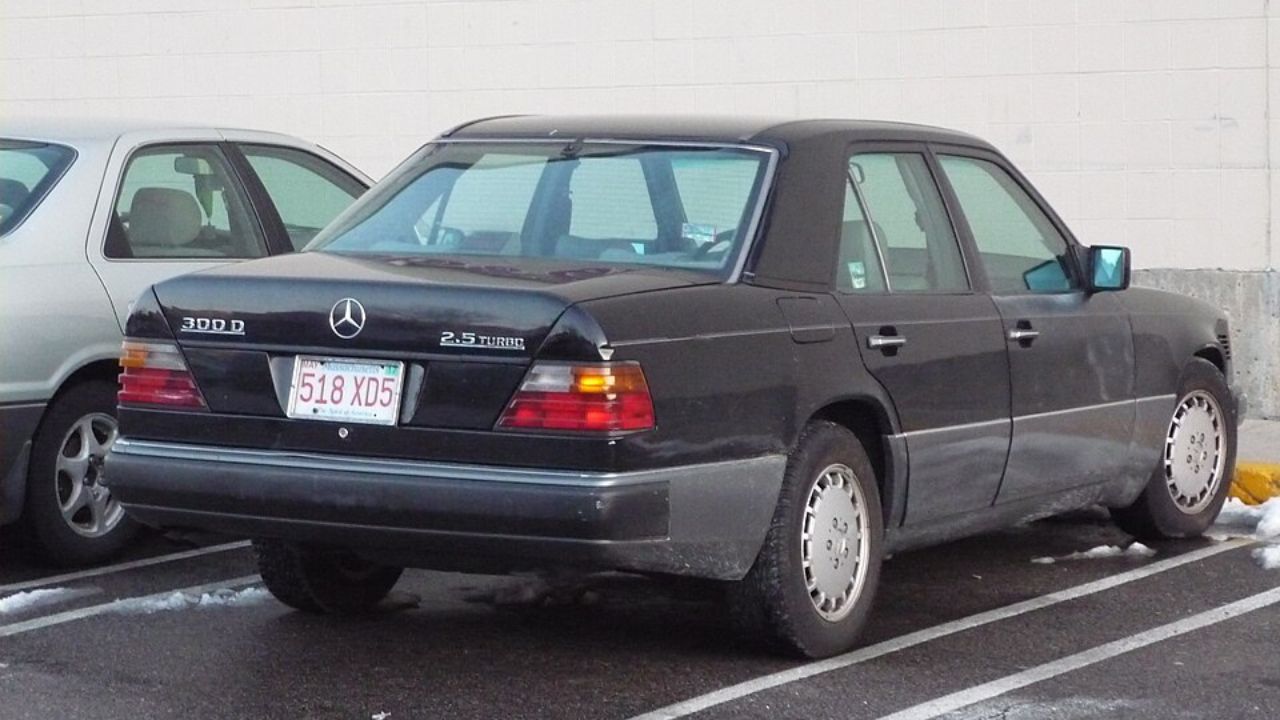
The Mercedes-Benz W124 300D carried the company’s diesel philosophy into a newer generation. Its five-cylinder diesel combined strong low-speed torque with the refined construction of the W124 platform. Mercedes produced more than 2.5 million W124s across its body styles, while diesel versions became particularly respected for their longevity. The model’s durability, practical cabin, and understated styling have helped clean examples become increasingly desirable as modern cars grow more complicated.
Volkswagen Golf Diesel
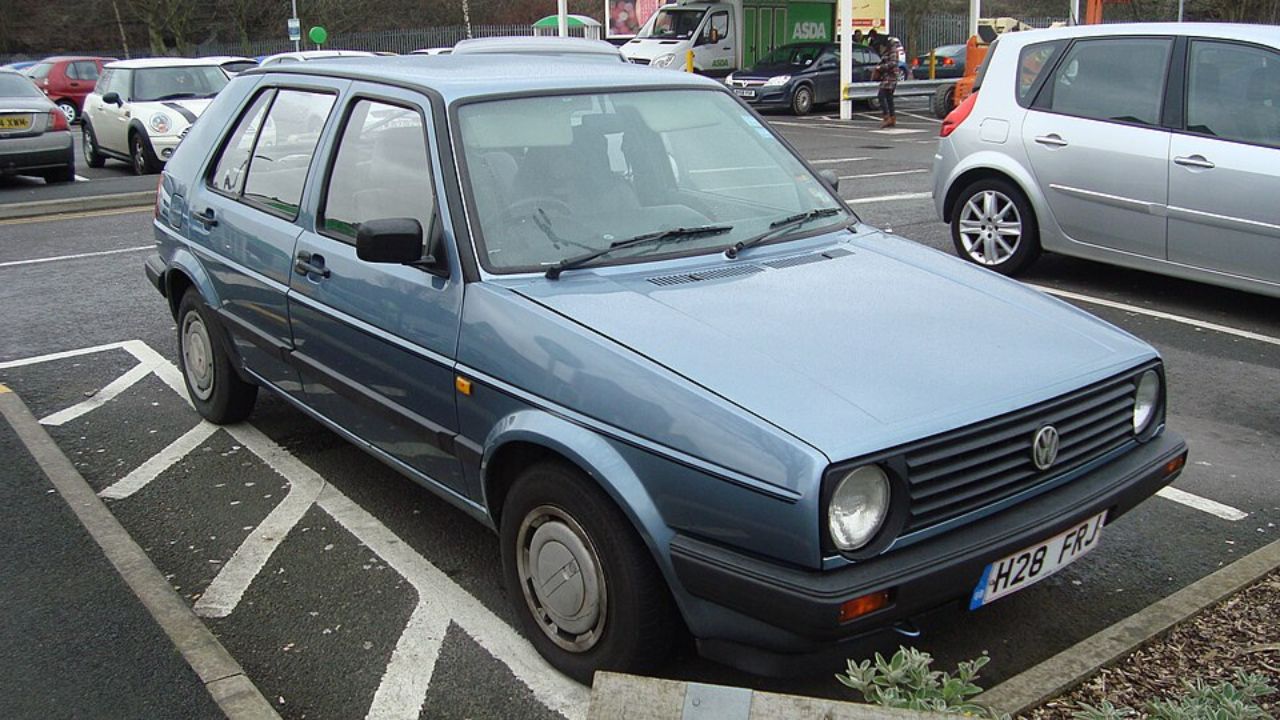
The first-generation Volkswagen Golf brought diesel economy into the compact hatchback market. European buyers could order a diesel Golf from 1976, initially with a 1.5-liter engine producing just 50 horsepower. Later 1.6-liter versions increased output, while the turbocharged model introduced in the early 1980s offered considerably stronger performance. The Golf’s combination of low fuel consumption, simple construction, and compact dimensions made it an influential diesel classic.
Austin FX4
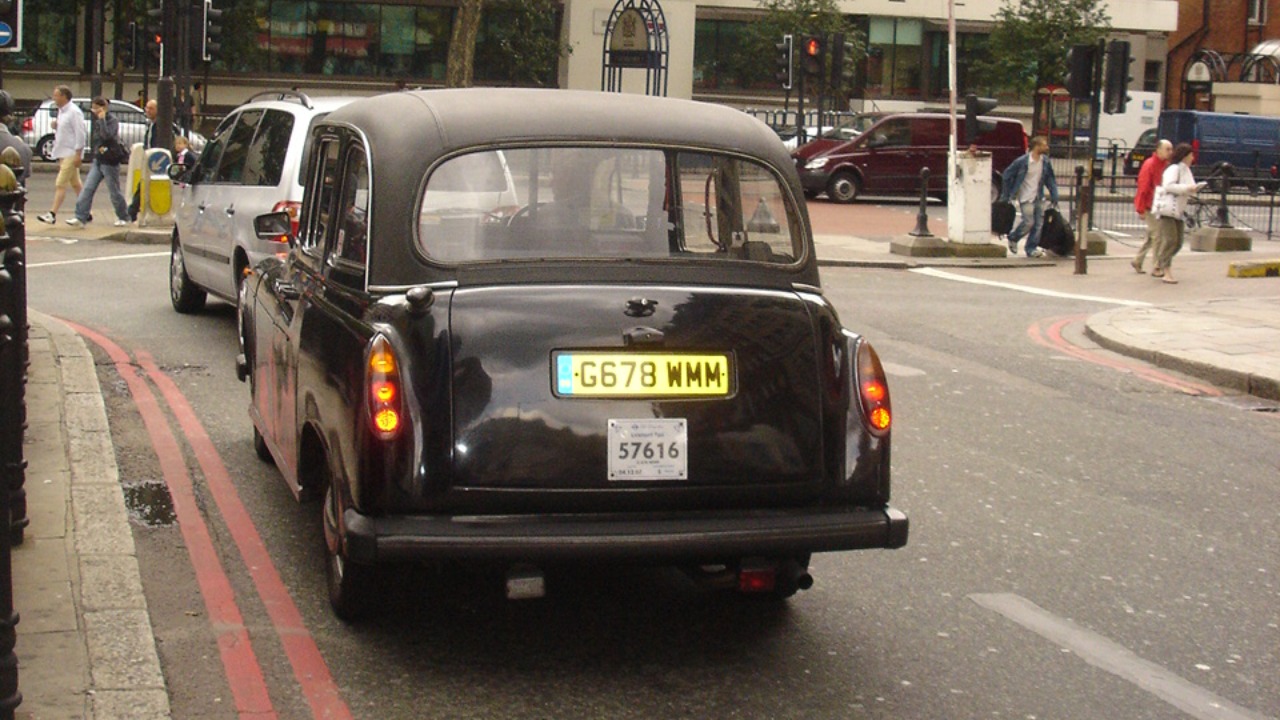
The Austin FX4 became one of the most recognizable diesel vehicles in the world as London’s traditional black cab. Introduced in 1958, it was built specifically around the demanding requirements of taxi service. Its diesel engines were progressively updated throughout its unusually long production life, eventually including a Nissan turbodiesel. The FX4 remained relevant for decades because its tough construction and adaptable mechanical package could withstand relentless urban use.
International Harvester Scout II Diesel
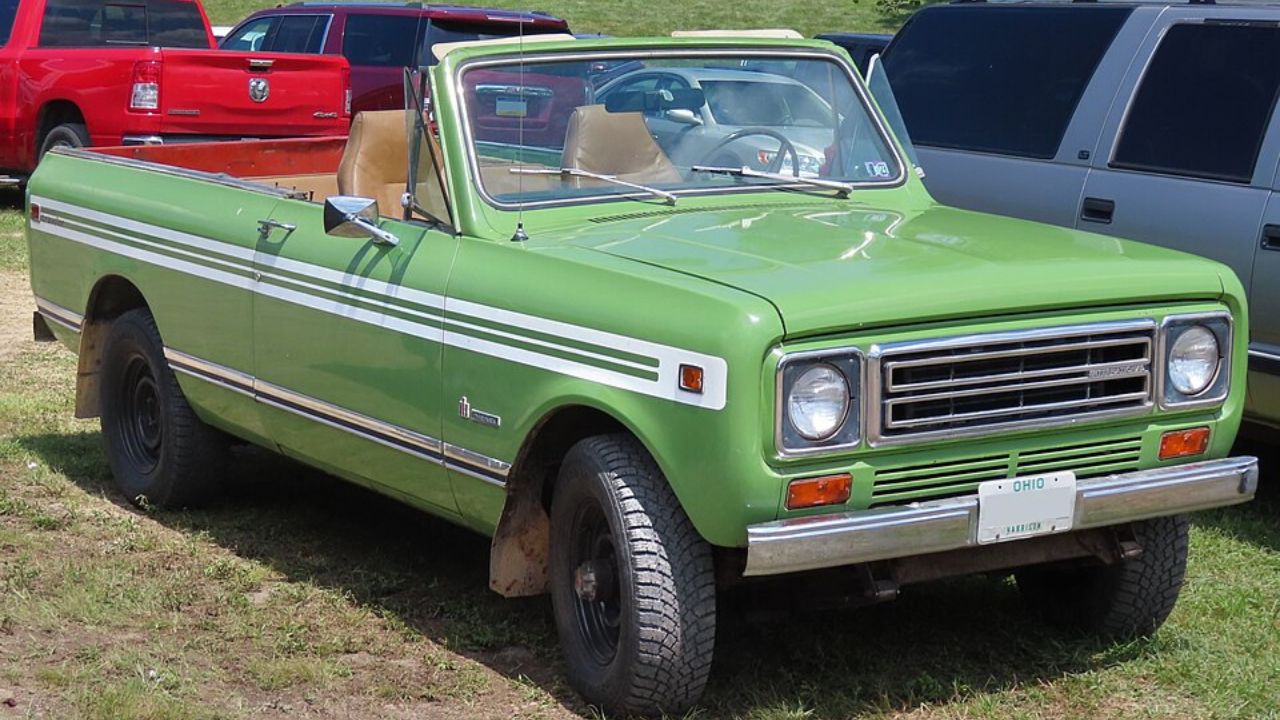
The International Harvester Scout II brought diesel power into the compact American off-road market. Its diesel option was unusual among American sport-utility vehicles of the period and gave the rugged Scout a distinctly utilitarian character. Diesel-powered Scout IIs are now considerably less common than gasoline versions, making surviving examples especially interesting to collectors. Its combination of four-wheel drive, simple construction, and diesel economy gives it a unique place among vintage American 4x4s.
More from Fast Lane Only
- Unboxing the WWII Jeep in a Crate
- 15 rare Chevys collectors are quietly buying
- 10 underrated V8s still worth hunting down
- Police notice this before you even roll window down
*Research for this article included AI assistance, with all final content reviewed by human editors.