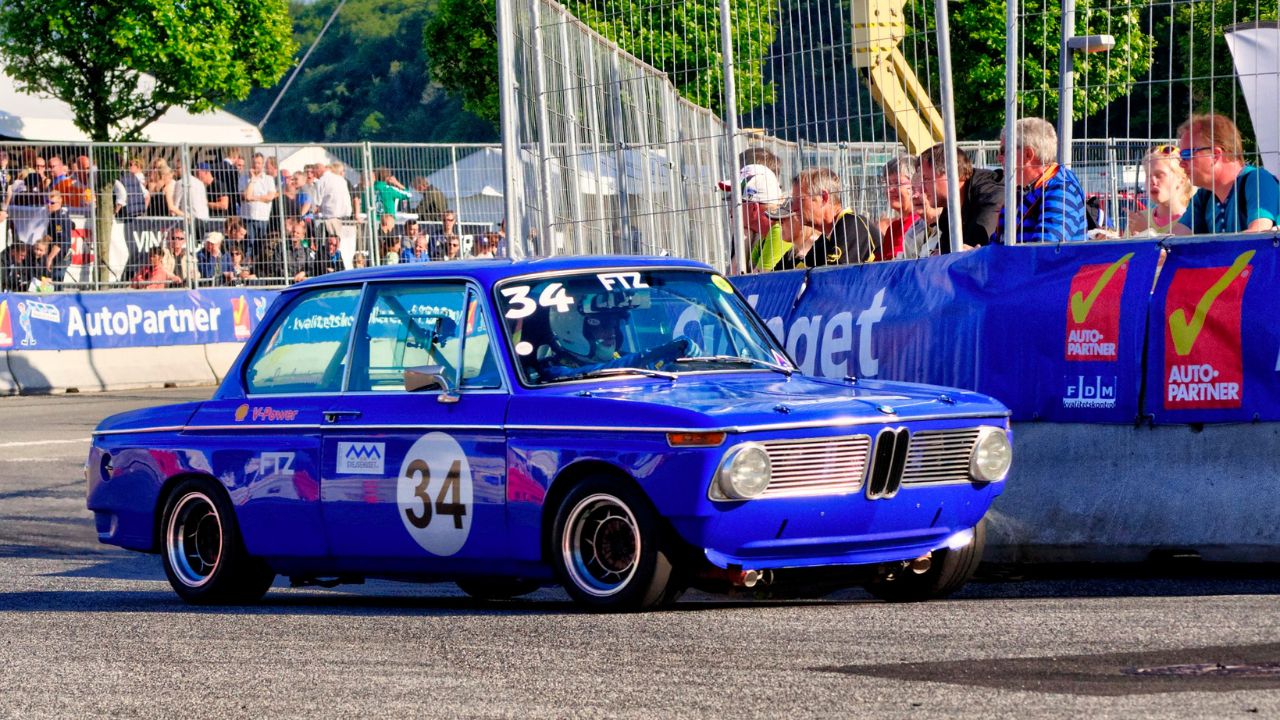
Classic cars can make an ordinary trip feel different from the moment the engine starts. They often have lighter controls, simpler interiors, distinctive sounds, and styling that makes even a short drive memorable. The appeal is not always about speed or rarity. These cars earned loyal followings because they give drivers a sense of occasion that many newer vehicles struggle to reproduce.
Chevrolet Corvette C3
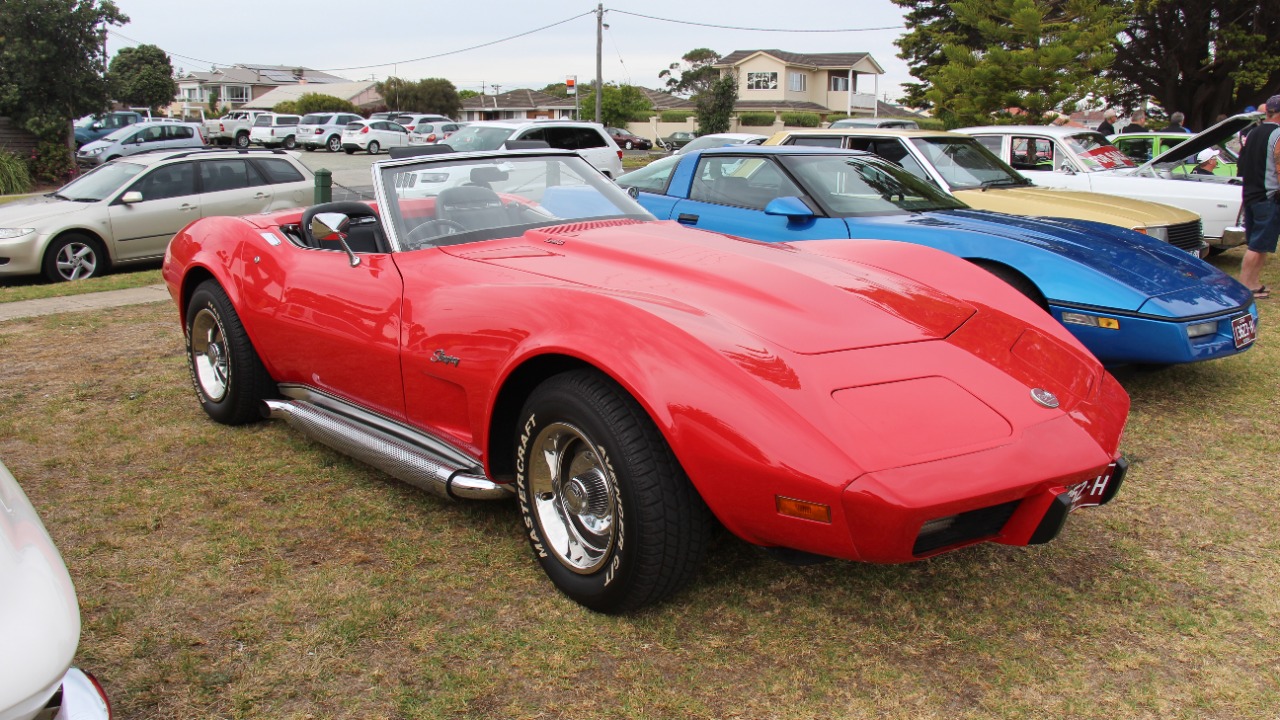
The Chevrolet Corvette C3 has the long hood, low seating position, and unmistakable shape that many enthusiasts associate with classic American performance. Its V8 engines provide the rumble expected from a Corvette, while the fiberglass body keeps the car visually distinctive. The driving experience is very different from a modern sports car, with heavier controls and a more mechanical feel. That old-school character is exactly what keeps enthusiasts coming back to it.
Ford Thunderbird
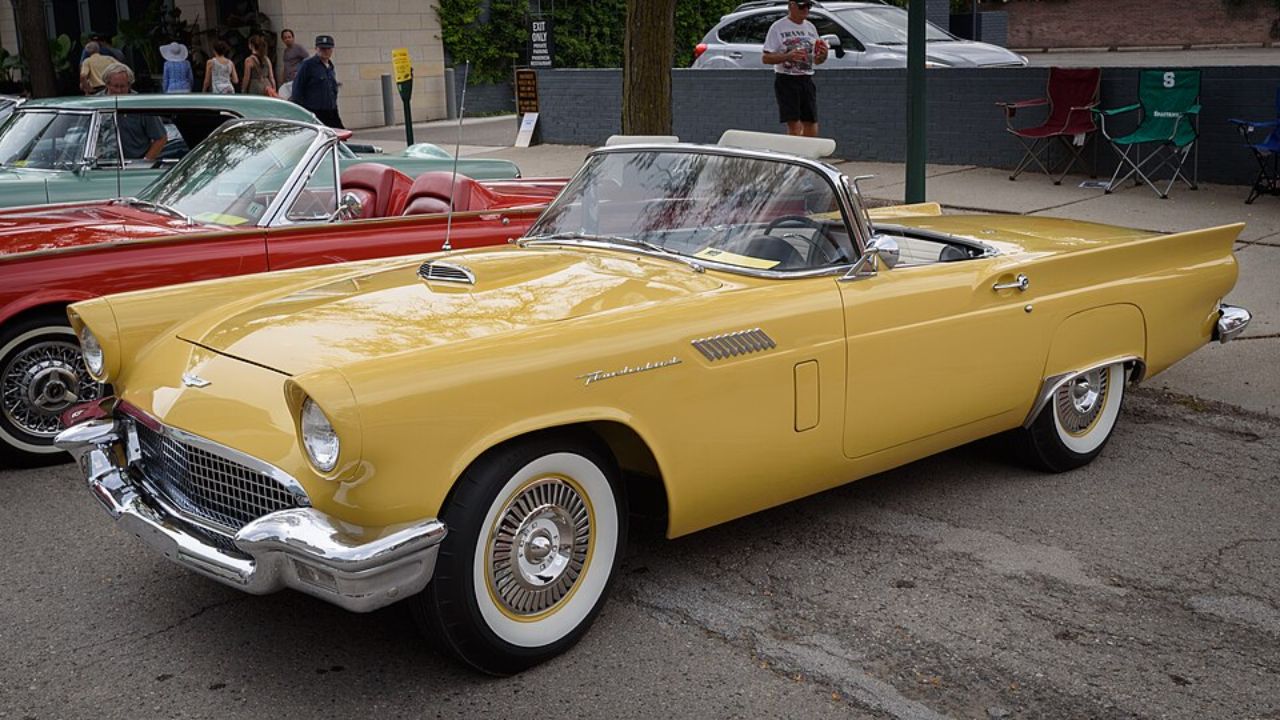
The Ford Thunderbird helped create the personal-luxury segment while retaining enough performance to make driving interesting. Its comfortable cabin, long hood, and available V8 engines give it a strong sense of occasion. Earlier examples have a particularly appealing combination of compact proportions and classic styling. Later Thunderbirds became larger and more luxurious, but they still carried the same basic idea of making an everyday drive feel more special.
Buick Riviera
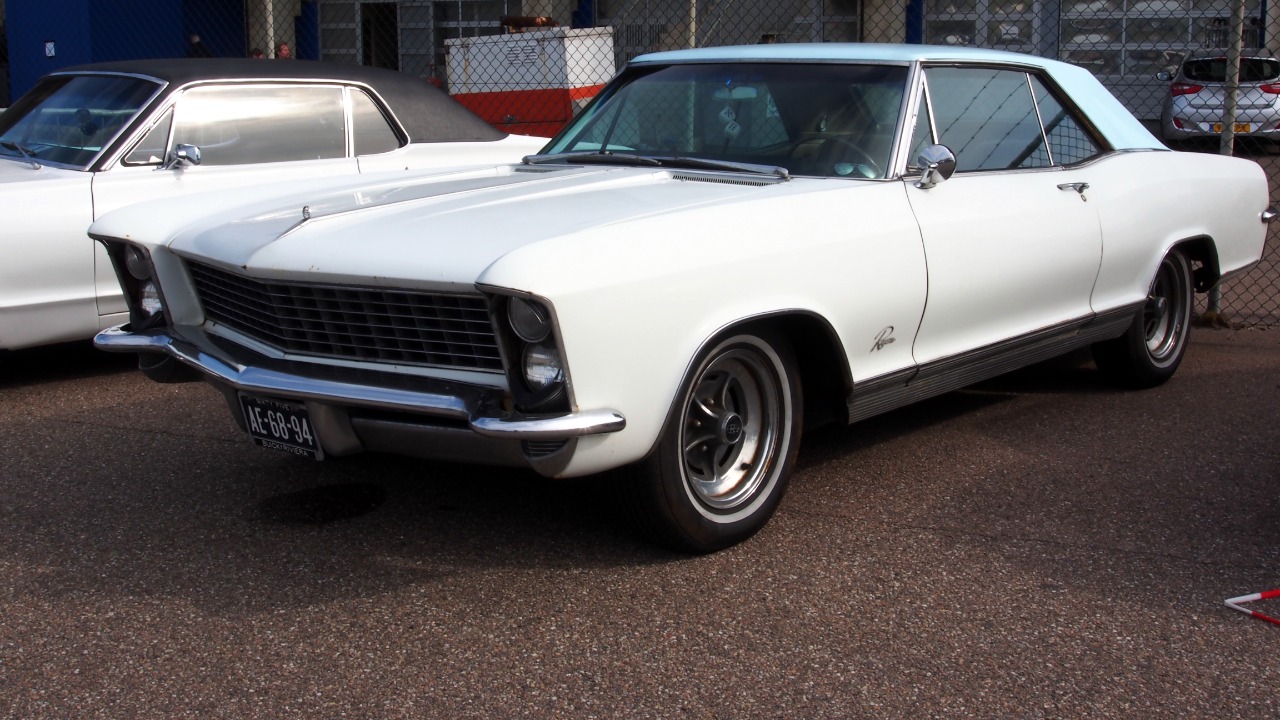
The Buick Riviera combined elegant styling with the effortless power of a large American engine. Its sweeping body lines made it stand out among full-size cars, while the comfortable interior encouraged relaxed cruising. The Riviera was never meant to be a lightweight sports car, but its smooth acceleration and distinctive presence made ordinary trips feel important. It remains appealing to drivers who enjoy classic American luxury without the size of a limousine.
Pontiac Firebird
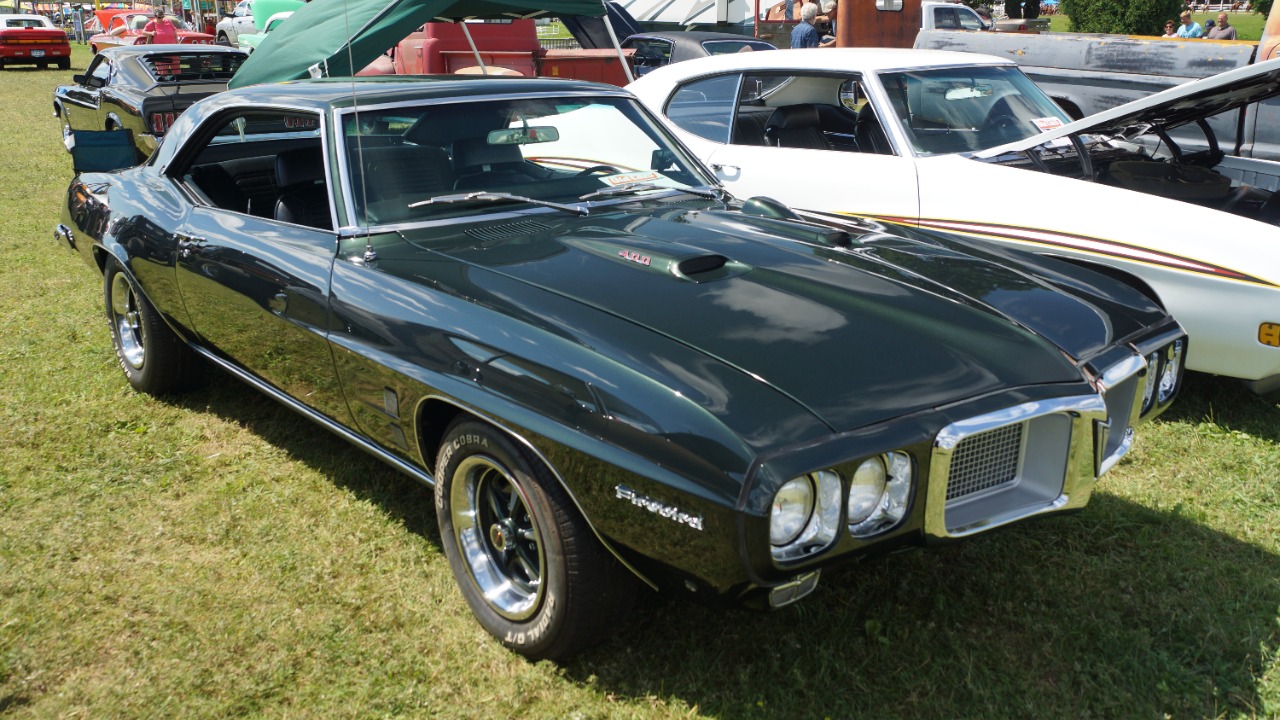
The Pontiac Firebird brought a more aggressive personality to the American performance-car market. Its long hood, low roofline, and available V8 engines gave it an unmistakable road presence. Inside, the driver faced a cockpit that felt more focused than a typical family car. Whether equipped for cruising or stronger performance, the Firebird delivers a classic combination of sound, styling, and rear-wheel-drive character that keeps it enjoyable decades later.
Datsun 240Z
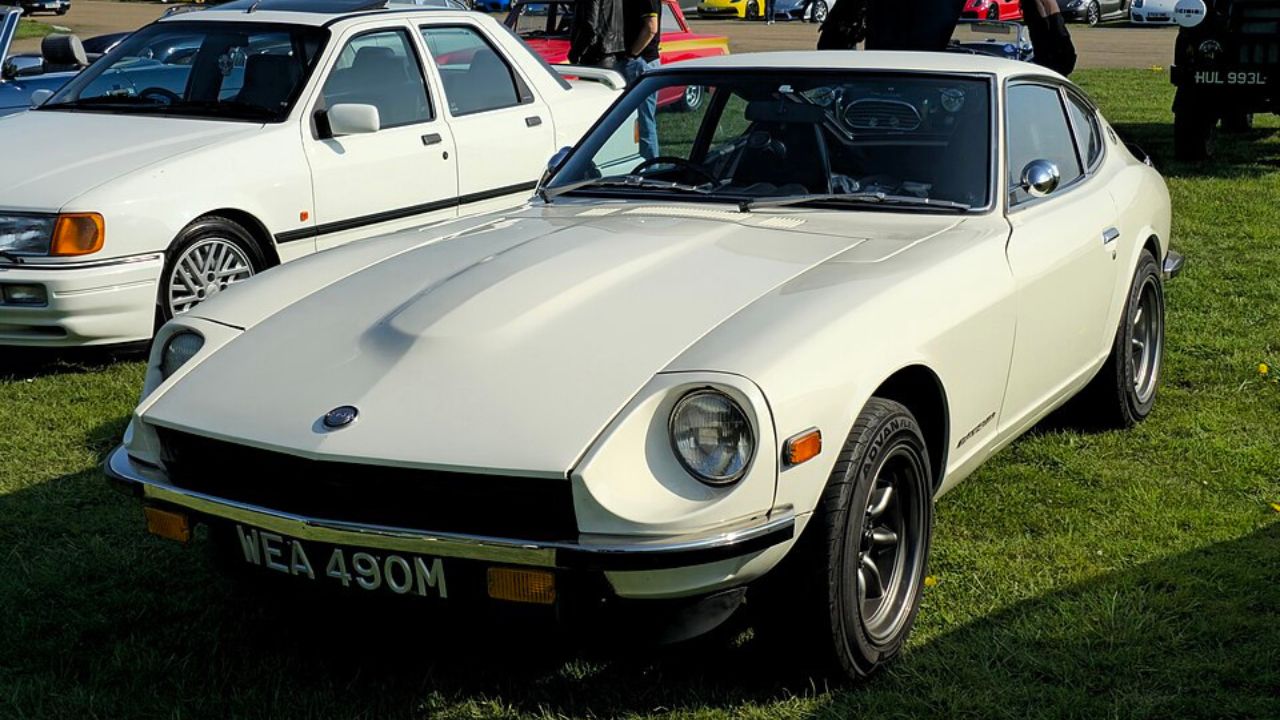
The Datsun 240Z showed that a Japanese manufacturer could build a lightweight sports car capable of competing with established European names. Its straight-six engine, rear-wheel drive, and relatively light body created an engaging driving experience without requiring exotic technology. The long hood and compact cabin also gave it a distinctive appearance. For drivers who value balance and mechanical simplicity, the 240Z remains one of the most satisfying classic sports cars to drive.
BMW 2002

The BMW 2002 became an important part of the company’s early performance identity. Its compact size, rear-wheel drive, responsive steering, and lively four-cylinder engine made it enjoyable on winding roads. The car was practical enough for everyday use while still feeling focused from behind the wheel. Its straightforward design means there is little to separate the driver from the road, which is a major part of its lasting appeal.
Mercedes-Benz 280 SL
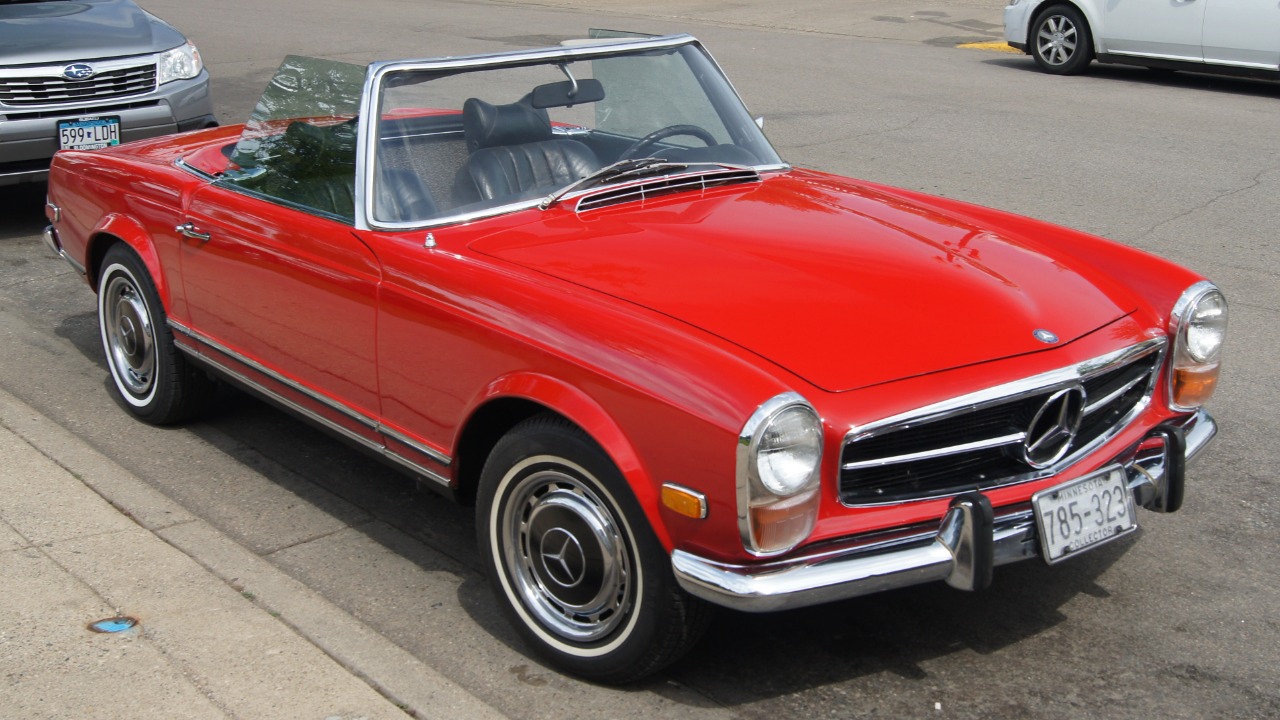
The Mercedes-Benz 280 SL combined elegant styling with a smooth six-cylinder engine and a comfortable driving character. Its distinctive Pagoda roof gave it an instantly recognizable appearance, while the chassis offered a more relaxed interpretation of sports-car driving. The car feels substantial without being cumbersome. For many enthusiasts, the 280 SL remains special because it combines classic Mercedes engineering with the open-air experience of a true two-seat grand tourer.
Alfa Romeo Spider
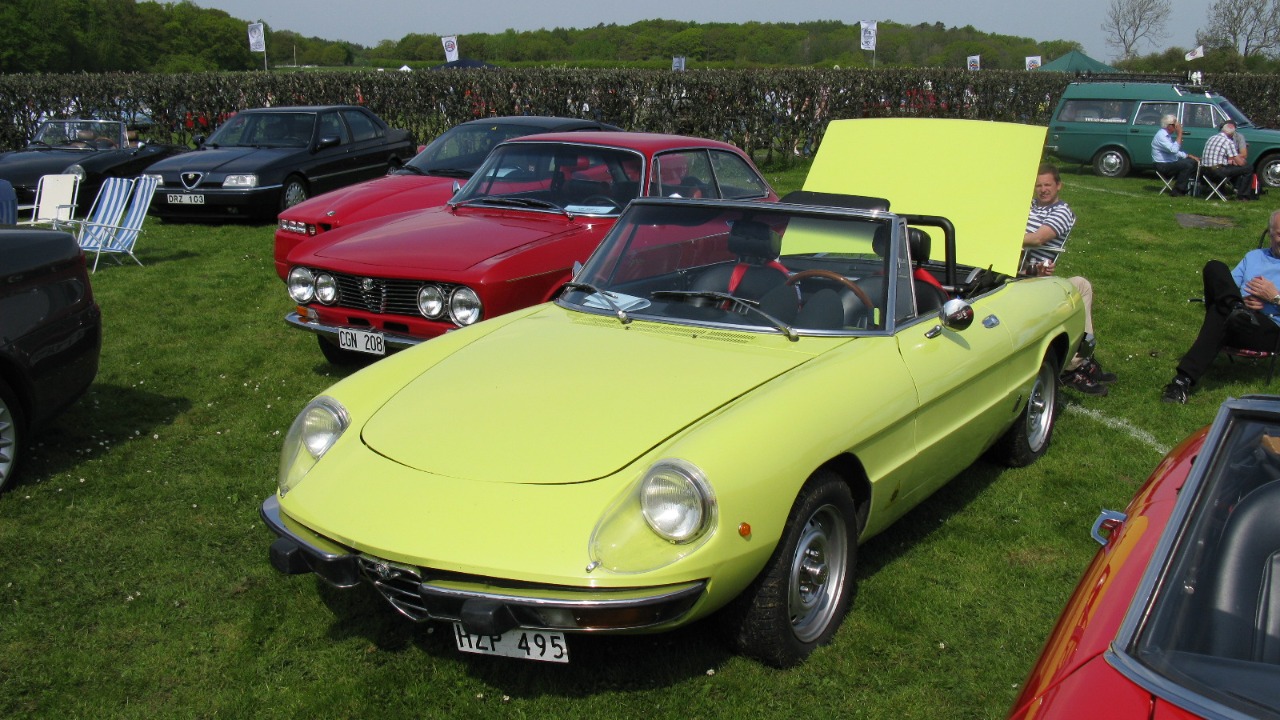
The Alfa Romeo Spider has a reputation for making even a simple drive feel like an event. Its low seating position, responsive steering, rear-wheel drive, and lively four-cylinder engine create a distinctly European experience. The open cockpit adds to the sense of occasion, while the styling gives the car a presence that newer convertibles often lack. It does not need enormous power to be entertaining because the driver remains central to the experience.
Porsche 911
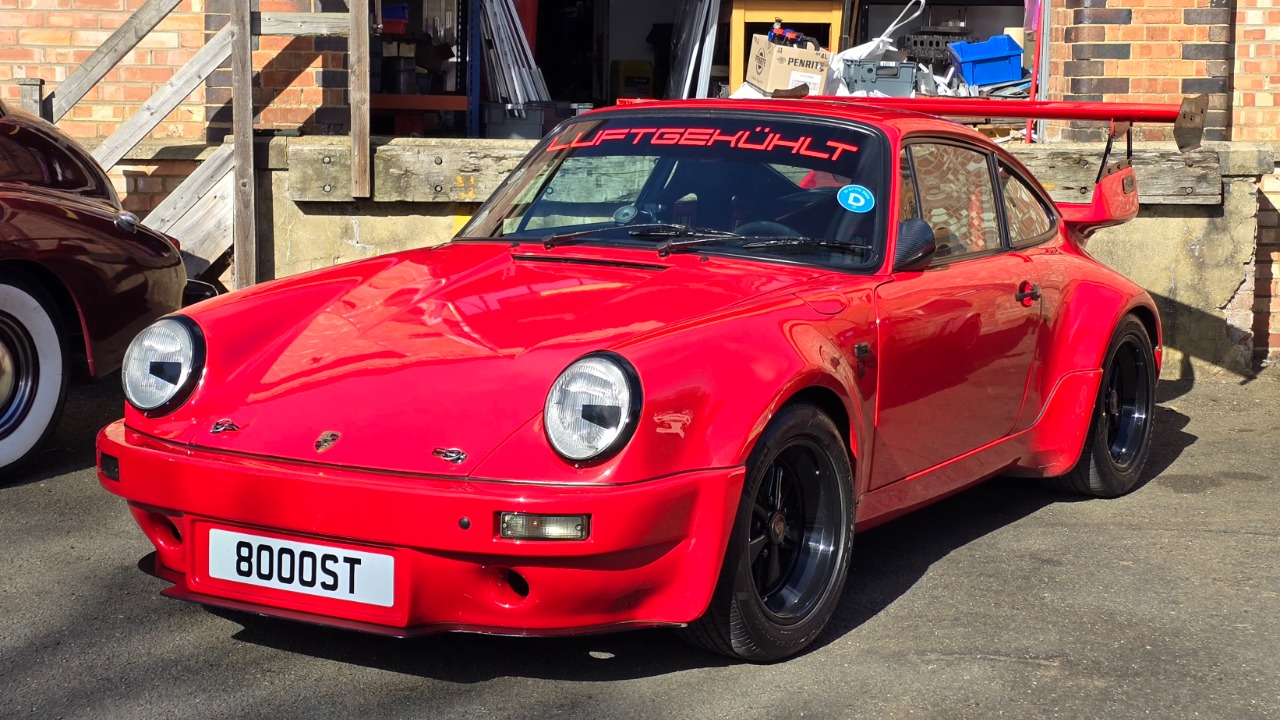
The classic Porsche 911 delivers a driving experience shaped by its rear-mounted flat-six engine, compact dimensions, and distinctive handling. Early generations were relatively light compared with modern sports cars, making their performance feel immediate. The steering and controls provide a direct connection between driver and machine. Even a modest drive can feel memorable because the 911 has always been designed around the idea that the car should remain engaging rather than simply fast.
Jaguar XJ6
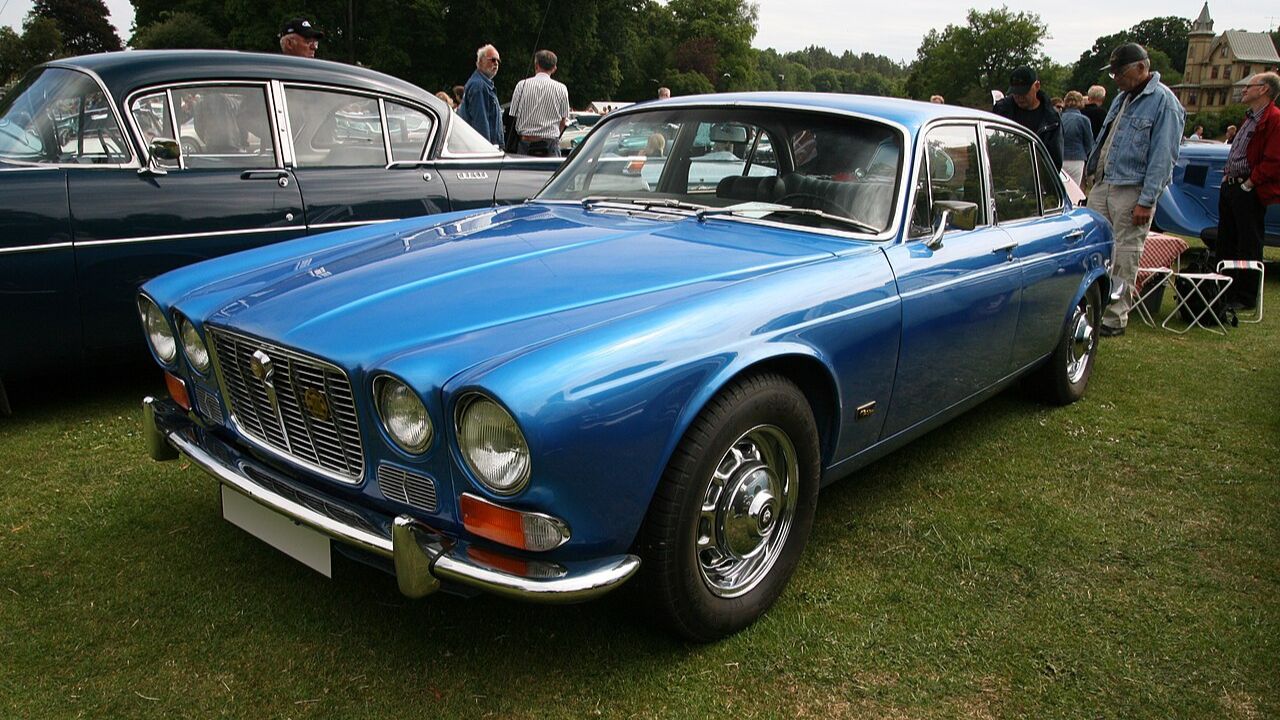
The Jaguar XJ6 offered a different kind of special driving experience, emphasizing smoothness and refinement rather than aggressive performance. Its independent suspension and six-cylinder engine gave it a composed character, while the interior added a sense of occasion. The car could cover long distances comfortably without feeling completely detached from the road. Its combination of British styling, mechanical sophistication, and relaxed performance continues to attract classic-car enthusiasts.
Ford Mustang
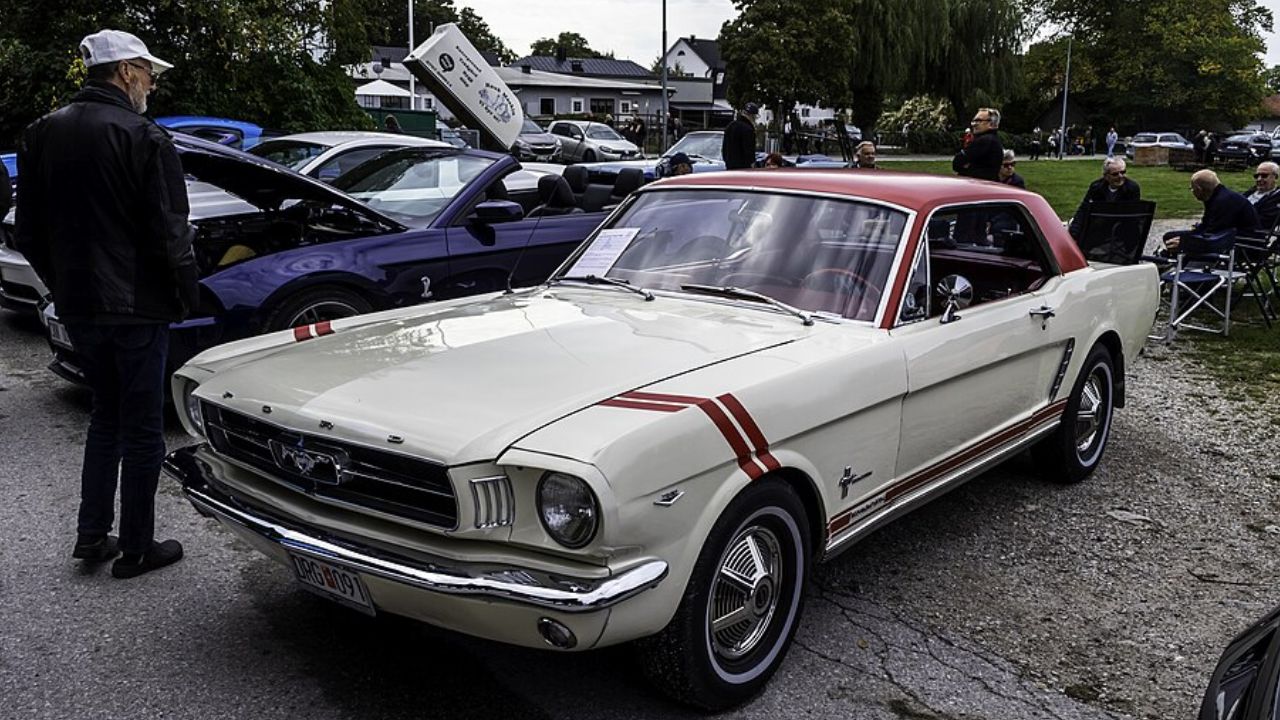
The Ford Mustang became one of the most recognizable American performance cars because it combined sporty styling with practical dimensions and familiar mechanical components. V8 versions added a distinctive soundtrack, while six-cylinder models offered a more accessible driving experience. The Mustang’s simple formula made it easy for owners to personalize and maintain. Decades later, an early Mustang still makes a normal drive feel different simply because of its sound, shape, and history.
Chevrolet El Camino

The Chevrolet El Camino blurred the line between car and pickup, giving drivers something that few other vehicles could offer. Its low seating position and car-based driving feel made it more enjoyable on pavement than a conventional truck, while the open cargo bed added genuine utility. V8 versions provided plenty of character. The unusual combination of performance, practicality, and styling makes the El Camino memorable every time it hits the road.
Volvo P1800
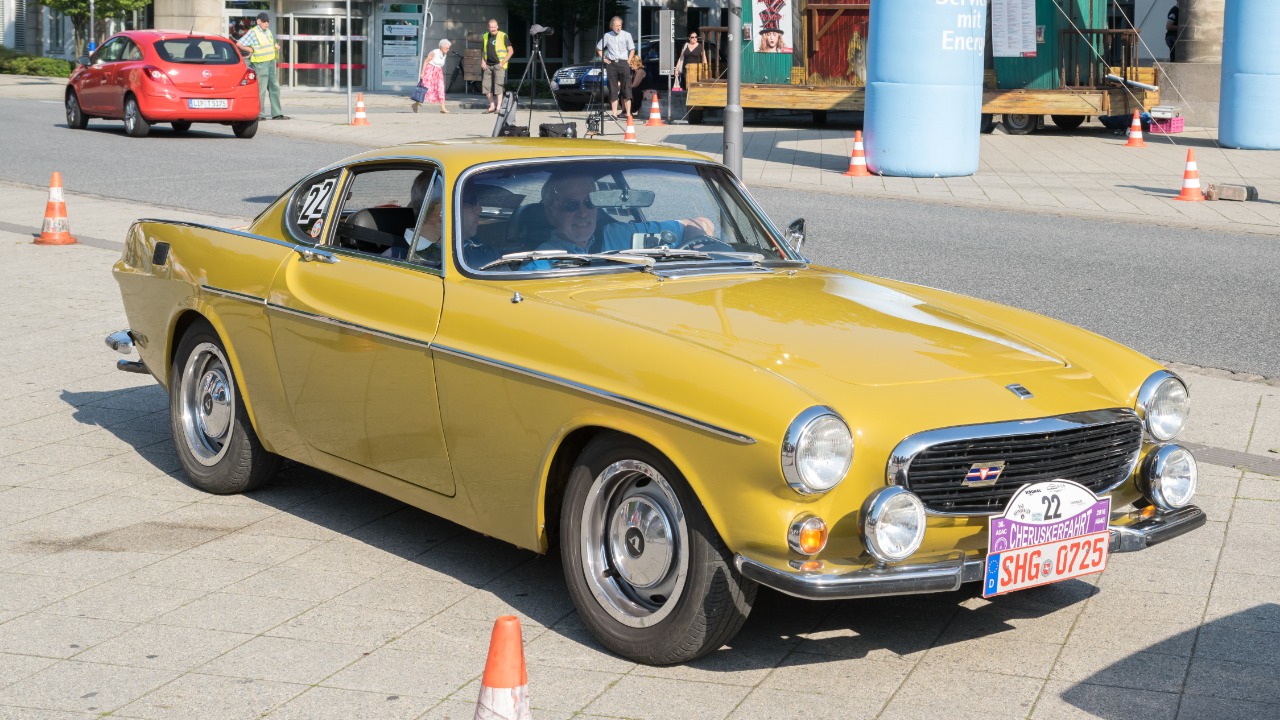
The Volvo P1800 combined Scandinavian styling with a practical mechanical foundation. Its compact body and four-cylinder engine gave it a more relaxed performance character than some sports cars, but its handling and driving position kept the experience engaging. The interior also had a distinctive period design that makes the car feel different from modern vehicles. Its reputation for durability adds another layer to its appeal among classic-car enthusiasts.
Triumph Spitfire
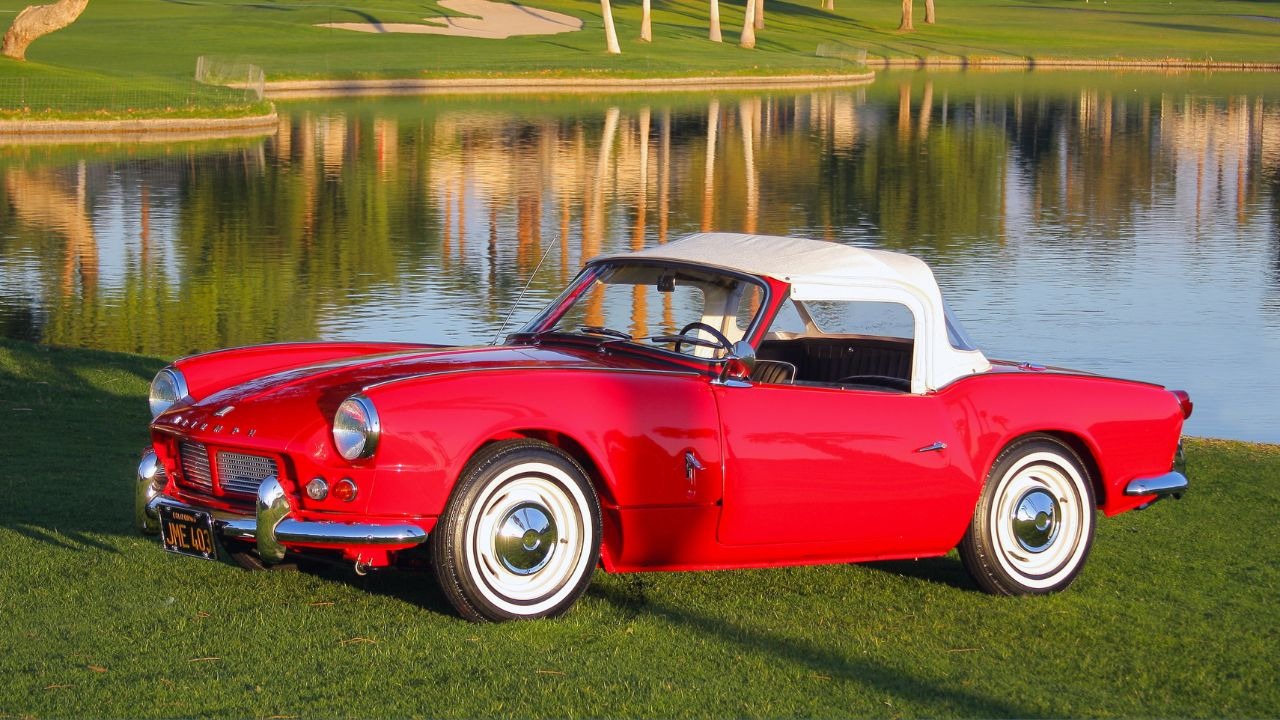
The Triumph Spitfire was small, light, and designed around the simple pleasures of open-top driving. Its modest engine did not need to produce huge power because the lightweight chassis allowed the car to feel lively at ordinary speeds. The low seating position and compact dimensions make narrow roads particularly enjoyable. It remains popular because the driving experience is uncomplicated, mechanical, and focused almost entirely on the road ahead.
Chevrolet Nova
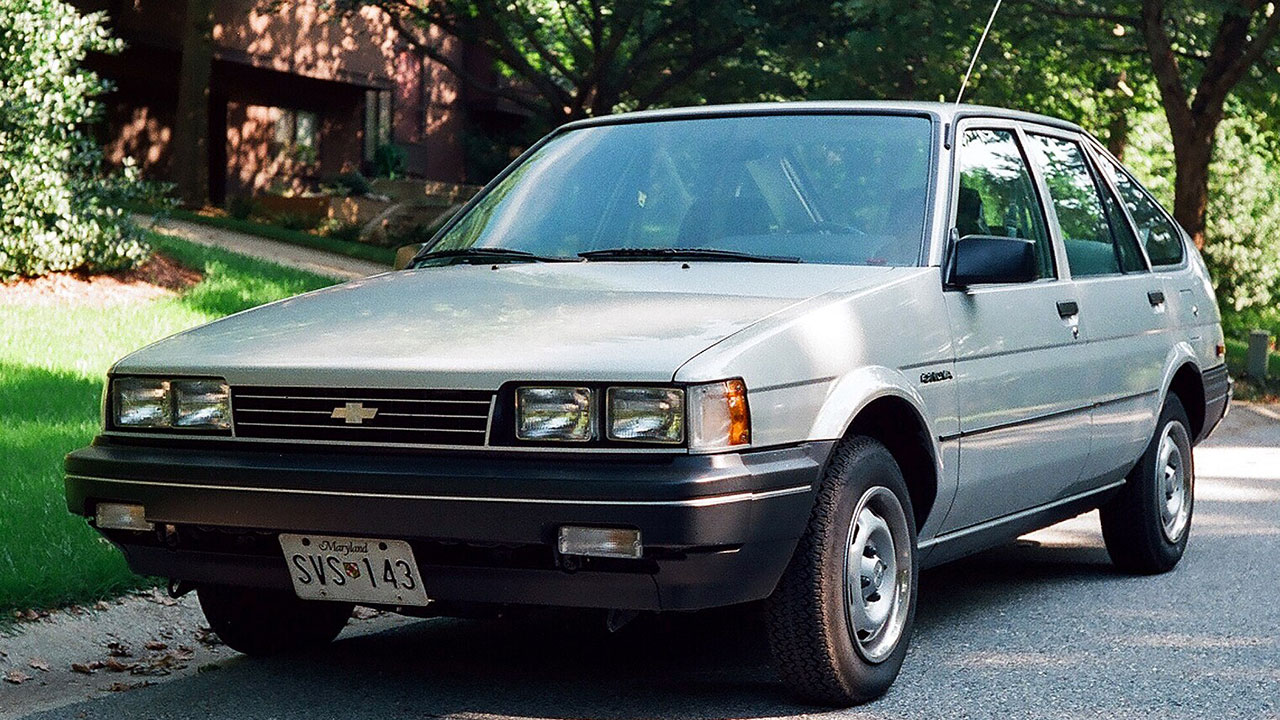
The Chevrolet Nova was often overshadowed by Chevrolet’s better-known muscle cars, but its compact size and straightforward mechanical layout gave it a character of its own. V8 versions could provide serious performance, while simpler models remained practical and easy to maintain. The Nova’s clean proportions also give it a distinctly traditional American appearance. For drivers who enjoy understated classics, it offers plenty of personality without demanding attention everywhere it goes.
Pontiac Grand Prix
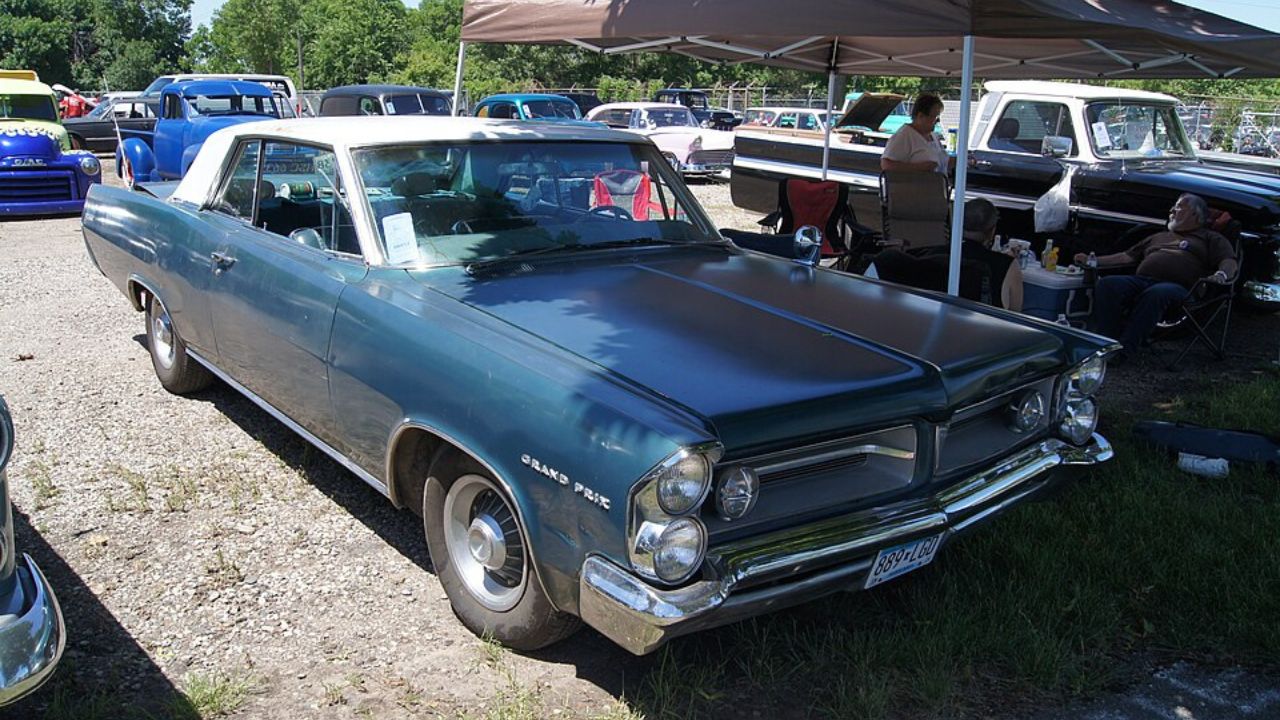
The Pontiac Grand Prix brought a more personal and performance-oriented character to the American full-size and intermediate car market. Its long hood, comfortable cabin, and available V8 engines made it well suited to relaxed cruising with plenty of power available. The Grand Prix was never as focused as a dedicated sports car, but that was part of its appeal. It made everyday driving feel more substantial without sacrificing comfort.
Saab 900

The Saab 900 offered an unusual driving experience shaped by its front-wheel-drive layout, distinctive dashboard, and practical hatchback body. Turbocharged versions added another layer of character, delivering strong acceleration while retaining the car’s everyday usability. The upright driving position and unconventional design made it unlike most contemporary vehicles. Today, the 900 remains special because it feels genuinely different from ordinary classics and modern cars alike.
Toyota Celica
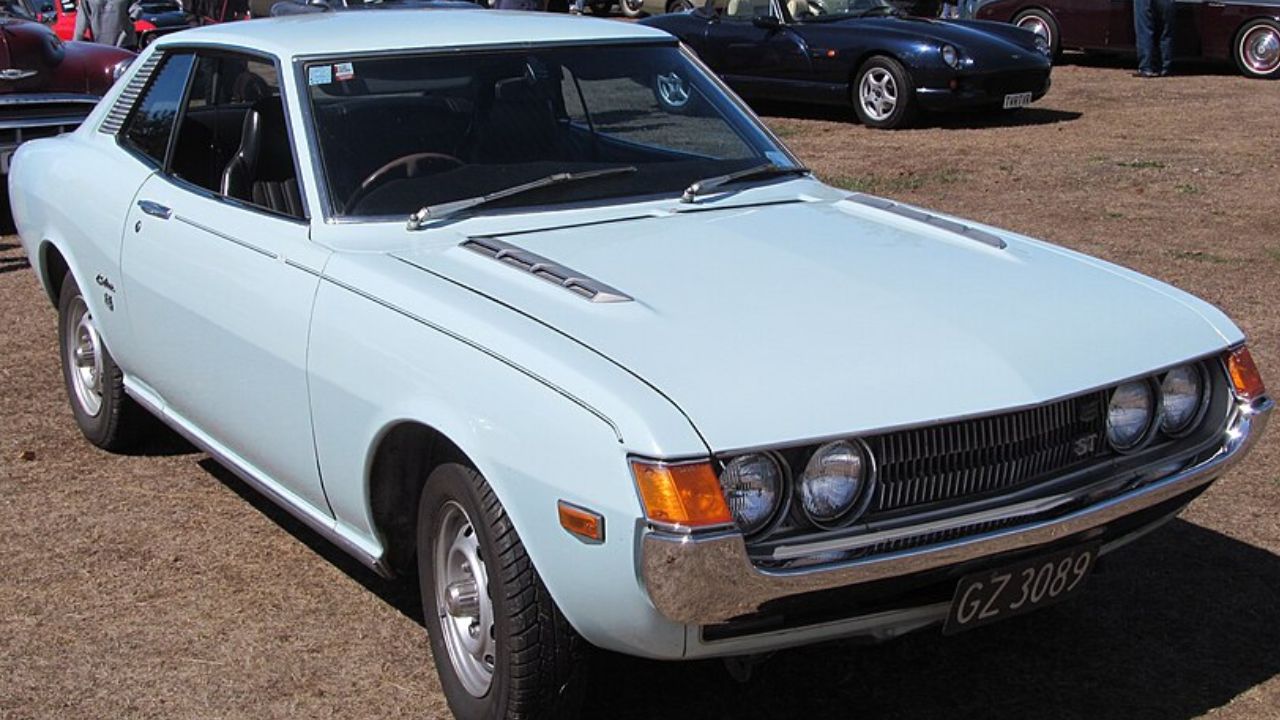
The Toyota Celica combined sporty styling, compact dimensions, and accessible performance in a package that was easy to live with. Earlier generations had a relatively simple mechanical layout and responsive handling, while later versions became increasingly sophisticated. The Celica’s appeal comes from its balance rather than overwhelming power. For drivers who want a classic Japanese coupe that can still be enjoyed on ordinary roads, it remains an easy car to appreciate.
Volkswagen Beetle
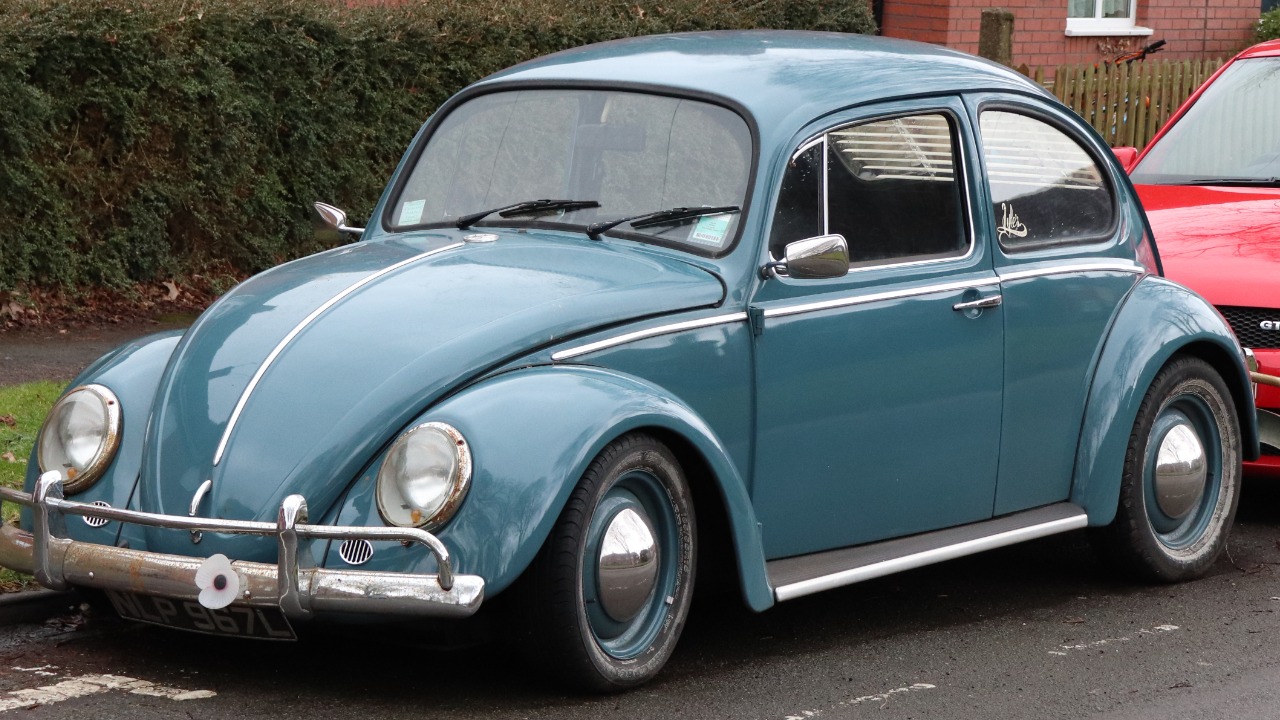
The Volkswagen Beetle offers a completely different kind of driving experience from a classic muscle car or sports coupe. Its rear-mounted air-cooled engine, compact proportions, and simple controls create an unmistakable character. The car is slow by modern standards, but speed was never its main attraction. Driving a Beetle feels special because the entire experience is so different from a modern vehicle, turning even a short trip into something memorable.
MG MGB
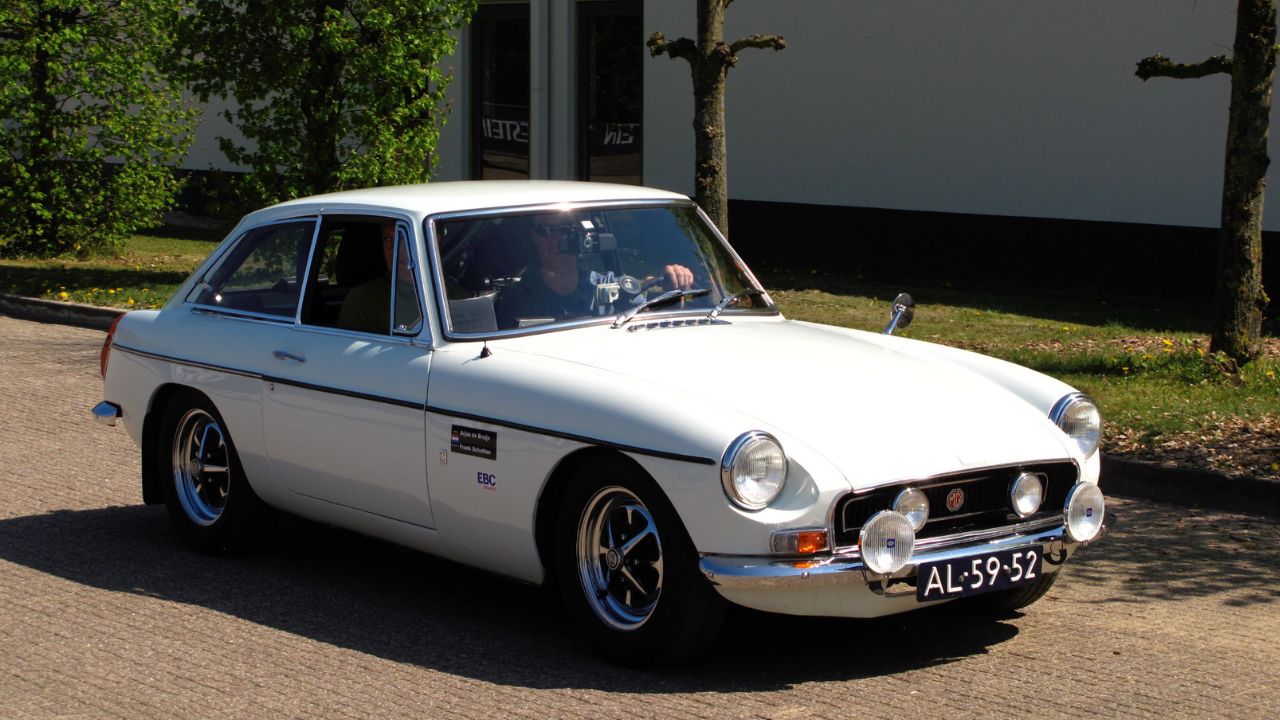
The MG MGB became one of the best-known British sports cars because it offered an approachable combination of simple mechanics, rear-wheel drive, and open-top fun. Its four-cylinder engine was modest, but the lightweight body and compact dimensions made the car entertaining on winding roads. The controls and seating position reinforce its old-school character. For drivers who value involvement over outright speed, the MGB remains a classic that makes every trip feel more personal.
More from Fast Lane Only
- Unboxing the WWII Jeep in a Crate
- 15 rare Chevys collectors are quietly buying
- 10 underrated V8s still worth hunting down
- Police notice this before you even roll window down
*Research for this article included AI assistance, with all final content reviewed by human editors.