The automotive landscape has been shaped by numerous innovations, many of which have come from General Motors (GM). While some models have achieved iconic status, others have faded into the background despite their contributions to engineering and design. This list highlights 10 forgotten GM cars that pushed the boundaries of automotive technology and paved the way for future innovations.
1936 Chevrolet Master DeLuxe
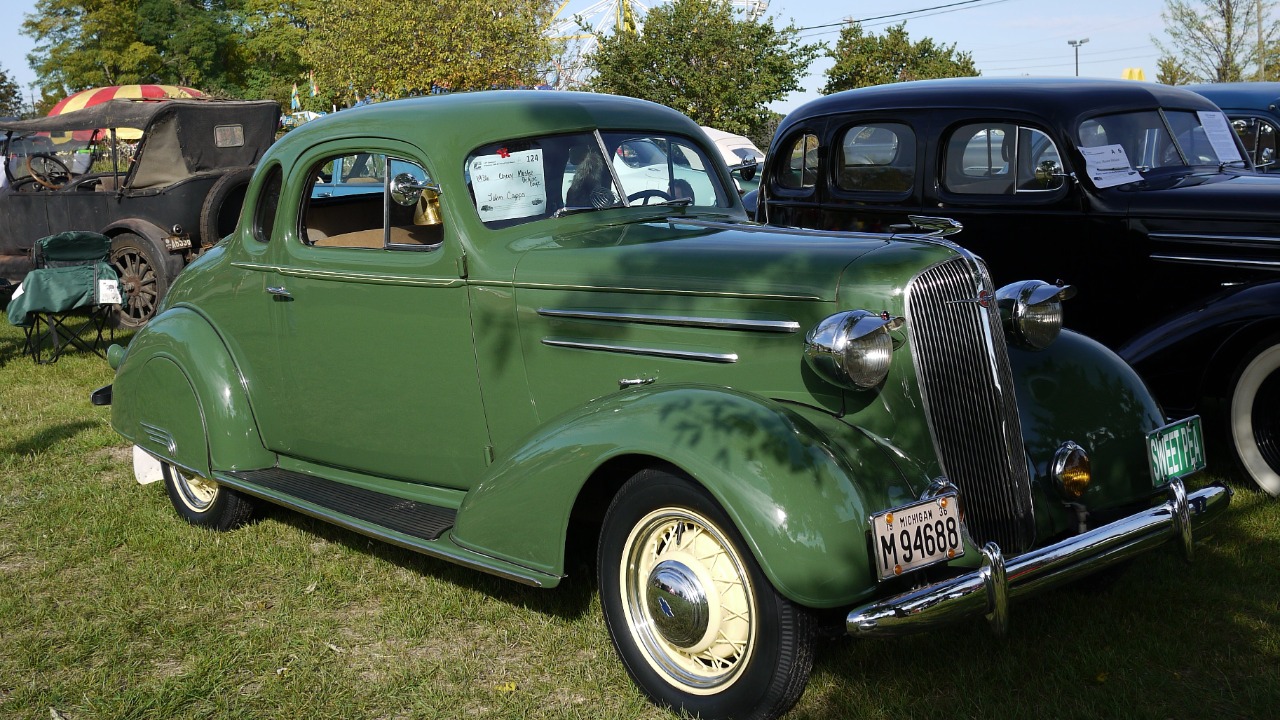
The 1936 Chevrolet Master DeLuxe was a game-changer in the automotive world. This model introduced the all-steel body, a significant advancement over the wood-framed bodies that were common at the time. It not only made the car more durable but also allowed for more streamlined designs. With its larger windows and improved visibility, the Master DeLuxe was a visual treat. Additionally, its 1936 debut coincided with the rise of the American middle class, making it accessible to a wider audience. The Master DeLuxe’s success laid the groundwork for future innovations in mass production, proving that quality and affordability could coexist in the automotive industry.
1949 Oldsmobile 88
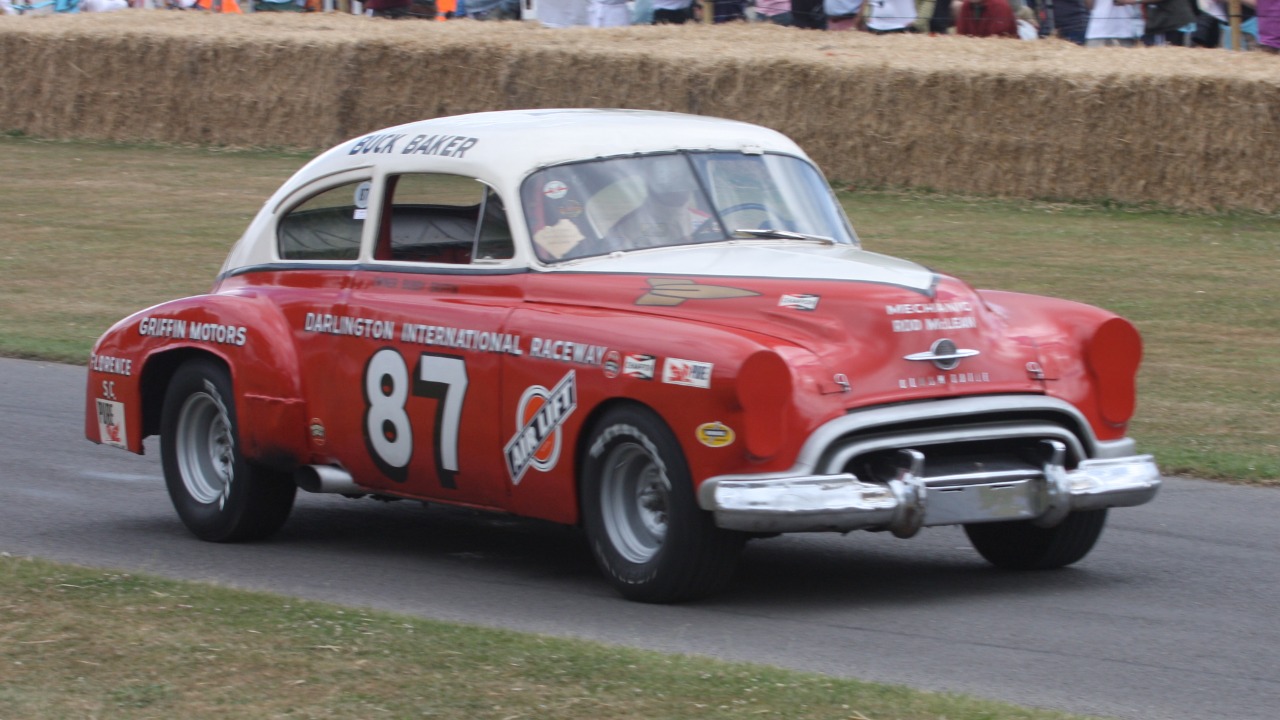
The 1949 Oldsmobile 88 is often credited with introducing the concept of performance sedans to the American market. With a powerful V8 engine, the Oldsmobile 88 offered impressive speed and acceleration for its time, making it a popular choice among enthusiasts. This model was also one of the first to feature a streamlined design that emphasized aerodynamics, a key factor in improving fuel efficiency. The 88’s success paved the way for the future of muscle cars and performance-oriented sedans, influencing designs and engineering principles for decades to come. Its legacy can still be seen in today’s performance vehicles, making it a significant player in automotive history.
1953 Buick Skylark
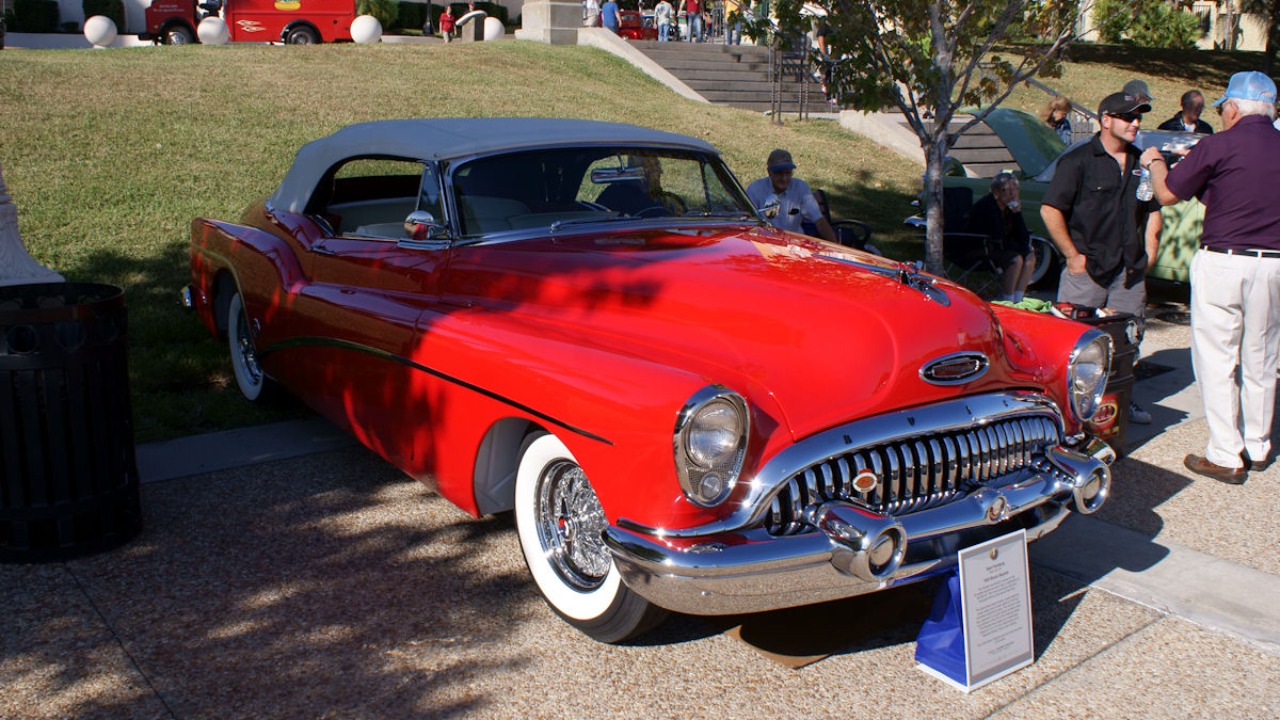
The 1953 Buick Skylark was a stunning example of post-war American luxury, featuring an elegant design and a powerful engine. This model introduced cutting-edge features such as a convertible top and a stylish interior, showcasing the importance of aesthetics in vehicle design. The Skylark was also equipped with advanced engineering, including a V8 engine that delivered exceptional performance. Its introduction marked the beginning of the personal luxury car segment, influencing competitors to enhance their own offerings. Today, the Skylark is remembered not just for its beauty, but for how it pushed the boundaries of what a luxury vehicle could be, setting a standard for future models.
1960 Chevrolet Corvair
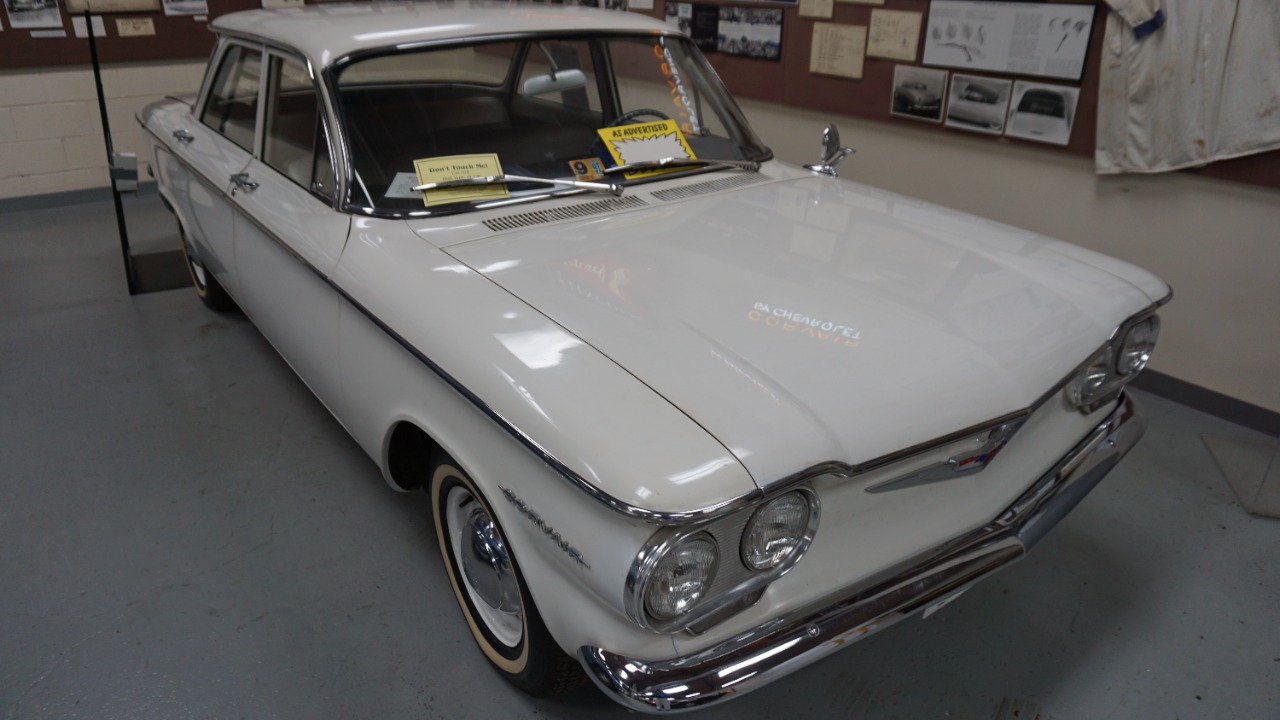
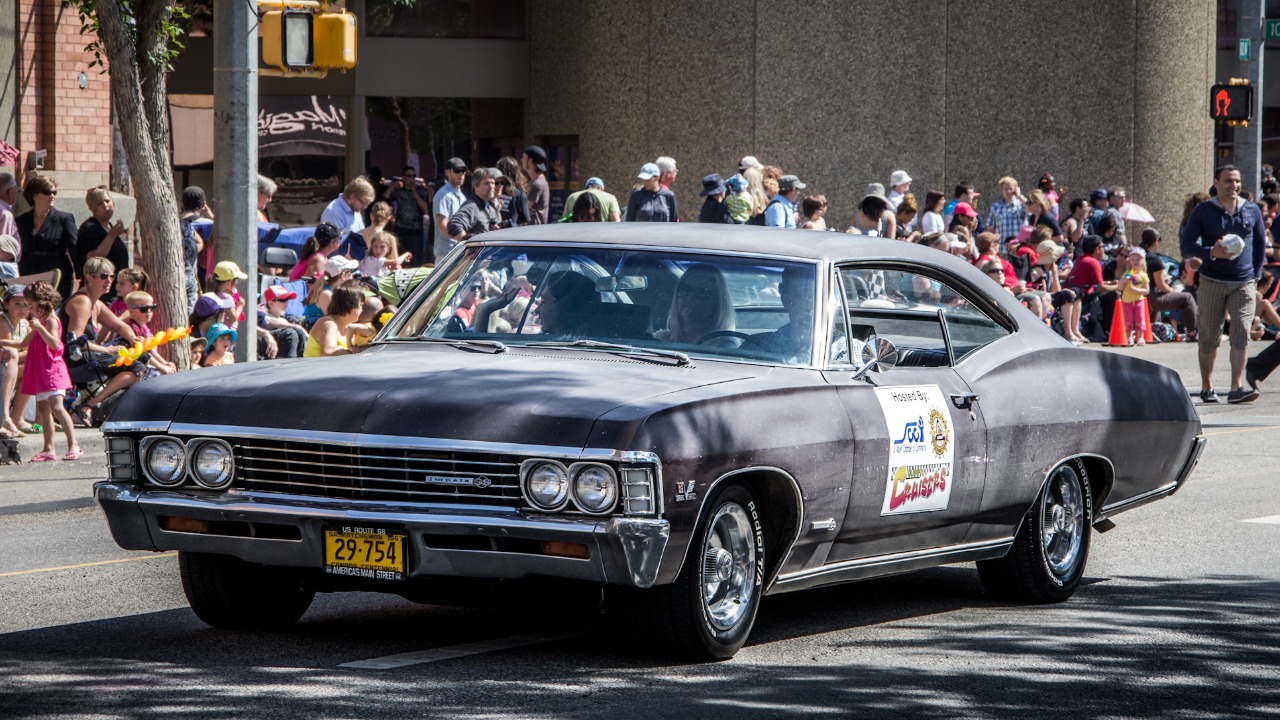
The 1960 Chevrolet Corvair was groundbreaking for several reasons, most notably for its unique rear-engine layout and innovative design. Unlike typical American cars of its time, the Corvair offered a compact size and an economical approach to driving. Its air-cooled engine was a departure from the water-cooled systems prevalent in most vehicles, providing a lighter weight and increased efficiency. However, it also sparked controversy due to safety concerns raised by Ralph Nader, which ultimately led to significant changes in automotive safety regulations. The Corvair’s engineering principles and its impact on safety standards resonate in modern car designs, illustrating the importance of innovation and responsibility in the industry.
1966 Pontiac GTO
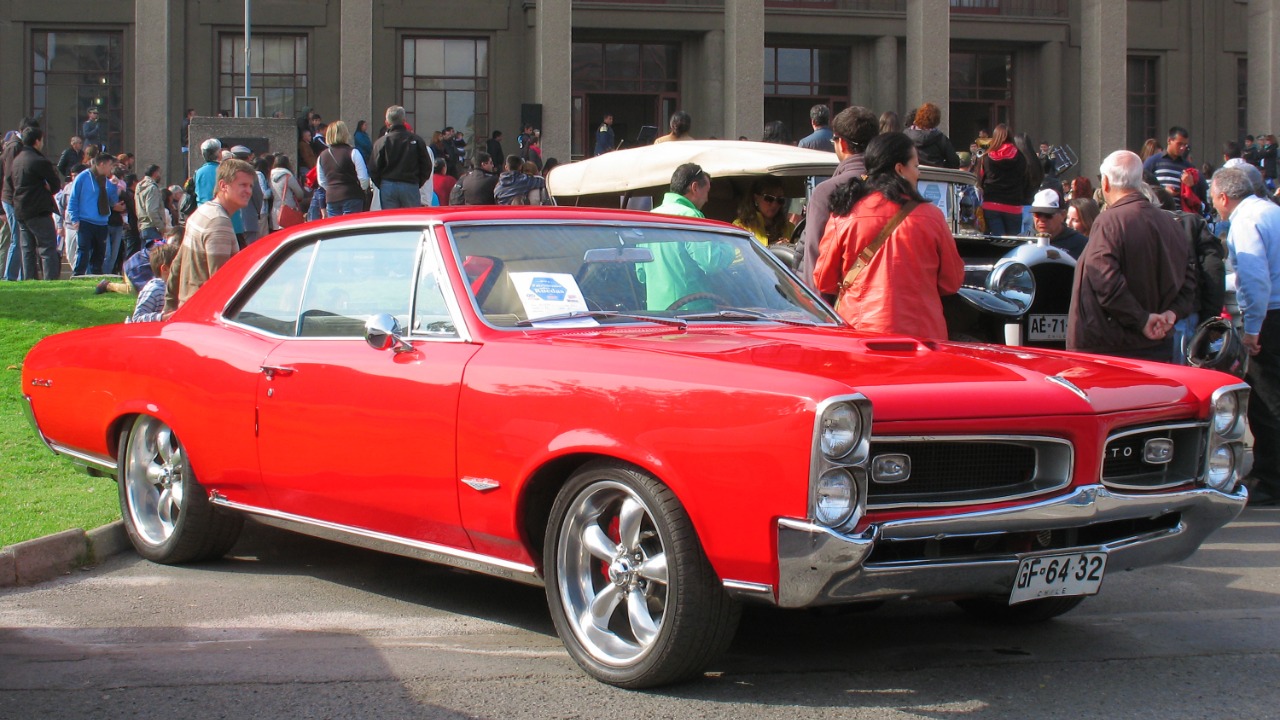
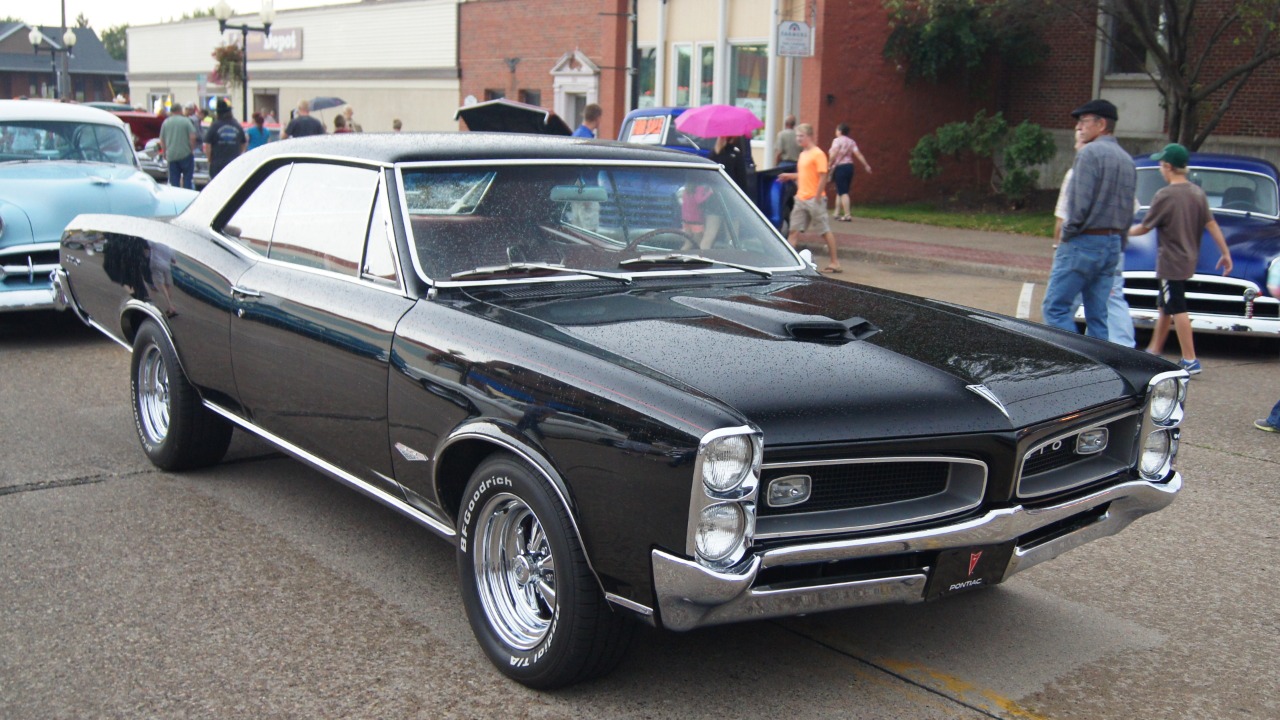
The Pontiac GTO, introduced in 1966, is often hailed as the original muscle car, blending performance and affordability in a way that captured the American spirit of the era. With a powerful V8 engine and a lightweight body, the GTO delivered an exhilarating driving experience that appealed to a generation of car enthusiasts. Its marketing strategy was innovative; Pontiac positioned the GTO as a car for the youth, tapping into the cultural zeitgeist of the 1960s. The GTO set a precedent for future muscle cars, influencing countless models that followed. Its legacy remains strong, as modern performance cars continue to draw inspiration from its design and engineering achievements.
1971 Cadillac Eldorado
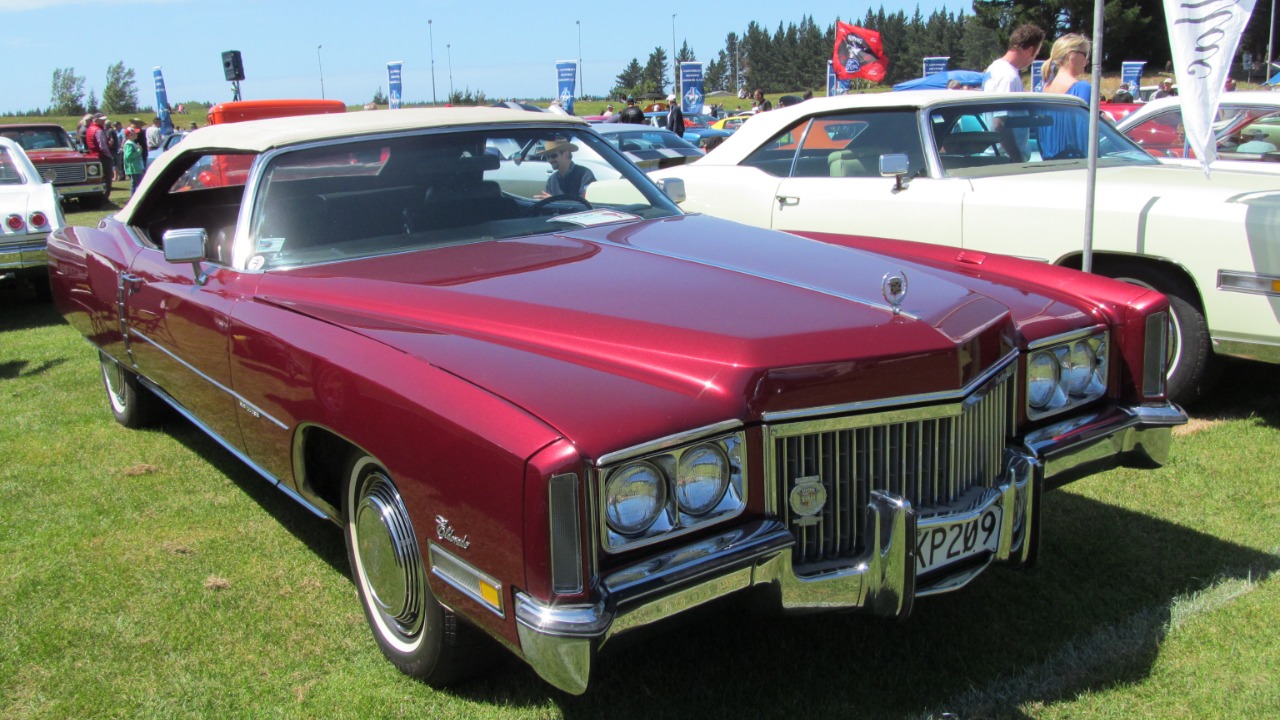
The 1971 Cadillac Eldorado is a symbol of luxury and innovation, being one of the first mass-produced front-wheel-drive cars in America. This engineering feat not only improved handling and ride comfort but also allowed for a more spacious interior. The Eldorado’s distinctive styling, characterized by its sleek lines and bold front end, made it an icon of the early ’70s. Additionally, it featured advanced technology for its time, such as climate control and power windows, enhancing the driving experience. The Eldorado’s influence on luxury vehicle design and engineering standards is still evident today, showcasing GM’s commitment to pushing the envelope in automotive innovation.
1975 Chevrolet Vega
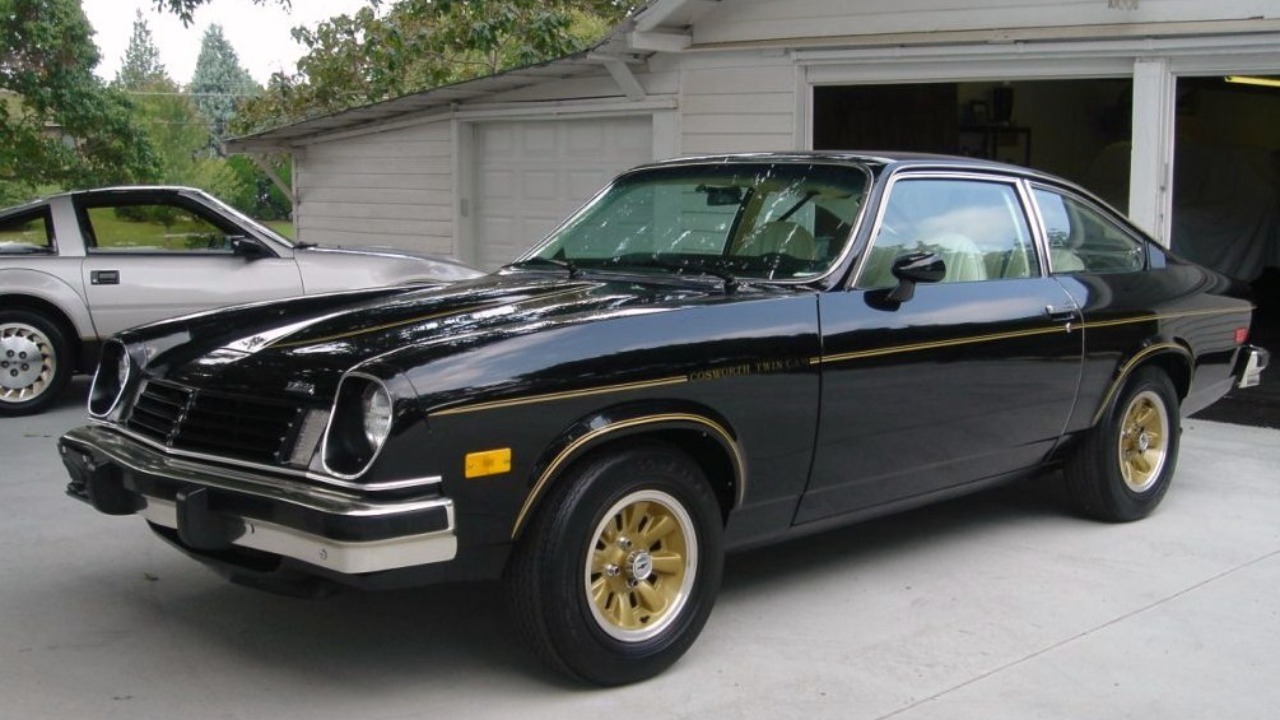
The Chevrolet Vega, introduced in 1975, was a compact car that aimed to compete against imports flooding the American market. What set the Vega apart was its revolutionary use of a lightweight aluminum engine, which significantly improved fuel efficiency—a pressing concern during the oil crisis of the 1970s. The Vega’s design emphasized affordability and practicality, making it accessible to a broad demographic. While it faced some reliability issues, its engineering principles influenced future compact car designs. The Vega’s legacy is a reminder of how innovation can drive change in the automotive industry, as manufacturers learned to balance performance and sustainability in their offerings.
1980 Pontiac Trans Am
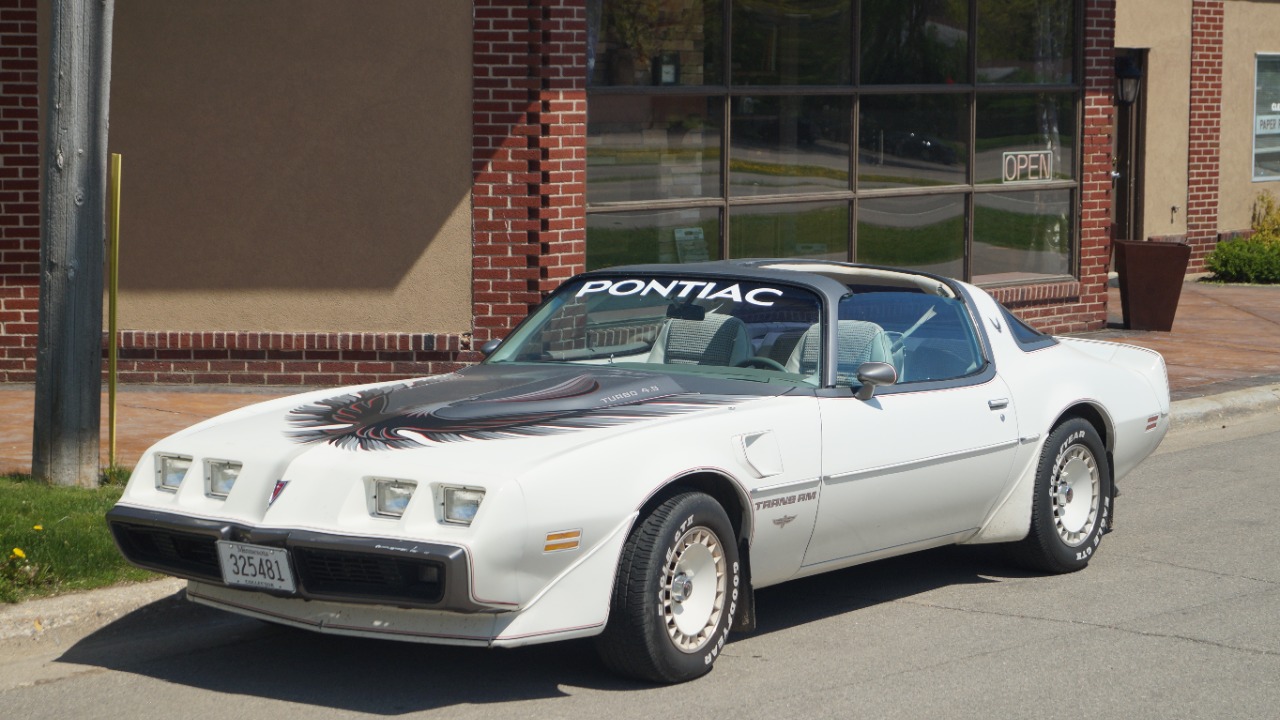
The 1980 Pontiac Trans Am is an iconic representation of the late ’70s and early ’80s automotive culture, known for its bold styling and performance capabilities. This model featured a distinctive aerodynamic design and was powered by a range of engines, including a turbocharged option that boosted its performance. The Trans Am became a cultural icon, thanks in part to its prominent role in movies like “Smokey and the Bandit.” Despite facing challenges such as increasing emissions regulations, the Trans Am managed to incorporate innovative technologies that would influence future performance vehicles. Its enduring popularity demonstrates how a car can become a symbol of freedom and adventure.
1990 Chevrolet Corvette ZR-1
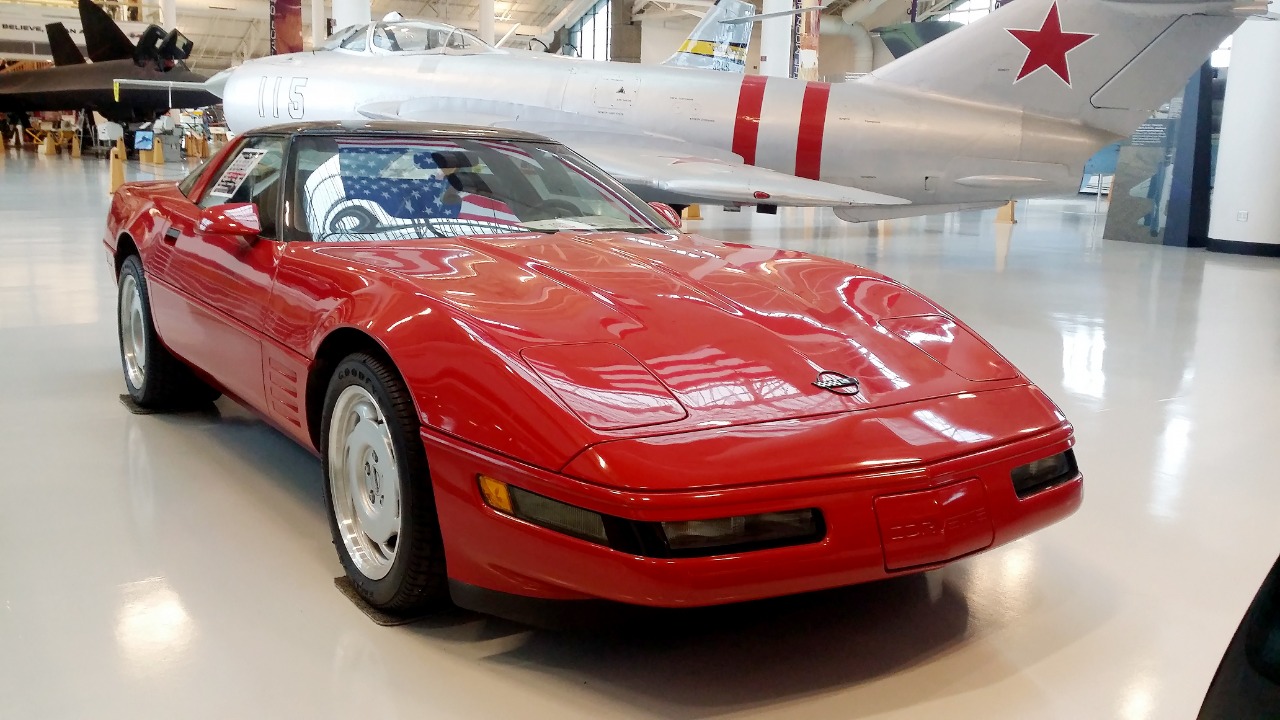
The 1990 Chevrolet Corvette ZR-1 marked a significant leap in American sports car engineering, showcasing advanced technology and performance. Known as the “King of the Hill,” the ZR-1 featured a powerful 375-horsepower engine, which was a product of collaboration with Lotus. Its lightweight construction and aerodynamic design allowed for remarkable speed and handling, setting new benchmarks for American sports cars. The ZR-1’s introduction also highlighted GM’s commitment to embracing innovation in performance, leading to a resurgence in interest for the Corvette brand. Today, the ZR-1 is celebrated not only for its performance but also for its role in redefining the American sports car landscape.
2005 Pontiac Solstice

The 2005 Pontiac Solstice was a refreshing entry into the world of roadsters, combining sporty performance with a stylish design. This model was notable for its lightweight construction and rear-wheel-drive layout, offering an engaging driving experience that appealed to enthusiasts. The Solstice was equipped with a turbocharged engine that provided impressive power while maintaining fuel efficiency. Its introduction marked a return to Pontiac’s roots of sporty, affordable vehicles, igniting a revival in the brand’s identity. The Solstice’s engineering and design principles influenced subsequent models, demonstrating how a well-executed vision can impact an entire segment of the automotive market, as seen in its enduring fanbase.
More from Fast Lane Only
- Unboxing the WWII Jeep in a Crate
- 15 rare Chevys collectors are quietly buying
- 10 underrated V8s still worth hunting down
- Police notice this before you even roll window down
*Research for this article included AI assistance, with all final content reviewed by human editors.