Mercury produced many memorable American cars, but some models disappeared almost completely from modern roads. Limited production, short model runs, unusual body styles, and changing buyer tastes made certain Mercury vehicles especially difficult to encounter today. These lesser-known models reveal just how varied the brand’s lineup became throughout its long history.
Mercury 8
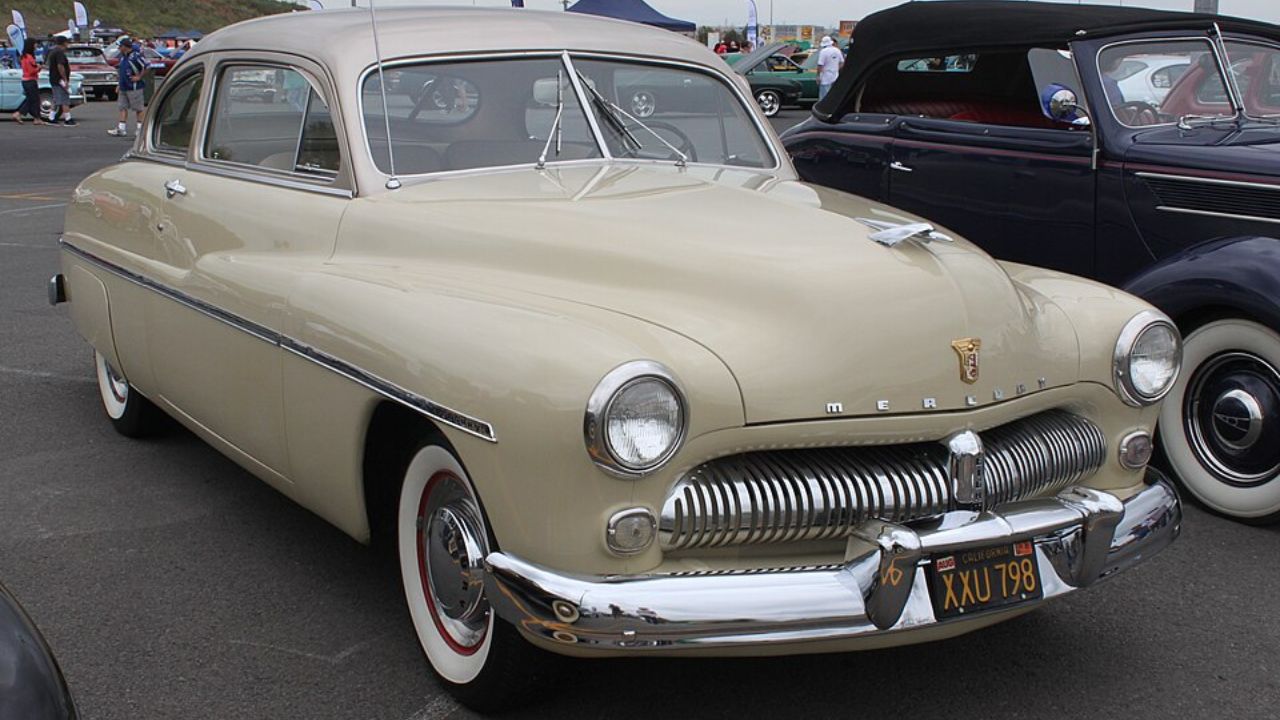
The Mercury 8 was the first car sold under the Mercury name when the brand launched for the 1939 model year. Positioned between Ford and Lincoln, it used a larger and more powerful flathead V8 than Ford’s typical offerings. Mercury produced several body styles, including sedans, coupes, and convertibles. While the name became associated with later Mercury models, early examples are now difficult to encounter. Surviving 1939 cars are especially interesting because they represent the beginning of Mercury as a separate American automotive marque.
Mercury Sportsman
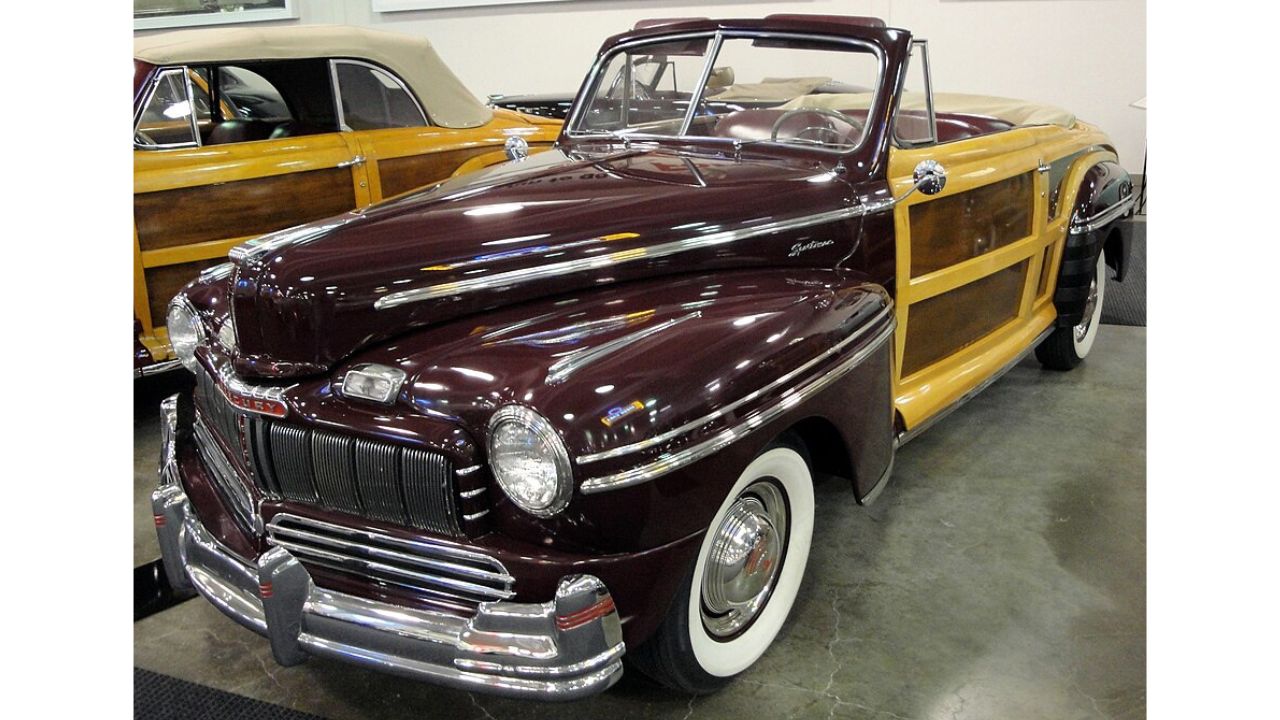
The Mercury Sportsman was a rare luxury-oriented convertible offered during the early 1940s. Its most recognizable feature was the use of real wood bodywork, giving it an appearance similar to high-end wood-bodied automobiles of the period. Production was limited, and the model was interrupted by World War II. That combination makes surviving examples exceptionally uncommon. The Sportsman also demonstrates Mercury’s early attempt to offer something more distinctive than a conventional Ford while remaining below Lincoln in the Ford Motor Company hierarchy.
Mercury Eight Station Wagon

The Mercury Eight Station Wagon was a substantial wood-bodied wagon built during the brand’s early years. Its large cabin and rear cargo area made it useful for families and practical transportation, while its V8 engine provided more power than many ordinary family cars. Wood construction and relatively low production numbers have made surviving examples uncommon. Restored examples are now valuable reminders of the era when station wagons were often handcrafted with extensive wooden body components rather than the all-steel construction that later became standard.
Mercury Custom
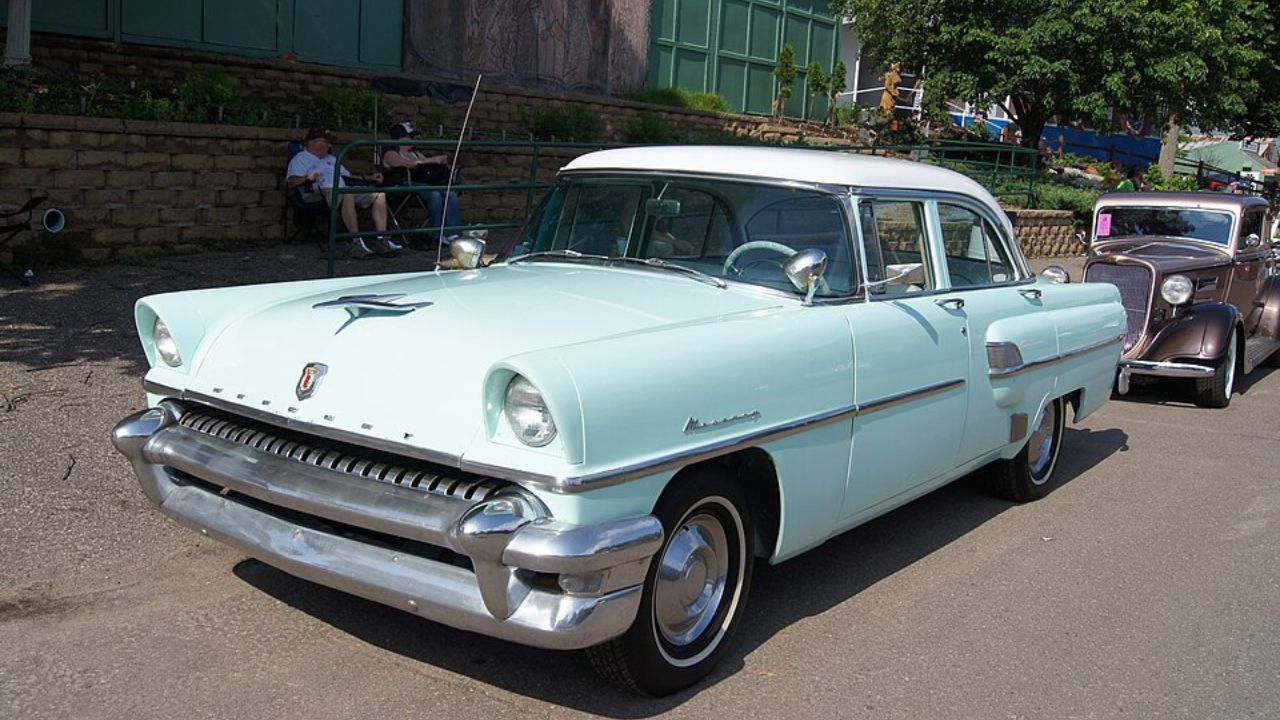
The Mercury Custom represented the company’s effort to provide more upscale styling and equipment in the early postwar market. It was available in several traditional American body styles and used Mercury’s V8 power. Although considerably more common when new, decades of weather, neglect, and scrapping have reduced the number of surviving examples. The Custom is now overshadowed by more famous Mercury models, making restored cars less familiar even among classic-car enthusiasts. Its straightforward mechanical design also makes it an interesting example of postwar American engineering.
Mercury Medalist

The Mercury Medalist was introduced during the 1950s as a lower-priced Mercury model. It offered buyers the brand’s styling and V8 power while occupying a more accessible position in the lineup. The Medalist was produced for a relatively short period, and many examples were eventually discarded as newer cars replaced them. Today, surviving Medalists are considerably less familiar than Mercury’s more glamorous models. Their rarity makes them useful snapshots of Mercury’s attempt to broaden its market rather than simply compete as a premium brand.
Mercury Turnpike Cruiser
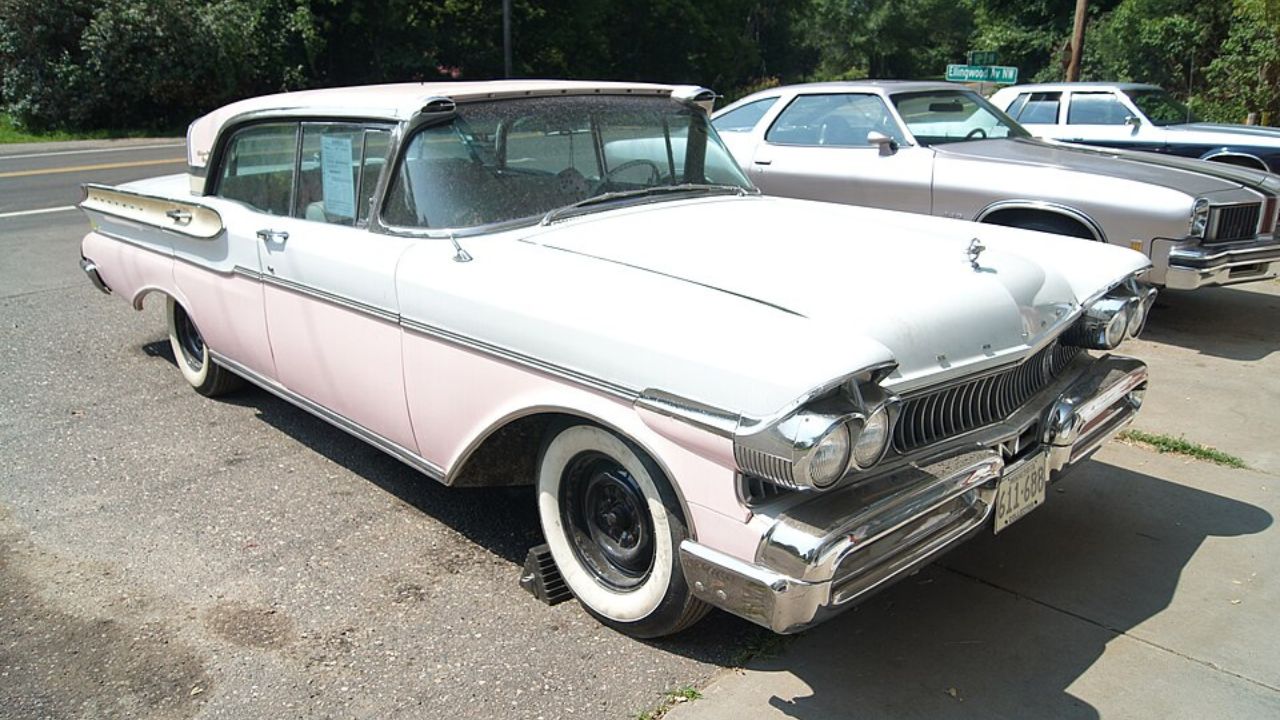
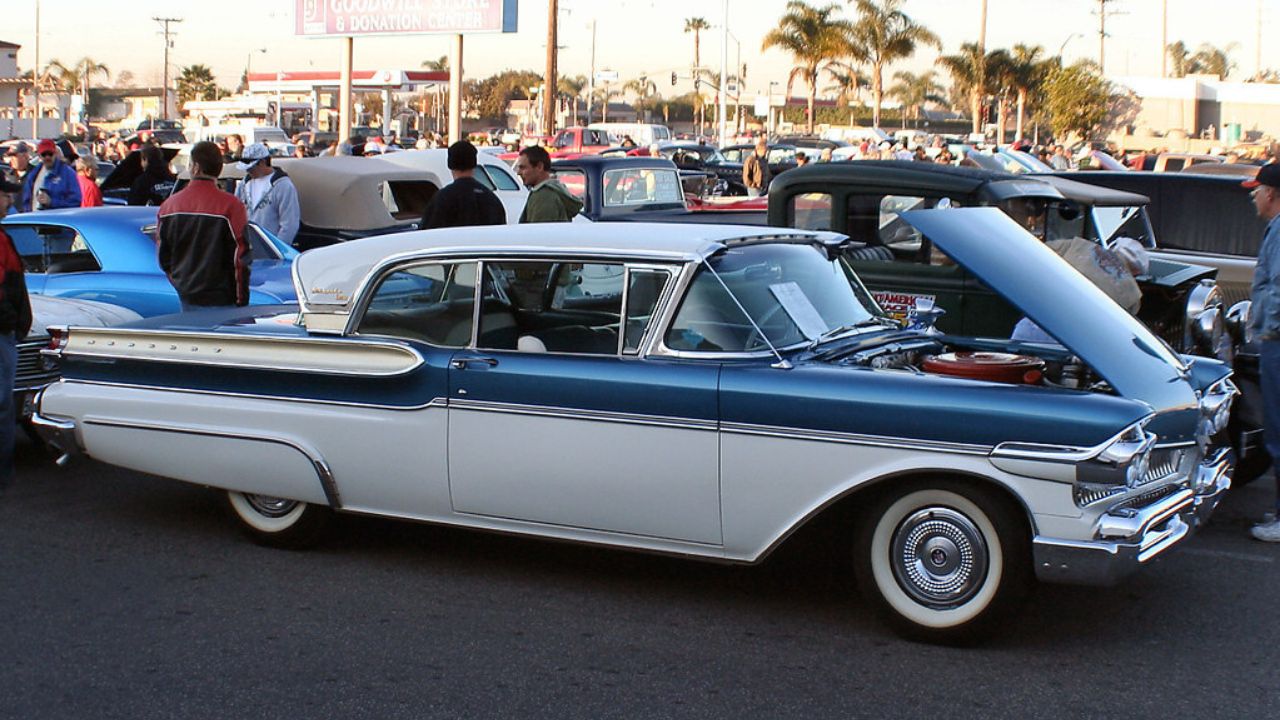
The Mercury Turnpike Cruiser was introduced for 1957 and became one of the brand’s most distinctive designs. It featured extensive chrome, dramatic tailfins, unusual rear-window styling, and a futuristic dashboard. Mercury intended the car to represent modern American highway travel, but its styling was far more extravagant than most conventional sedans. The Turnpike Cruiser’s short production run contributes to its rarity today. Surviving examples stand out at car shows because their styling captures the ambitious and highly decorative character of late-1950s American automobiles.
Mercury Voyager
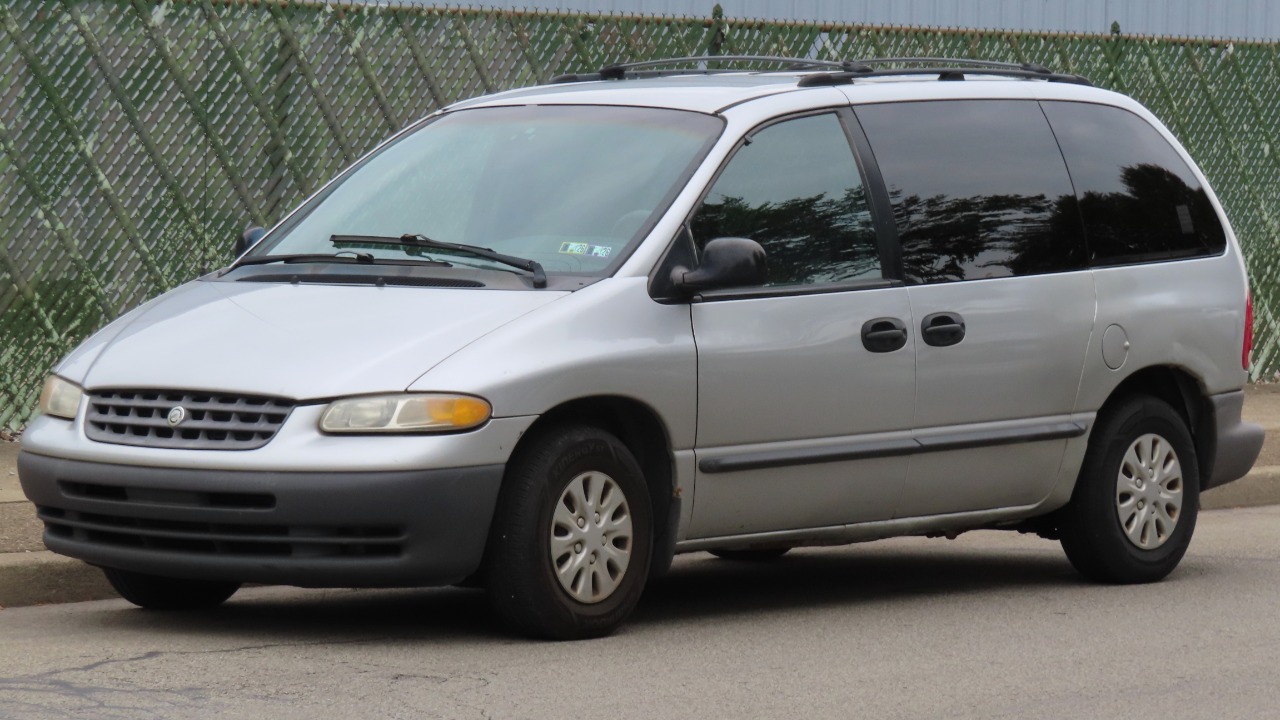
The Mercury Voyager was a full-size station wagon that offered substantial passenger and cargo space during the late 1950s. Although station wagons were increasingly popular at the time, surviving Voyagers are now relatively uncommon compared with more famous Mercury models. Large dimensions, extensive chrome, and period-specific styling made these cars difficult to preserve. The Voyager is particularly interesting because it shows how Mercury applied its distinctive styling to family-oriented vehicles. A well-preserved example can look remarkably different from the compact wagons that became common decades later.
Mercury Park Lane
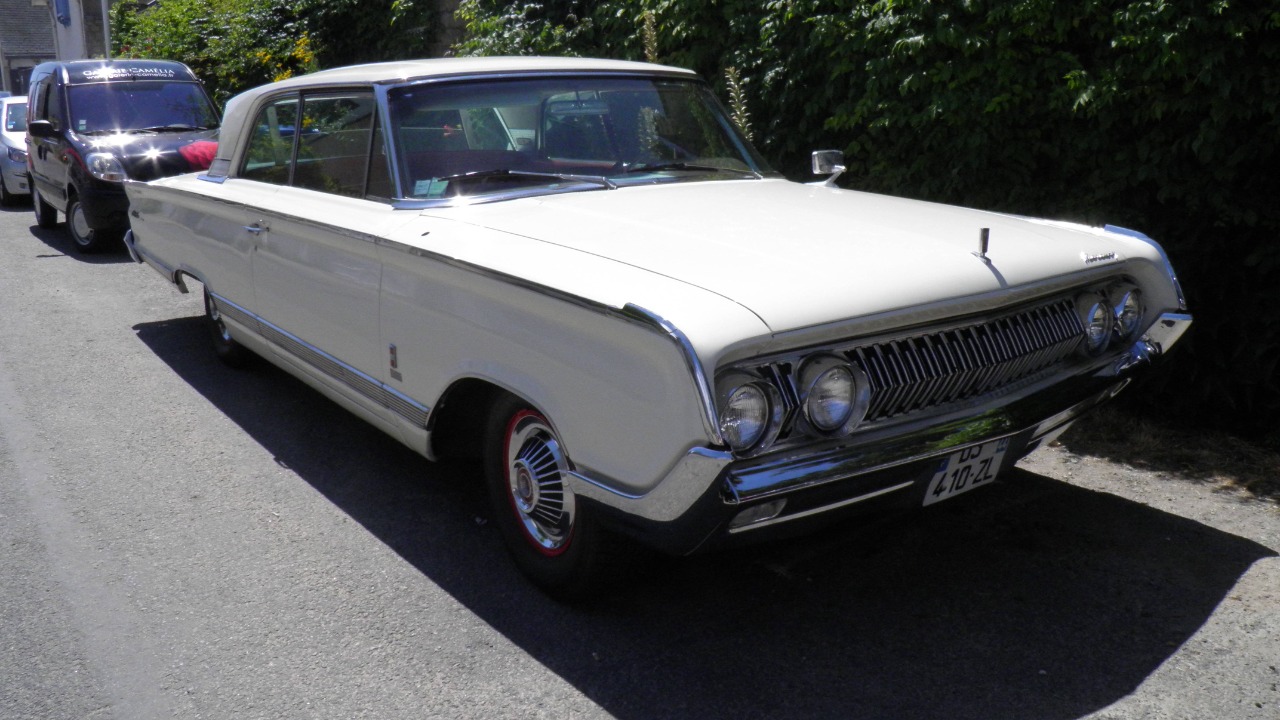
The Mercury Park Lane served as one of the brand’s premium full-size models during the 1950s and 1960s. It combined large V8 engines with substantial dimensions and increasingly elaborate styling. The name appeared on several generations, but earlier examples are now particularly difficult to encounter. Many were used as everyday transportation and eventually disappeared through ordinary attrition. Restored Park Lanes provide a clear look at Mercury’s attempt to compete in the increasingly luxurious part of the American full-size market.
Mercury Commuter

The Mercury Commuter was a full-size station wagon designed for buyers who needed practical family transportation. Depending on the year, it offered multiple seating configurations and large cargo capacity while retaining the V8-powered character of Mercury’s passenger cars. Station wagons were once common, but relatively few have survived in good condition. The Commuter therefore became much harder to encounter than its original production numbers might suggest. Today, it offers an interesting look at the practical side of Mercury’s large-car lineup.
Mercury Montclair
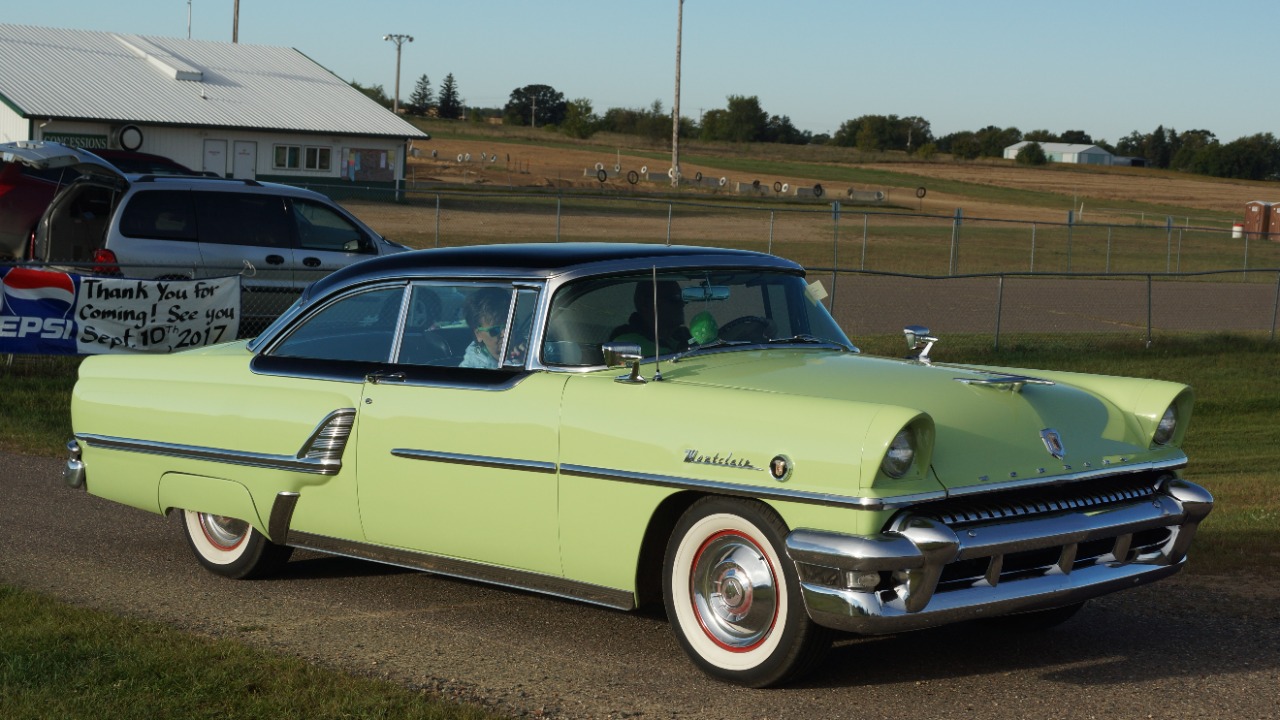
The Mercury Montclair was positioned as an upscale full-size car and became one of the brand’s better-known names during the 1950s. Its later versions featured increasingly large bodies, powerful V8 engines, and extensive exterior decoration. Despite once being a familiar sight, surviving examples are now relatively scarce. Rust, neglect, and the large size of these cars made long-term preservation difficult. A restored Montclair therefore provides a striking example of the design philosophy that dominated Mercury during America’s extravagant postwar automotive period.
Mercury Monterey
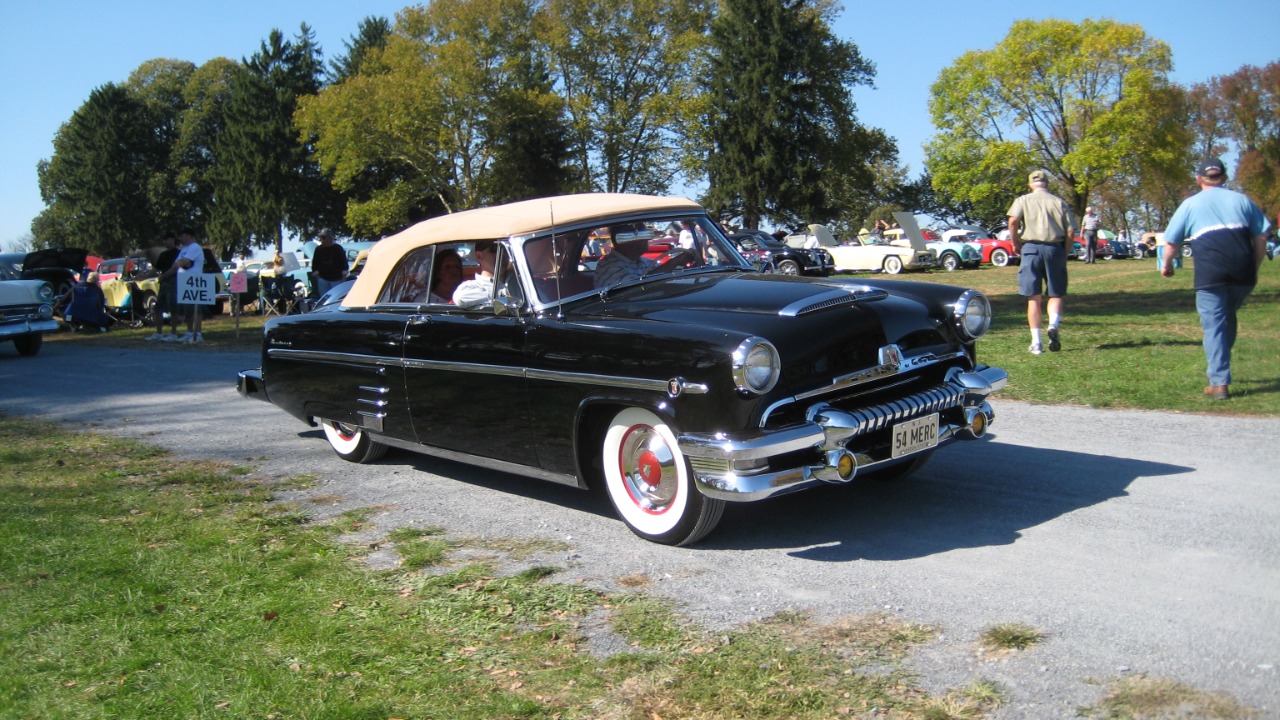
The Mercury Monterey became one of the company’s major full-size nameplates, but early examples are now surprisingly uncommon. Introduced in the early 1950s, it eventually appeared as sedans, coupes, convertibles, and station wagons. Large V8 engines and increasingly dramatic styling defined later generations. Because these cars were generally used as everyday transportation, many disappeared through ordinary wear and scrapping. Surviving early Montereys are now valued by enthusiasts who want something different from the better-known Chevrolet, Ford, and Cadillac classics of the same period.
Mercury Comet
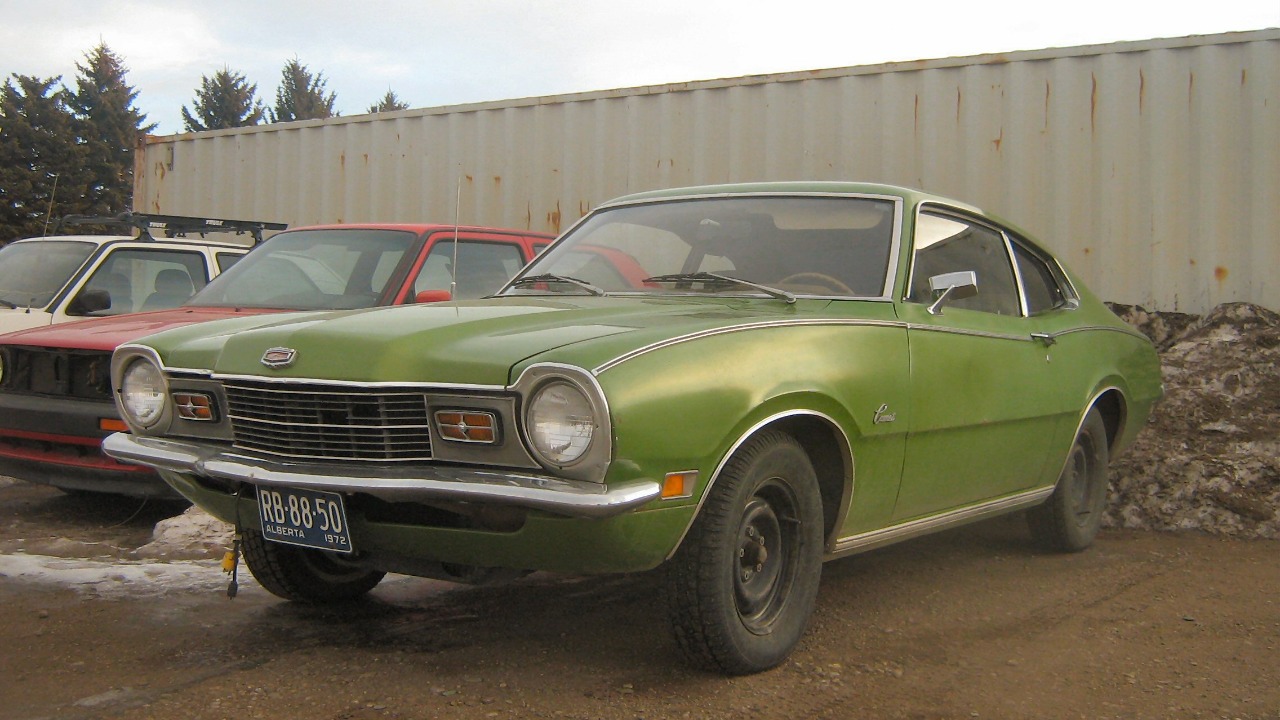
The Mercury Comet was introduced for 1960 as a compact car, making it very different from the large Mercury models that traditionally defined the brand. Its smaller dimensions and economical design appealed to buyers looking for easier-to-manage transportation. Later versions gained larger engines and more performance-oriented variants. Early Comets are increasingly difficult to see today because compact cars were often used heavily and discarded rather than preserved. Their unusual place in Mercury history makes them particularly interesting to collectors of lesser-known American cars.
Mercury Comet Caliente
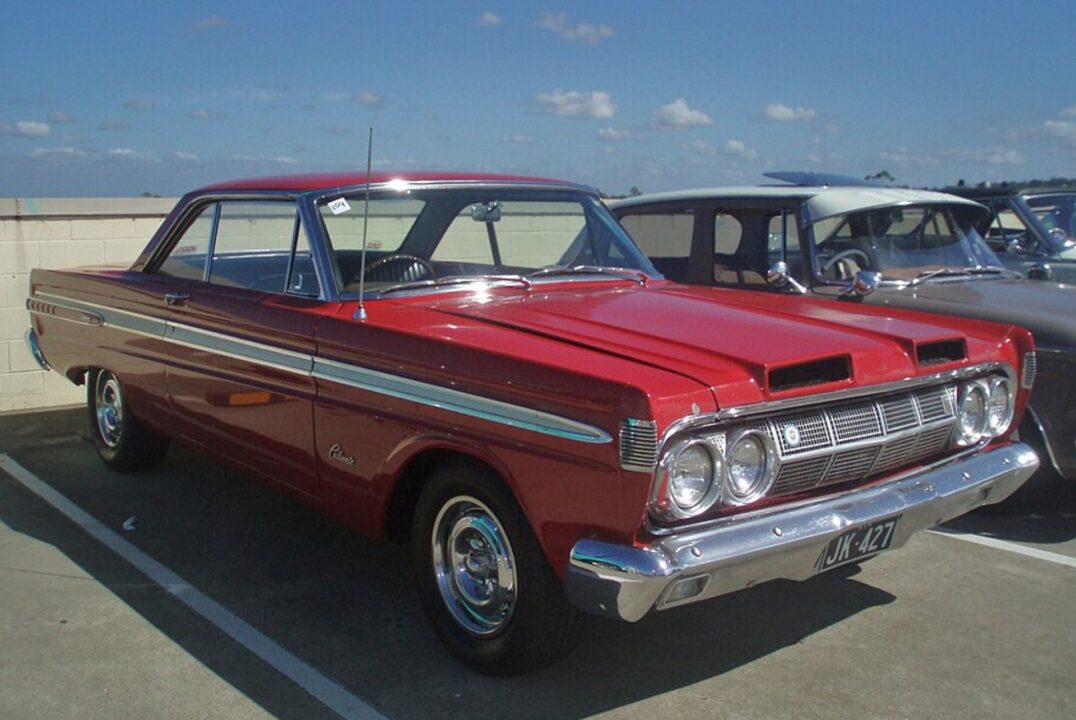
The Mercury Comet Caliente was a more stylish and better-equipped version of the Comet. It combined the compact platform with additional exterior trim and upgraded interior features. Depending on the year, buyers could choose from several engines, including V8 power. The Caliente is less frequently encountered today than famous Mercury performance cars such as the Cougar. Many examples simply disappeared after decades of ordinary use. Surviving cars provide an unusual glimpse into the period when Mercury experimented with compact models alongside its traditional full-size lineup.
Mercury Meteor
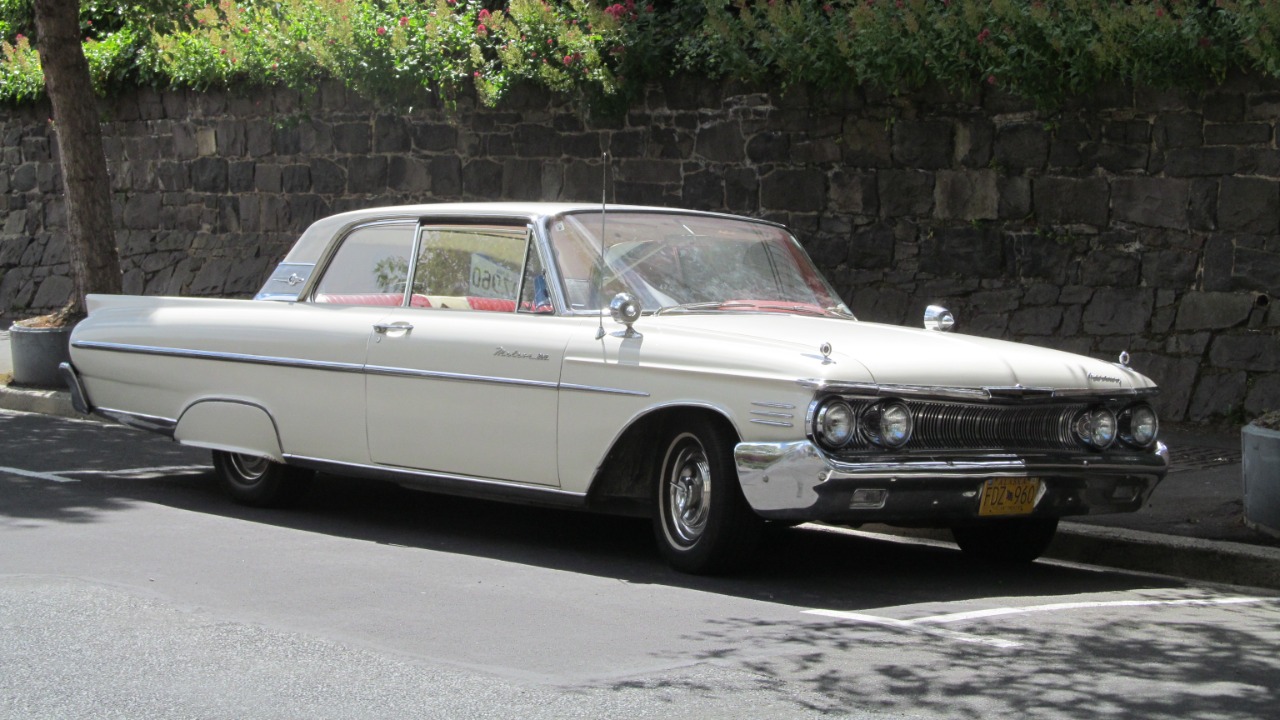
The Mercury Meteor was a short-lived full-size model introduced in the early 1960s. It was positioned below some of Mercury’s larger and more expensive offerings and was intended to broaden the brand’s appeal. Its styling reflected the period’s transition toward cleaner lines and less excessive ornamentation. Production lasted only a few years, which contributed to its modern rarity. The Meteor is now easy to overlook because it lacks the recognition of the Cougar or Marauder, yet surviving examples represent an important part of Mercury’s changing product strategy.
Mercury Marauder
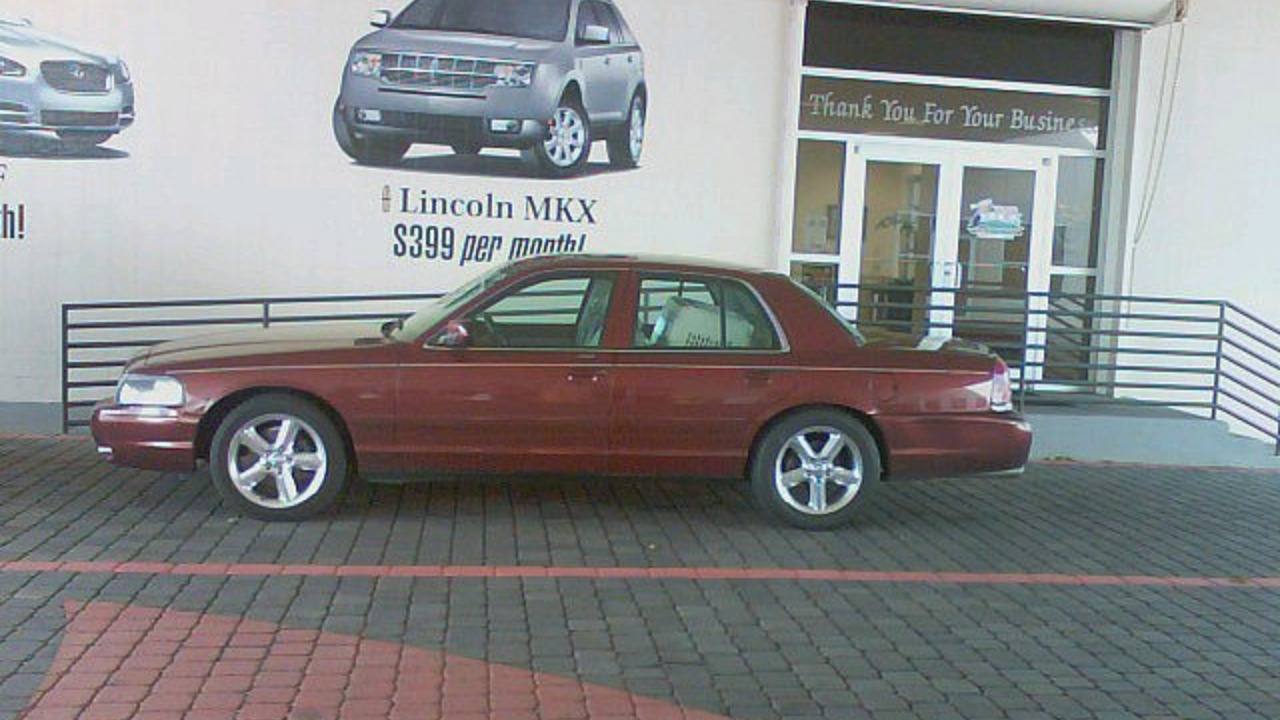
The Mercury Marauder name was used on several performance-oriented Mercury cars, particularly during the 1960s. These large cars combined powerful V8 engines with fastback or formal body styles depending on the model year. The Marauder never achieved the same collector recognition as Ford’s most famous muscle cars, and many examples were driven hard during their lives. As a result, surviving cars are increasingly uncommon. Well-preserved Marauders are particularly interesting because they combine full-size Mercury luxury with the company’s growing interest in performance.
Mercury Montclair Breezeway
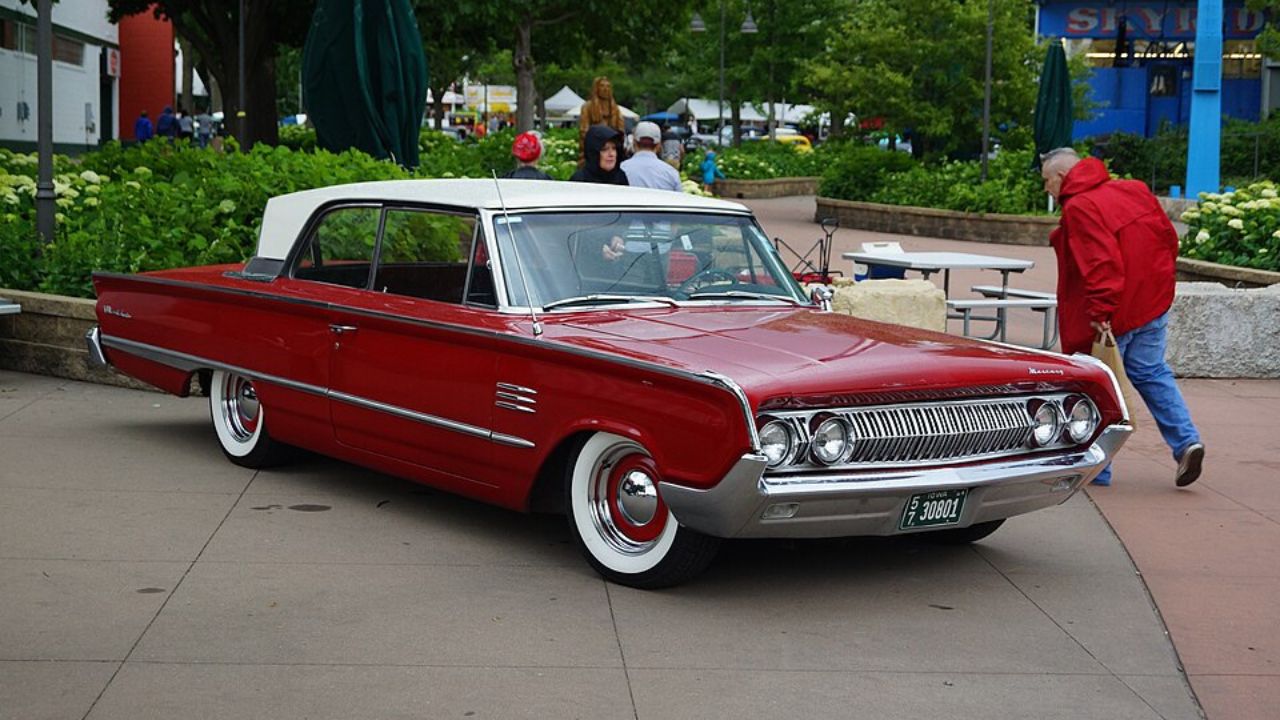
The Mercury Montclair Breezeway was distinguished by its unusual retractable rear-window design. The feature allowed the rear glass to lower slightly, improving ventilation while giving the car a distinctive appearance. It was part of Mercury’s elaborate mid-1960s full-size lineup, which emphasized comfort, styling, and engineering features. The Breezeway concept was relatively short-lived, and surviving examples are not commonly encountered today. Its unusual roof design makes it one of the easiest Mercury models to identify once an example finally appears.
Mercury Cyclone
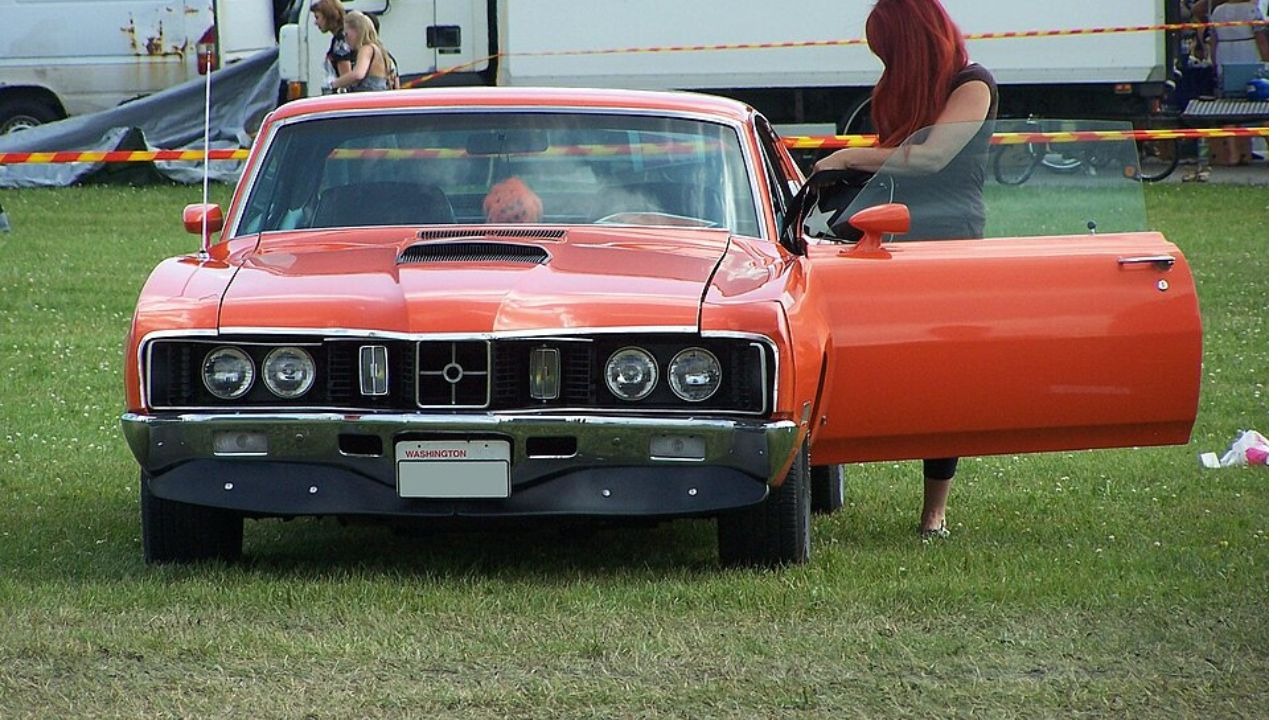
The Mercury Cyclone became one of the brand’s most important performance nameplates during the late 1960s and early 1970s. Based on Mercury’s intermediate cars, it offered increasingly powerful V8 engines and sporty styling. Certain versions were developed for serious competition, but even standard Cyclones delivered strong performance for their era. Many were modified, raced, or driven hard, reducing the number of original cars left today. The Cyclone remains an important part of Mercury history because it connected the brand to America’s muscle-car period.
Mercury Comet Caliente Convertible
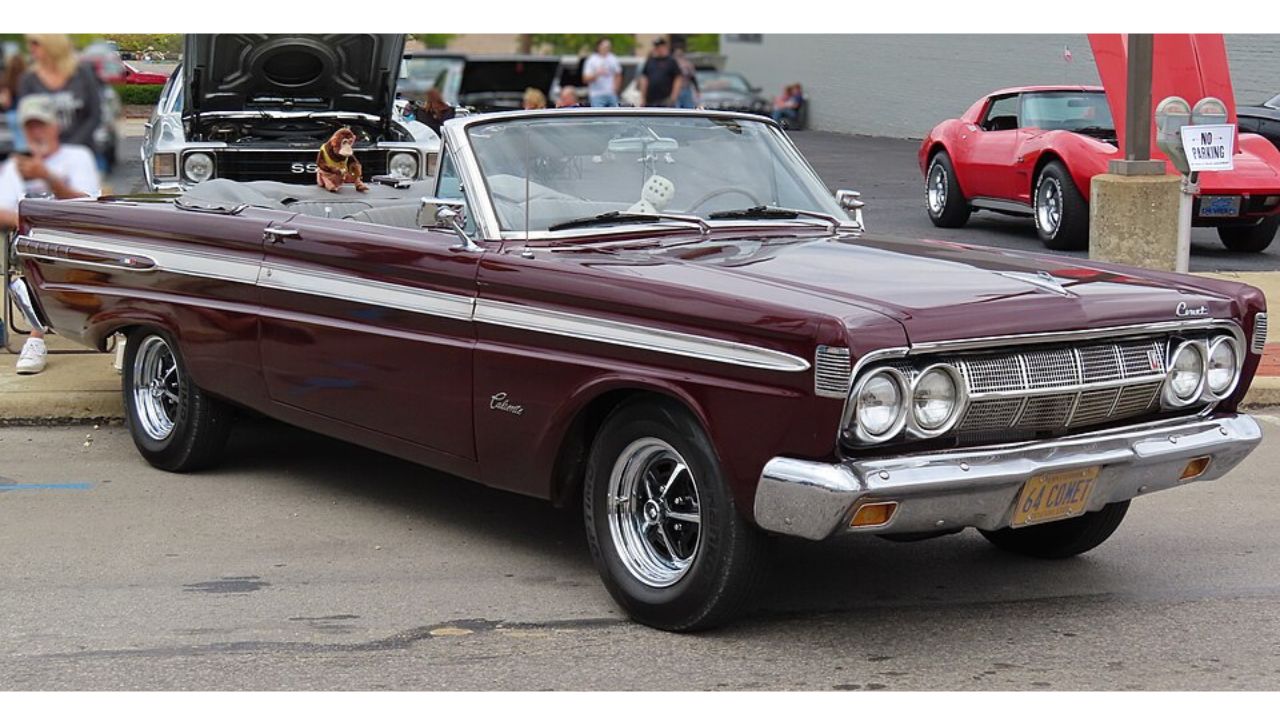
The Mercury Comet Caliente Convertible combined the compact Comet platform with an open-top body style and upgraded trim. Convertibles were produced in far smaller numbers than ordinary sedans, making surviving examples considerably harder to find. The car offered several engine choices depending on the model year and could provide surprisingly lively performance for its size. Its compact dimensions also made it different from Mercury’s larger cruisers. Today, an original Caliente Convertible is a rare sight and an interesting piece of Mercury’s compact-car history.
More from Fast Lane Only
- Unboxing the WWII Jeep in a Crate
- 15 rare Chevys collectors are quietly buying
- 10 underrated V8s still worth hunting down
- Police notice this before you even roll window down
*Research for this article included AI assistance, with all final content reviewed by human editors.