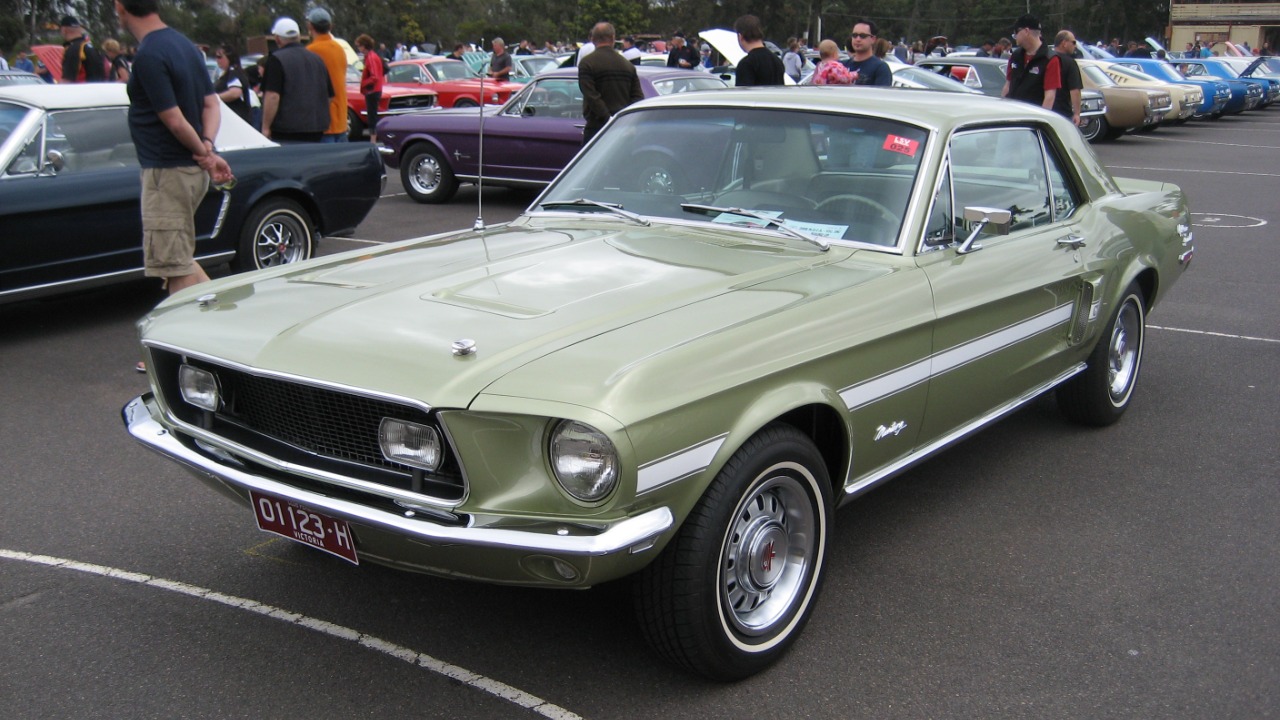
The Ford Mustang has never been content to stand still. Across multiple generations, certain models introduced bold engineering, fresh styling, or advanced performance long before those ideas became mainstream. These Mustangs challenged expectations, influenced future muscle cars, and proved that innovation has always been part of the pony car’s identity.
1965 Shelby GT350
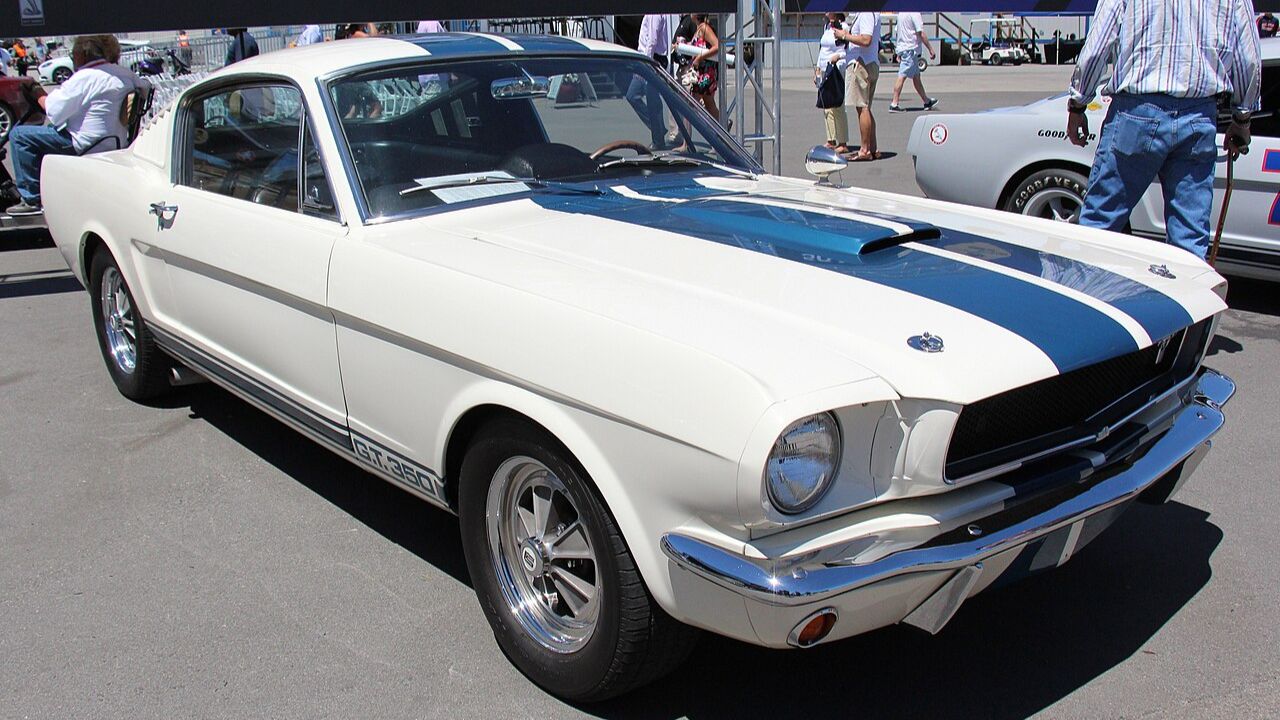
The 1965 Shelby GT350 transformed the Mustang from a stylish pony car into a serious performance machine. Carroll Shelby added race-inspired suspension upgrades, a high-output V8, and weight-saving measures that made the car remarkably capable on road courses. At a time when muscle cars mostly focused on straight-line speed, the GT350 demonstrated that balanced handling and precision engineering could define American performance.
1968 Ford Mustang California Special
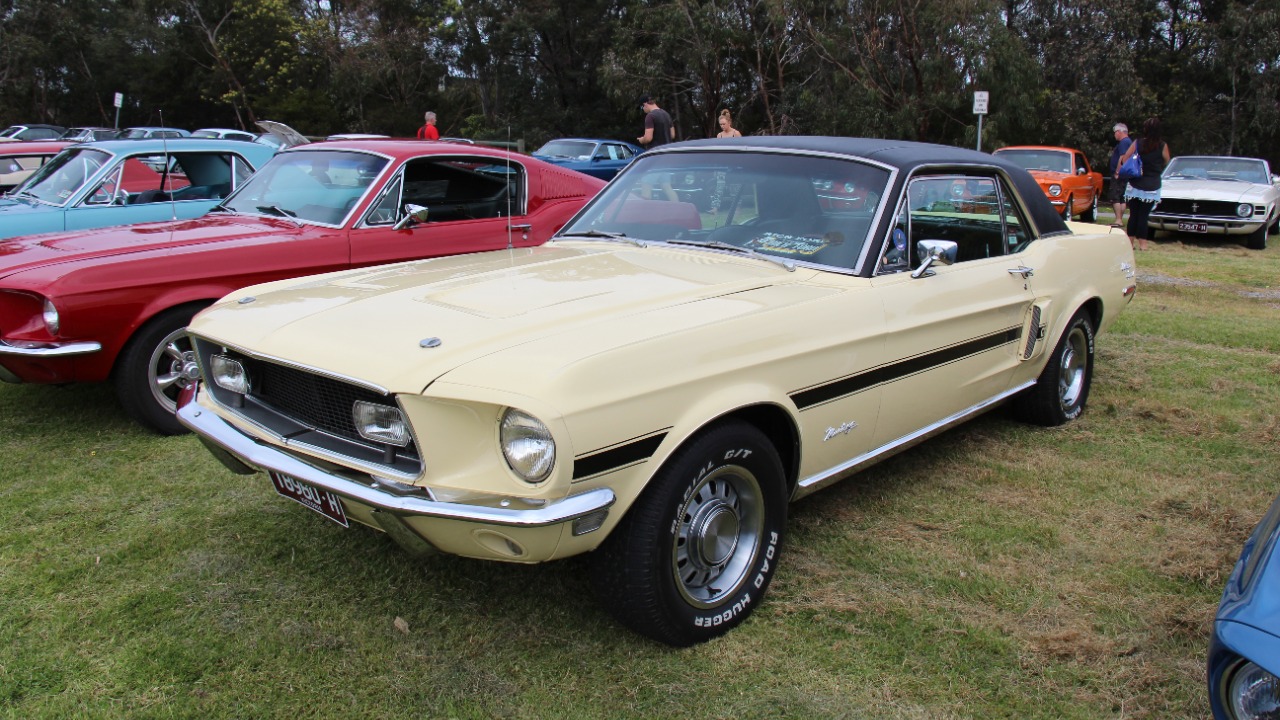
The 1968 Mustang California Special blended custom styling with factory production in a way that anticipated today’s appearance packages. Featuring unique side scoops, Shelby-inspired rear styling, fog lights, and exclusive trim, it allowed buyers to own something distinctive without expensive aftermarket modifications. This factory personalization strategy became common decades later across countless performance and special-edition vehicles.
1969 Ford Mustang Boss 429
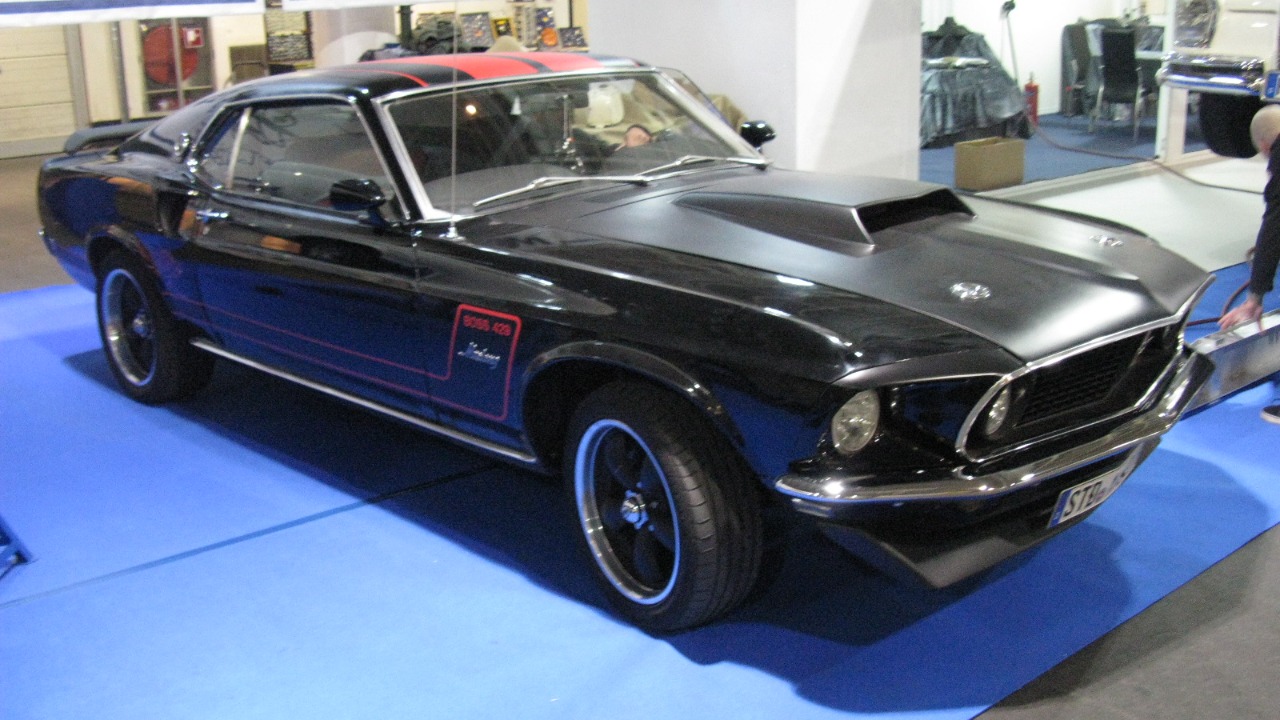
The 1969 Mustang Boss 429 existed primarily to satisfy NASCAR homologation requirements, but its engineering made it extraordinary. The massive semi-hemispherical V8 required significant chassis modifications just to fit beneath the hood. With race-derived technology and limited production, the Boss 429 showcased advanced engine design years before high-performance factory cars regularly featured competition-grade engineering straight from the showroom.
1979 Ford Mustang Pace Car

The 1979 Mustang Pace Car introduced the Fox Body platform while embracing turbocharging during an era dominated by emissions regulations. Its turbocharged four-cylinder engine demonstrated Ford’s willingness to pursue efficiency without abandoning performance aspirations. Combined with aerodynamic styling and lighter construction, the Pace Car previewed trends that would become increasingly important throughout the automotive industry during the following decades.
1984 Ford Mustang SVO
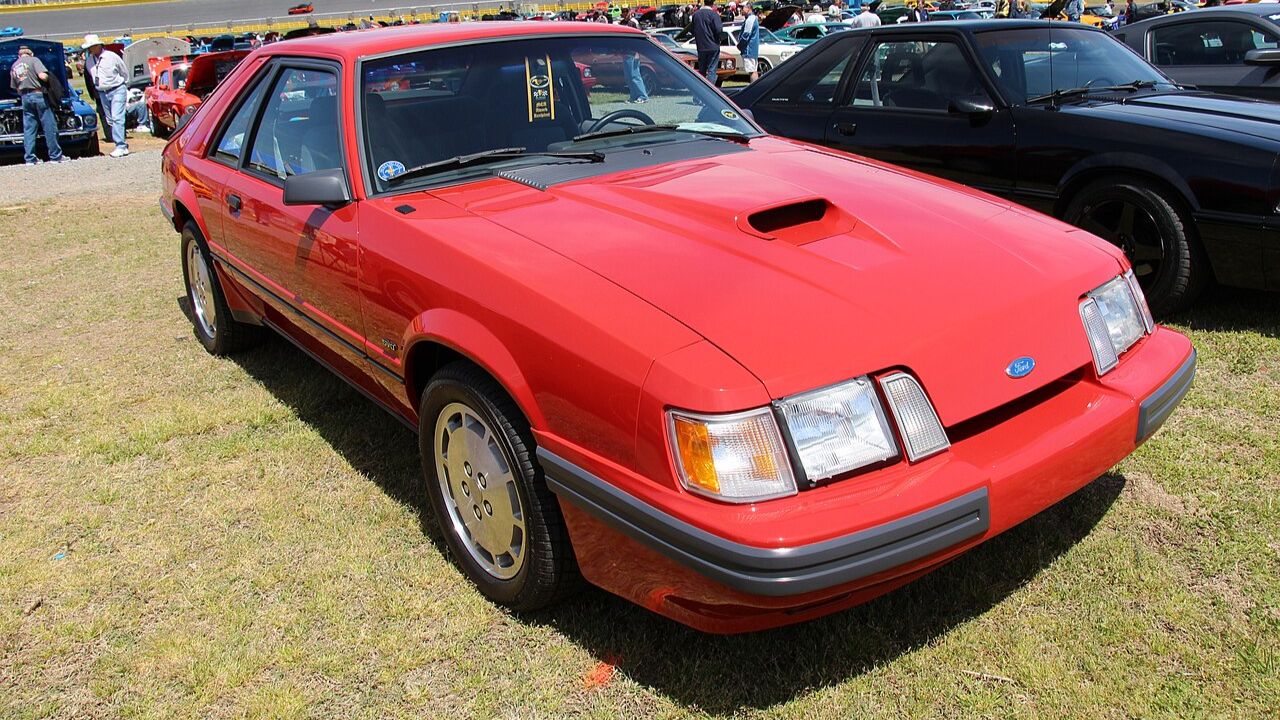
The 1984 Mustang SVO broke with tradition by replacing the familiar V8 with a turbocharged 2.3-liter four-cylinder engine. Equipped with four-wheel disc brakes, adjustable suspension, and sophisticated aerodynamics, it prioritized handling and technology over raw displacement. The SVO anticipated the modern philosophy that intelligent engineering and forced induction could deliver impressive performance without relying on large engines.
1993 Ford Mustang SVT Cobra R
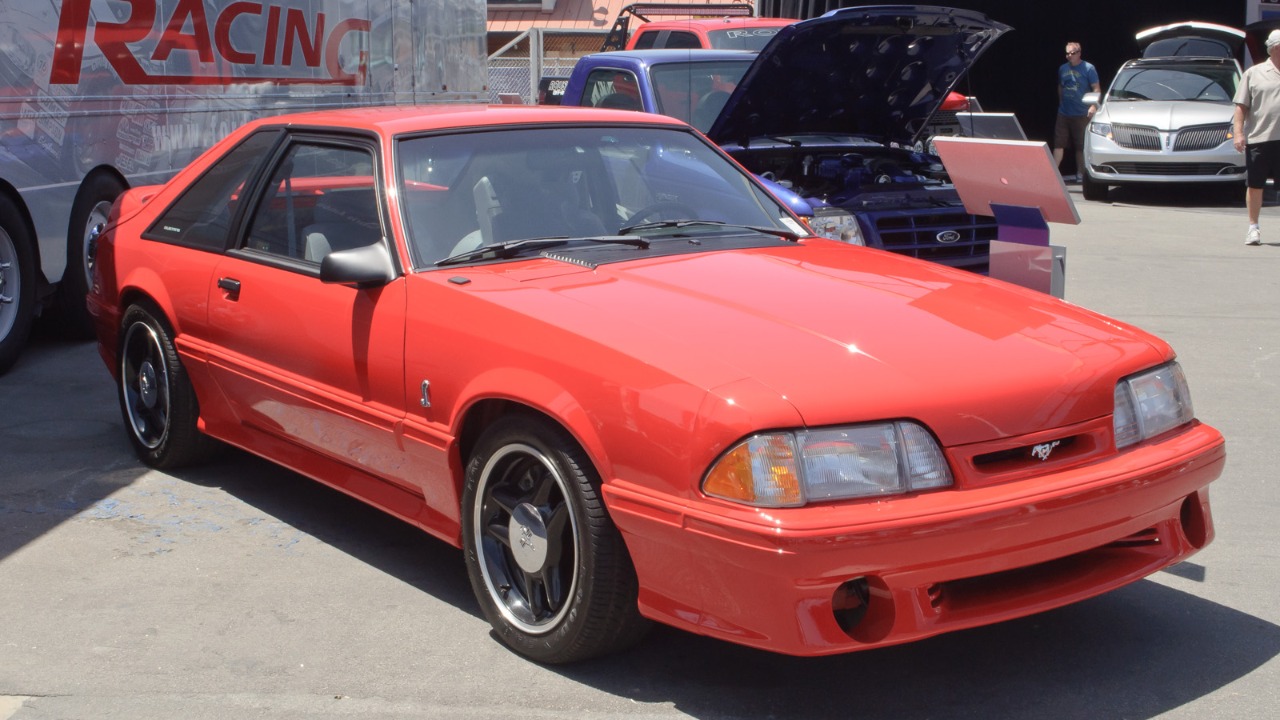
The 1993 Mustang SVT Cobra R emphasized track performance by removing unnecessary comfort features while upgrading suspension, brakes, cooling, and chassis components. Produced in limited numbers, it represented one of America’s earliest factory-built track-focused muscle cars. Long before stripped-down performance editions became popular, the Cobra R proved enthusiasts appreciated purpose-built machines engineered for serious driving.
2000 Ford Mustang Cobra R
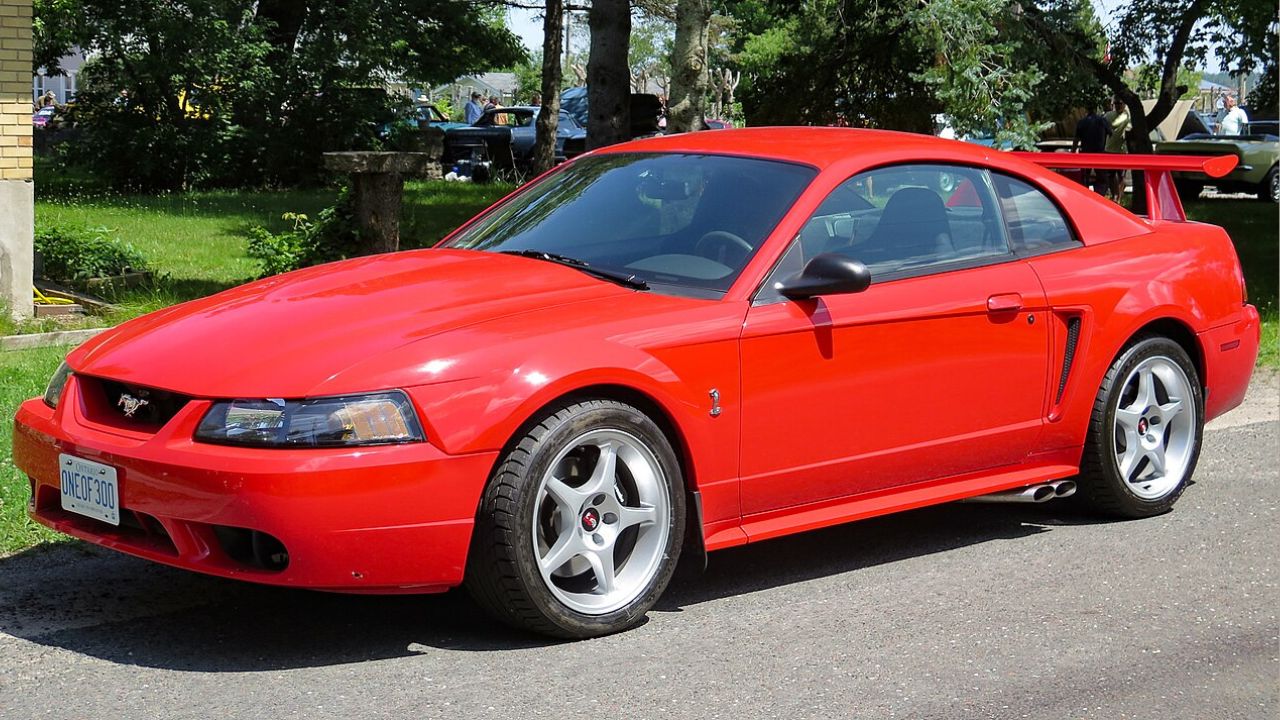
The 2000 Cobra R pushed Mustang performance into territory once reserved for exotic sports cars. Powered by a naturally aspirated 5.4-liter V8 producing 385 horsepower, it also featured independent aerodynamic improvements, race-ready suspension tuning, and massive Brembo brakes. Its uncompromising focus on circuit performance foreshadowed the specialized high-performance Mustangs that would dominate later generations.
2007 Shelby GT500
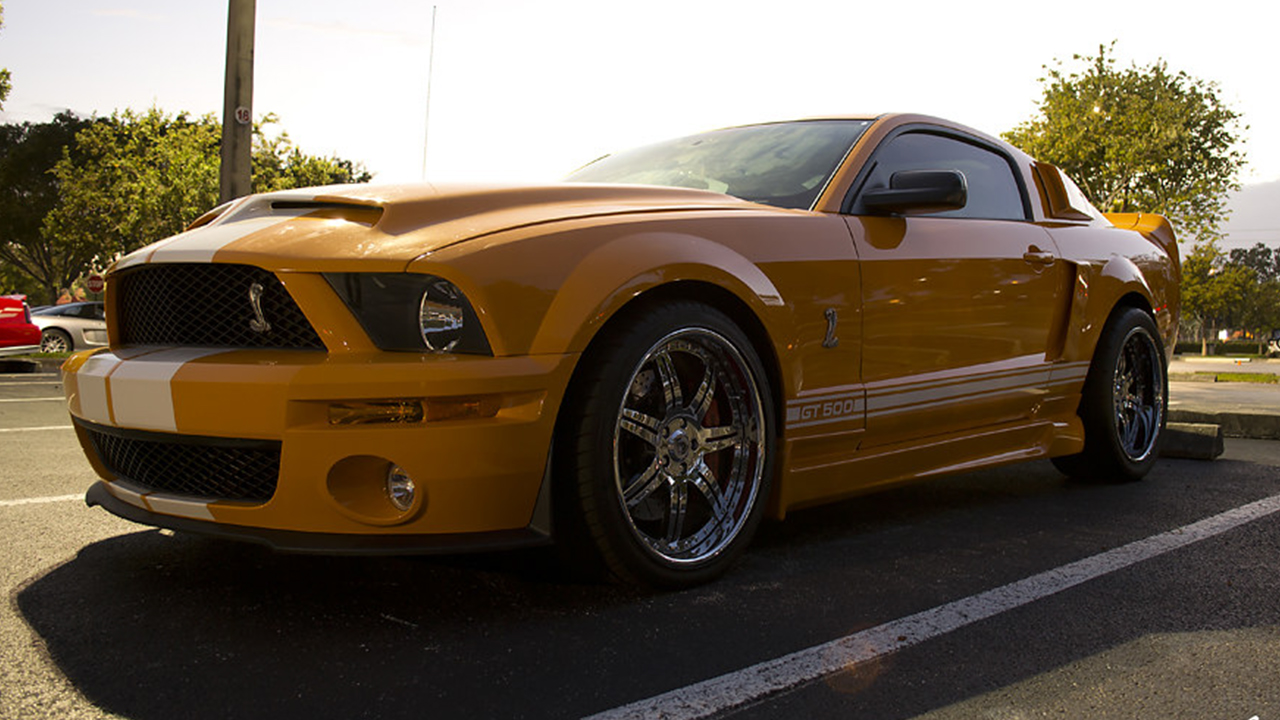
The 2007 Shelby GT500 marked the return of the Shelby name with supercharged power and modern engineering. Producing 500 horsepower, it reignited the horsepower wars while incorporating improved chassis refinement and everyday drivability. The combination of classic heritage with advanced performance technology helped establish the blueprint for modern American muscle cars competing in the twenty-first century.
2012 Boss 302
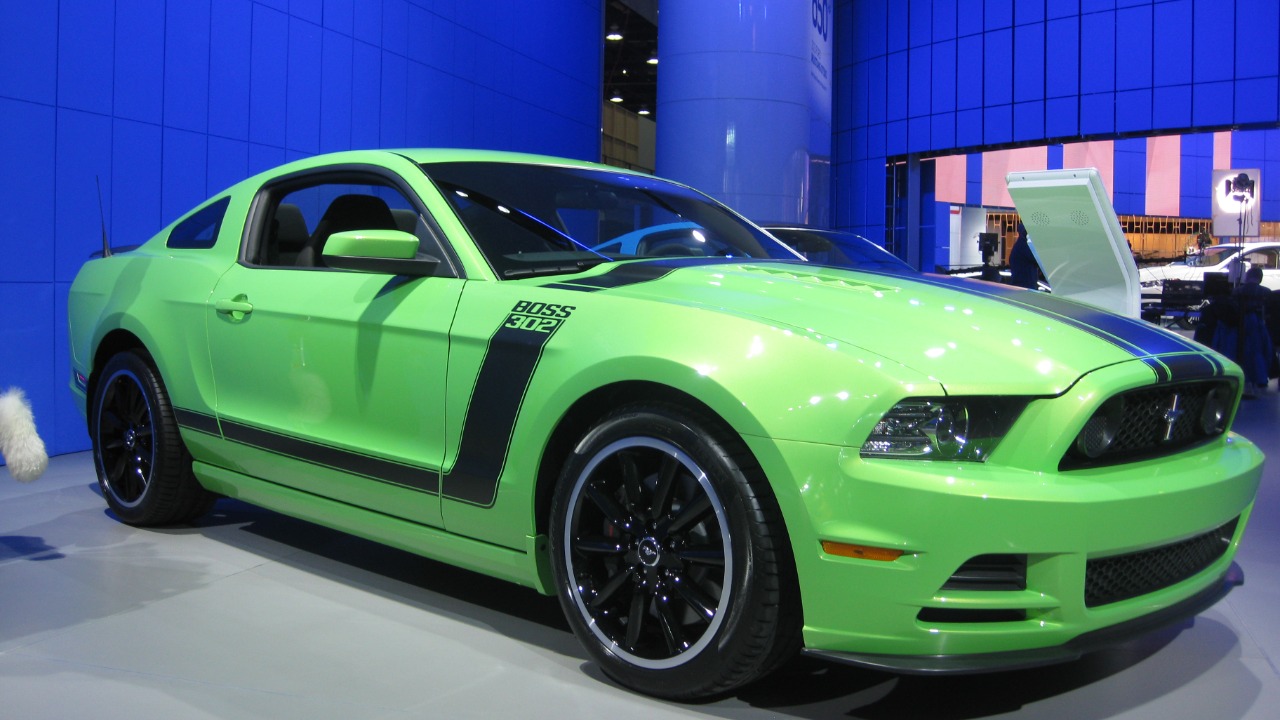
The 2012 Boss 302 revived an iconic name while introducing engineering developed specifically for road-course performance. Revised suspension geometry, enhanced cooling systems, and carefully tuned aerodynamics made it exceptionally capable beyond straight-line acceleration. It demonstrated that factory Mustangs could compete with respected sports cars on challenging circuits while remaining practical enough for daily driving.
2015 Ford Mustang GT
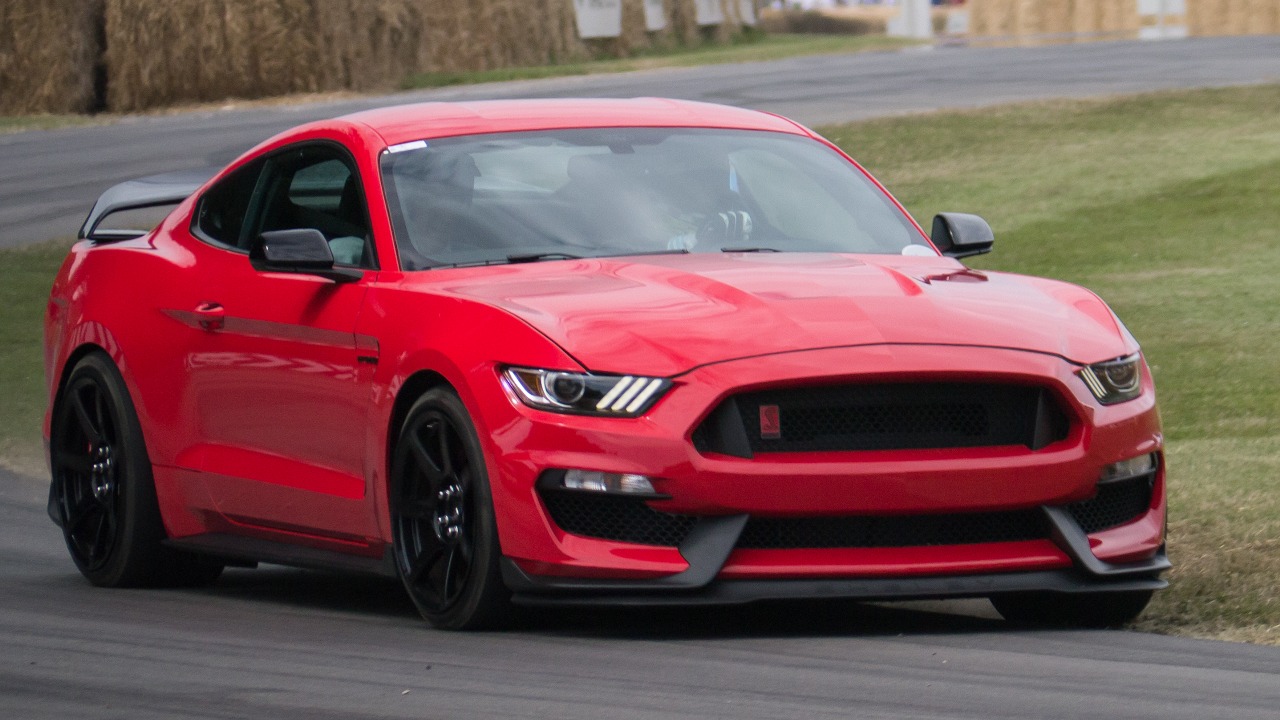
The 2015 Mustang GT represented one of the biggest technological leaps in Mustang history by introducing an independent rear suspension across the lineup. Combined with improved structural rigidity, refined interior quality, and global engineering standards, it transformed the Mustang into a more balanced performance car. These advancements allowed the iconic coupe to compete confidently with leading sports cars worldwide.
More from Fast Lane Only
- Unboxing the WWII Jeep in a Crate
- 15 rare Chevys collectors are quietly buying
- 10 underrated V8s still worth hunting down
- Police notice this before you even roll window down
*Research for this article included AI assistance, with all final content reviewed by human editors