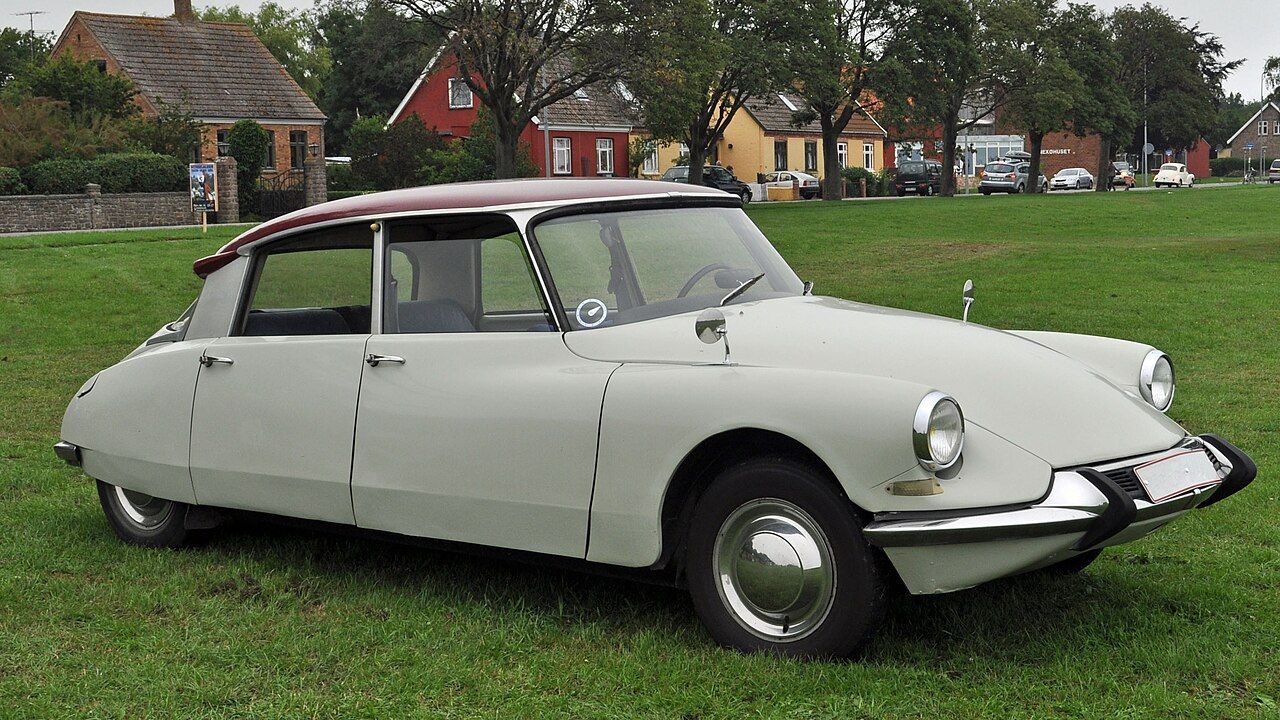
Looking back at many older vehicles, it’s clear that manufacturers once focused on very different goals. Instead of maximizing touchscreen size, software features, or lap times, they often emphasized durability, comfort, simplicity, craftsmanship, or effortless long-distance travel. These classics remind enthusiasts that great automobiles can reflect values that extend far beyond modern trends.
Checker Marathon
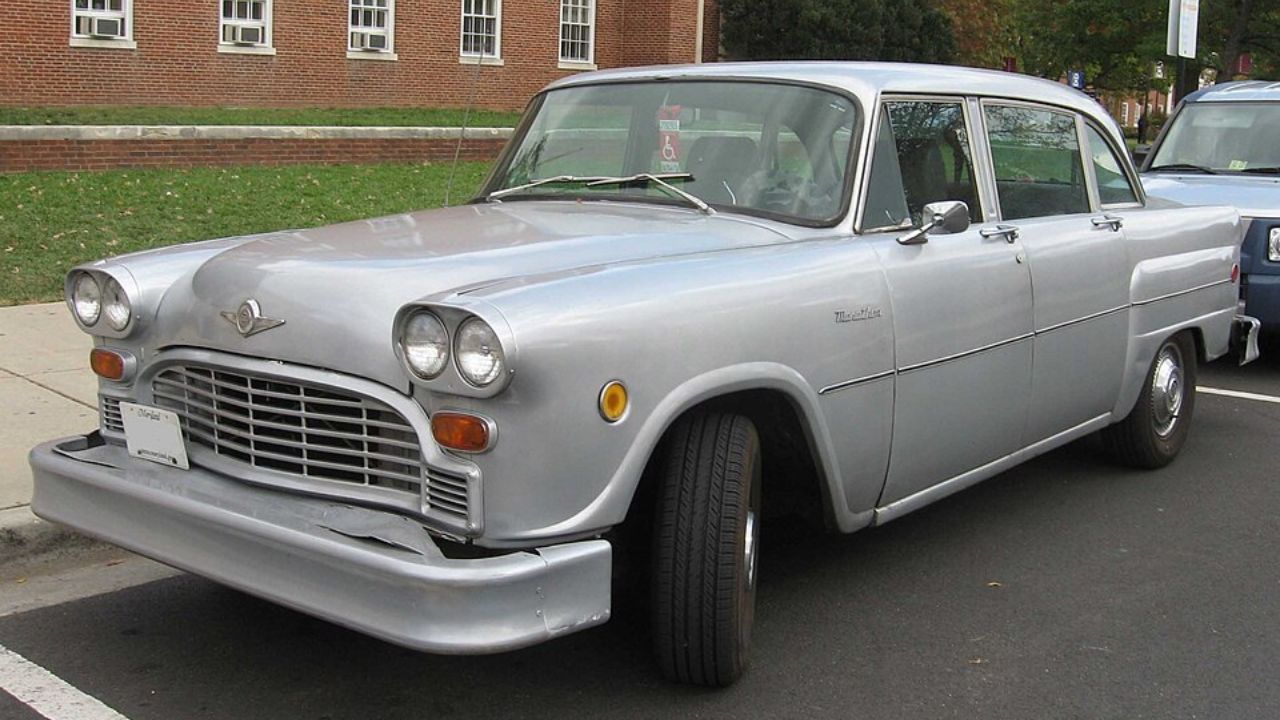
The Checker Marathon was built with longevity rather than yearly styling updates in mind. Designed to withstand years of taxi service, it featured durable mechanical components, generous interior space, and body panels that were easy to repair. Its emphasis on practicality feels refreshingly different today.
Volvo 240
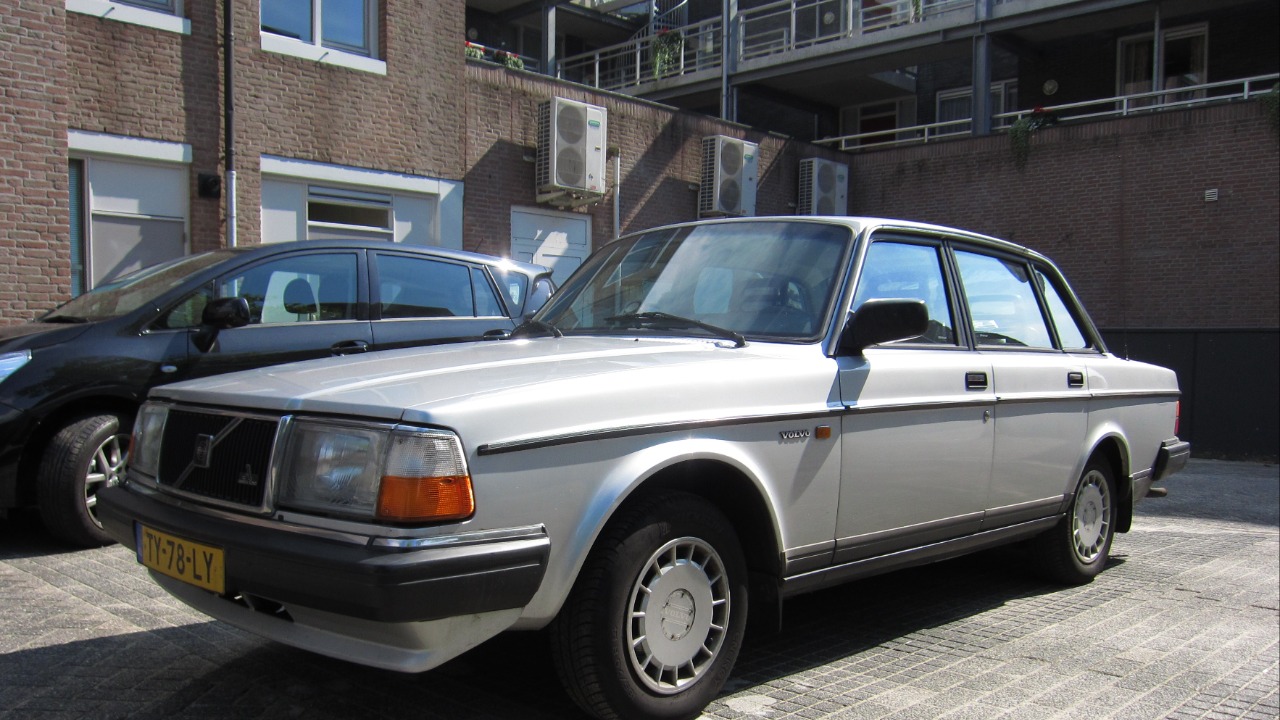
The Volvo 240 prioritized safety, durability, and straightforward engineering above fashion. Owners appreciated its solid construction and remarkable longevity, often keeping the same car for decades. It remains one of the clearest examples of designing for reliability instead of short-term appeal.
Mercedes-Benz W123
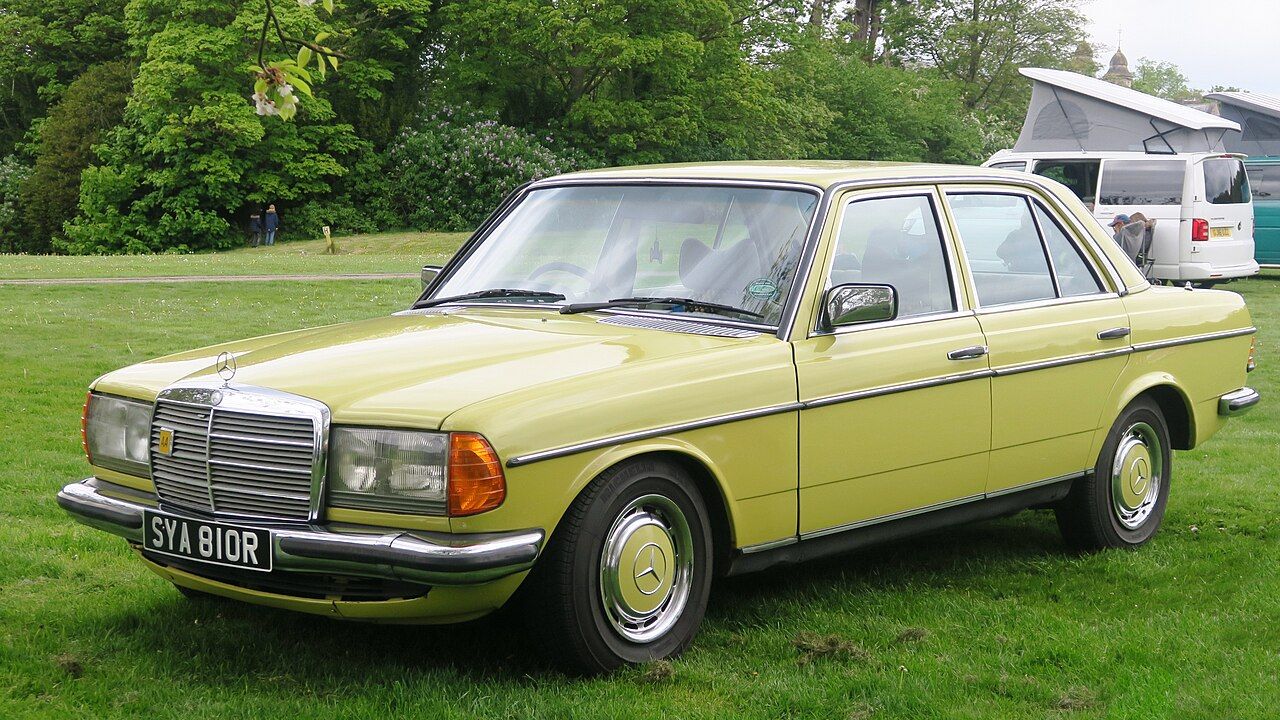
The Mercedes-Benz W123 earned a legendary reputation by focusing on engineering quality and long-term dependability. Built to withstand hundreds of thousands of miles, it demonstrated that refinement could go hand in hand with durability. Many examples remain on the road thanks to those priorities.
International Harvester Travelall
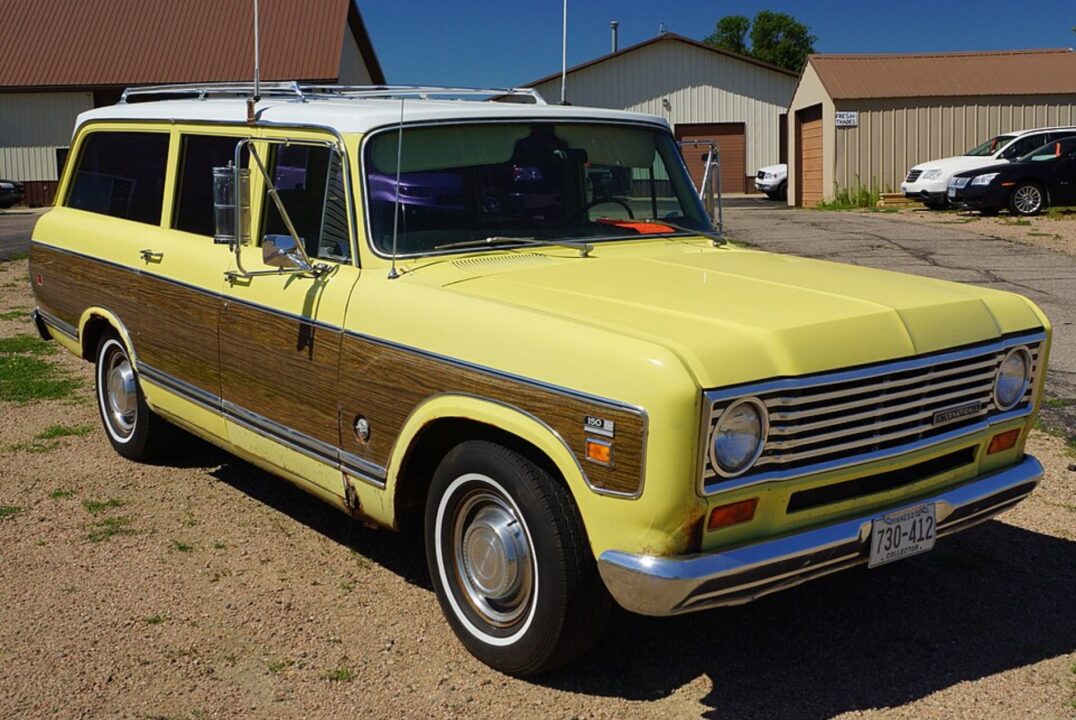
The International Harvester Travelall emphasized utility, passenger capacity, and rugged construction long before modern SUVs became mainstream. It was designed to work hard and carry large families with ease, making capability more important than luxury features or aggressive styling.
Saab 99
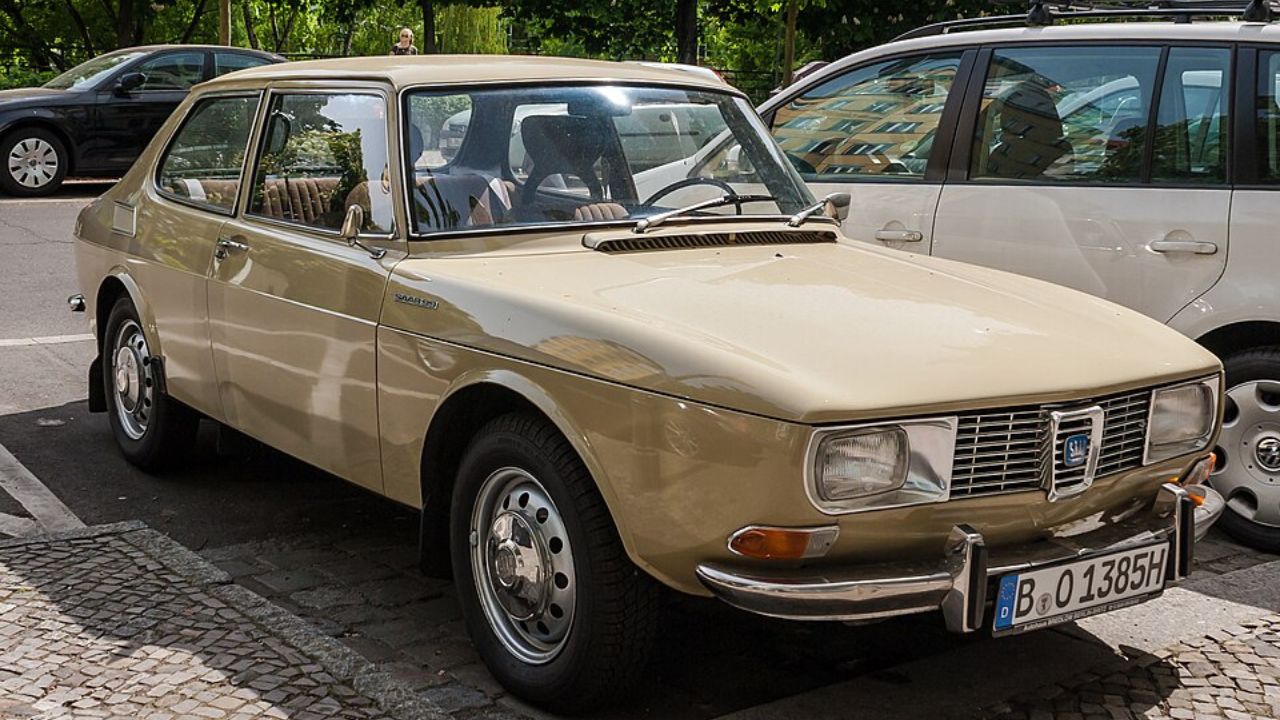
The Saab 99 reflected its aviation-inspired heritage through innovative safety features, ergonomic controls, and practical engineering. Every design decision appeared to serve a functional purpose, giving the car a thoughtful character that continues earning respect among enthusiasts.
Citroën DS

The Citroën DS challenged conventional thinking with hydropneumatic suspension, aerodynamic styling, and advanced engineering. Rather than following established trends, it pursued comfort, innovation, and efficiency in ways that influenced the automotive industry for decades.
Toyota Land Cruiser FJ60

The Toyota Land Cruiser FJ60 placed reliability and off-road capability ahead of luxury or high-speed performance. Built to travel through demanding environments with minimal drama, it became one of the world’s most trusted utility vehicles. Its reputation reflects decades of engineering focused on dependability.
Peugeot 504
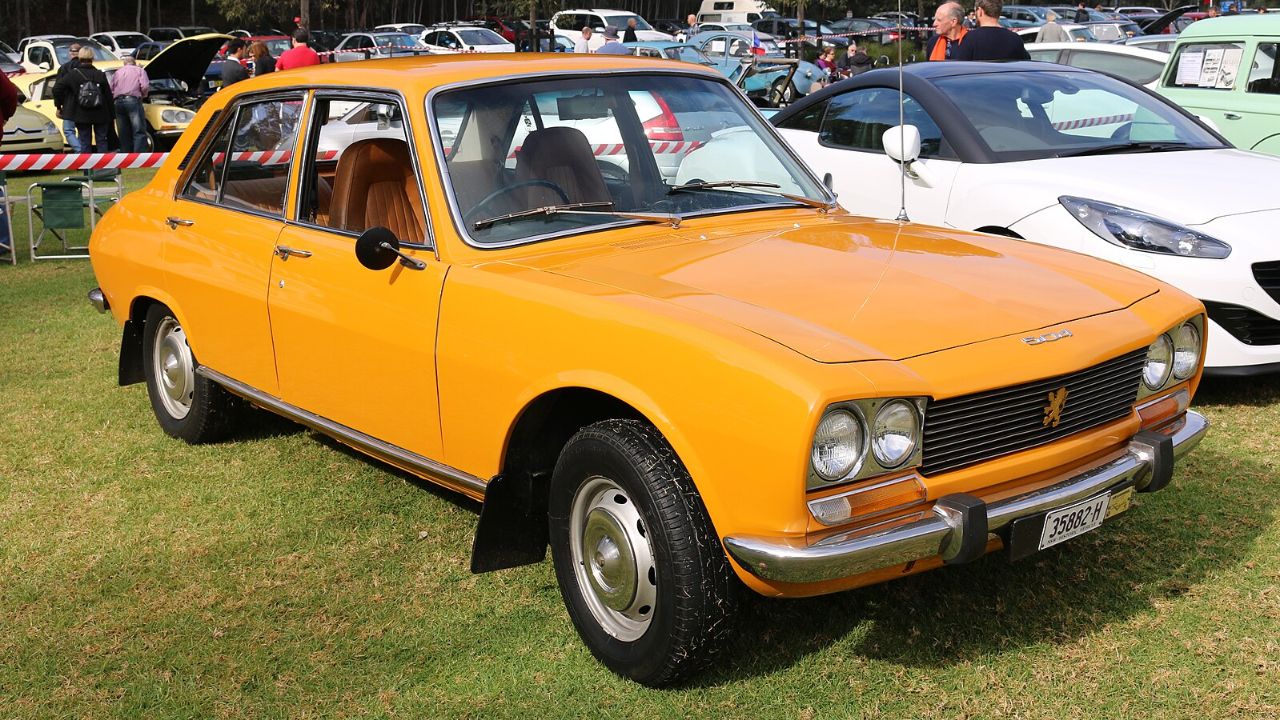
The Peugeot 504 was engineered to perform reliably in a wide variety of climates and road conditions. Comfortable suspension, robust mechanicals, and simple maintenance made it a favorite in regions where durability mattered far more than prestige. It remains admired for its honest, purposeful design.
AMC Eagle
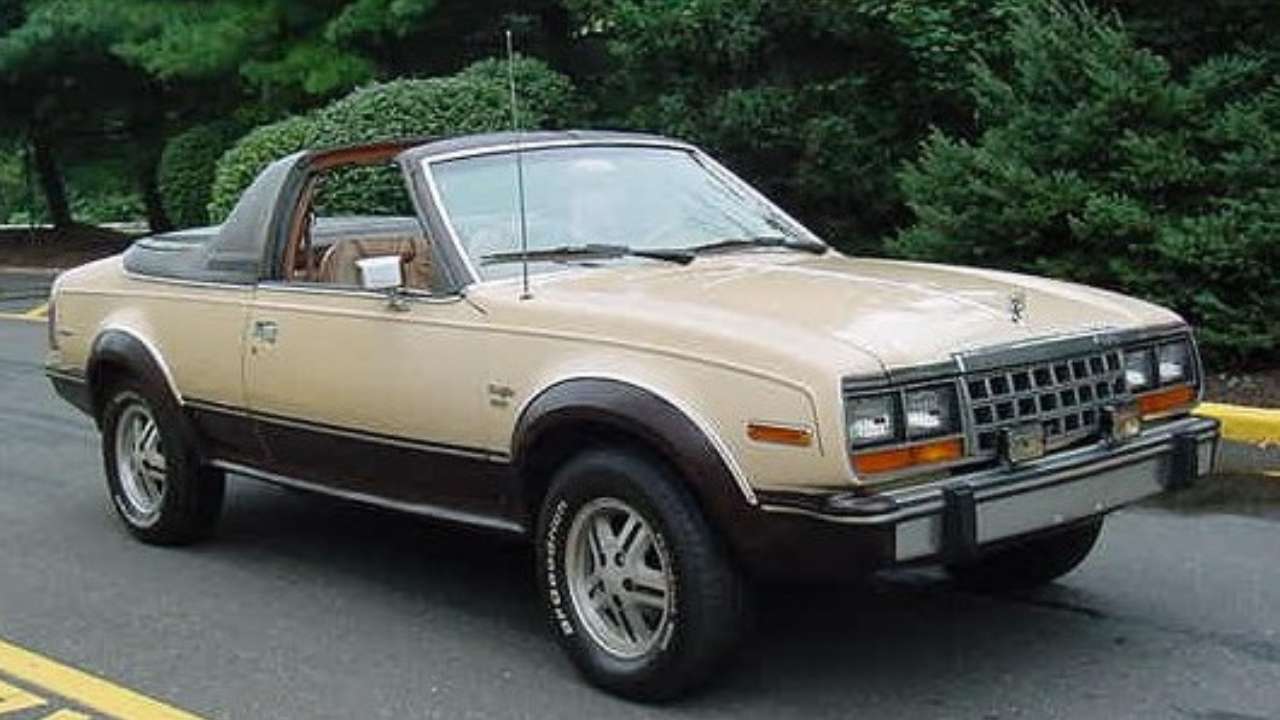
The AMC Eagle combined passenger-car comfort with full-time four-wheel drive years before crossovers became common. It addressed real-world driving needs rather than following existing market categories, making it one of the most forward-thinking American vehicles of its era.
Ford F-100 (1967–1972)
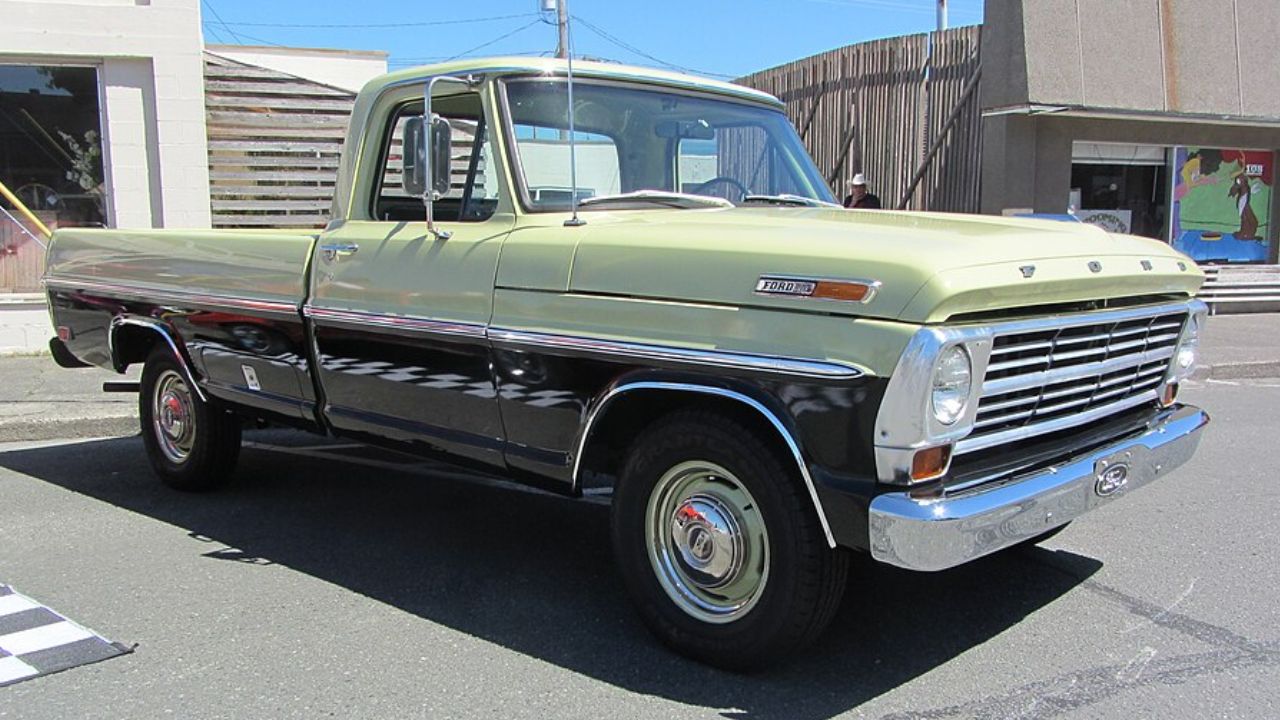
The 1967–1972 Ford F-100 represented a period when pickup trucks were designed primarily as dependable work tools. Strong frames, straightforward mechanicals, and uncomplicated interiors emphasized function over luxury. Its enduring popularity shows that many owners still appreciate vehicles built with those priorities in mind.
More from Fast Lane Only
- Unboxing the WWII Jeep in a Crate
- 15 rare Chevys collectors are quietly buying
- 10 underrated V8s still worth hunting down
- Police notice this before you even roll window down
*Research for this article included AI assistance, with all final content reviewed by human editors