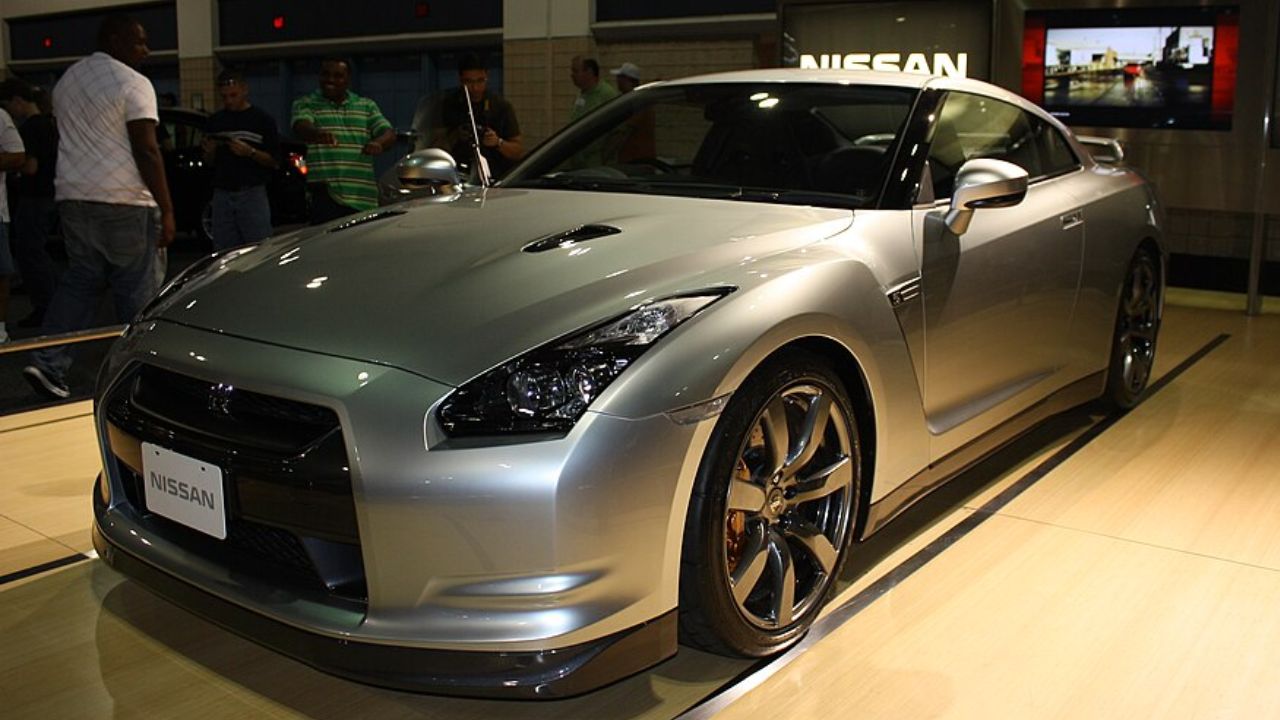
The 2008 Nissan GT-R, often referred to as “Godzilla,” has earned its reputation as a “giant killer” due to its ability to outperform much more expensive rivals on both the track and the street. This car has become a symbol of performance engineering and a favorite among automotive enthusiasts, thanks to its stunning capabilities and remarkable technological innovations. Its impressive track record and competitive pricing have solidified its status as one of the most formidable vehicles in the sports car segment.
The Birth of a Legend: Nissan GT-R Development
The development of the Nissan GT-R can be traced back to the early 2000s, when Nissan sought to create a vehicle that would not only honor the legacy of its predecessors but also push the boundaries of performance. The R35 platform was introduced as a part of this ambitious project, incorporating cutting-edge technology and engineering practices. Key goals included achieving a perfect balance between power, handling, and comfort, making it a suitable choice for both everyday driving and high-performance track use.
Compared to earlier models like the R32 and R34, the R35 represented a significant evolution in design and capabilities. While previous GT-Rs were revered for their raw power and tunability, the 2008 model brought a new level of sophistication to the table. The integration of advanced aerodynamics, enhanced safety features, and a focus on driver experience set a new standard for performance vehicles in the years to come.
Performance Specifications That Shocked the Industry
The heart of the 2008 Nissan GT-R is its formidable 3.8-liter V6 twin-turbocharged engine, capable of producing an astonishing 480 horsepower and 430 lb-ft of torque. This engine was a technological marvel, featuring a lightweight aluminum block and dual overhead camshafts. Its performance was not only impressive on paper but translated into exhilarating real-world acceleration and speed, allowing the GT-R to sprint from 0 to 60 mph in just under 3.5 seconds.
One of the standout features of the GT-R is its advanced ATTESA E-TS all-wheel-drive system. This system intelligently distributes power between the front and rear wheels, maximizing traction and stability during high-speed cornering. Coupled with a state-of-the-art dual-clutch transmission, the GT-R delivers rapid gear shifts that enhance the driving experience. These advancements made the GT-R a serious contender against much pricier supercars, showcasing Nissan’s commitment to pushing the boundaries of automotive performance.
Track Testing and Early Reviews
Upon its release, the 2008 Nissan GT-R quickly garnered attention from automotive journalists and industry experts, who were eager to put it through its paces on the track. Initial tests revealed that the GT-R could hold its own against established supercars, achieving lap times that shocked many enthusiasts. Notably, it recorded impressive results at the Nürburgring, where it showcased its agility and performance against some of the most revered vehicles in the world.
Reviewers praised the GT-R for its remarkable handling, stability, and overall performance. Anecdotes from early reviews highlighted the car’s ability to inspire confidence in drivers, whether they were seasoned racers or casual enthusiasts. The GT-R’s combination of power and precision made it a favorite among those who sought a thrilling yet manageable driving experience, further solidifying its status as a “giant killer” in the automotive world.
The GT-R vs. Supercars: A David and Goliath Story
The 2008 Nissan GT-R’s performance became even more impressive when compared to renowned supercars like the Porsche 911 and Ferrari models. While these vehicles often commanded exorbitant price tags, the GT-R presented an outstanding price-to-performance ratio that appealed to a wide range of enthusiasts. With a starting price significantly lower than many of its rivals, the GT-R proved that exceptional performance did not have to come at an exorbitant cost.
Throughout various racing events and challenges, the GT-R consistently outperformed its more expensive counterparts. Notable races, including those at Laguna Seca and various tuning competitions, showcased the GT-R’s incredible capabilities on the track. This ability to compete—and often win—against high-end supercars reinforced its reputation as a formidable presence in the automotive landscape.
The “Godzilla” Nickname: Origins and Significance
The nickname “Godzilla” for the GT-R has an interesting history, originating in Australia during the 1980s. The term was first used by automotive journalists who were astounded by the performance of the Nissan Skyline GT-R, which dominated the local racing scene. The moniker stuck, and as the GT-R lineage evolved, so did its reputation, leading to the 2008 model being affectionately dubbed “Godzilla” by fans and critics alike.
The significance of the “Godzilla” nickname extends beyond mere branding; it symbolizes the car’s dominance over rivals, much like the legendary creature it is named after. The cultural impact of this nickname has reverberated through automotive circles, establishing the GT-R as a symbol of power and performance. This connection to a larger-than-life figure resonates with enthusiasts, further elevating the GT-R’s status in the automotive community.
Technological Innovations in the 2008 GT-R
The 2008 Nissan GT-R was not just about raw power; it also featured a range of technological innovations that contributed to its impressive performance. The car’s advanced aerodynamics, including a front splitter and rear wing, worked in harmony to improve downforce and stability at high speeds. The use of lightweight materials, such as carbon fiber and aluminum, helped to reduce overall weight while maintaining structural integrity, further enhancing the vehicle’s agility.
In addition to its physical design, the GT-R was equipped with sophisticated vehicle dynamics control systems that monitored and adjusted handling in real-time. These systems allowed for a more responsive driving experience, adapting to changing road conditions and driver inputs. The digital interface and telemetry provided drivers with vital information about the car’s performance, enabling them to optimize their driving strategy on both the track and the street.
The Role of Marketing and Community Engagement
Nissan’s marketing strategy for the GT-R launch was instrumental in generating excitement and building a dedicated fan base. The company leveraged social media, automotive shows, and community events to highlight the GT-R’s capabilities and engage with potential buyers. This approach not only elevated the car’s profile but also fostered a sense of community among enthusiasts.
Car enthusiast communities and online forums played a crucial role in promoting the GT-R, allowing fans to share experiences, modifications, and performance tips. Events such as track days and car meet-ups showcased the GT-R and helped cultivate a passionate following. These gatherings provided a platform for owners to celebrate their vehicles and share their love for the brand, further cementing the GT-R’s status as an icon in the automotive world.
Legacy and Impact on Future Nissan Models
The 2008 Nissan GT-R has left an indelible mark on Nissan’s performance division, setting high standards for future models. Its success demonstrated that a well-engineered sports car could be both accessible and competitive, influencing the design and technology of subsequent vehicles. The lessons learned from the GT-R’s development have been incorporated into newer models, ensuring that Nissan continues to deliver exceptional performance.
As the landscape of sports cars continues to evolve, the GT-R’s legacy remains evident in Nissan’s commitment to innovation and performance. The advancements made in the R35 have paved the way for future generations of vehicles, which will undoubtedly draw inspiration from the GT-R’s remarkable achievements. Its influence is felt not only in Nissan’s lineup but across the entire automotive industry.
The Continuing Mythos of the GT-R
Today, the Nissan GT-R continues to enjoy enduring popularity among car enthusiasts, maintaining its cult status long after its initial release. Its presence in popular culture, including films and video games, has further solidified its legendary reputation. Whether in cinematic chase scenes or virtual racing games, the GT-R remains a symbol of speed and performance.
As the automotive industry looks to the future, the GT-R brand’s potential for new models remains a topic of interest. Enthusiasts eagerly anticipate what innovations Nissan will bring to the table, hoping to see the spirit of “Godzilla” live on in the next generation of performance vehicles. The GT-R’s legacy is not just about its past successes; it’s about the promise of what is yet to come, ensuring that it will always be a cherished part of automotive history.
More from Fast Lane Only