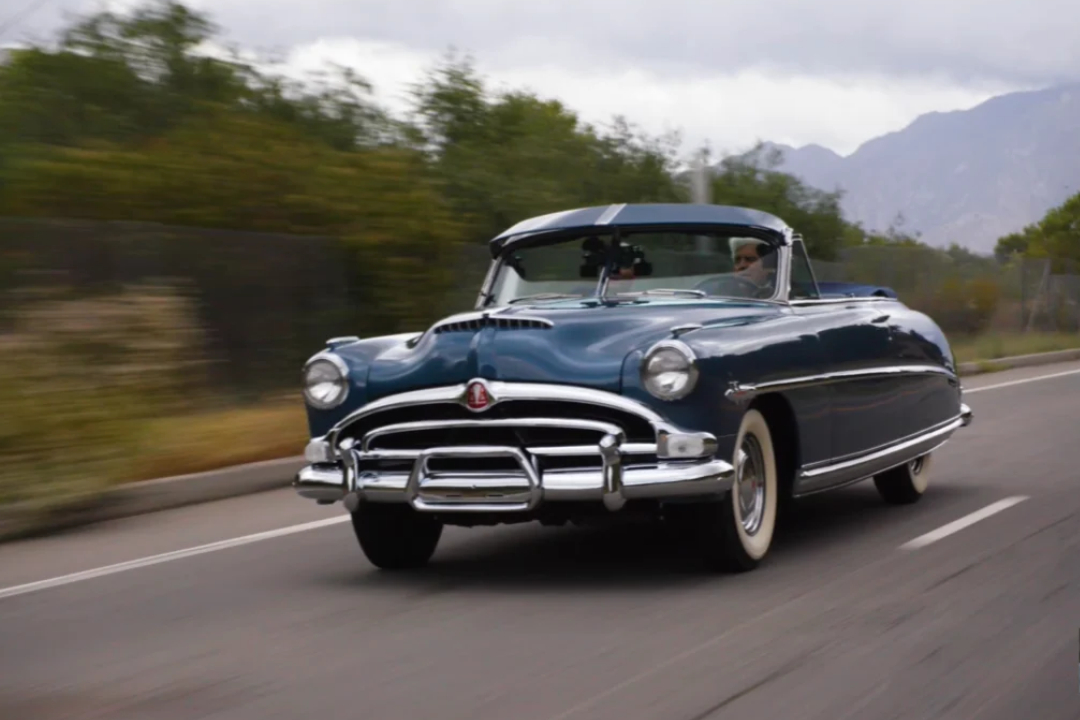
Not every postwar classic is an enjoyable ownership experience. Some developed reputations for costly restoration, limited parts availability, or mechanical problems that can quickly overwhelm buyers. While every classic has its fans, these ten postwar cars deserve extra research before making a purchase.
Henry J
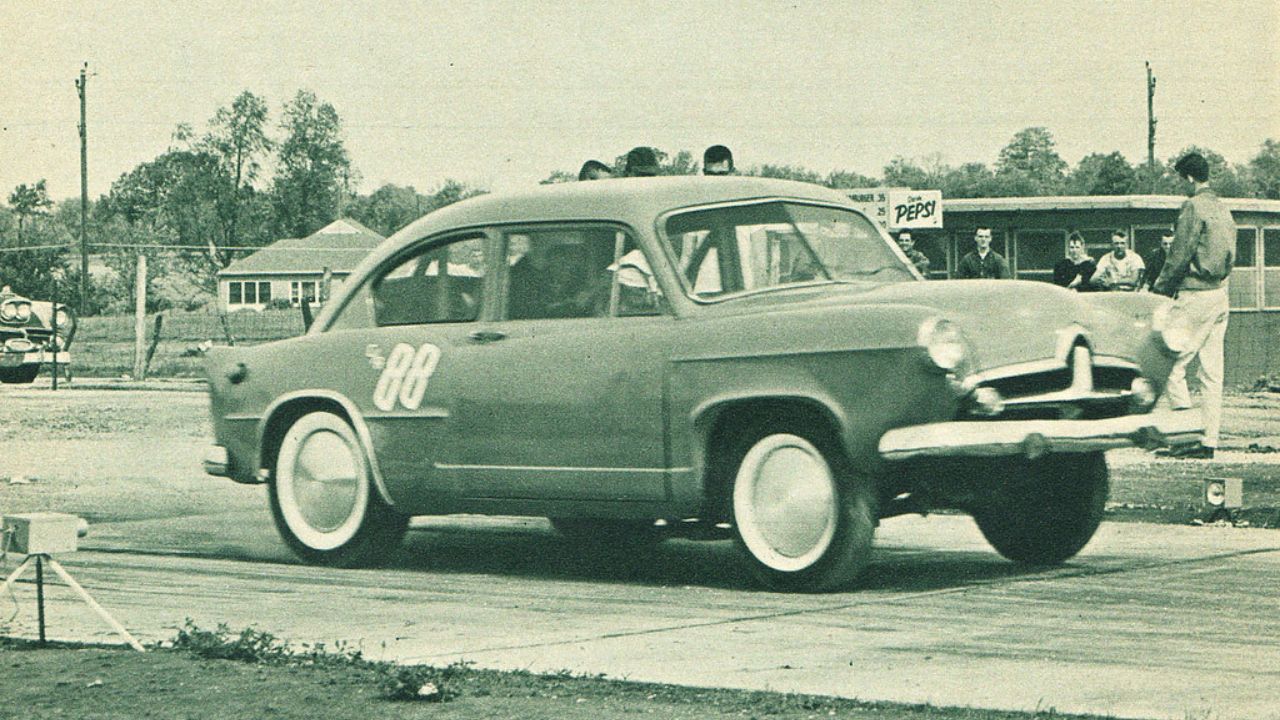
The Henry J was designed as an affordable compact, but many surviving examples require extensive restoration because of rust and limited replacement parts. Its simple design cannot always offset the high cost of returning neglected cars to good condition.
Kaiser Manhattan
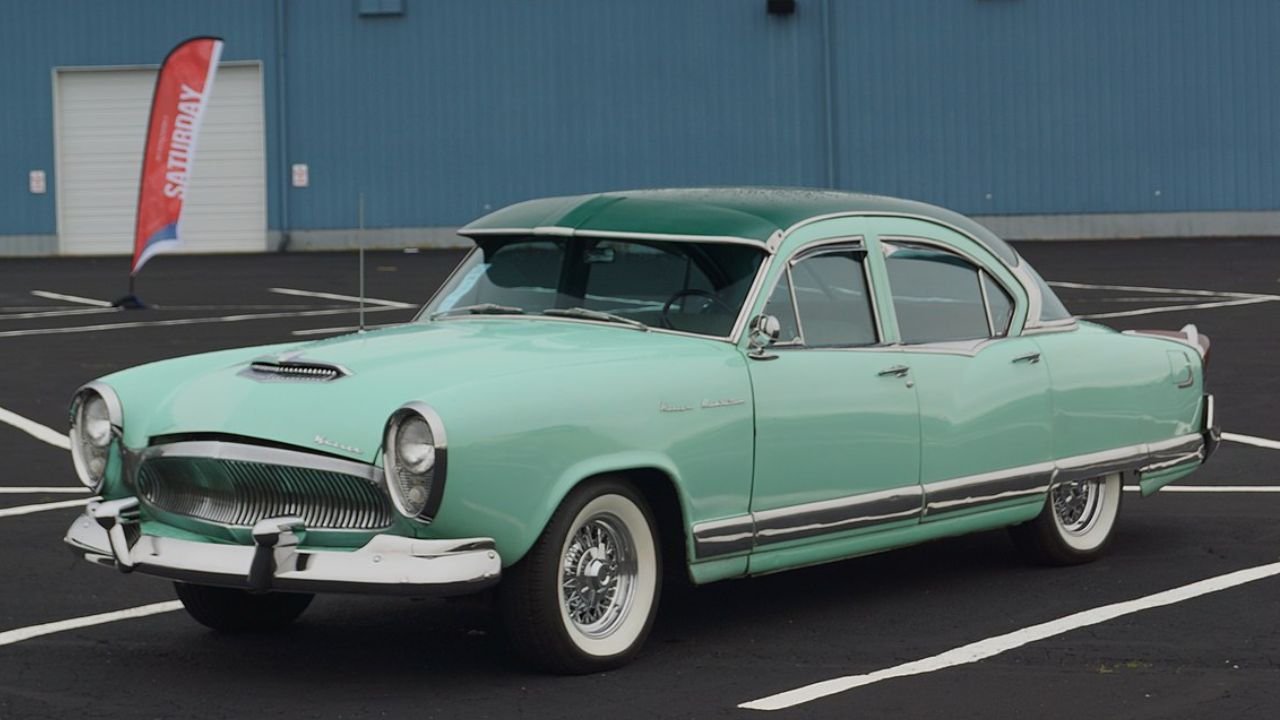
The Kaiser Manhattan offered distinctive styling and comfortable interiors, but replacement parts can be difficult to locate today. Restoring one often requires patience and specialized knowledge. Buyers should carefully inspect any example before committing.
Hudson Jet
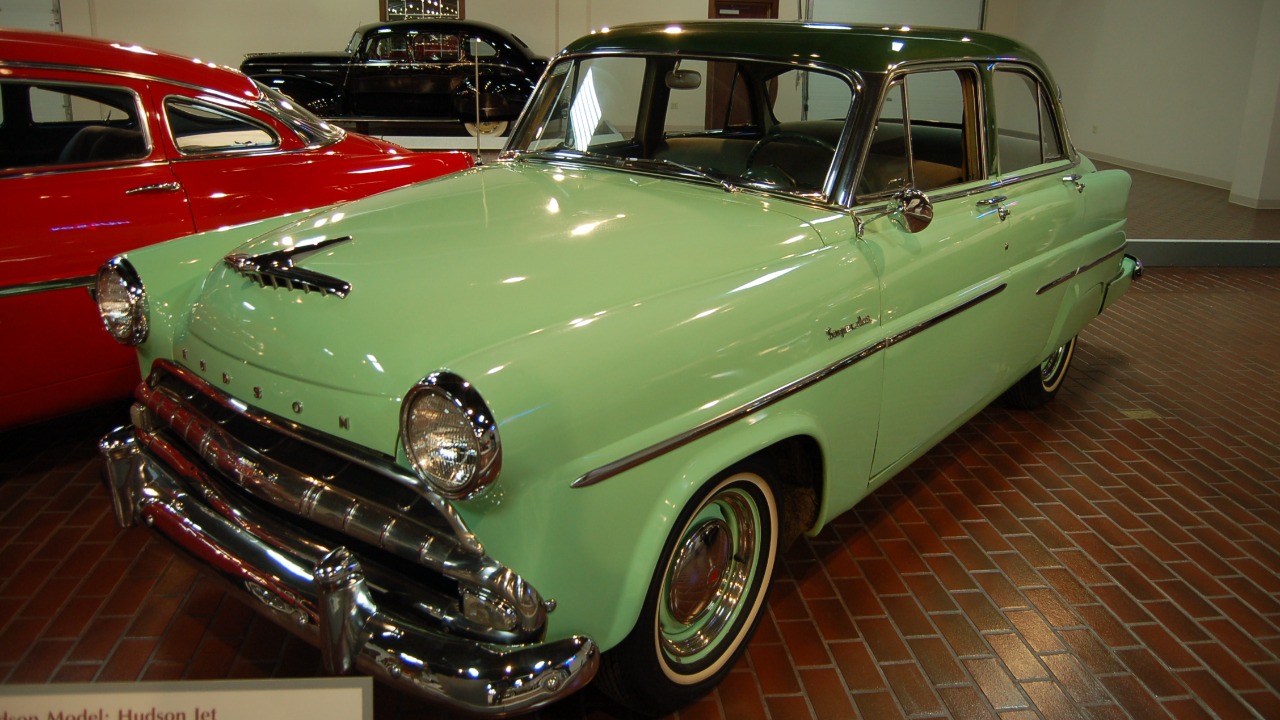
The Hudson Jet struggled to compete when new and many surviving cars suffer from rust and worn mechanical components. Limited parts availability can make restorations expensive. It is best purchased only by experienced collectors.
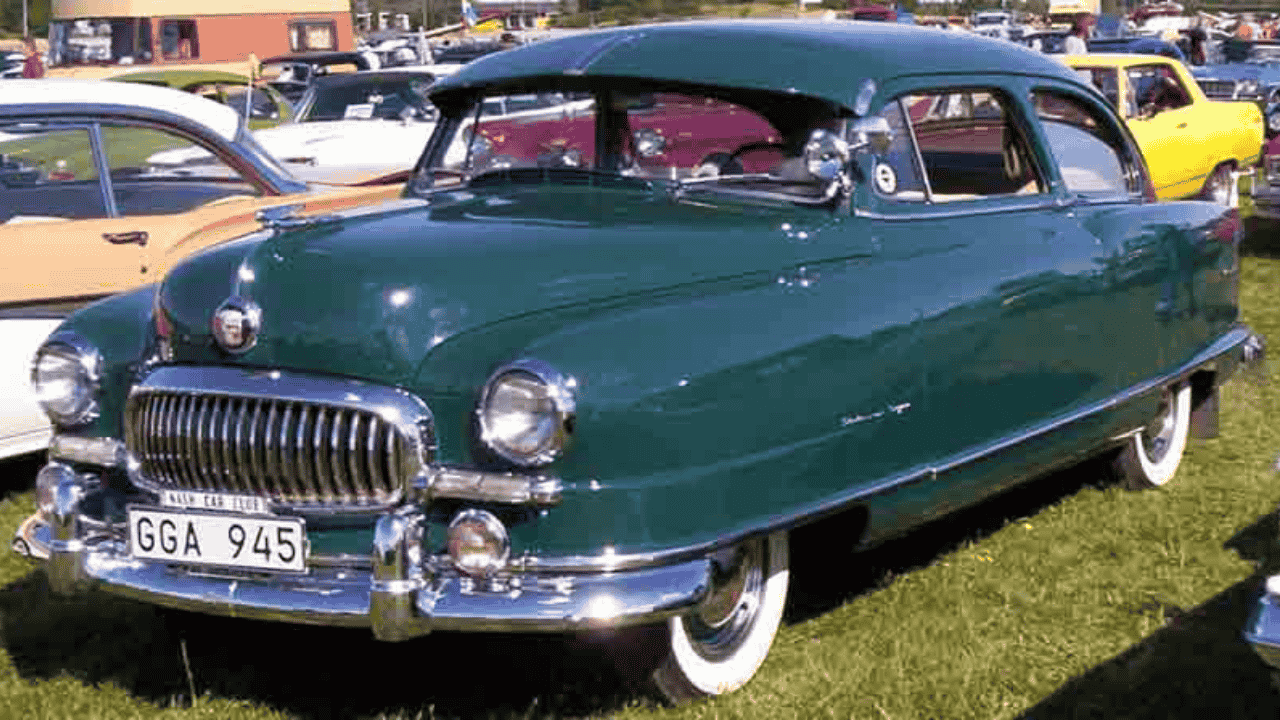
Nash Statesman
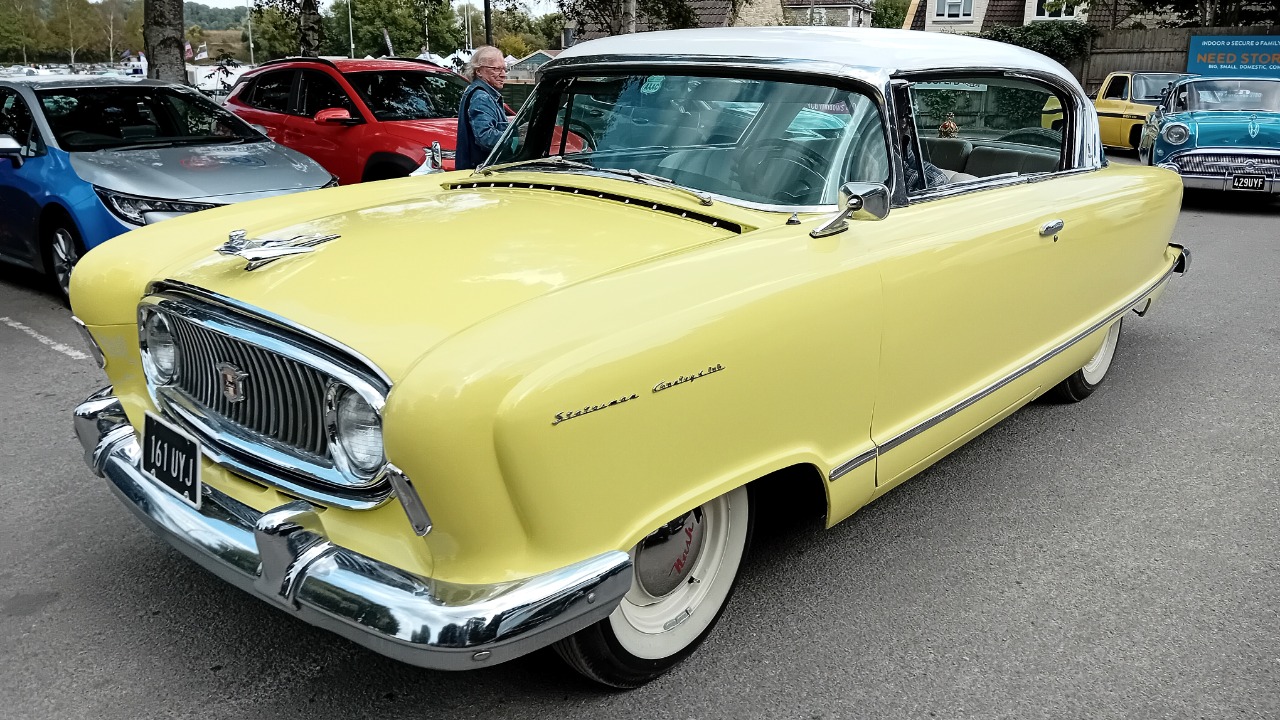
The Nash Statesman provided dependable transportation in its day, but restoration costs can quickly exceed the car’s market value. Trim pieces and body panels are often difficult to replace. Prospective buyers should evaluate originality and condition carefully.
Packard Clipper
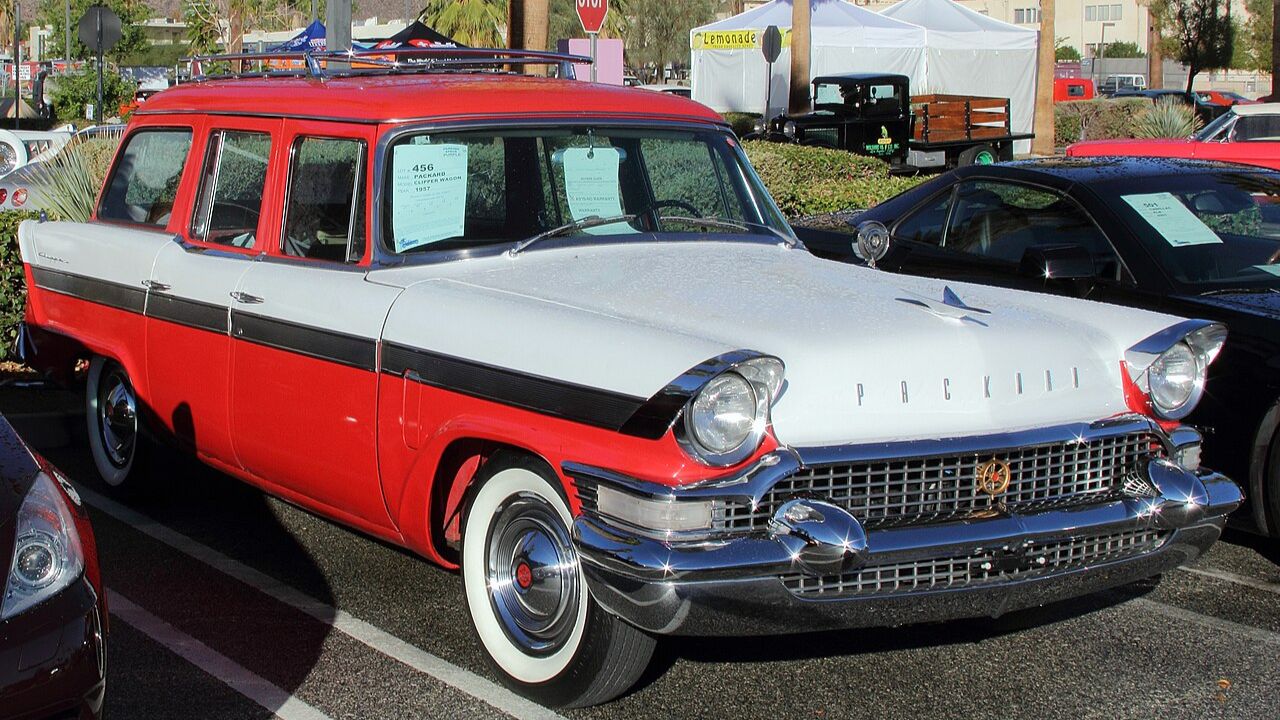
The Packard Clipper remains an elegant classic, but neglected examples can require costly work to restore their engines, interiors, and chrome trim. Parts are available but may not be as easy to source as those for more common classics.
DeSoto Firedome

The DeSoto Firedome featured advanced Hemi V8 performance, but many restoration-specific parts are increasingly scarce. Restoring one to factory condition can become expensive. Buyers should prioritize complete, well-maintained examples.
Studebaker Champion
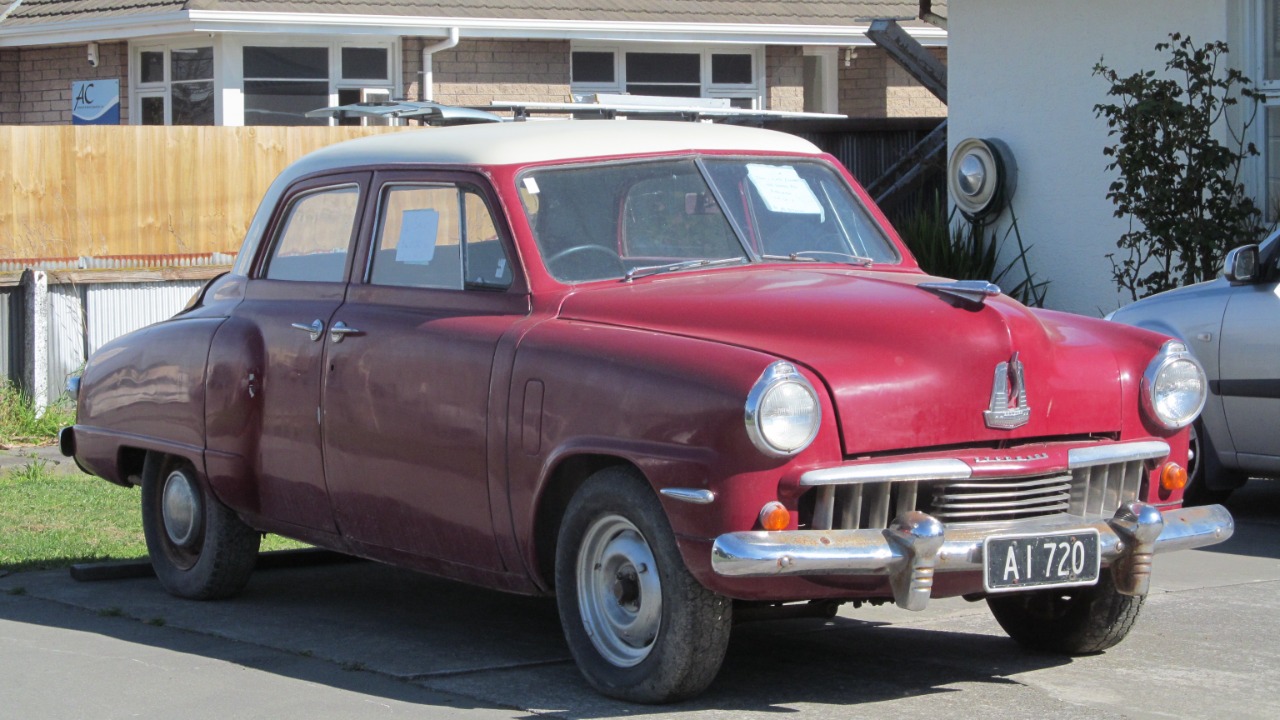
The Studebaker Champion is admired for its styling and economy, but worn examples often need extensive bodywork and hard-to-find trim pieces. A thorough inspection is essential before purchase. Restoration costs can add up quickly.
Chevrolet Styleline

The Chevrolet Styleline became one of America’s best-selling postwar cars, but neglected examples can require expensive rust repair, chrome restoration, and interior work. While replacement parts are widely available, restoration costs can quickly exceed the car’s value. Buyers should look for complete, well-maintained examples.
Frazer Manhattan
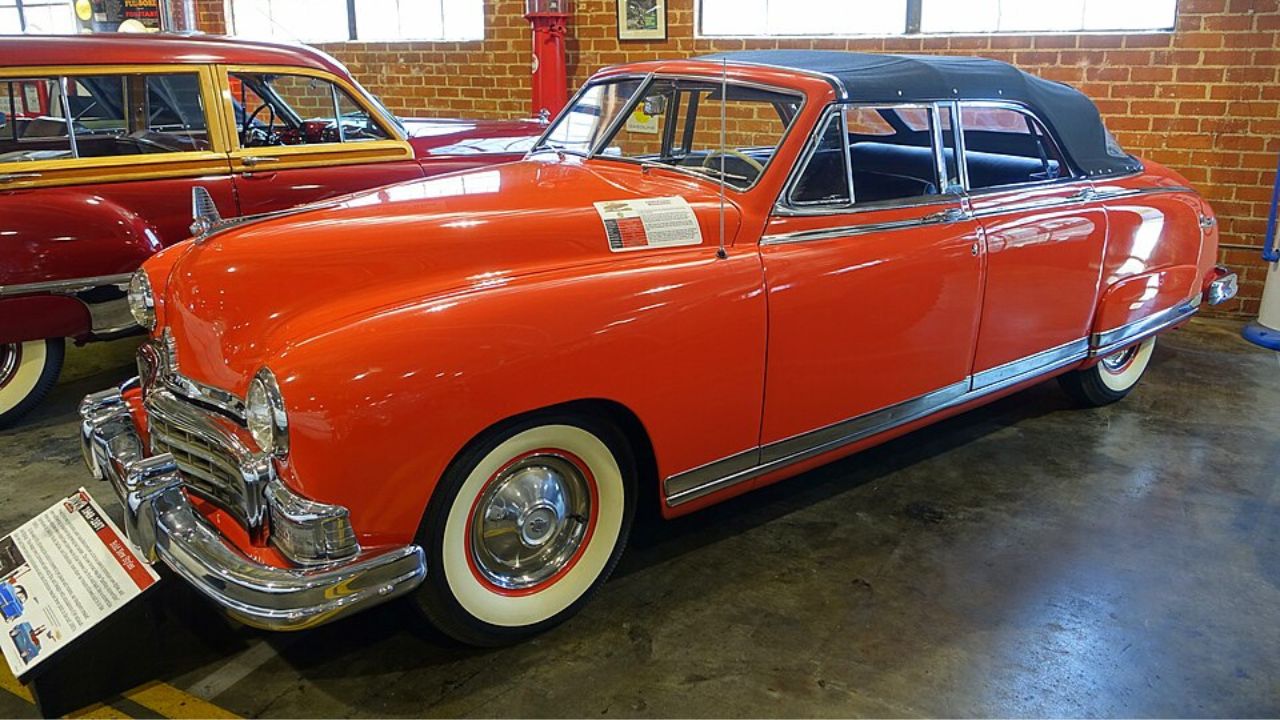
The Frazer Manhattan offered premium styling and comfort, but its rarity means body panels, trim, and mechanical components can be difficult to source. Restoration projects frequently take longer and cost more than expected.
Willys Aero
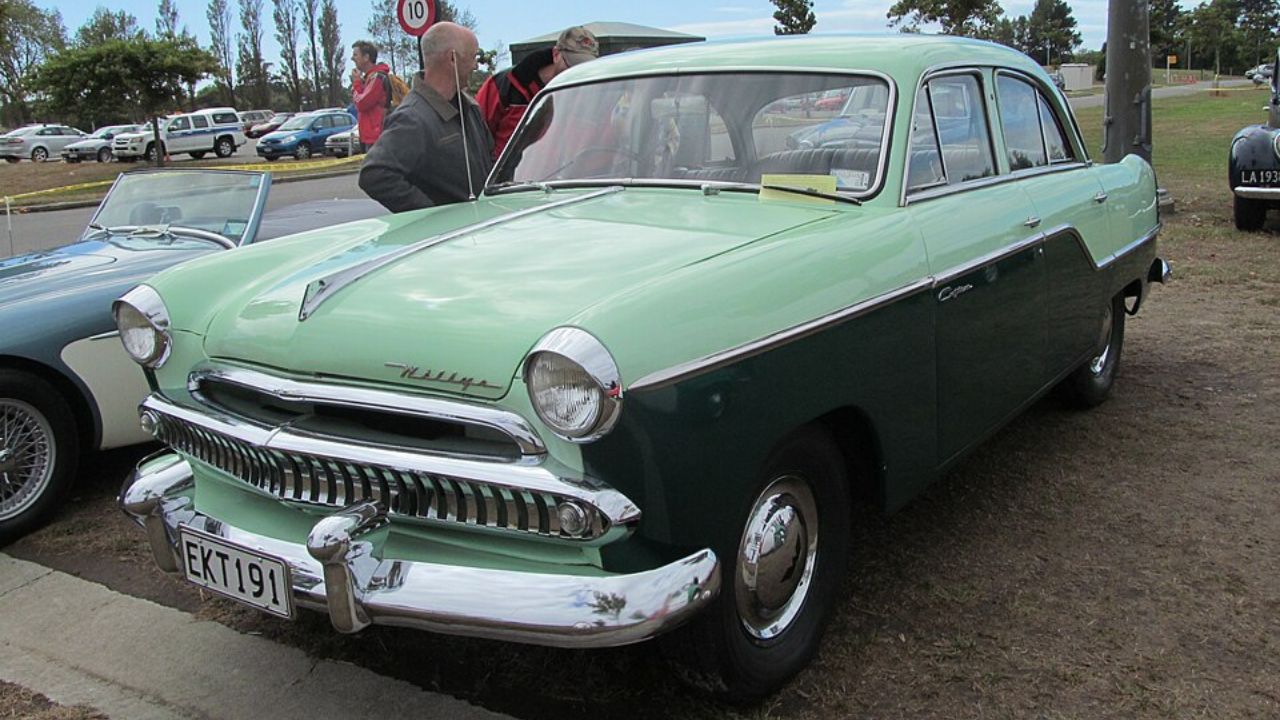
The Willys Aero featured attractive styling and dependable performance when new, but replacement parts are less common than for many competing classics. Restoring neglected examples often demands significant time and expense. Buyers should seek complete, rust-free cars whenever possible.
More from Fast Lane Only
- Unboxing the WWII Jeep in a Crate
- 15 rare Chevys collectors are quietly buying
- 10 underrated V8s still worth hunting down
- Police notice this before you even roll window down
*Research for this article included AI assistance, with all final content reviewed by human editors