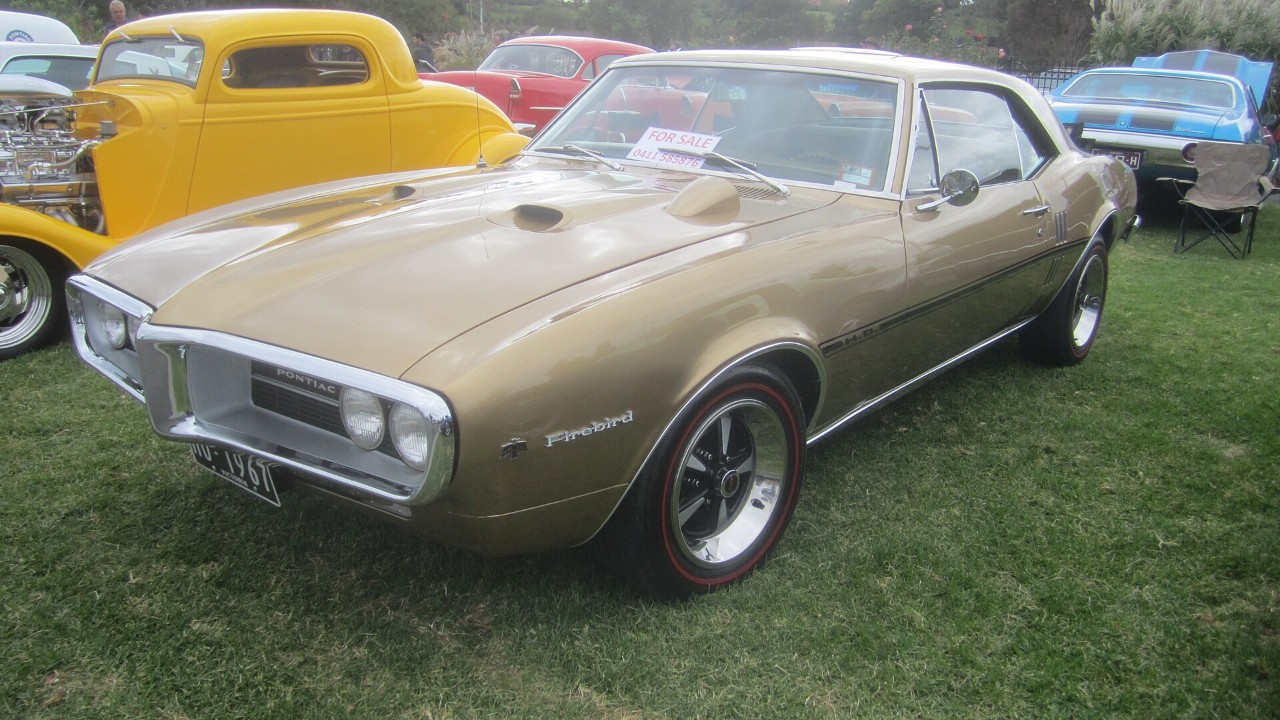
Pontiac’s Firebird went on sale on February 23, 1967, and the Firebird 326 was the sensible V8 in that first lineup. It never got the attention of the 400-powered cars, and that’s exactly why it’s interesting now. Plenty of 1960s cars sit in that same sweet spot, overlooked but well made.
The headline cars of the decade have long since left normal budgets behind. Big-block muscle and rare convertibles get the auction spotlight. Meanwhile, the everyday versions, the mid-range trims and the cars from overseas tend to stay under the radar.
These are our picks, and the verdict is our opinion. We think each of these eight cars from the 1960s won’t stay affordable much longer, because the qualities that make them good are getting harder to ignore. The specs, prices and production numbers come from factory records, auction catalogues and model histories, so the facts stand even if your list looks different.
1. 1967 Pontiac Firebird 326
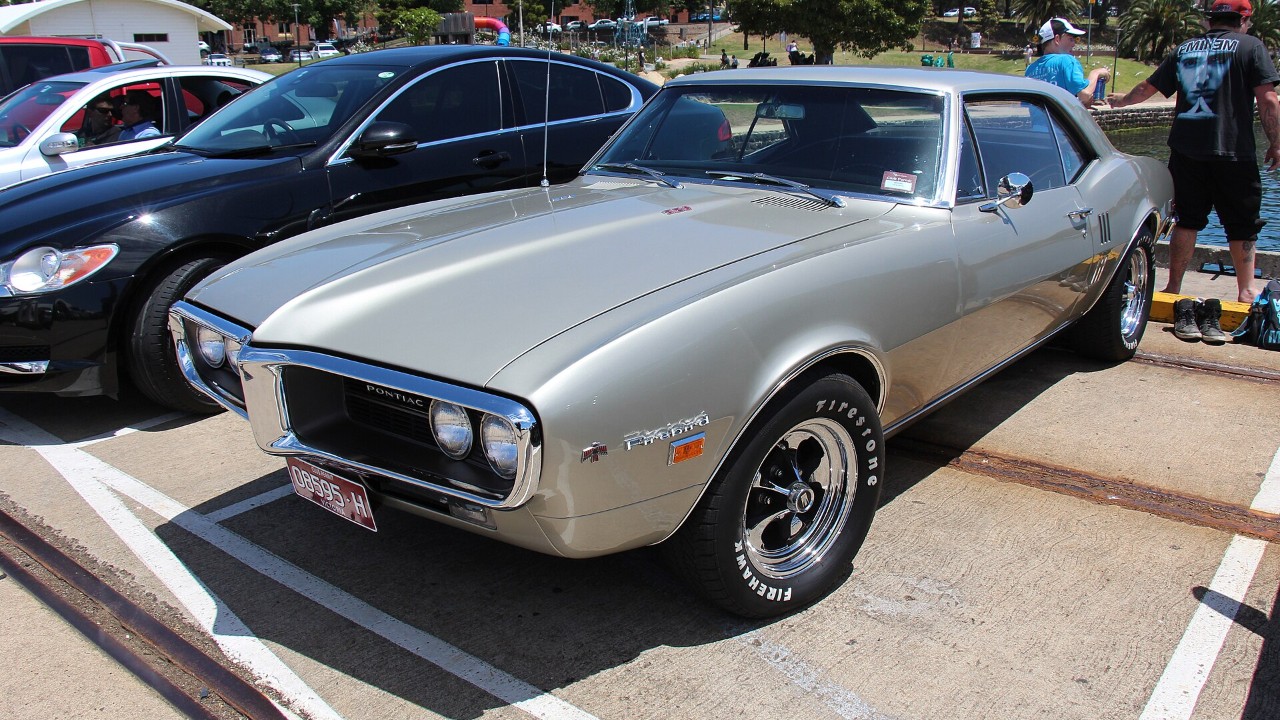
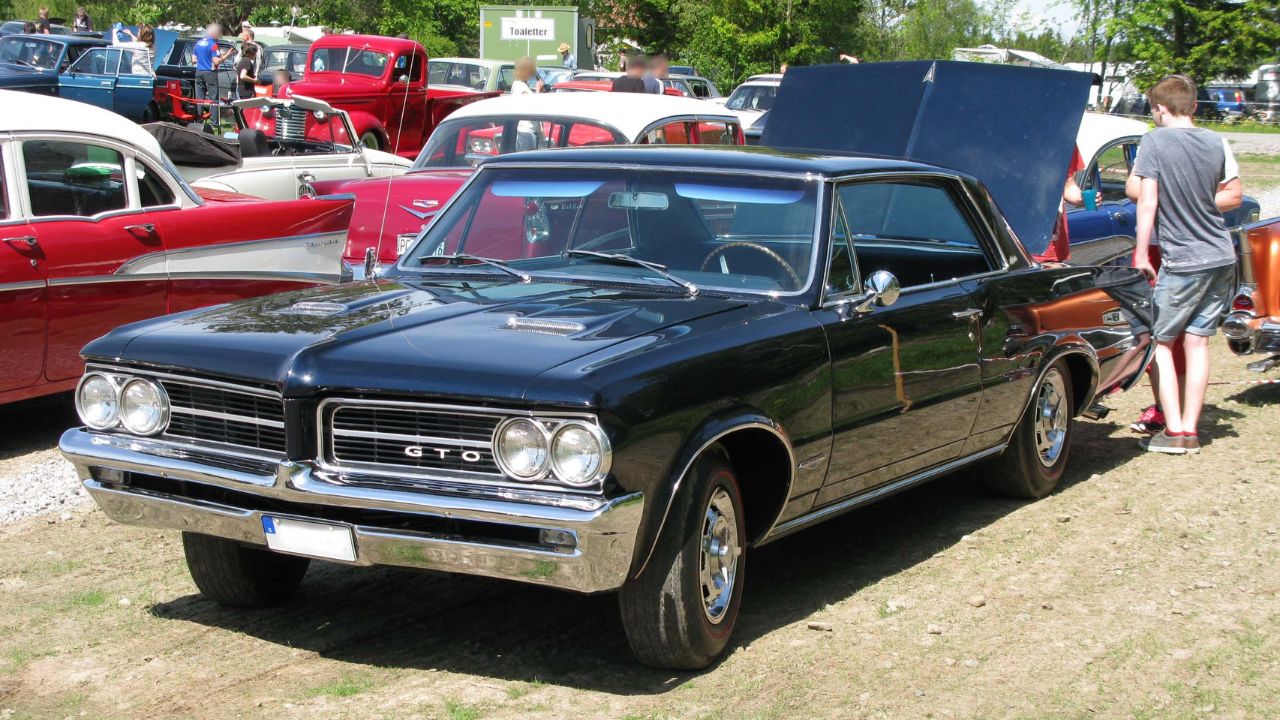
The first Firebird shared GM’s F-body with the Camaro, but Pontiac gave it its own engines. In 1967, the 326-cubic-inch V8 came in two forms. The two-barrel version made 250 horsepower, while the four-barrel “HO” made 285. Above that sat the GTO’s 400, and below it sat Pontiac’s overhead-cam six.
Prices were reasonable from the start. A 1967 Firebird coupe listed at $2,666 before options, and the convertible started at $2,903. Then, for 1968, Pontiac replaced the 326 with a 350 that actually displaced 354 cubic inches. That makes the Firebird 326 a one-year engine in the Firebird, at least in this form.
Our take: a first-year car with a one-year engine is the kind of detail collectors eventually notice. The Firebird 326 also gives you real V8 pull without the extra cost of a 400 car. For more on how the first Firebird drove, see our story on why the 1967 Firebird scared its drivers. In our view, a clean, documented Firebird 326 is one of the smartest first-generation pony cars you can buy today. If you shop for one, check the paperwork, because a 326 car shouldn’t be passed off as a 400.
2. 1966 Ford Custom 500 sedan
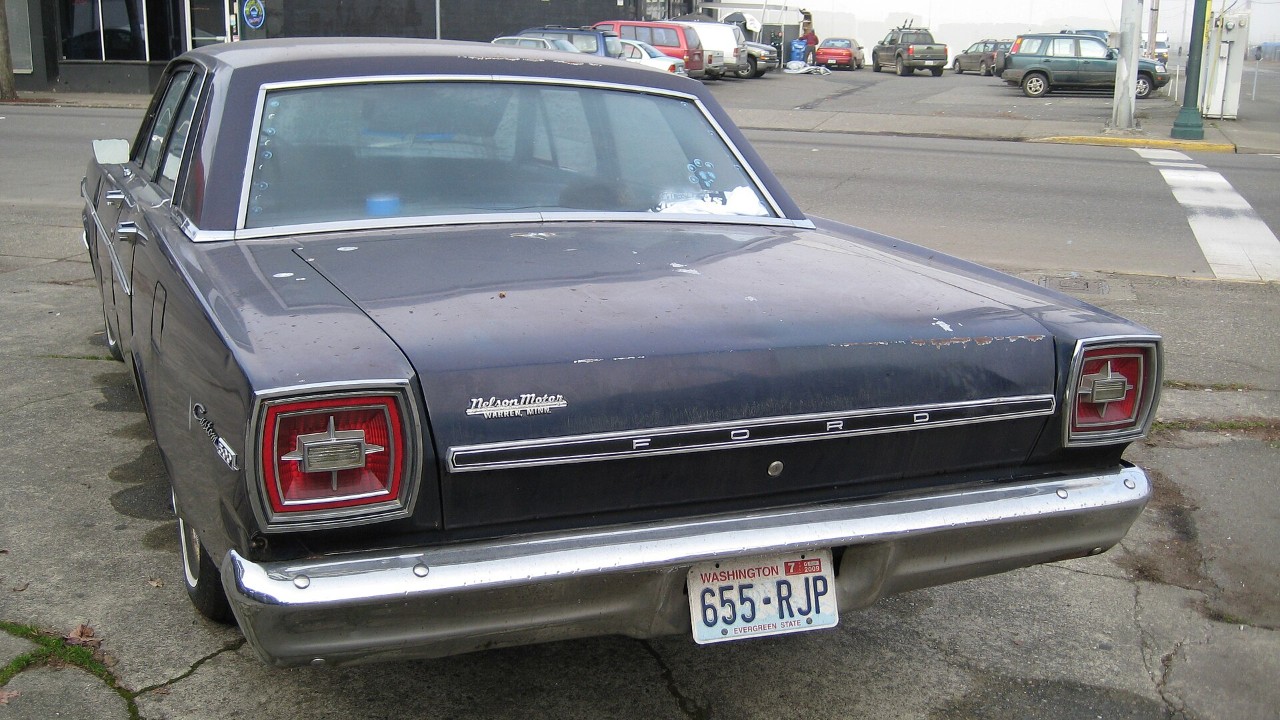
The Custom 500 was the upper trim of Ford’s entry-level full-size line in 1966. It came only as a two-door or four-door sedan. Ford’s 1966 full-size engine list ran from the 240 six and the 289 V8 to the 352. At the top sat a 390 V8 rated at up to 315 horsepower, according to Over Drive magazine’s 1966 Ford fact sheet.
Ford sold a lot of them. In 1966, it built 109,449 Custom 500 four-door sedans and 28,789 two-door sedans. On top of that, the plainer Custom added 72,245 four-door sedans. By comparison, the far more famous Galaxie 7-Litre came to 8,705 hardtops and 2,368 convertibles. In other words, the Custom 500 was the full-size Ford most families actually drove.
Our take: we think plain sedans like this one got driven hard rather than saved. So a clean survivor deserves more attention than its production number suggests. A two-door Custom 500 with a 390 would make a full-size sleeper. Also, it’s a 119-inch-wheelbase Ford that rides like the big cars it was built alongside. We’d buy the best one we could find now.
3. 1966 Chevy II Nova SS
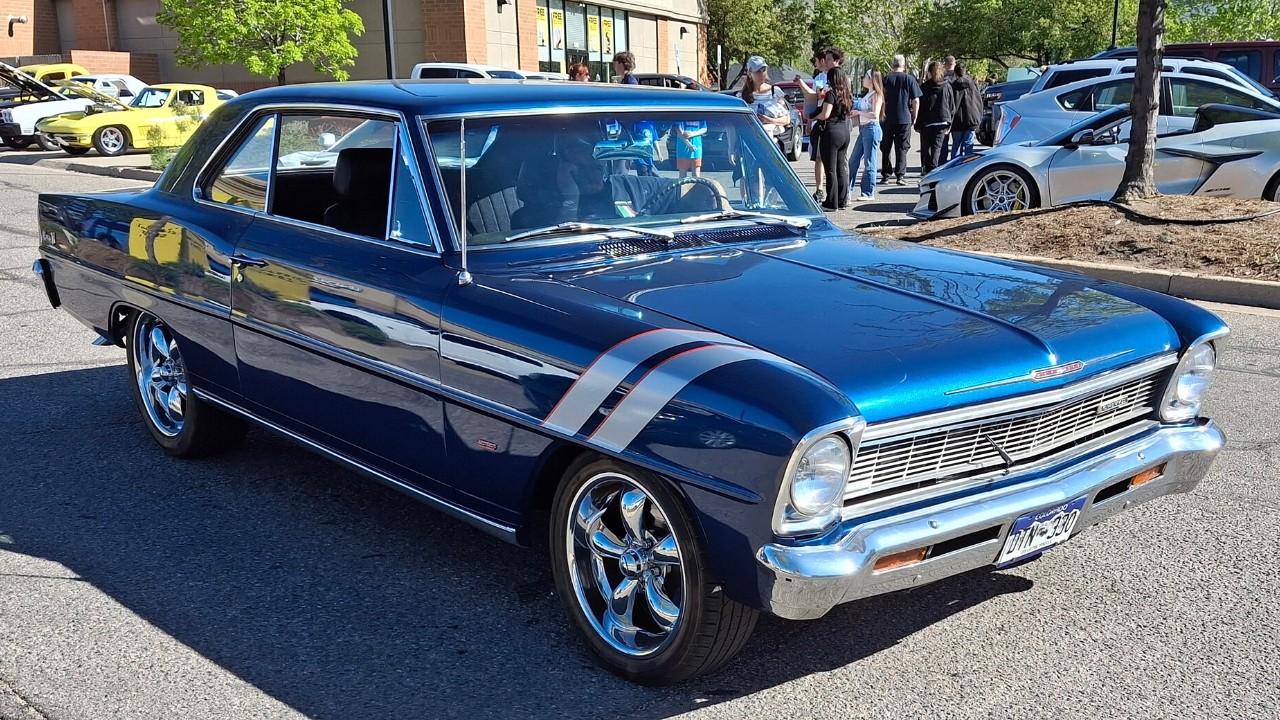
Chevrolet introduced the second-generation Chevy II Nova for 1966, and the SS was the one to have. Chevrolet built 20,986 Nova Super Sports that year. Of those, 5,481 came with the L79, a 327-cubic-inch V8 rated at 350 horsepower, according to RM Sotheby’s catalogue for a 1966 Nova SS L79.
That’s a lot of engine for a compact car. In our view, the L79 put the Nova in the same league as bigger muscle cars, but in a plainer body. RM Sotheby’s sold that L79 car for $55,000, which shows where the best examples have already gone. For more Nova history, see our list of Nova SS models that packed more punch than expected.
Our take: the L79 cars have already moved up. However, the regular SS cars with smaller engines are the ones we’d watch. In our view, they won’t stay overlooked, because the 1966 body is one of the cleanest designs Chevrolet built in the decade. If you shop for one, verify the SS paperwork carefully, because SS trim is easy to add to a plain Nova.
4. 1967 Toyota Corona 1500
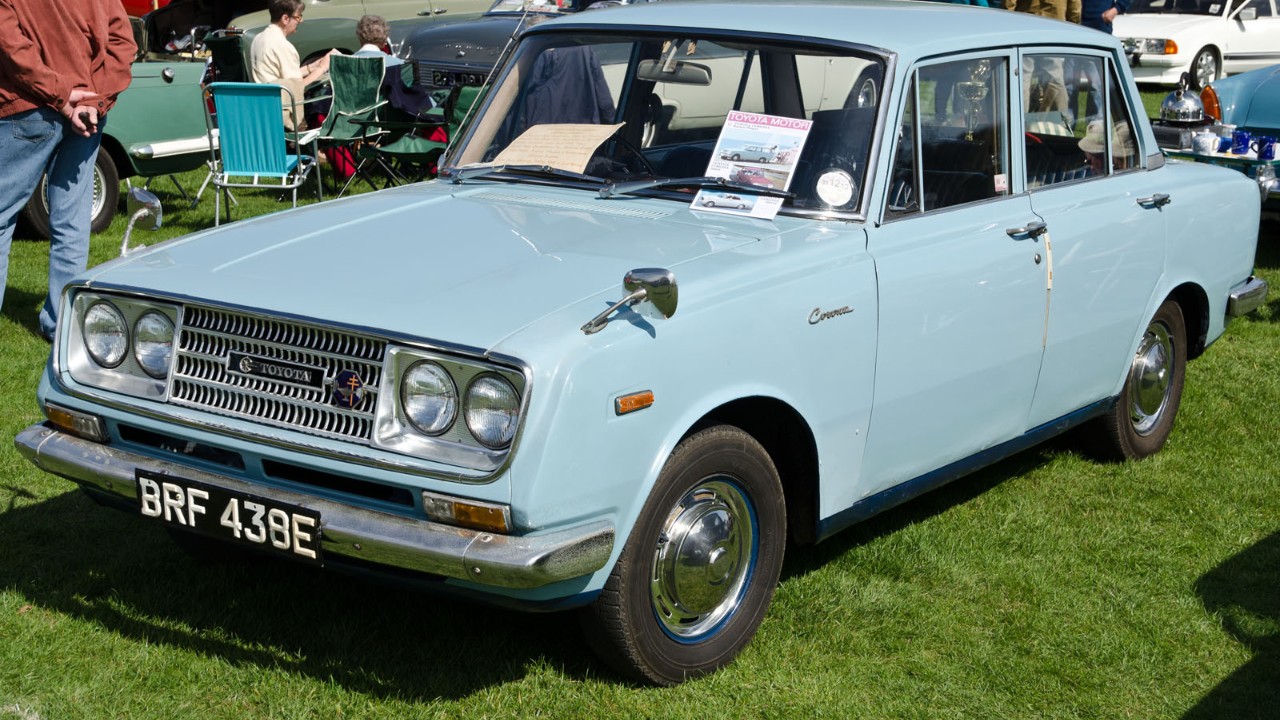
The Corona was the car that turned Toyota around in America. After the Toyopet Crown flopped in the U.S. in 1958, Toyota redesigned the car and introduced it as the Corona in 1964. It became Toyota’s first car to sell more than 10,000 units in the U.S., according to SlashGear’s history of the Corona. By 1967, Toyota was the third-best-selling import brand in America.
The 1500 used a 1,490 cc pushrod four. At launch it made 74 horsepower, as Shannons notes in its history of the RT40 Corona. That source also says the August 1967 facelift brought a recessed grille. Its sloping nose earned it the “shovel nose” nickname, though Toyota called the design the “arrow line.” Shannons also notes that a four-speed Corona ran the standing quarter-mile in 19.5 seconds, quicker than a Cortina.
Our take: the Corona paved the way for the Corolla, which reached the U.S. in 1968. In our view, early Japanese cars are finally getting the respect they deserve, and the Corona has one of the best stories of any of them. If you find one, check carefully for rust before you buy, as you would on any 1960s car.
5. 1966 Peugeot 404 coupe
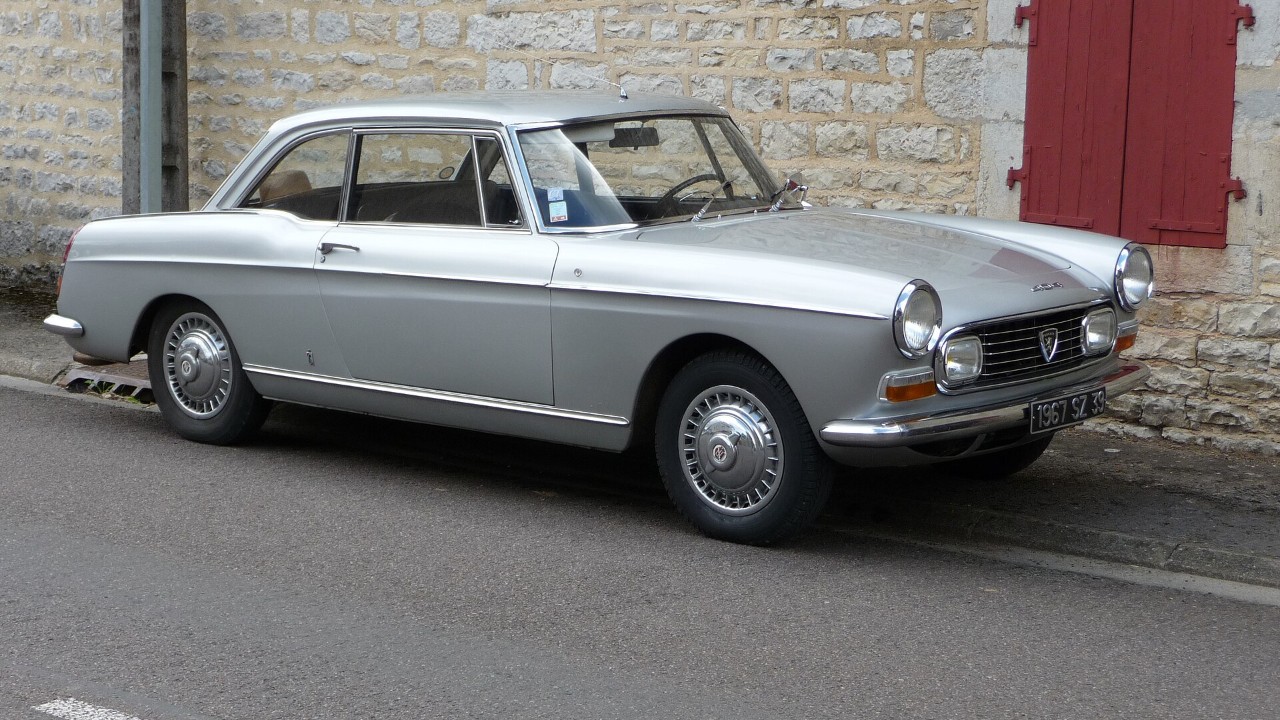
Pininfarina styled the Peugeot 404, and the coupe and cabriolet went further than the sedan. Pinin Farina’s own workshops in Turin built their bodies. Only the floorpan and mechanical parts came from the sedan.
Early cars used the same 1,618 cc engine as the sedan. Then, in March 1962, Peugeot added a Kugelfischer fuel-injected option at the Geneva show. The later fuel-injected coupes reached 104 mph. Production of the coupe and cabriolet together came to 17,223 cars, and the last ones left the line in October 1968. By comparison, Peugeot built 2,885,374 404s worldwide from 1960 to 1975, so the coupe was a tiny slice of a huge range. Meanwhile, 404s won the Safari Rally in 1963, 1966, 1967 and 1968.
Our take: a Pininfarina coupe with fuel injection and a rally-winning sedan underneath is a hard combination to beat. Yet the 404 coupe rarely gets the attention of Italian cars of the same era. In our view, that gap won’t last. If you shop for one, the fuel-injected cars are the ones to find, but have a specialist check the Kugelfischer pump first.
6. 1967 Plymouth Sport Fury
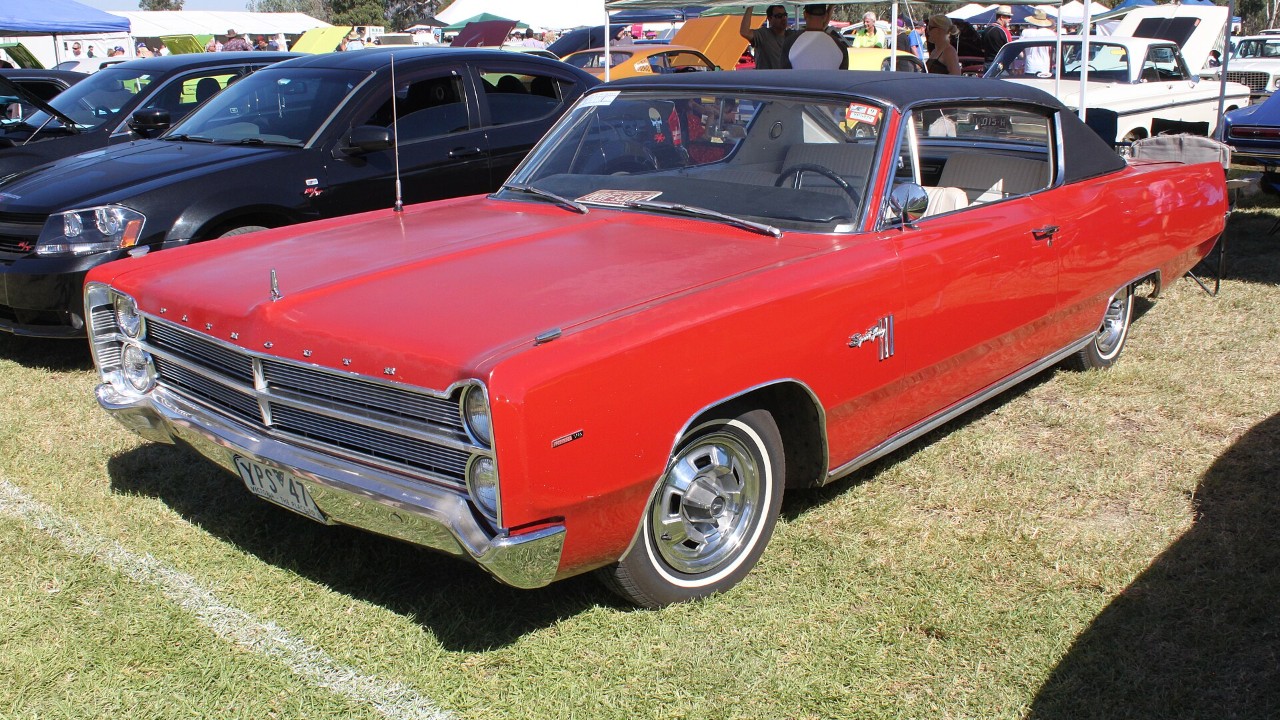
The Sport Fury was the sporty top of Plymouth’s 1967 full-size range, below only the luxury VIP. It came with contrasting accent stripes, Sport wheel covers and all-vinyl bucket seats. The 318 V8 was standard, and a 383 came with 270 or 325 horsepower. The same engine table also lists the 440 “Super Commando” at 375 horsepower, according to Old Ride’s guide to the 1967 Plymouth Fury.
It was also a new body for 1967. Plymouth restyled the Fury with a sharper, more angular profile. It also added a formal “fast top” two-door hardtop with a wide, back-slanted roof pillar. Plymouth built 28,448 Sport Fury hardtops and fast tops, plus 3,133 convertibles. A Sport Fury hardtop cost $3,033, and the fast top was $3,062.
Our take: big 1960s Mopars like this one get far less attention than the intermediate muscle cars. Yet the big-block options put real performance on the table. In our view, that gap won’t stay open forever. If you shop for one, look for the fast top with a big-block, and confirm the engine code before you pay a premium.
7. 1966 Plymouth Satellite hardtop

The Satellite was the sporty model of Plymouth’s 1966 Belvedere line, and it came only as a two-door hardtop or convertible. The standard engine was a 273 V8 rated at 180 horsepower. Front bucket seats were standard, according to Old Ride’s 1966 Belvedere guide.
The options list went much further. Buyers could order a 383 rated at 325 horsepower or the 426 Street Hemi at 425 horsepower. Plymouth built 35,399 Satellite hardtops in 1966, and only 817 got the Hemi. The hardtop listed at $2,695, and the convertible at $2,910. Of the 2,759 convertibles, just 27 got the Hemi. Meanwhile, the line got new styling for 1966 with a squarer, more angular look.
Our take: the Hemi cars will always get the headlines. However, a 383 or 273 Satellite hardtop gives you the same body and bucket-seat cabin. In our view, the clean, square 1966 shape will keep pulling buyers in. It also looks just as good with the base 273 as with a big-block. If you shop for one, check the fender tag and VIN, because Satellite trim is easy to add to a plainer Belvedere.
8. 1964 Ford XM Falcon Futura
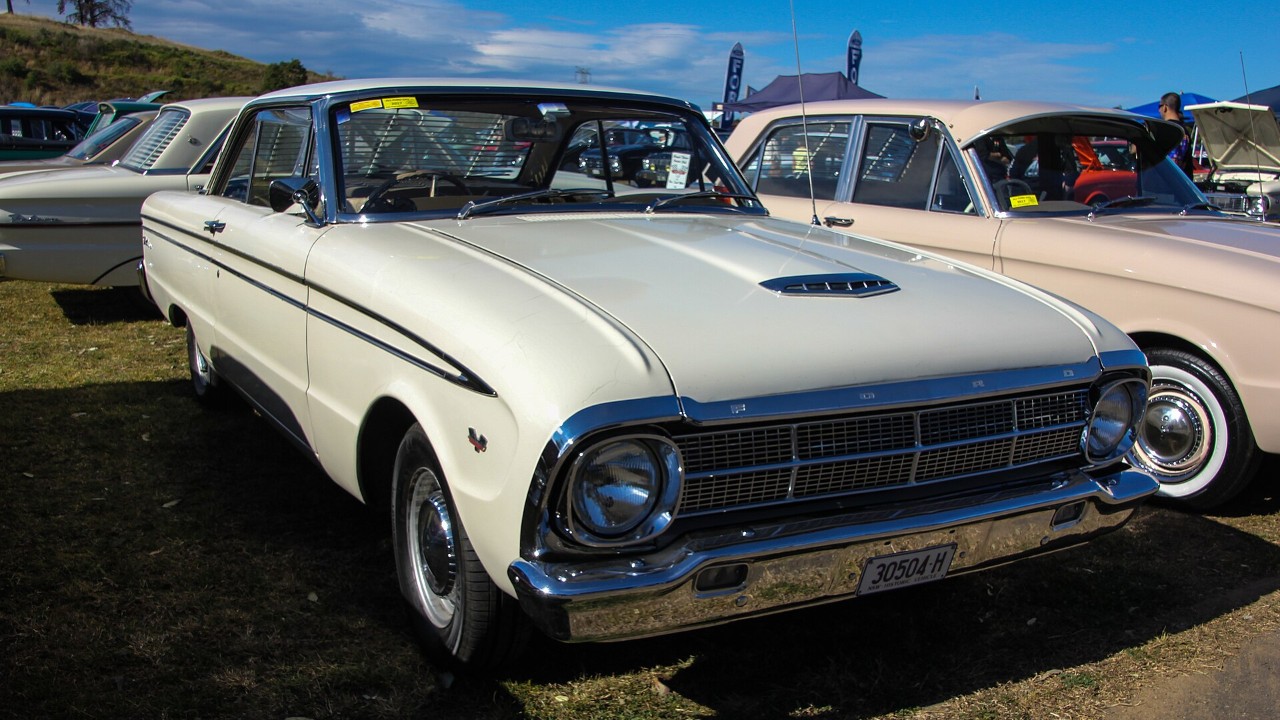
The XM Falcon arrived in Australia in February 1964, and it was more than a facelift. Ford claimed a million Australian pounds’ worth of mechanical upgrades, with a revised suspension using Fairlane and Galaxie parts. Most late-run cars also got heavier-gauge steel in the rocker panels, engine bay and floorpan, according to Ate Up With Motor’s history of the Australian Falcon.
The Futura was the plushest model, with bucket seats, and the XM range added a two-door pillarless hardtop. A new Super Pursuit 200 six joined the options list, rated at 121 gross horsepower. Even so, Ford didn’t publicize the strengthening, and the Falcon’s negative reputation lingered. For more on how the Falcon grew up in Australia, see our story on why the Falcon became so influential there.
Our take: the XM is the Falcon that fixed the problems before anyone believed it had. In our view, an early Futura hardtop is a smart buy for Falcon fans. Ford made its point soon after, when five XP Falcons ran 70,000 miles at the You Yangs proving ground in 1965. Four of them rolled over at least once, yet all five finished.
More from Fast Lane Only