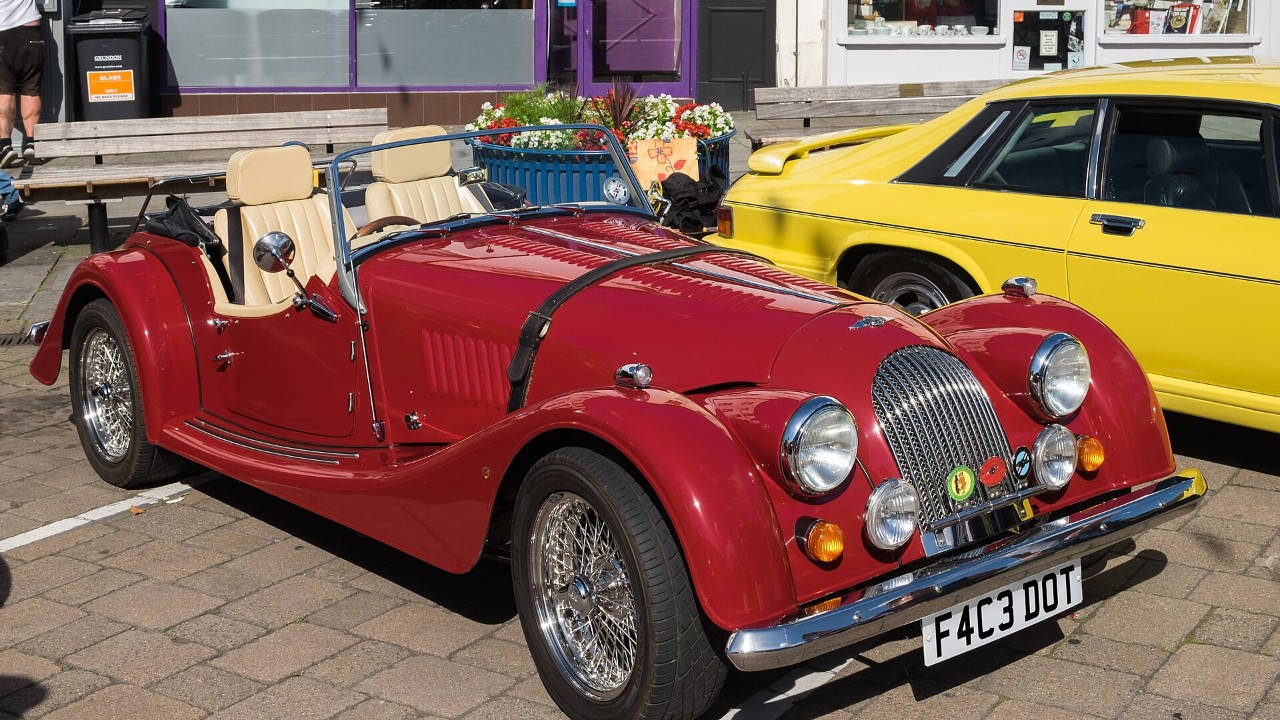
The late 1970s marked a turning point in automotive design where style took precedence over sheer speed. With the oil crisis prompting manufacturers to rethink their offerings, cars became more about aesthetics and personal expression rather than just performance. This era gifted us with a variety of vehicles that showcased unique designs, bold colors, and innovative features, making them stand out on the roads and in the hearts of car enthusiasts.
Ford Mustang II
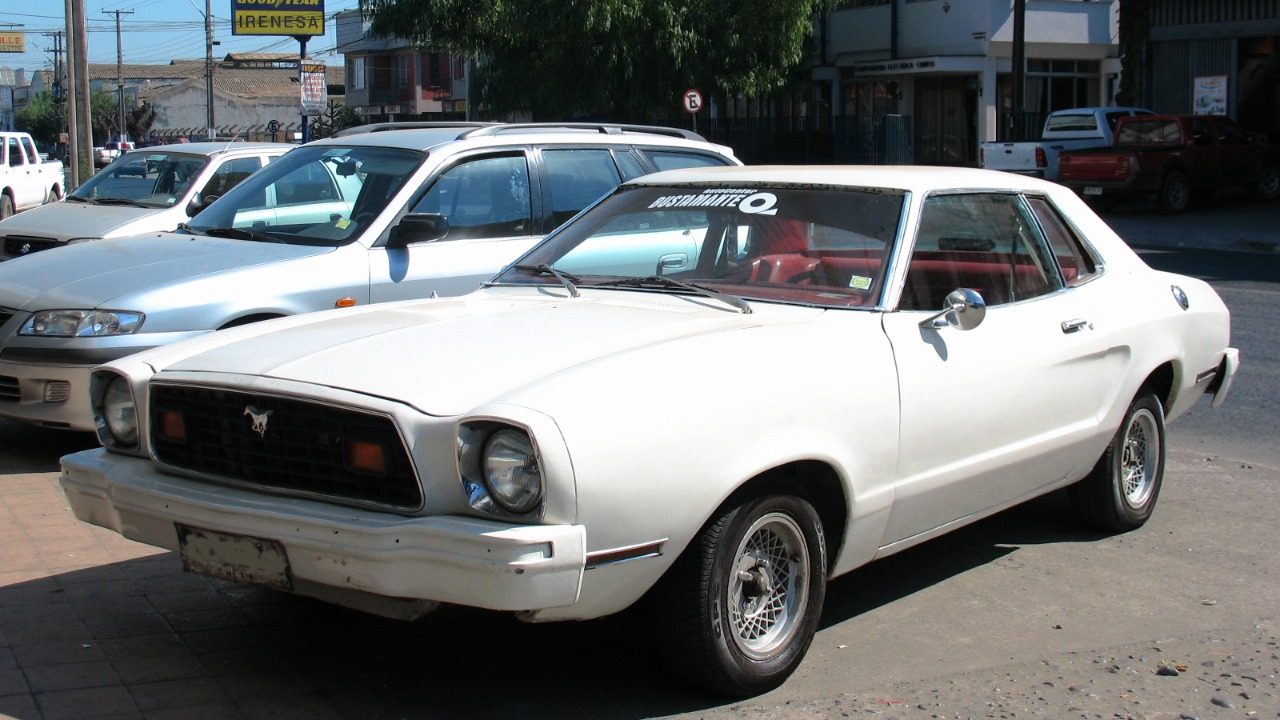
Launched in 1974 as a response to the changing market, the Ford Mustang II became an icon of style rather than speed. It was significantly smaller than its predecessors, reflecting the demand for more fuel-efficient vehicles. The Mustang II’s design featured a sleek, curvy body and a variety of vibrant color options that appealed to a broader audience. Models like the 1976 Mustang II were equipped with options such as a sporty hatchback design and unique wheel styles that set them apart from other compact cars of the time. While performance was modest with its four-cylinder engine, the emphasis on chic design made it a symbol of the era.
The Mustang II also introduced several luxury features, such as plush interiors and advanced sound systems, which helped it cater to consumers looking for comfort alongside style. The focus on aesthetics, combined with a reputation for being fashionable, ensured that the Mustang II maintained its place in automotive history, paving the way for future iterations of the Mustang brand.
Chevrolet Monza

The Chevrolet Monza, introduced in 1975, was a compact car that aimed to combine style with practicality. Its design featured a sporty hatchback look that was both modern and appealing to the younger demographic. The Monza was available with a range of engine options, including a fuel-efficient four-cylinder, but it was the stylish design that truly captured attention. It was often compared to European models, which were gaining popularity at the time, and its sleek lines made it stand out in a crowded marketplace.
Chevrolet marketed the Monza as a fun and sporty option, ideal for those looking for a stylish vehicle without the high-performance price tag. Features like a spacious interior and customizable options further emphasized its appeal. The Monza became a staple for drivers seeking a balance of style and efficiency during an era where those factors were increasingly valued over raw speed.
Chrysler Cordoba
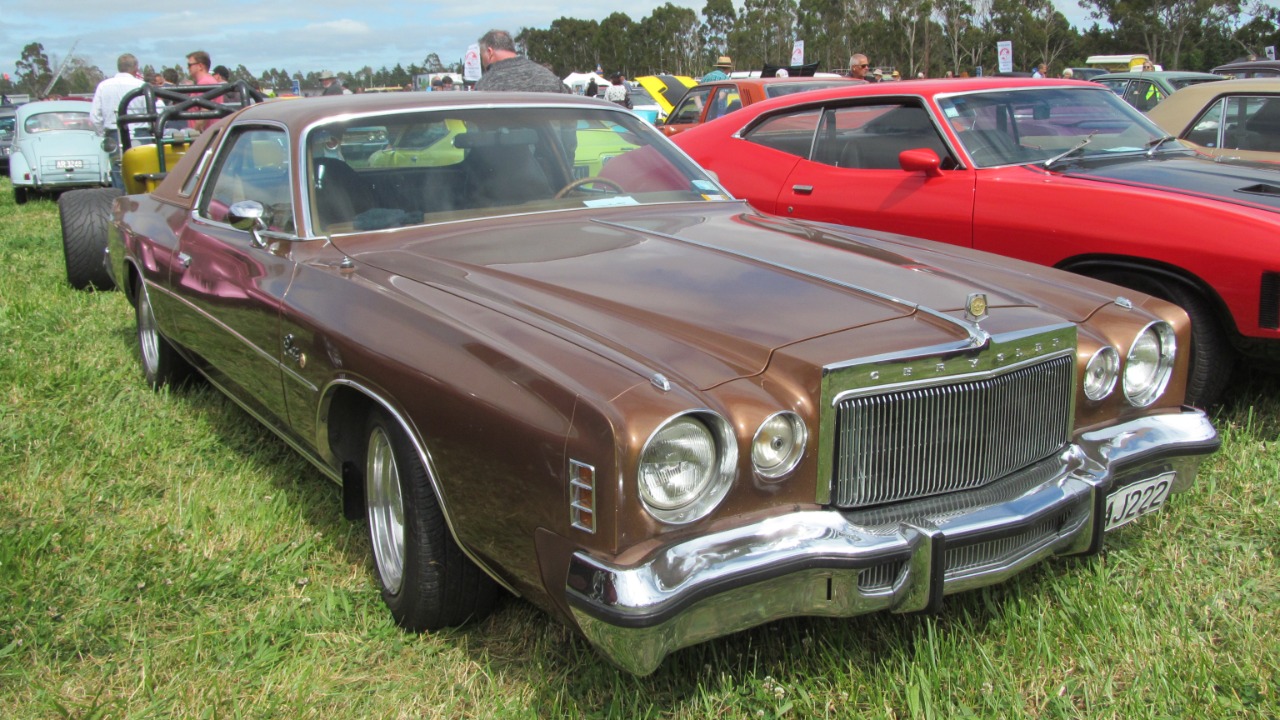
Debuting in 1975, the Chrysler Cordoba was marketed as a luxurious personal coupe that emphasized comfort and style. It was known for its plush interiors adorned with rich materials and elegant design elements, such as leather seating and wood grain accents. The Cordoba’s distinctive look, highlighted by its bold grille and flowing body lines, captured the essence of luxury during a time when many cars were shifting towards more economical designs.
The Cordoba became famous for its advertising campaign featuring actor Ricardo Montalbán, who emphasized the car’s luxurious features and sophisticated styling. Although it was powered by a V8 engine, performance was not the main selling point; instead, the focus was on creating a vehicle that made a statement. As a result, the Chrysler Cordoba remains an enduring symbol of style over speed in the automotive world.
Pontiac Firebird
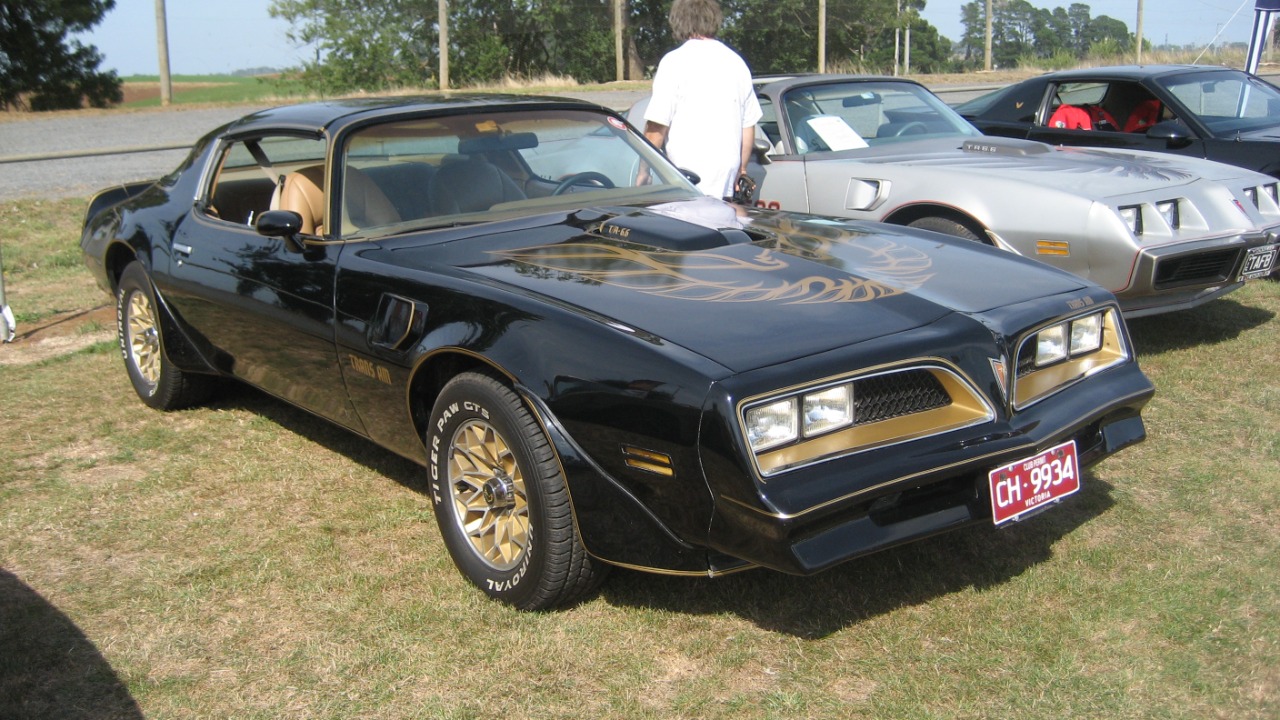
The Pontiac Firebird, particularly in its late 1970s iterations, became synonymous with American muscle car aesthetics while adapting to the era’s fuel economy demands. The 1977 Firebird featured a more refined design with sharp lines and an aggressive front end, showcasing a style that appealed to a generation eager for bold vehicles. Though the performance was somewhat dialed back compared to earlier models, it still offered a variety of engine options, including the iconic 400 cubic inch V8.
The Firebird’s interior also underwent upgrades, with a focus on comfort and style, making it popular with those looking for both performance and luxury. The T-top roof option allowed drivers to enjoy an open-air experience while further enhancing its sporty appeal. Ultimately, the Pontiac Firebird represents an era where style and personal expression took center stage in automotive design.
Volkswagen Rabbit
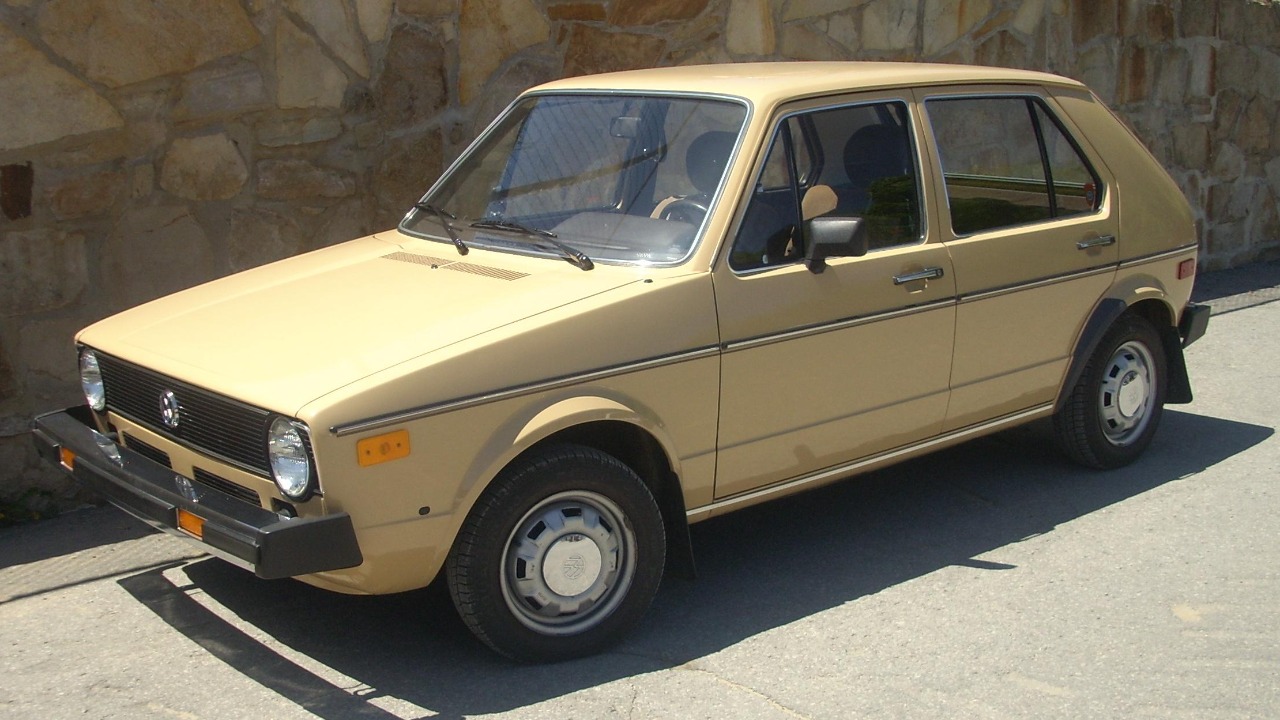
Launched in 1974 as a replacement for the Beetle, the Volkswagen Rabbit was a compact car that combined practicality with a distinctively stylish design. Its boxy yet modern shape, along with a spacious interior, made it an instant favorite among young drivers and families alike. The Rabbit’s appeal lay in its versatility; it was available as a two- or four-door model, catering to various consumer needs while maintaining an eye-catching aesthetic.
The Rabbit also gained popularity for its fuel efficiency, a key selling point during the oil crisis of the time. As a result, drivers could enjoy a stylish ride without breaking the bank at the gas pump. Its design and functionality struck a chord with consumers seeking a fashionable yet economical choice, solidifying the Rabbit’s place in automotive history.
AMC Pacer

The AMC Pacer, introduced in 1975, is remembered for its unique and unconventional design that stood out in the automotive landscape of the late 1970s. Its distinctive rounded shape and large glass area set it apart from traditional cars, making it a symbol of individuality. The Pacer was marketed as a family-friendly vehicle, emphasizing space and comfort over speed, with a roomy interior that could accommodate up to six passengers.
Despite its quirky aesthetics, the Pacer was equipped with modest engine options that prioritized fuel efficiency. The car became a cultural icon, often associated with quirky characters in movies and TV shows. While it may not have been the fastest vehicle on the road, the Pacer’s bold design and focus on passenger comfort ensured it left a lasting impression on the automotive world.
Dodge Aspen
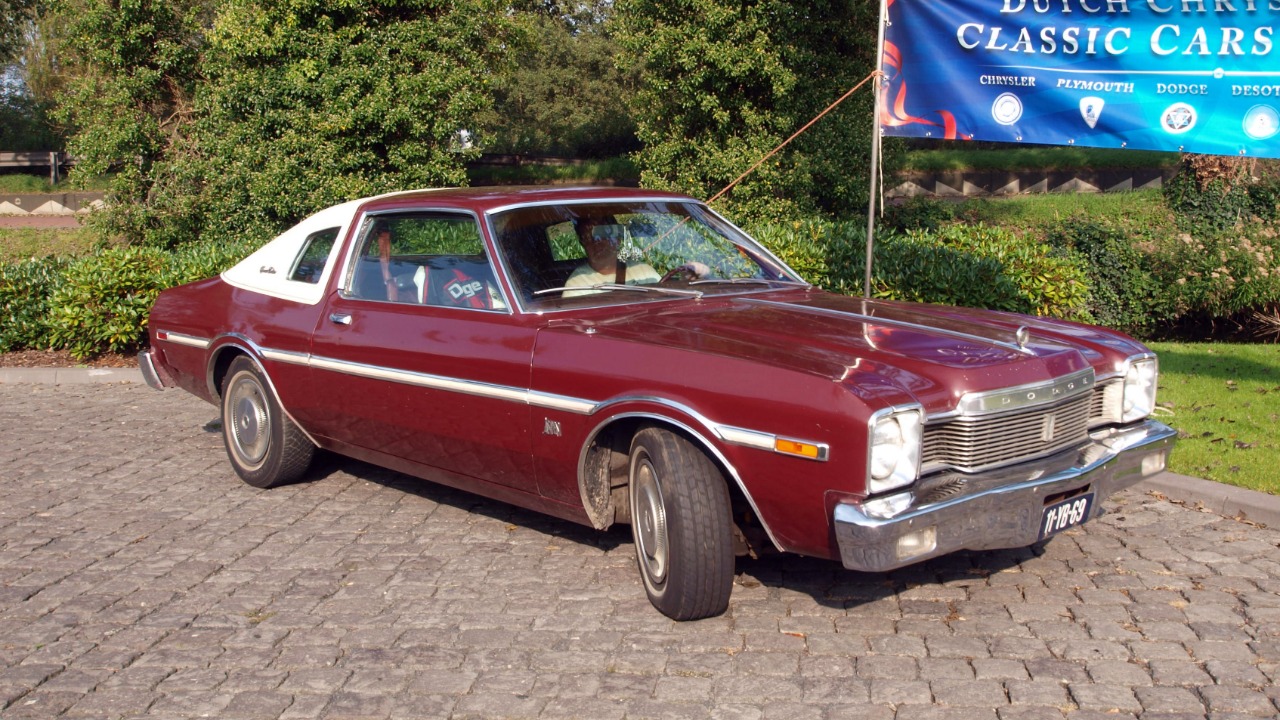
The Dodge Aspen, introduced in 1976, was part of Chrysler’s compact car lineup, designed to appeal to consumers seeking a stylish yet practical vehicle. With its clean lines and classic American car silhouette, the Aspen was available as a two-door or four-door model, allowing for versatility in style and functionality. The interior was designed for comfort, featuring spacious seating and a variety of available options that enhanced the driving experience.
While the Aspen offered V8 engine options, its focus was more on comfort and everyday usability rather than high-speed performance. The car’s stylish design made it a popular choice among families and individuals alike during the late 1970s. The Dodge Aspen’s blend of aesthetics and practicality helped it carve out a niche in a rapidly changing automotive market.
Buick Skyhawk
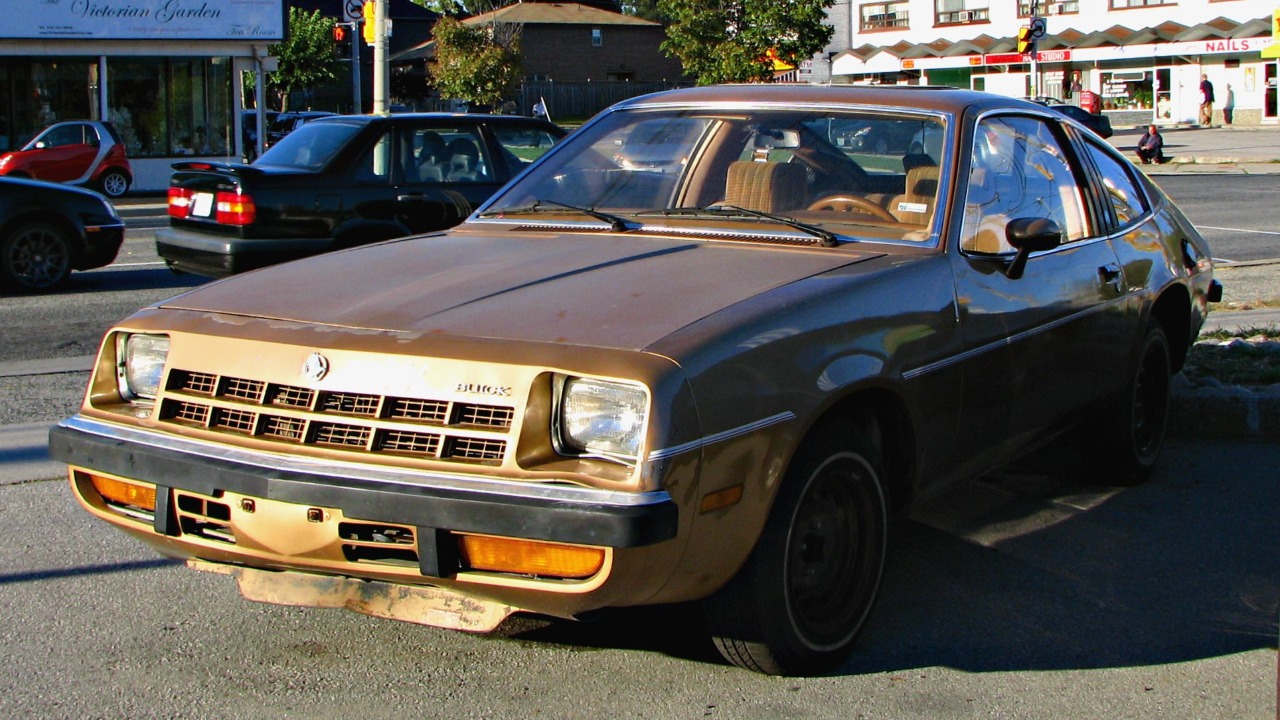
The Buick Skyhawk, introduced in 1975, was a compact car that exemplified Buick’s commitment to style and comfort. With its elegant design and refined interior, the Skyhawk was aimed at consumers looking for a sophisticated vehicle that didn’t compromise on aesthetics. Its sporty lines and attractive grille gave it a distinctive presence on the road, while the available hatchback option added to its versatility.
Under the hood, the Skyhawk offered a range of engines, but the emphasis was clearly on a smooth and comfortable ride rather than high-speed performance. Features such as plush seating and quality materials in the interior made it a favorite among those who prioritized luxury and style. The Buick Skyhawk remains a testament to the era’s focus on chic design in the automotive industry.
Mercury Cougar
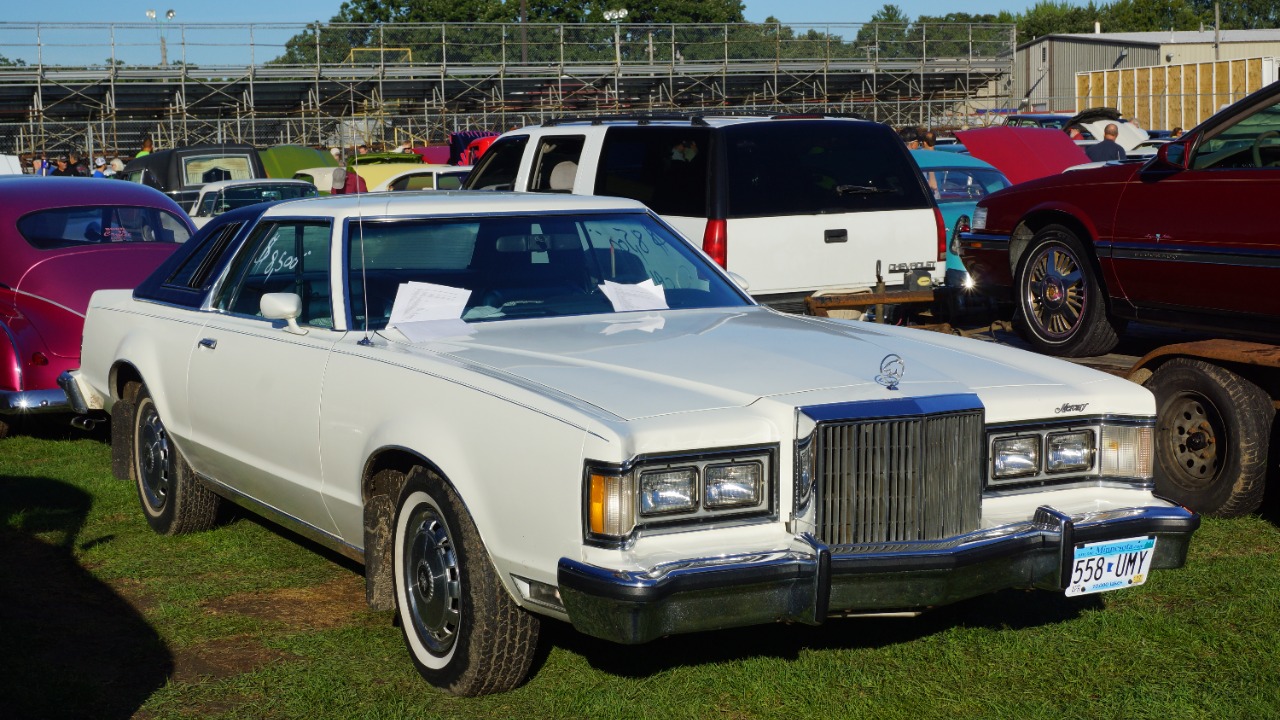
The Mercury Cougar, particularly in its later 1970s models, showcased a blend of style and sophistication that appealed to a wide range of drivers. First introduced as a luxury version of the Ford Mustang, the Cougar evolved into a stylish personal coupe. The late 1970s models featured a sleek design, complete with a long hood and short deck, giving it an elegant profile that stood out on the road.
Although the Cougar offered V8 engine options, the focus shifted from outright performance to providing a comfortable and stylish driving experience. Inside, the Cougar boasted high-quality materials and a variety of luxury options. This emphasis on style and comfort over speed made the Mercury Cougar a popular choice for those looking to make a statement while enjoying their time on the road.
Toyota Celica

The Toyota Celica, which debuted in 1970, gained significant popularity during the late 1970s due to its stylish design and sporty character. The late ’70s models, particularly the 1978 Celica, featured a sleek, compact body with distinctive lines that appealed to young drivers seeking an affordable yet fashionable option. The Celica was available in various trims, allowing customers to choose between performance and style, with a focus on a sporty driving experience.
While the Celica offered respectable performance, it was the design that truly captured the market’s attention. The interior was designed to be driver-focused, with comfortable seating and an array of features that enhanced the driving experience. As a result, the Toyota Celica became a symbol of style and efficiency, making it a beloved choice among car enthusiasts during the late 1970s.
More from Fast Lane Only
- Unboxing the WWII Jeep in a Crate
- 15 rare Chevys collectors are quietly buying
- 10 underrated V8s still worth hunting down
- Police notice this before you even roll window down
*Research for this article included AI assistance, with all final content reviewed by human editors.