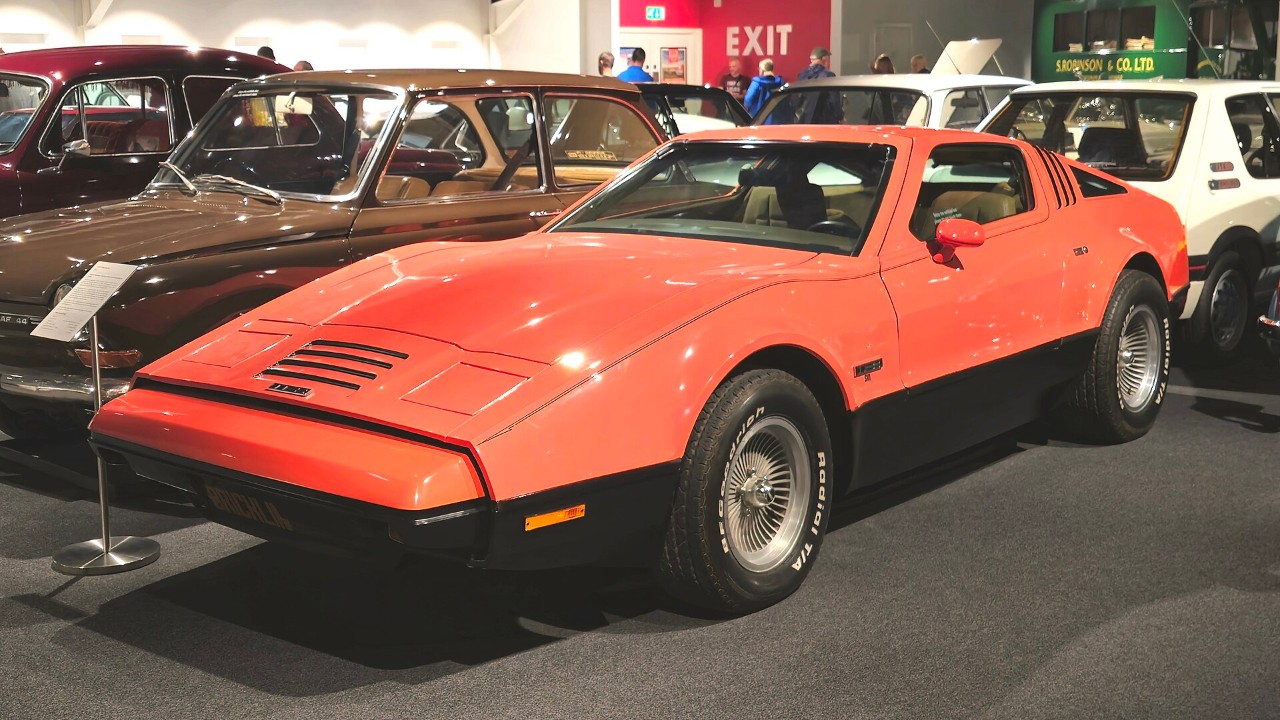
The disco era was a vibrant time characterized by flashy styles, energetic music, and bold personalities. This period saw a significant evolution in automotive design and performance, as car manufacturers sought to capture the spirit of the decade. From muscle cars to compact coupes, these vehicles not only defined a generation but also became synonymous with the nightlife and cultural revolution of the late 1970s. Here’s a look at 12 cars from the disco era that encapsulated the essence of this unforgettable time.
Chevrolet Camaro Z28 (1977)
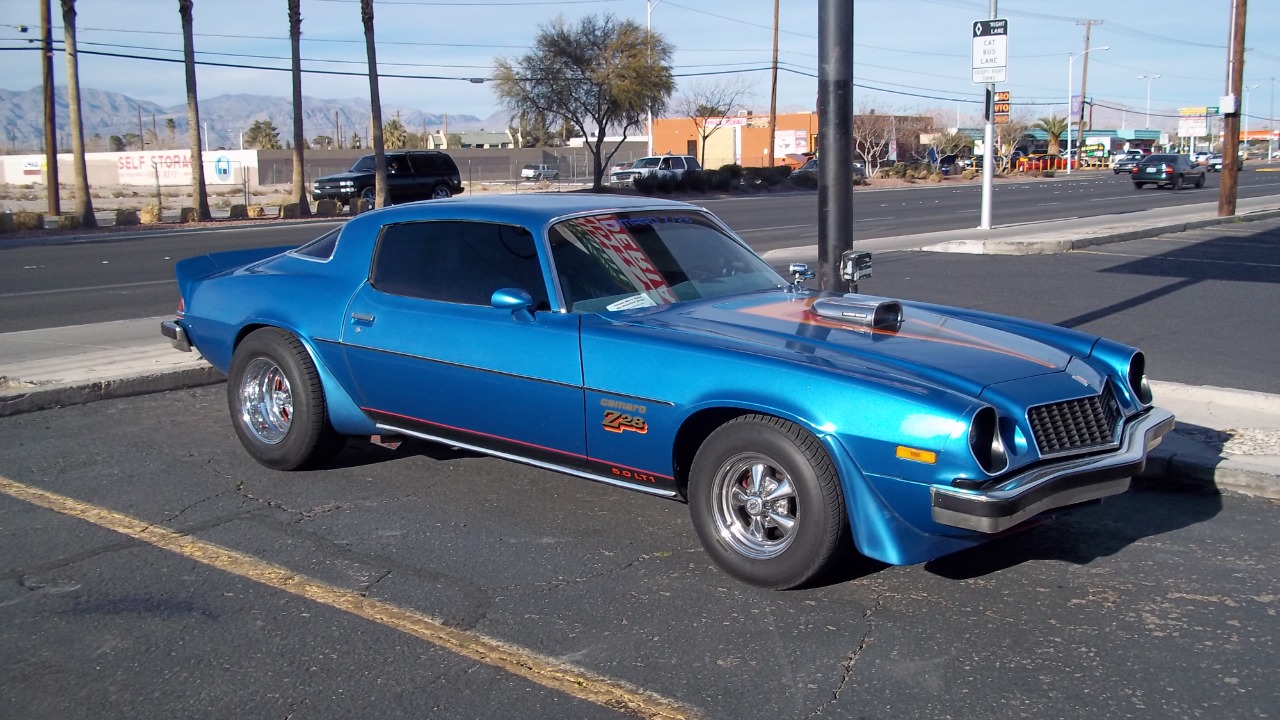
The 1977 Chevrolet Camaro Z28 is a classic representation of American muscle during the disco era. Sporting a sleek body design coupled with a powerful 350 cubic inch V8 engine, the Z28 offered exhilarating performance that matched the excitement of disco dancing. Its aggressive stance and bold color options made it a favorite among car enthusiasts and partygoers alike. The Z28’s performance package included a stiffer suspension and wider tires, making it a joy to drive on winding roads or cruising the city streets. Its popularity was further solidified by appearances in movies and TV shows, making it a cultural icon of the late ’70s.
Beyond its performance, the Z28 embodied the spirit of freedom and fun that defined the disco lifestyle. With a focus on driver engagement and style, it became a symbol of youth and rebellion, making it a must-have for anyone looking to embrace the disco vibe. The Camaro Z28 remains a cherished classic car today, celebrated for both its performance and its role in automotive history. For more insights into the cars of this era, check out this book.
Ford Mustang II (1974-1978)
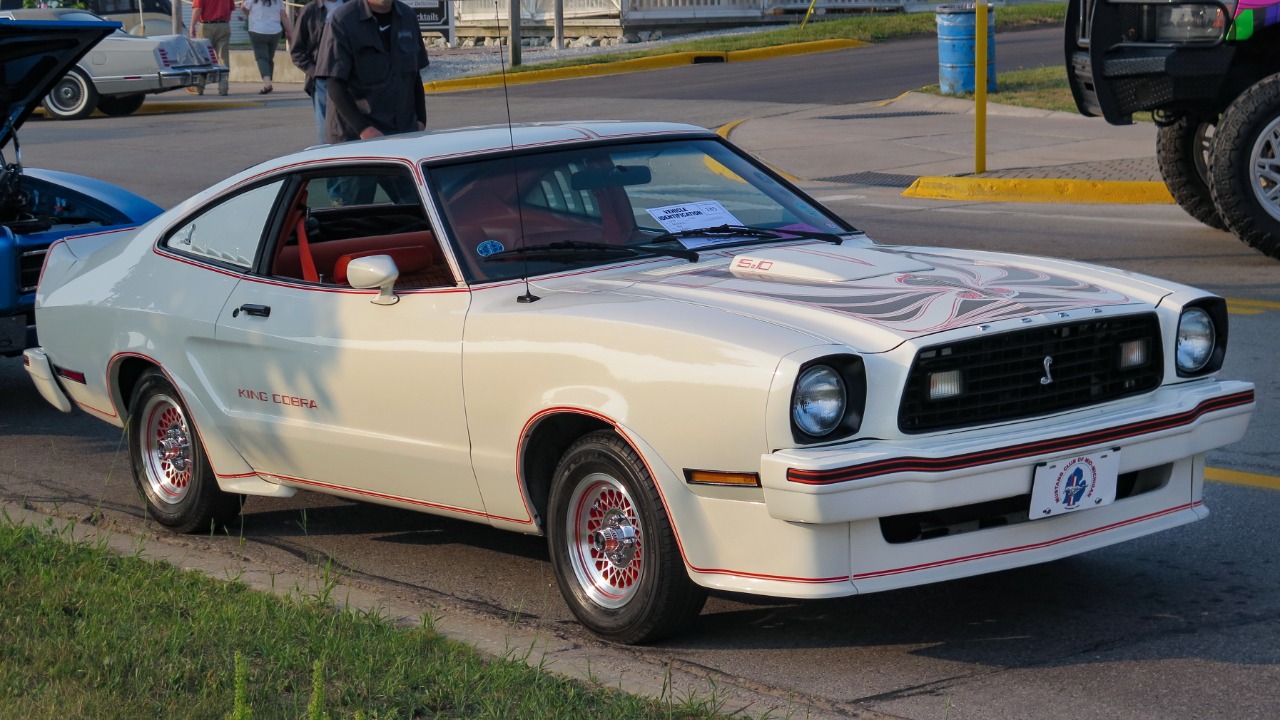
The Ford Mustang II, produced between 1974 and 1978, represented a new direction for the iconic Mustang line. Smaller and lighter than its predecessors, this version catered to the fuel-conscious consumer during the oil crisis. Its design featured a more rounded shape and a variety of engine options, including a fuel-efficient 2.3-liter inline-four. Despite its downsizing, the Mustang II retained the sporty character that made it a cultural phenomenon. It was a car that fit perfectly into the disco scene, appealing to young drivers who wanted style without sacrificing practicality.
Moreover, the Mustang II’s vibrant colors and customizable features allowed owners to express their individuality, aligning with the disco ethos of self-expression and flair. Whether on the dance floor or the open road, this Mustang variant was a popular choice for those looking to make a statement. The model’s legacy continues, with enthusiasts celebrating its unique place in the history of American muscle cars. For more details on the Ford Mustang II and its impact, refer to this resource.
Dodge Charger (1975)
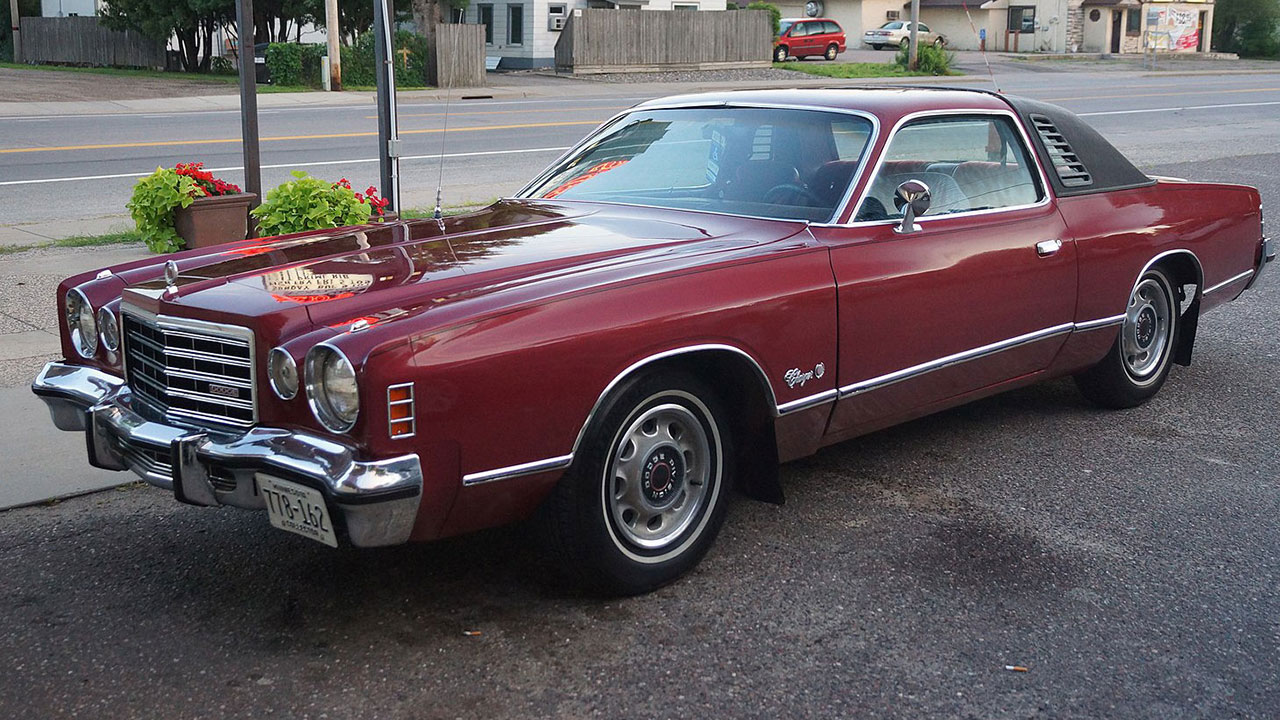
The 1975 Dodge Charger is a classic example of a car that blended performance with style during the disco era. Known for its bold design and powerful engines, the Charger became a favorite among those who craved a mix of muscle and sophistication. This model featured a more streamlined look compared to its predecessors, offering a spacious interior that was perfect for social gatherings and cruising with friends. The Charger’s V8 engine options provided ample power, making it a thrilling choice for those looking to hit the open road.
With its striking aesthetic and performance capabilities, the Dodge Charger captured the essence of the disco lifestyle. It was not just a car; it was a statement of identity and freedom. As disco music filled the air, the Charger was often seen parked outside clubs and dance halls, a testament to its status as a cultural icon of the time. Its influence continues today, and classic car enthusiasts often seek out the 1975 Charger for its unique style and powerful presence. For more insights into cars of this era, visit this source.
Plymouth Fury (1975-1979)
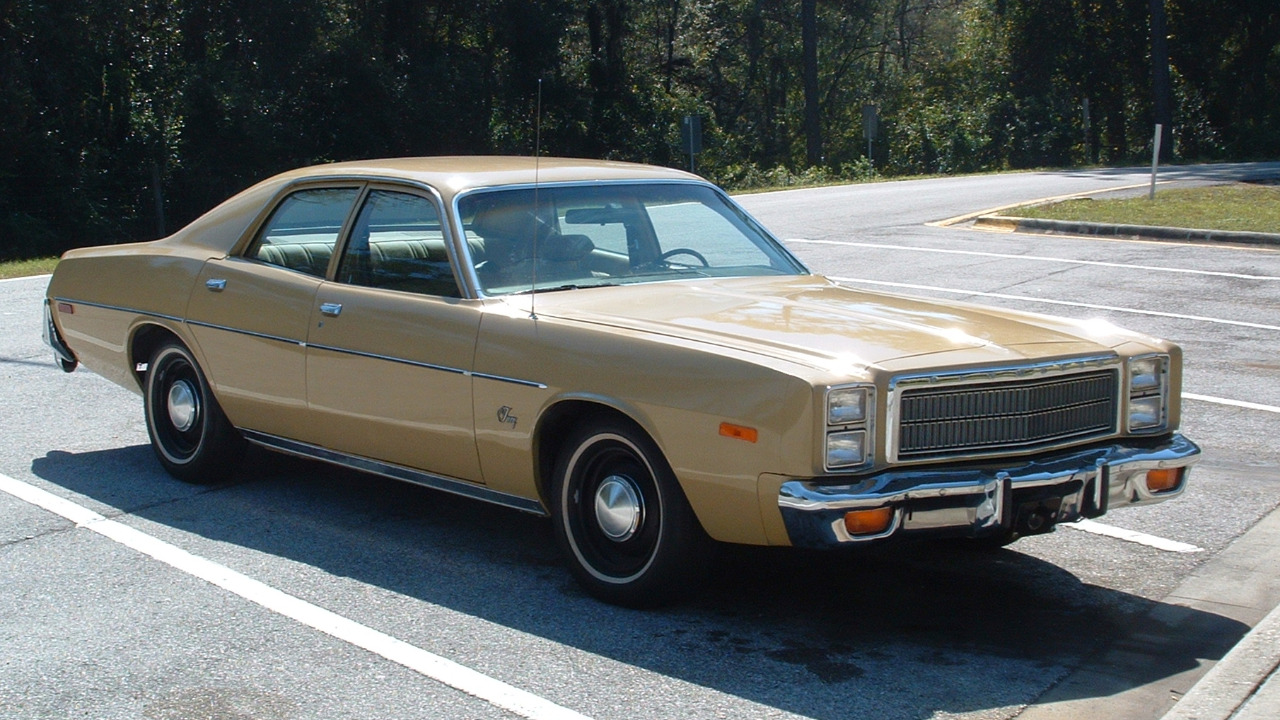
The Plymouth Fury, produced from 1975 to 1979, was a full-size car that epitomized the luxury and comfort sought after during the disco years. With its plush interior and spacious seating, the Fury was perfect for groups heading out to the latest disco clubs. This model offered a variety of engine options, allowing drivers to choose between fuel efficiency and power, depending on their needs. Its smooth ride and classic styling made it a popular choice for families and young adults alike.
Moreover, the Fury’s design embraced the bold aesthetics of the disco era, featuring vibrant color options and chrome accents that turned heads on the streets. The car became a staple of American culture, often seen in cinematic representations of the late ’70s. Its ability to blend practicality with style made it a favorite among those who wanted to enjoy the nightlife without sacrificing comfort. As a result, the Plymouth Fury remains an intriguing part of automotive history, illustrating the changing tastes and demands of the era.
Pontiac Firebird (1970-1979)
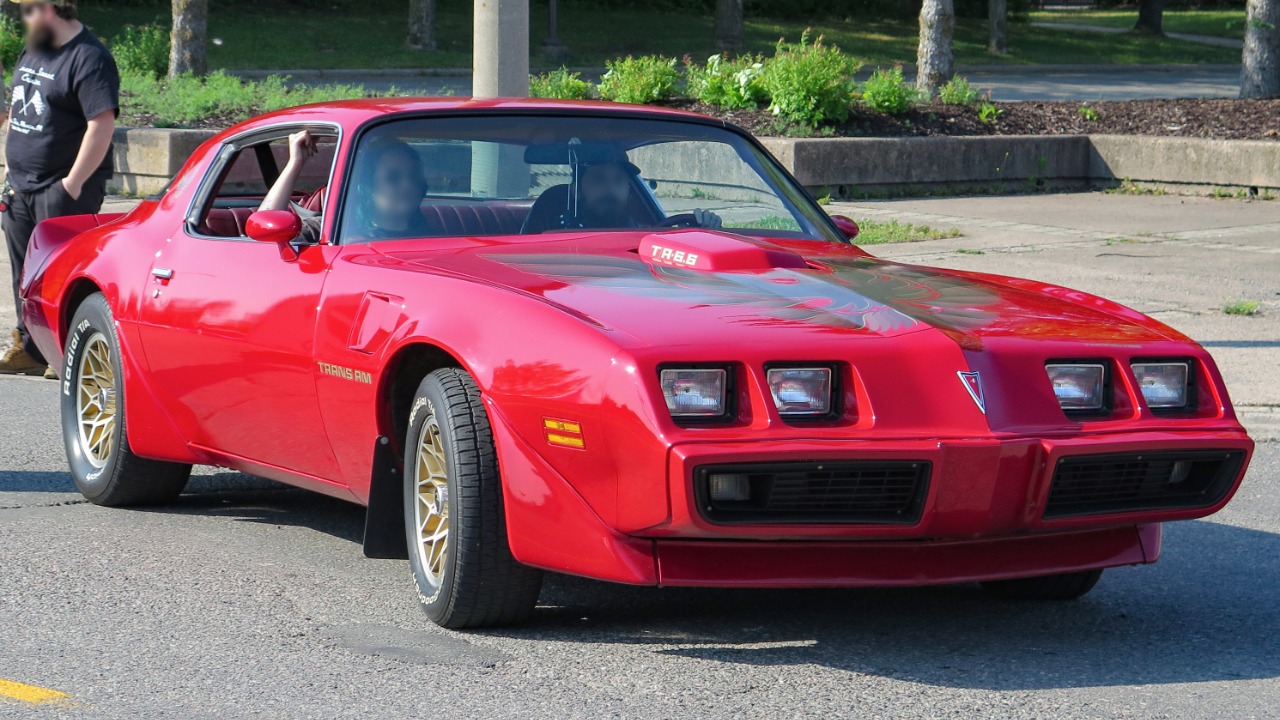
The Pontiac Firebird is a classic muscle car that gained popularity throughout the disco era, particularly in the late ’70s. Known for its distinctive design and performance capabilities, the Firebird was available in a variety of trims, including the iconic Trans Am. With its aggressive styling, featuring a long hood and short rear deck, the Firebird became a favorite for those wanting a sporty vehicle that matched the vibrant culture of disco. Engine options ranged from fuel-efficient six-cylinders to powerful V8s, appealing to a broad spectrum of drivers.
Throughout the decade, the Firebird was synonymous with rebellion and freedom, making it a popular choice among younger drivers looking to make a statement. Its appearances in films and television further solidified its status as a cultural icon. The car’s performance on the road, coupled with its striking looks, made it a staple at disco venues and cruising spots. The Pontiac Firebird continues to be celebrated by car enthusiasts for its role in shaping automotive history during a dynamic era.
Volkswagen Beetle (1975-1979)
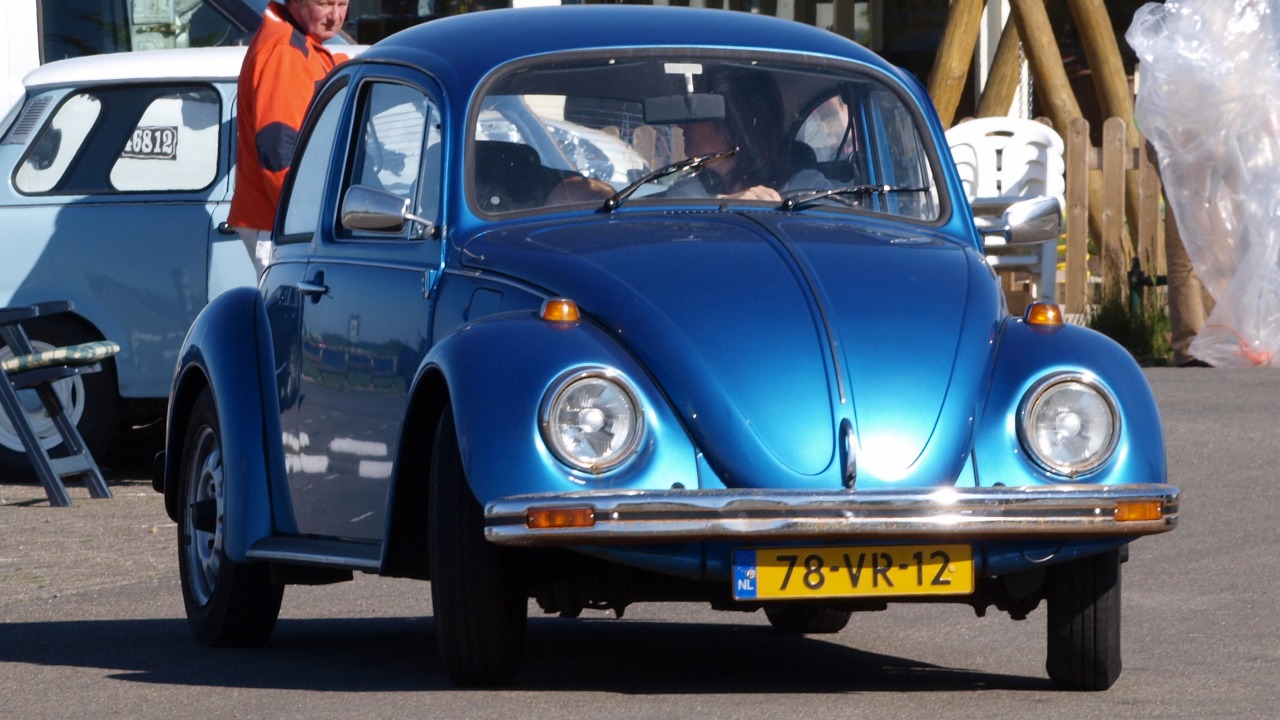
The Volkswagen Beetle, produced between 1975 and 1979, was more than just a car; it was a cultural phenomenon. With its distinctive shape and compact design, the Beetle became a symbol of the counterculture movement and an icon of the disco era. Its affordability and reliability made it popular among young people who wanted a vehicle that reflected their values of simplicity and freedom. The Beetle’s quirky personality and diverse color palette were perfect for the fun-loving spirit of the time.
During the late ’70s, the Beetle was often seen parked outside nightclubs, showcasing its status as a favorite among partygoers. Its small size made it ideal for navigating crowded urban environments, while its unique design ensured it stood out in a sea of muscle cars. The Volkswagen Beetle remains a cherished classic and a testament to the creativity and innovation of its era. For more on the cultural impact of the Beetle, check out this book.
Chrysler Cordoba (1975-1979)
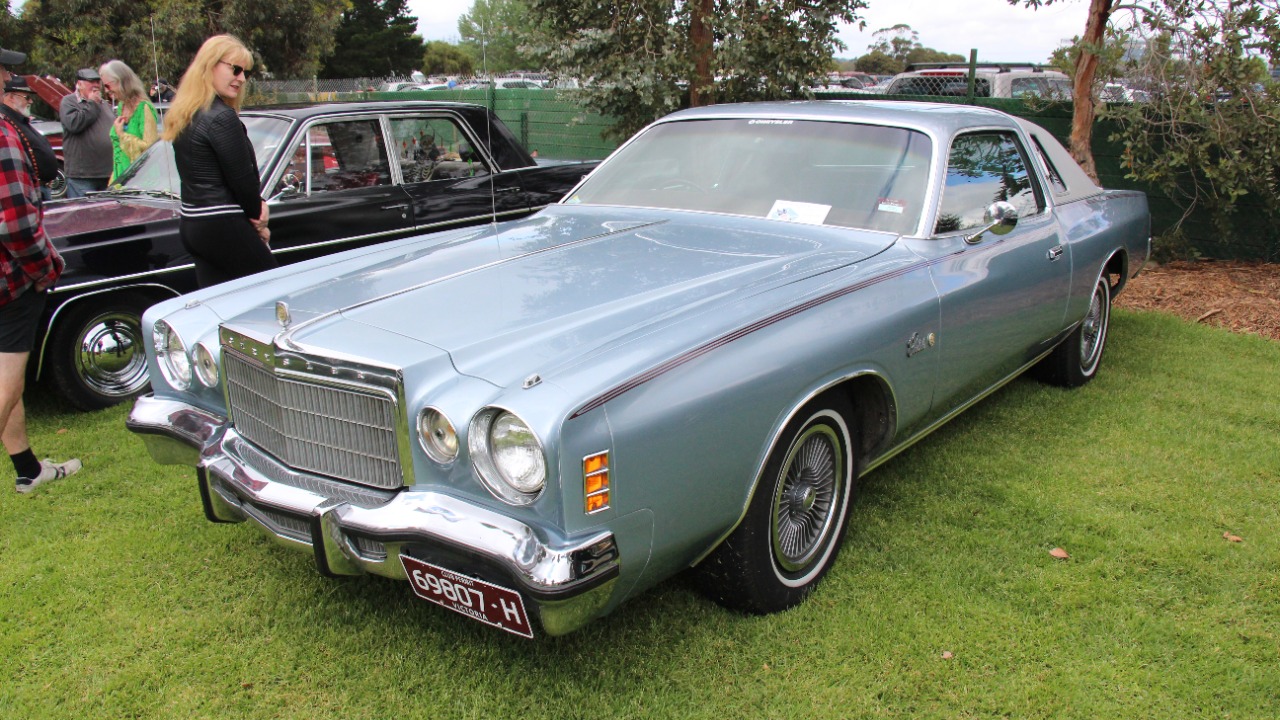
The Chrysler Cordoba, produced from 1975 to 1979, was a luxury coupe that perfectly captured the spirit of the disco era. With its elegant design, plush interior, and numerous features, the Cordoba appealed to those looking for comfort and sophistication in their vehicles. Its distinctive “fine leather” interior and cushioned seats provided a luxurious experience that made it a popular choice for glamorous nights out. The Cordoba’s powerful V8 engine options ensured it delivered a smooth and confident ride, whether cruising the boulevard or heading to a disco.
The Cordoba’s association with the disco lifestyle was further amplified by its marketing campaigns featuring the charismatic actor Ricardo Montalbán, who famously touted the car’s luxurious features. Its stylish exterior and spacious cabin made it a favored choice among those who wanted to make an impression at social gatherings. The Chrysler Cordoba remains a symbol of the opulent lifestyle that characterized the late 1970s, making it a notable entry in the automotive landscape of the disco era.
Buick Skylark (1975-1979)
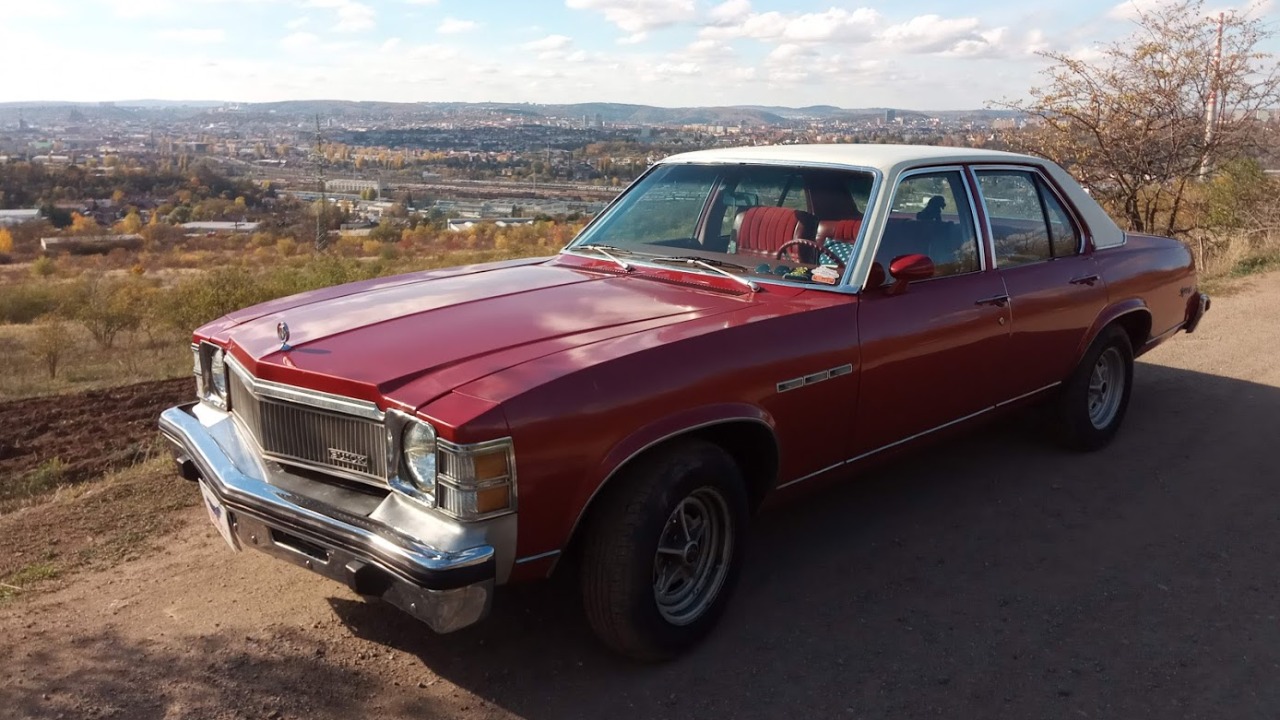
The Buick Skylark, produced from 1975 to 1979, was a midsize car that appealed to a wide range of consumers during the disco years. With its stylish design and comfortable interior, the Skylark was perfect for families and young adults looking for a practical yet stylish vehicle. It offered a range of engine options, allowing drivers to choose between efficiency and performance. The Skylark’s smooth ride and spacious cabin made it a popular choice for weekend getaways and nights out on the town.
During the late ’70s, the Skylark became synonymous with the American automotive landscape, often seen in driveways and parking lots at disco clubs. Its classic styling, combined with a variety of trim levels, made it easy for buyers to personalize their experience. The Skylark’s legacy endures today, as it remains a sought-after classic car that represents the era’s automotive trends and consumer preferences. Its role in shaping the automotive culture of the time cannot be overstated.
Cadillac Eldorado (1975-1979)
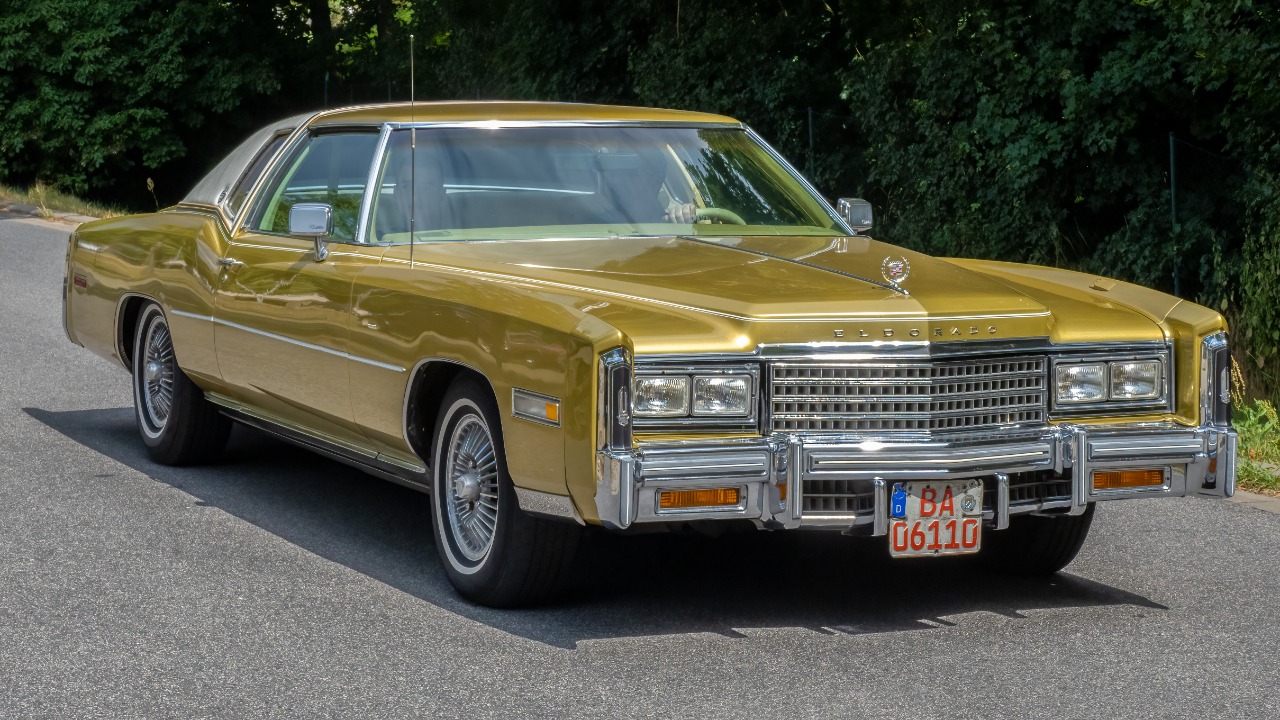
The Cadillac Eldorado, produced during the disco years, was the epitome of luxury and style. With its bold design and powerful V8 engine, the Eldorado was a favorite among those who wanted to make a statement. Its spacious interior was laden with high-end materials, offering an experience of opulence that was ideal for glamorous nights out. The Eldorado’s front-wheel-drive configuration was revolutionary for its time, providing a smooth and comfortable ride that matched its luxurious image.
Throughout the late ’70s, the Eldorado was often associated with the affluent lifestyle that disco culture championed. Its sleek silhouette and distinctive tail fins made it an eye-catching vehicle, perfect for showcasing one’s wealth and success. The Cadillac Eldorado remains a symbol of the era, representing the height of American automotive luxury during a transformative time in history. Car enthusiasts today continue to celebrate its design and performance, ensuring its place as a beloved classic.
Toyota Celica (1975-1979)

The Toyota Celica, introduced in the mid-1970s, quickly became a popular choice among younger drivers looking for an affordable sports coupe. With its agile handling and stylish design, the Celica offered a fun driving experience that resonated with the disco era’s emphasis on youth and vitality. Its lightweight construction and various engine options made it an appealing choice for those who wanted both performance and efficiency. The Celica’s compact size made it easy to maneuver through crowded city streets, perfect for late-night escapades.
During its production years, the Celica was celebrated for its sporty design and the ability to customize many aspects, allowing owners to express their individuality. Its popularity among young consumers made it a common sight at car meets and gatherings, further solidifying its connection to the vibrant culture of the disco era. The Toyota Celica remains an important part of automotive history, representing a shift towards sportier, more compact vehicles that appealed to a new generation of drivers.
Nissan Datsun 240Z (1970-1978)
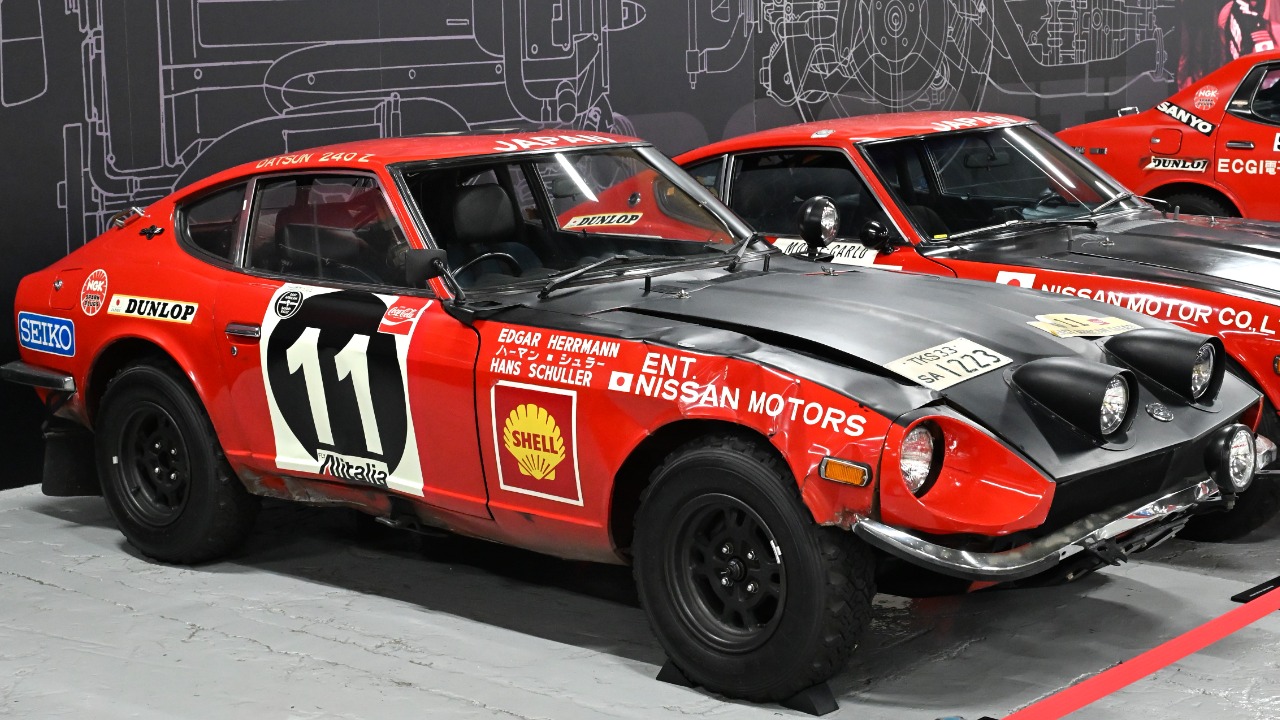
The Nissan Datsun 240Z is a sports car that made a significant impact during the disco era. Produced until 1978, this vehicle combined performance with affordability, making it a favorite among driving enthusiasts. Its sleek lines and lightweight body contributed to an exhilarating driving experience, while its powerful inline-six engine provided ample speed and acceleration. The Datsun 240Z was not only a car; it was a symbol of a new era in automotive design that appealed to young drivers looking for excitement and style.
Throughout the late ’70s, the 240Z became a popular choice for those who wanted to stand out at the disco and on the road. Its sporty design and engaging driving dynamics made it a common sight at car shows and racing events, embodying the spirit of competition and camaraderie that characterized the era. Today, the Nissan Datsun 240Z is celebrated as a classic sports car, representing a pivotal moment in automotive history and the cultural landscape of the time.
AMC Pacer (1975-1979)
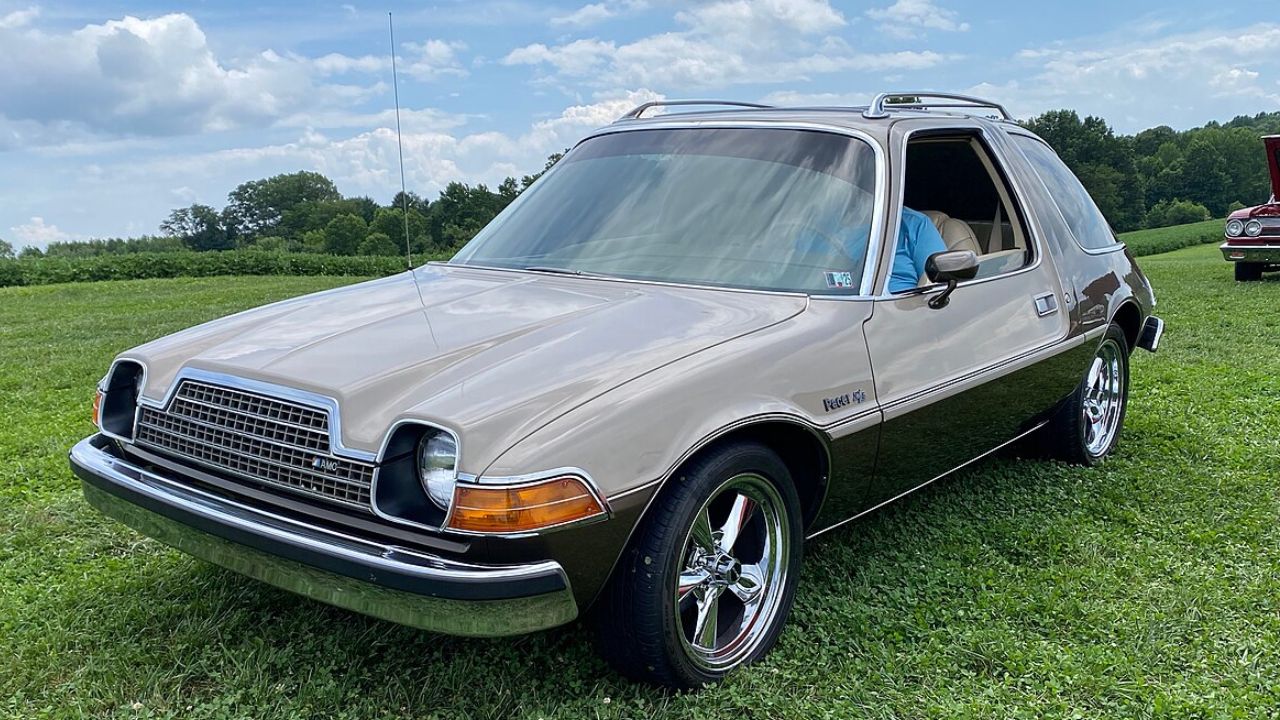
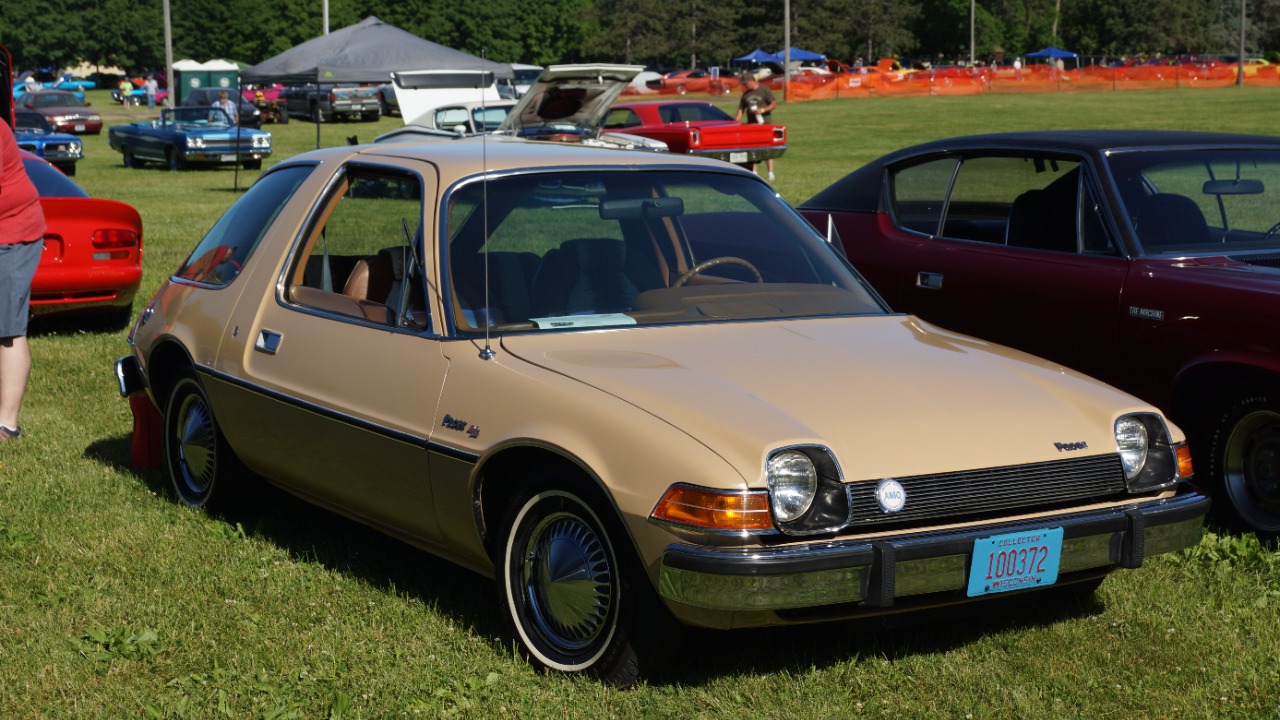
The AMC Pacer, produced from 1975 to 1979, was a car that broke the mold with its unique design and spacious interior. Known for its egg-shaped body and large windows, the Pacer stood out in a sea of traditional automotive designs. It was marketed as a family car but quickly gained popularity among young drivers seeking a vehicle that reflected their individuality and flair. The Pacer’s quirky aesthetics and versatile interior made it a practical choice for social outings, fitting perfectly into the disco culture of the time.
During its production run, the AMC Pacer became a cultural icon, often associated with the vibrant and eclectic spirit of the late ’70s. Its appearances in various films and TV shows further solidified its status as a beloved classic. While it may not have had the performance of some of its contemporaries, the Pacer’s distinct identity and playful design ensured it left a lasting impression. Today, the AMC Pacer is a nostalgic reminder of a unique time in automotive history, celebrated for its individuality and charm.
More from Fast Lane Only
- Unboxing the WWII Jeep in a Crate
- 15 rare Chevys collectors are quietly buying
- 10 underrated V8s still worth hunting down
- Police notice this before you even roll window down
*Research for this article included AI assistance, with all final content reviewed by human editors.