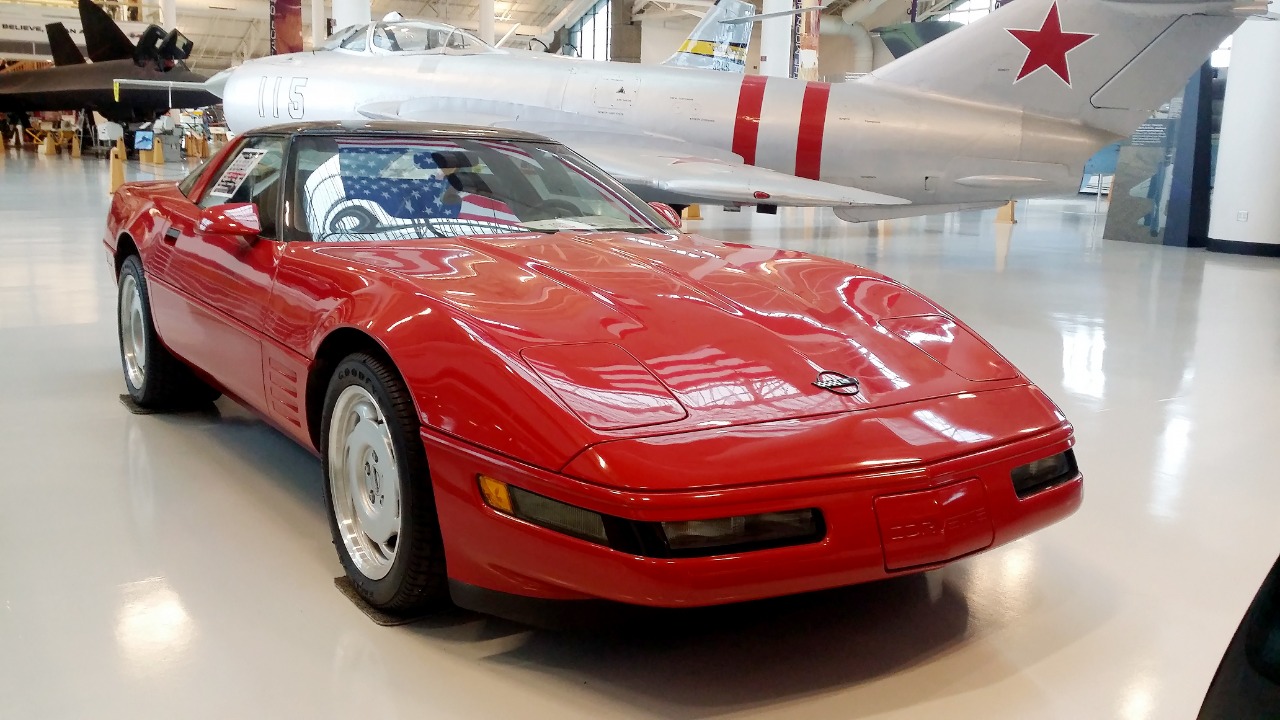
The 1990 Chevrolet Corvette ZR-1, often dubbed the “King of the Hill,” stands as a testament to innovative engineering and performance excellence. This unique model not only redefined Corvette’s legacy but also introduced groundbreaking technologies that set new standards in the automotive industry.
Background of the Corvette ZR-1
The Chevrolet Corvette has long been a symbol of American automotive prowess, with a storied lineage that traces back to its debut in 1953. Over the decades, the Corvette evolved through several generations, each aiming to push the boundaries of performance and design. By the late 1980s, the automotive landscape was increasingly competitive, with European sports cars like the Ferrari and Porsche gaining popularity among enthusiasts. In response, Chevrolet sought to create a new flagship model that would not only rival these imports but also reinforce the Corvette’s status as a performance icon.
The introduction of the ZR-1 in 1990 marked a pivotal moment for the Corvette brand. Developed under the guidance of key figures such as Chief Engineer Dave McLellan and designer John Cafaro, the ZR-1 was conceived as a high-performance variant of the C4 Corvette. This collaboration brought together a team of engineers and designers who were committed to redefining what a Corvette could be, resulting in a car that boasted impressive specifications and cutting-edge features.
Engine Innovations
At the heart of the ZR-1’s performance lies the revolutionary LT5 engine, a 5.7-liter V8 that was a significant departure from its predecessors. The LT5 was designed with a dual overhead cam configuration, a first for a Corvette engine, and featured an advanced multi-port fuel injection system that allowed for precise fuel delivery. With a staggering output of 375 horsepower and 370 lb-ft of torque, the LT5 set new benchmarks for power and efficiency, making it one of the most powerful engines in its class at the time.
The collaboration with Mercury Marine played a crucial role in the development of the LT5. Engineers from both companies worked together to refine the design, ensuring that the engine would not only deliver exceptional performance but also maintain reliability. This partnership resulted in a machine that combined innovative engineering with a rich heritage, ultimately enhancing the Corvette’s appeal to performance enthusiasts. Compared to earlier Corvette engines, such as the L98, the LT5 marked a leap forward in technology and engineering, showcasing an advanced understanding of performance dynamics.
Chassis and Suspension Design
The ZR-1’s chassis was designed to offer unparalleled handling and performance, which was essential for a car that aimed to compete with European sports cars. Constructed from a rigid fiberglass composite, the chassis provided a lightweight yet strong foundation that contributed to the car’s overall agility. This design allowed for superior weight distribution, enhancing the ZR-1’s cornering capabilities and providing a thrilling driving experience.
Complementing the innovative chassis was a sophisticated suspension system that utilized an independent setup on both the front and rear. This design allowed for improved ride quality and stability, particularly during high-speed maneuvers. The ZR-1’s suspension featured adjustable shocks, which provided drivers with the option to fine-tune their ride according to their preferences. The incorporation of lightweight materials, such as aluminum and magnesium, further enhanced the vehicle’s performance and efficiency, making it a standout in the sports car market.
Aerodynamic Enhancements
Aerodynamics played a critical role in the design of the ZR-1, as Chevrolet aimed to create a vehicle that could slice through the air with minimal drag. The car’s sleek silhouette showcased an array of aerodynamic features, including a distinctive front fascia that housed large air intakes. These intakes not only added to the car’s aggressive appearance but also improved engine cooling and airflow, critical elements for maintaining performance during extended driving sessions.
In addition to the front fascia, the ZR-1 was equipped with a rear spoiler designed to generate downforce at high speeds. This feature significantly improved the car’s stability, allowing drivers to maintain control during sharp turns and high-speed acceleration. Extensive testing and development processes were conducted to optimize the ZR-1’s aerodynamic performance, ensuring that it could meet the demands of both track enthusiasts and everyday drivers alike.
Technology and Features
The 1990 ZR-1 was not just a performance powerhouse; it also introduced advanced technology that was ahead of its time. One of the standout features was the digital instrumentation, which provided drivers with real-time information about their vehicle’s performance. The dashboard displayed crucial metrics such as speed, engine RPM, and fuel levels, all presented in a clear and modern format, reflecting the technological advancements of the era.
Additionally, the ZR-1 featured an active handling system that enhanced driving dynamics and safety. This system monitored the vehicle’s stability and adjusted the suspension in real time to prevent skidding and maintain control. The integration of luxury features, such as leather upholstery, premium audio systems, and climate control, also appealed to buyers looking for a blend of performance and comfort. This combination of technology and luxury helped to elevate the ZR-1’s status as a desirable sports car, attracting a diverse range of enthusiasts.
Performance Metrics
When it comes to performance benchmarks, the ZR-1 did not disappoint. With a 0-60 mph acceleration time of approximately 4.5 seconds and a top speed exceeding 180 mph, it established itself as one of the fastest production cars of its time. These impressive numbers put the ZR-1 in direct competition with renowned sports cars such as the Porsche 911 Turbo and the Ferrari 348, showcasing the effectiveness of its engineering and design.
Real-world driving experiences from owners and automotive journalists further cemented the ZR-1’s reputation. Many noted its exhilarating acceleration and responsive handling, allowing for a thrilling driving experience both on the track and on the road. The ZR-1’s ability to maintain composure at high speeds and its agile cornering capabilities contributed to a driving experience that was both exhilarating and confidence-inspiring.
Market Reception and Legacy
Upon its launch, the ZR-1 received a warm reception from both the automotive press and the public. Its innovative features and impressive performance metrics helped to solidify the Corvette’s position in the high-performance sports car market. The ZR-1 not only attracted attention for its capabilities but also for its unique styling, drawing praise for its aggressive yet sleek design.
Long-term, the impact of the ZR-1 on the Corvette lineup has been significant. It influenced subsequent models, showcasing a commitment to performance and innovation that continues to define the brand. As a result, the ZR-1 has gained a collectors’ status, celebrated for its unique engineering and its role in shaping the future of the Corvette. Enthusiasts continue to admire the ZR-1 for its blend of cutting-edge technology and classic American muscle, ensuring its place in automotive history.
Challenges and Controversies
Despite its many successes, the development of the ZR-1 was not without challenges. Engineers faced significant hurdles in integrating the advanced LT5 engine into the existing Corvette platform, which required extensive testing and modifications. Additionally, production challenges arose, particularly concerning the sourcing of components and the assembly of the sophisticated engine. These issues occasionally led to delays in availability, frustrating potential buyers eager to get behind the wheel of the new performance icon.
Controversies also surrounded the ZR-1’s pricing and performance claims. Some critics questioned whether the premium price tag justified the performance advantages over other sports cars in its class. However, as the years have passed, the ZR-1 has proven its worth, and its status as a performance icon has only grown. The challenges faced during its development ultimately contributed to the ZR-1’s lore and appeal, making it a subject of fascination among car enthusiasts.
More from Fast Lane Only