Woodie wagons were built during an era when vehicles were expected to handle demanding everyday use for years. Their wooden bodies required maintenance, but many were paired with rugged chassis and dependable mechanical components that could survive decades of service. These ten woodies stand out as examples of vehicles that refused to disappear, even after years of hard use.
Ford Model T Depot Wagon

The Ford Model T Depot Wagon helped establish the wood-bodied wagon as a practical form of transportation in early America. Built on the famously simple Model T chassis, it was used by families, businesses, farms, and transportation services. Many faced years of demanding work before being retired. Surviving examples demonstrate how basic mechanical engineering could keep a vehicle useful long after newer designs had replaced it.
Ford Model A Station Wagon

The Ford Model A Station Wagon combined Ford’s updated mechanical design with traditional wooden body construction. Its sturdy chassis made it useful for families, hotels, farms, and businesses that needed dependable transportation. Many were subjected to years of daily use, leaving relatively few intact survivors. Those that remain show why the Model A became such an enduring platform for restoration and traditional hot-rodding.
Chevrolet Suburban Carryall

The Chevrolet Suburban Carryall was created as a practical people-and-cargo hauler rather than a luxury vehicle. Its body-on-frame construction and straightforward mechanical layout made it well suited to work, while early versions were often used in demanding commercial environments. Many survived decades of service before being retired. The surviving examples demonstrate the durability that helped establish the Suburban name as one of America’s longest-running vehicle designs.
Willys Station Wagon

The Willys Station Wagon brought four-wheel-drive capability and rugged engineering into the family-wagon market. Its steel body reduced some of the maintenance concerns associated with traditional wooden wagons while its truck-based mechanicals handled demanding conditions. Farmers, businesses, and rural families relied on them for years. Surviving examples remain popular because their simple construction and practical design made them unusually resilient.
Ford Super Deluxe Station Wagon

The Ford Super Deluxe Station Wagon combined traditional wood-bodied styling with the increasingly refined mechanical engineering of postwar Ford automobiles. Its large interior and substantial chassis made it useful for families and long-distance transportation. Many accumulated considerable mileage before being retired. Well-preserved examples remain appealing because they capture the final era when genuine wood construction was still a major part of American station-wagon design.
Mercury Eight Station Wagon

The Mercury Eight Station Wagon offered a larger and more upscale interpretation of Ford’s traditional woodie formula. Its sturdy chassis and V8 power made it capable of handling both family transportation and long-distance driving. Many examples eventually disappeared because of wood deterioration and changing automotive tastes. Those that survived demonstrate how durable the underlying mechanical components could be even when the wooden body required significant attention.
Pontiac Streamliner Station Wagon
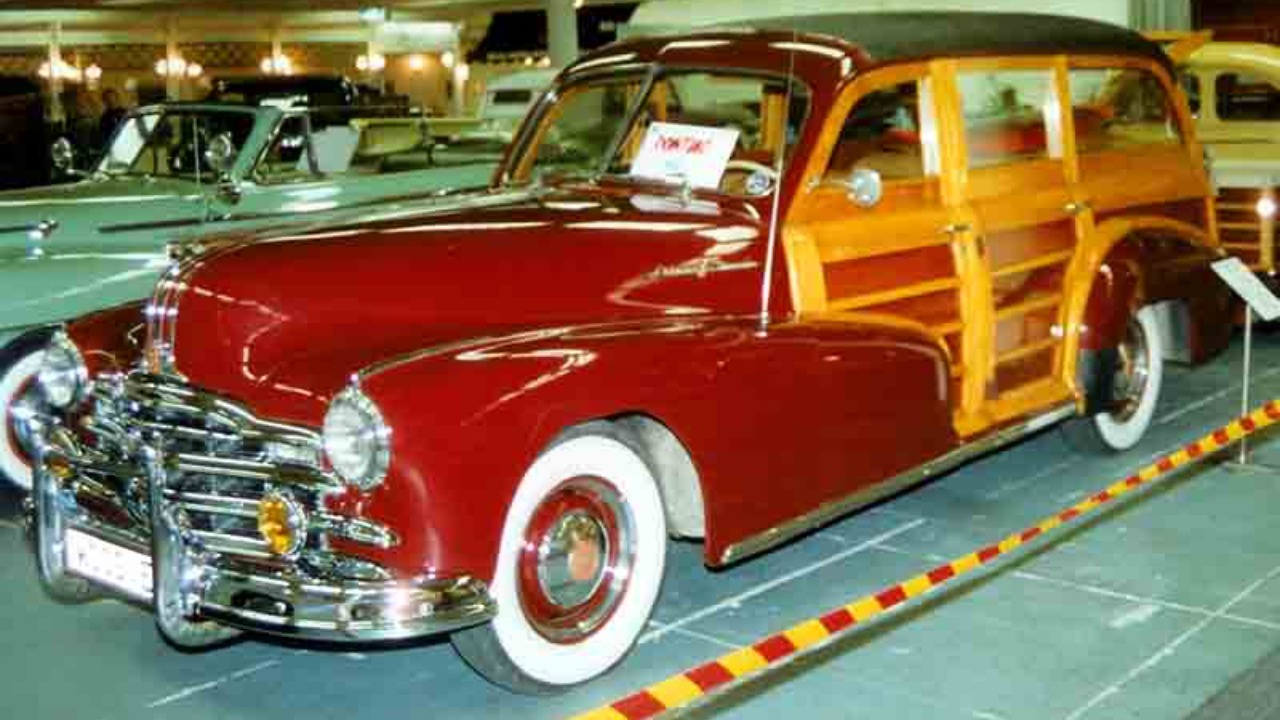
The Pontiac Streamliner Station Wagon combined full-size American proportions with extensive wood construction. It was designed as a practical family vehicle but could also handle the demanding road conditions common during its era. Time was particularly hard on its wooden components, yet surviving examples show that the mechanical foundations could remain serviceable for decades. Today, restored Streamliners offer a rare look at Pontiac’s early wagon heritage.
Buick Super Estate Wagon

The Buick Super Estate Wagon paired Buick’s substantial chassis with a traditional wood-bodied wagon design. Its large engine and robust construction provided the strength needed for carrying passengers and cargo over long distances. Although maintaining the wood required considerable effort, many mechanical components proved remarkably durable. Surviving examples demonstrate why these big American wagons could remain useful long after their original owners had moved on to newer vehicles.
Chrysler Town and Country

The Chrysler Town and Country became one of the most prestigious names in the American woodie era. Its combination of Chrysler engineering and extensive genuine wood bodywork created a distinctive vehicle that could serve as both family transportation and a luxury statement. While the wood demanded careful maintenance, well-preserved examples have survived for generations. Their continued presence at major collector events shows how enduring the Town and Country’s design has become.
Packard Station Wagon
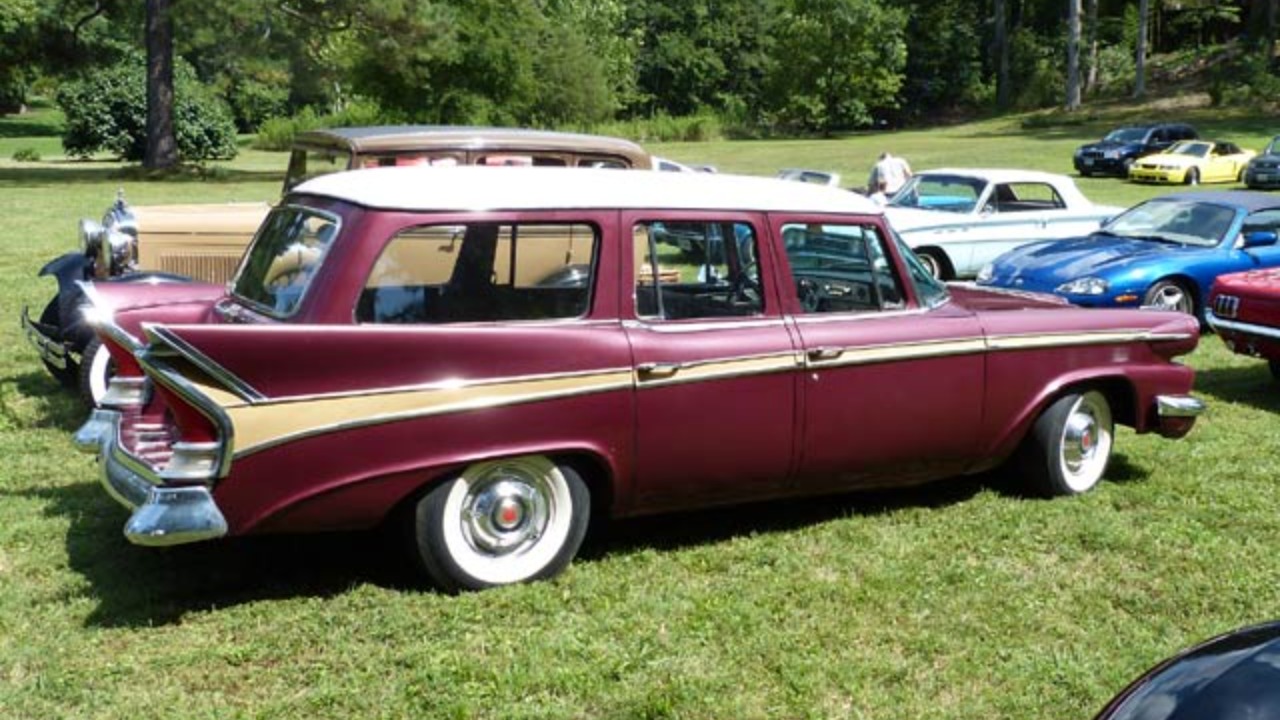
The Packard Station Wagon was an uncommon luxury-oriented woodie that combined substantial mechanical engineering with traditional handcrafted body construction. Its limited production meant that relatively few were built, while the complexity of maintaining the wooden body made long-term survival difficult. Yet surviving examples can still appear remarkably solid after decades of preservation and restoration. They remain impressive reminders of how durable American automotive engineering could be when built without excessive complexity.
More from Fast Lane Only
- Unboxing the WWII Jeep in a Crate
- 15 rare Chevys collectors are quietly buying
- 10 underrated V8s still worth hunting down
- Police notice this before you even roll window down
*Research for this article included AI assistance, with all final content reviewed by human editors.