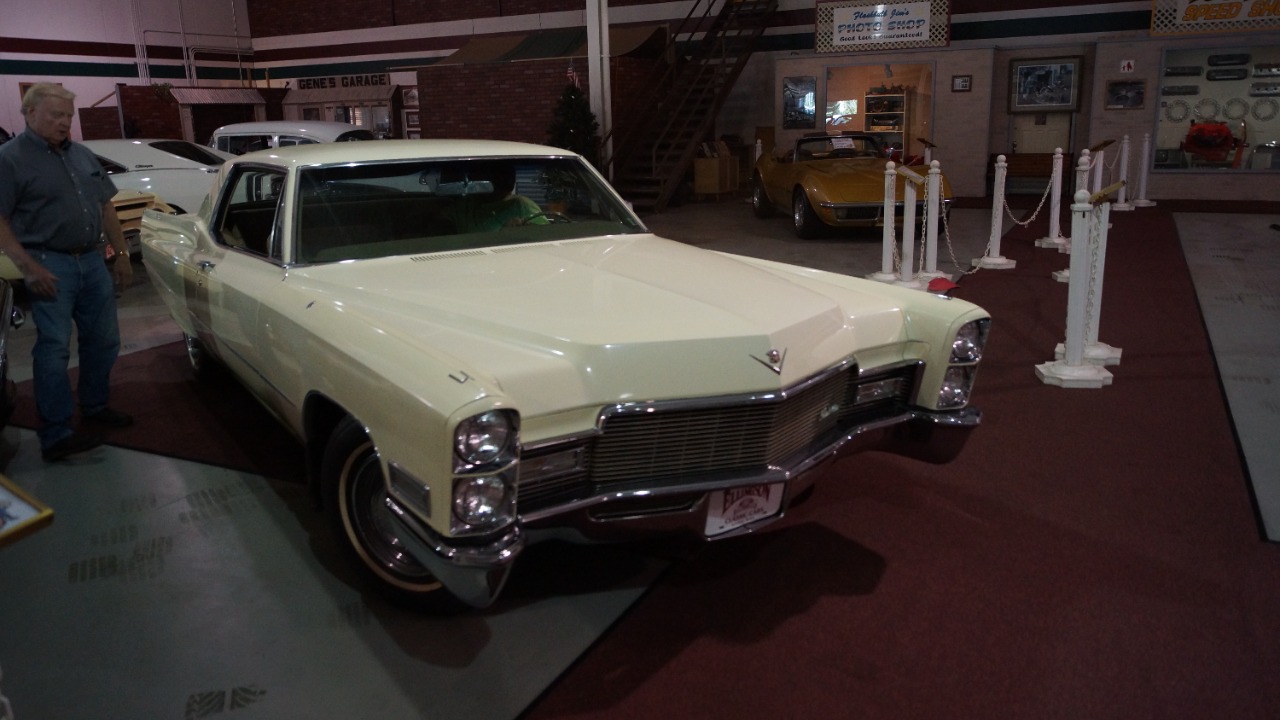
American automakers once built enormous cars that treated size as a virtue. Some stretched nearly from bumper to bumper while offering plush interiors, powerful engines, and an unmistakable road presence. While famous land yachts remain familiar at classic-car shows, these lesser-known models have become surprisingly difficult to encounter in person.
Chrysler Imperial

The Chrysler Imperial represented the company’s most luxurious interpretation of the full-size American automobile. Large engines, generous dimensions, and elaborate styling gave it the presence expected from a true land yacht. Despite its prestigious position, many examples disappeared as changing tastes pushed buyers toward smaller vehicles. Surviving Imperials can now attract attention simply because their enormous proportions are difficult to reproduce in the modern automotive world.
Mercury Park Lane
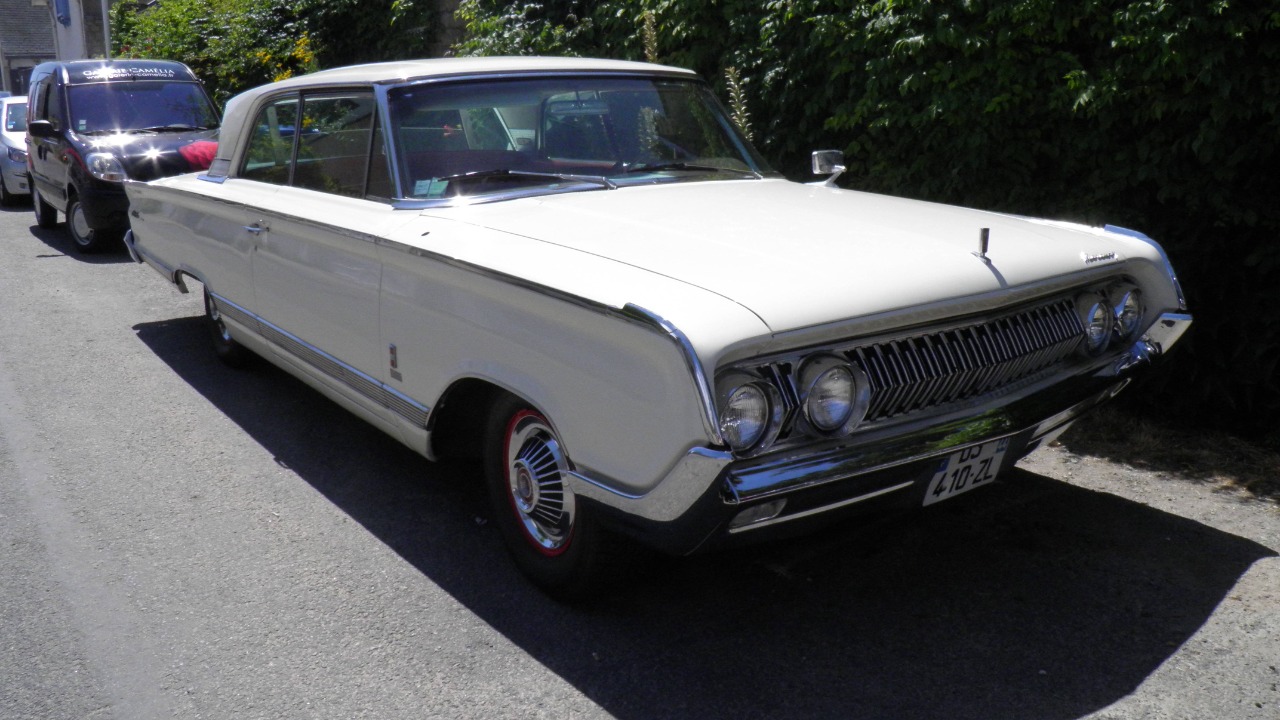
The Mercury Park Lane occupied the upper end of Mercury’s lineup and delivered the long, imposing proportions associated with American luxury cars. Its spacious cabin, substantial body, and powerful V8 options made it a genuine highway cruiser. The model never became as recognizable as the larger Cadillac and Lincoln names, however. That relative obscurity has made surviving Park Lanes increasingly interesting to collectors searching for less predictable examples of classic American luxury.
Pontiac Bonneville
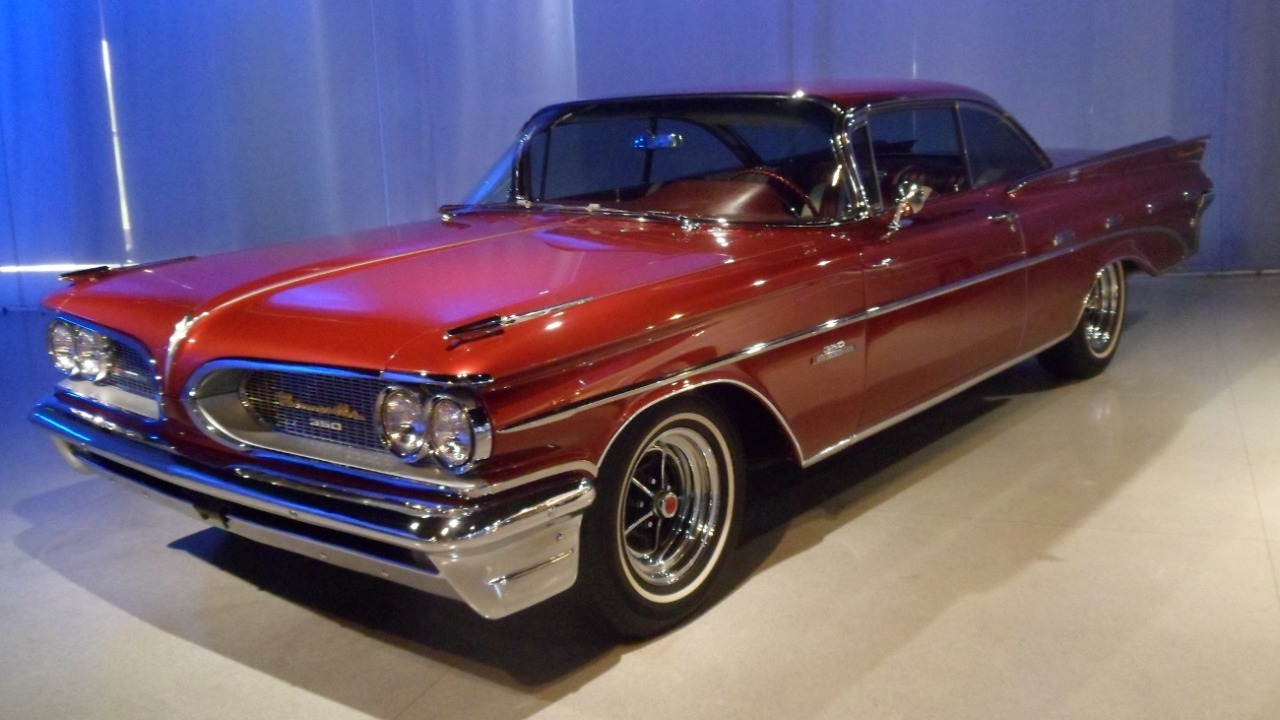
The Pontiac Bonneville became one of the brand’s flagship full-size models, combining dramatic styling with substantial dimensions and powerful engines. Certain generations grew into enormous highway cruisers equipped with spacious interiors and elaborate trim. Although the Bonneville was once a familiar sight on American roads, surviving examples are becoming much harder to encounter. Well-preserved cars now offer a vivid reminder of Pontiac’s peak full-size luxury era.
Oldsmobile Ninety-Eight
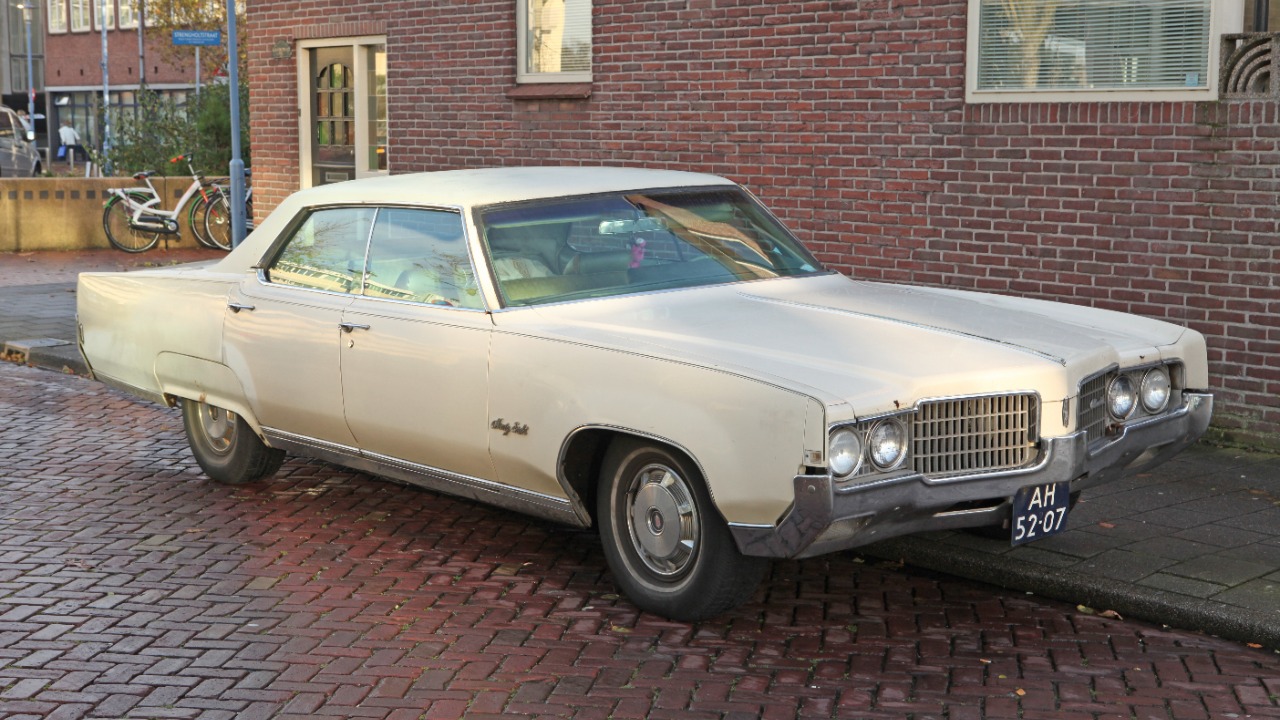
The Oldsmobile Ninety-Eight was a major full-size luxury model that often lived in the shadow of Cadillac and Buick. Its long body, smooth ride, and powerful V8 engines made it an excellent long-distance cruiser. Many were simply used as comfortable family transportation before eventually being discarded. Today, clean examples are considerably less common, especially when equipped with desirable factory options and preserved in original condition.
Mercury Marquis
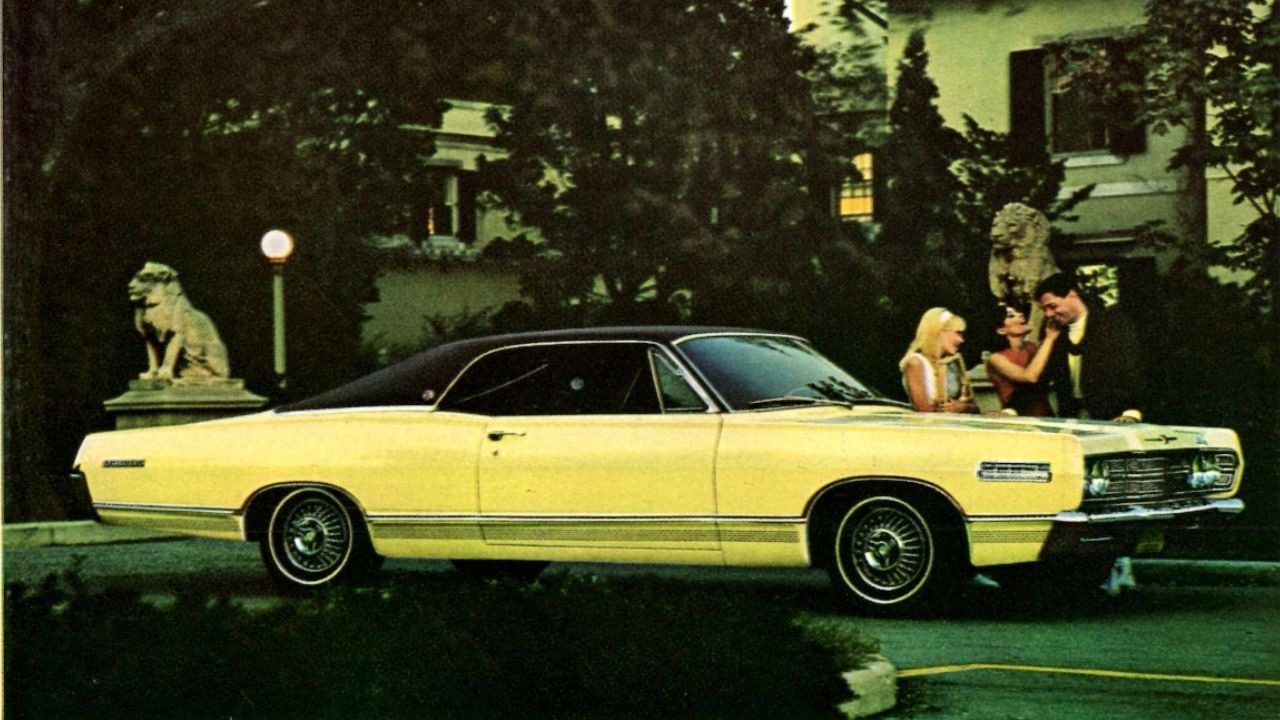
The Mercury Marquis delivered the kind of enormous dimensions and soft-riding character that defined the classic land-yacht era. Its large cabin and substantial exterior gave passengers an unmistakably spacious experience. Although the name survived for decades, older examples have become increasingly uncommon as large sedans disappeared from everyday roads. A well-preserved Marquis now provides a surprisingly authentic look at the era when bigger was considered better.
Chrysler Newport
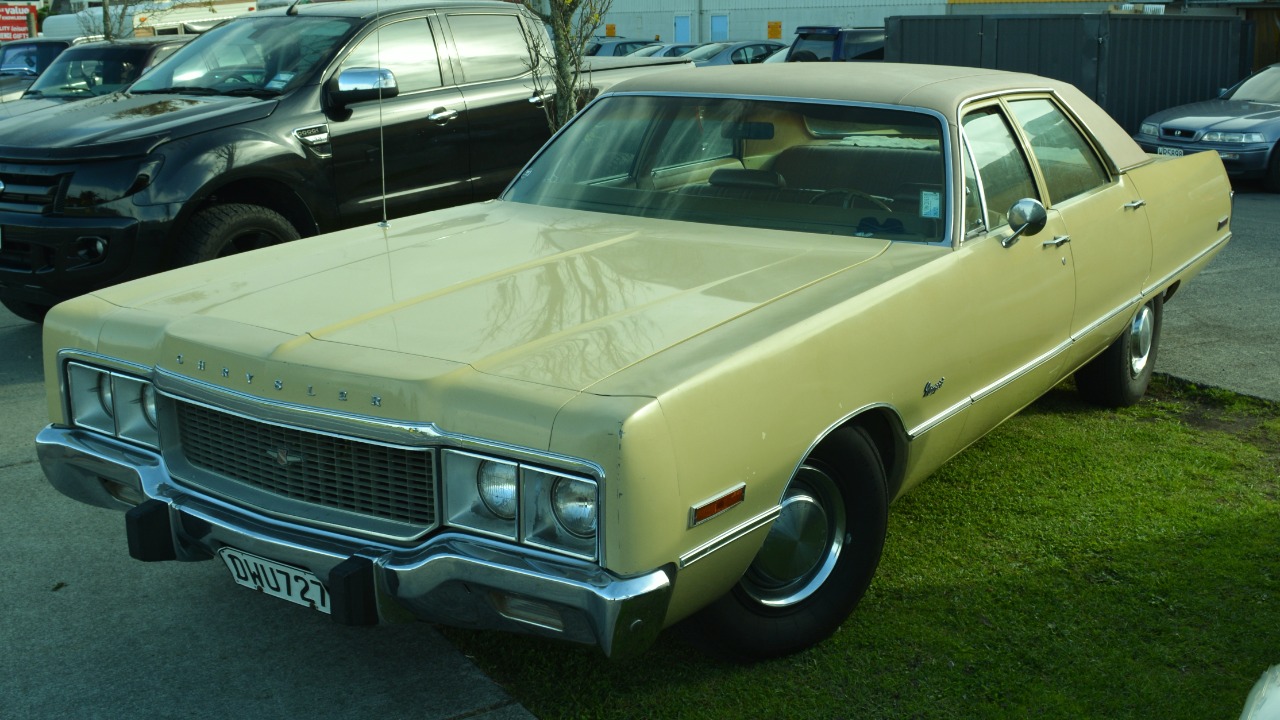
The Chrysler Newport was positioned below Chrysler’s most prestigious models, but many versions still possessed the enormous dimensions associated with traditional American land yachts. Its broad body, generous interior, and available V8 power made it a comfortable choice for long highway journeys. Because it was sold as a mainstream family car, many examples were driven until they wore out. That ordinary working life helped make surviving cars surprisingly rare today.
Buick Electra
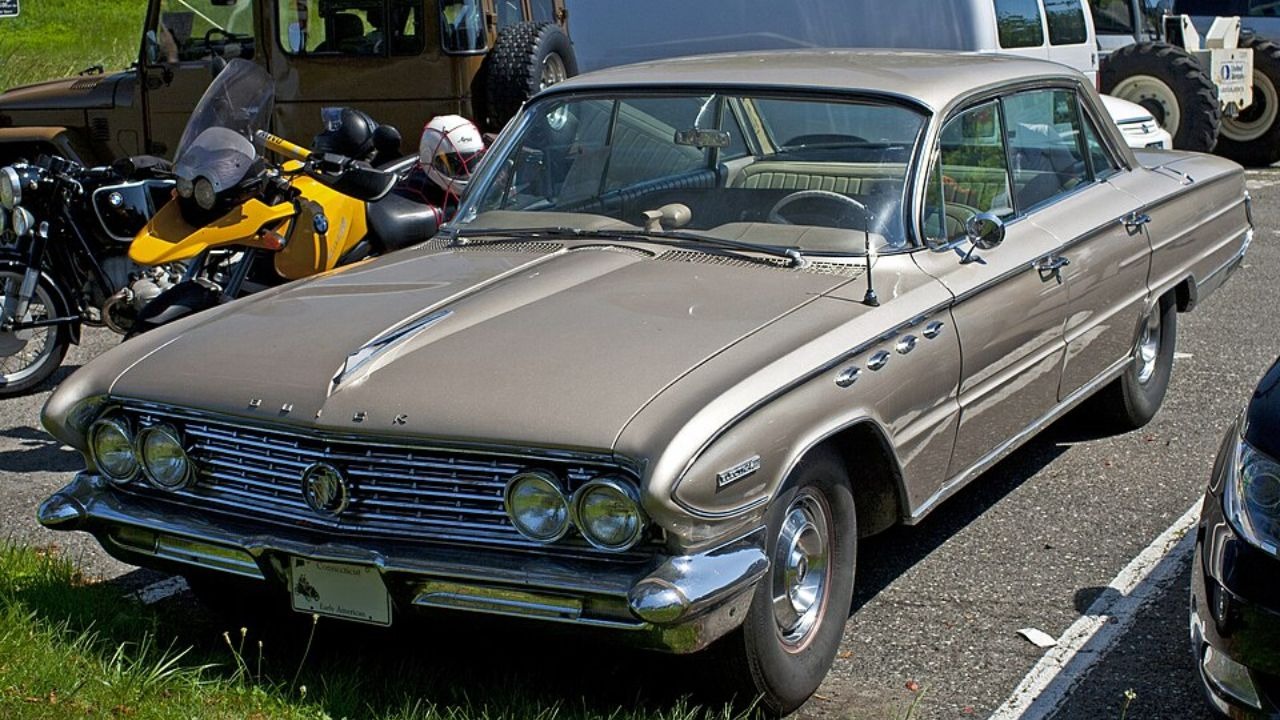
The Buick Electra was one of the brand’s most imposing full-size automobiles, offering substantial dimensions and a plush driving experience. Its smooth suspension and powerful engines made it particularly well suited to relaxed highway cruising. Thousands were produced across multiple generations, yet relatively few survived in excellent condition. Today, an original Electra can stand out at a show simply because its sheer size is almost impossible to miss.
Lincoln Continental Mark III
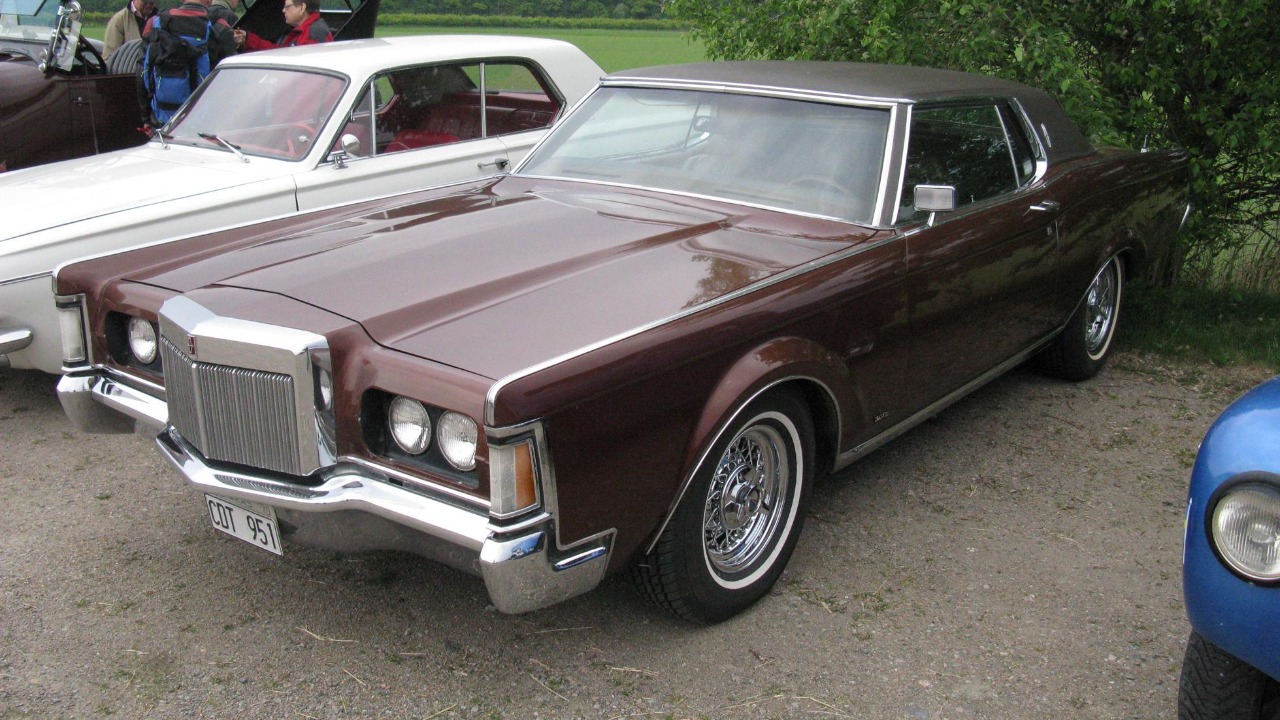
The Lincoln Continental Mark III brought personal-luxury styling together with the massive presence of a full-size American automobile. Its long hood, formal roofline, and expansive body made it unmistakably different from smaller performance-oriented cars of the period. Despite its popularity when new, many examples eventually succumbed to neglect and rust. Preserved examples now capture the extravagant scale and comfort that defined American luxury motoring in the late 1960s.
Cadillac Calais
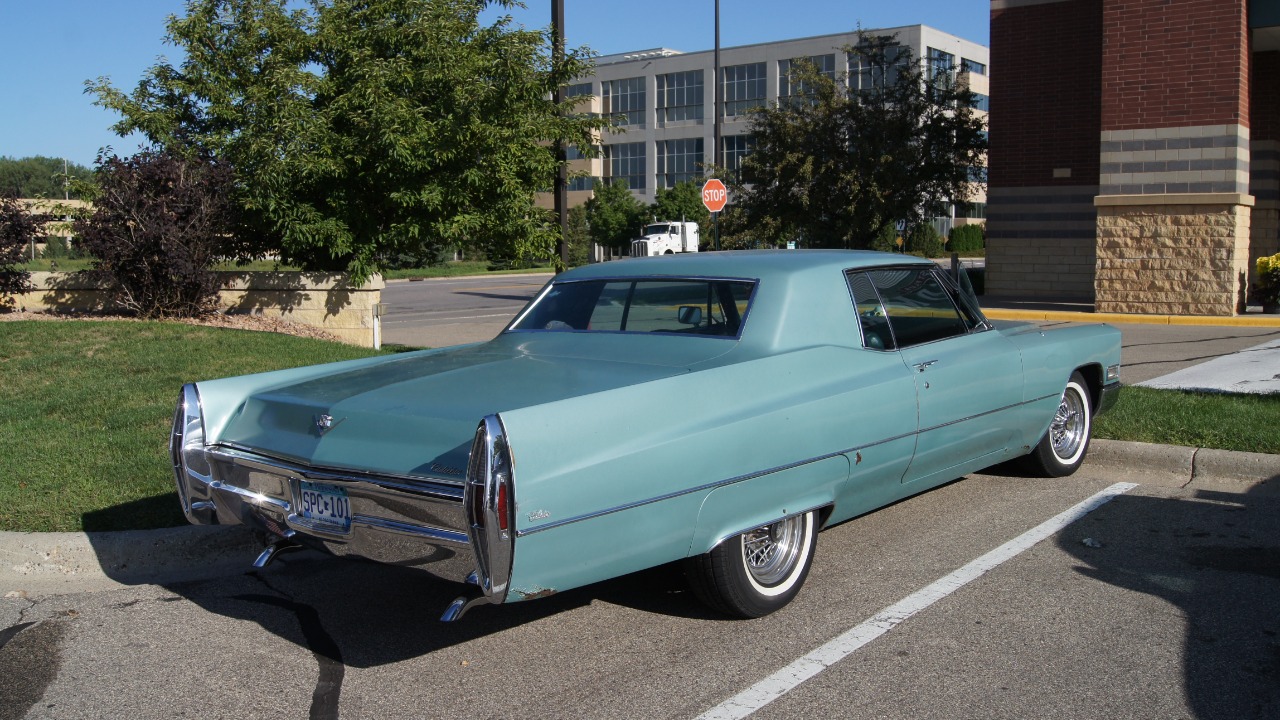
The Cadillac Calais offered Cadillac’s imposing size and formal styling at a lower price than the more heavily equipped DeVille and Fleetwood models. It remained a substantial automobile, with generous passenger space and the smooth ride expected from a full-size Cadillac. Because many were used as everyday transportation, surviving examples often faced decades of wear. A clean Calais today can therefore be much harder to find than its original production numbers suggest.
More from Fast Lane Only
- Unboxing the WWII Jeep in a Crate
- 15 rare Chevys collectors are quietly buying
- 10 underrated V8s still worth hunting down
- Police notice this before you even roll window down
*Research for this article included AI assistance, with all final content reviewed by human editors.