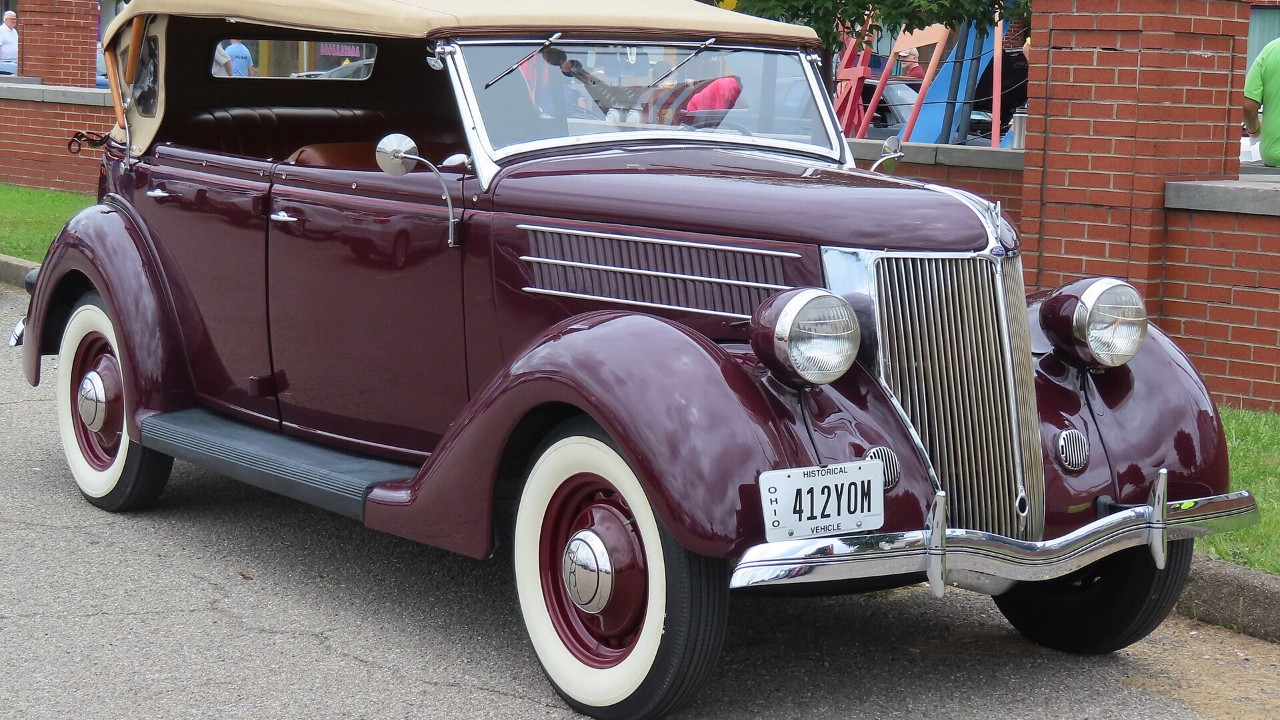
The 1960s produced countless famous muscle cars and sports cars, but many fascinating models never reached the same level of recognition. Some were overshadowed by better-known competitors, while others were produced in limited numbers or targeted at smaller markets. These 11 cars reward enthusiasts who know what to look for.
AMC Marlin
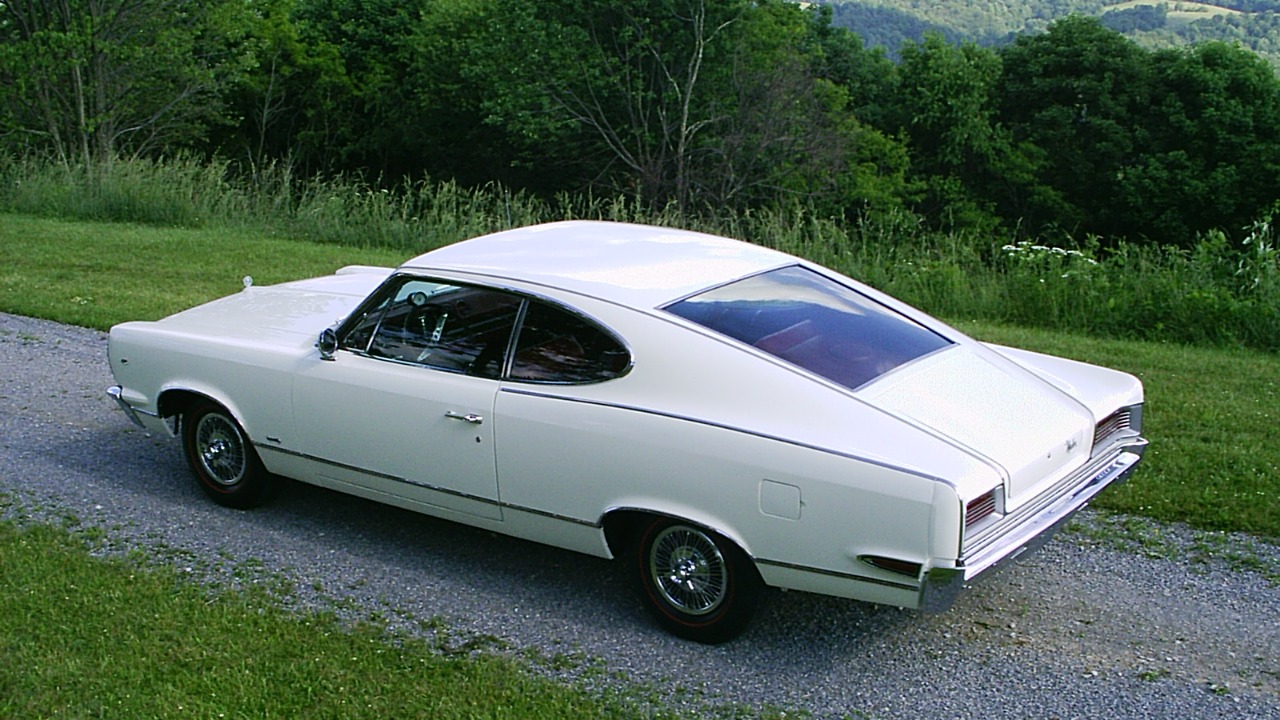
The AMC Marlin stood apart from the usual American performance cars with its distinctive fastback roofline and unusual proportions. Based on the Rambler Classic, it offered available V8 power and a more personal appearance. It never achieved the popularity of the Mustang or Charger, but its uncommon styling makes it immediately interesting to knowledgeable collectors.
Buick Riviera
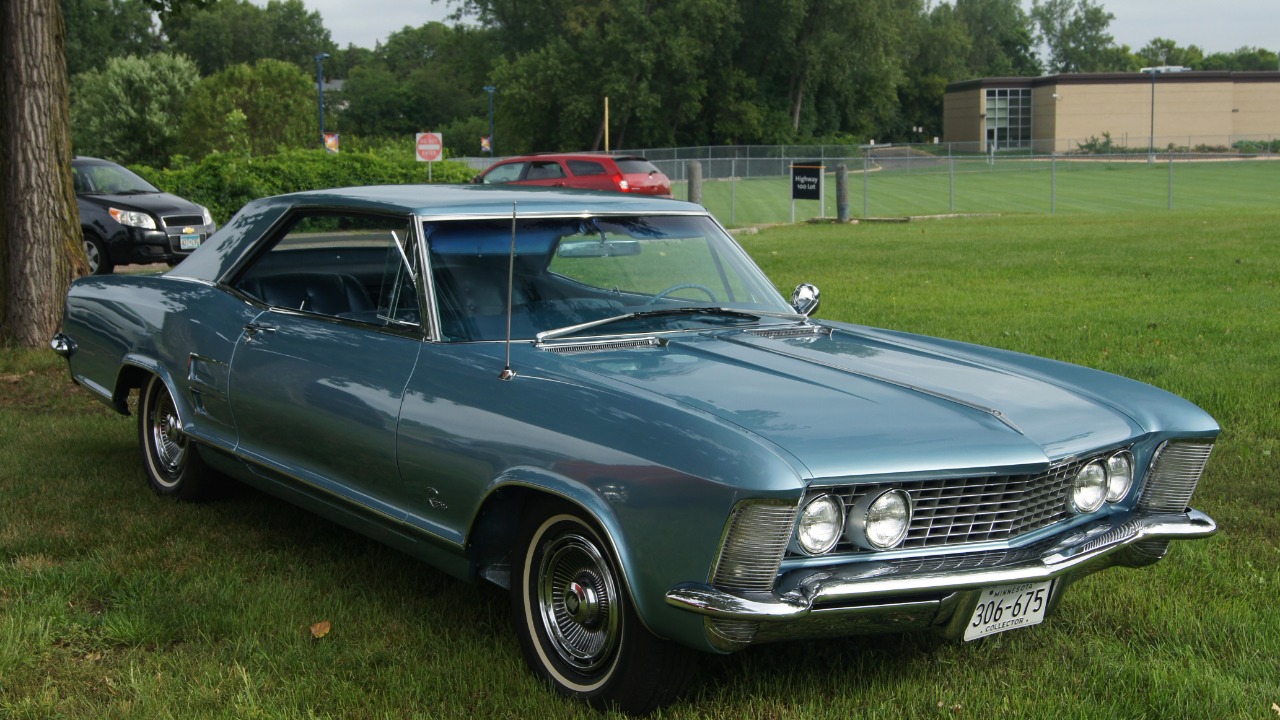
The first-generation Buick Riviera combined elegant styling with substantial V8 performance. Its frameless doors, clean bodywork, and restrained chrome gave it a sophisticated appearance. Unlike many American cars of the period, the Riviera avoided excessive decoration. Enthusiasts recognize the early Riviera as one of the decade’s most successful examples of American personal-luxury design.
Oldsmobile Toronado
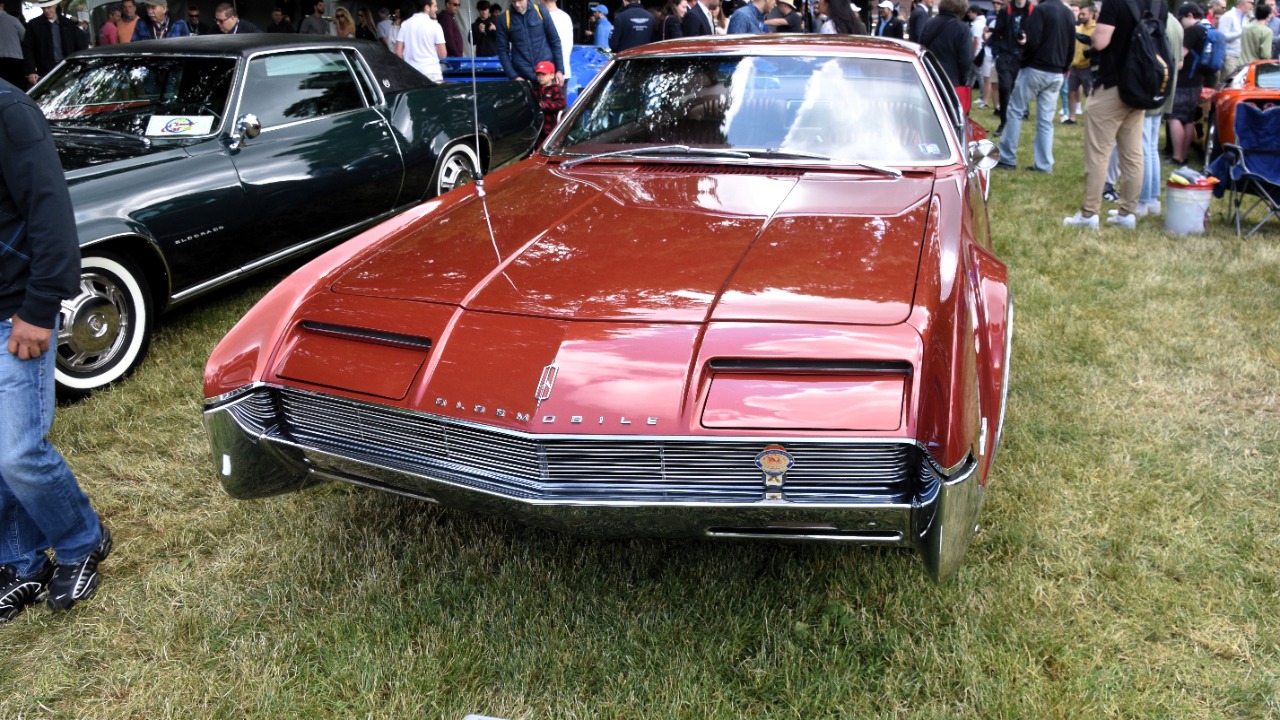
The Oldsmobile Toronado became one of the most important American front-wheel-drive cars of the 1960s. Its powerful V8 and unusual drivetrain layout were packaged beneath dramatic styling. The Toronado demonstrated that a large American coupe did not necessarily need rear-wheel drive. Its engineering significance makes it particularly interesting to knowledgeable enthusiasts.
Mercury Cyclone
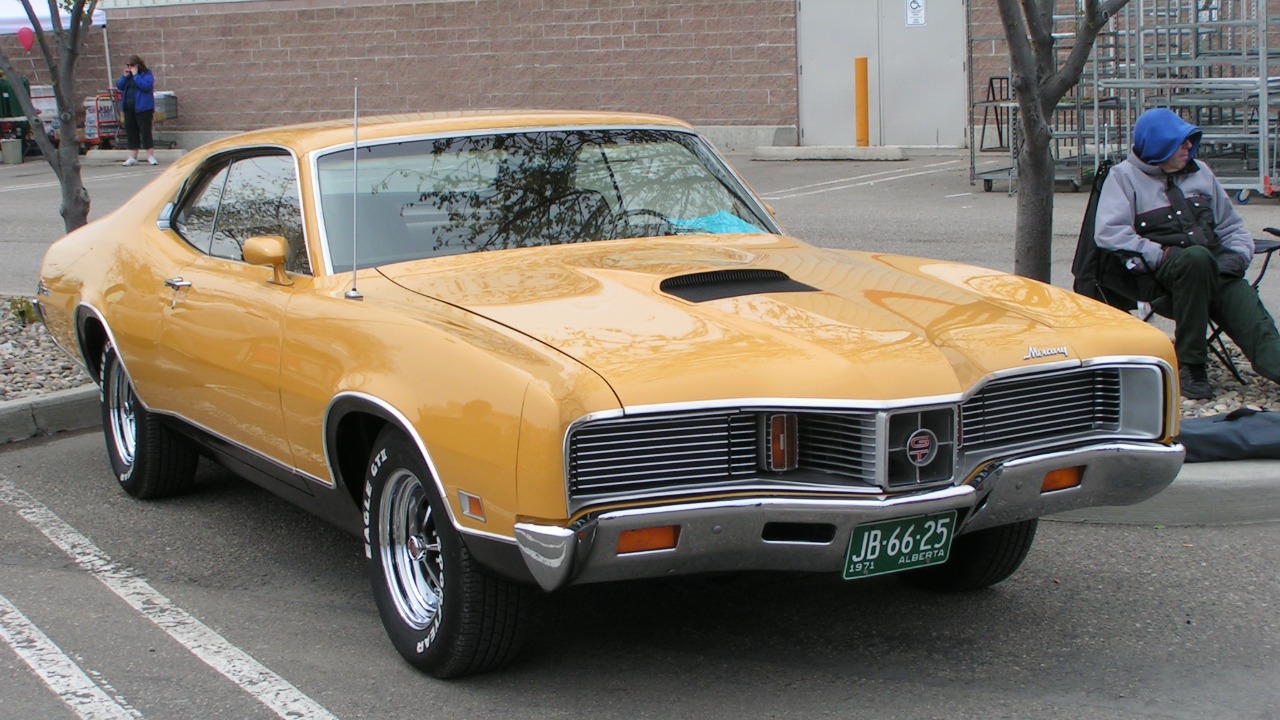
The Mercury Cyclone offered sporty styling and available V8 power in a package that remained less common than Ford’s better-known performance cars. Later versions became increasingly capable, but even early Cyclones had distinctive proportions. Because Mercury received less attention from collectors, surviving examples can be surprisingly rare. Enthusiasts often appreciate the Cyclone as an overlooked Ford-family performance car.
Pontiac 2+2
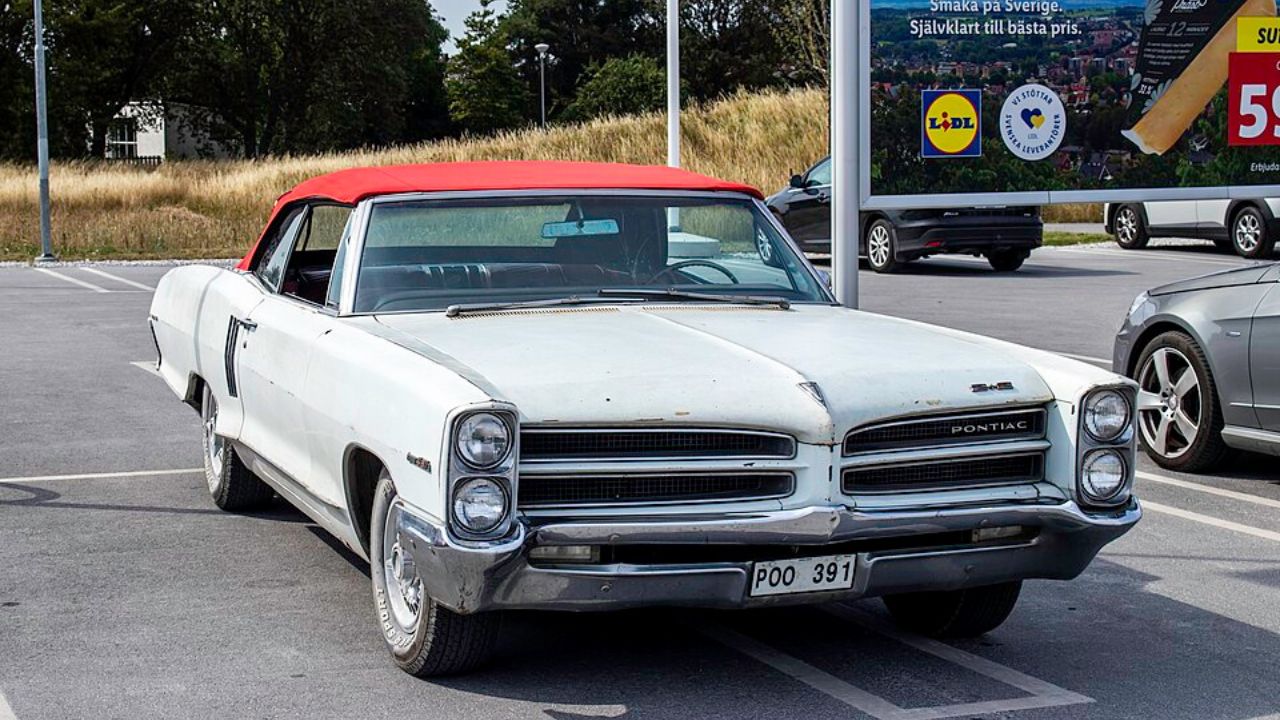
The Pontiac 2+2 combined full-size American dimensions with performance-oriented equipment. Large V8 engines provided strong acceleration, while the spacious body retained the comfort expected from a full-size Pontiac. It was produced in relatively small numbers compared with mainstream models. Its unusual combination of size and performance makes it a favorite among Pontiac specialists.
Chevrolet Corvair Monza

The Chevrolet Corvair Monza demonstrated that Chevrolet could build an unconventional compact car with genuine sporting character. Its rear-mounted, air-cooled engine and independent suspension gave it a driving experience unlike traditional American cars. The Monza’s unusual engineering attracted buyers looking for something different. Today, enthusiasts recognize it as one of Chevrolet’s boldest experiments.
Ford Falcon Sprint
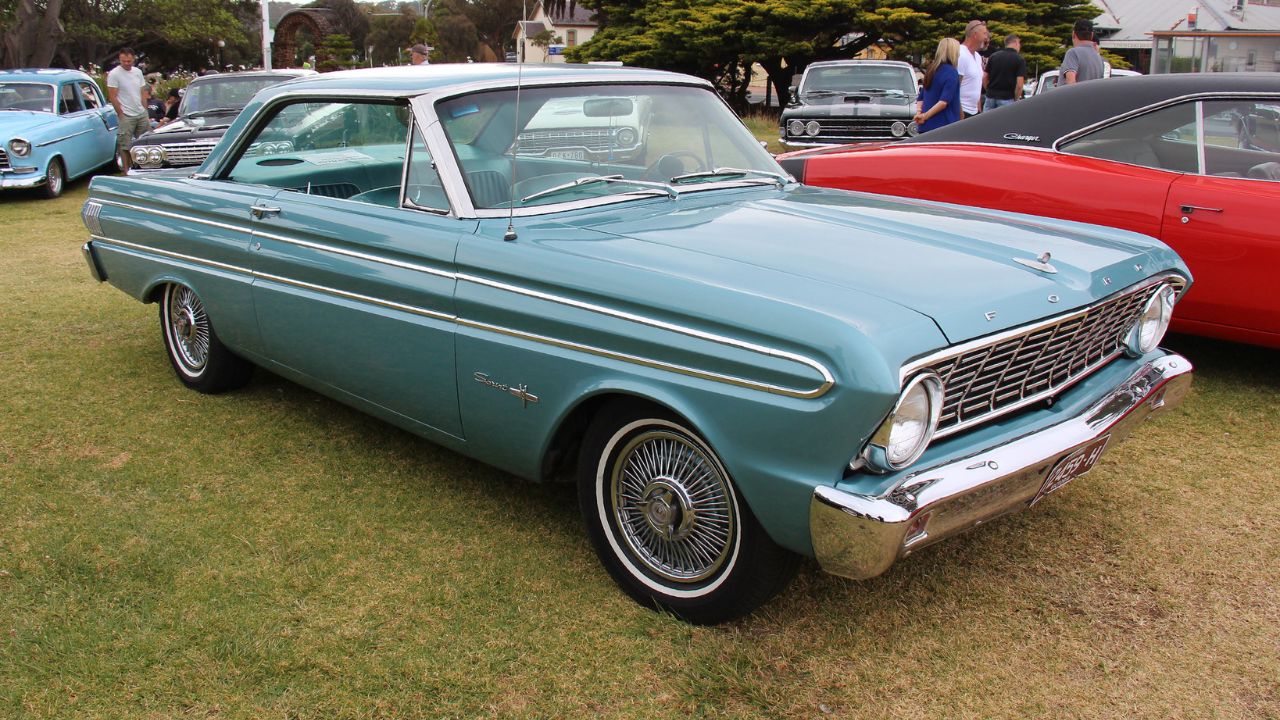
The Ford Falcon Sprint combined compact dimensions with V8 power and sporty equipment. It served as a performance-oriented version of Ford’s practical compact before the Mustang completely dominated the pony-car market. The Sprint’s relatively low production numbers make surviving examples difficult to find. Its significance becomes clearer when viewed as an early bridge between compact transportation and affordable performance.
Plymouth Barracuda
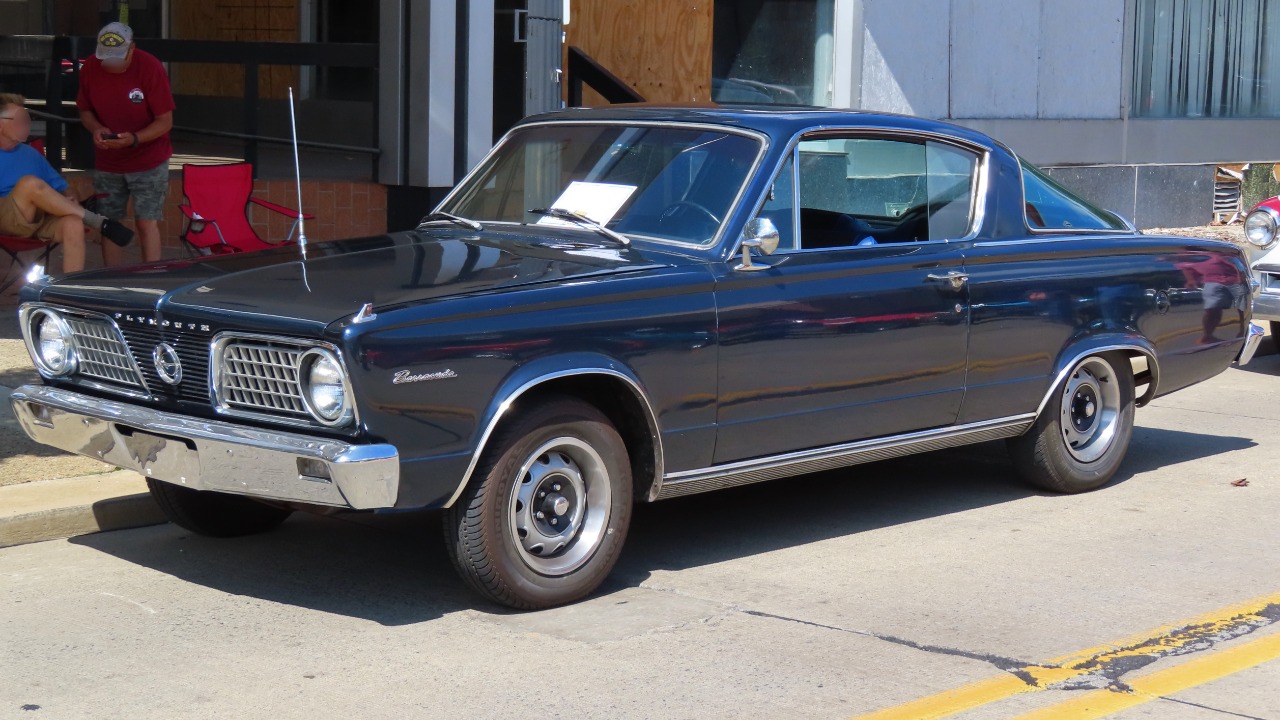
The early Plymouth Barracuda arrived before the classic muscle-car era fully developed. Its distinctive fastback rear window and compact dimensions gave it a unique identity. Later versions gained increasingly powerful V8 engines and became serious performance cars. Enthusiasts recognize the Barracuda as an important link between the early pony-car movement and the later muscle-car explosion.
Studebaker Avanti
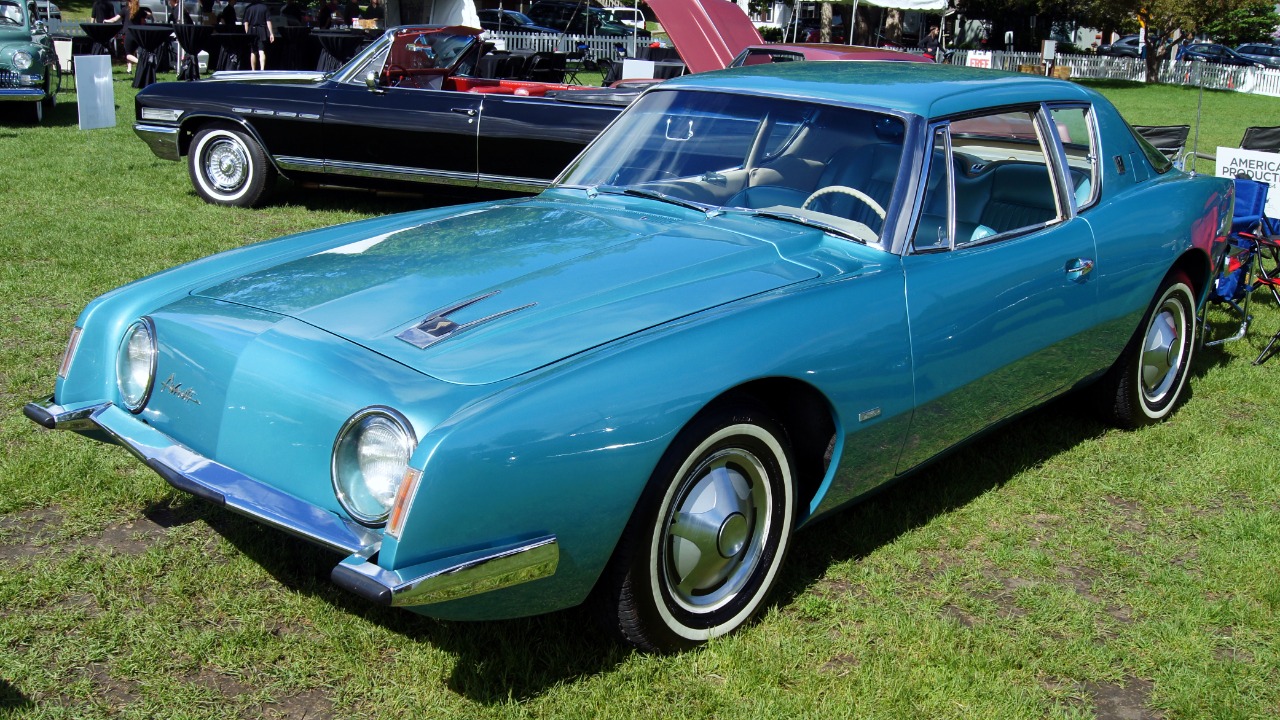
The Studebaker Avanti looked years ahead of many contemporary American cars. Its smooth fiberglass body, integrated styling, and unusual proportions gave it an almost futuristic appearance. Available V8 power added performance to the design. Limited production and Studebaker’s declining fortunes make surviving Avantis increasingly interesting to collectors who appreciate unusual American engineering.
Mercury Cougar

The Mercury Cougar offered a more upscale interpretation of the pony-car formula. Although related to the Mustang, it featured distinctive styling, hidden headlights, and a more luxurious interior. Available V8 engines provided serious performance. The Cougar was successful when new, but it remains less universally recognized today than the Mustang, making it a favorite among enthusiasts who enjoy overlooked classics.
Sunbeam Tiger
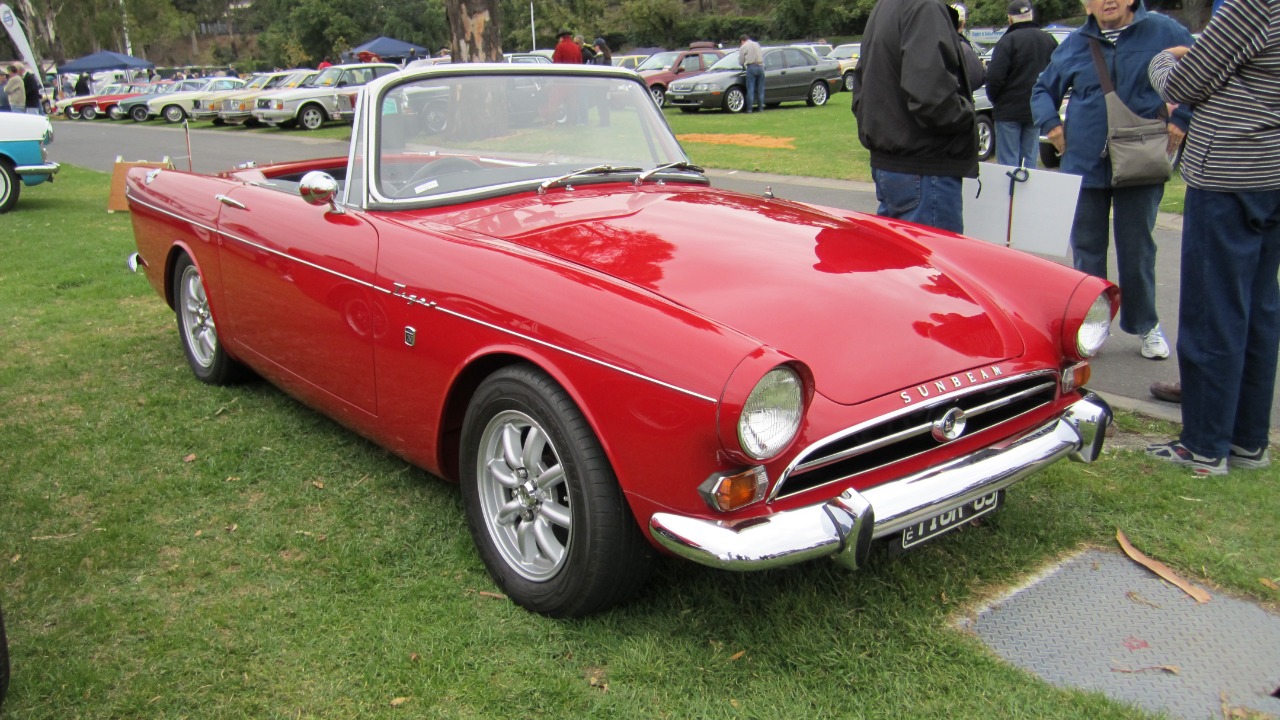
The Sunbeam Tiger combined a lightweight British roadster with a Ford V8 engine. The result was dramatically quicker than the standard Sunbeam Alpine while retaining compact dimensions and responsive handling. Carroll Shelby was involved in the early development, adding to its historical significance. Limited production and strong collector interest make the Tiger one of the decade’s most intriguing hidden performance cars.
More from Fast Lane Only
- Unboxing the WWII Jeep in a Crate
- 15 rare Chevys collectors are quietly buying
- 10 underrated V8s still worth hunting down
- Police notice this before you even roll window down
*Research for this article included AI assistance, with all final content reviewed by human editors