Modern vehicles rely on complex electronics, advanced driver-assistance systems, and increasingly sophisticated powertrains. Older cars often followed a different philosophy: fewer components, straightforward mechanical systems, and designs that mechanics could understand without specialized equipment. These 11 classics demonstrate why simplicity can remain one of the most appealing qualities in an automobile.
Jeep CJ

The Jeep CJ retained a remarkably straightforward approach to four-wheel-drive transportation. Its rugged chassis, simple drivetrain, and removable body components made it useful for work and recreation. Owners could understand and repair much of the vehicle without sophisticated equipment. That mechanical accessibility helped make the CJ a lasting favorite among off-road enthusiasts.
Mercedes-Benz W123

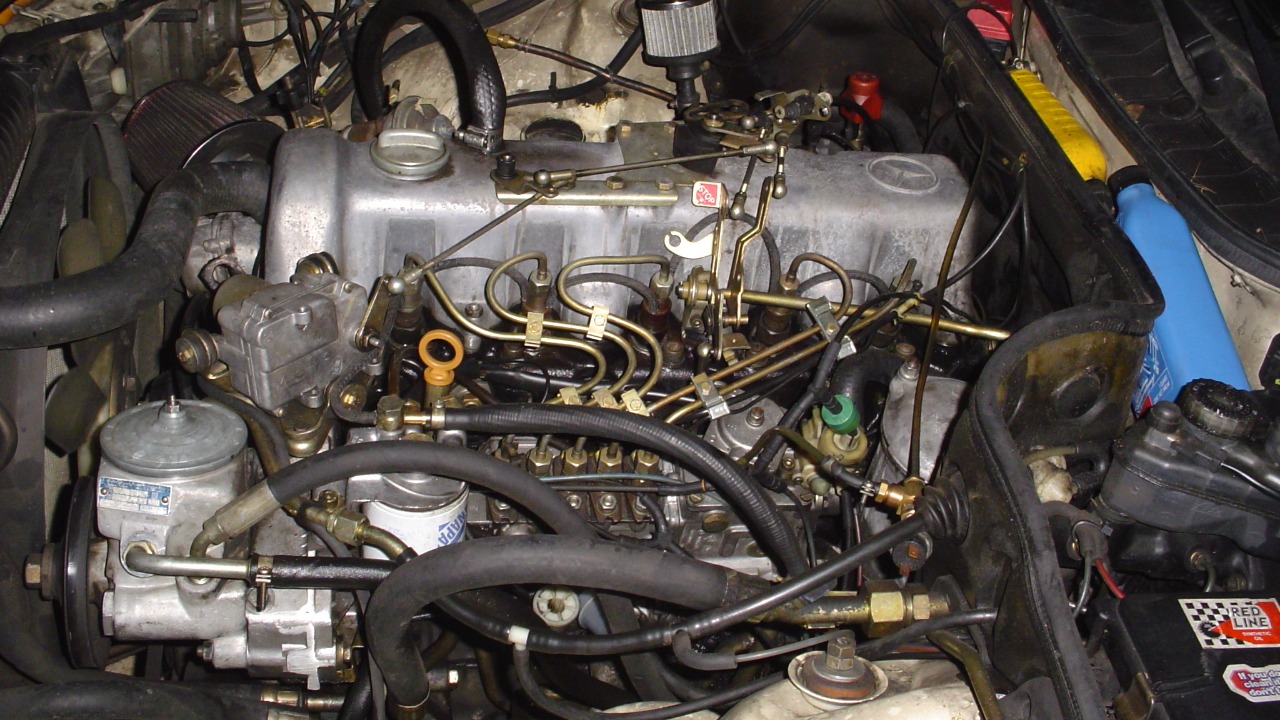
The Mercedes-Benz W123 became renowned for its solid construction and durable mechanical components. Its diesel versions were particularly respected for accumulating enormous mileage. Although the car offered more sophistication than many basic automobiles, its mechanical systems remained serviceable compared with modern vehicles. The W123 demonstrated that long-term durability and straightforward engineering could coexist with comfort.
Volvo 240
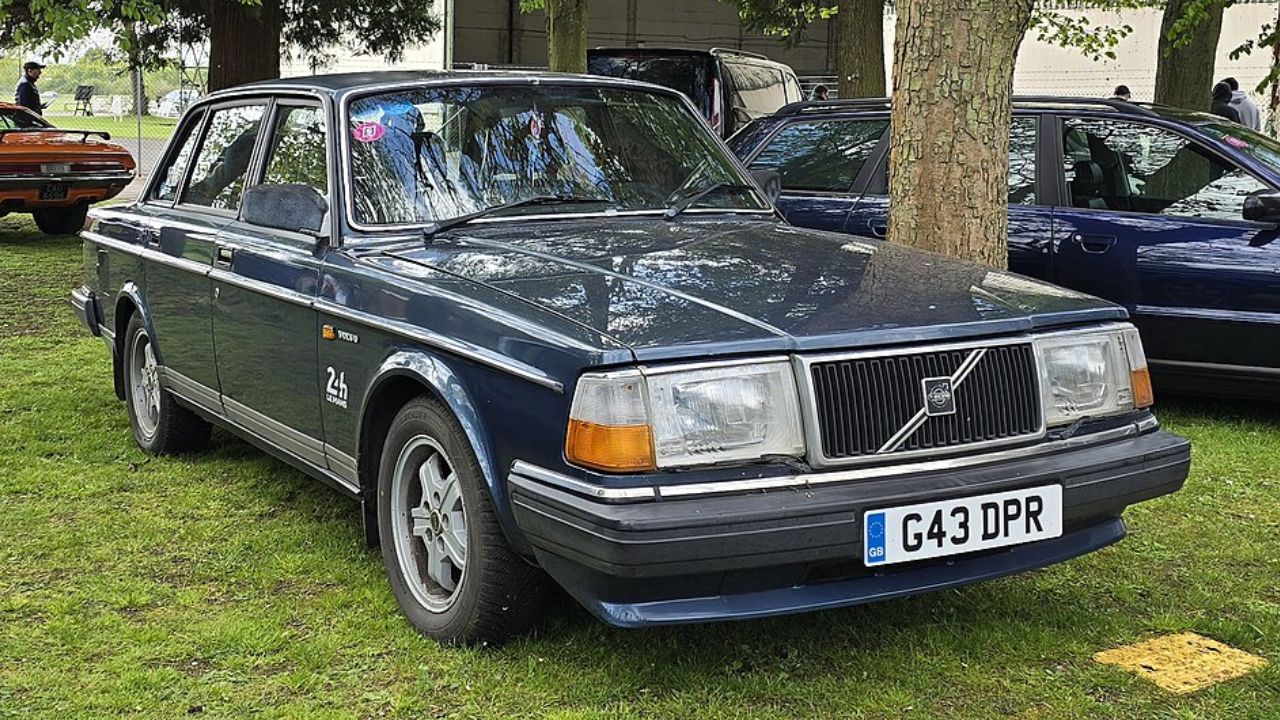
The Volvo 240 became an icon of practical automotive engineering. Its boxy body, rear-wheel-drive layout, and relatively straightforward mechanical systems made it easy to maintain. Safety was another major strength, but the car avoided unnecessary complexity in many areas. Its ability to remain useful for decades helped establish its reputation as one of the most dependable European cars of its era.
Chevrolet C10
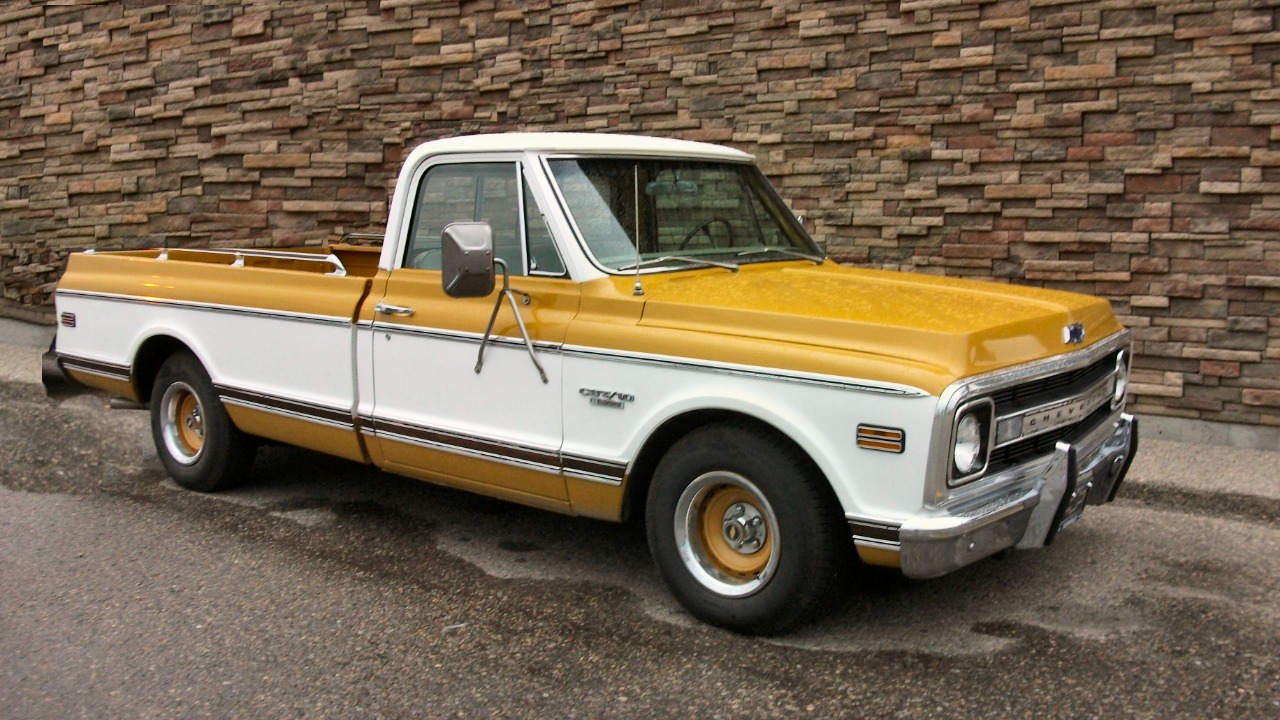
The Chevrolet C10 represented the classic American pickup formula: body-on-frame construction, rear-wheel drive, simple suspension, and widely available engines. Many versions were easy for owners and independent mechanics to understand and maintain. Their durability and enormous parts availability have kept them popular with restorers. The C10 remains an excellent example of how uncomplicated engineering can create lasting usefulness.
Ford F-100
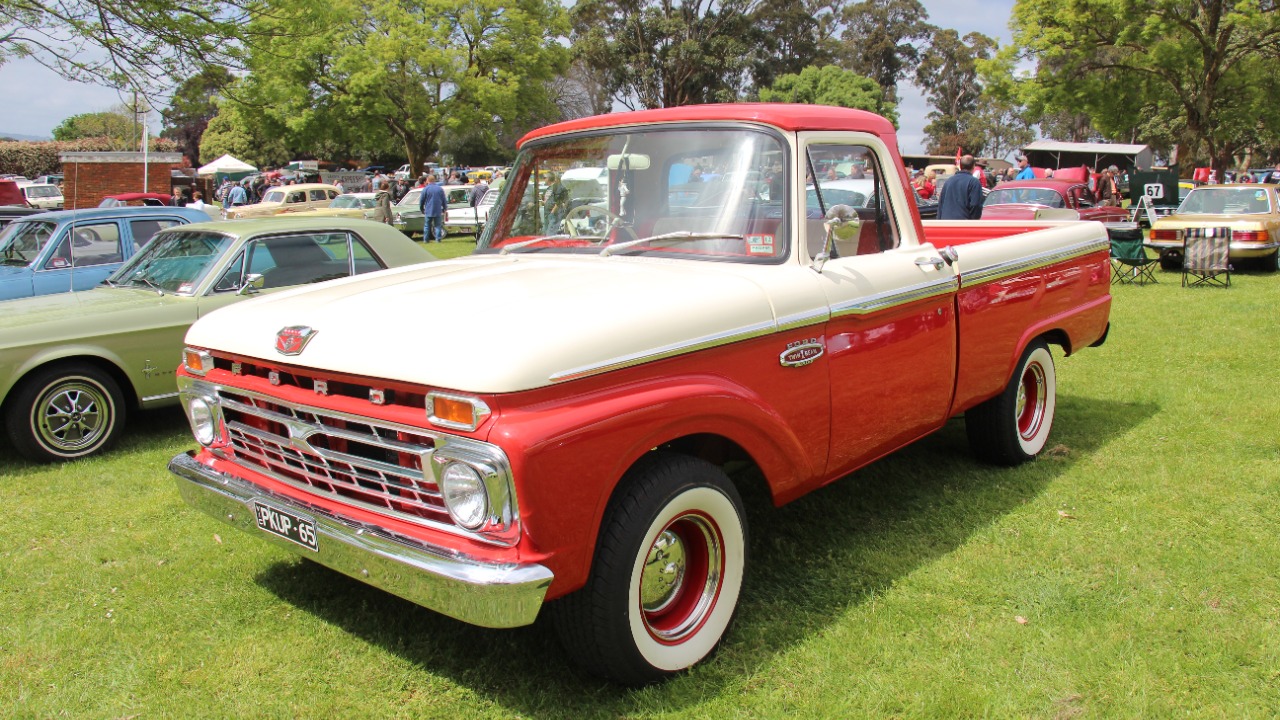
The Ford F-100 became one of America’s most familiar work trucks through generations of relatively straightforward engineering. Its traditional chassis, simple drivetrains, and wide availability made maintenance practical. Older models were designed primarily to work rather than impress with technology. Today, their mechanical accessibility is a major part of their appeal among collectors and truck enthusiasts.
Toyota Land Cruiser FJ40

The Toyota Land Cruiser FJ40 became famous for combining a rugged chassis with straightforward four-wheel-drive engineering. Its durable construction allowed it to operate in remote environments where reliability mattered more than comfort. Many mechanical systems could be serviced without advanced diagnostic equipment. The FJ40 remains one of the clearest examples of simplicity contributing directly to long-term utility.
Volkswagen Beetle

The Volkswagen Beetle demonstrated how a relatively simple mechanical design could achieve enormous global success. Its air-cooled flat-four engine, rear-wheel-drive layout, and compact construction made it distinctive and practical. The car’s basic architecture remained in production for decades. Its simplicity helped owners maintain vehicles far from sophisticated repair facilities.
Honda Civic
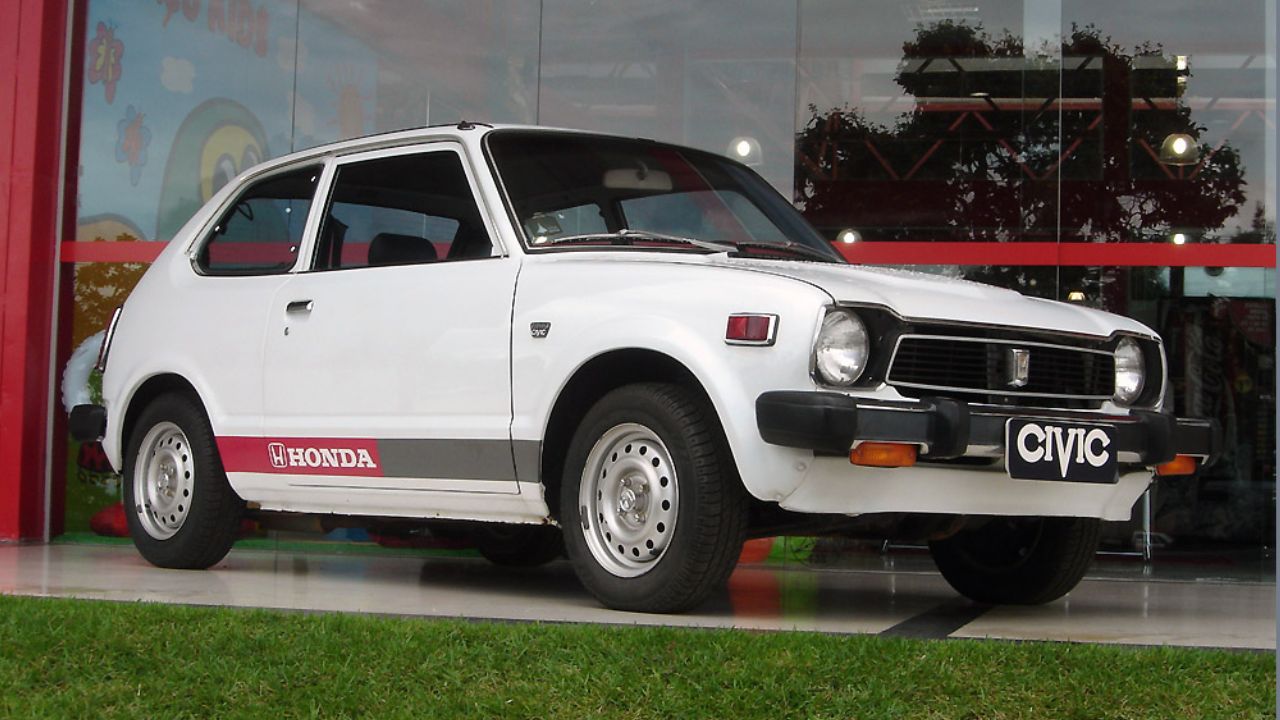
The early Honda Civic brought Japanese efficiency and straightforward engineering to a growing global market. Its compact engines, lightweight construction, and relatively simple mechanical systems made it economical to operate. The Civic also demonstrated that a small car could provide dependable transportation without unnecessary complexity. Its reputation helped establish Honda as a major global automaker.
Datsun 510
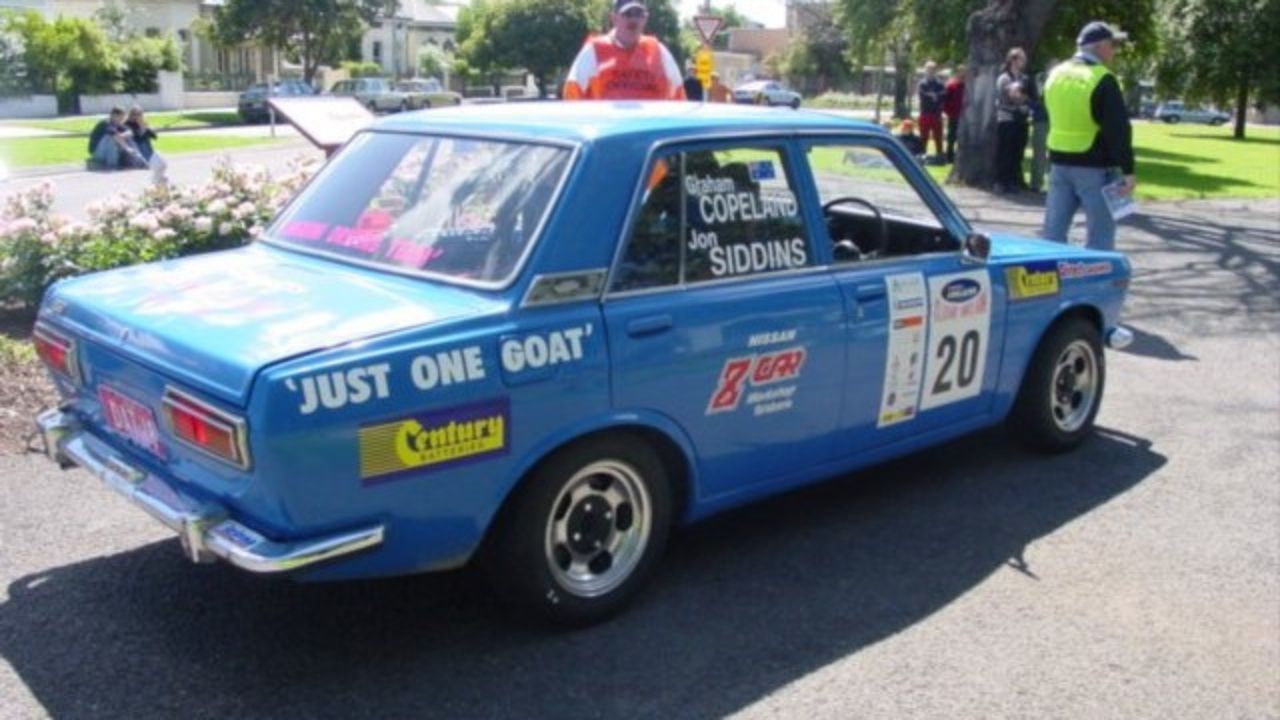
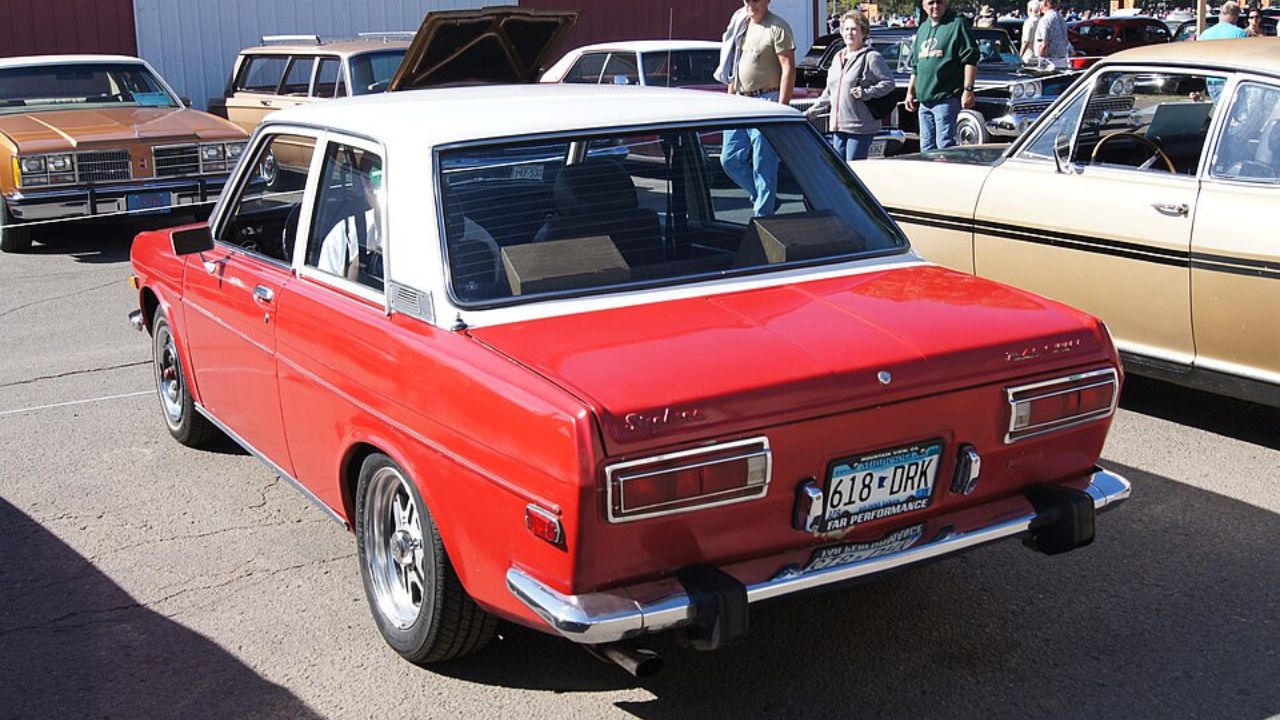
The Datsun 510 became popular because it combined simple mechanical construction with sporty driving characteristics. Its lightweight body, independent suspension, and compact four-cylinder engine made it enjoyable without requiring exotic engineering. The car also became successful in motorsports. Its combination of accessibility, reliability, and performance continues to attract enthusiasts.
Ford Mustang
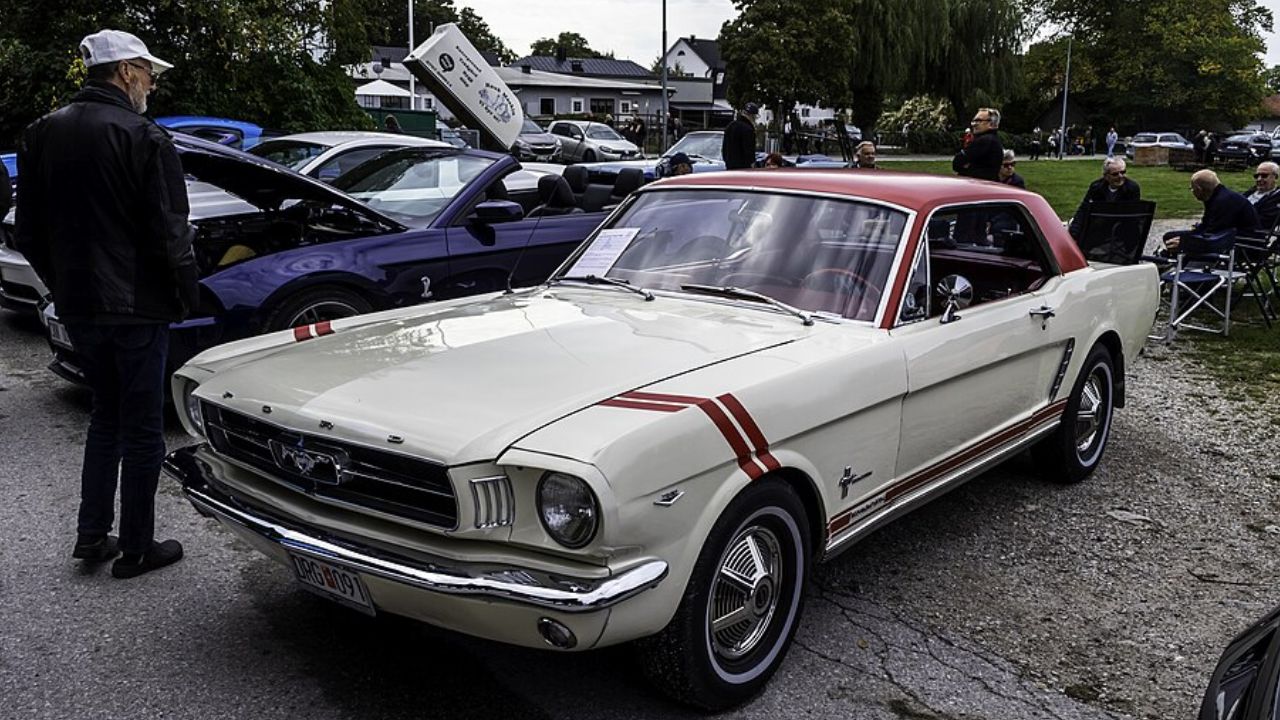
The original Ford Mustang used a relatively conventional mechanical foundation to create an entirely new kind of American performance car. Rear-wheel drive, simple suspension architecture, and widely available Ford engines kept the platform accessible. Owners could personalize and repair their cars without specialized technology. That simplicity helped the Mustang become one of America’s most enduring enthusiast cars.
Chevrolet Nova
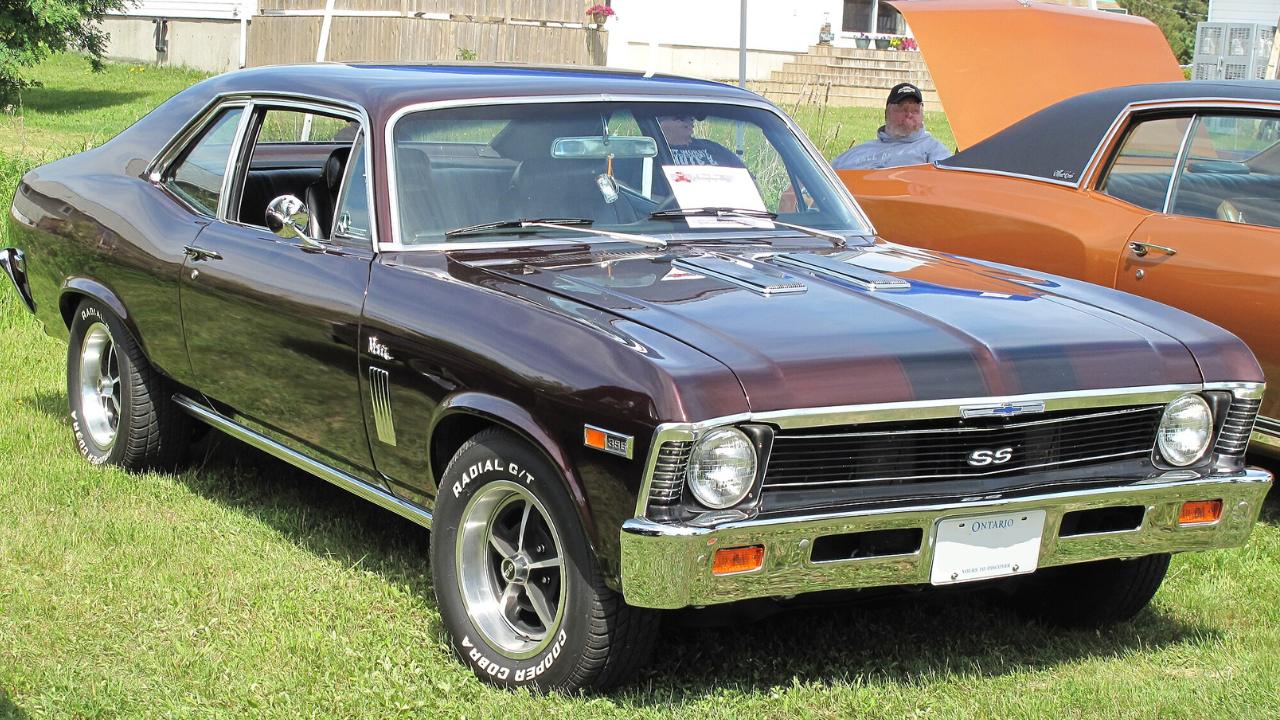
The Chevrolet Nova offered a straightforward combination of compact dimensions, conventional rear-wheel-drive engineering, and available six-cylinder or V8 power. Its relatively uncomplicated construction made it practical for everyday use and easy to modify. The Nova became popular among hot rodders for precisely that reason. It remains a reminder that a simple platform can provide an excellent foundation for performance.
More from Fast Lane Only
- Unboxing the WWII Jeep in a Crate
- 15 rare Chevys collectors are quietly buying
- 10 underrated V8s still worth hunting down
- Police notice this before you even roll window down
*Research for this article included AI assistance, with all final content reviewed by human editors