The 1950s are remembered for dramatic styling, but not every successful car depended on complicated engineering. Many automobiles from the decade relied on straightforward drivetrains, simple mechanical systems, and designs that could be understood and maintained by ordinary mechanics. These ten classics show why uncomplicated engineering can remain appealing decades later.
Chevrolet Bel Air
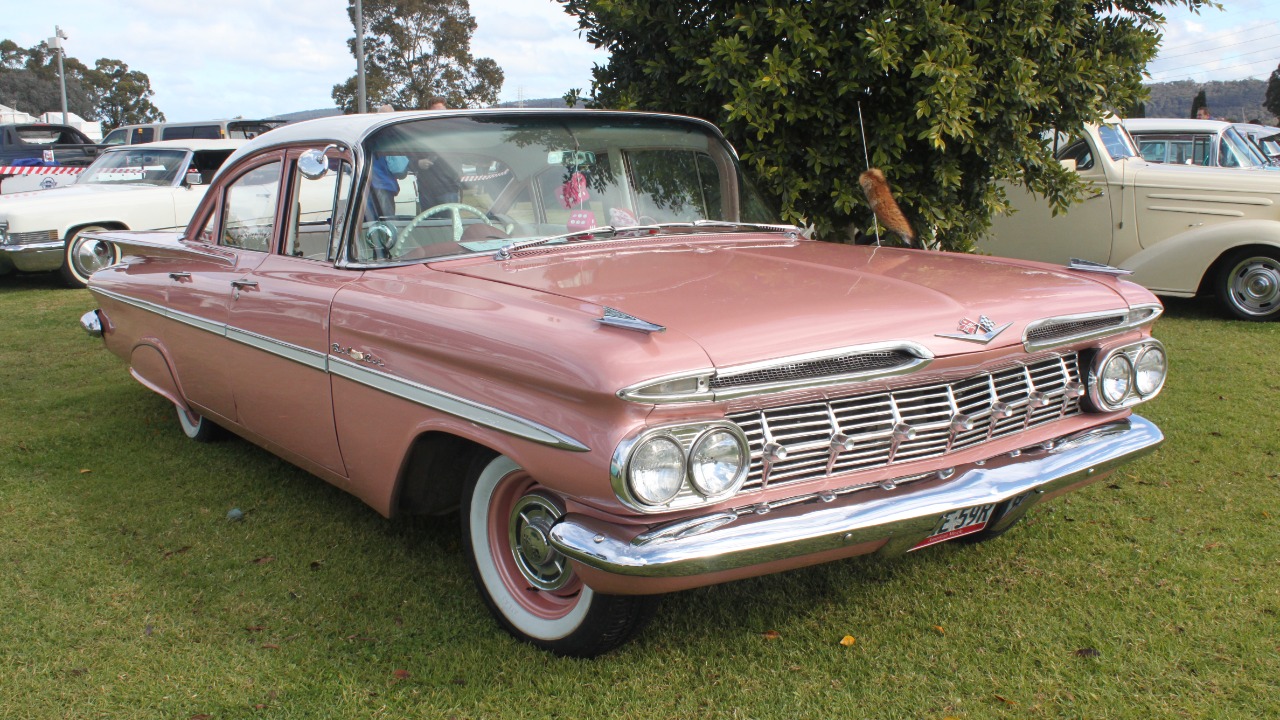
The Chevrolet Bel Air combined straightforward mechanical engineering with the dramatic styling of the 1950s. Its conventional rear-wheel-drive layout and simple V8 drivetrain made it familiar to mechanics, while abundant parts helped keep many examples on the road. The Bel Air proved that an uncomplicated mechanical foundation could support a stylish and highly desirable automobile.
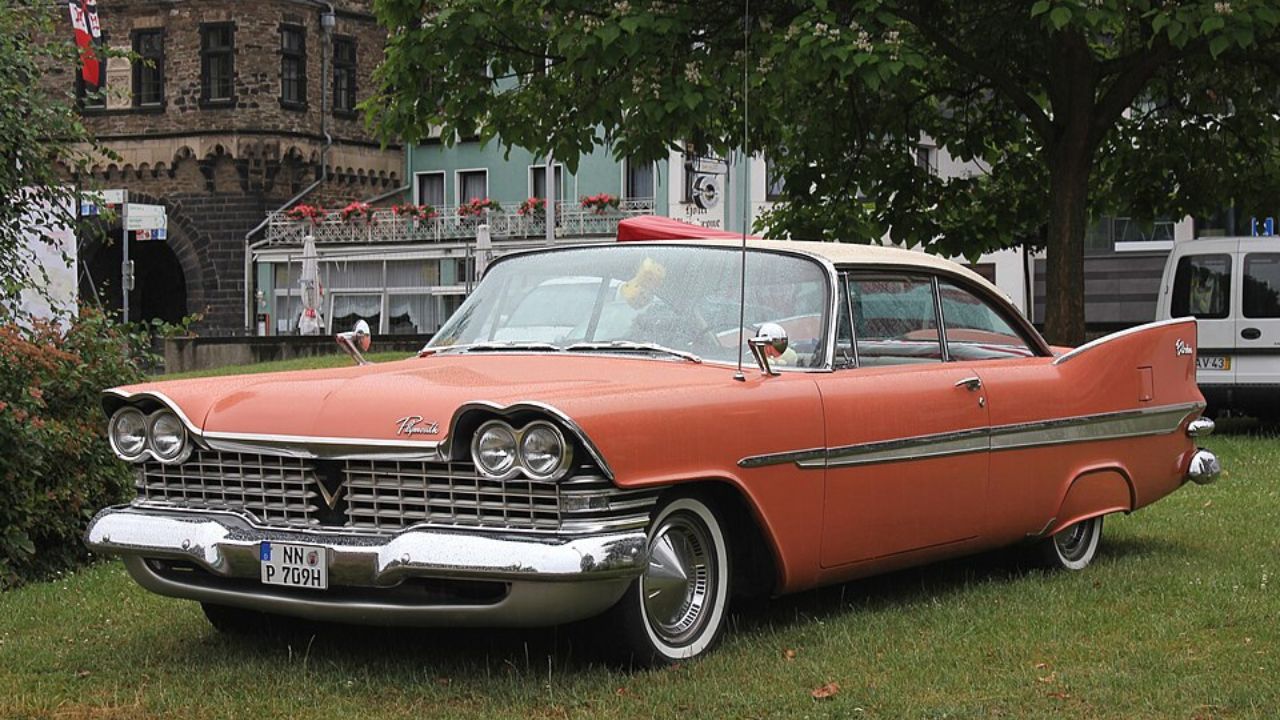
Plymouth Belvedere

The Plymouth Belvedere represented a practical approach to American family transportation while embracing the decade’s increasingly bold styling. Its conventional drivetrain and straightforward mechanical layout made maintenance familiar to independent mechanics. V8 options also provided useful performance. The Belvedere remains an appealing example of a car that balanced simplicity with the visual excitement of the 1950s.
Chevrolet 210
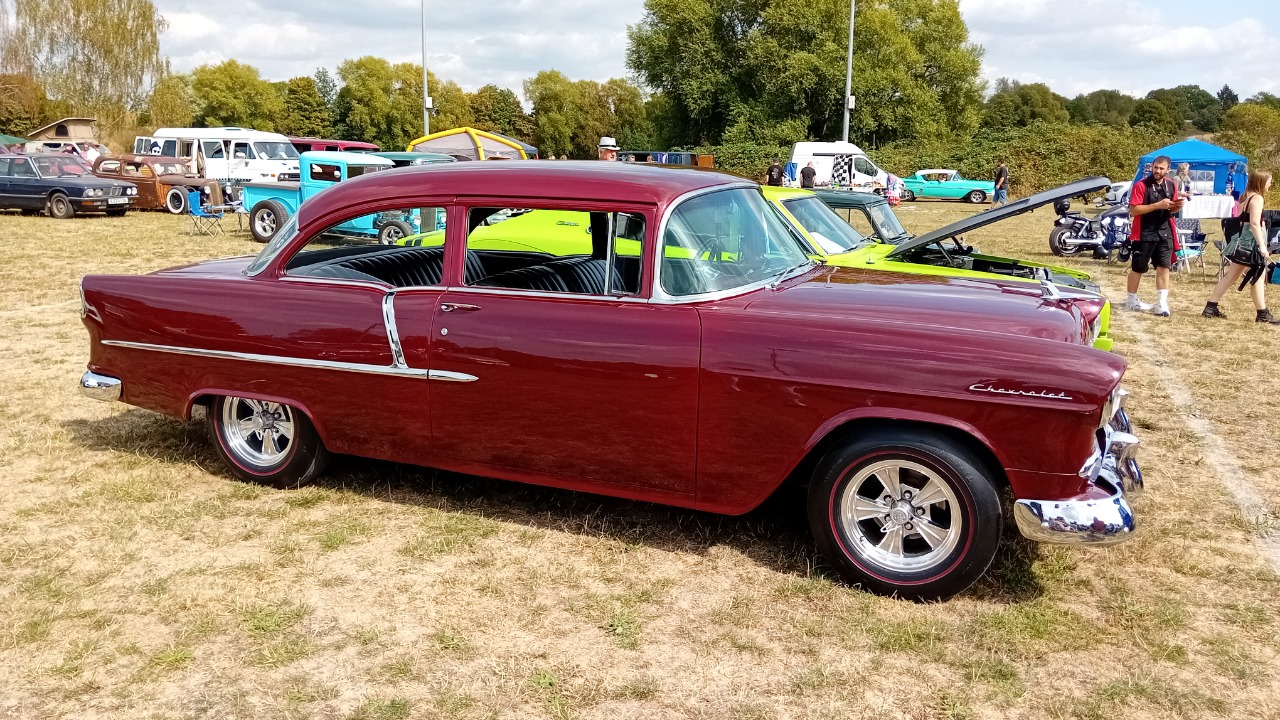
The Chevrolet 210 offered many of the essential qualities of Chevrolet’s larger models without unnecessary complexity. Its simple construction, conventional drivetrain, and available six-cylinder or V8 engines made it practical for everyday use. Many were driven hard and eventually discarded, but surviving examples demonstrate why basic mechanical designs can remain serviceable for generations.
Ford Fairlane
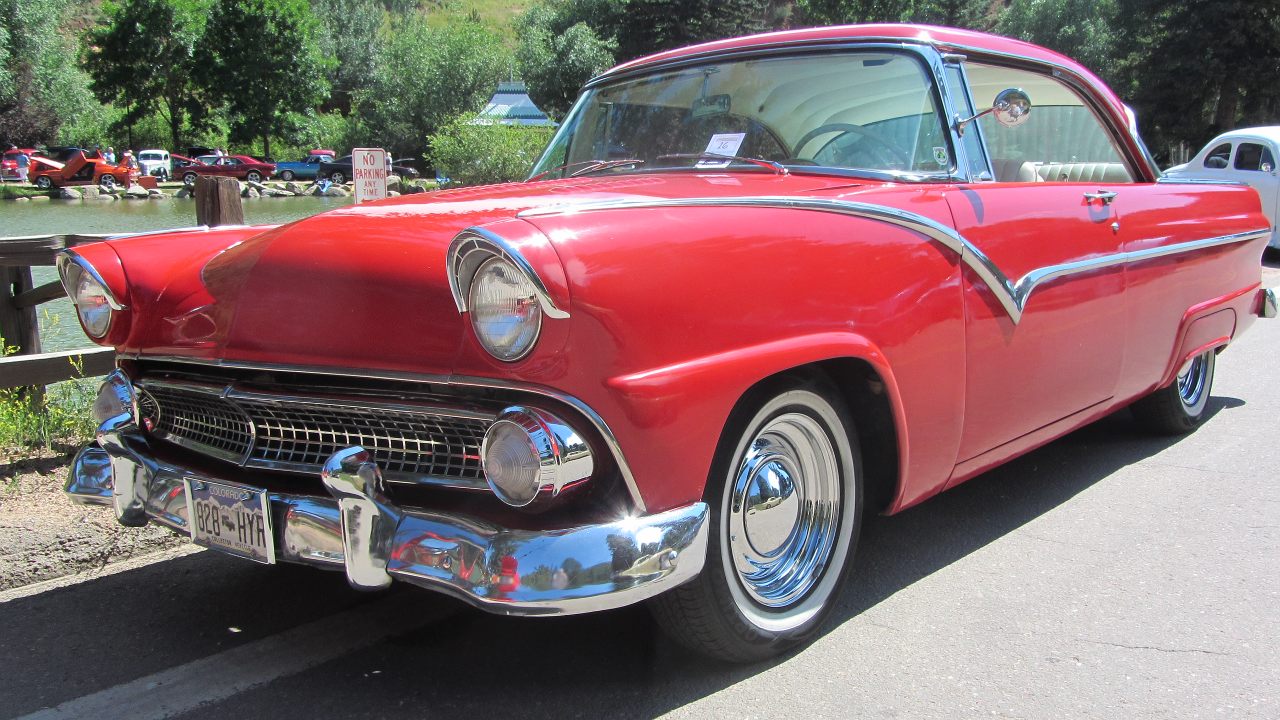
The Ford Fairlane became increasingly elaborate in appearance during the 1950s, but its underlying mechanical systems remained relatively conventional. Rear-wheel drive, traditional suspension components, and familiar Ford engines kept it mechanically accessible. The Fairlane showed that dramatic styling did not necessarily require complicated engineering underneath the sheet metal.
Studebaker Champion

The Studebaker Champion took a more economical approach than many large American cars of the era. Its relatively compact design and straightforward six-cylinder engine made it practical for buyers who wanted dependable transportation without excessive size. Studebaker’s engineering emphasized efficiency and usability. Today, the Champion offers an interesting reminder that American cars did not all need enormous engines to be useful.
Nash Rambler
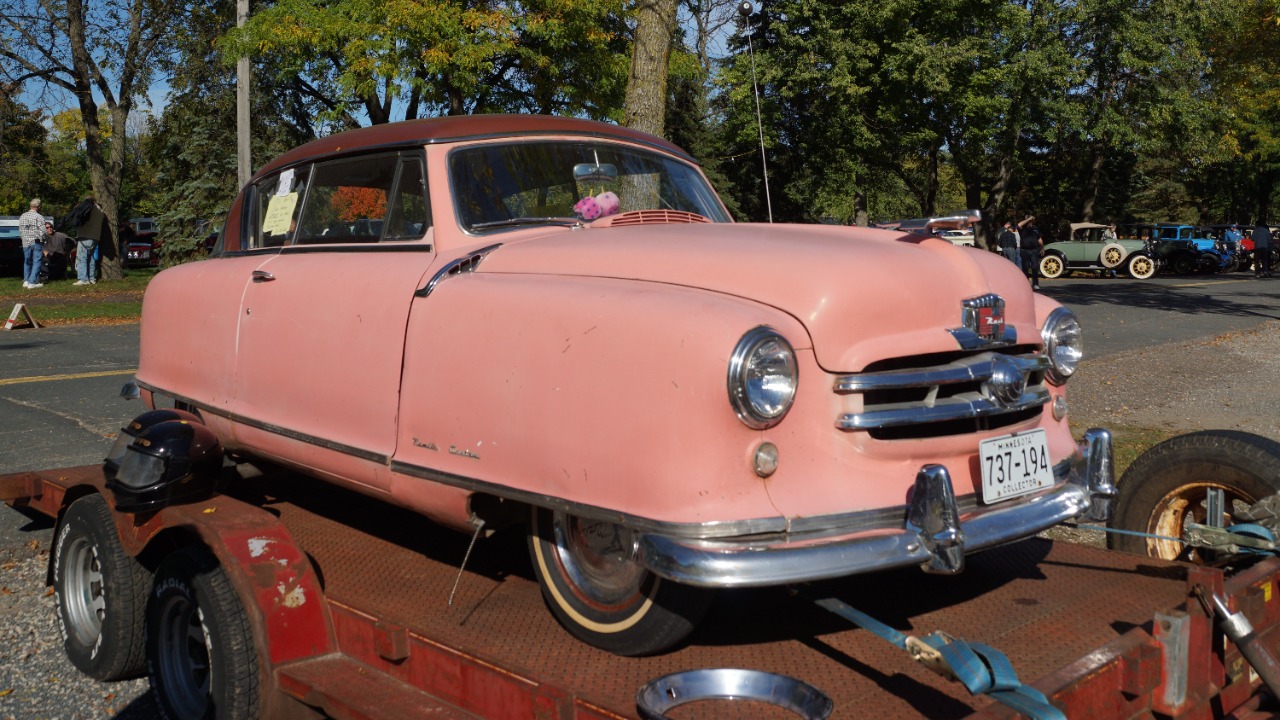
The Nash Rambler represented a significant shift toward smaller and more economical American automobiles. Its compact dimensions, straightforward drivetrain, and practical construction appealed to buyers who wanted something easier to operate than a full-size sedan. The Rambler demonstrated that simplicity and efficiency could be valuable qualities even as Detroit increasingly embraced larger cars.
Volkswagen Beetle
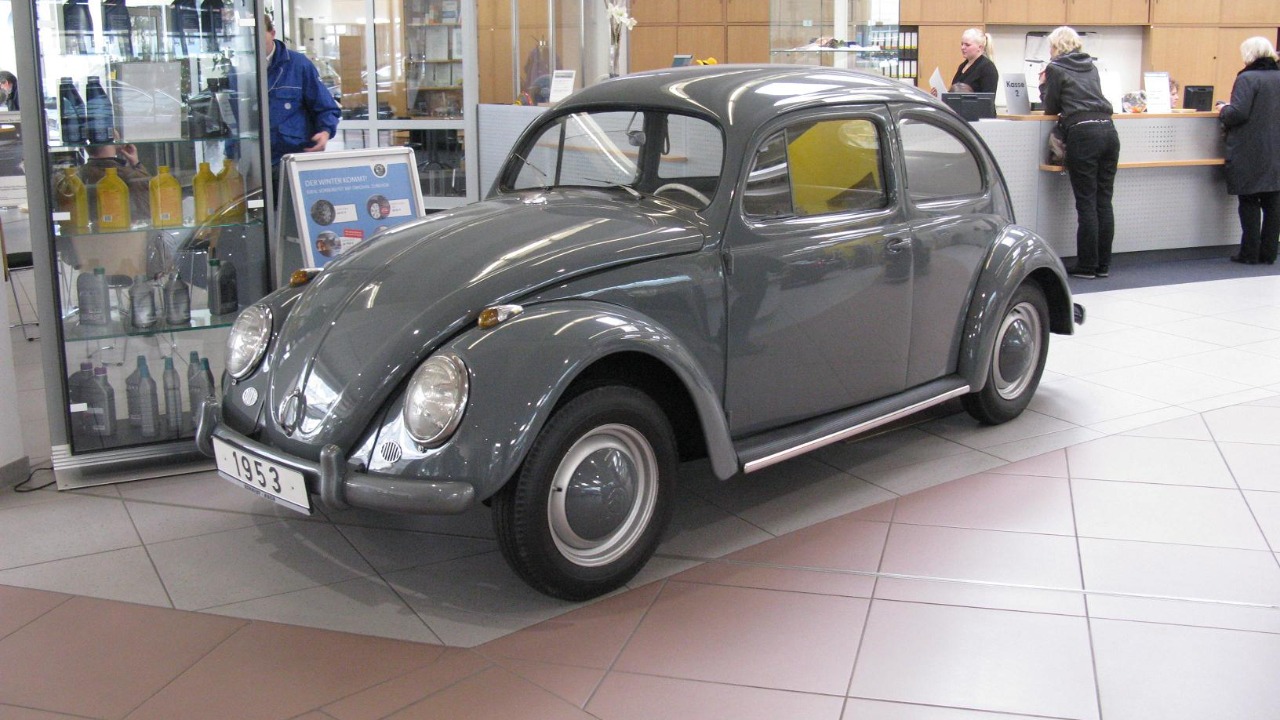
The Volkswagen Beetle was radically different from most American cars of the 1950s. Its rear-mounted, air-cooled flat-four engine and compact construction created a simple mechanical package that was relatively easy to service. Its basic architecture remained remarkably consistent over time. The Beetle became a global example of how uncomplicated engineering could deliver practical transportation.
More from Fast Lane Only
- Unboxing the WWII Jeep in a Crate
- 15 rare Chevys collectors are quietly buying
- 10 underrated V8s still worth hunting down
- Police notice this before you even roll window down
*Research for this article included AI assistance, with all final content reviewed by human editors