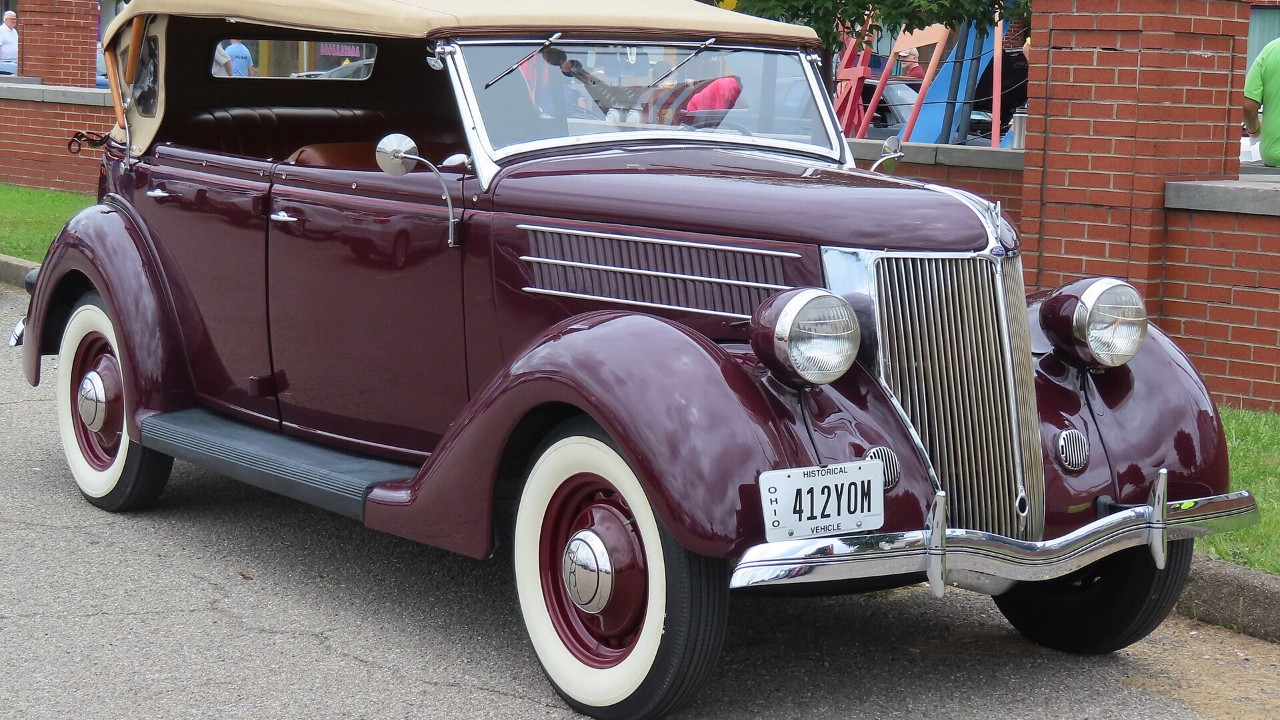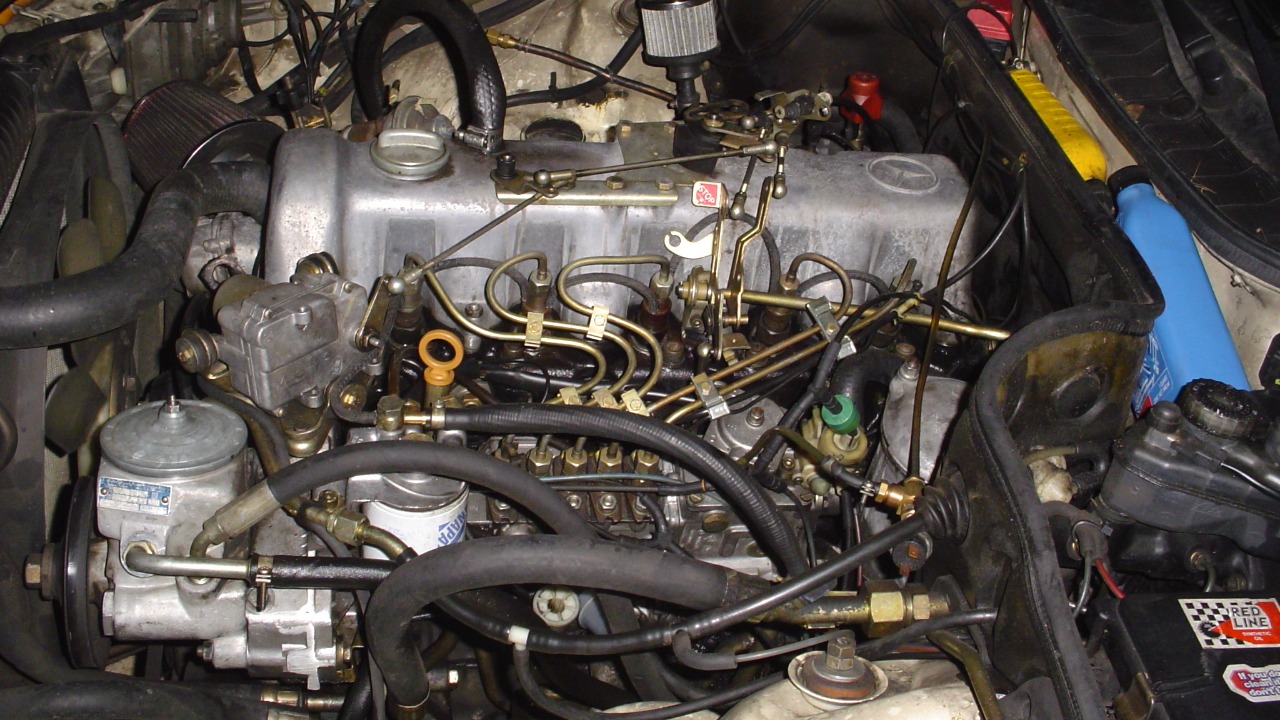
Some engines were engineered with a clear priority: surviving years of hard use rather than chasing maximum horsepower. Conservative tuning, robust materials, simple mechanical layouts, and generous component sizing helped these powerplants develop reputations for extraordinary service life.
Toyota 1HZ
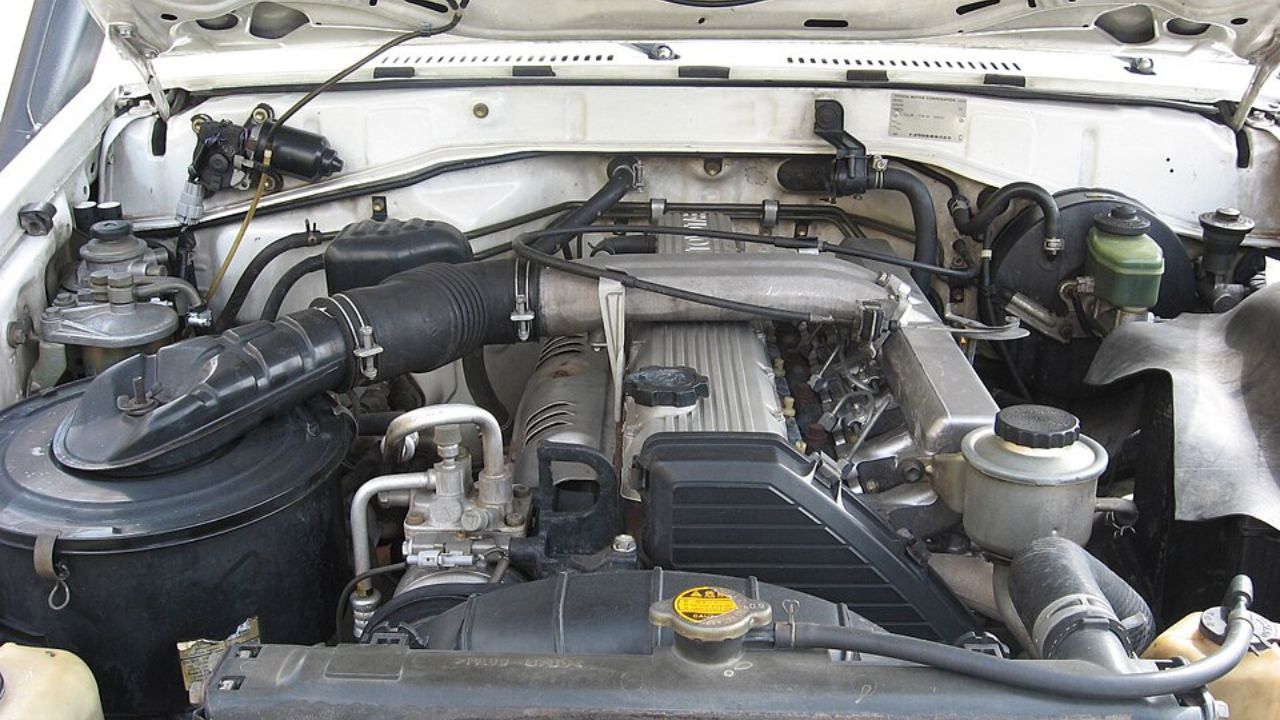
The Toyota 1HZ was designed around durability and dependable operation rather than high performance. Its naturally aspirated 4.2-liter diesel uses a relatively simple mechanical layout and conservative output. The engine became especially well known through the Land Cruiser, where reliability in remote and demanding environments was essential. Its reputation for longevity remains one of its strongest qualities.
Mercedes-Benz OM617
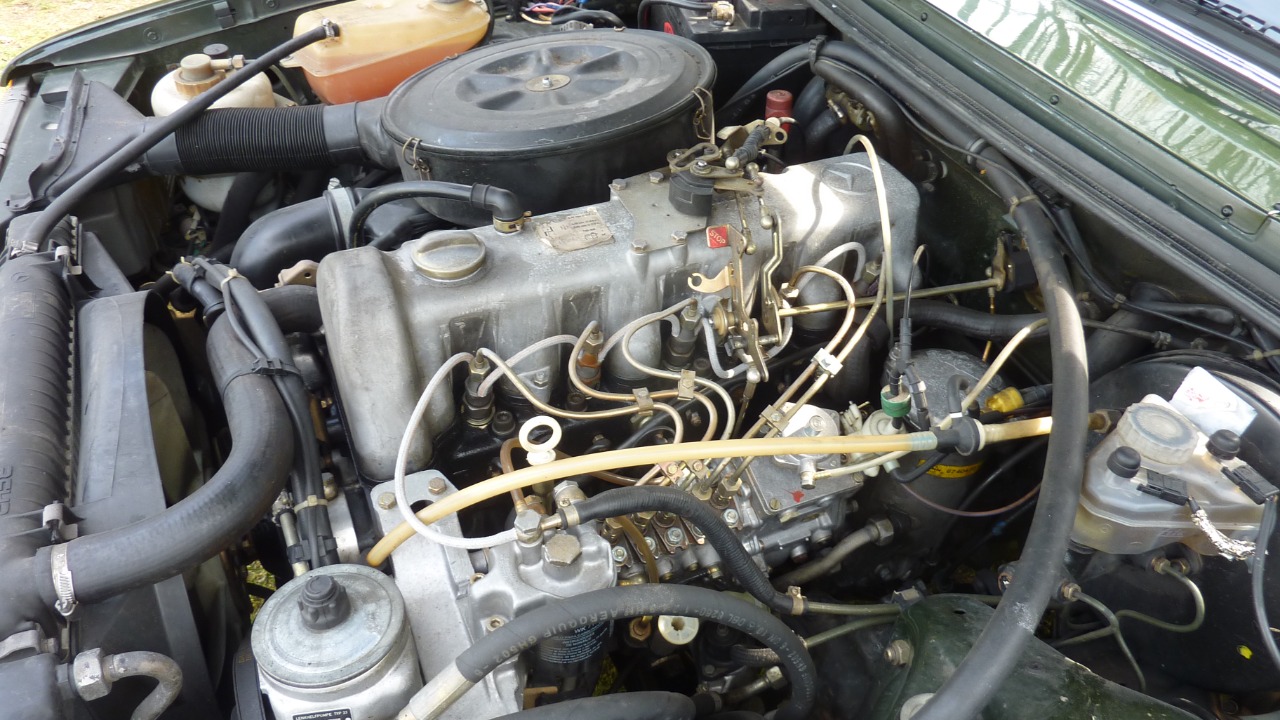
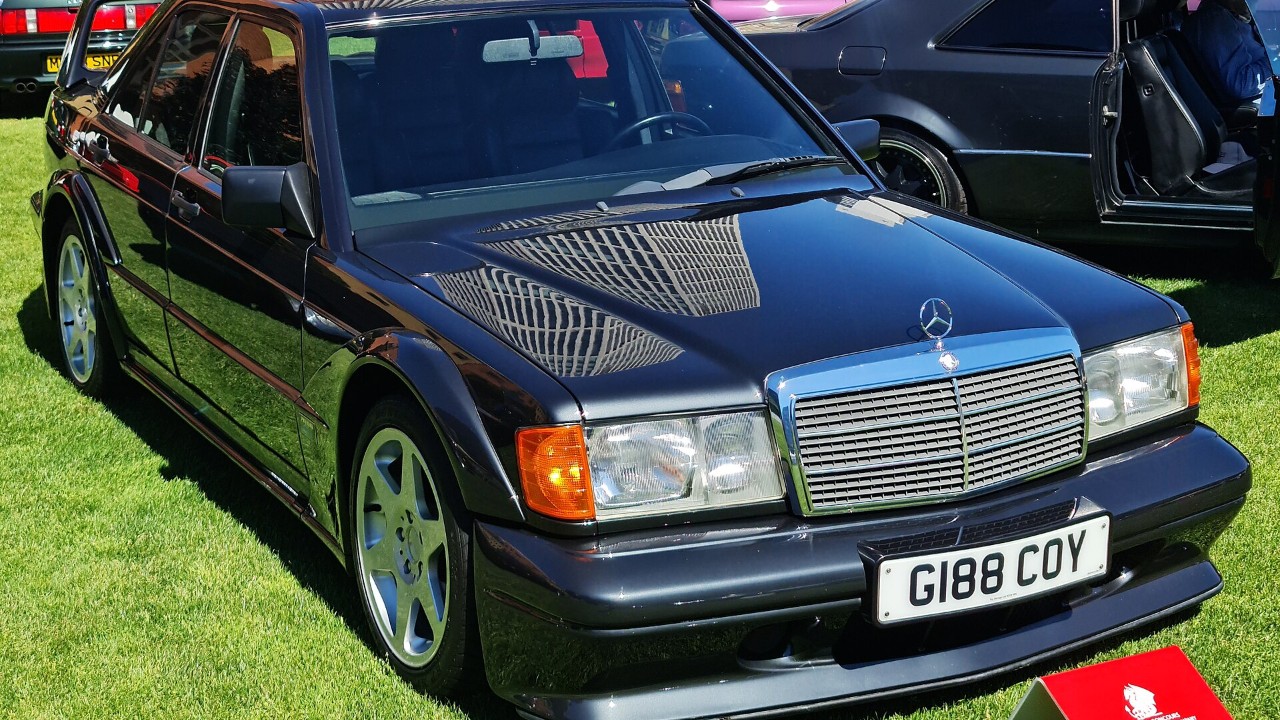
The Mercedes-Benz OM617 became famous for surviving enormous mileage. Its inline-five-cylinder diesel used conservative engineering and relatively low operating stress, making it well suited to long-distance service. Proper maintenance was still essential, but the engine’s robust construction allowed many examples to remain operational for decades. It remains one of the most respected classic diesel engines for longevity.
Toyota 22R
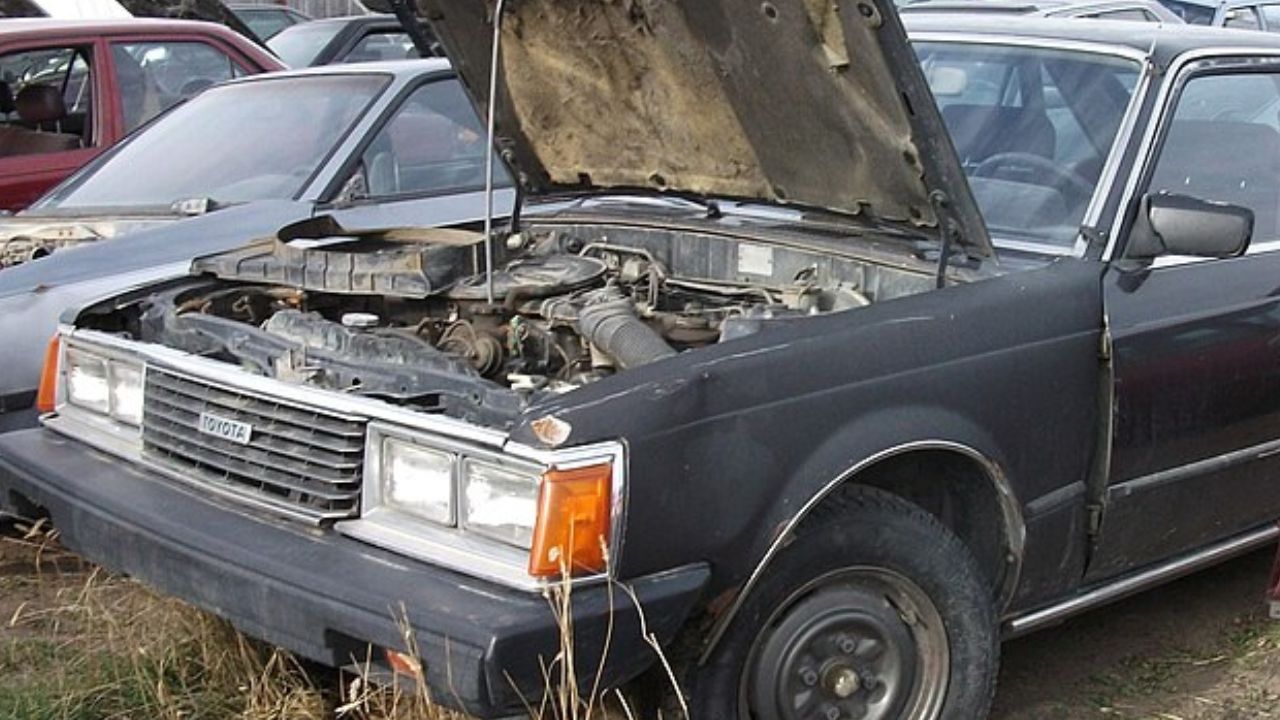
The Toyota 22R was engineered as a straightforward workhorse for pickups and utility vehicles. Its simple four-cylinder architecture, conservative power output, and durable construction helped it tolerate years of demanding use. The engine became particularly popular in Toyota trucks, where hauling and off-road driving placed considerable stress on the drivetrain. Its reputation for long service life remains legendary among enthusiasts.
Cummins 5.9
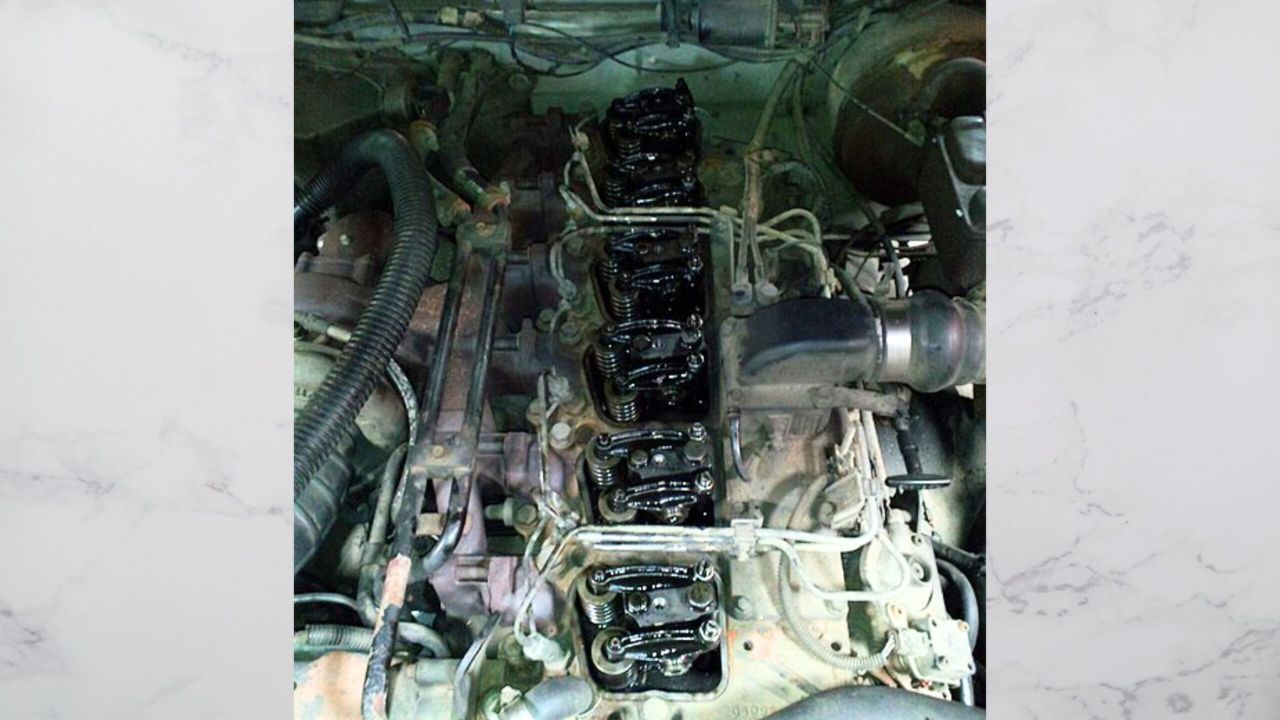
The 5.9-liter Cummins became renowned for combining strong torque with a robust inline-six design. Used extensively in Dodge Ram pickups, it was well suited to towing, hauling, and commercial workloads. Its substantial internal components and relatively straightforward architecture helped it earn a reputation for exceptional durability. Proper maintenance remains important, but the engine is widely respected for high-mileage service.
Toyota 2UZ-FE
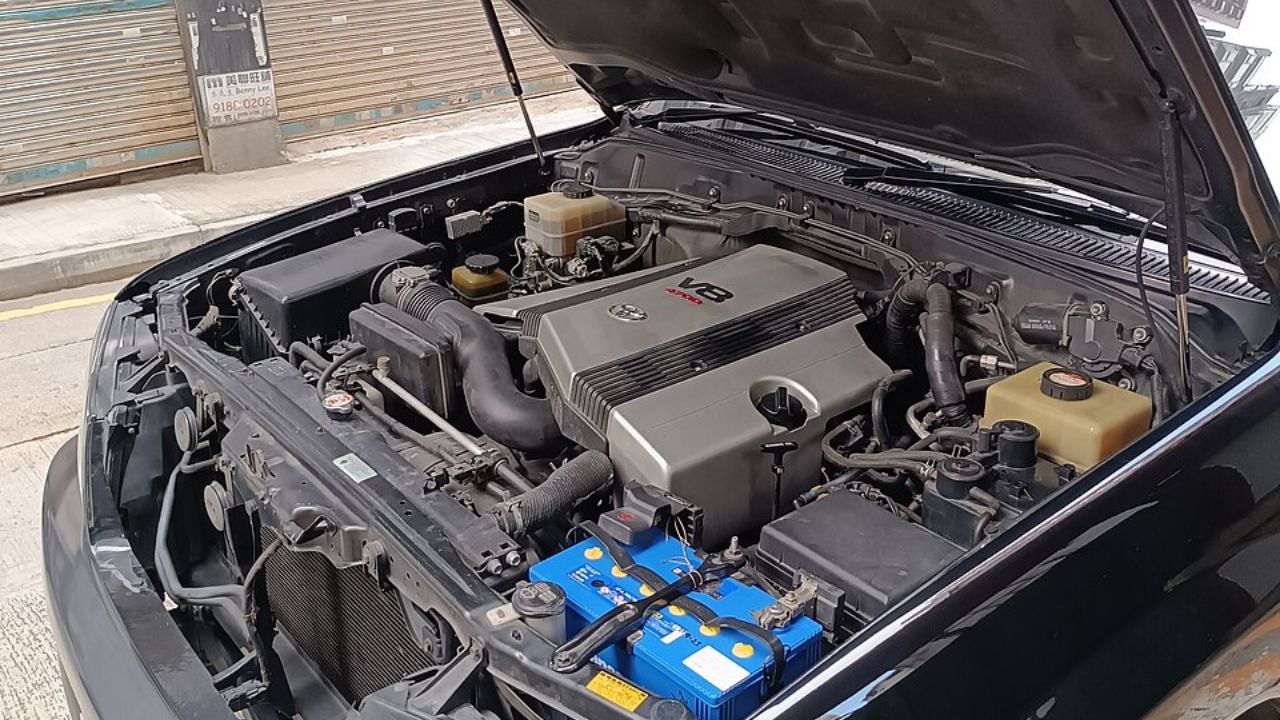
The Toyota 2UZ-FE was developed for trucks and SUVs, where durability and low-end torque were important priorities. Its cast-iron block and conservative design helped it withstand demanding applications, including towing and off-road use. The V8 powered vehicles such as the Tundra, Sequoia, and Land Cruiser. Its ability to combine refinement with heavy-duty durability made it particularly well regarded.
International Harvester DT466
http://69.20.127.42/StaticFiles/internationalTrucks/pictures/4000_pd1_lg.jpg – Fair use / wikipedia
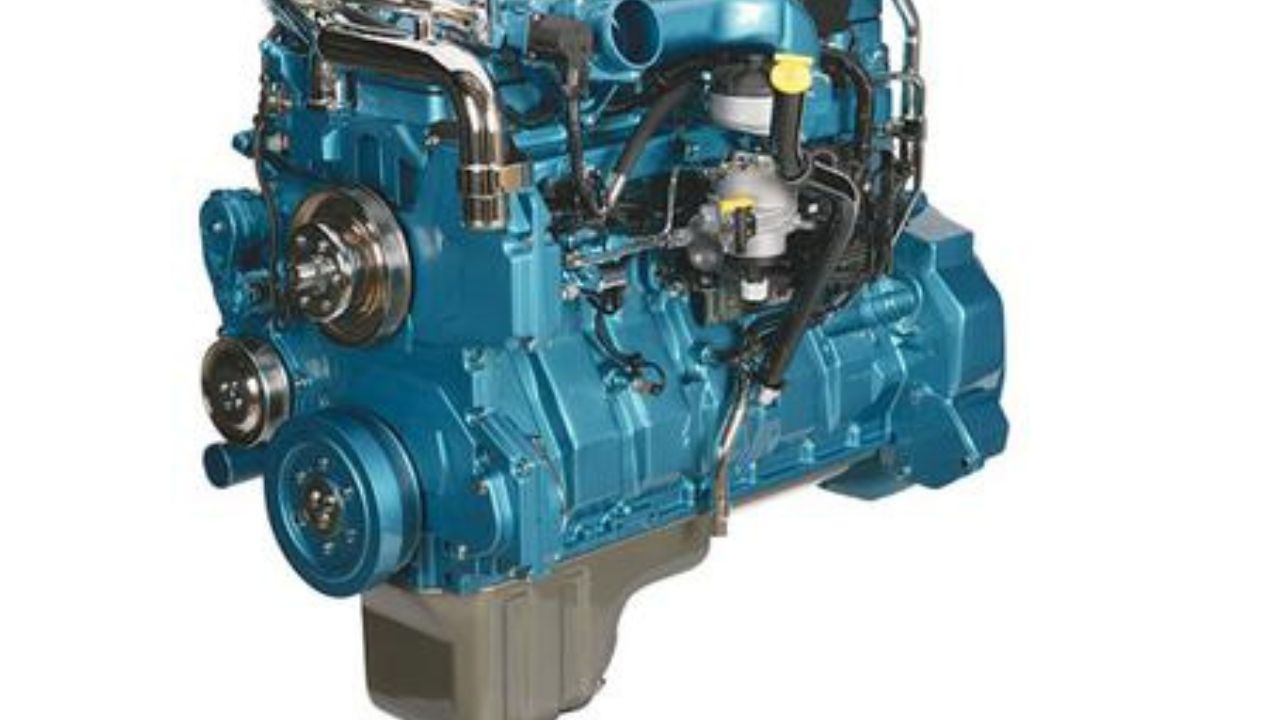
The International Harvester DT466 was built for demanding commercial applications rather than ordinary passenger-car use. Its inline-six configuration, durable construction, and wet-sleeve design allowed it to withstand high-mileage operation in trucks, buses, and other equipment. The engine was also designed with serviceability in mind, allowing major components to be rebuilt. That combination made the DT466 a true heavy-duty longevity engine.
Mercedes-Benz OM606
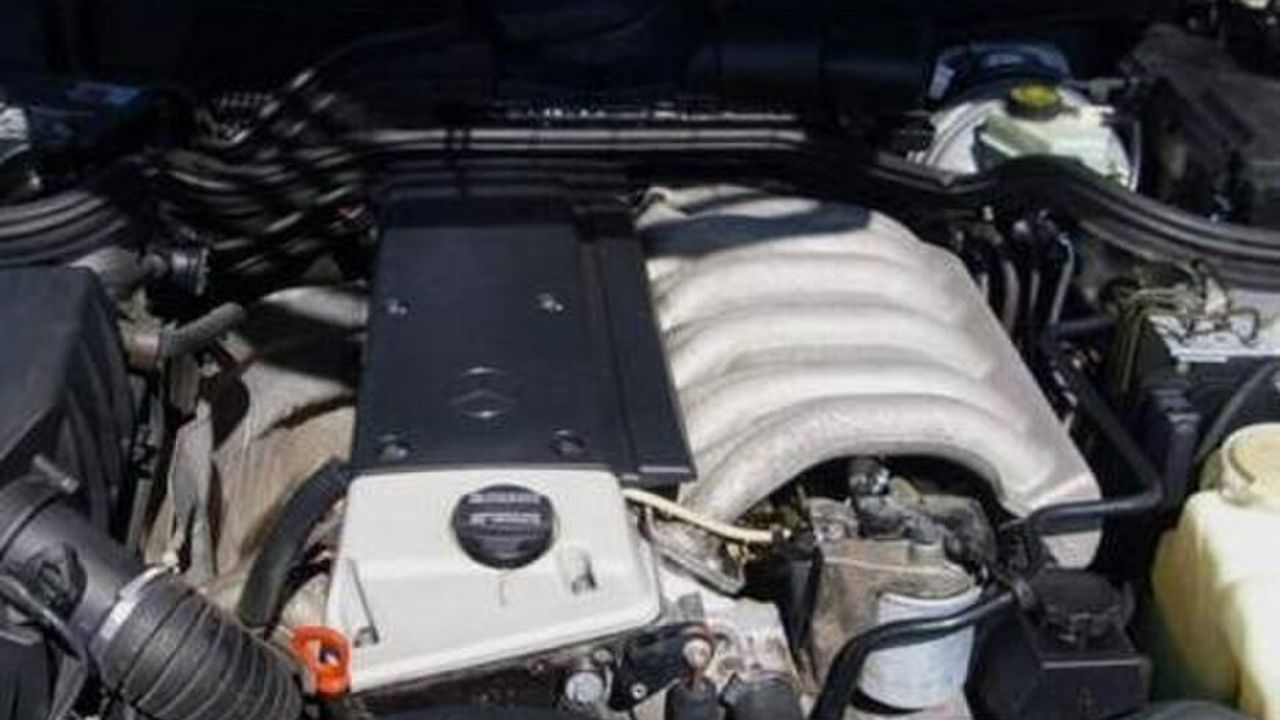
The Mercedes-Benz OM606 became highly regarded for its robust inline-six diesel construction and impressive longevity. Its cast-iron block, strong bottom end, and relatively conservative design made it well suited to high-mileage operation. Used in Mercedes-Benz passenger cars and SUVs, the OM606 developed a loyal following among enthusiasts who value its durability, smooth operation, and ability to handle demanding service.
More from Fast Lane Only
- Unboxing the WWII Jeep in a Crate
- 15 rare Chevys collectors are quietly buying
- 10 underrated V8s still worth hunting down
- Police notice this before you even roll window down
*Research for this article included AI assistance, with all final content reviewed by human editors