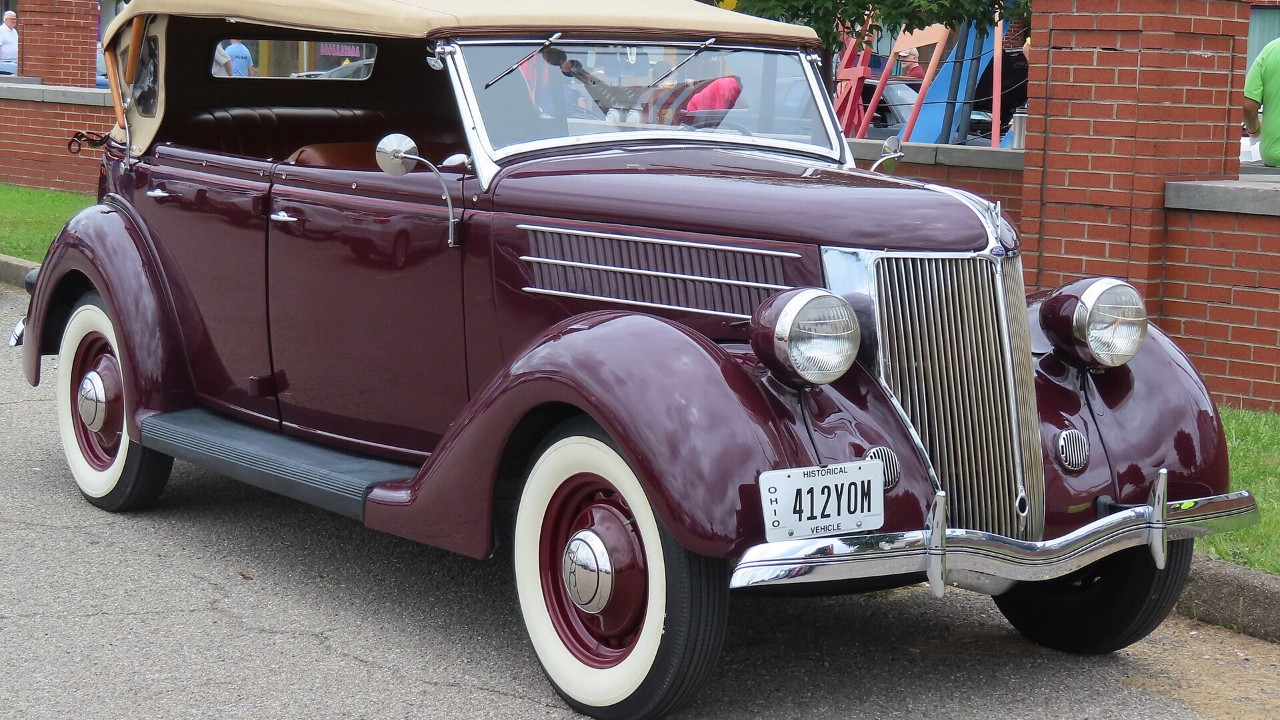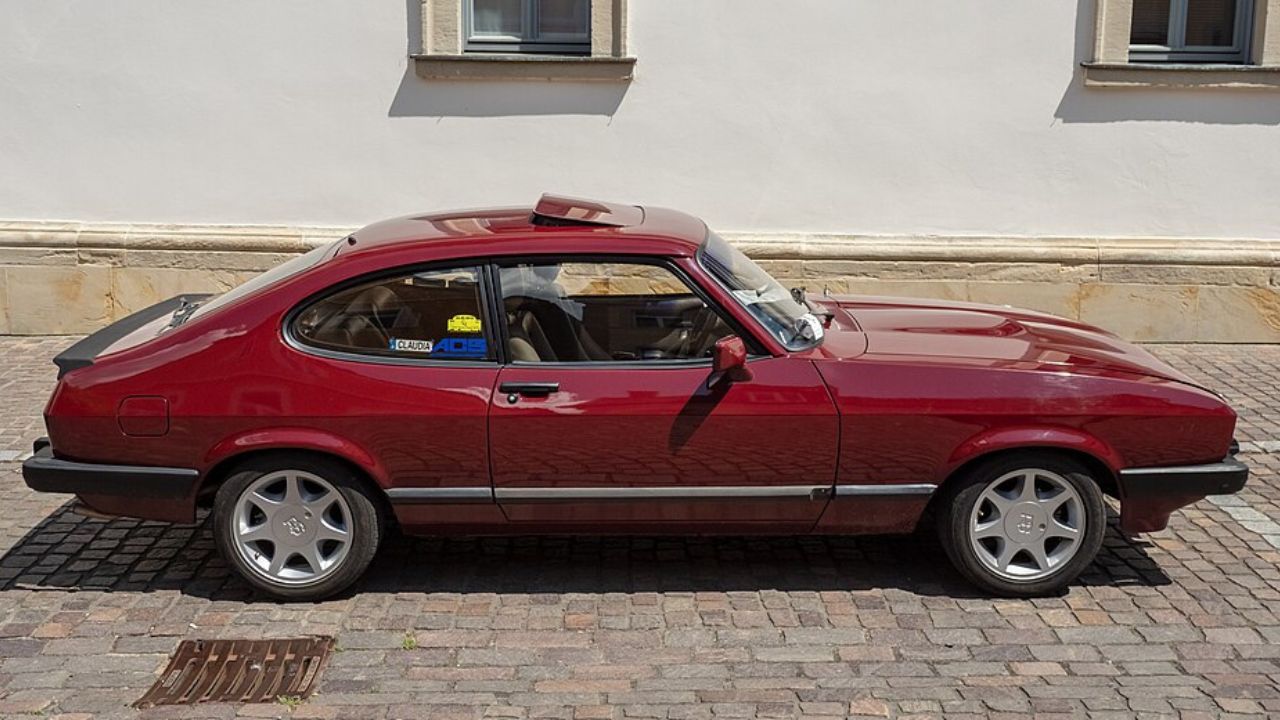
The Mustang, Camaro, and Challenger usually dominate conversations about pony cars, but plenty of other models brought distinctive styling, strong engines, and genuine performance to the segment. Some were overshadowed by more popular rivals, while others suffered from timing or limited recognition. These 11 pony cars deserve another look from today’s enthusiasts.
Mercury Cougar
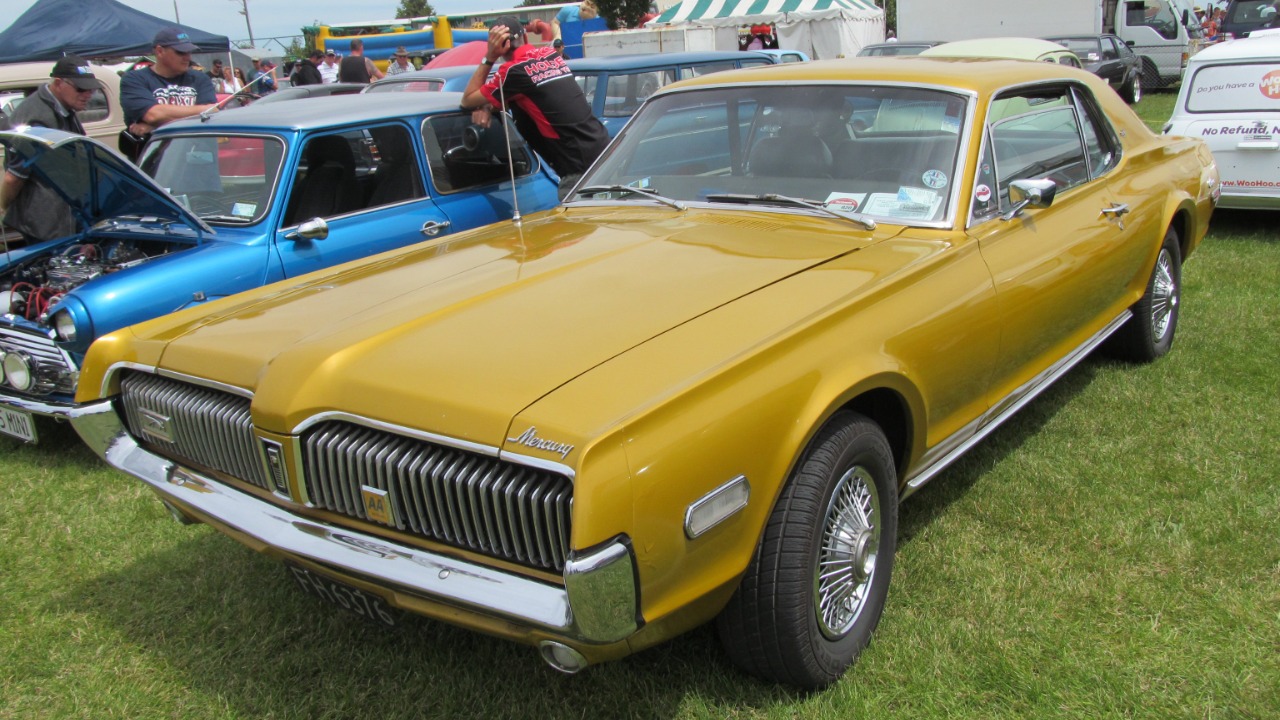
The Mercury Cougar offered a more refined alternative to the Mustang while sharing much of its basic architecture. Its hidden headlights, distinctive grille, and upscale interior gave it a personality of its own. Available V8 engines also provided serious performance. Although often remembered as a luxury-oriented coupe, early Cougars could deliver the same excitement that made pony cars popular.
AMC Javelin
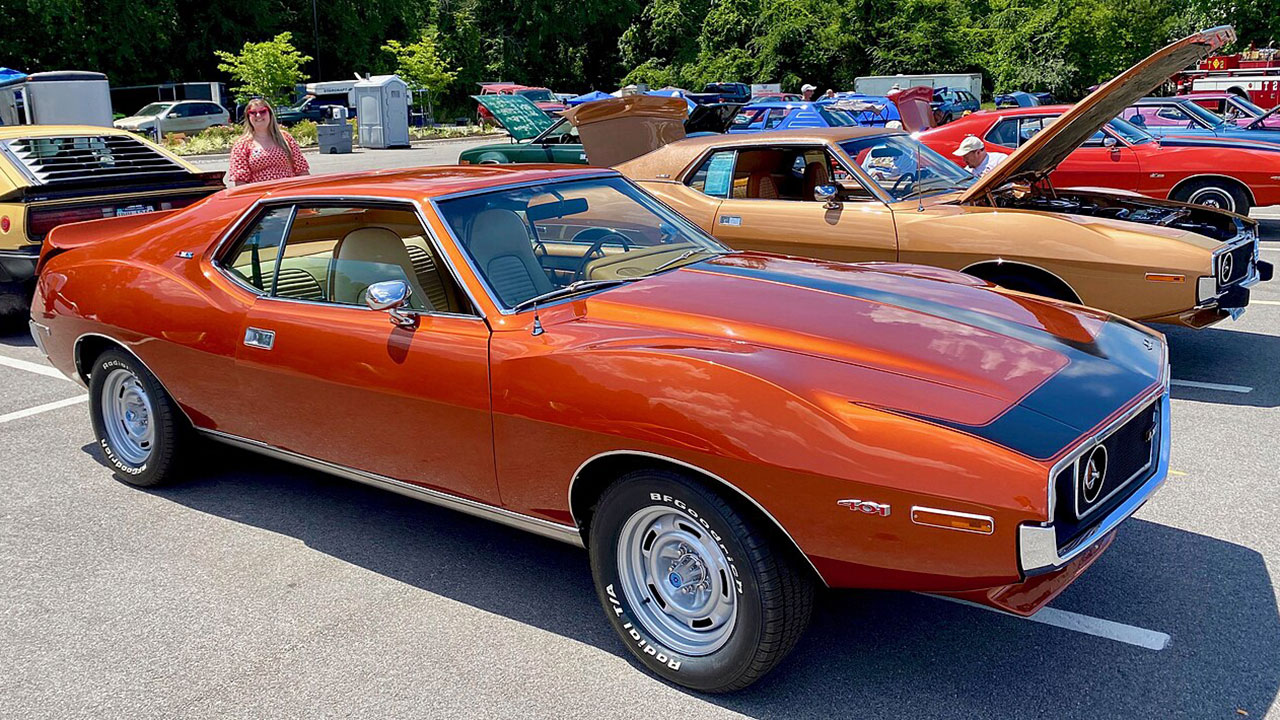
The AMC Javelin gave buyers a distinctive alternative to Ford, Chevrolet, and Chrysler pony cars. Its long hood, fastback roofline, and muscular proportions created a strong visual identity. AMC also offered increasingly powerful engines and performance versions. The Javelin never matched the sales numbers of its Detroit rivals, but its individuality makes it one of the most interesting pony cars to revisit.
Plymouth Barracuda

The Plymouth Barracuda arrived before the Mustang and helped establish the compact sporty-coupe market. Its unusual fastback rear window gave the original model a distinctive appearance. Later generations became much more aggressive, with powerful V8 options and dramatic styling. The Barracuda deserves another chance because it played an important role in the development of the American pony car.
Pontiac Firebird
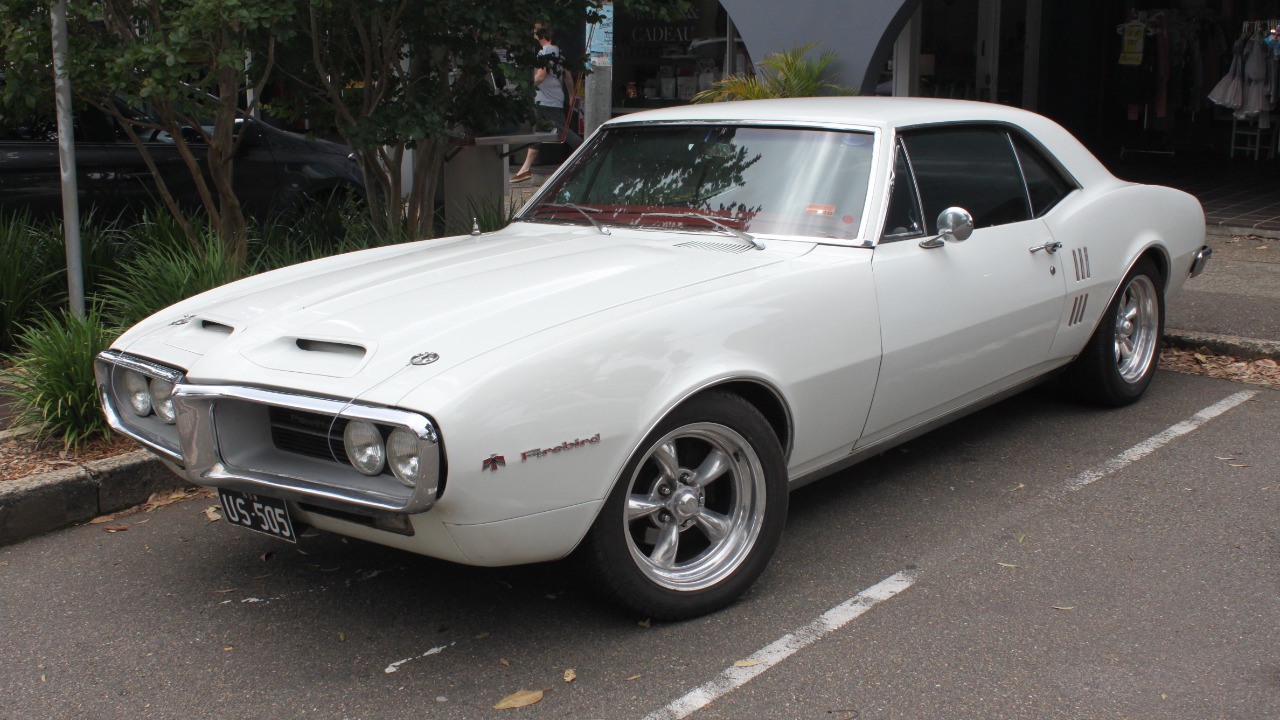
The Pontiac Firebird became one of the defining names in the pony-car market, but many individual versions remain overlooked. Its long hood, low roofline, and available V8 engines gave it an unmistakable performance identity. From basic models to high-output Trans Am variants, the Firebird offered a broad range of personalities. Its deep history makes lesser-known versions worth revisiting.
Oldsmobile Cutlass
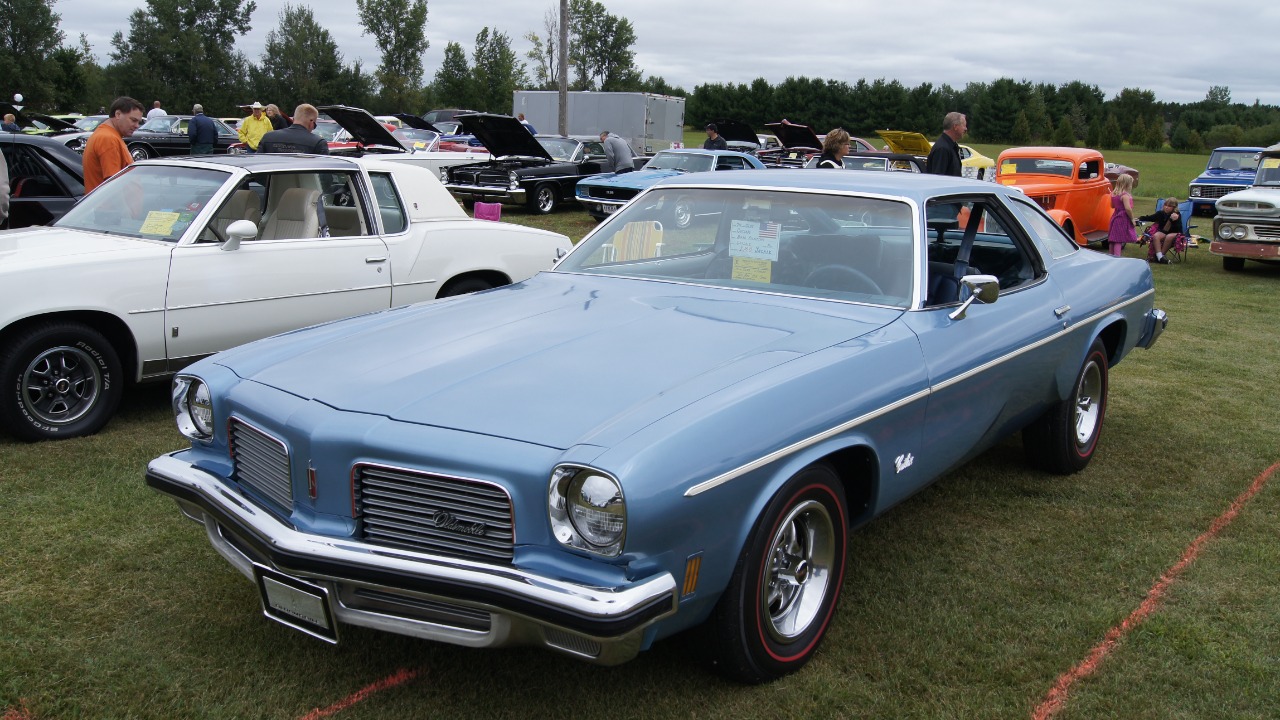
The Oldsmobile Cutlass occupied an unusual position between the traditional pony car and personal-luxury coupe. Certain versions offered powerful V8 engines, sporty styling, and strong straight-line performance. Because the Cutlass name covered so many configurations, its performance variants can be overlooked. Well-preserved examples demonstrate that Oldsmobile could create genuinely exciting cars.
Buick GS

The Buick GS combined understated styling with substantial V8 performance. Its larger engines provided enormous torque, while the car retained the comfort associated with Buick. Performance versions such as the GS 455 could surprise drivers who underestimated them. The combination of luxury and muscle made the GS different from the more youth-focused pony cars.
Dodge Demon
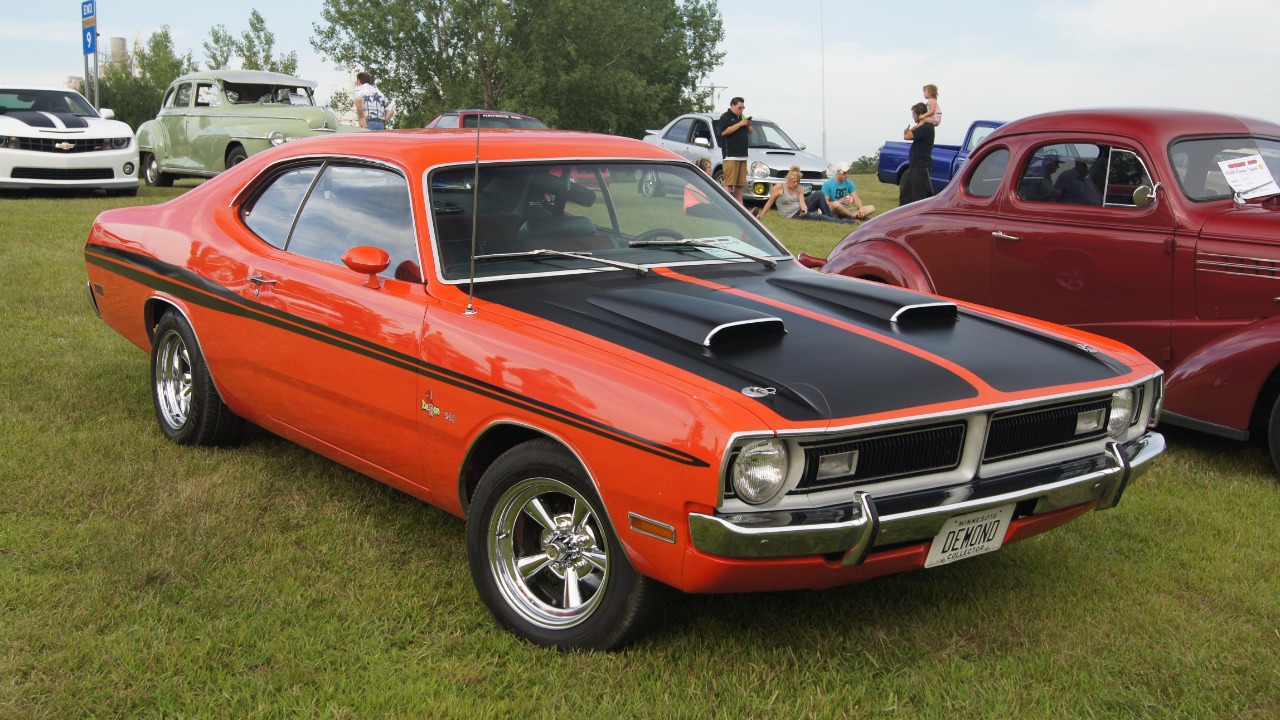
The Dodge Demon offered a compact package with serious performance potential. Its aggressive appearance, available V8 power, and relatively lightweight A-body platform made it a formidable street machine. The name is often associated with the more famous Challenger and Charger, but the original Demon deserves recognition as an important member of Mopar’s performance lineup.
Chevrolet Monza
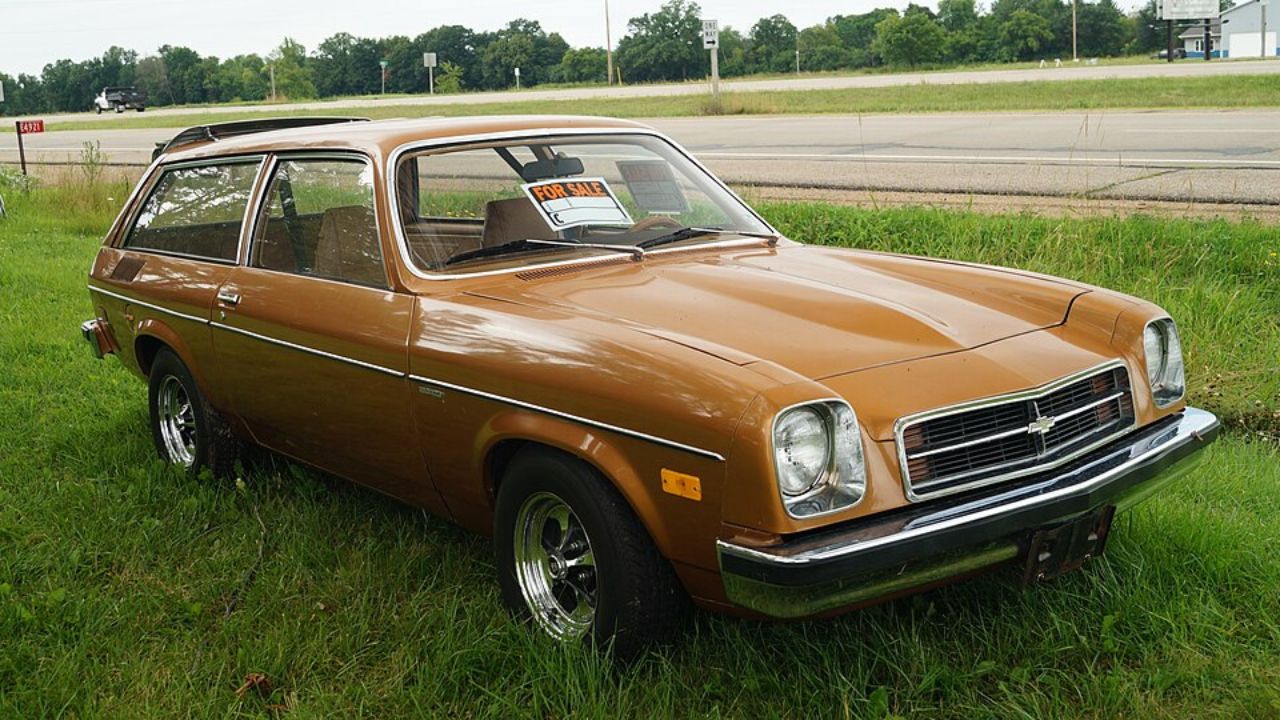
The Chevrolet Monza offered sporty proportions and rear-wheel-drive architecture in a compact package. Certain versions were available with V8 power, giving the small coupe more performance potential than its appearance suggested. The Monza arrived during a difficult period for American performance cars, which limited its impact. Today, clean examples provide an interesting look at the industry’s transition away from traditional muscle.
Ford Capri
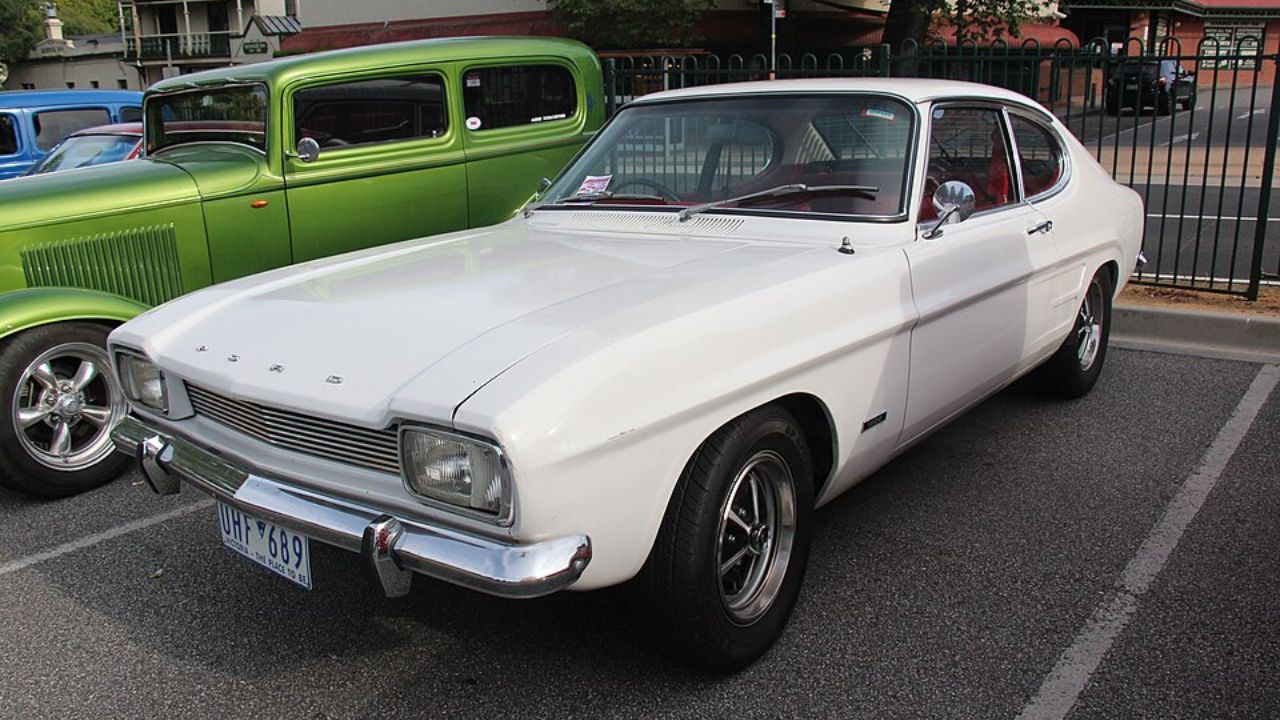
The Mercury Capri brought European-inspired styling and compact proportions to American buyers. Its sleek bodywork gave it a distinctive appearance among Ford products, while later versions offered stronger performance. The Capri never achieved the Mustang’s popularity, leaving it relatively obscure today. That rarity and different design philosophy make it an appealing alternative for collectors.
Pontiac Sunbird
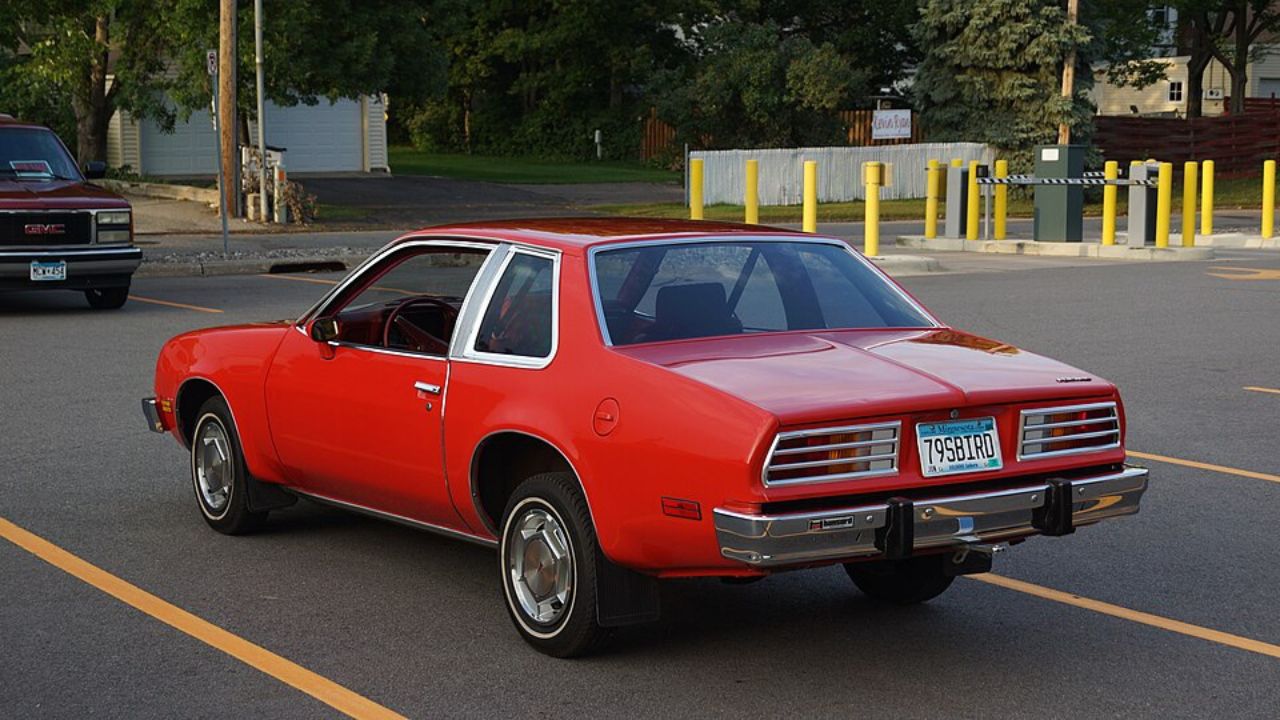
The Pontiac Sunbird represented the compact end of Pontiac’s performance ambitions. Later sport-oriented versions offered turbocharged engines and distinctive styling, giving the small coupe considerably more character than its economy-car roots suggested. Because most were treated as inexpensive transportation, surviving examples are uncommon. Enthusiasts interested in overlooked performance cars may find the Sunbird surprisingly rewarding.
AMC AMX
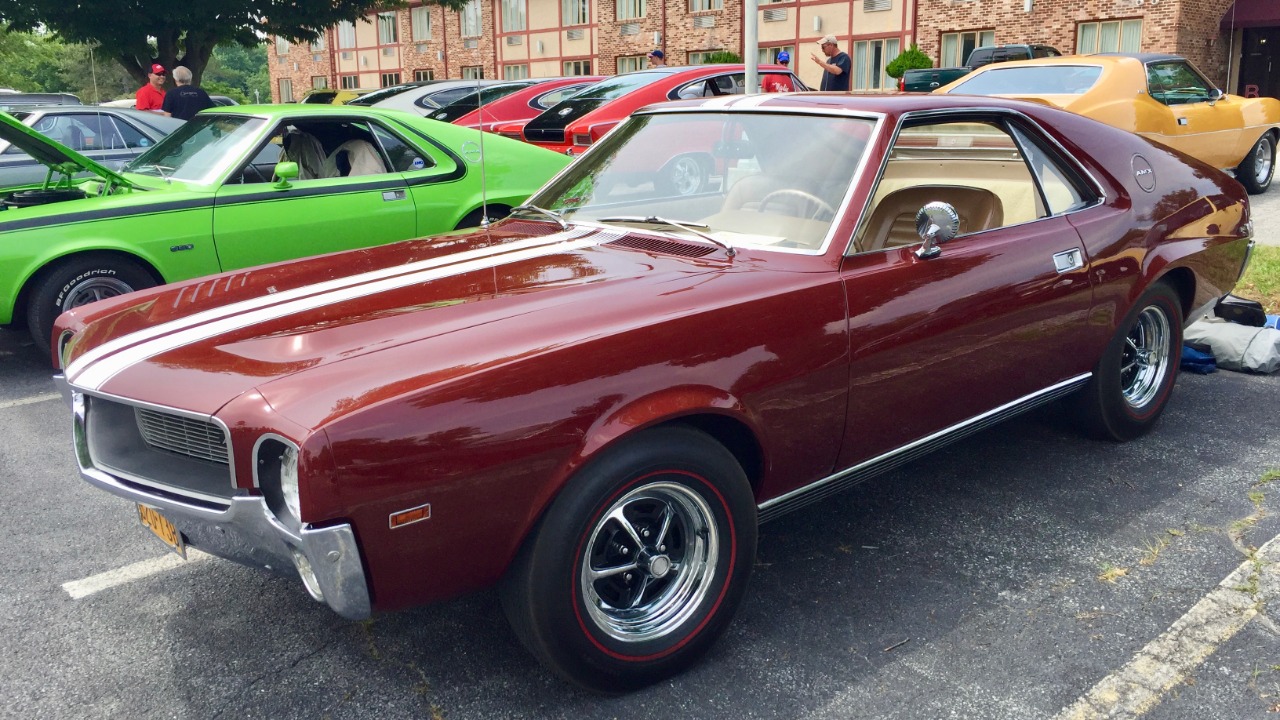
The AMC AMX stood apart from conventional pony cars with its shorter two-seat body and aggressive proportions. Its powerful V8 options gave it serious straight-line performance, while its compact dimensions made it visually distinctive. Production was relatively limited compared with mainstream competitors. The AMX deserves another chance because it represented AMC’s willingness to build something genuinely different.
More from Fast Lane Only
- Unboxing the WWII Jeep in a Crate
- 15 rare Chevys collectors are quietly buying
- 10 underrated V8s still worth hunting down
- Police notice this before you even roll window down
*Research for this article included AI assistance, with all final content reviewed by human editors