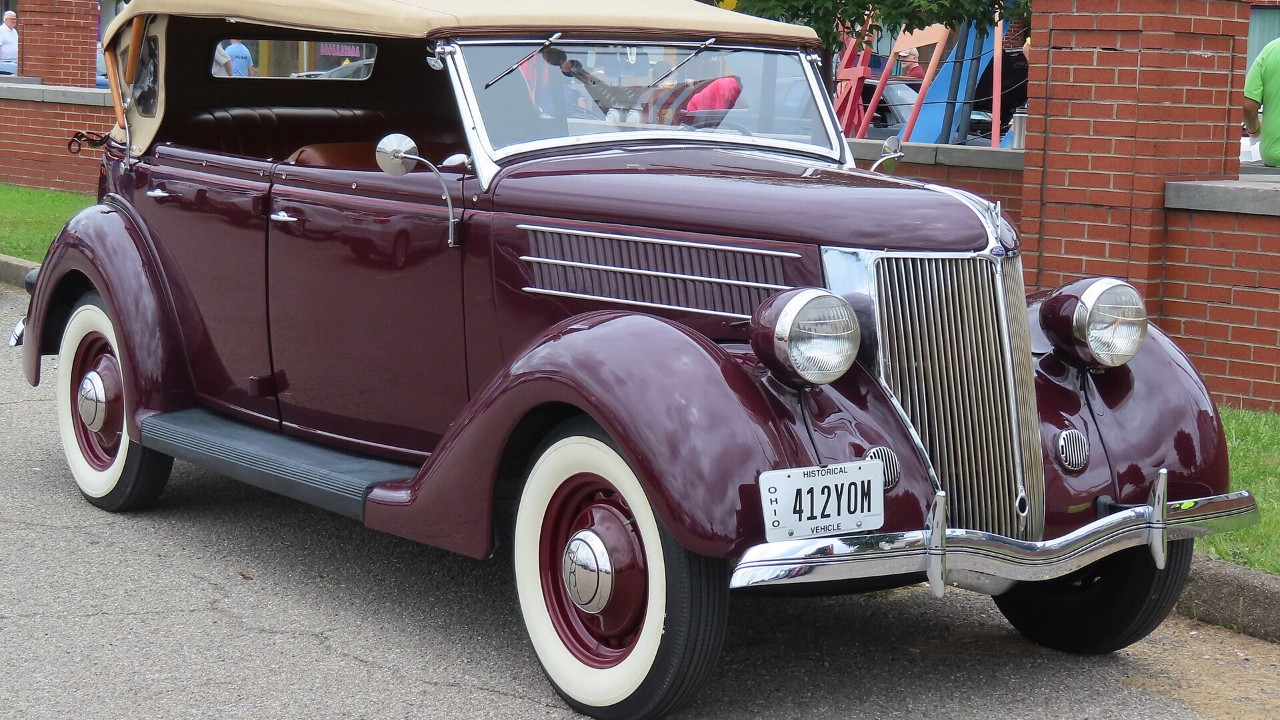
Some automobiles changed the industry without becoming household names. Their innovative layouts, unusual engineering, or unconventional styling challenged established ideas about what a car could be. Many were eventually overshadowed by better-selling rivals, but their influence remains visible in later generations of automobiles.
Chrysler Airflow
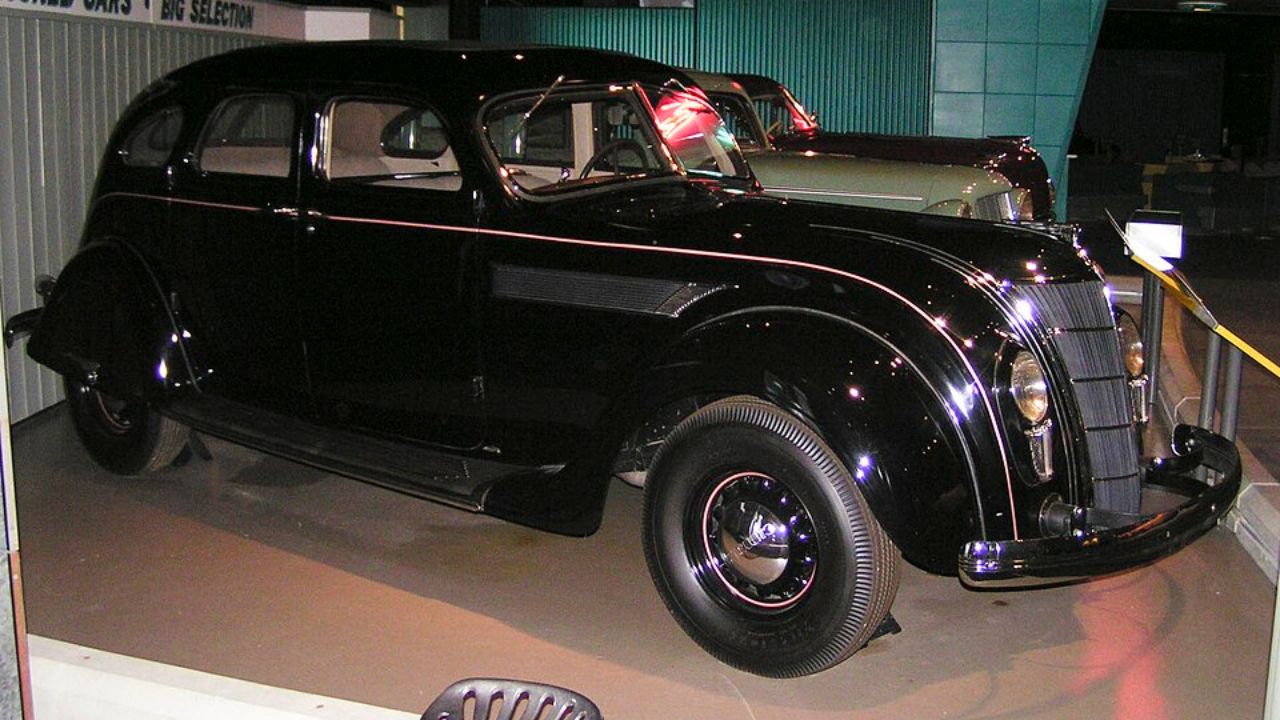
The Chrysler Airflow challenged conventional American car design with its emphasis on aerodynamics and weight distribution. Its streamlined body and advanced construction looked radically different from the upright cars of its time. Although sales were disappointing, the Airflow demonstrated that engineering could determine a car’s shape. Its ideas influenced automotive design long after production ended.
Cord 810
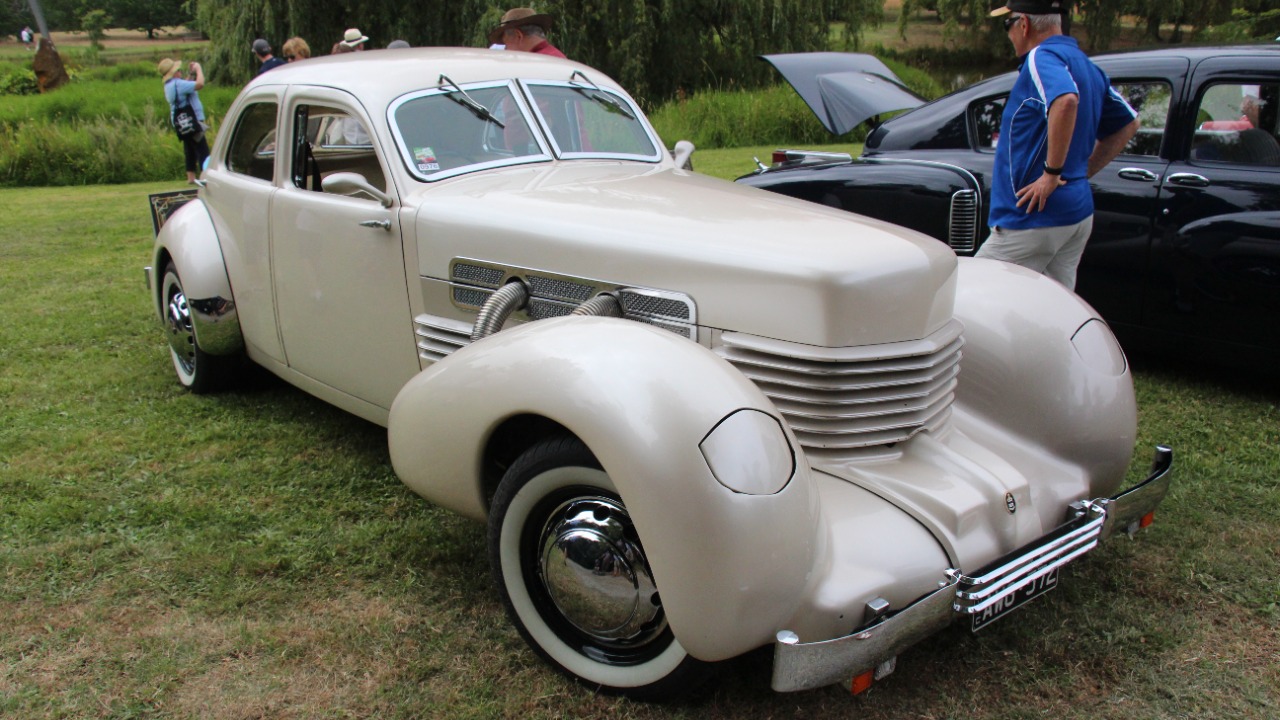
The Cord 810 introduced front-wheel drive, hidden headlights, and a remarkably low body to the American market. Its streamlined design looked years ahead of its competitors, while its engineering demonstrated an ambitious approach to packaging. Production problems limited its success, but the 810 remains one of the most influential examples of prewar American automotive experimentation.
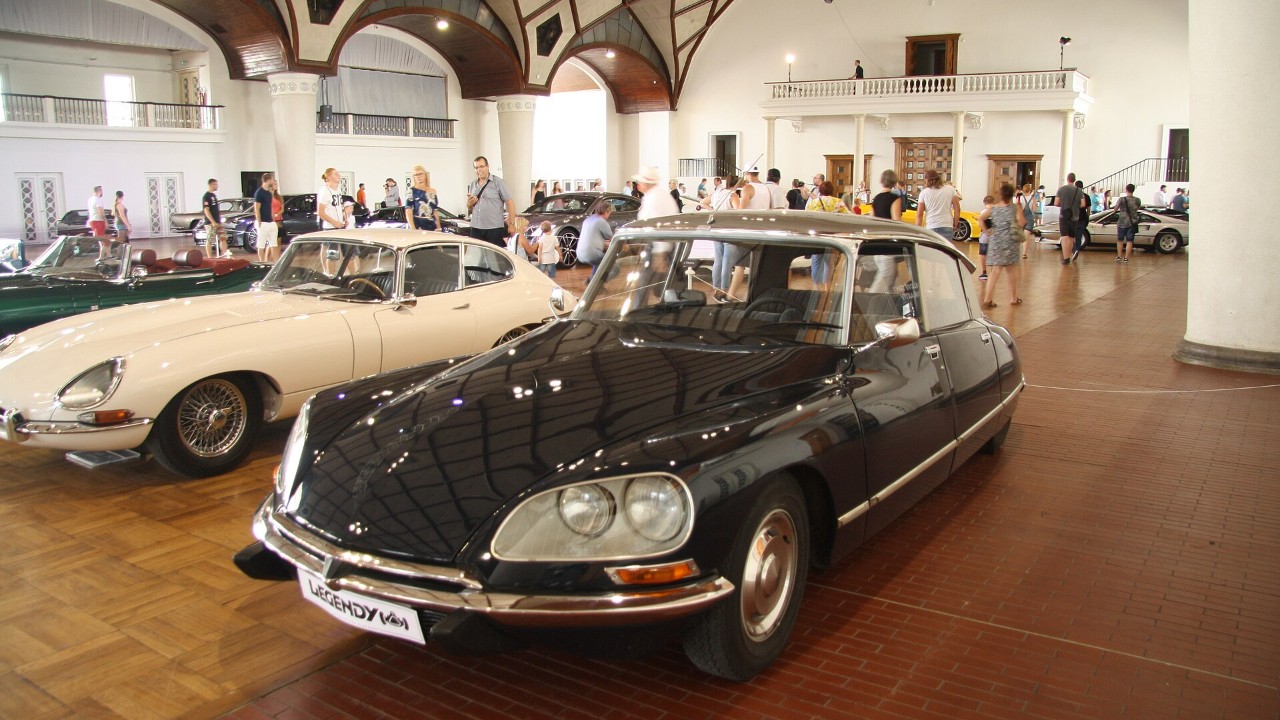
Citroën DS
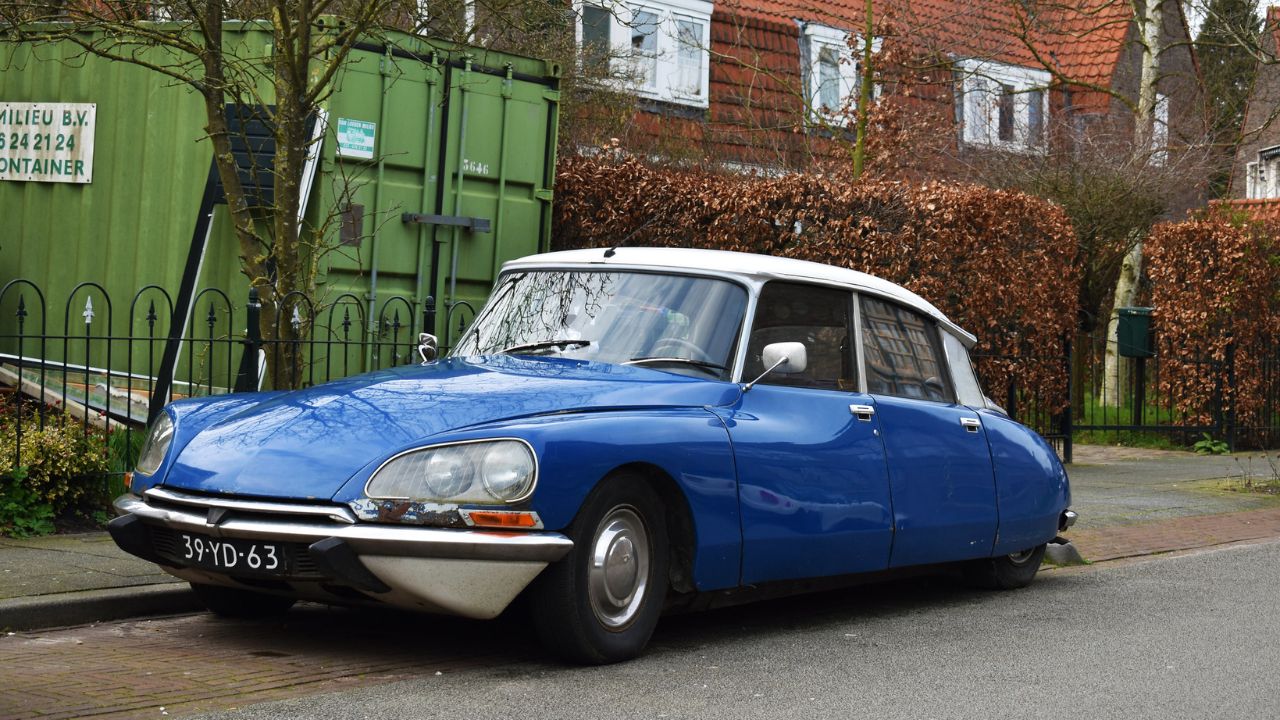
The Citroën DS rewrote expectations for what a production automobile could be. Its aerodynamic body, front-wheel-drive layout, and hydropneumatic suspension created a combination unlike almost anything else on the road. The suspension provided exceptional ride quality while maintaining unusual sophistication. The DS became a symbol of innovative French engineering and remained influential for decades.
Chevrolet Corvair
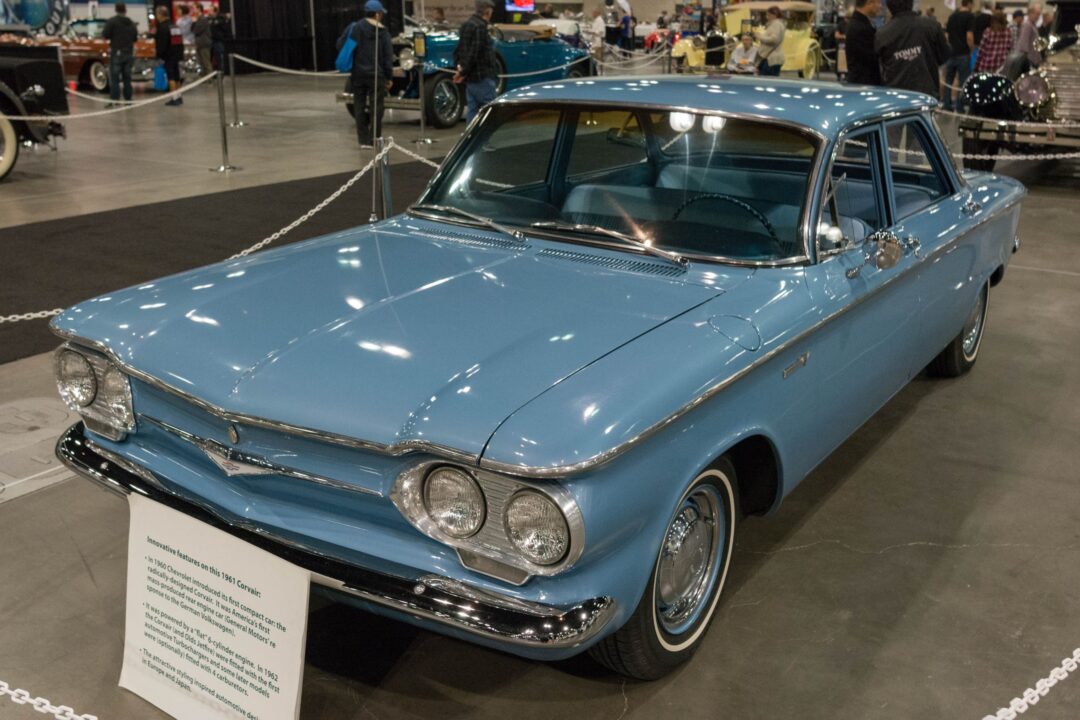
The Chevrolet Corvair challenged America’s preference for front-engine, rear-wheel-drive cars. Its rear-mounted, air-cooled flat-six engine gave it a completely different mechanical character from most American automobiles. Independent suspension further distinguished it from conventional designs. Although its reputation became controversial, the Corvair demonstrated that a major American manufacturer could experiment with an unconventional layout on a large scale.
Oldsmobile Toronado
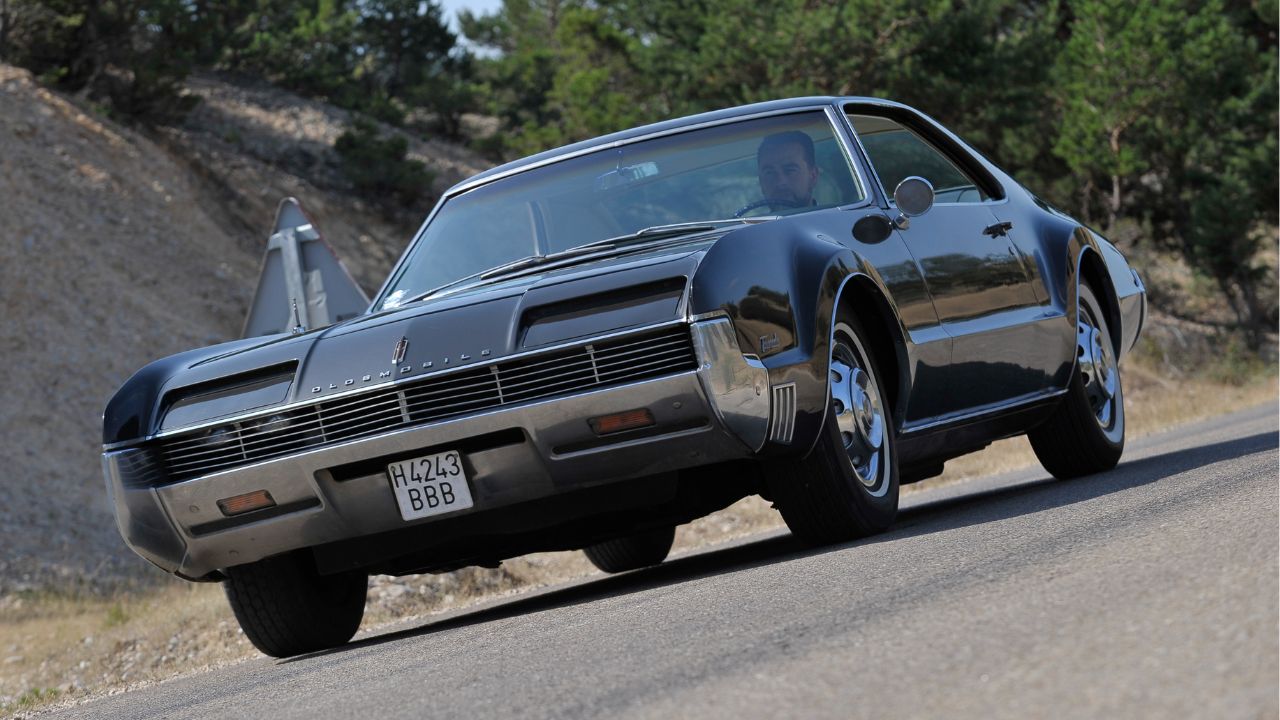
The Oldsmobile Toronado brought front-wheel drive back into serious American passenger-car production. Its powerful V8 and unusual drivetrain were packaged beneath a dramatic fastback body. The Toronado proved that front-wheel drive could be adapted to a large, powerful American automobile. Its engineering made it one of the most significant American cars of the 1960s.
AMC Pacer

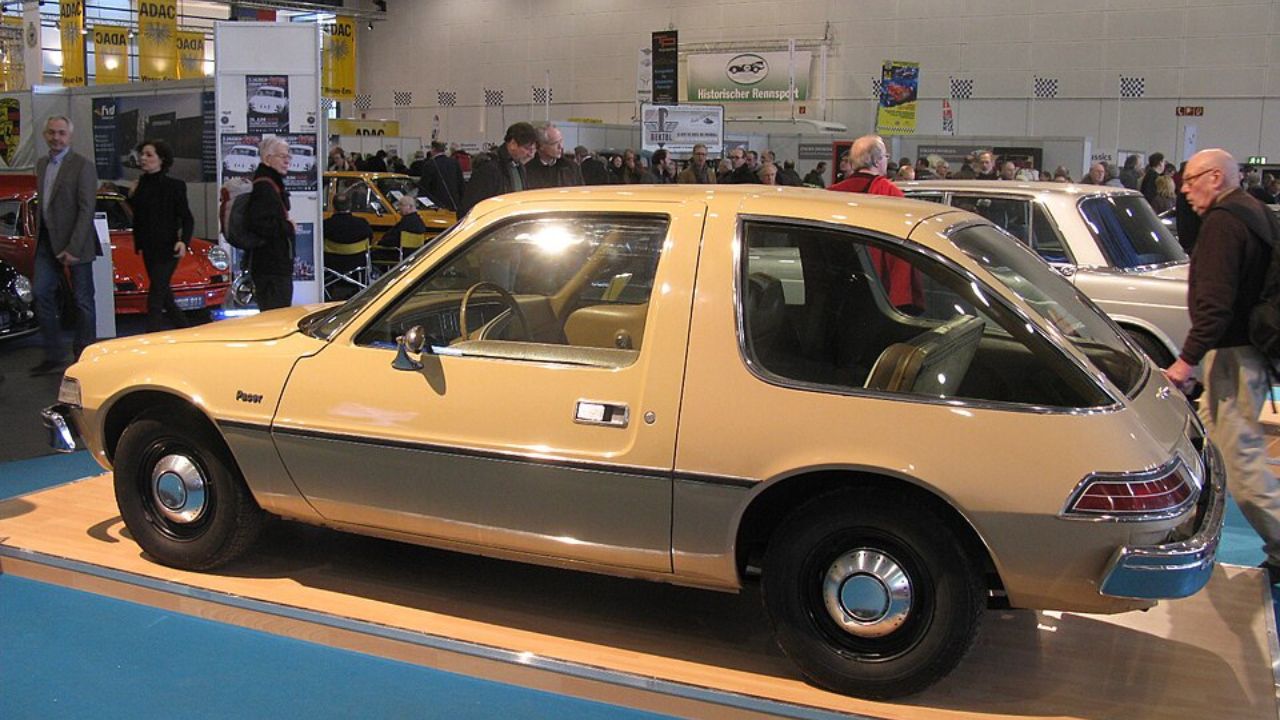
The AMC Pacer took compact-car design in an unusual direction. Its wide body, large glass area, and distinctive rounded shape were unlike conventional American cars. AMC prioritized interior space and visibility despite the car’s compact length. Although its styling divided buyers, the Pacer demonstrated that unconventional packaging could challenge established ideas about what a small car should look like.
Renault 5
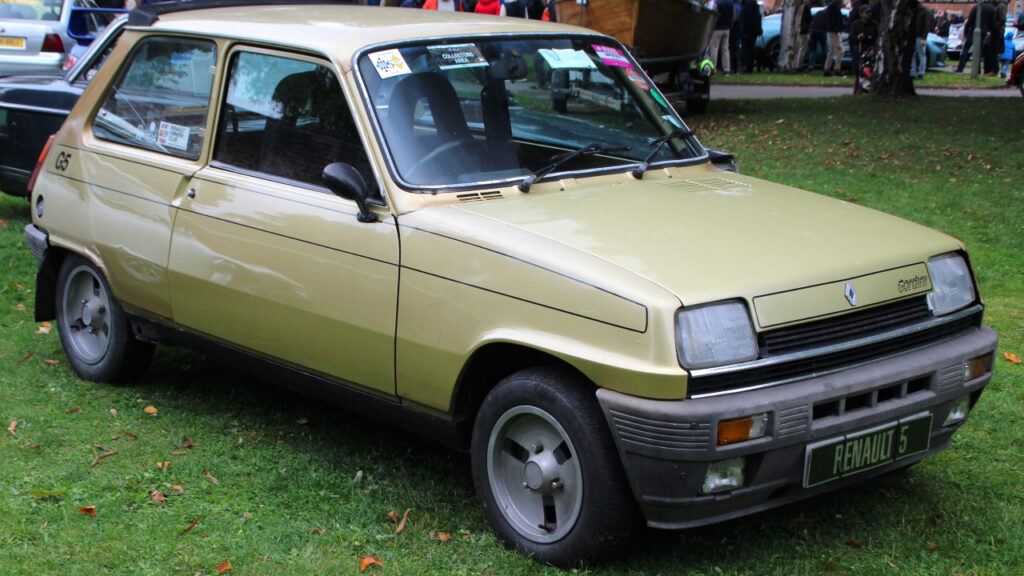
The Renault 5 helped redefine the European small car with its compact dimensions, front-wheel-drive layout, and practical hatchback body. Its design made efficient use of limited space while retaining a youthful appearance. Performance versions later demonstrated that small cars could also be genuinely exciting. The Renault 5 became an important influence on the modern hot-hatch formula.
Audi Quattro
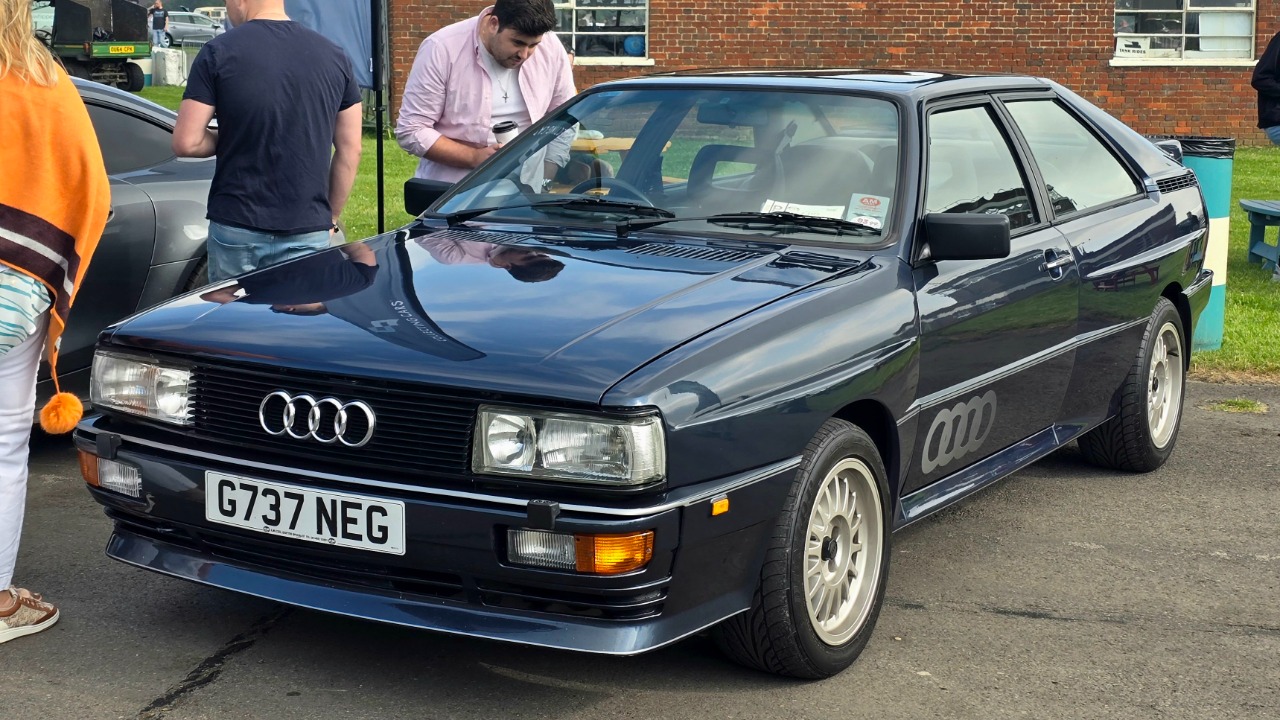
The Audi Quattro transformed perceptions of all-wheel-drive performance cars. Its turbocharged five-cylinder engine and permanent all-wheel-drive system provided exceptional traction, particularly in rally competition. Success on the stages demonstrated that all-wheel drive could be a performance advantage rather than simply an off-road feature. Its influence can still be seen throughout the modern performance-car industry.
Porsche 911
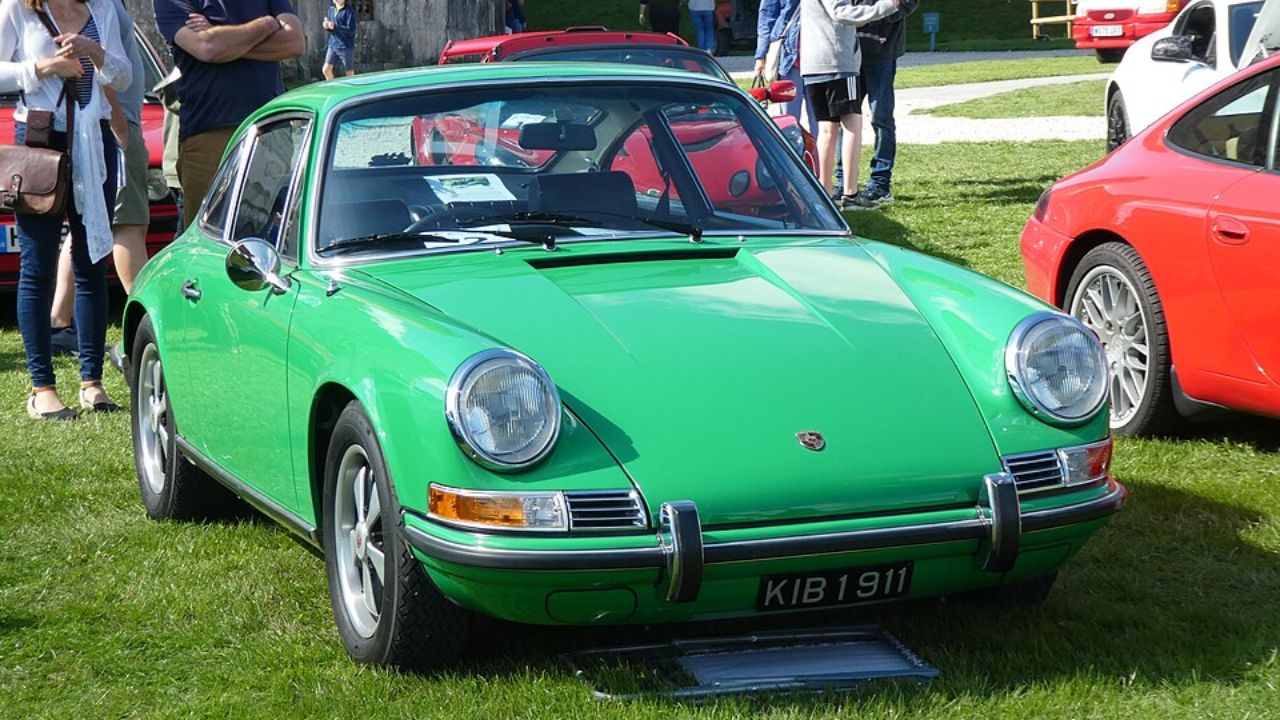
The Porsche 911 challenged conventional ideas about sports-car engineering with its rear-mounted, air-cooled flat-six configuration. Its unusual layout required careful engineering and continuous development. Rather than abandoning the concept, Porsche refined it over generations. The result became one of the world’s longest-running sports-car designs and proved that an unconventional architecture could become a lasting strength.
Volkswagen Beetle
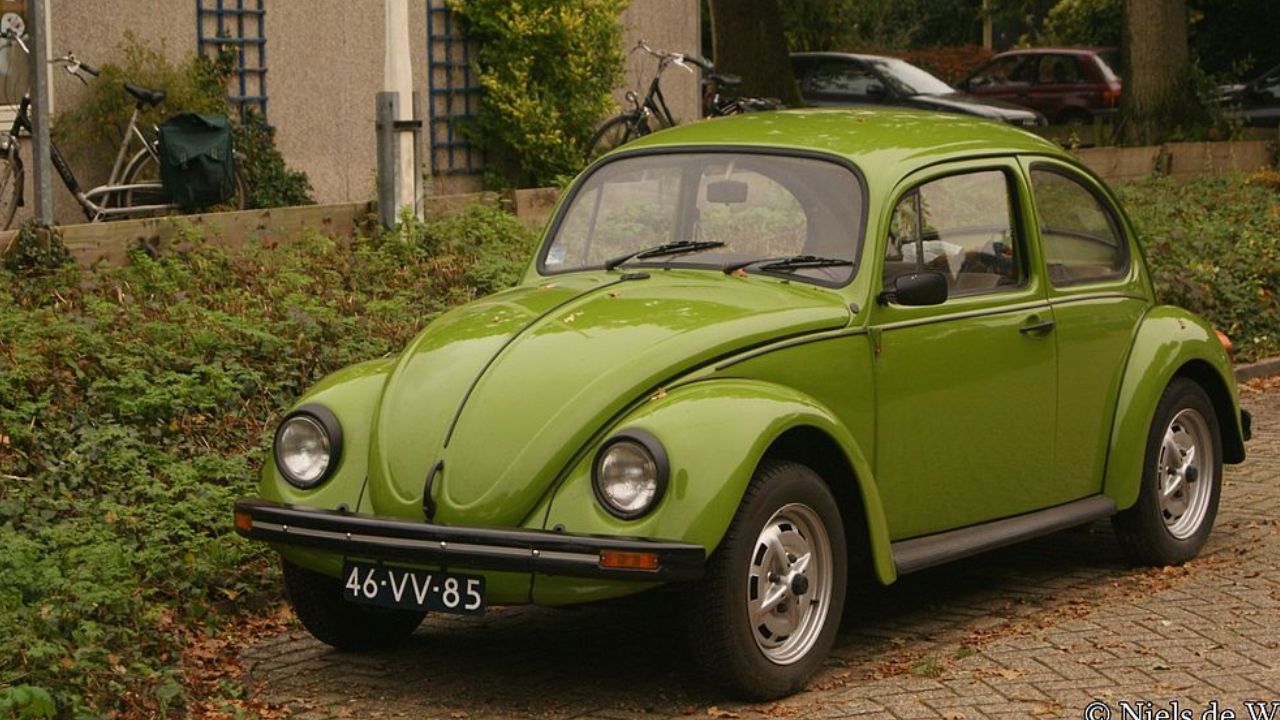
The Volkswagen Beetle demonstrated that simplicity, efficiency, and mass production could create a globally successful automobile. Its rear-mounted air-cooled engine, compact dimensions, and straightforward mechanical design were unlike most mainstream cars. Its architecture remained remarkably consistent for decades. Few automobiles better demonstrate how a simple engineering concept can become an enduring automotive formula.
More from Fast Lane Only
- Unboxing the WWII Jeep in a Crate
- 15 rare Chevys collectors are quietly buying
- 10 underrated V8s still worth hunting down
- Police notice this before you even roll window down
*Research for this article included AI assistance, with all final content reviewed by human editors