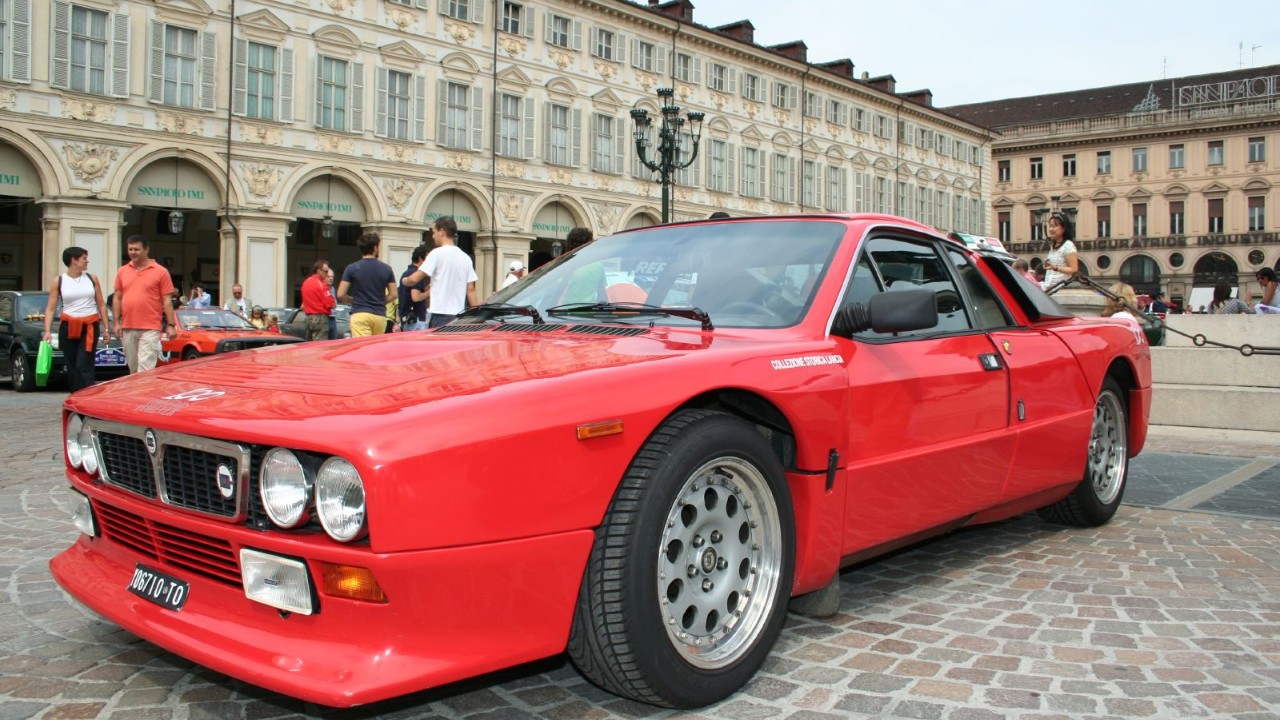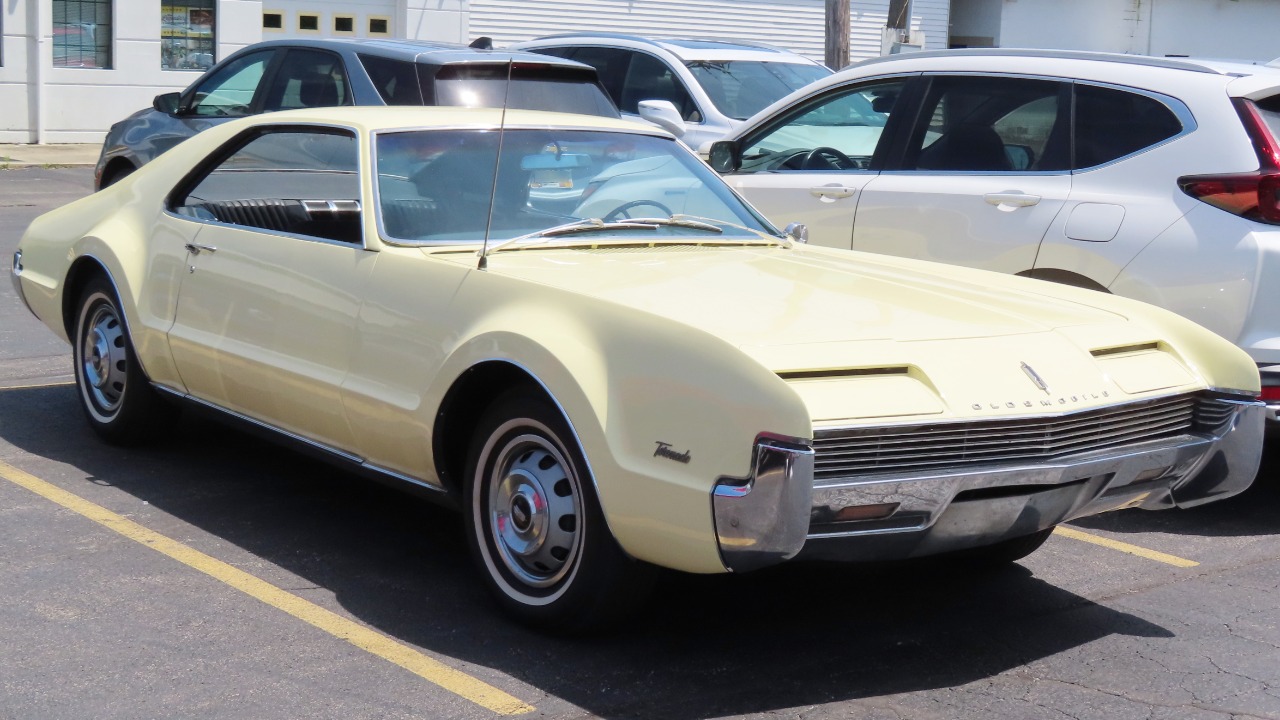
Oldsmobile has a storied history, marked by innovation and a commitment to quality. From the post-war era to the late 90s, the brand produced a series of vehicles that not only defined their time but also showcased Oldsmobile’s engineering prowess. Here, I’ll highlight 11 models that truly demonstrated what the brand could build, leaving an indelible mark on the automotive landscape.
Oldsmobile 88 (1949)
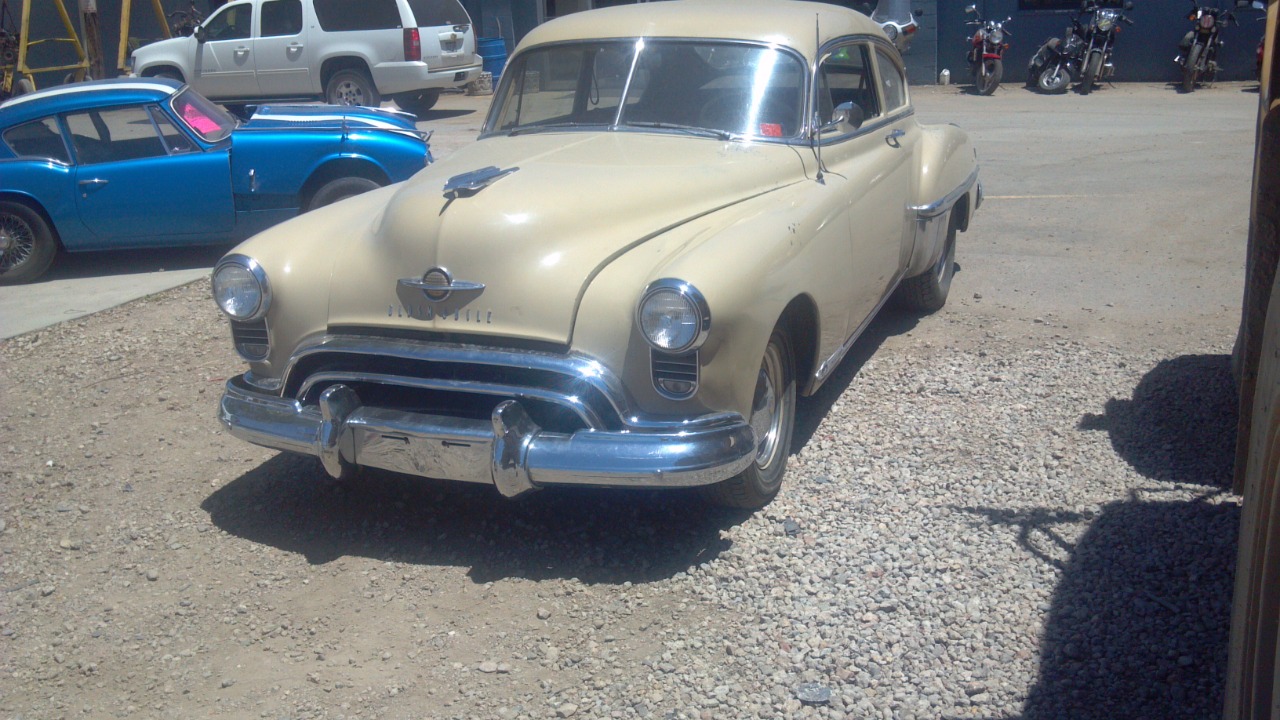
The Oldsmobile 88, introduced in 1949, marked a significant milestone in American automotive history. It was one of the first models to feature the revolutionary Rocket V8 engine, which provided exceptional power and performance. The 88 quickly became popular for its smooth ride and stylish design, appealing to a broad market. With its sleek lines and modern flair, it represented a shift towards more sophisticated vehicles in the post-war era. The combination of power and luxury made the Oldsmobile 88 a symbol of American automotive innovation, paving the way for future models that would follow in its tracks.
Notably, the 88 became a staple in American households throughout the 1950s and 60s, often associated with family road trips and memorable journeys. Its enduring popularity can be attributed to its reliability and comfort. The Oldsmobile 88 was not just a car; it was a part of the American dream, embodying freedom and adventure on the open road. The legacy of this model continues to resonate, reminding us of a time when cars were more than just machines; they were a way of life.
Oldsmobile Rocket 88 (1949)
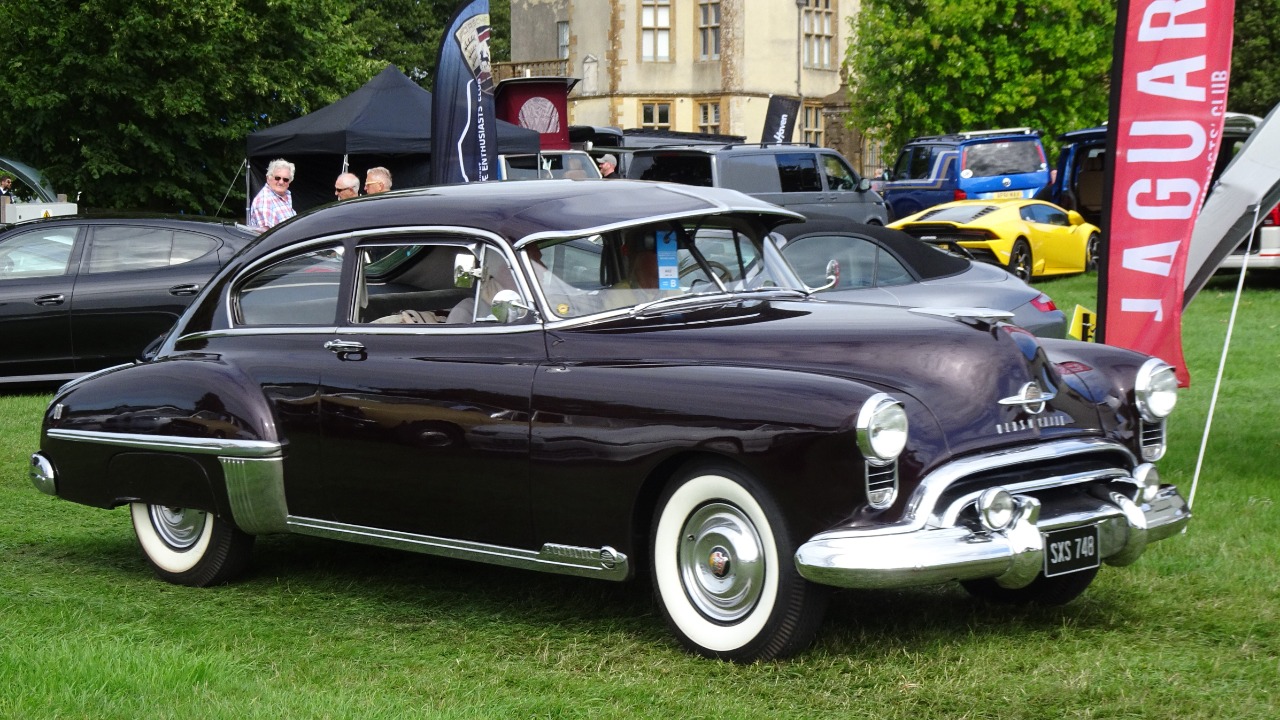
Often celebrated as one of the very first muscle cars, the Oldsmobile Rocket 88 debuted alongside its namesake in 1949. Its powerful Rocket V8 engine, which produced 135 horsepower, was a game-changer in the automotive industry, setting the stage for performance vehicles that would follow. With its lightweight design and robust engineering, the Rocket 88 could accelerate faster than many of its competitors, making it a favorite among racing enthusiasts and everyday drivers alike. This model’s blend of speed and style laid the groundwork for the future of muscle cars.
Beyond its performance, the Rocket 88 was also notable for its design. It featured a sleek, aerodynamic body that reflected the contemporary styling trends of the late 1940s. The car was well-equipped with modern amenities, making it appealing to those who wanted both performance and comfort. The Rocket 88’s influence can still be seen in today’s performance vehicles, proving that Oldsmobile was ahead of its time. As a testament to its impact, you can find retrospectives on the legacy of the Rocket 88 in various automotive discussions.
Oldsmobile Cutlass (1961)
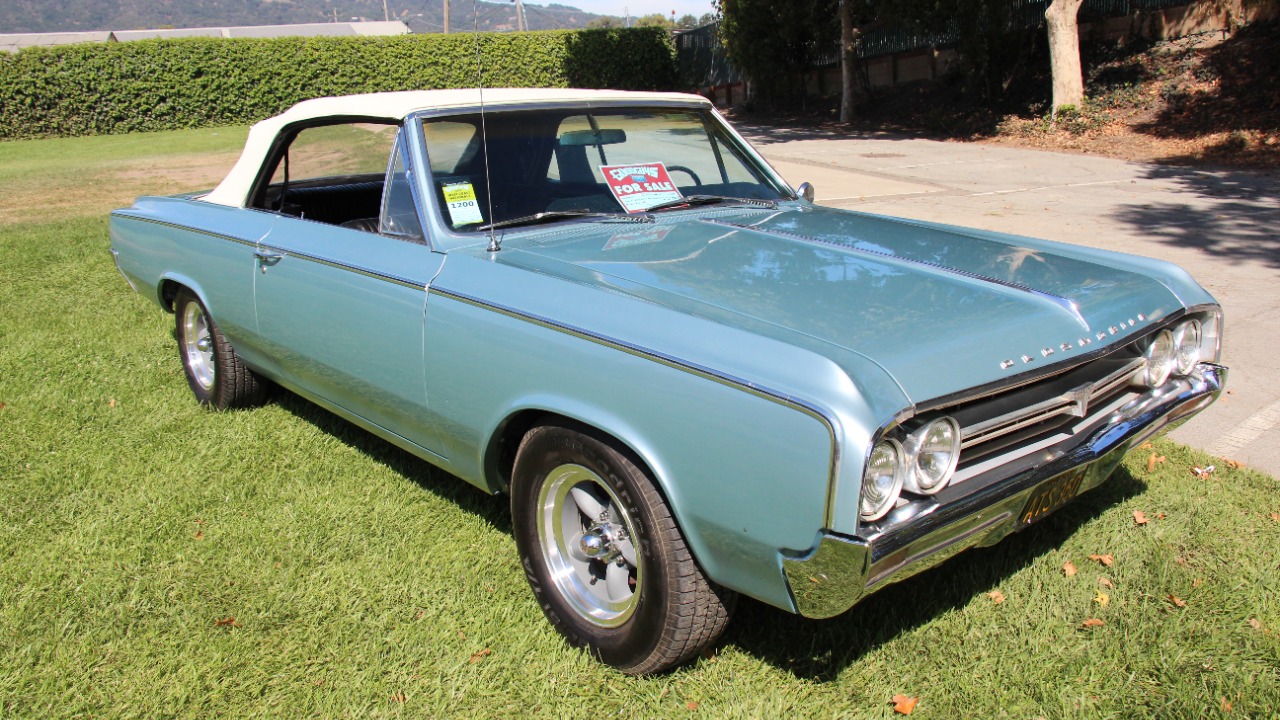
The Oldsmobile Cutlass made its debut in 1961 and quickly became one of the brand’s most iconic models. Designed to attract younger buyers, the Cutlass was compact, stylish, and offered a variety of engine options, including a potent V8. The Cutlass’s design was both modern and elegant, featuring a long hood and a short deck, which became a hallmark of American muscle cars. Its appeal was further enhanced by its affordability, making it accessible to a wide demographic.
Throughout its production run, the Cutlass underwent several redesigns, each iteration maintaining its status as a leader in the mid-size car market. It was a notable contender in various racing formats, showcasing Oldsmobile’s commitment to performance. The Cutlass also had a cultural impact, appearing in films and TV shows, solidifying its place in American automotive history. The legacy of the Cutlass continues to be celebrated by car enthusiasts and collectors, as it represents a golden era of American automotive design and engineering.
Oldsmobile Toronado (1966)
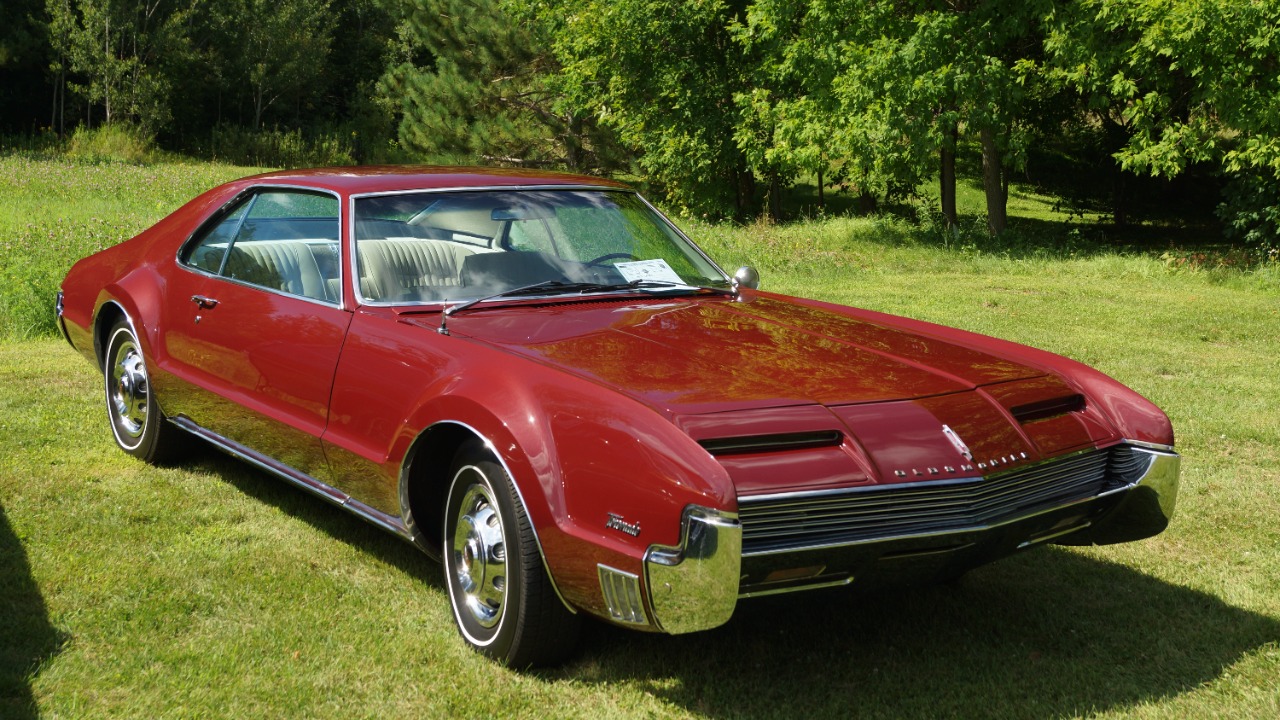
The introduction of the Oldsmobile Toronado in 1966 was a groundbreaking moment for the brand and the automotive industry as a whole. As one of the first front-wheel-drive cars in the U.S., the Toronado revolutionized vehicle handling and design. It featured a powerful 425 cubic inch V8 engine, providing an exhilarating driving experience and making it one of the most powerful cars of its time. The unique design, with its long hood and sloping roofline, added to its allure, marking it as a luxurious and sporty option for consumers.
The Toronado was also equipped with advanced features such as an automatic transmission and cutting-edge safety elements, which elevated the driving experience. Its innovative design and engineering were ahead of their time, influencing future models across various brands. The Toronado’s legacy remains significant, as it showcased Oldsmobile’s ability to innovate and push boundaries within the automotive sector. For those interested in the evolution of car technology, examining the Toronado’s features provides insight into the advancements that defined a generation of automobiles.
Oldsmobile 442 (1964)
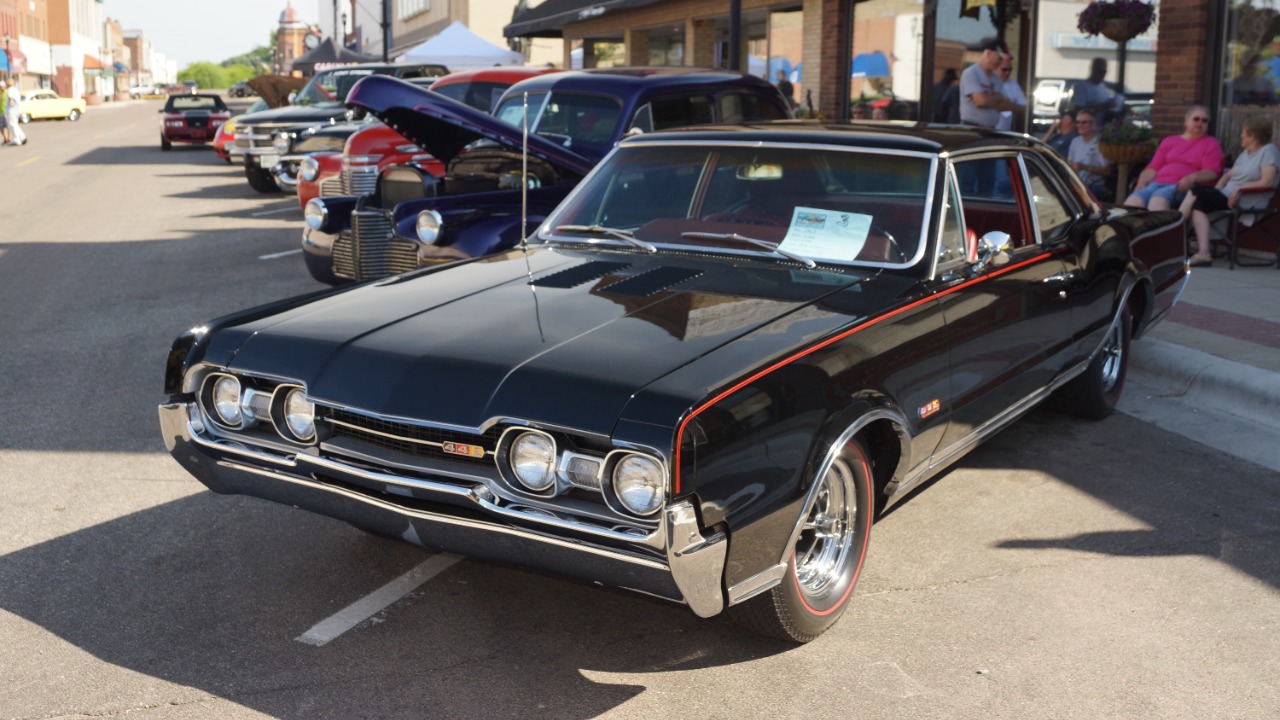
Launched in 1964, the Oldsmobile 442 was designed as a performance variant of the Cutlass and quickly garnered a reputation as one of the premier muscle cars of its time. The name “442” represented its four-barrel carburetor, four-speed manual transmission, and dual exhausts, highlighting its performance credentials. With a powerful and responsive V8 engine, the 442 was capable of impressive acceleration, making it a favorite among drag racers and muscle car enthusiasts. Its performance was matched by its stylish design, featuring a distinctive body and aggressive stance that captured attention on the road.
Over the years, the 442 underwent several changes, but it consistently delivered on performance and style. The model became synonymous with the muscle car era, with many enthusiasts cherishing it as a symbol of American automotive power. Collectors today seek out various iterations of the 442, and its legacy is celebrated in car shows and events, ensuring that its impact on automotive culture remains alive. The Oldsmobile 442 not only demonstrated what the brand could build but also solidified its place in the annals of muscle car history.
Oldsmobile Vista Cruiser (1964)
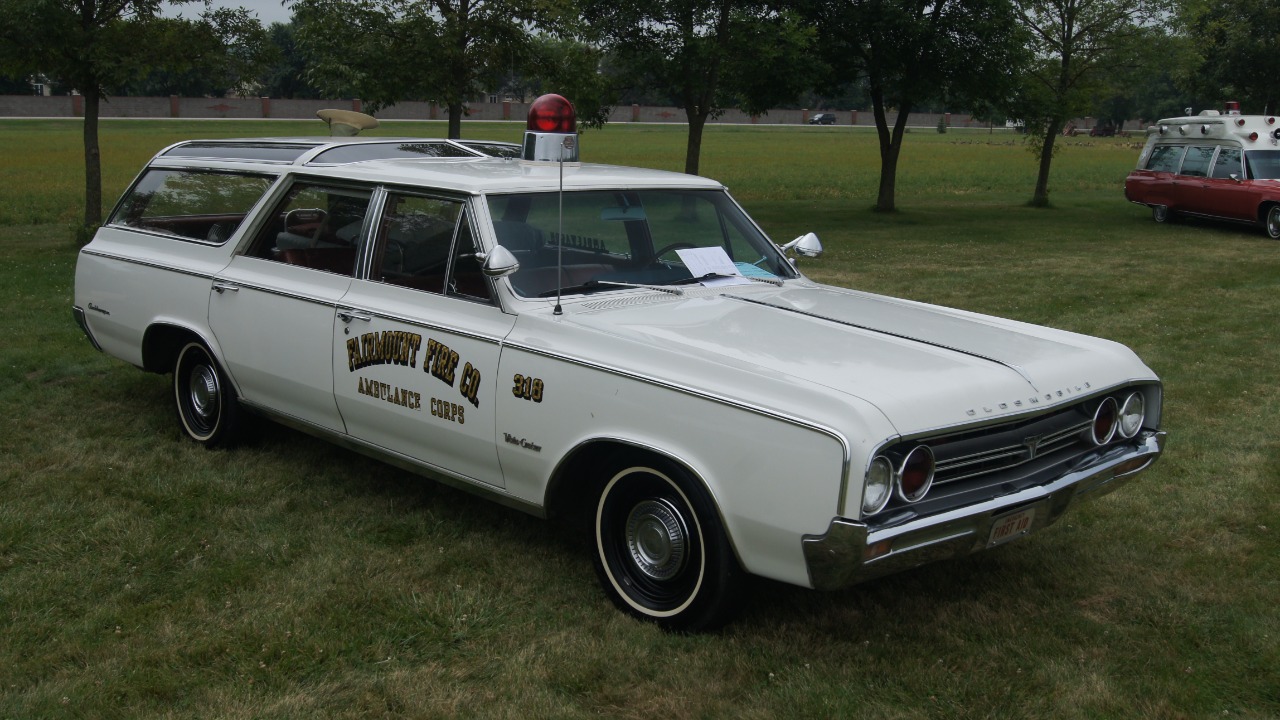
The Oldsmobile Vista Cruiser, introduced in 1964, was a unique offering in the station wagon segment, blending practicality with style. It featured a distinctive design with a raised roof and large windows, allowing for ample natural light and a spacious interior. The Vista Cruiser was marketed as a family-friendly vehicle, perfect for road trips and everyday use. Its versatility made it a popular choice among families, while its stylish aesthetics appealed to those looking for something more than just a utilitarian vehicle.
Equipped with a range of engine options, including a powerful V8, the Vista Cruiser provided a balance of performance and comfort. It also included several amenities, such as wood paneling and upgraded seating, enhancing the overall driving experience. The Vista Cruiser played a pivotal role in shaping the station wagon segment, influencing designs that followed. Its legacy continues, as many enthusiasts still cherish vintage models, recognizing the Vista Cruiser as a symbol of the family car era. The impact of this model on American car culture is undeniable, and it remains a beloved classic.
Oldsmobile Cutlass Supreme (1971)
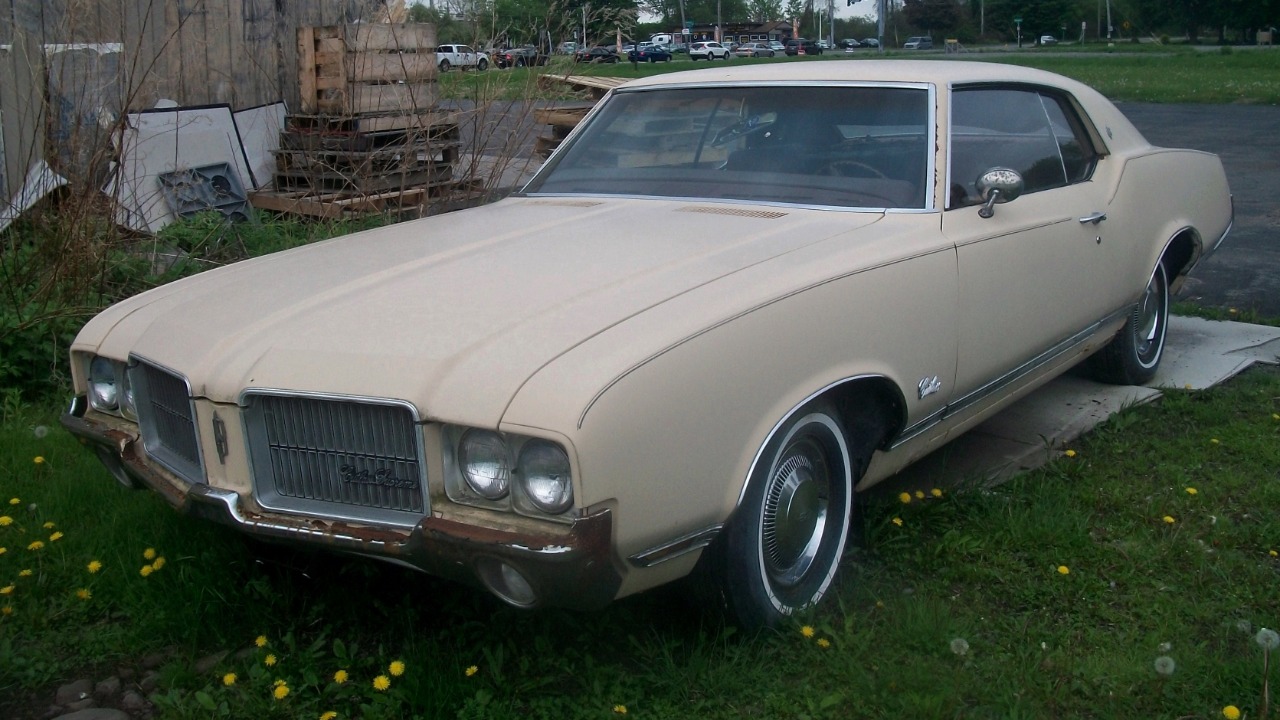
The Oldsmobile Cutlass Supreme emerged in 1971 as a top-tier variant of the Cutlass lineup, offering more luxury and performance features. It was designed to appeal to a more upscale market, integrating advanced technologies and plush interiors. The Cutlass Supreme boasted a powerful V8 engine, providing impressive horsepower and a smooth ride that set it apart from competitors. Its stylish exterior, marked by chrome accents and a sleek silhouette, made it a standout on the road.
The Cutlass Supreme was also known for its innovative features, including a sophisticated suspension system that improved handling and ride quality. As a result, it quickly gained popularity among consumers looking for a blend of performance and luxury. The model saw continued success throughout the 70s, becoming one of Oldsmobile’s best-selling vehicles. Today, the Cutlass Supreme remains a sought-after classic, representing a time when American cars were designed for comfort and performance. Its enduring popularity is a testament to Oldsmobile’s ability to adapt and innovate in a changing automotive landscape.
Oldsmobile Omega (1973)
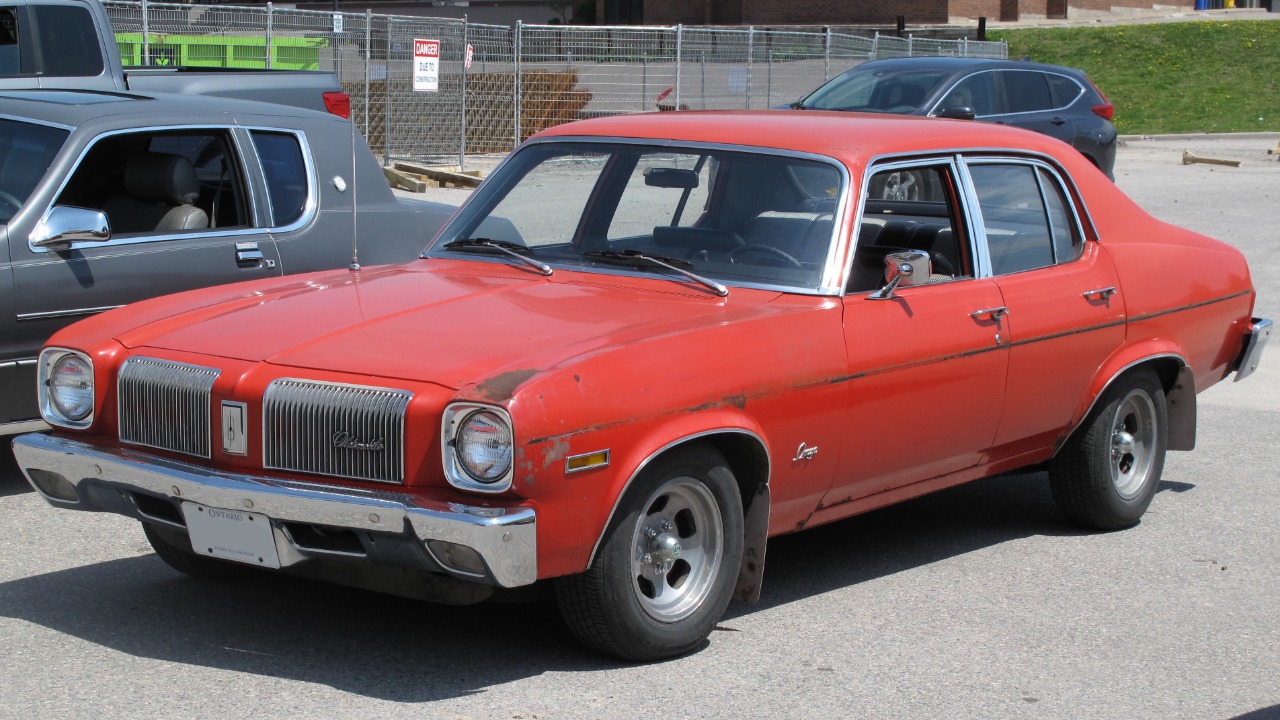
Launched in 1973, the Oldsmobile Omega was part of the compact car trend that swept through the automotive industry during the early 1970s. Designed to compete with the growing market for smaller vehicles, the Omega offered a blend of efficiency, style, and performance. It was available in various trims and engine options, allowing buyers to choose a model that fit their needs. The Omega’s compact design made it easy to navigate urban environments, appealing to younger drivers and families alike.
Despite its smaller size, the Omega didn’t compromise on features. It included many of the comfort and convenience options found in larger Oldsmobiles, ensuring a pleasant driving experience. The Omega’s success was notable during a time when fuel efficiency was becoming increasingly important, as it offered a solution without sacrificing style. Today, the Omega is celebrated by collectors and enthusiasts who appreciate its role in the evolution of compact cars. Its legacy serves as a reminder of Oldsmobile’s adaptability and forward-thinking approach to vehicle design.
Oldsmobile Intrigue (1998)
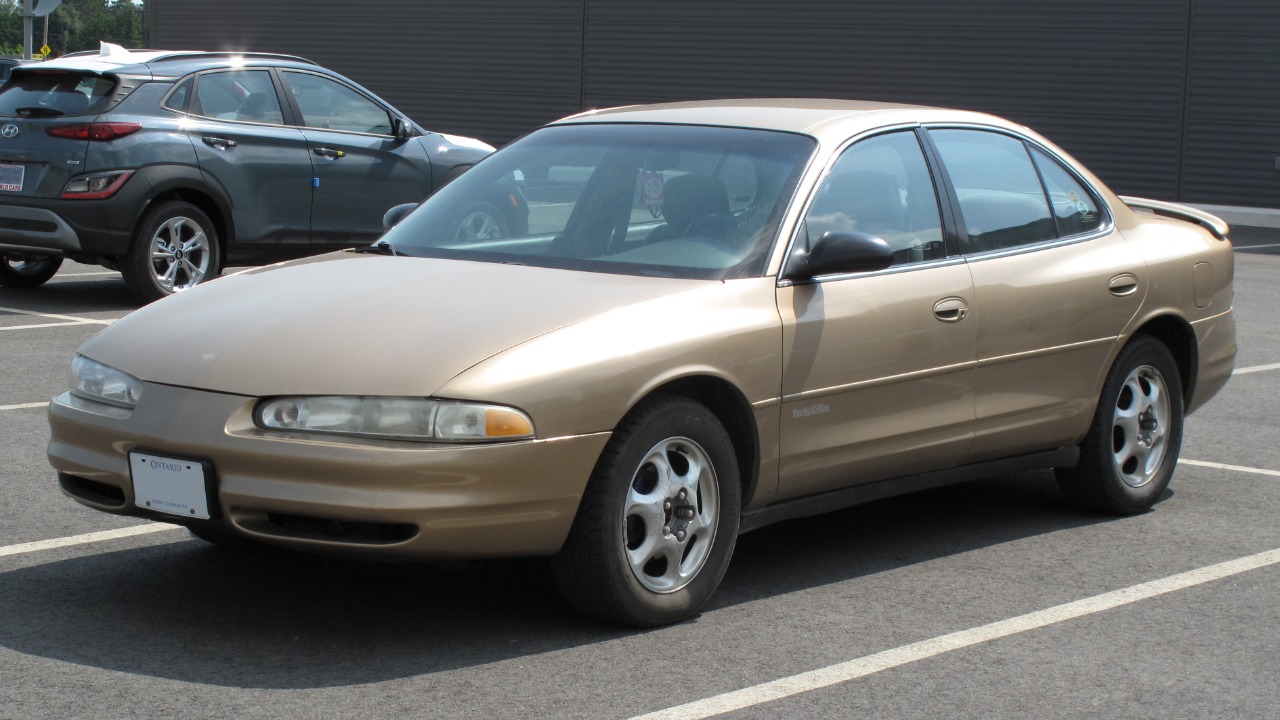
The Oldsmobile Intrigue debuted in 1998 as part of the brand’s attempt to reclaim its position in the competitive mid-size sedan market. With its sleek lines and modern design, the Intrigue aimed to attract a younger audience while still appealing to loyal Oldsmobile fans. It offered a range of features, including a powerful V6 engine and advanced safety technologies, which were becoming increasingly important to consumers. The Intrigue’s design was both stylish and functional, making it a practical choice for everyday driving.
Throughout its production, the Intrigue received positive reviews for its handling and ride quality, further solidifying Oldsmobile’s reputation for building comfortable sedans. The model was well-received by critics, earning accolades for its blend of performance and luxury. While the Intrigue’s production ended in 2002, it remains a significant part of Oldsmobile’s legacy, representing the brand’s efforts to innovate and adapt to changing consumer preferences. Collectors and enthusiasts continue to appreciate the Intrigue for its distinctive design and reliable performance, showcasing the brand’s enduring influence.
Oldsmobile Aurora (1995)

The Oldsmobile Aurora was launched in 1995 as a premium sedan that aimed to redefine the brand’s image. With its luxurious interior and cutting-edge technology, the Aurora was designed to compete with higher-end models from other manufacturers. Powered by a refined V8 engine, it provided a smooth and powerful driving experience, setting a new standard for Oldsmobile’s performance. The Aurora’s elegant styling, characterized by its sleek lines and upscale features, made it a standout in the luxury sedan market.
Not only did the Aurora excel in performance, but it also introduced innovative features such as advanced audio systems and climate control options, appealing to tech-savvy consumers. Its sophisticated design and attention to detail helped elevate Oldsmobile’s reputation, attracting a new generation of buyers. The Aurora remains a celebrated model among collectors, representing a significant effort by Oldsmobile to merge luxury with performance. Its impact on the brand’s legacy is still evident today, as it helped pave the way for future models that followed in its footsteps.
Oldsmobile Alero (1999)
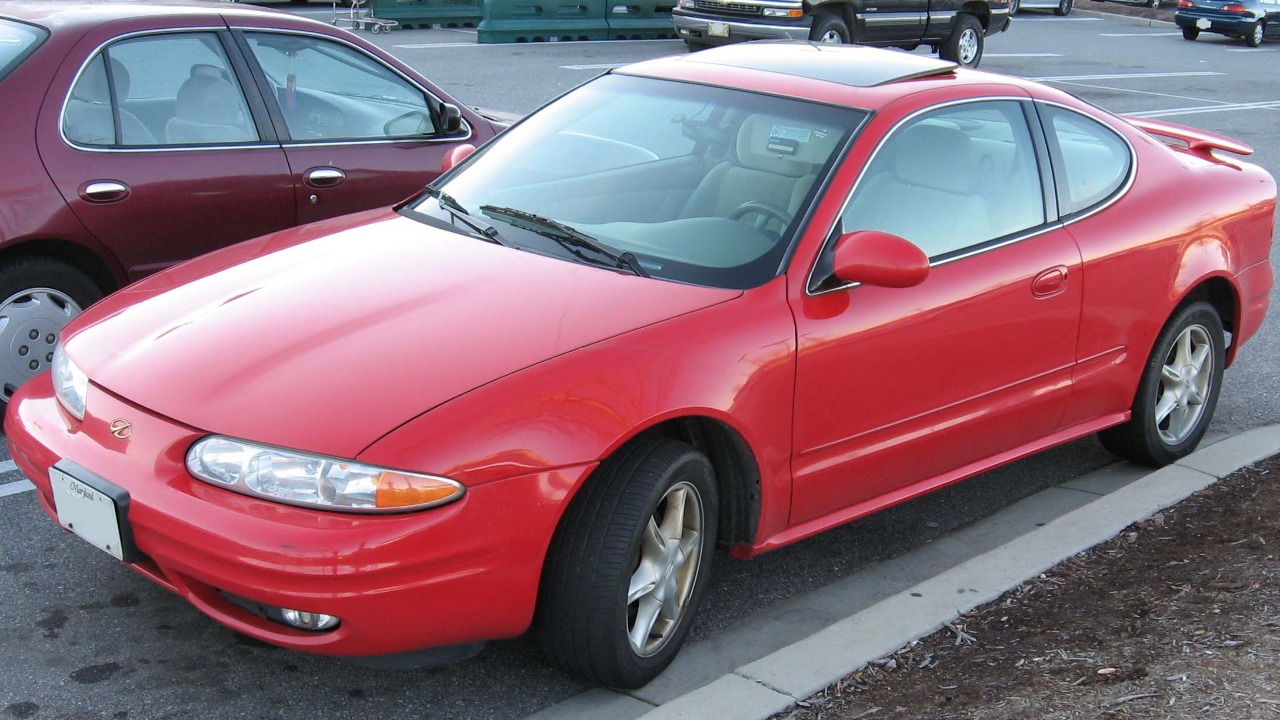
The Oldsmobile Alero made its debut in 1999 as a sporty compact car designed to appeal to younger drivers. With its aggressive styling and modern features, the Alero was positioned to compete with other popular compact models in the market. It offered a range of engine options, including a spirited four-cylinder and a more powerful V6, catering to different performance preferences. The Alero’s sleek design and sporty demeanor made it a popular choice for those seeking a fun-to-drive vehicle.
In addition to its performance, the Alero was well-equipped with features like a user-friendly audio system and comfortable seating, ensuring a pleasant driving experience. The model received favorable reviews for its handling and overall value, contributing to its success throughout its production run. While the Alero was discontinued in 2004, it remains a significant part of Oldsmobile’s history, showcasing the brand’s ability to adapt to changing market demands. As a compact car, the Alero represented a shift in Oldsmobile’s approach, appealing to a new generation of drivers looking for style and performance in a smaller package.
More from Fast Lane Only
- Unboxing the WWII Jeep in a Crate
- 15 rare Chevys collectors are quietly buying
- 10 underrated V8s still worth hunting down
- Police notice this before you even roll window down
*Research for this article included AI assistance, with all final content reviewed by human editors.