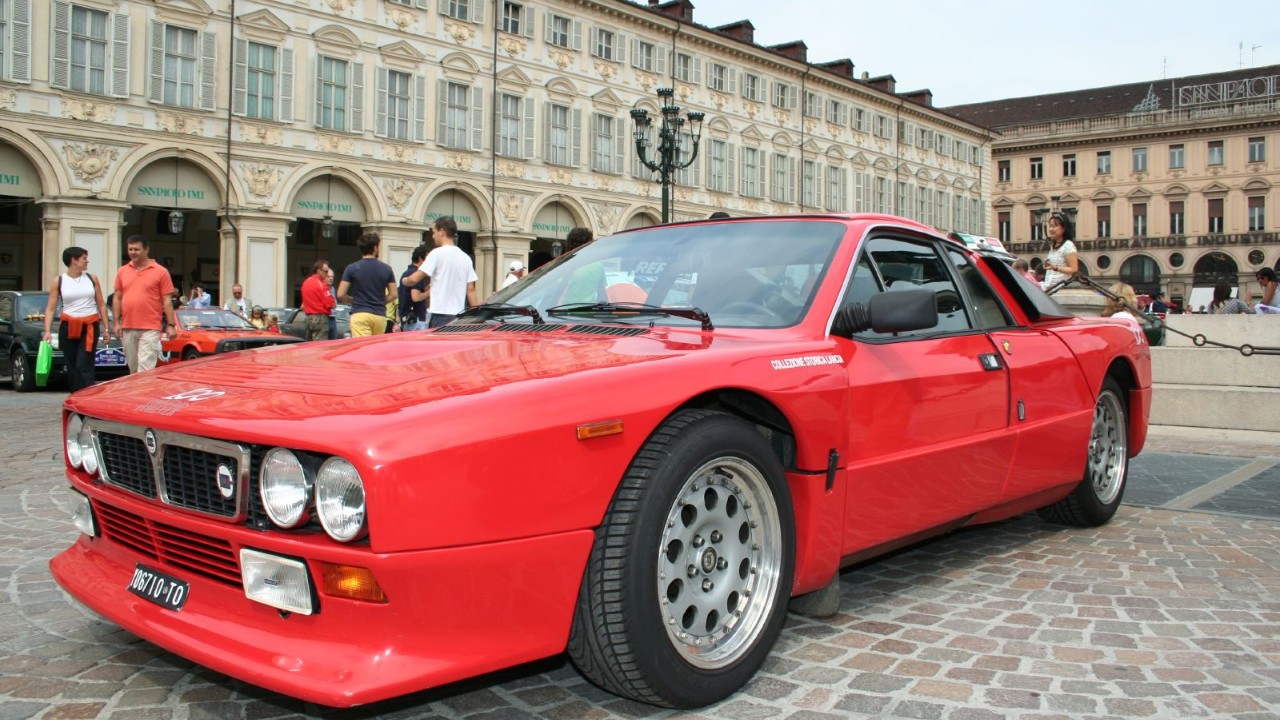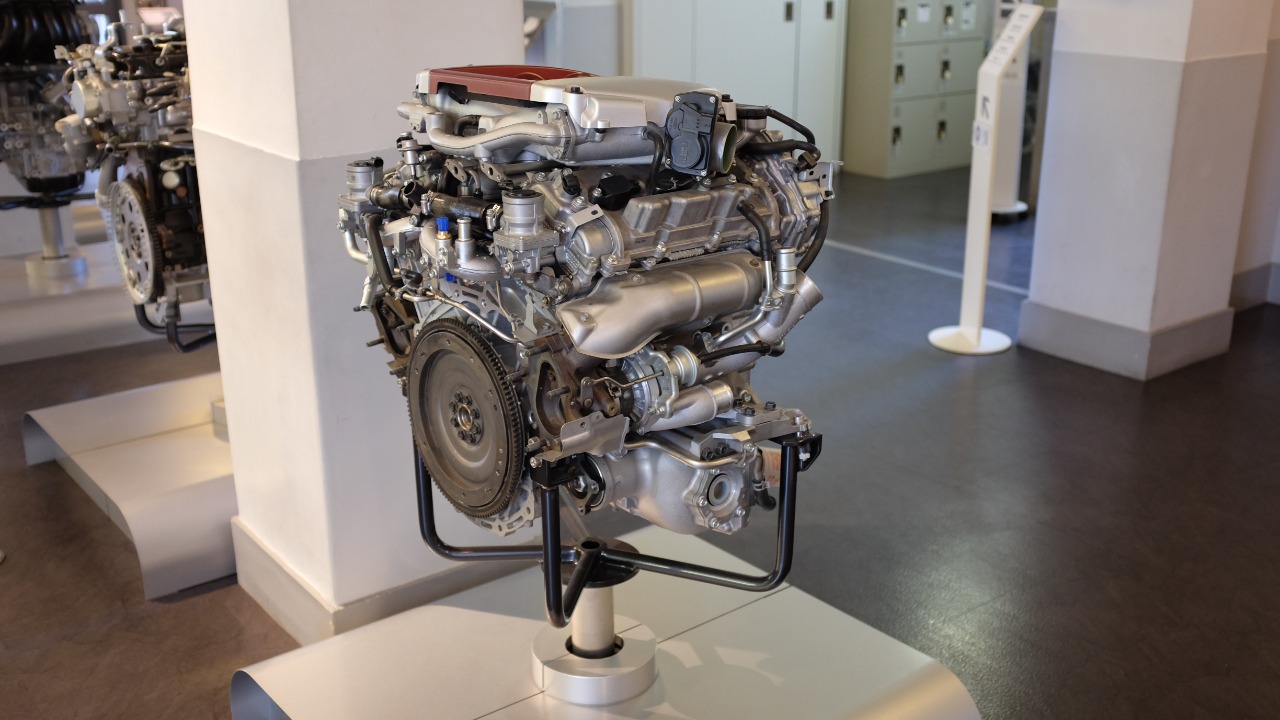
When it comes to factory engines, some of the most remarkable powerplants remain unseen by the average driver. These engines often reside in the confines of high-performance vehicles, often showcased at exclusive events or in limited production runs. Here, I highlight nine factory engines that most drivers have never encountered in person, each representing a pinnacle of engineering and performance.
Mercedes-AMG M178 Engine

Under the hood of the Mercedes-AMG GT and the AMG C63, the M178 engine stands out as a masterpiece of engineering. This twin-turbocharged V8 engine boasts a displacement of 4.0 liters, delivering an exhilarating performance that can reach 0-60 mph in just 3.6 seconds. The M178 is known for its incredible power output, with some variants producing over 600 horsepower. The careful design of this engine includes a dry sump lubrication system, which helps maintain performance under extreme conditions. Its distinctive roar is a signature sound that resonates with automotive enthusiasts. For a deeper dive into this engineering marvel, check out this article.
Ferrari F154 Engine
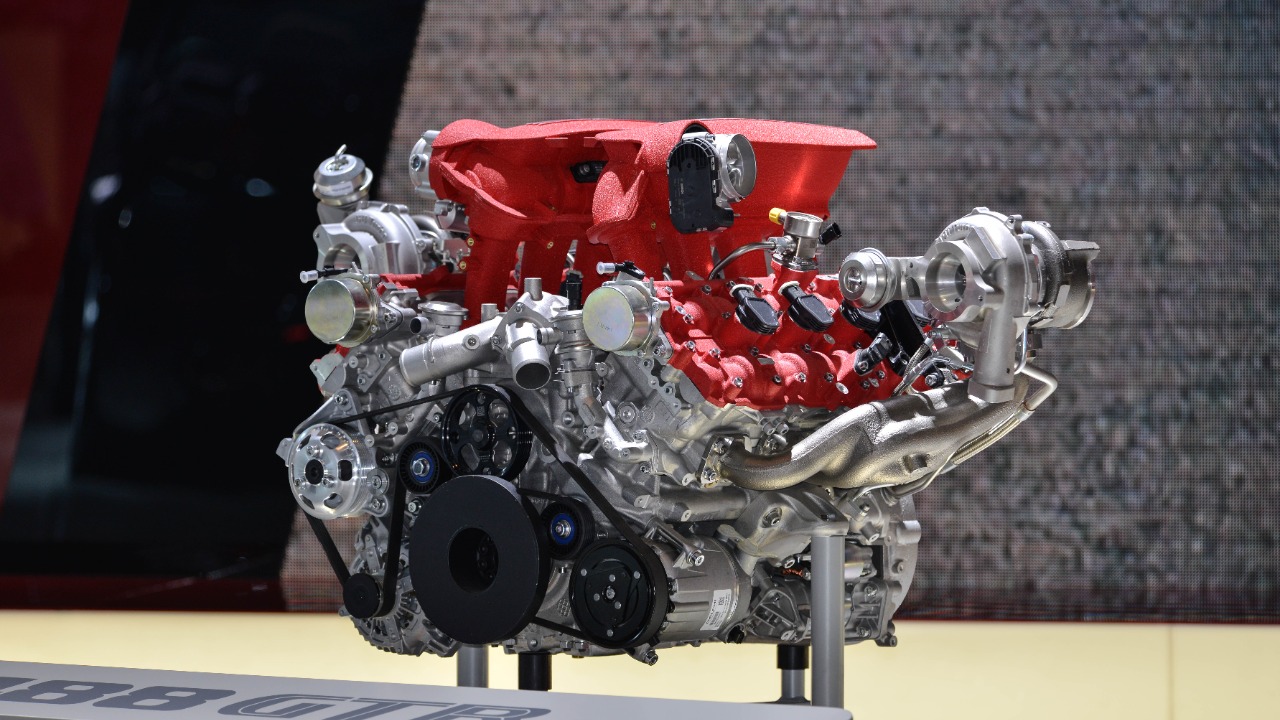
The Ferrari F154 engine is a prime example of Italian automotive excellence, featured prominently in models like the Ferrari 488 GTB and the F8 Tributo. This 3.9-liter twin-turbo V8 is capable of producing an impressive 710 horsepower, allowing these supercars to accelerate with unparalleled speed. What sets the F154 apart is its unique flat-plane crankshaft design, which delivers a high-revving, exhilarating driving experience. The engine’s sound is a symphony of performance, celebrated by enthusiasts and drivers alike. For those who appreciate automotive history, the engineering behind the F154 is a testament to Ferrari’s relentless pursuit of performance. More on Ferrari’s engineering can be explored here.
Bugatti W16 Engine
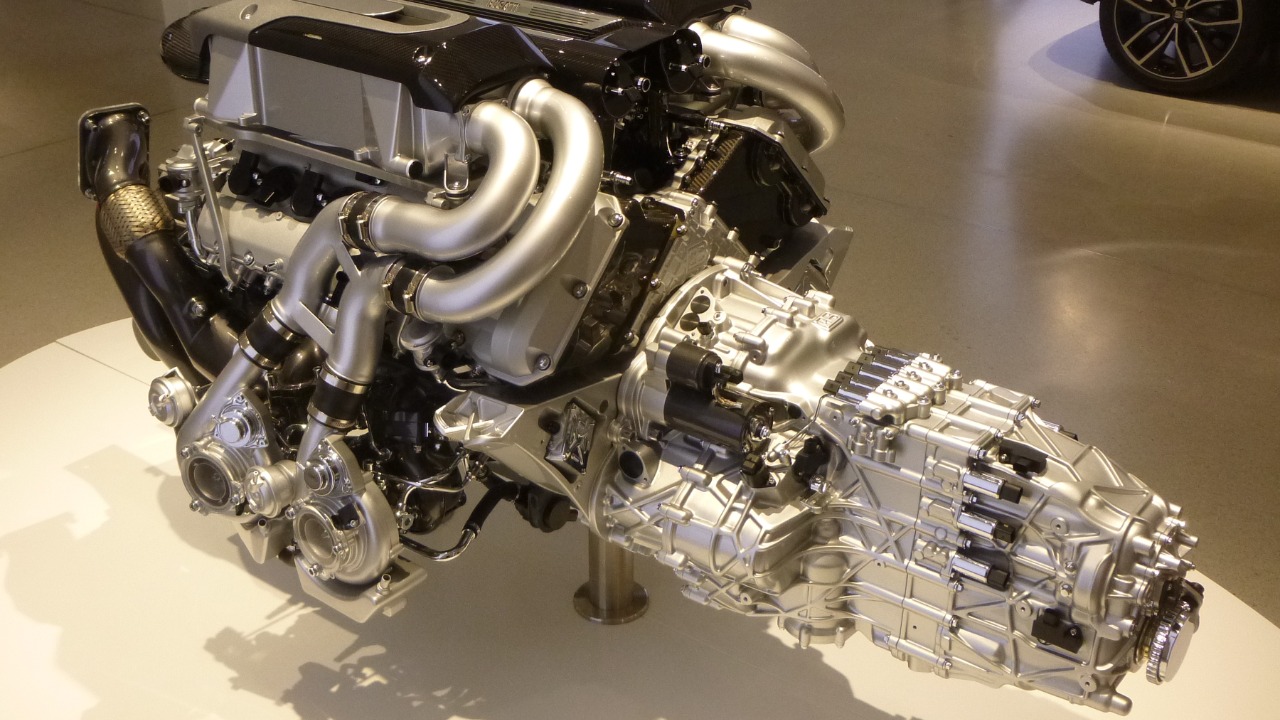
The Bugatti W16 engine is arguably one of the most iconic powerplants in the automotive world, powering legendary models like the Bugatti Veyron and Chiron. With its unique sixteen-cylinder configuration and quad-turbocharging, this engine can produce an astonishing 1,500 horsepower. The W16’s impressive engineering allows for jaw-dropping acceleration, propelling the Chiron from 0 to 60 mph in just 2.4 seconds. The complexity of the W16 is not merely in its power but also in its design, featuring an intricate cooling system that manages the heat produced by its immense output. For a closer look at this engineering marvel, visit this link.
The Wankel Rotary Engine

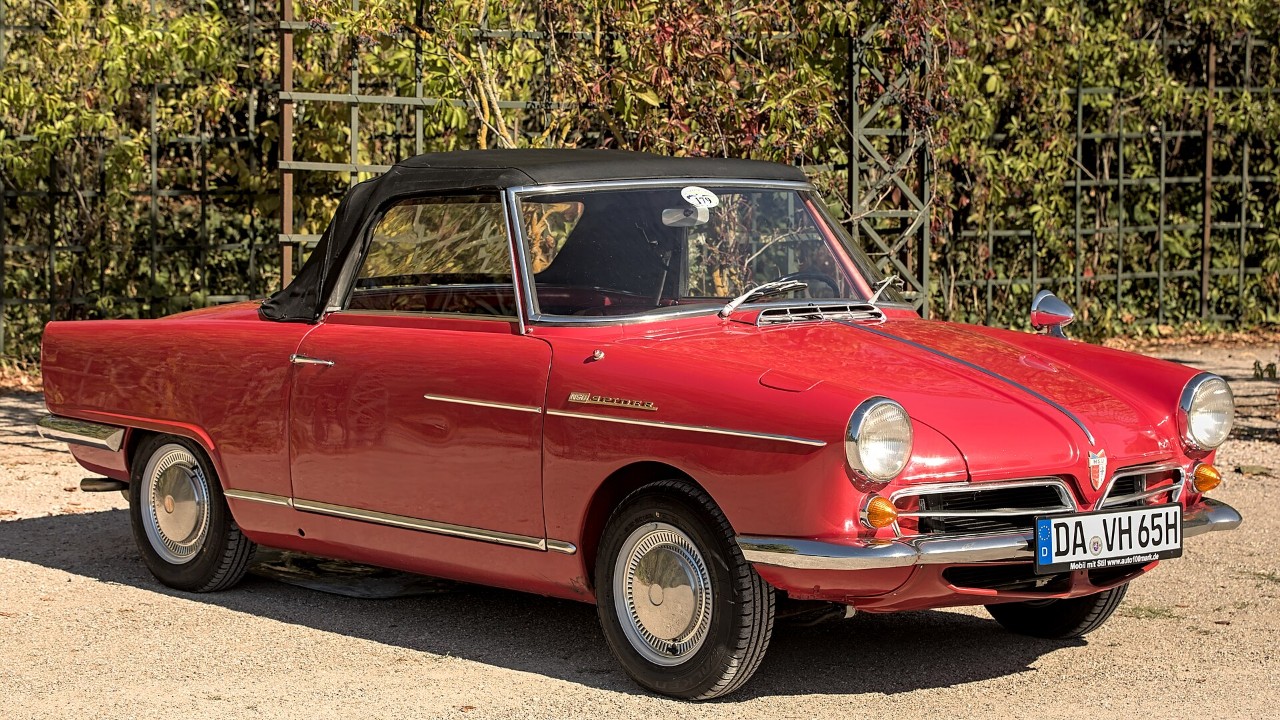
The Wankel rotary engine is a unique design that uses triangular rotors instead of traditional pistons to create power. Mazda is the most notable manufacturer to utilize this engine, particularly in the RX-7 and RX-8 models. Despite its compact size and lightweight nature, the Wankel engine produces impressive power-to-weight ratios, making it a favorite among enthusiasts. However, its unconventional design leads to challenges in fuel efficiency and emissions, resulting in limited adoption in the automotive industry. The Wankel engine’s distinct design allows for smoother operation and fewer moving parts compared to traditional piston engines. This contributes to its high-revving nature, making it a popular choice for sports cars. Despite its advantages, the Wankel engine’s complexity and the need for specialized manufacturing processes have kept it from becoming mainstream. Consequently, many drivers may never encounter this fascinating engine outside of the Mazda lineup.
Nissan VR38DETT Engine
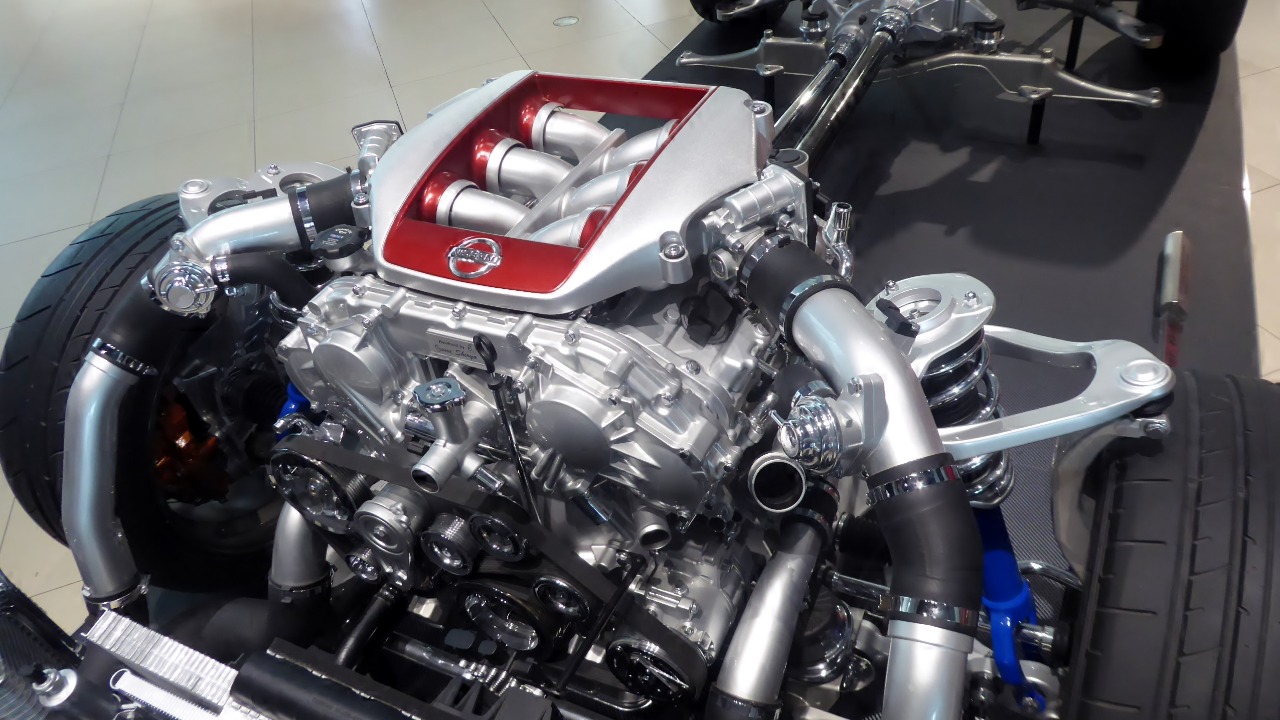
The Nissan VR38DETT engine is a legendary powerplant found in the Nissan GT-R, also known as “Godzilla.” This 3.8-liter twin-turbo V6 produces up to 600 horsepower, making the GT-R one of the most formidable sports cars on the market. The engine’s robust design enables it to withstand high levels of boost, allowing for impressive tuning potential. It features a lightweight aluminum block and an advanced cooling system, which helps maintain performance during spirited driving. The VR38DETT’s engineering has earned it a cult status among car enthusiasts, showcasing Nissan’s commitment to performance and innovation.
Chevrolet LT5 Engine
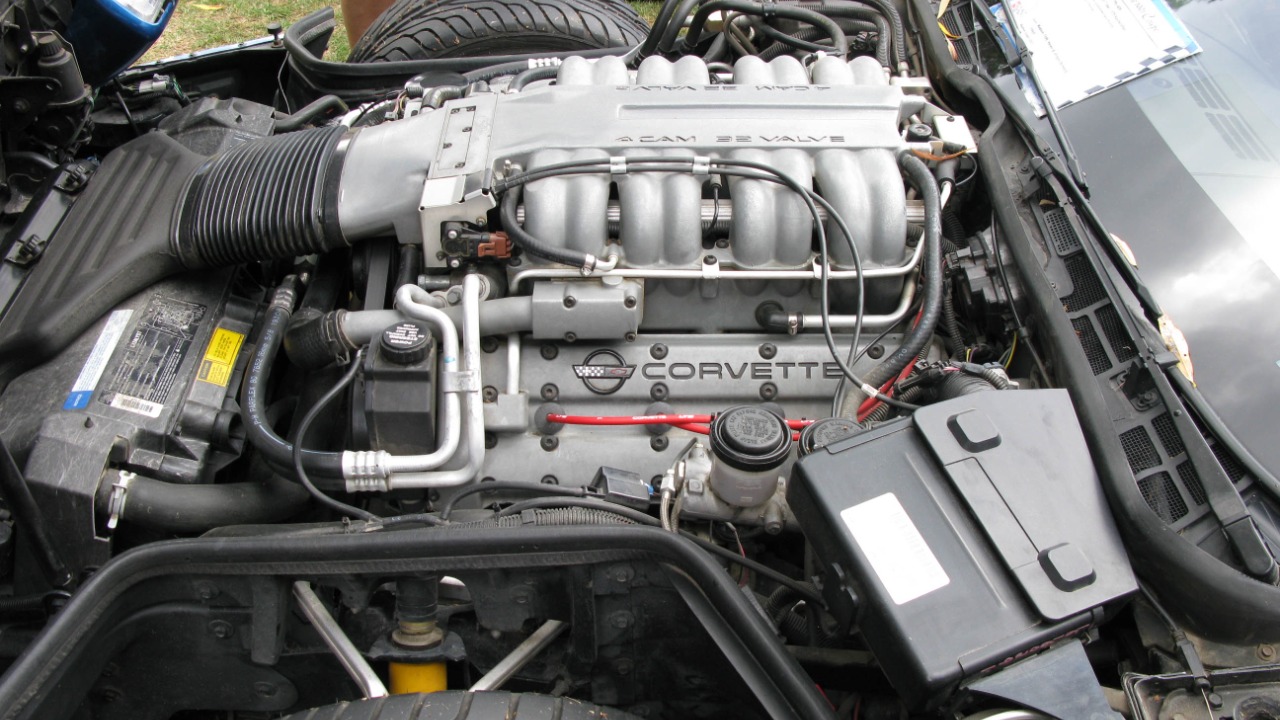
The Chevrolet LT5 engine is a supercharged V8 that powers the Corvette ZR1, a model that has become synonymous with American performance. With a displacement of 6.2 liters and the ability to produce 755 horsepower, the LT5 represents the pinnacle of Chevrolet’s engineering prowess. It features a unique dual fuel system, which allows for both direct and port fuel injection, optimizing performance and efficiency. The LT5’s design includes advanced materials and technologies that contribute to its lightweight yet powerful nature. This engine not only offers blistering acceleration but also showcases Chevrolet’s dedication to pushing performance boundaries.
Porsche 919 Hybrid Engine
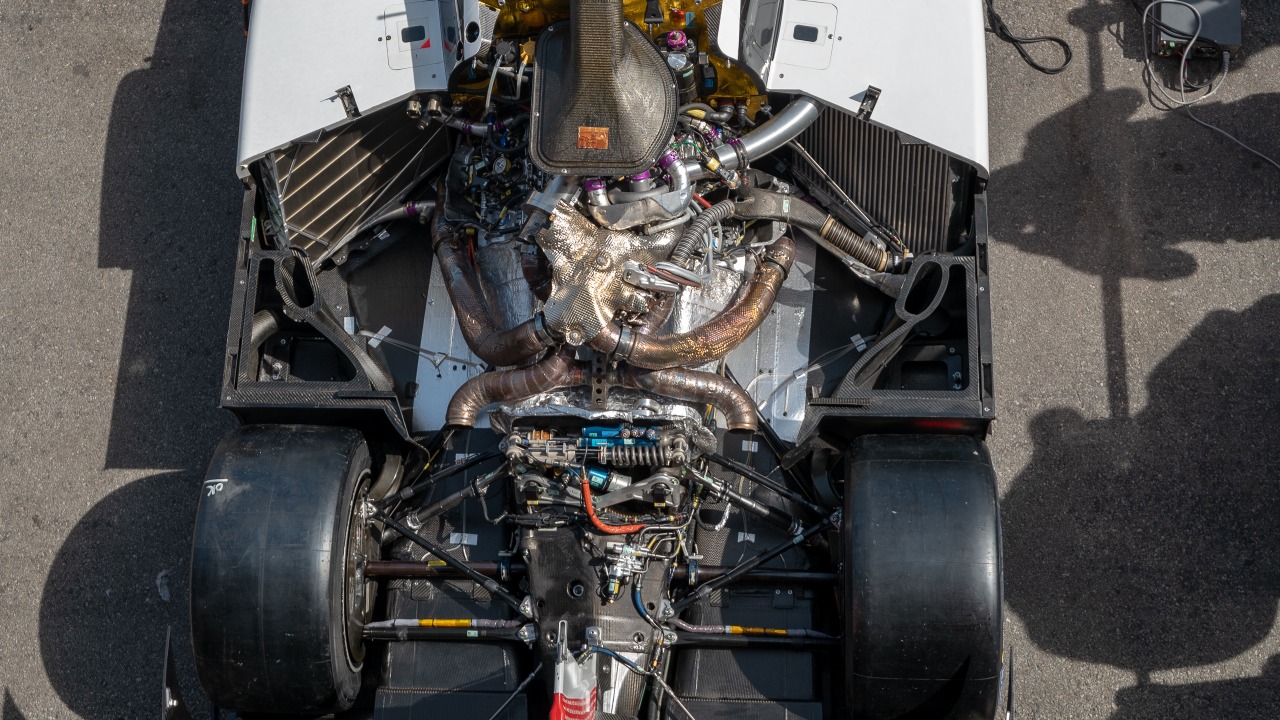
The Porsche 919 Hybrid engine is a remarkable piece of engineering that combines a V4 engine with an electric motor, resulting in a total output of 1,000 horsepower. Designed primarily for endurance racing, this engine was instrumental in Porsche’s success at the 24 Hours of Le Mans. The hybrid system allows for incredible efficiency and power management, showcasing a perfect balance between performance and sustainability. The 919’s design includes advanced aerodynamics and lightweight components, which contribute to its exceptional speed and handling on the track. This engine is a prime example of how hybrid technology can revolutionize motorsport.
Mercedes-Benz M120 V12

The Mercedes-Benz M120 engine is a remarkable 6.0-liter V12 engine that powered several high-end models, including the S-Class and the legendary McLaren SLR. This powerhouse produces an astounding 600 horsepower and delivers a smooth, refined driving experience. The M120 is known for its durability and longevity, attributes that have made it a favorite among luxury car enthusiasts. Its complex engineering features dual overhead camshafts and an intricate intake system, which contribute to its impressive performance.
Koenigsegg Gemera Freevalve Engine
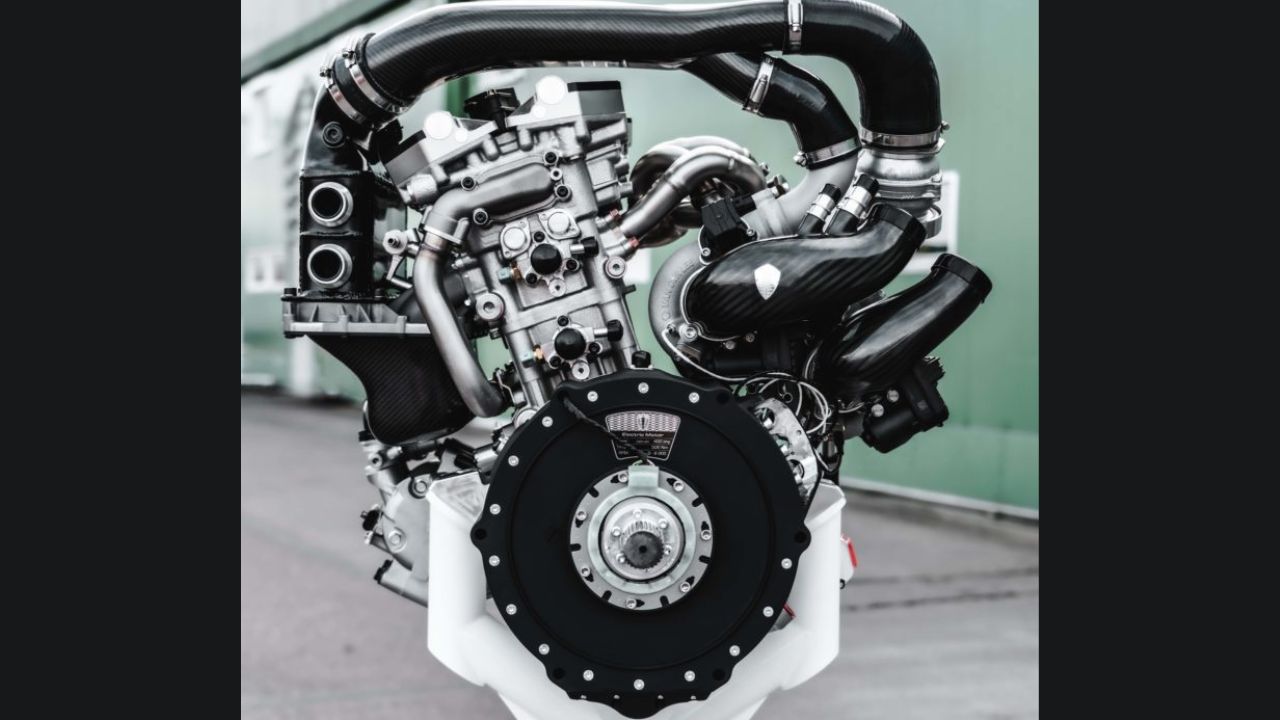
The Koenigsegg Gemera features a groundbreaking Freevalve engine, an innovative approach to engine design that allows for individual control of each valve. This 2.0-liter three-cylinder engine delivers an astonishing 600 horsepower and is paired with three electric motors, providing a total output of 1,700 horsepower. The Freevalve technology not only enhances performance but also improves fuel efficiency and emissions. By eliminating traditional camshafts, Koenigsegg has opened up new possibilities for engine design, showcasing the future of automotive engineering. This engine is not just powerful; it represents a revolutionary step towards more efficient and adaptable powertrains.
More from Fast Lane Only
- Unboxing the WWII Jeep in a Crate
- 15 rare Chevys collectors are quietly buying
- 10 underrated V8s still worth hunting down
- Police notice this before you even roll window down
*Research for this article included AI assistance, with all final content reviewed by human editors.