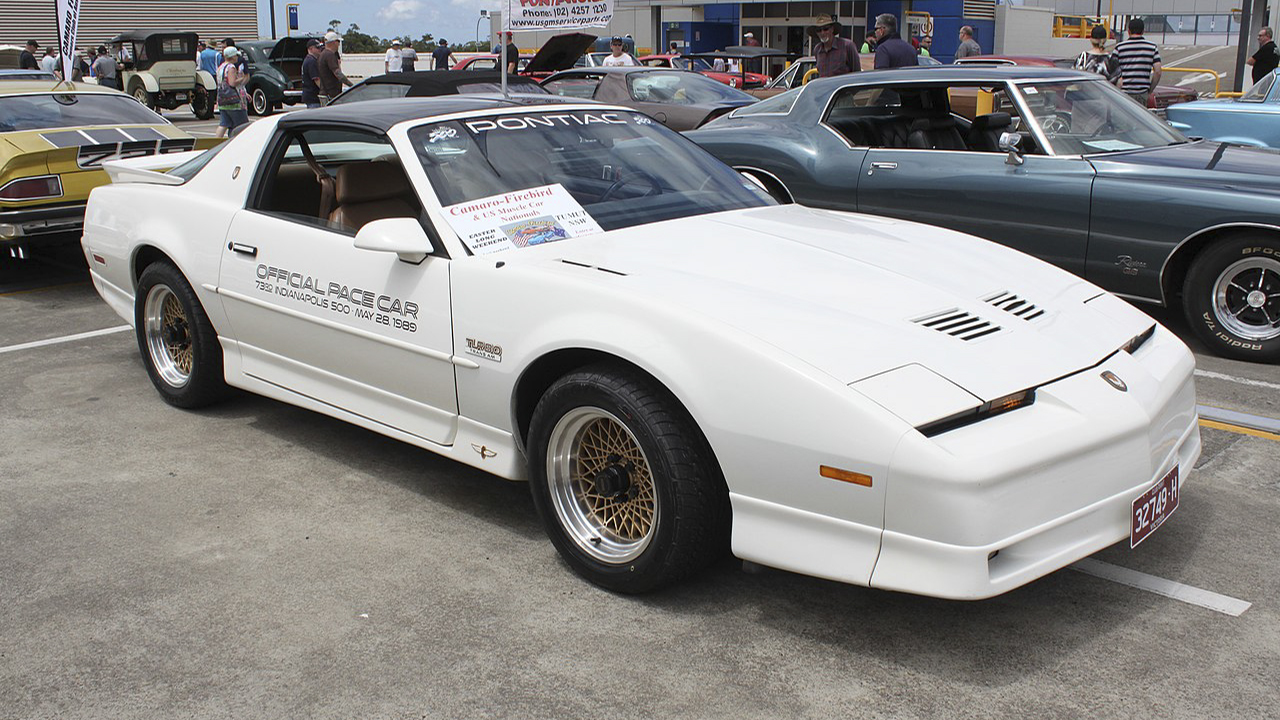
The 1989 Pontiac Turbo Trans Am emerged as a remarkable blend of power, technology, and style during a time when American muscle was evolving. Its unexpected performance and design captured the attention of enthusiasts and critics alike, marking a significant chapter in automotive history. This vehicle not only showcased Pontiac’s innovative spirit but also left an indelible mark on the muscle car landscape.
Historical Context of the 1980s American Auto Industry
The 1980s were a transformative decade for the American automotive industry, characterized by a shifting landscape shaped by economic challenges and regulatory pressures. The oil crisis of the late 1970s had left a lasting impact, pushing manufacturers to pivot away from traditional gas-guzzling muscle cars toward more fuel-efficient models. As emissions regulations tightened, automakers began to explore new technologies and design philosophies that would redefine performance vehicles.
During this era, Pontiac found itself at a crossroads within General Motors. While the brand had a rich history of producing performance-oriented vehicles, it had to adapt to a market that increasingly favored fuel efficiency over raw horsepower. The introduction of smaller, turbocharged engines was a response to this shift, allowing Pontiac to maintain its performance reputation while complying with new standards. The Turbo Trans Am was a bold statement, showcasing Pontiac’s commitment to both performance and innovation in a changing automotive landscape.
The Turbocharged Revolution
Turbocharging technology was a game-changer in the automotive world during the 1980s, offering a way to improve engine performance without sacrificing fuel efficiency. By forcing more air into the combustion chamber, turbochargers allowed smaller engines to produce power comparable to larger, naturally aspirated engines. This technology became particularly relevant for performance vehicles like the 1989 Pontiac Turbo Trans Am, which featured a 3.8-liter V6 turbo engine. This engine was capable of producing 250 horsepower, a significant output for its class, and allowed the vehicle to accelerate from 0 to 60 mph in just over six seconds.
In comparison to its contemporaries, the Turbo Trans Am stood out for its blend of power and efficiency. While other performance vehicles of the time struggled to meet both power and fuel economy goals, the Turbo Trans Am offered a compelling solution. It was a pioneer in demonstrating that a turbocharged engine could deliver exhilarating performance without the excessive fuel consumption that had plagued traditional muscle cars. As a result, it set a new benchmark for what performance vehicles could achieve during a time of change.
Design and Aesthetic Appeal
The design of the 1989 Turbo Trans Am featured bold styling and aerodynamic elements that were emblematic of the era’s aesthetic. Pontiac embraced a futuristic look with sharp lines, a low-slung profile, and prominent air intakes. The iconic “screaming chicken” graphic on the hood became a hallmark of the Trans Am brand, symbolizing its performance pedigree. Variations of this graphic could be seen on different models, adding a unique flair that appealed to enthusiasts and casual drivers alike.
Furthermore, the cultural impact of the Turbo Trans Am was amplified through its appearances in popular media. Movies like “Smokey and the Bandit” and “Knight Rider” showcased the Trans Am as a symbol of American muscle and freedom. These representations in film and television helped cement the vehicle’s place in the hearts of many, turning it into an icon of the 1980s. The Turbo Trans Am was not just a car; it was a cultural phenomenon that resonated with a generation.
Performance and Handling Capabilities
When it comes to performance, the 1989 Turbo Trans Am did not disappoint. Equipped with a sophisticated suspension system, it offered impressive handling capabilities that allowed it to navigate corners with confidence. The vehicle featured a four-wheel independent suspension, which provided a smoother ride and better stability during high-speed maneuvers. Coupled with its turbocharged engine, the Turbo Trans Am was able to deliver exhilarating acceleration and impressive road grip.
In terms of braking, the Turbo Trans Am was equipped with front disc and rear drum brakes, which were adequate for the performance it delivered. However, it was the vehicle’s overall engineering that set it apart from its rivals. When compared to other performance models of the time, like the Ford Mustang GT or Chevrolet Camaro Z28, the Turbo Trans Am offered a unique blend of power and handling that made it a formidable contender on the performance track. Its ability to balance speed with agility made it a favorite among car enthusiasts, further solidifying its legacy.
Reception and Market Impact
Upon its release, the 1989 Pontiac Turbo Trans Am garnered significant attention from both consumers and critics. Automotive journalists praised its innovative engineering and performance metrics, often highlighting it as a standout among its contemporaries. The vehicle’s ability to combine muscle car performance with modern technology was seen as a refreshing approach during a time of transition in the automotive industry.
Sales figures reflected this positive reception, with the Turbo Trans Am selling well during its production run. While exact numbers varied, it was clear that Pontiac had struck a chord with consumers looking for a performance vehicle that didn’t compromise on efficiency. The role of automotive influencers in shaping public perception also played a critical role in its success. Reviews from popular automotive magazines and television programs helped to elevate the Turbo Trans Am’s status, turning it into a sought-after model for enthusiasts. For more on its sales impact, you can refer to Hemmings.
Technological Innovations
The 1989 Turbo Trans Am was not only a performance vehicle but also a showcase of advanced technology for its time. It featured an onboard computer that provided drivers with critical information about engine performance and fuel efficiency. The digital dashboard was particularly noteworthy, offering a modern interface that included a speedometer, tachometer, and fuel gauge—all in a sleek, easy-to-read format. This level of technological integration set the Turbo Trans Am apart from many of its contemporaries.
These innovations had a lasting impact on subsequent Pontiac models and the broader automotive industry. The use of onboard computers and digital displays would become standard in many vehicles in the years that followed. The Turbo Trans Am’s ability to blend technology with classic muscle car performance demonstrated that innovation was key to staying relevant in a fast-evolving market. For a deeper dive into its technological advancements, check out this source.
Legacy and Collectability
The Turbo Trans Am has since become a revered collector’s item, appreciated for its unique blend of performance, style, and innovation. As the years passed, interest in this model only grew, with enthusiasts eager to restore and preserve the vehicle. Classic car shows and automotive events often feature the Turbo Trans Am, highlighting its importance in automotive history. Stories of dedicated restorers and collectors illustrate the enduring fascination with this iconic vehicle.
As the classic car market continues to evolve, the value of the Turbo Trans Am has appreciated significantly. Collectors see it as a symbol of a bygone era, representing an important chapter in American automotive history. The vehicle’s unique characteristics and performance capabilities have made it a favorite among classic car enthusiasts, further solidifying its legacy. Enthusiasts can share their passion for this model in dedicated online communities, such as Facebook groups where fans discuss restoration projects and performance upgrades, showcasing the vibrant culture surrounding the Turbo Trans Am.
More from Fast Lane Only