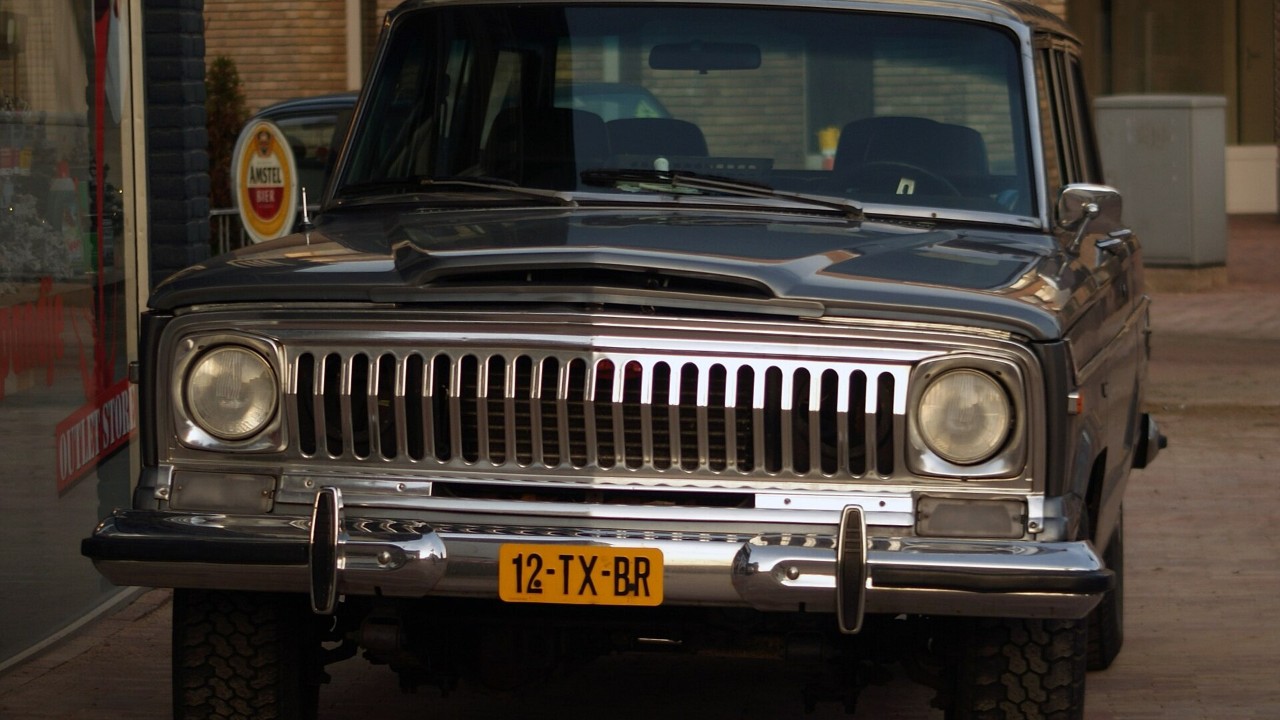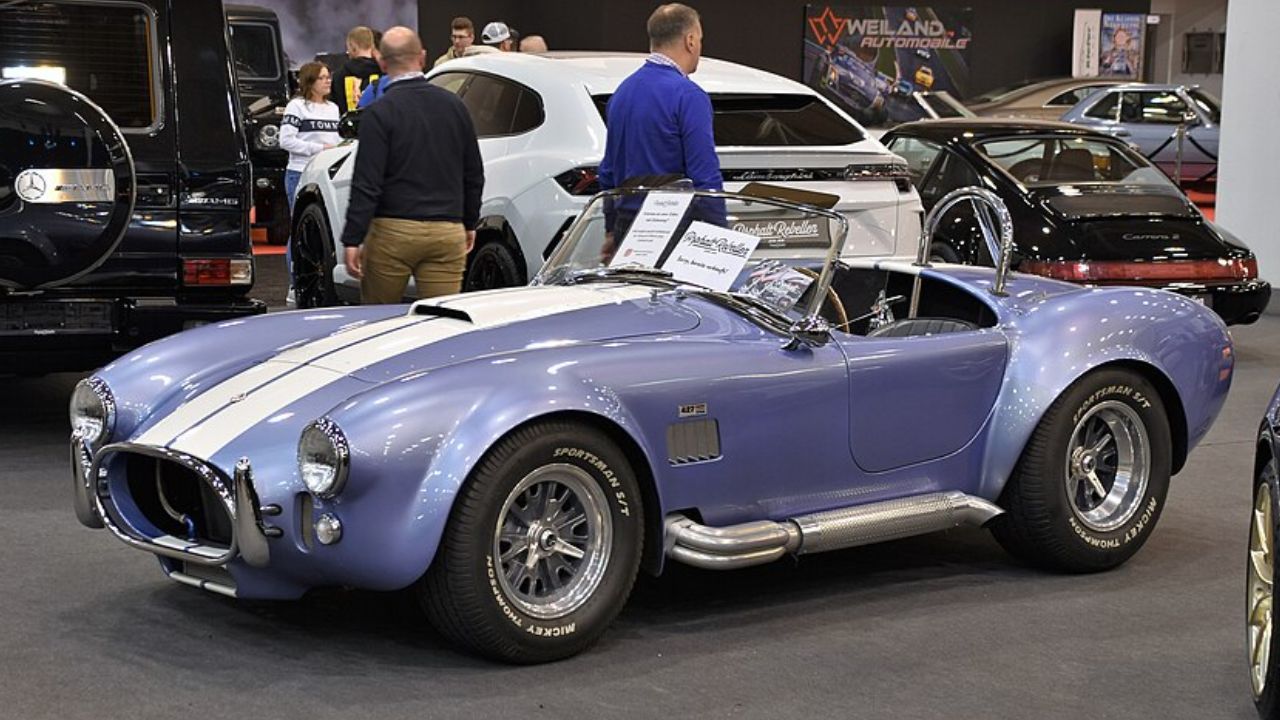
The 1960s was an iconic decade for automotive innovation, marked by powerful engines, stylish designs, and a cultural revolution that embraced freedom and individuality. As car manufacturers raced to capture the hearts of consumers, several models emerged that would go on to define not just the decade, but the entire automotive landscape. Here’s a look at 12 classic cars from the 1960s that left a lasting impact on car enthusiasts and the industry alike.
Ford Mustang
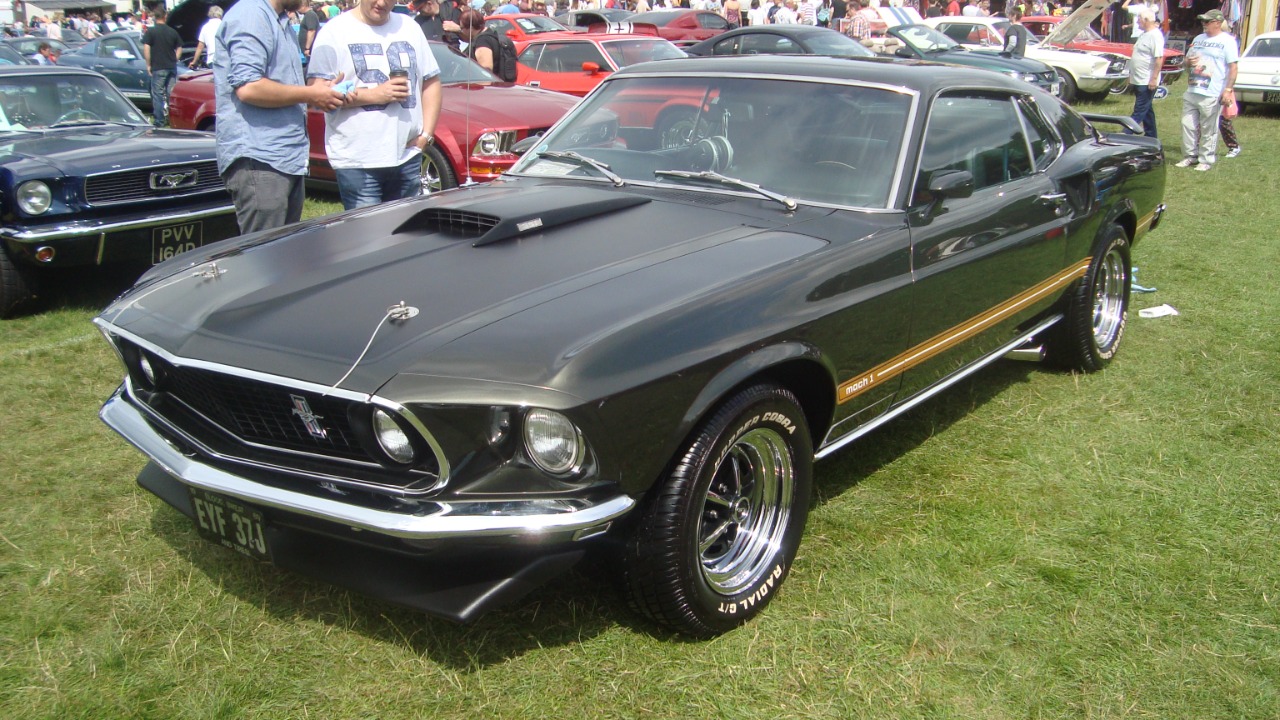
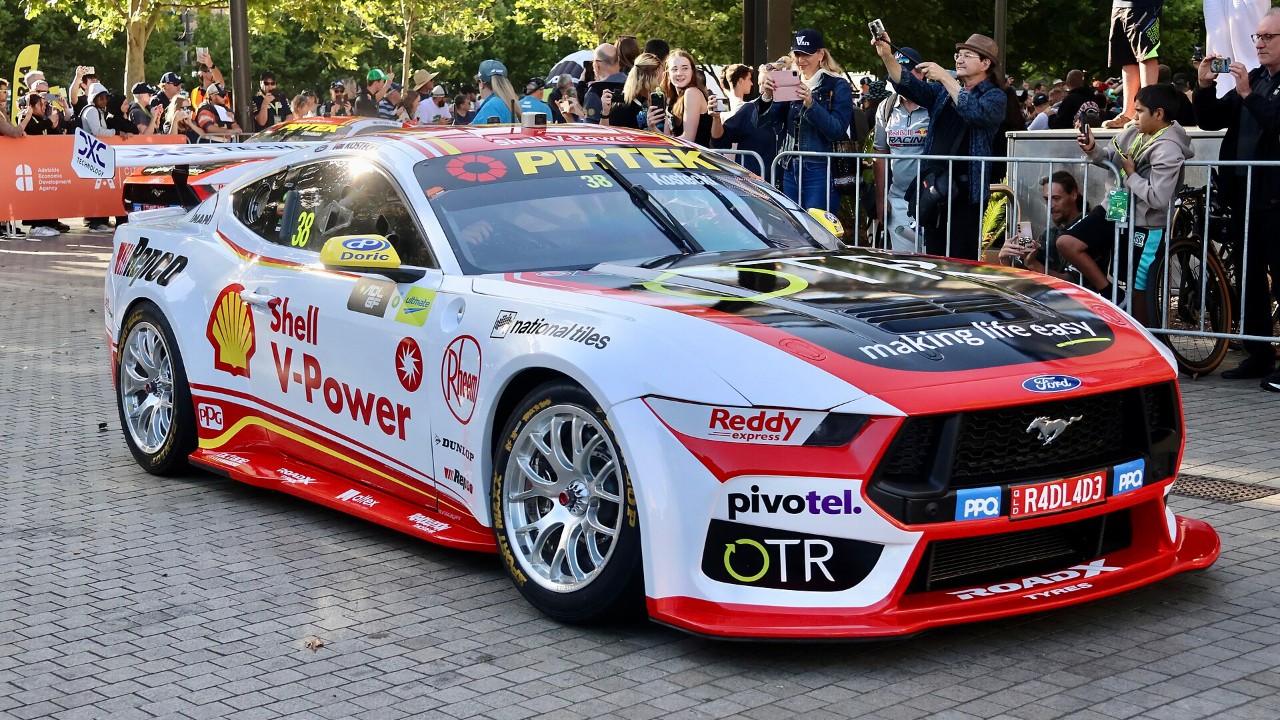
Launched in 1964, the Ford Mustang quickly became a symbol of American muscle and style. Its sleek design and powerful V8 engine options made it an instant hit among young drivers. The Mustang represented the spirit of the 1960s—freedom, rebellion, and a desire for speed. By the end of the decade, Ford had sold over two million units, solidifying its status as a classic. The Mustang’s impact on popular culture is undeniable, appearing in movies and music that captured the essence of a generation.
Not only did the Mustang introduce the concept of the “pony car,” but it also spurred competition with other manufacturers. Models like the Chevrolet Camaro and Plymouth Barracuda quickly followed in its footsteps. The Mustang went through various iterations during the 1960s, with the 1969 Mach 1 being particularly notable for its aggressive styling and performance. It continues to be a beloved classic car today, with a dedicated fanbase and a vibrant collector’s market.
Chevrolet Camaro

Introduced in 1966 as a response to the Mustang, the Chevrolet Camaro quickly established itself as a worthy competitor in the pony car segment. With its muscular design and a variety of engine options, from the base six-cylinder to the high-performance V8, the Camaro appealed to a broad audience. The 1969 model is particularly revered for its bold styling and numerous performance packages, including the iconic Z/28.
The Camaro became more than just a car; it was a cultural icon, featured in films like “Transformers” and celebrated in car shows across the country. Throughout its production, Chevrolet managed to capture the essence of the 1960s—speed, power, and the thrill of the open road. Today, classic Camaro enthusiasts honor the model’s legacy through car clubs and restoration projects, keeping the spirit of the 1960s alive.
Pontiac GTO

The Pontiac GTO, often referred to as the original muscle car, debuted in 1964 and set the tone for high-performance vehicles in the years to come. With its robust V8 engine and aggressive styling, the GTO offered an exhilarating driving experience that resonated with young car enthusiasts. By the late 1960s, the GTO had firmly established itself as a symbol of power and speed.
What made the GTO stand out was not just its performance; it was also its ability to be personalized. Many owners customized their GTOs with various options, from upgraded engines to unique paint jobs. The 1966 model, with its iconic split grille and bold lines, remains a fan favorite. The GTO’s impact on the automotive industry is undeniable, influencing countless models that followed and establishing a legacy that still endures today.
Volkswagen Beetle
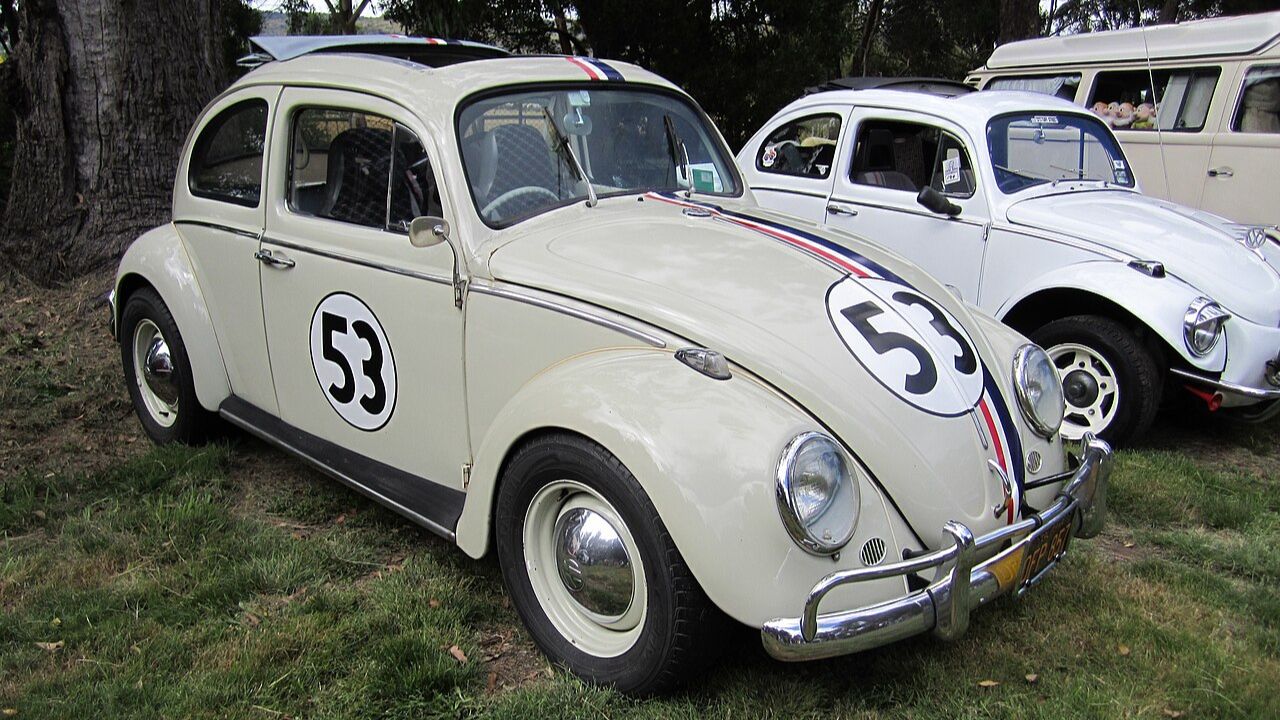
The Volkswagen Beetle was a global phenomenon in the 1960s, known for its distinctive rounded shape and reliable engineering. Originally designed in the 1930s, the Beetle gained immense popularity during the 1960s as a symbol of counterculture and the peace movement. Its affordability and fuel efficiency made it an ideal choice for young drivers seeking independence.
The Beetle’s charm lay in its simplicity and unique design, which set it apart from the more aggressive American muscle cars of the era. It became a canvas for artistic expression, with many owners customizing their Beetles with vibrant colors and decals. By the end of the decade, millions of Beetles had been sold worldwide, and it remained a beloved classic for generations to come, proving that sometimes quirky is better than flashy.
Dodge Charger

Introduced in 1966, the Dodge Charger quickly became synonymous with American muscle. Its bold styling, marked by a fastback design, made a statement on the road. The Charger was powered by a range of V8 engines, including the legendary 426 HEMI, which cemented its reputation as a high-performance vehicle. The 1969 model, in particular, is celebrated for its aggressive stance and impressive speed.
The Charger also made a significant impact on popular culture, featured prominently in films like “Bullitt” and “The Fast and the Furious.” Its combination of power and style attracted a devoted following, and today, vintage Chargers are highly sought after by collectors. Dodge’s ability to blend performance with everyday usability made the Charger a lasting icon of the 1960s.
Mercury Cougar
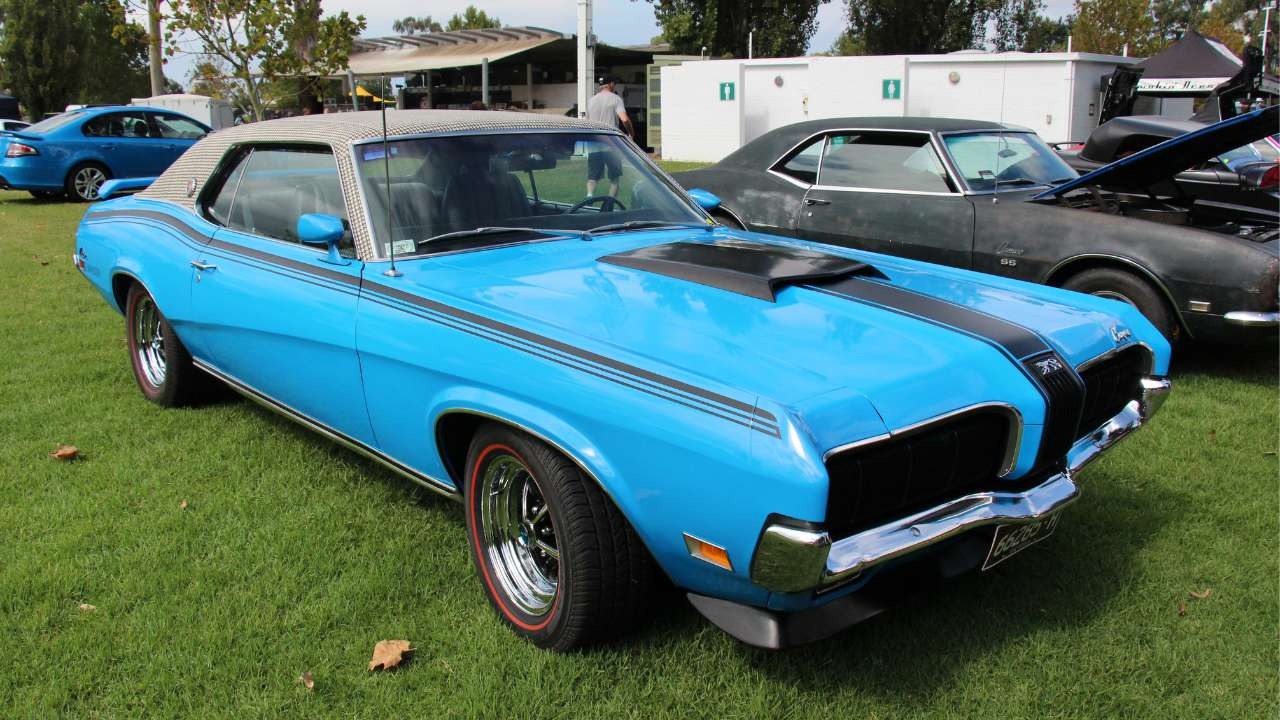
The Mercury Cougar, introduced in 1967, was Ford’s attempt to capture the luxury performance market. Built on the same platform as the Mustang, the Cougar offered a more refined driving experience while maintaining the excitement of a muscle car. With its elegant design and an array of engine options, the Cougar appealed to a demographic looking for both style and performance.
The 1969 model introduced a more aggressive stance with an elongated body and the option of a powerful V8. It became a favorite among those who wanted a sporty car without sacrificing comfort. Although the Cougar eventually faded from the spotlight, its legacy lives on as a unique blend of luxury and performance from the 1960s.
Shelby Cobra
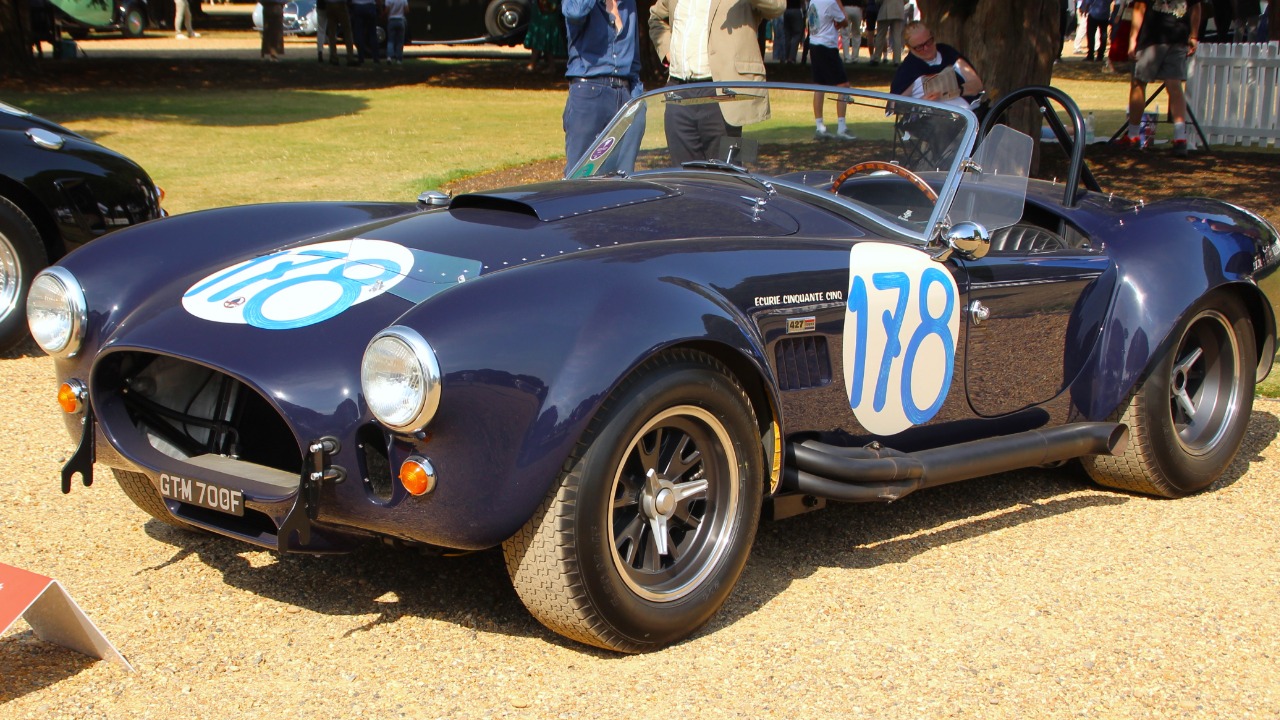
The Shelby Cobra is a legendary sports car that emerged in the 1960s, designed by Carroll Shelby to combine American muscle with British sports car agility. With a lightweight chassis and a powerful V8 engine, the Cobra quickly gained a reputation on the racetrack and the street. It became a symbol of speed and performance, capturing the imagination of car enthusiasts worldwide.
The Cobra’s design is both timeless and aggressive, featuring flared fenders and a long hood. The 427 model, introduced in 1965, is particularly revered for its power and performance. Today, the Shelby Cobra remains an icon of automotive history, celebrated for its racing pedigree and unmatched performance. Its influence can still be seen in modern sports cars, proving that some designs stand the test of time.
Buick Skylark
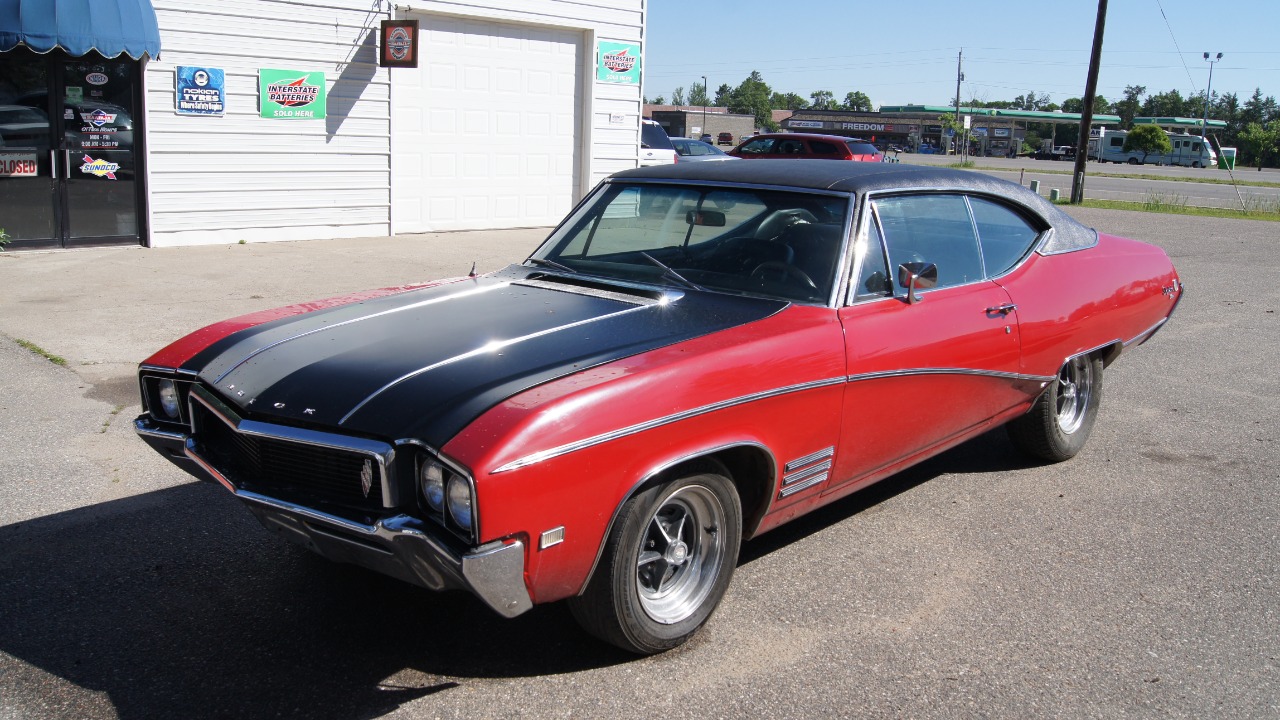
The Buick Skylark was introduced in 1964 as a mid-size car that offered a blend of performance and comfort. It was designed to appeal to those who wanted a stylish car with a touch of luxury. The Skylark featured a range of engine options, including a powerful V8 that provided a thrilling driving experience. Its elegant lines and chrome accents made it a standout on the road.
Throughout the 1960s, the Skylark underwent several redesigns that enhanced its appeal. The 1968 model, with its sleek body and refined interior, became particularly popular. Buick positioned the Skylark as a car that offered both performance and refinement, attracting a diverse range of customers. Today, the Skylark is remembered as a classic that represents the best of Buick’s craftsmanship and style from the era.
Chrysler 300
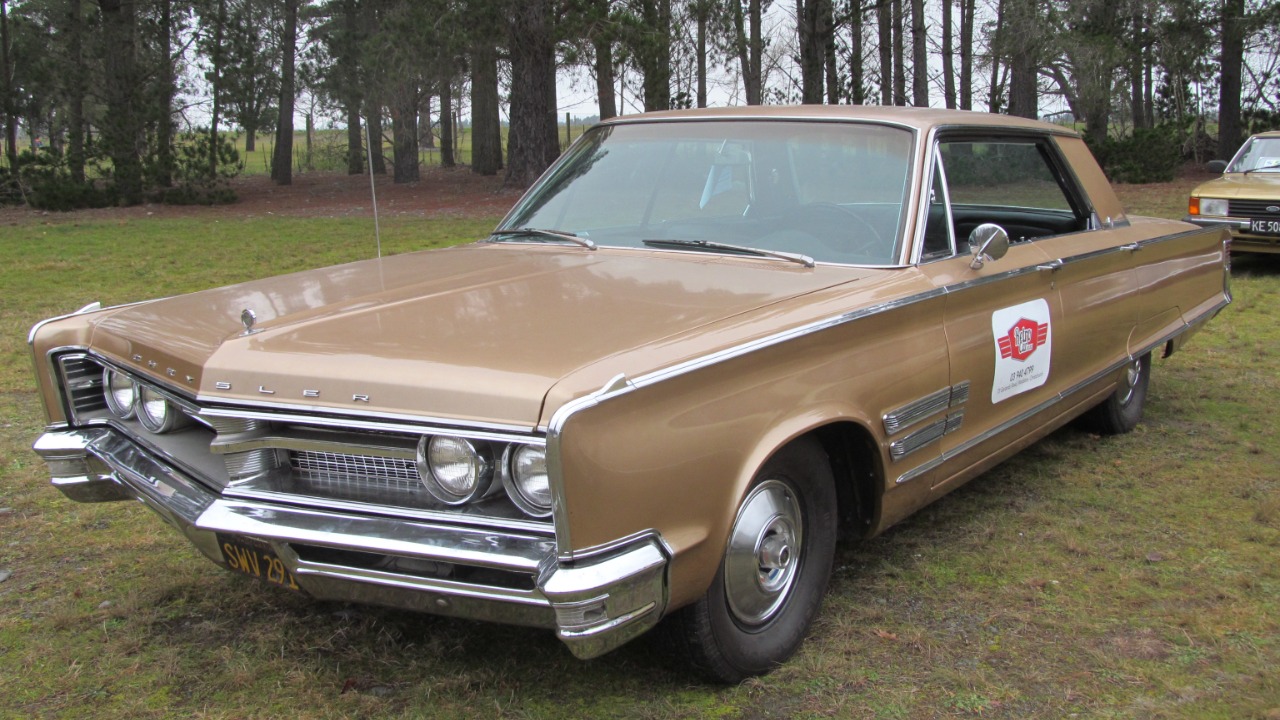
The Chrysler 300 was launched in 1955 but underwent significant transformations during the 1960s, becoming a symbol of luxury and performance. Known for its powerful HEMI engine options, the 300 was marketed as a high-performance vehicle that didn’t compromise on comfort. The sleek design and spacious interior made it a favorite among those who sought both style and power in their vehicles.
The 1966 Chrysler 300 is particularly noteworthy for its bold lines and aggressive stance. It embodied the spirit of the 1960s, combining luxury with performance. The Chrysler 300 established itself as a classic American automobile, attracting a loyal following that appreciates its unique blend of sophistication and muscle. Today, vintage Chrysler 300 models are cherished by collectors for their timeless appeal and powerful performance.
Jaguar E-Type
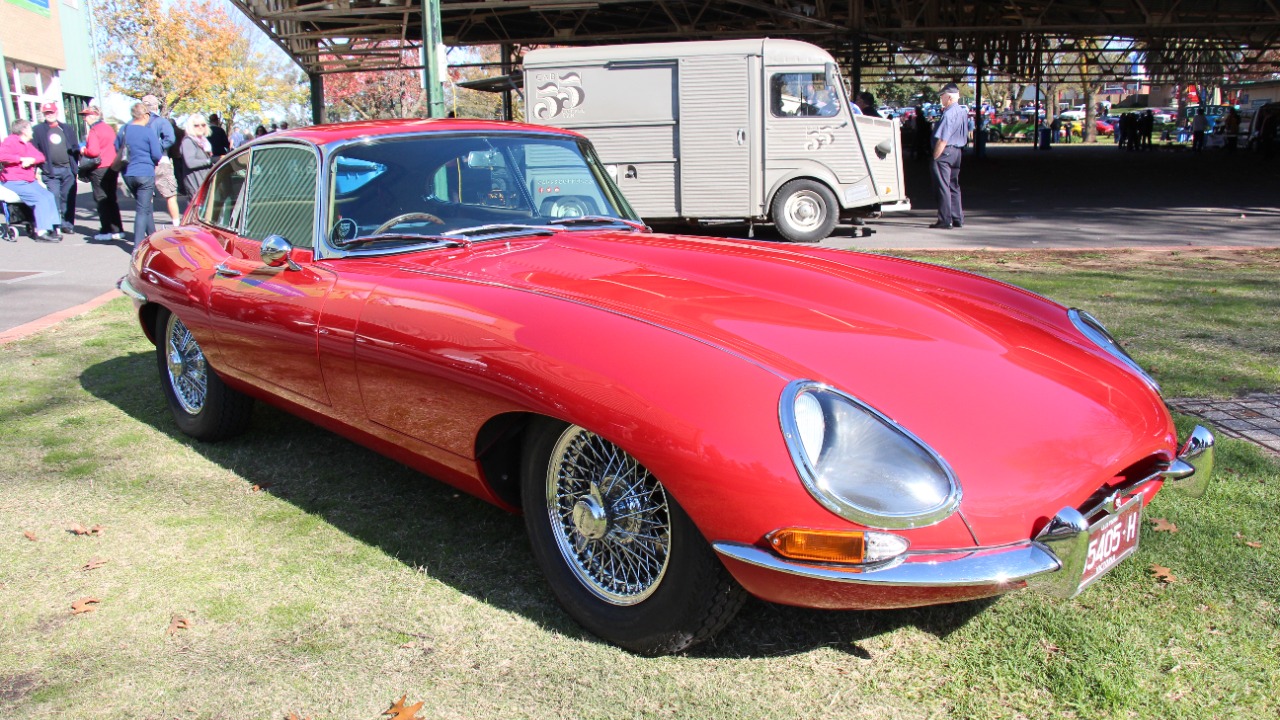
The Jaguar E-Type, introduced in 1961, is often regarded as one of the most beautiful cars ever made. Its stunning design and impressive performance captured the hearts of car enthusiasts and celebrities alike. Powered by a range of inline-six engines, the E-Type offered speed and agility that rivaled its contemporaries. Its long hood and sleek silhouette made it a standout on the road, earning it a place in automotive history.
Throughout the 1960s, the E-Type underwent various updates, with the Series 1 and Series 2 models being particularly sought after. The E-Type’s success can be attributed to its combination of performance, style, and affordability compared to other European sports cars. Today, it remains a symbol of the 1960s, celebrated for its elegance and engineering prowess.
Austin Mini Cooper
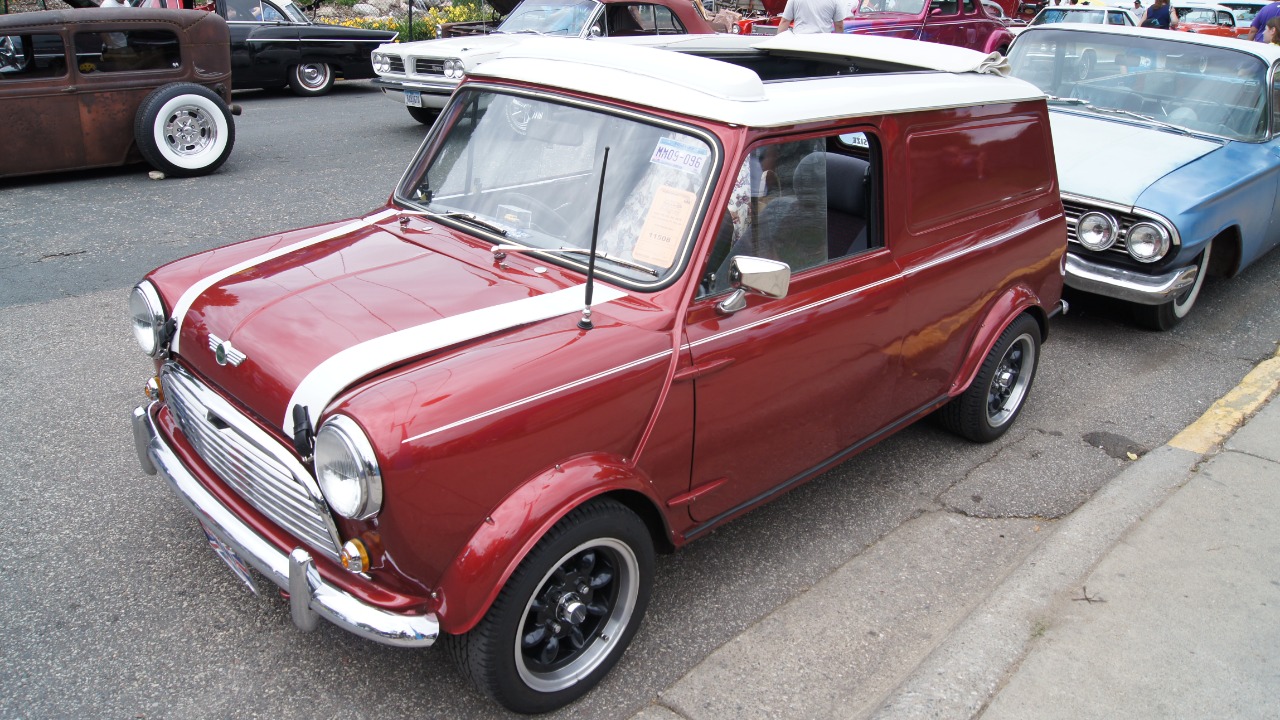
The Austin Mini Cooper was launched in 1961 and quickly became a cultural icon. Known for its compact size and nimble handling, the Mini was designed for urban driving and appealed to a younger generation seeking fun and practicality. Its distinctive design made it an instantly recognizable vehicle, perfect for navigating busy streets.
The Mini Cooper variant, introduced in 1961, featured enhanced performance and sportier styling, attracting racing enthusiasts. Its small size belied its capabilities, making it a favorite in motorsport competitions. The Mini’s influence extended beyond the automotive world, becoming a symbol of the 1960s British pop culture. Today, it is celebrated for its innovation and remains a beloved classic.
Ferrari 250 GTO
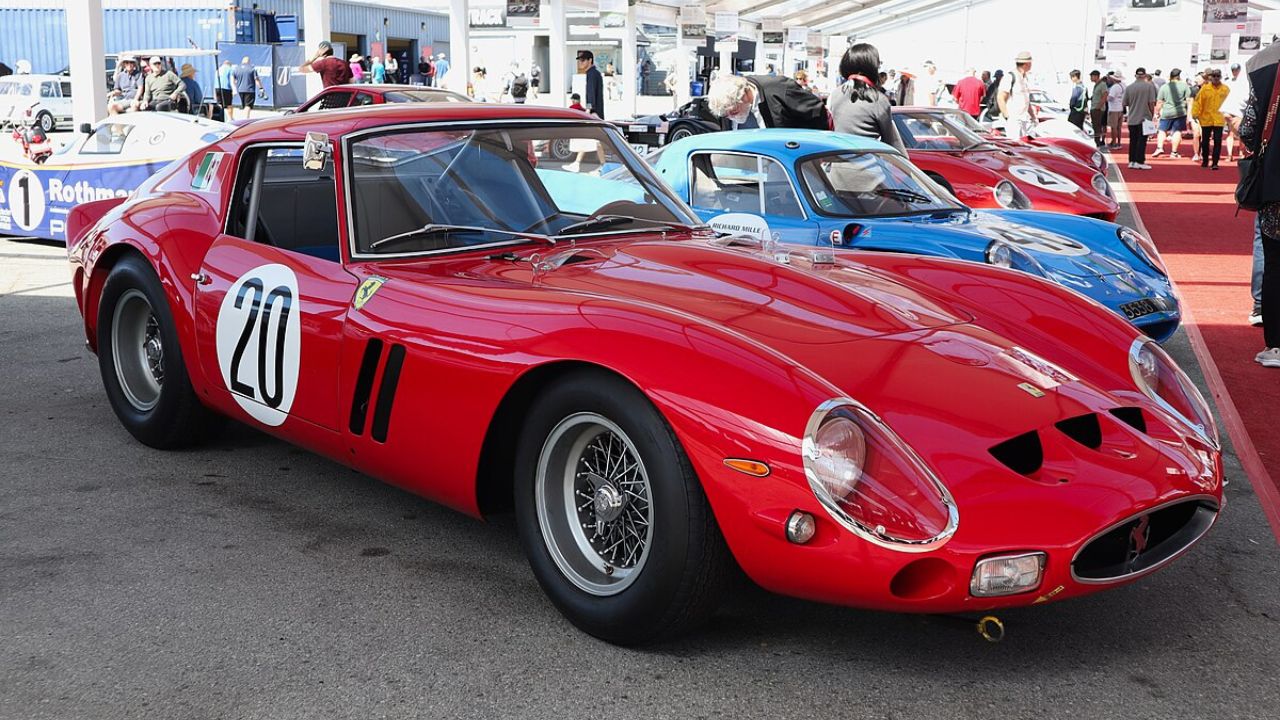
The Ferrari 250 GTO is often regarded as one of the most desirable classic cars ever made. Introduced in 1962, only 39 units were produced, making it extremely rare and highly sought after by collectors. With its powerful V12 engine and stunning design, the 250 GTO combined speed and elegance like no other car of its time.
The 250 GTO’s racing pedigree also contributes to its legendary status, as it dominated competitions in the 1960s. Its sleek lines and aerodynamic profile not only made it visually striking but also contributed to its impressive performance on the track. Today, the Ferrari 250 GTO is celebrated as a pinnacle of automotive engineering and design, with one of the highest auction prices ever recorded for a car.
More from Fast Lane Only
- Unboxing the WWII Jeep in a Crate
- 15 rare Chevys collectors are quietly buying
- 10 underrated V8s still worth hunting down
- Police notice this before you even roll window down
*Research for this article included AI assistance, with all final content reviewed by human editors.