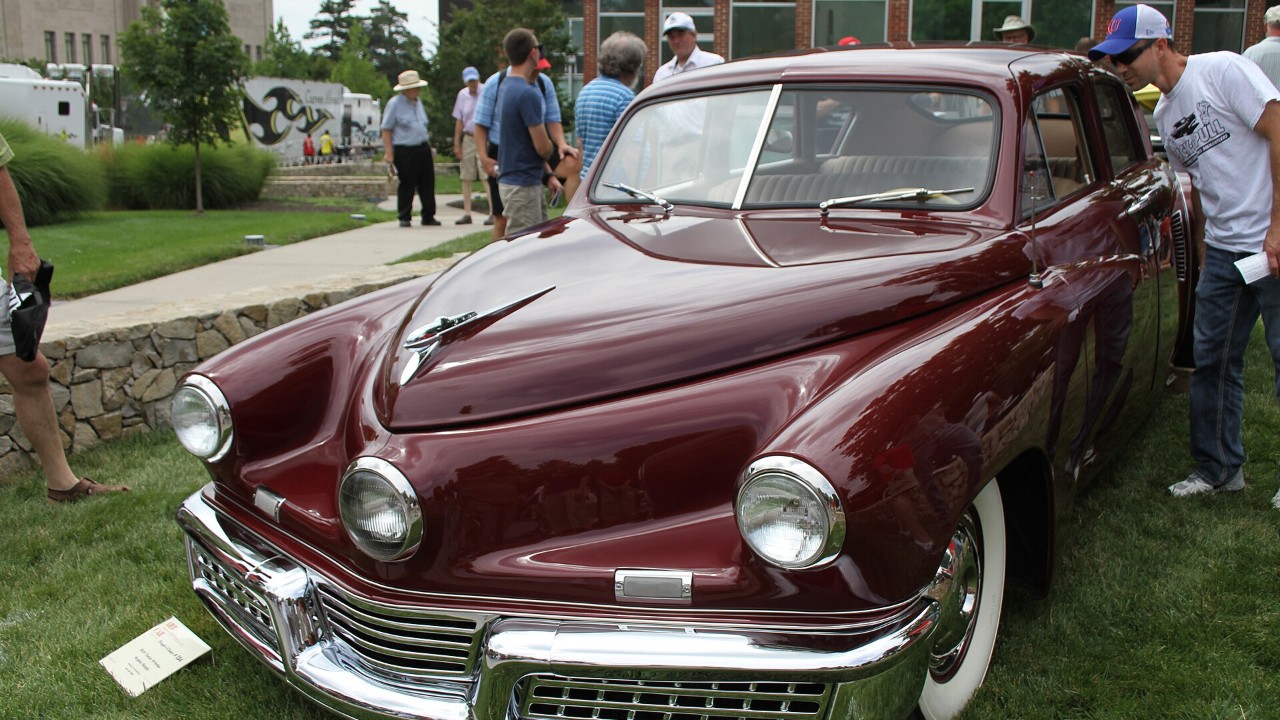
The 1980s were a transformative decade for the automotive industry, showcasing a wave of innovative designs and technologies that seemed to leap straight out of a science fiction film. Many cars introduced during this era boasted cutting-edge aesthetics and engineering that captured the imagination of car enthusiasts and the general public alike. From sleek lines to groundbreaking performance, here are ten cars from the 1980s that looked remarkably futuristic at the time.
DeLorean DMC-12
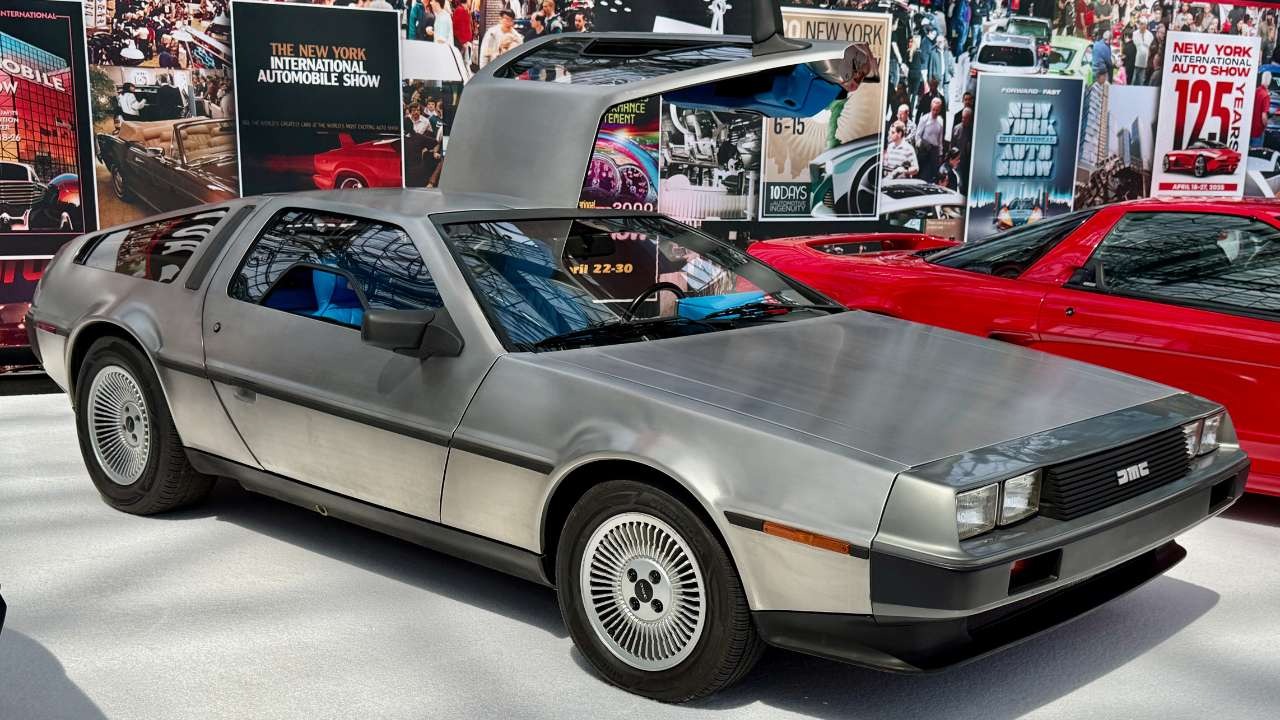
The DeLorean DMC-12 is perhaps the most iconic car of the 1980s, thanks in large part to its unique stainless-steel body and gullwing doors. Produced from 1981 to 1983, this car was designed by John DeLorean, who aimed to create a vehicle that would revolutionize the automotive landscape. With its futuristic styling and unconventional materials, the DMC-12 became synonymous with the era, especially after its starring role in the “Back to the Future” film franchise. The car’s design has left a lasting legacy, often inspiring modern automotive concepts. You can check out a detailed review and history of the DeLorean on YouTube.
BMW M1
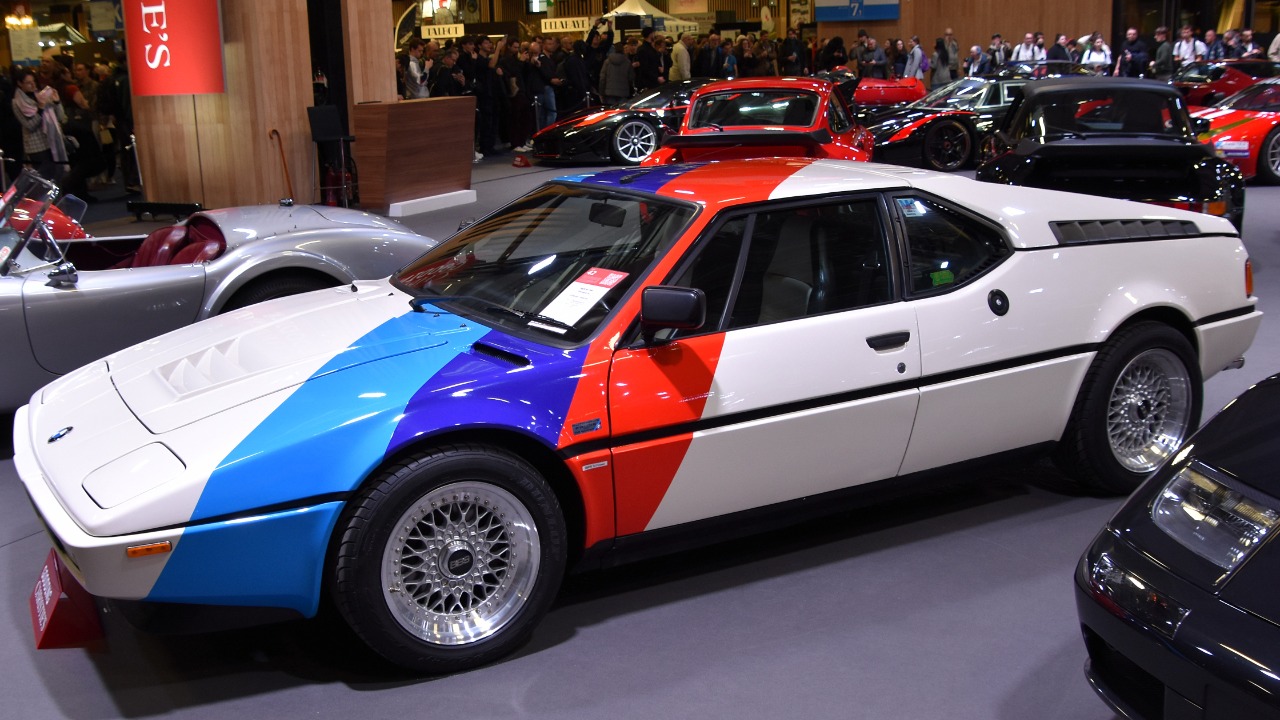
The BMW M1, produced from 1978 to 1981, stands out as a remarkable blend of sports car performance and cutting-edge design. Its wedge-shaped profile and distinctive front fascia exuded a futuristic appeal that was ahead of its time. The M1 was BMW’s first mid-engine sports car, powered by a 3.5-liter inline-six engine that delivered an exhilarating driving experience. With only 453 units produced, the M1 has become a sought-after collector’s item. Its design was the result of collaboration with the famous Italian design house, Giugiaro, illustrating how aesthetics and engineering can come together to produce a timeless classic. More on its design and impact can be found in this book.
Pontiac Fiero
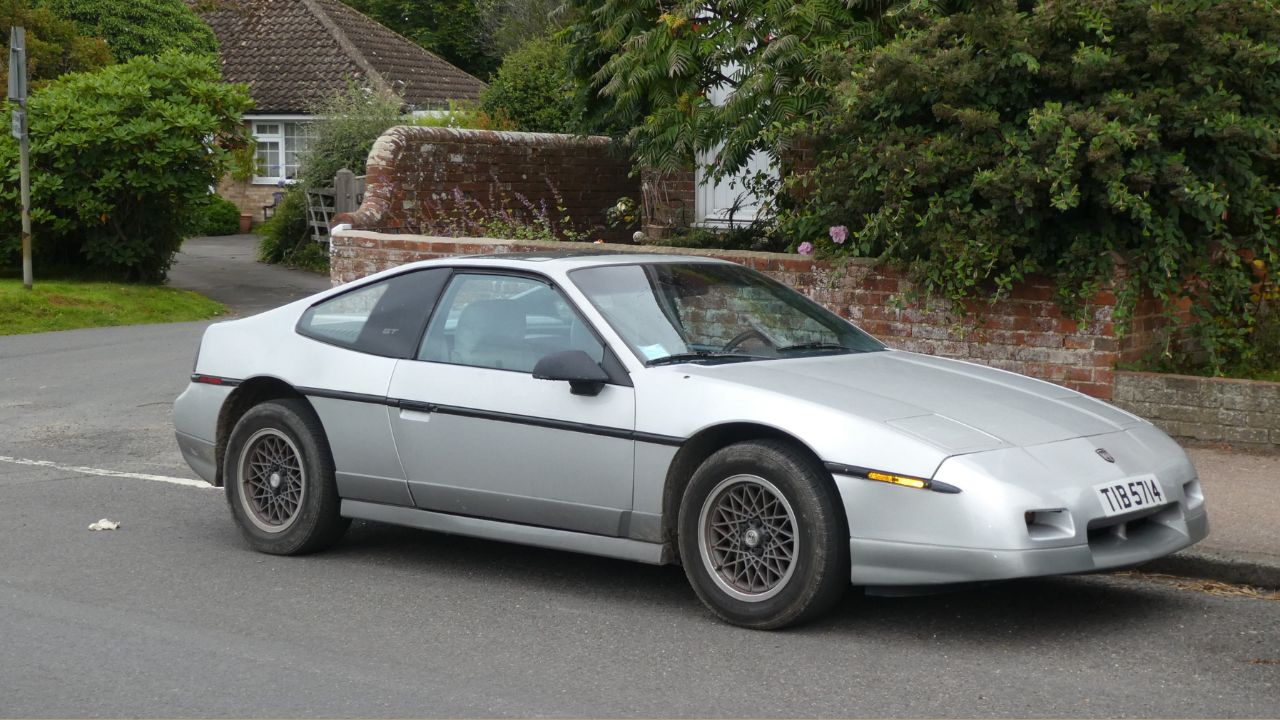
Launched in 1984, the Pontiac Fiero was a groundbreaking vehicle that combined sporty aesthetics with a compact design. Its mid-engine layout and sleek contours gave it an unmistakably futuristic look, making it a standout in Pontiac’s lineup. The Fiero was the first production car to feature a plastic body, which not only contributed to its unique appearance but also helped reduce weight and improve fuel efficiency. As a result, the car was well-received by consumers and remains a symbol of 1980s automotive innovation. The Fiero’s design and popularity have led to a dedicated following among enthusiasts and collectors alike, as seen in various online communities and articles discussing its legacy.
Ford Mustang SVO
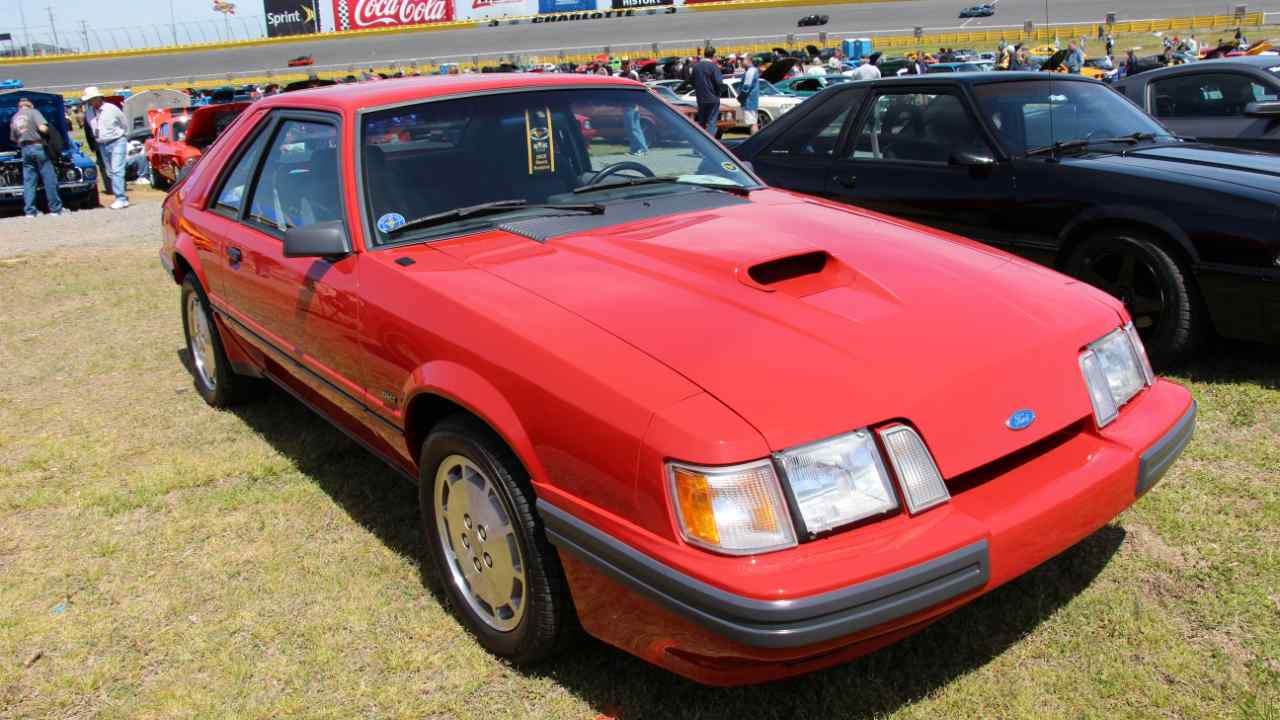
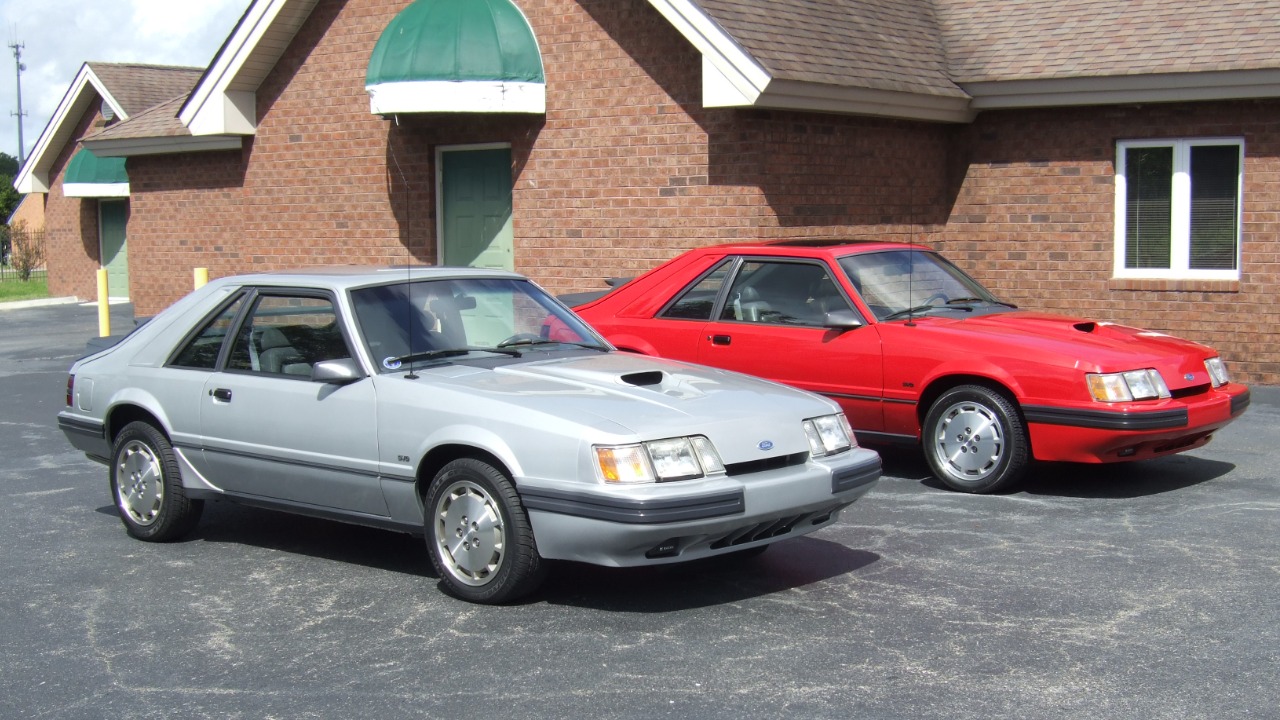
The Ford Mustang SVO, produced from 1984 to 1986, represented a significant shift in the Mustang lineup, moving towards a more performance-oriented approach. With its turbocharged engine and aerodynamic design, the SVO aimed to compete with European sports cars while retaining the classic Mustang essence. Its unique front fascia and rear spoiler gave it a sporty and aggressive look that was quite different from its predecessors. The Mustang SVO was designed to appeal to a new generation of enthusiasts, and its combination of power and style was a nod to the future of American muscle cars. Insights into its engineering can be explored further in various features available online.
Chevrolet Corvette C4
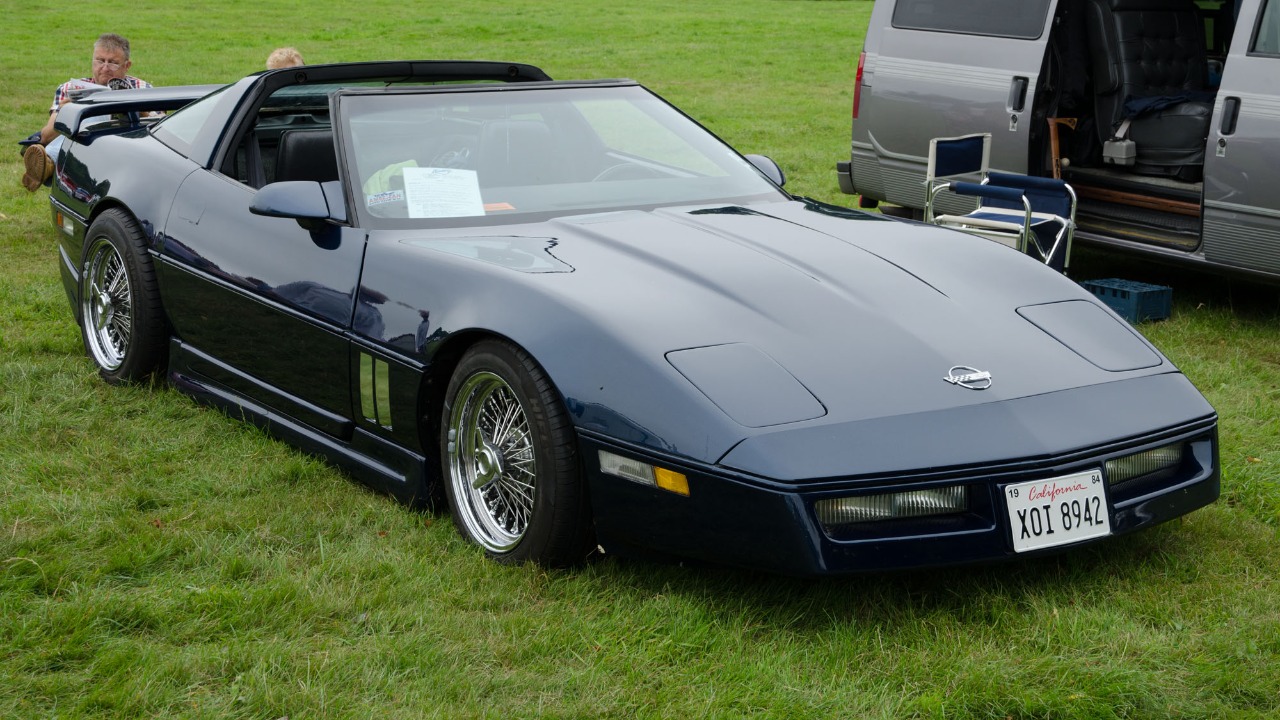
Introduced in 1984, the Chevrolet Corvette C4 marked a new era for America’s sports car. With a sleek, aerodynamic profile and innovative design elements, the C4 was a significant departure from its predecessor. The car featured a digital dashboard and advanced technology, which contributed to its futuristic appeal. Under the hood, the C4 boasted a powerful V8 engine, providing thrilling performance that matched its striking looks. The Corvette C4 was not only a symbol of American automotive prowess but also a testament to the advancements in engineering and design during the 1980s. Its impact on the sports car market is still discussed today in automotive circles and articles.
Mazda RX-7
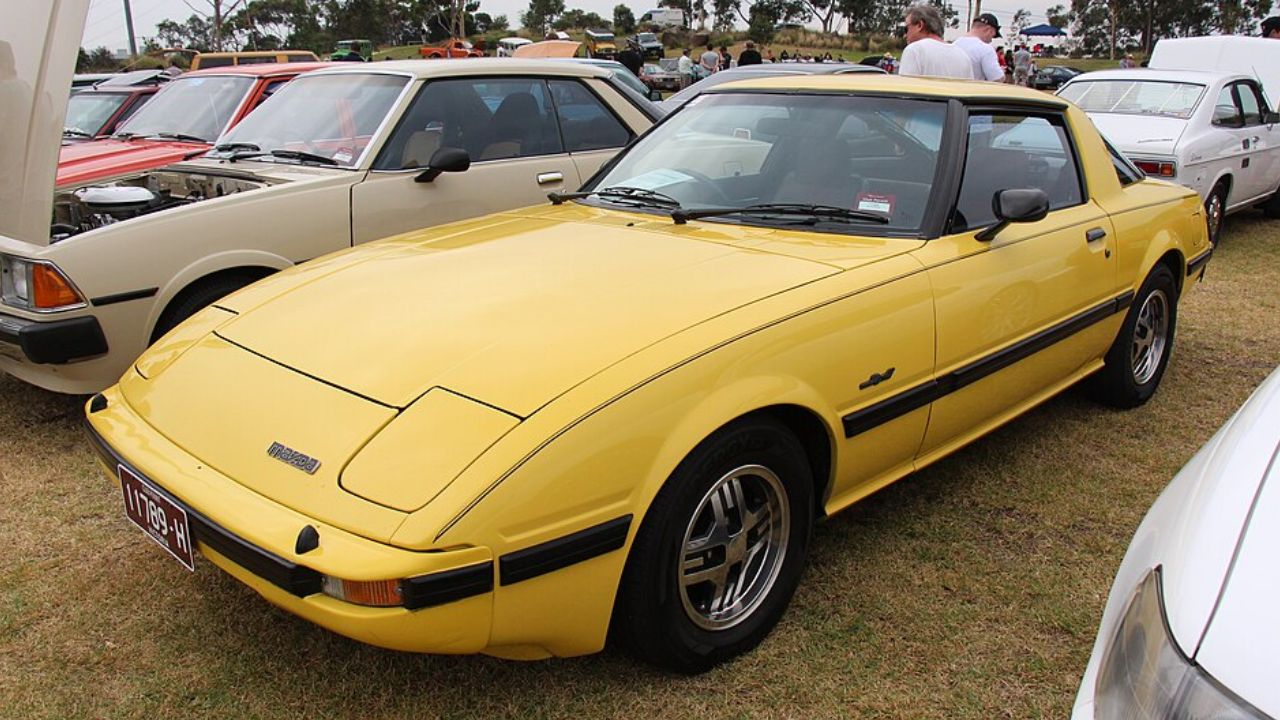
The Mazda RX-7, particularly the second-generation model introduced in 1986, was a game-changer in the sports car segment. Its lightweight construction and rotary engine set it apart from traditional vehicles, allowing for a unique driving experience. The RX-7’s curvy lines and pop-up headlights gave it a distinctly modern look, capturing the essence of 1980s automotive design. The car was celebrated for its nimble handling and high-revving performance, making it a favorite among driving enthusiasts. The RX-7 continues to have a dedicated fan base and remains a sought-after classic car, with many resources available for enthusiasts to explore its history and specifications.
Audi Quattro
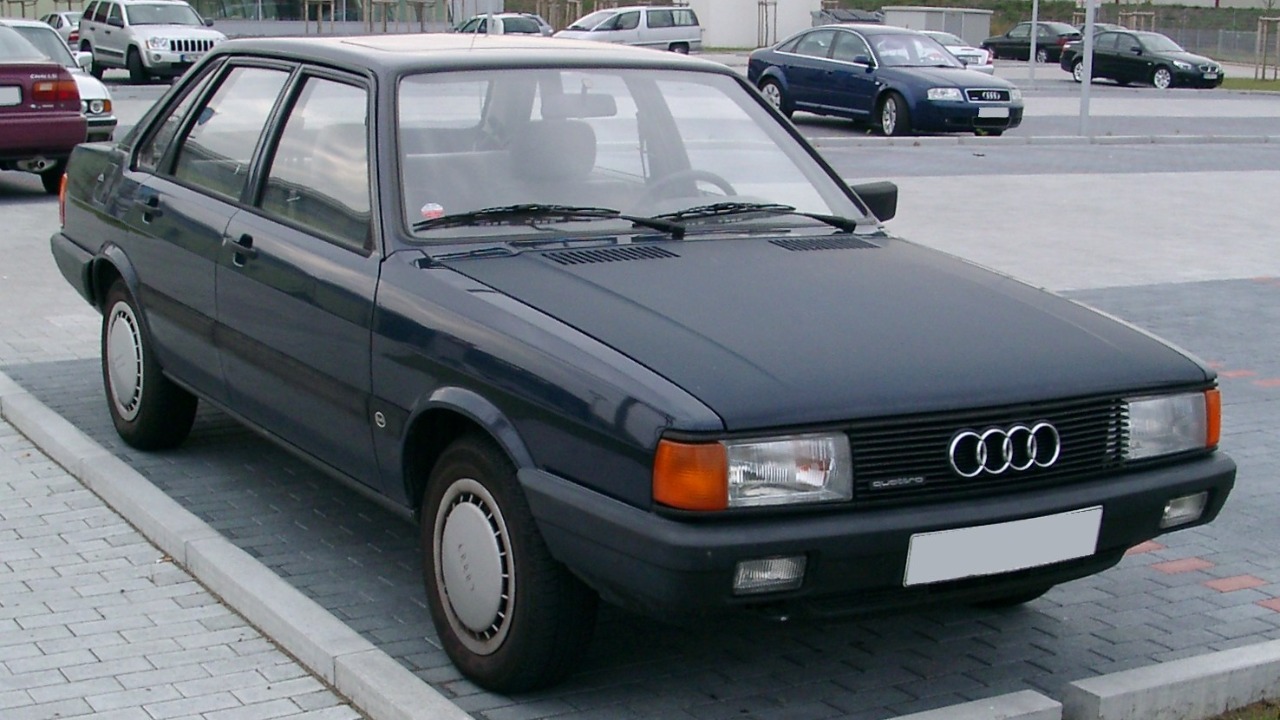
Debuting in 1980, the Audi Quattro was a revolutionary vehicle that changed the landscape of rally cars and high-performance road cars. Its distinctive boxy design and wide stance exuded a sense of power and capability that was unmatched at the time. The Quattro was the first production car to feature all-wheel drive, setting a new standard for traction and performance in various driving conditions. This innovation not only made it a formidable competitor in motorsports but also influenced the design of future Audi models. The Quattro remains a beloved icon among automotive enthusiasts, with its legacy still felt in modern Audi vehicles.
Lamborghini Countach
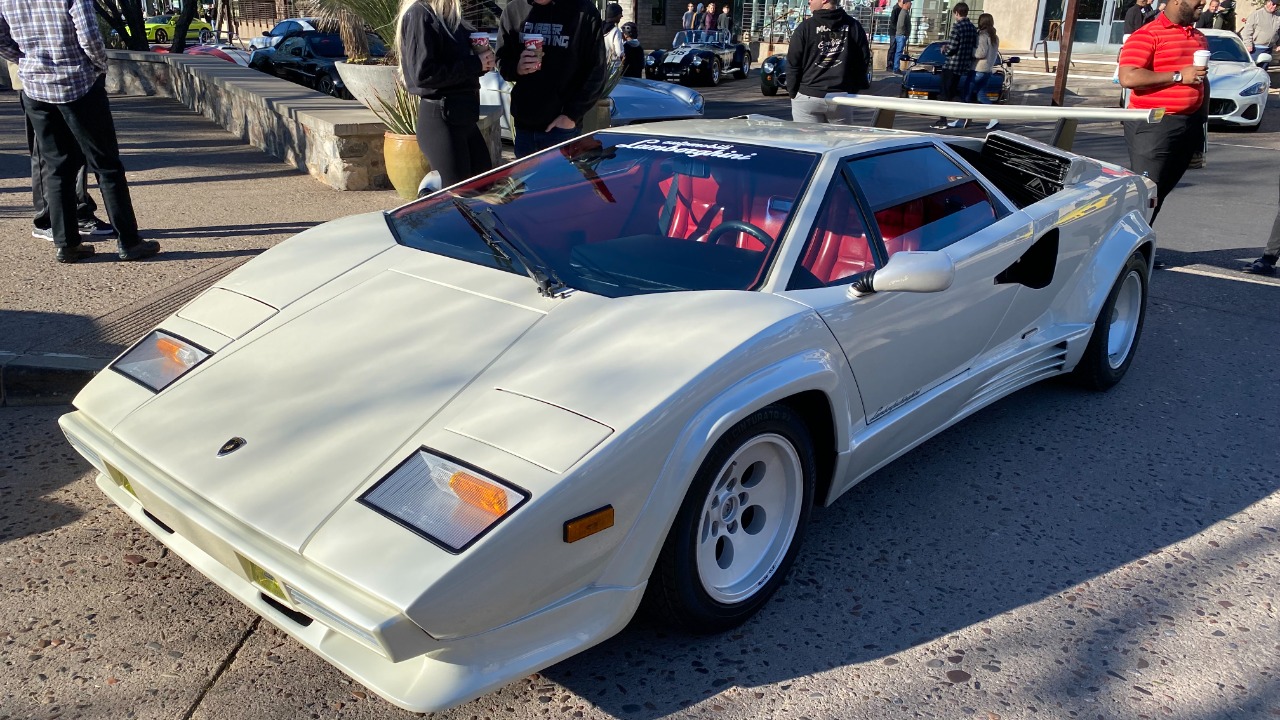
The Lamborghini Countach, produced from 1974 until 1990, epitomized the supercar concept with its outrageous design and blistering performance. Its sharp angles, scissor doors, and low profile created a striking silhouette that captured the imagination of car lovers around the globe. By the mid-1980s, the Countach had firmly established itself as a status symbol, representing the pinnacle of automotive engineering and design. The car’s powerful V12 engine offered an exhilarating driving experience, making it a favorite among those seeking both performance and prestige. The Countach’s design continues to influence supercars today, showcasing Lamborghini’s commitment to pushing the boundaries of automotive design.
Nissan 300ZX
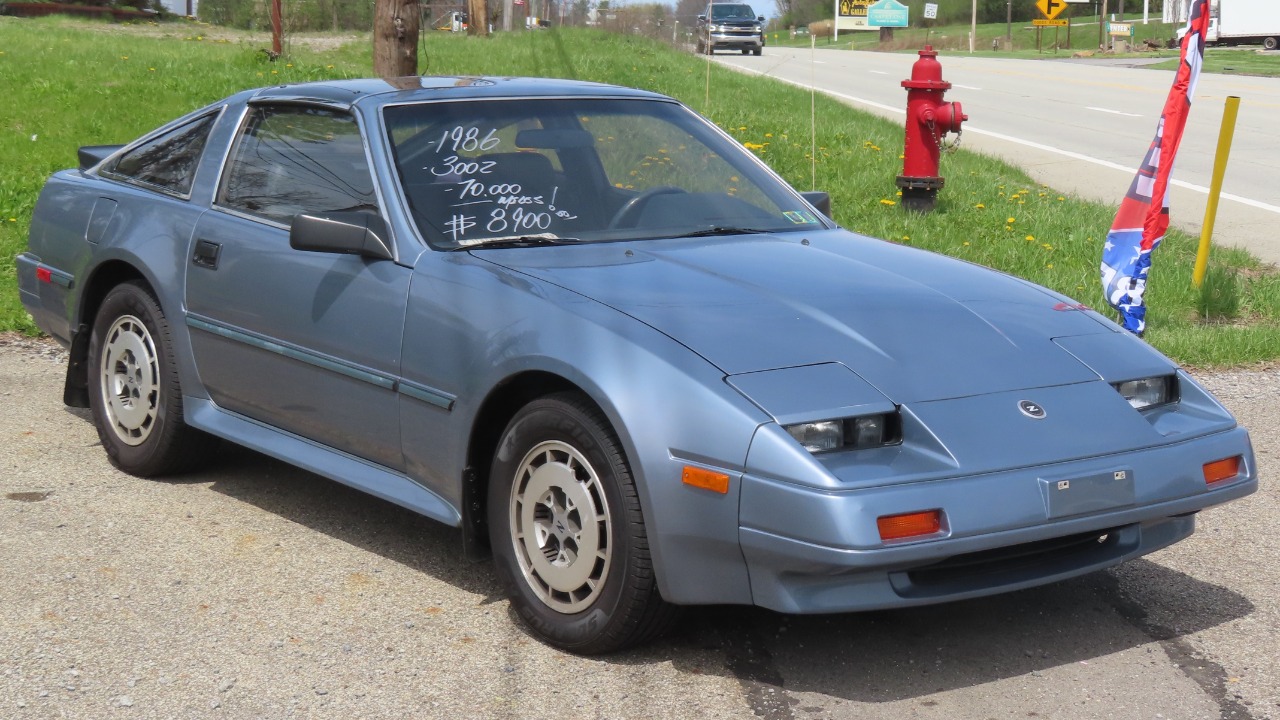
The Nissan 300ZX, launched in 1984, was a groundbreaking sports car that combined performance with advanced technology. With its sleek lines and aerodynamic shape, the 300ZX was designed to cut through the air with ease, showcasing a futuristic aesthetic. Under the hood, it featured a powerful V6 engine and, later, a twin-turbocharged variant that provided thrilling acceleration. The 300ZX also boasted innovations such as a digital instrument panel and advanced suspension systems, making it a well-rounded sports car for its time. Today, the 300ZX is celebrated by enthusiasts and collectors, who appreciate its unique blend of style and performance.
Toyota Supra Mk3
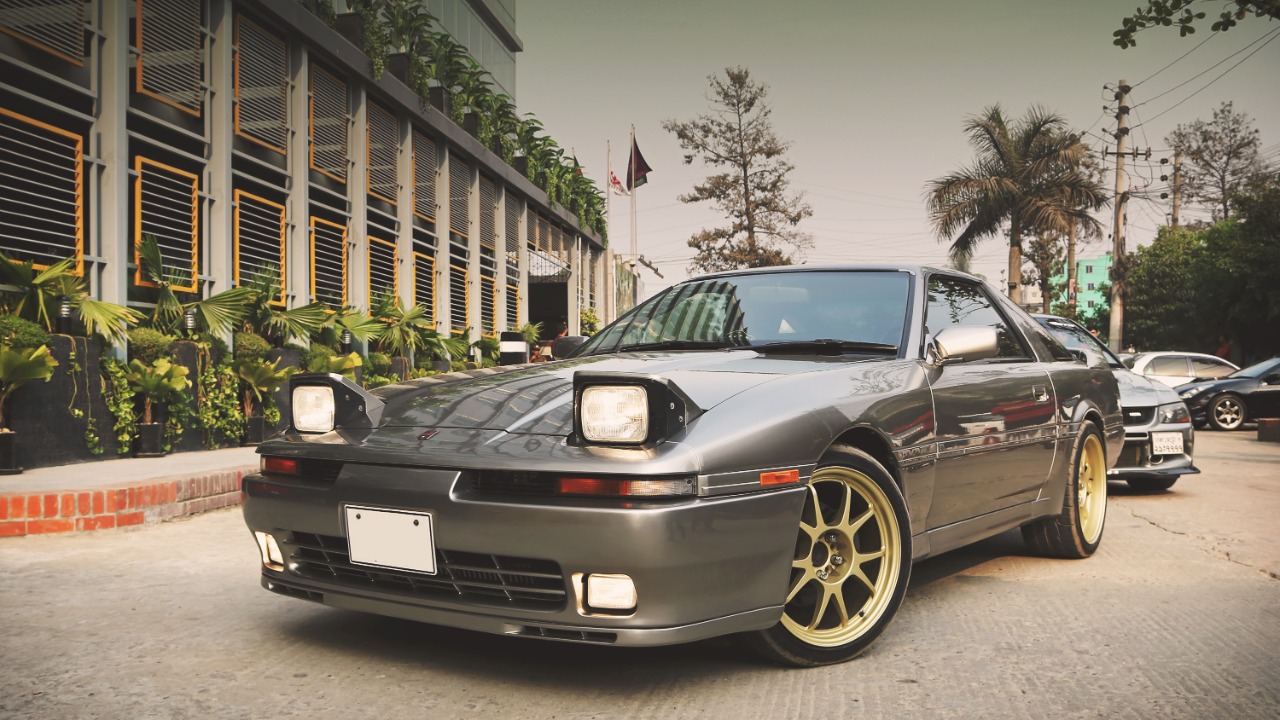
The Toyota Supra Mk3, introduced in 1986, was a significant evolution of the Supra lineage, combining sporty design with powerful performance. Its sleek, angular styling gave it a modern and aggressive look, making it stand out among its peers. The Mk3 featured a turbocharged inline-six engine, offering an impressive balance of power and efficiency. With its rear-wheel-drive layout and advanced handling capabilities, the Supra Mk3 earned a reputation as a capable sports car. As a result, it has developed a loyal following among automotive enthusiasts, and its unique design and performance characteristics are still celebrated in various automotive forums and communities.
More from Fast Lane Only
- Unboxing the WWII Jeep in a Crate
- 15 rare Chevys collectors are quietly buying
- 10 underrated V8s still worth hunting down
- Police notice this before you even roll window down
*Research for this article included AI assistance, with all final content reviewed by human editors.