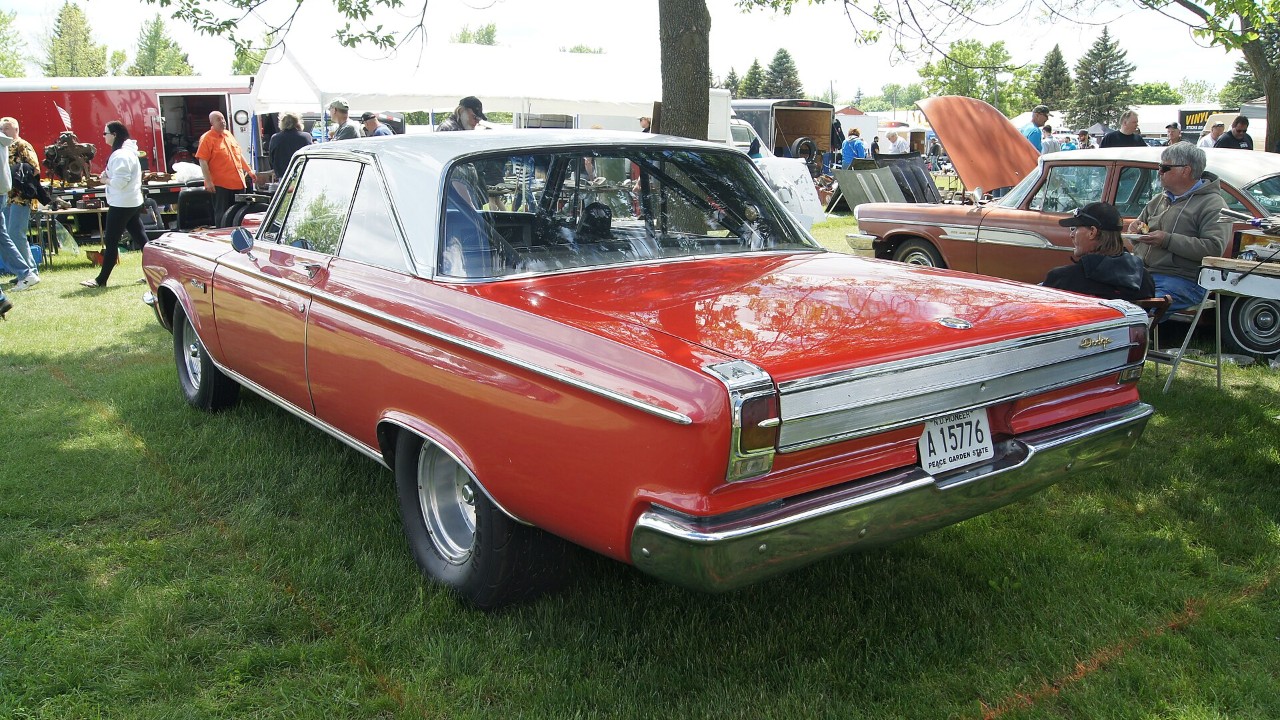
The Dodge Coronet name first appeared for 1949 and, after a five-year break, lasted until 1976. In 1965, it was Dodge’s most popular model. Yet ask a car-show crowd about Coronets, and most people only talk about one or two hot versions.
That’s a shame, because the badge covered a lot of ground. It went on postwar family sedans, early Hemi record-setters, finned hardtops, mid-size muscle and, at the very end, honest wagons and coupes for the mid-1970s. Some were brilliant. Others were simply good cars that got lost behind flashier Dodges.
These 12 are our picks for the Coronets that deserved more credit than they got. The verdicts are our opinion. Every fact behind them comes from period specs, auction records and marque histories, and we’ve spread the list across all three decades of the name.
1. 1949 Dodge Coronet
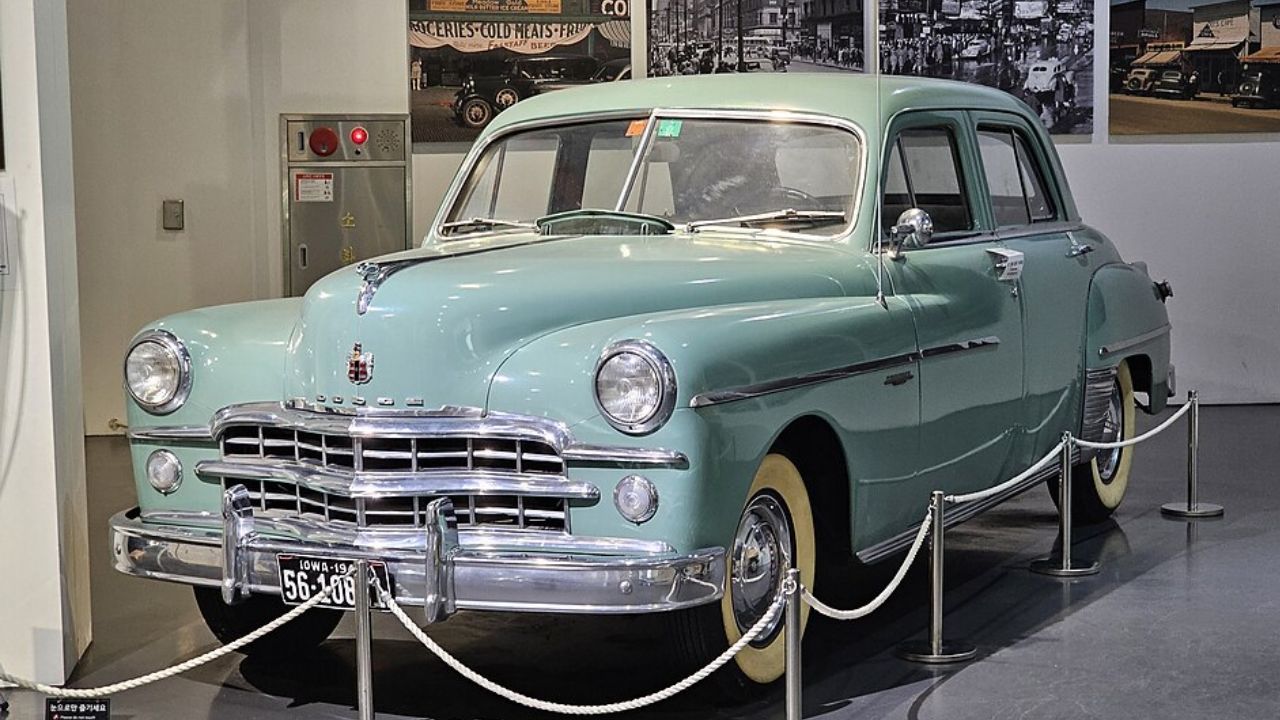
The first Coronet arrived with Dodge’s first true postwar bodies, and it sat at the top of the range. Below it were the Wayfarer and the Meadowbrook. In other words, the Coronet was the nice Dodge, the one a family chose when it wanted the best trim on the lot.
At first, its only engine was a 230-cubic-inch flathead six with a single-barrel carburetor, rated at 103 horsepower gross. According to Conceptcarz’s model history, a three-speed transmission with Fluid Drive came standard.
Dodge also offered a surprising spread of bodies, too. Buyers could pick a coupe, a sedan, a roadster, a hardtop, a business coupe or even an eight-passenger limousine. Canada even got a wagon of its own. Meanwhile, the cheaper Wayfarer rode a shorter 115-inch wheelbase, so the Coronet was the roomier car, too.
Our take: the 1949 Dodge Coronet deserved better because it did the hard work of rebuilding Dodge’s reputation after the war. Today, collectors chase the later Hemi cars instead. A clean ’49 sedan is a gentle, upright cruiser, and we think it earns a spot in any Mopar collection that wants to show where the story began.
2. 1953 Dodge Coronet Red Ram Hemi
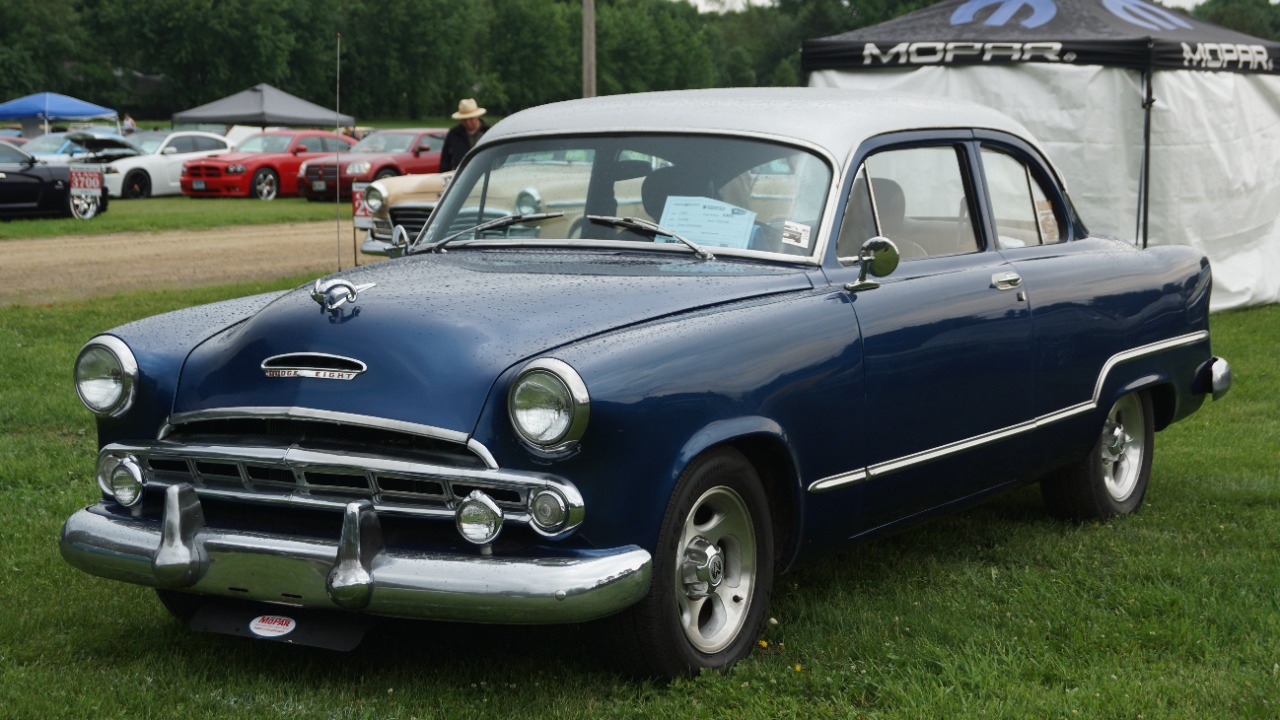
For 1953, Dodge redesigned the Coronet from the ground up. The bigger news sat under the hood. Buyers could order a 241-cubic-inch “Red Ram” V8 with hemispherical combustion chambers.
Conceptcarz puts its output at 140 horsepower. That doesn’t sound like much now. Even so, the Red Ram helped the Coronet set more than 100 land speed records at the Bonneville Salt Flats. A year later, a Coronet convertible paced the 1954 Indianapolis 500, which gave the small Hemi a national stage. Even so, few people outside Mopar circles connect the Coronet name with Bonneville at all.
What we like most is the contrast. The 1953 car looks like a sensible sedan your grandparents drove to church. Meanwhile, it carried a Hemi V8 years before the 426 made the word famous.
In our view, the Red Ram Coronet deserved better because the Hemi story usually starts with the 426. That skips the car that proved the idea first. If you find one with the original V8 intact, you’re holding a real piece of Chrysler engineering history, not just a pretty 1950s Dodge.
3. 1956 Dodge Coronet D-500
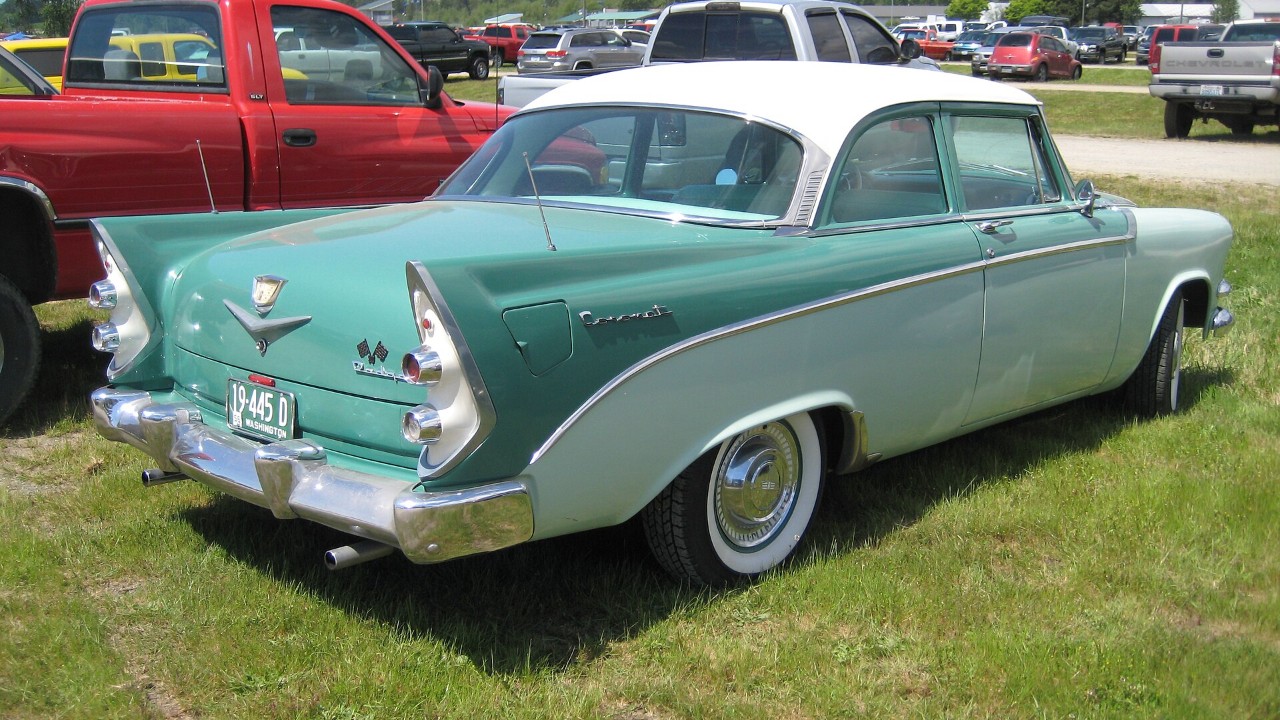
The D-500 was Dodge’s factory hot rod for 1956, and it hid in plain sight. According to Over-Drive Magazine’s 1956 Dodge fact sheet, it looked like any other Dodge apart from small “500” and crossed-flag logos on the hood and deck.
The package centered on a 315-cubic-inch Hemi V8. Over-Drive lists it at 260 horsepower at 4,800 rpm and 330 lb-ft of torque, with a 9.25:1 compression ratio and mechanical lifters. A four-barrel Carter carburetor fed it. For racers, Dodge also listed a D-500-1 version, and records credit it with anywhere from 276 to 295 horsepower, depending on the sanctioning body.
In fact, the approach was clever. Dodge originally fitted the package to the plain Coronet two-door sedan, the lightest body it had. As a result, a buyer could get serious power without paying for chrome.
Our take: the D-500 deserved better because it was a muscle car a decade before the term caught on. Yet it rarely gets mentioned alongside the 1960s cars it inspired. A real D-500 needs documentation, so check the engine and paperwork before you pay a D-500 price.
4. 1956 Dodge Coronet Lancer
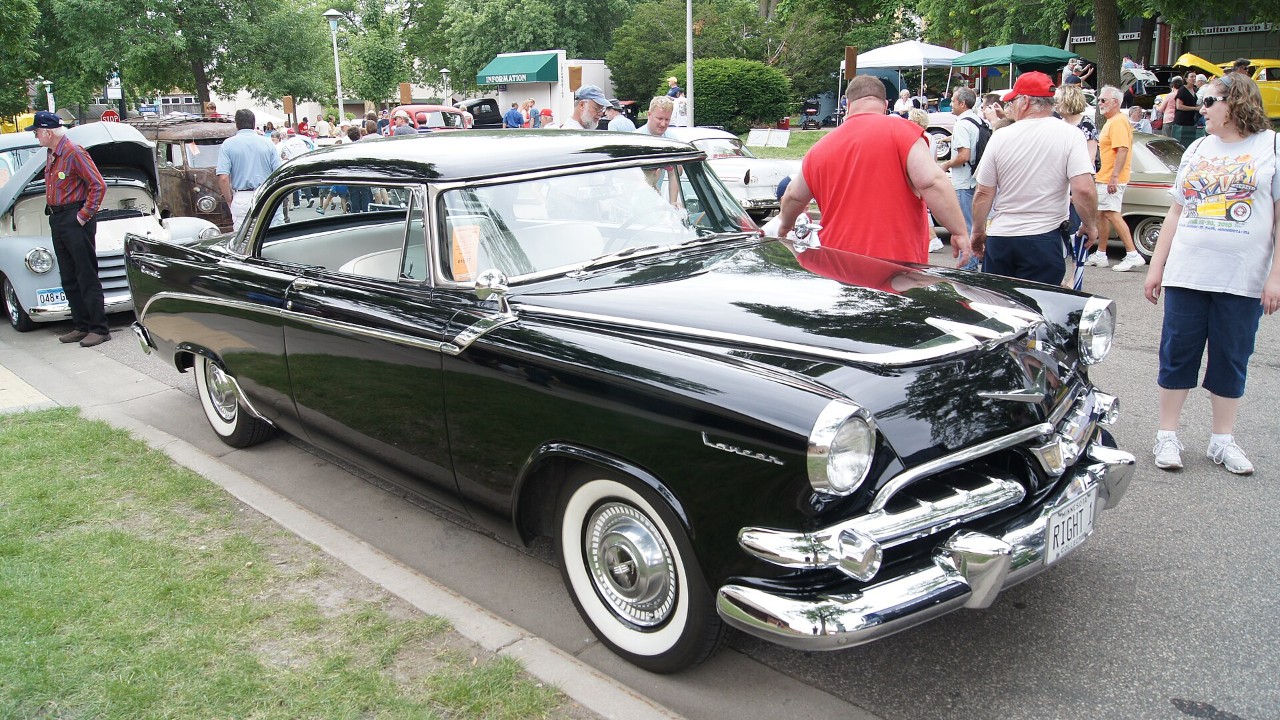
Here’s a trivia question for your next car show. What was the 1956 Coronet two-door hardtop really called? The answer is “Lancer,” but you’d never know it from the car, because it wore only “Coronet” badges.
That pillarless hardtop was the stylish way into a Dodge that year. For 1956, the front end stayed close to 1955. Meanwhile, the side trim and taillights changed, and the rear fenders grew fins. Coronet buyers could choose a 230-cubic-inch six or V8s up to the 315.
Today, values show how good these cars can be. Hagerty’s past-sales records list a two-tone green 1956 Coronet Lancer with the dual-quad D-500 Hemi sold for $44,000. That same car had sold at Barrett-Jackson in 2011 for $41,800 and in 2018 for $31,900.
In our view, the Coronet Lancer deserved better because its own name got hidden. It was the base Dodge, yet it had all the hardtop glamour of the pricier Royal and Custom Royal. If you want 1950s style on a Dodge budget, a six-cylinder Lancer is the smart buy, and a V8 car adds the right soundtrack.
5. 1959 Dodge Coronet Lancer
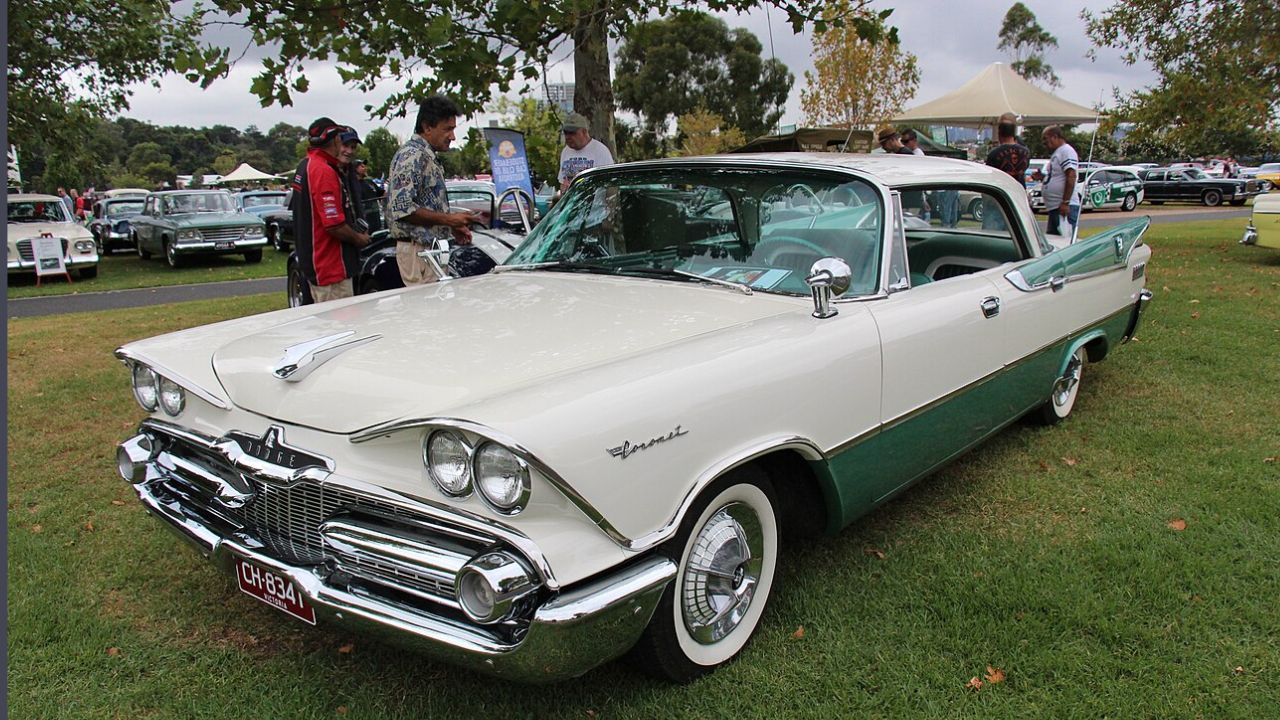
The 1959 Coronet Lancer marked the end of an era. It was the last model year of the full-size Coronet. For 1960, Dodge replaced the line with the Dart, Polara and Matador, and the name vanished for five years.
The 1959 car wore some of the wildest fins of the decade. Under them, Coronet buyers could choose a 230-cubic-inch six or a 325-cubic-inch Red Ram V8. At the top of the Dodge range that year, Conceptcarz notes a Super D-500 with a 383-cubic-inch V8 rated at 345 horsepower.
Even so, good examples aren’t out of reach. Hagerty’s past-sales records show a red 1959 Coronet Lancer hardtop with a 255-horsepower V8 and an automatic. It sold for $22,000.
Our take: the 1959 Lancer deserved better because it gets lost between the 1957 Forward Look cars and the new 1960 Darts. That’s unfair to a car with this much presence. For a buyer, the V8 hardtop is the one to want, and you should budget for trim and chrome, because replating 1959 brightwork costs real money. After all, those fins and that chrome are exactly what make a restored one stand out on a show field.
6. 1965 Dodge Coronet 500
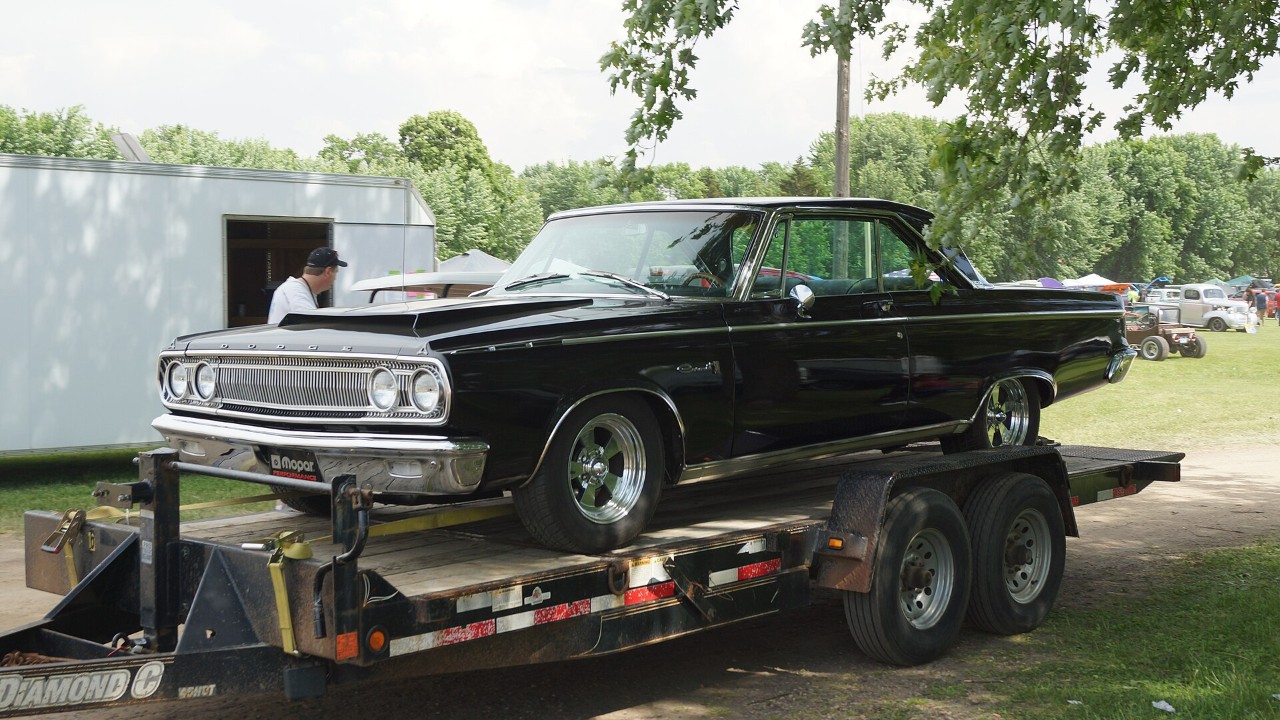
After five years away, the Coronet came back for 1965 in a new role. Now it was an intermediate on Chrysler’s B-body, riding a 117-inch wheelbase. Buyers responded right away. Sales came in slightly over 209,000 units, enough to make the Coronet Dodge’s most popular model that year, a story we covered in why the 1965 Dodge Coronet outsold everything else on the lot.
The Coronet 500 sat at the top of the range. It came standard with a 273-cubic-inch V8, bucket seats, a padded dash and a chrome floor console. Further up the options sheet, the engine list ran from the 225 Slant Six through 273, 318, 361 and 383 V8s, all the way to the 426.
That range is why the 500 is so interesting. You could order a comfortable, sporty commuter or build something far more serious on the same body.
In our view, the 1965 Coronet 500 deserved better because the later R/T and Super Bee cars took all the attention. Yet this is the car that made the mid-size Coronet a success. If you want one, a 273 or 318 car with the bucket-seat interior gives you the look and a friendly price.
7. 1966 Dodge Coronet 440
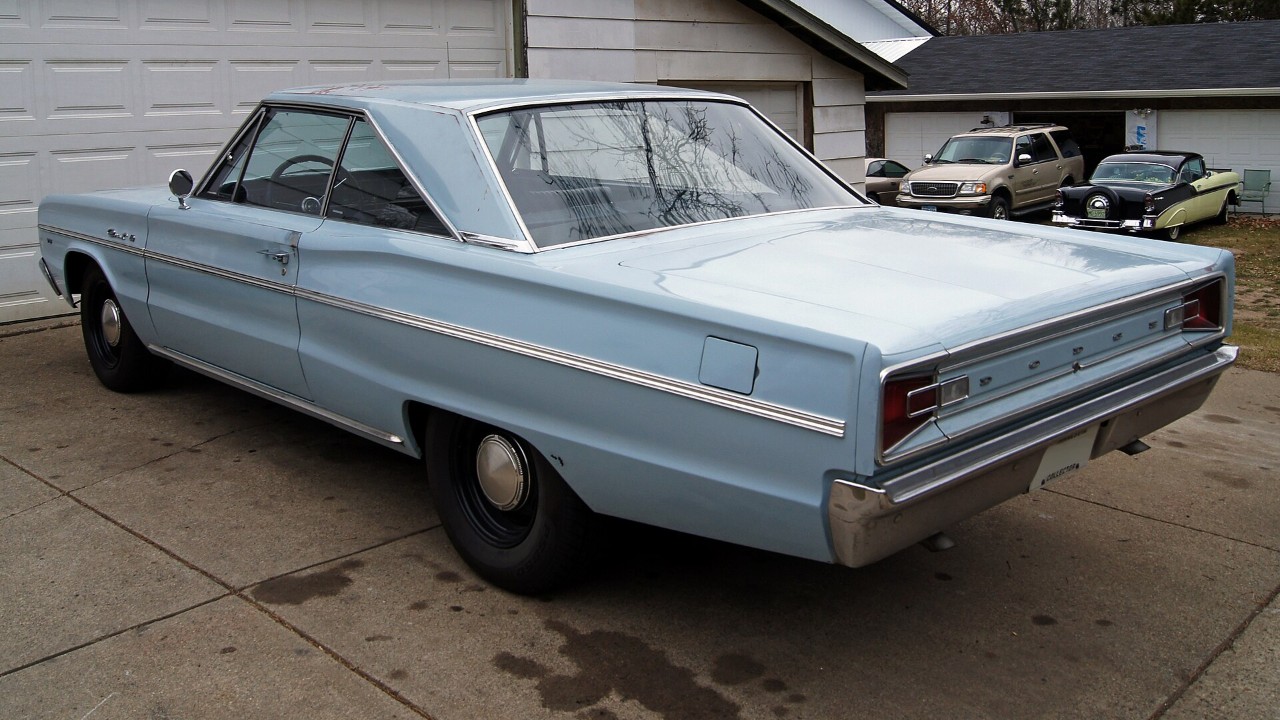
For 1966, Dodge redesigned the Coronet and added a Coronet Deluxe between the base car and the 440. That left the 440 squarely in the middle, the sensible trim most buyers picked when they wanted more than basic transportation.
The bigger story that year was available power. Dodge made the 426 Hemi available in any Coronet for 1966. Few buyers took the offer, and Dodge built only 136 Coronet 500 Street Hemis. The mid-range 440 shared the same new body and the same broad engine menu. Dodge also added a four-door Coronet 500 SE that year, with SE logos on its C-pillars and seatbacks.
Still, we like the 440 for what it represents. It was the everyday Coronet, sold in big numbers, and it shared its basic hardware with far more famous cars. That makes it a strong base for a period-correct driver.
Our take: the Coronet 440 deserved better because “mid-trim” rarely gets anyone excited at an auction. Then again, that’s exactly why these cars can be good buys. Look for a two-door with a V8, and check the floors and trunk pan closely, because rust repair on a B-body adds up fast.
8. 1967 Dodge Coronet R/T
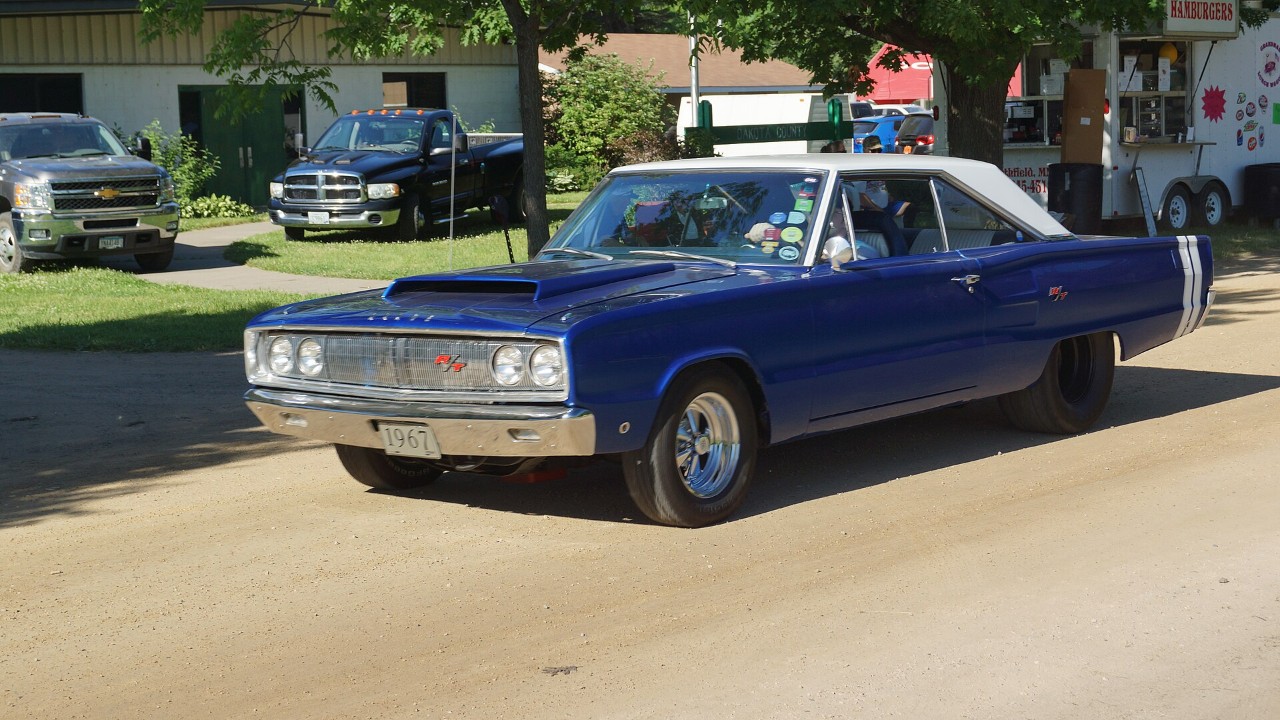
The Coronet R/T was Dodge’s answer to buyers who wanted the best-equipped mid-size muscle car on the lot. Dodge sold it as a two-door hardtop or convertible, with the 440 Magnum V8 as standard equipment, rated at 375 horsepower.
However, the option list went further. Dodge offered the 426 Hemi for $908 more, at 425 horsepower. From 1967, Chrysler also limited the Hemi to its muscle models, so the R/T became one of the few ways to get one in a Dodge.
Standard big-block power is the part that matters. Many rivals made you dig through the options sheet to get a big engine. The R/T simply came with one, in hardtop or convertible form. In our eyes, that made it the full-dress version of the mid-size Coronet, and the convertible is the one we’d want.
In our view, the 1967 Coronet R/T deserved better because the Charger and later Super Bee stole its thunder within a couple of years. It was the more complete car in many ways. If you’re shopping, confirm a real R/T through its VIN and paperwork before paying R/T money.
9. 1968 Dodge Coronet Super Bee
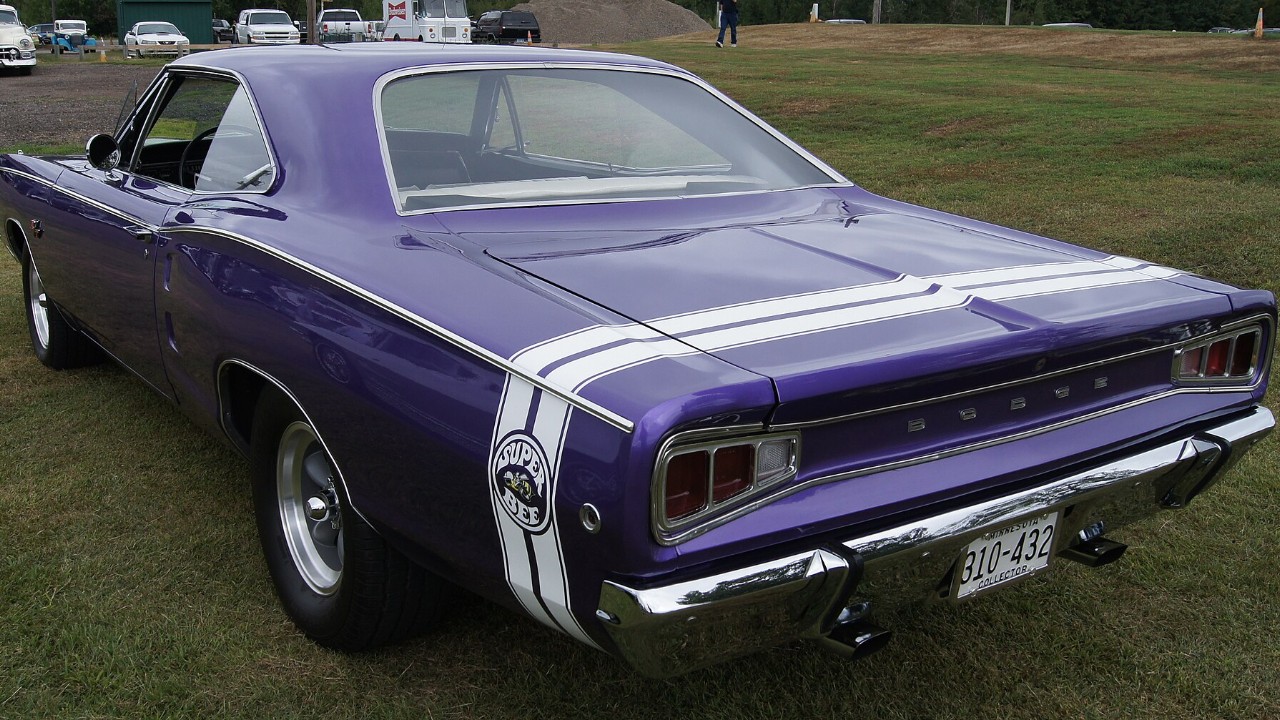
The Super Bee arrived early in 1968 as Dodge’s version of the Plymouth Road Runner. Its job was simple: big performance at a low price. Dodge listed it at $3,027, and its name nodded to the Chrysler “B” platform it shared with the Road Runner, according to Silodrome’s Super Bee history.
That same year, Dodge redesigned the Coronet completely. It now shared the B-body with the Charger, and the curvier shape suited a budget muscle car well. Silodrome notes that buyers could choose a 383, the 426 Hemi or, later, a 440 big-block. Hemi cars were few, and production figures for them vary by source.
We think the Super Bee had the better name, too. It sounded quick and cheap at the same time, which was exactly the point.
Our take: the 1968 Super Bee deserved better because the Road Runner beat it to market and grabbed the headlines. Plymouth’s cartoon bird had a head start Dodge never caught. For a buyer, a 383 car is the realistic entry point, and a documented Hemi car is a different budget entirely.
10. 1969 Dodge Super Bee A12 Six Pack
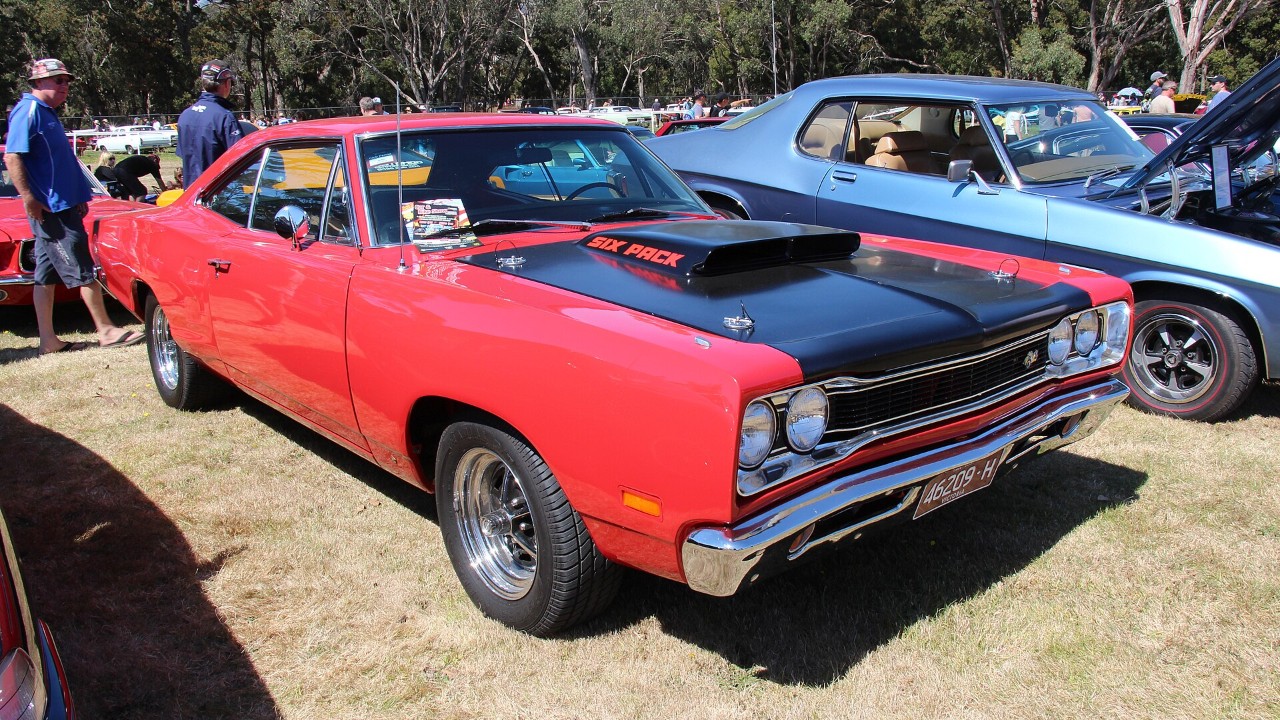
In mid-1969, Dodge added the A12 package to the Super Bee, and to us it remains one of the most purposeful options of the era. Its core was a 440 big-block fed by three two-barrel Holley carburetors, rated at 390 horsepower. We’ve covered that induction setup before in why Dodge’s 440 Six Pack nearly didn’t make production.
Meanwhile, the rest of the package was all business. Silodrome lists a flat-black, lift-off fiberglass hood with a scoop and “Six Pack” lettering on each side. It also rode on black steel wheels with G-70 15-inch tires and used a Dana 60 axle with 4.10 gears. Buyers chose a heavy-duty automatic or a four-speed manual with a Hurst shifter.
According to Silodrome, Dodge built 1,907 Super Bees with the 440 Six Pack.
In our view, the A12 Super Bee deserved better because it gets overshadowed by the Hemi, even though it was cheaper and easier to live with. If you want one, insist on documentation. A real A12 car is worth far more than a tribute, and that hood alone tempts people to build copies.
11. 1975 Dodge Coronet Crestwood
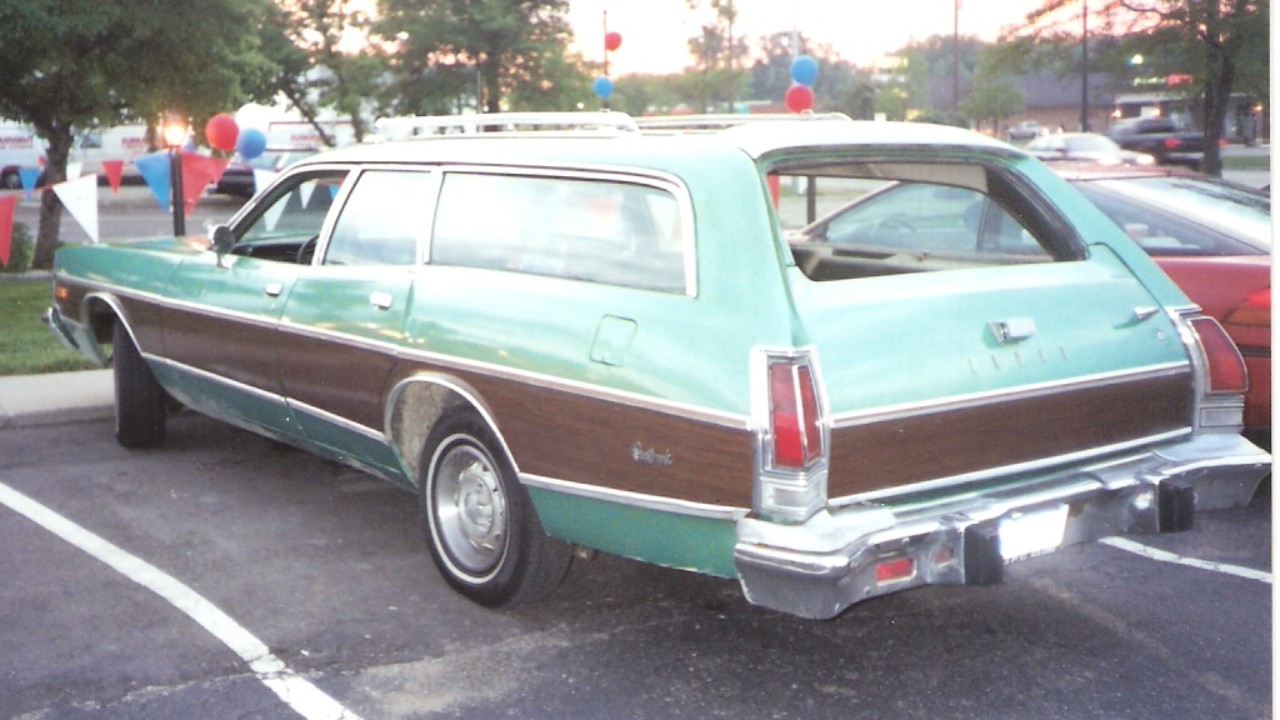
The Coronet got a squarer body for 1975, with a new front end and two round headlights shared with the Plymouth Fury. At the top of the wagon range sat the Crestwood. According to OldRide’s 1975 Coronet guide, it shared the top series with the Coronet Brougham hardtop.
The Crestwood came only as a V8 four-door wagon, on a 117.5-inch wheelbase. OldRide lists it at $4,826 with six-passenger seating and $4,918 with nine. Engine choices for the 1975 Coronet ran from the 318 through the 360 and 400. A 440 was reserved for police use.
Wagons like this carried whole families through the 1970s. Then most of them were used up, rusted out or sent to the crusher, which is why a clean one looks so unusual now.
Our take: the Crestwood deserved better because nobody saves the family wagon until it’s almost gone. Today, a tidy mid-1970s Mopar wagon gets more attention at a show than another restored muscle car. If you find one, check the tailgate mechanism and rear floor first, since parts are hard to source.
12. 1975 Dodge Coronet Custom
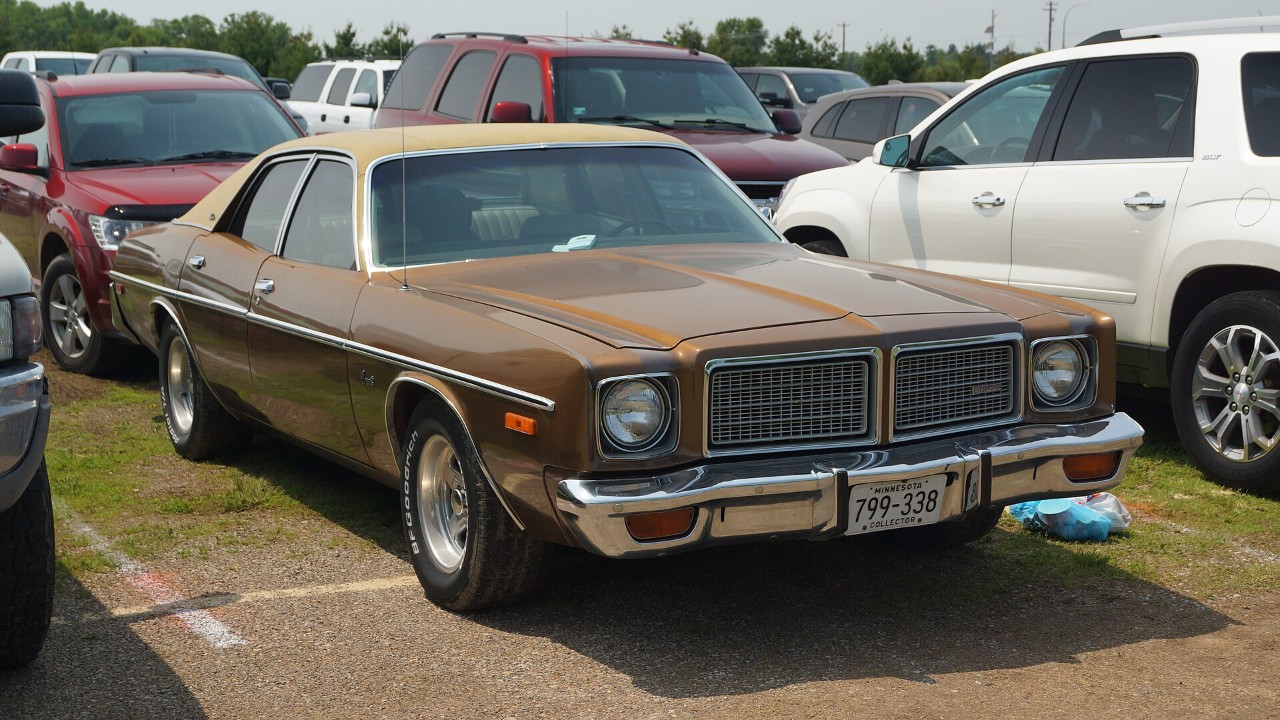
The Coronet Custom was the middle of the 1975 range, and it came in more shapes than any other version. OldRide lists a four-door sedan, a two-door hardtop coupe and six- and nine-passenger wagons. The sedan started at $3,754 with a six, while the hardtop started at $3,777.
For us, though, the two-door matters most. For 1975, a Coronet coupe returned after a four-year absence, riding a shorter 115-inch wheelbase. Standard power came from the 225 Slant Six or the 318 V8, according to OldRide.
Its time was short, though. For 1976, Dodge sold the Coronet only as a sedan and wagon, and the Charger Sport took over the coupe’s role. Then, for 1977, Dodge renamed the mid-size line Monaco.
In our view, the Coronet Custom deserved better because it was the last chapter of the Coronet story, and almost nobody remembers it. If you want an inexpensive, roomy Mopar to drive often, a Slant Six or 318 Custom makes a lot of sense. Because the 1976 line dropped the coupe, the 1975 hardtop was the last two-door Coronet Dodge ever sold.
More from Fast Lane Only