The Triumph TR5 PI arrived in 1967 with a fuel-injected six and 150 horsepower, and it changed what people expected from a British sports car. Before that, Triumph had a reputation for honest, tough roadsters. After it, the company from Coventry had real speed to sell.
That burst of power didn’t stop with one car. Over the next decade, Triumph put sixes, a V8 and a clever 16-valve four into roadsters, coupes and even family sedans. Some of them had more muscle than their size or price suggested. Others won on handling, which can be just as hard to beat on a twisty road.
Nobody actually outlawed these cars, of course. However, these are our picks for the Triumphs that rivals must have wished they could ban, the ones that made a BMW, an Alfa or an MG owner nervous at a stoplight. Also, the verdicts are our opinion, while the numbers come from period tests, clubs and reference guides.
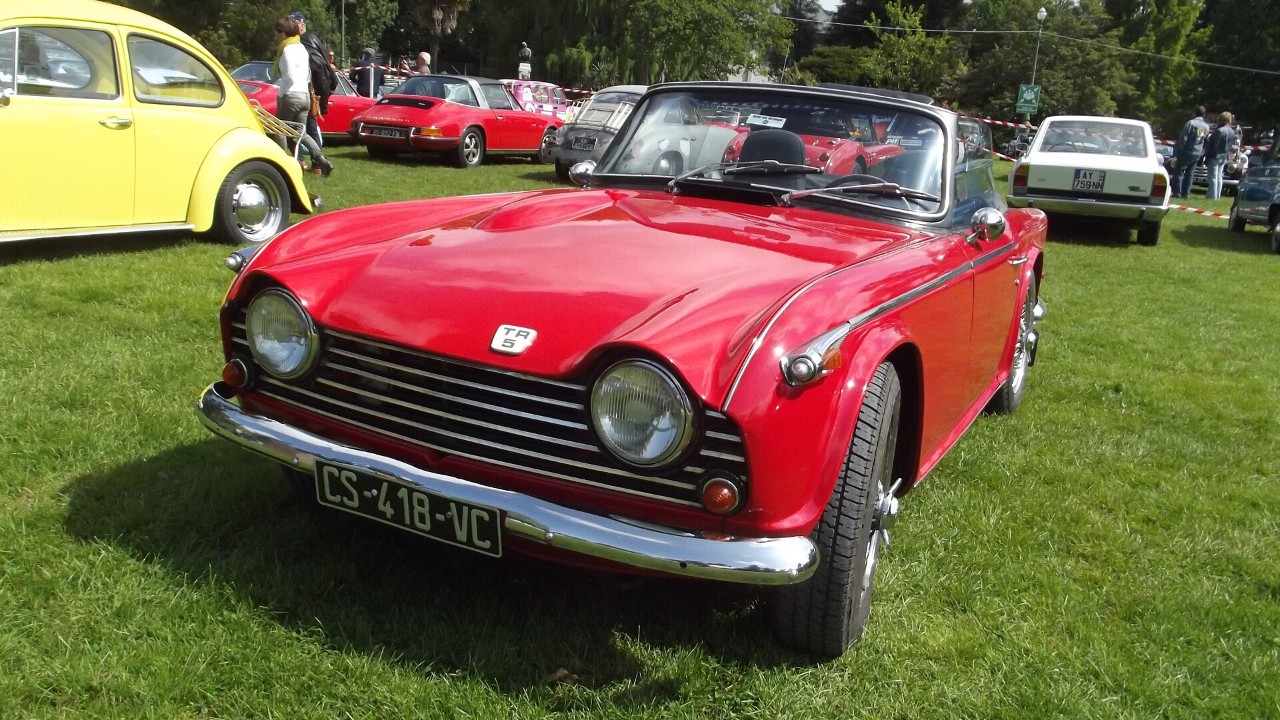
1. 1967–1968 Triumph TR5 PI
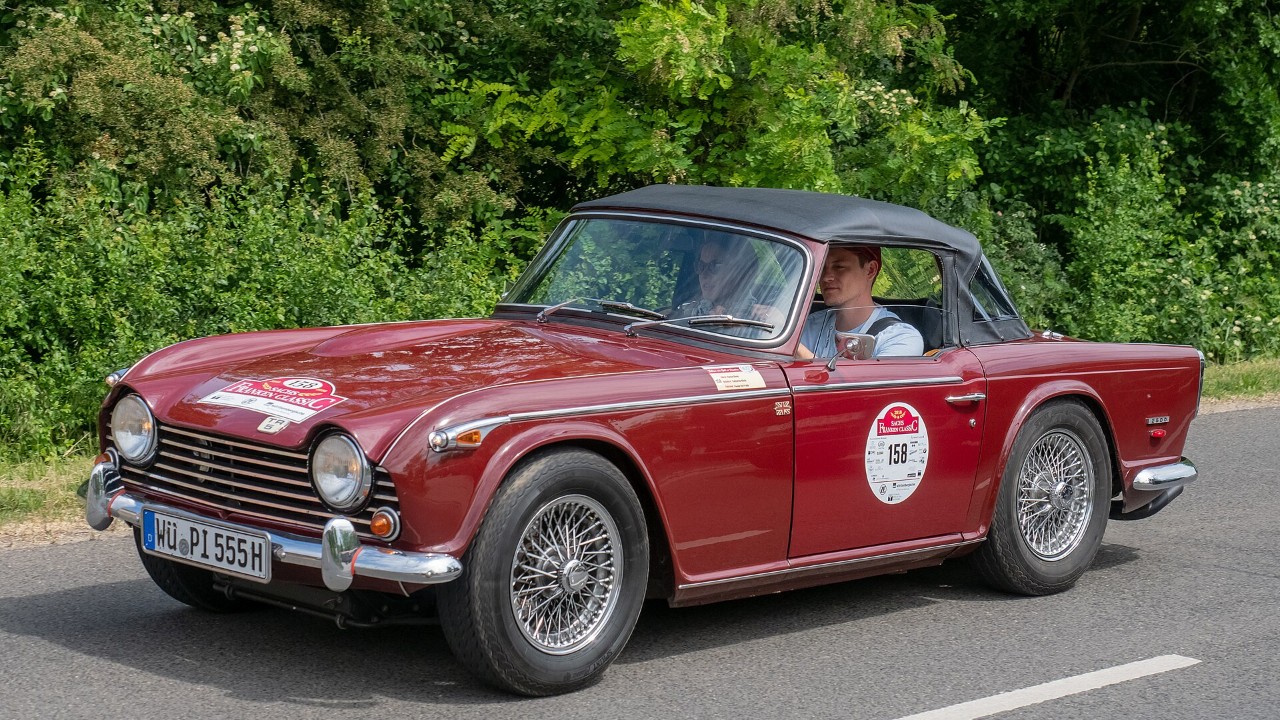
At first glance, the TR5 looked a lot like the TR4A it replaced, with the same Michelotti body. Under the hood, though, it was a different animal. Triumph took the six from its 2000 sedan, lengthened the stroke and added Lucas fuel injection. According to Lancaster Insurance’s 50th-anniversary history, the result was a 2.5-liter engine making 150 bhp. Triumph pitched the injection as a system then found almost only on racing cars.
In fact, the Triumph TR5 PI is a rare bird. Lancaster puts production at 2,947 TR5s, against 8,484 of the carbureted TR250 that Triumph sold in America instead. The Audrain Automotive Museum, which shows a left-hand-drive 1968 car, lists the US-market TR250 at 111 hp. It also calls the TR5 the first British production car with fuel injection.
Our take: this is the TR that made the rest of the sports car world pay attention. The injection system had its quirks, and Lancaster notes owners fought fuel pump failures. Even so, a TR5 that runs right feels much faster than its 1960s roadster shape suggests. If you see one, you’re looking at one of fewer than 3,000.
2. 1969–1972 Triumph TR6 PI
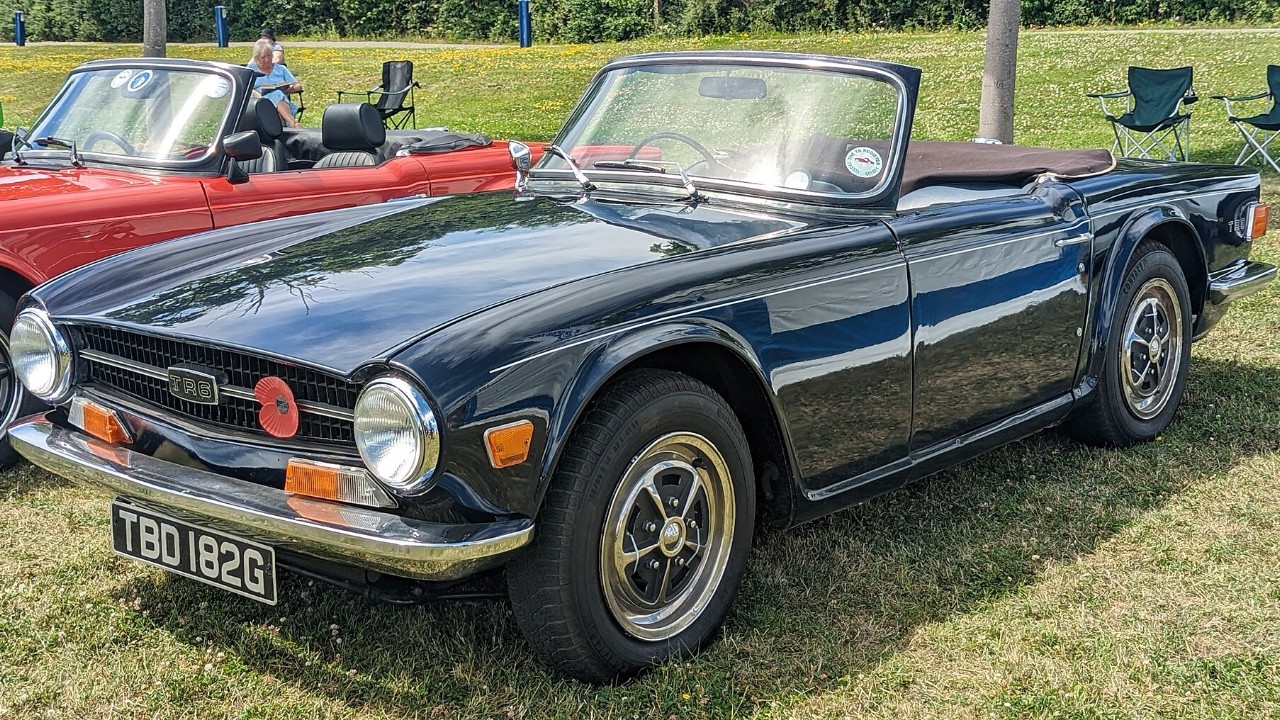
The TR6 kept the TR5’s injected six but wrapped it in a crisp new body, styled by Karmann in Germany. Lancaster’s history dates the switch to September 1968, when the TR6 replaced both the TR5 and the TR250. For the home market and Europe, early TR6 cars carried a CP commission prefix and the Lucas injection. Those cars made 150 bhp and 164 lb-ft of torque.
Meanwhile, most TR6s went somewhere else entirely. Triumph built 91,850 of them, and about 83,480 went overseas, almost all to the United States. By comparison, those American cars used carburetors and were rated at 104 net bhp. Then, in 1973, Triumph detuned the injected cars to 125 bhp with a milder cam for easier driving in traffic. In other words, the early injected TR6 is the strong one.
We’d argue the TR6 PI is the purest expression of the old-school TR: a big six, a short body and a growl you hear before you see it. American fans mostly know the carbureted version. That’s why a 150-bhp CP car feels like a secret, and why it earns a spot here. For the full family tree, see our rundown of Triumph TR sports cars from the TR2 to the TR8.
3. 1965–1967 Triumph TR4A IRS
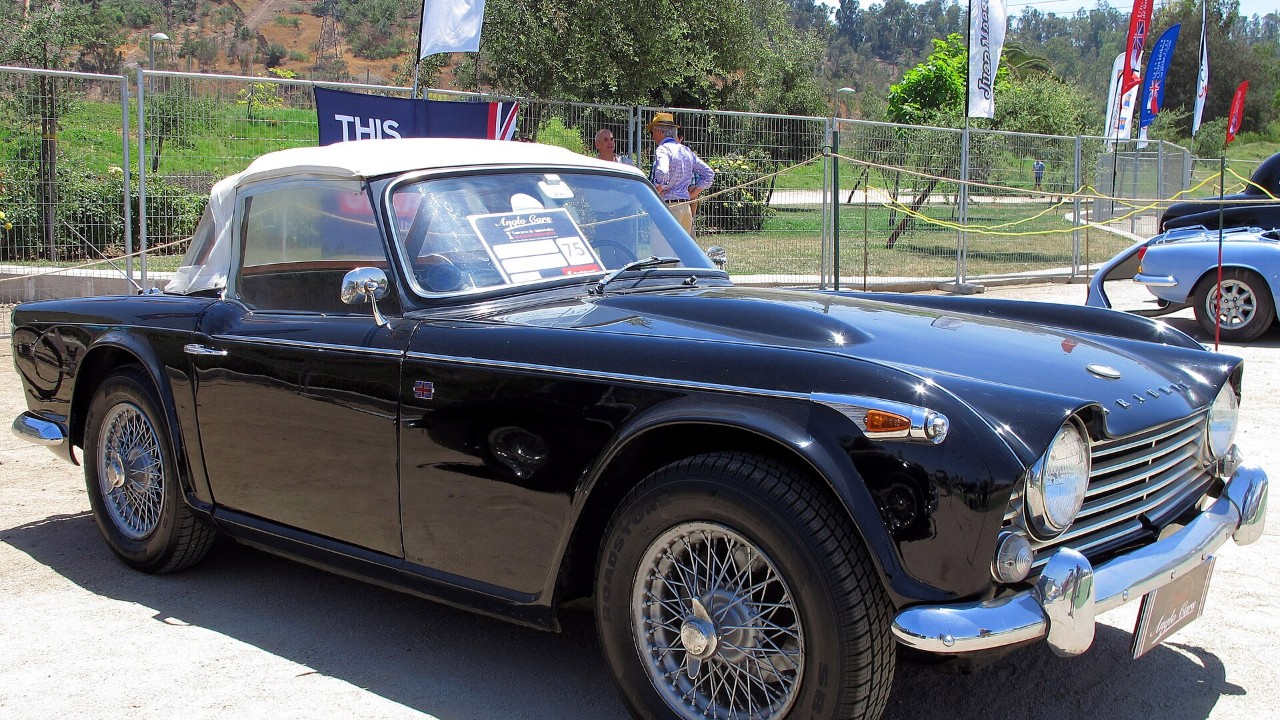
The TR4A is the least powerful car on this list, so its threat came from somewhere else. Its 2,138 cc four made 104 bhp, a modest 4% bump over the TR4. Instead, the big news sat under the tail. Triumph swapped the old live axle for independent rear suspension, using semi-trailing arms and coil springs. Lancaster’s history calls it Triumph’s first open car with all-independent suspension, launched in 1965.
Triumph also made sure you knew it. An “IRS” badge sits on the back of these cars. Interestingly, American dealers worried about cost, so Triumph also built a live-axle version for the US market and charged extra for the independent rear. A TR4A with IRS reached a 109-mph top speed, which was respectable for a four-cylinder roadster of the mid-1960s.
In our view, the TR4A IRS is the car that showed Triumph a roadster didn’t have to beat up its driver. Period reviewers praised the smoother ride, although some felt the handling hadn’t improved much. Rivals with more power could pull away on a straight road. On a long, bumpy drive, however, the IRS car was the more comfortable place to be. If you’re shopping, check for that rear badge and the matching suspension underneath. It’s a nice step up from the many British roadsters that won’t stay cheap much longer.
4. 1973–1977 Triumph Stag Mk2
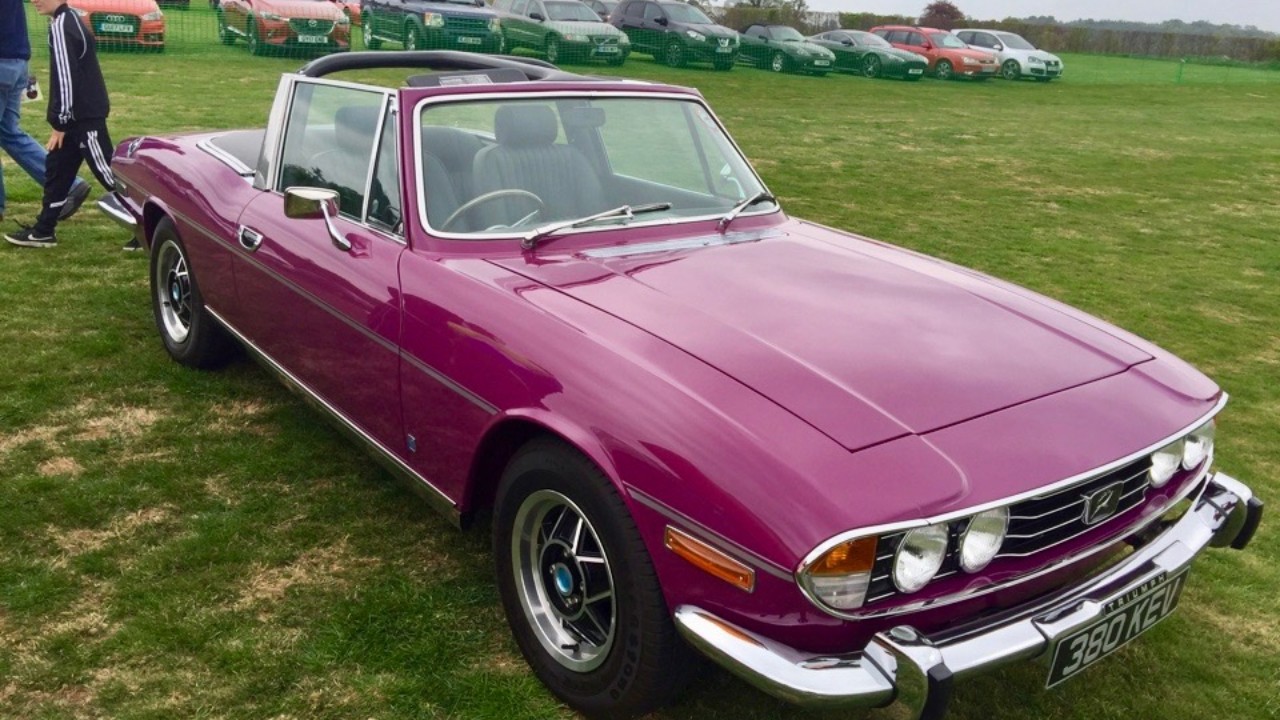
The Stag was Triumph’s grand tourer, a 2+2 convertible with a V8. Giovanni Michelotti styled it, and a T-bar roll hoop gave the open body extra strength. According to Classic & Sports Car’s A-to-Z guide, the 2,997 cc overhead-cam V8 made 145 bhp. That was good for about 115 to 118 mph, and Triumph built 25,877 Stags in all.
Later, the Mk2 arrived for the 1973 model year. It brought twin coachlines, black sills and tail panel, a smaller steering wheel and revised seats. In addition, manual cars got overdrive as standard. Unfortunately, the Stag’s V8 earned a reputation for overheating and head gasket trouble. Classic & Sports Car says those problems are now completely solved. Americans saw fewer Stags than you might think, too, since only 2,871 of the 6,780 export cars went to the United States.
Our take: few British cars of its day offered this mix of V8 sound, open-air touring and four seats at Triumph prices. A sorted Mk2 is the one we’d pick, with its overdrive and later details. The competition had fancier badges, but few rivals had a better soundtrack at 70 mph with the top down.
5. 1973 Triumph Dolomite Sprint
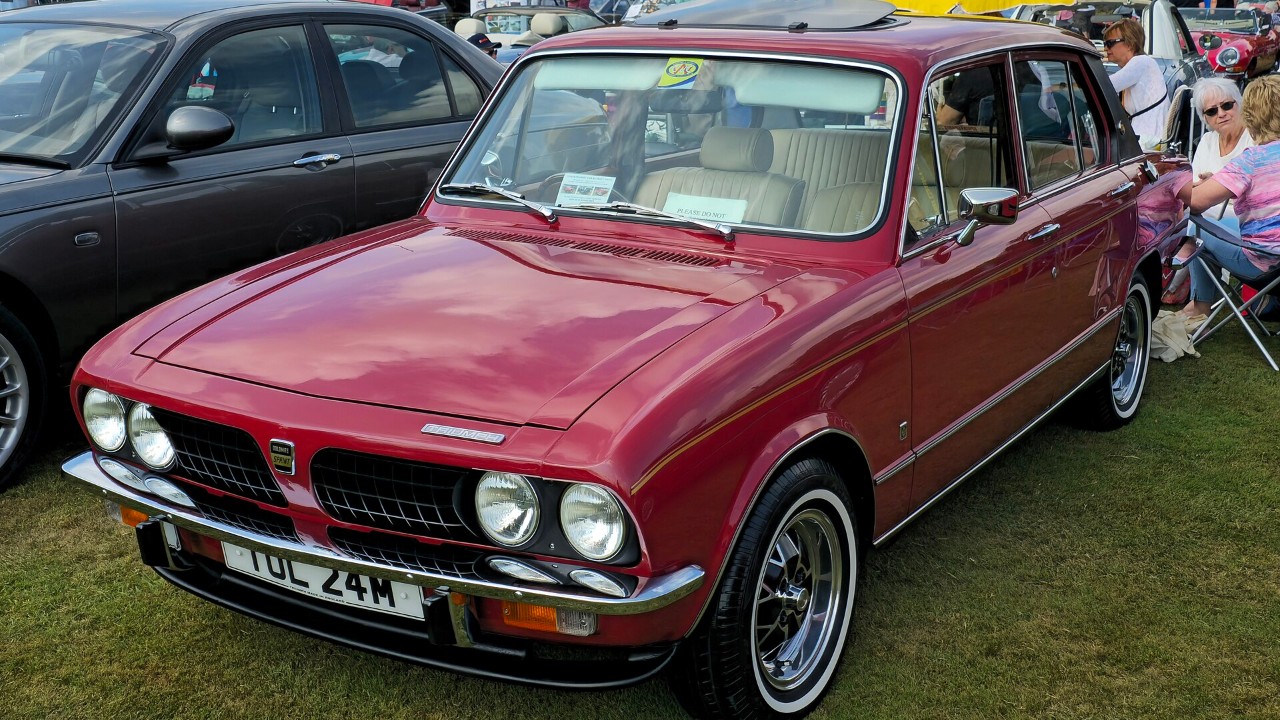
The Dolomite Sprint looked like a sensible small sedan, and that’s what made it dangerous. Triumph gave it a 1,998 cc four with 16 valves, all worked by a single overhead camshaft. The cam opened the intake valves directly and the exhaust valves through rockers. Motor Sport’s July 1973 first drive listed 127 bhp, a claimed 116-mph top speed and 0-60 mph in 9.2 seconds.
The magazine lined it up against the BMW 2002 Tii, the Alfa Romeo GTV and Ford’s Escort RS 1600. From a standstill, the Triumph trailed the BMW and Alfa slightly. However, the reviewer found its in-gear pull better in many ranges and praised its brakes and steering. At £1,739.84, the Sprint cost £22 less than the Escort RS. Motor Sport called it “remarkable value for the money.”
We think the Sprint belongs here more than any sports car. A four-door that could keep up with the hottest small sedans in Europe, with a high standard of trim and quiet cruising, was a problem for its rivals. If you want one today, look for overdrive, a factory option that cost £71.50 back then.
6. 1968–1970 Triumph GT6 Mk2
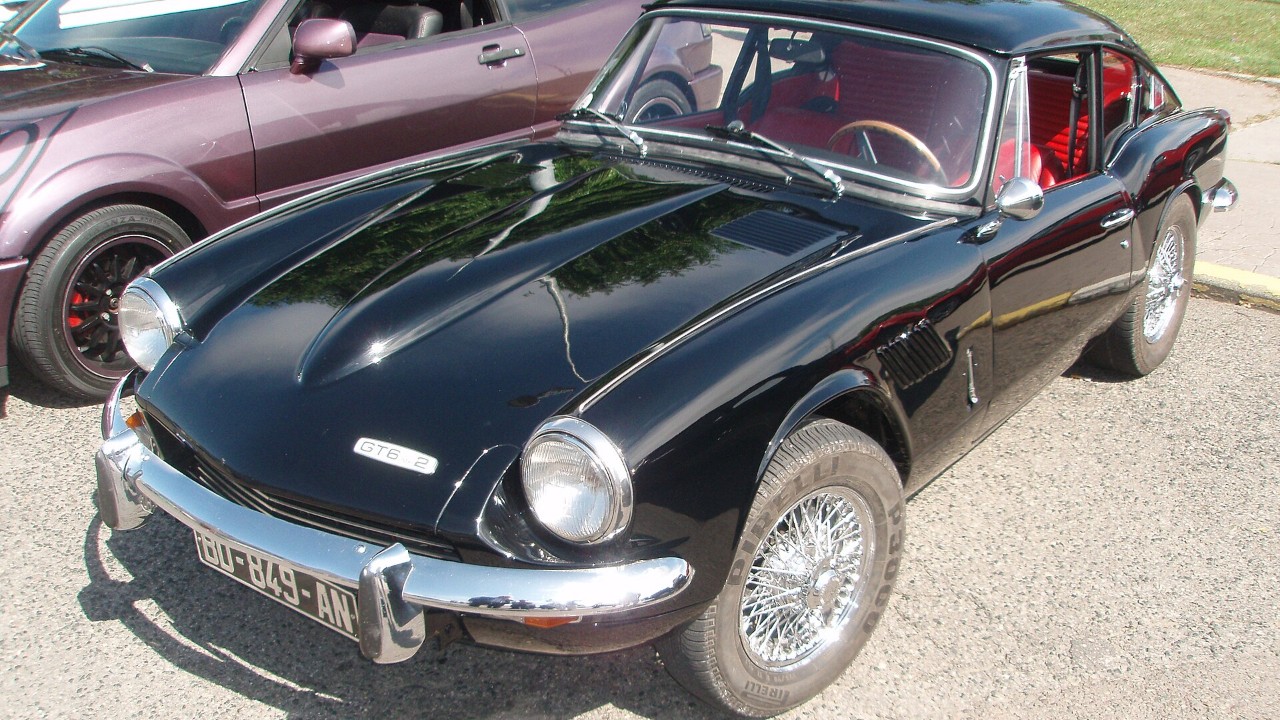
The GT6 started as a simple idea: put a six-cylinder engine and a fastback roof on the Spitfire’s chassis. The Mk2 made that idea work properly. According to Classic & Sports Car’s GT6 entry, the 1998 cc six made 104 bhp. Better yet, a new lower-wishbone rear suspension gave the car proper handling for the first time.
In fact, the numbers were strong for a small coupe. The Mk2 ran about 110 mph and returned around 25 mpg. Classic & Sports Car also notes that it was more fuel-efficient than an MGB GT, even though it was the smaller car. Triumph added a matte wood dash, Rostyle wheels and better cabin ventilation, and it built 12,066 of the Mk2. Overdrive also stayed on the options list, as it had on the first GT6.
Our take: the GT6 Mk2 is the little Triumph with the biggest heart. A six-cylinder coupe that weighs so little feels quick on any road, and the sorted rear suspension makes it a car you can trust. In our view, it’s the one that spoiled the MGB GT’s party.
7. 1968–1971 Triumph Vitesse 2-Litre Mk2
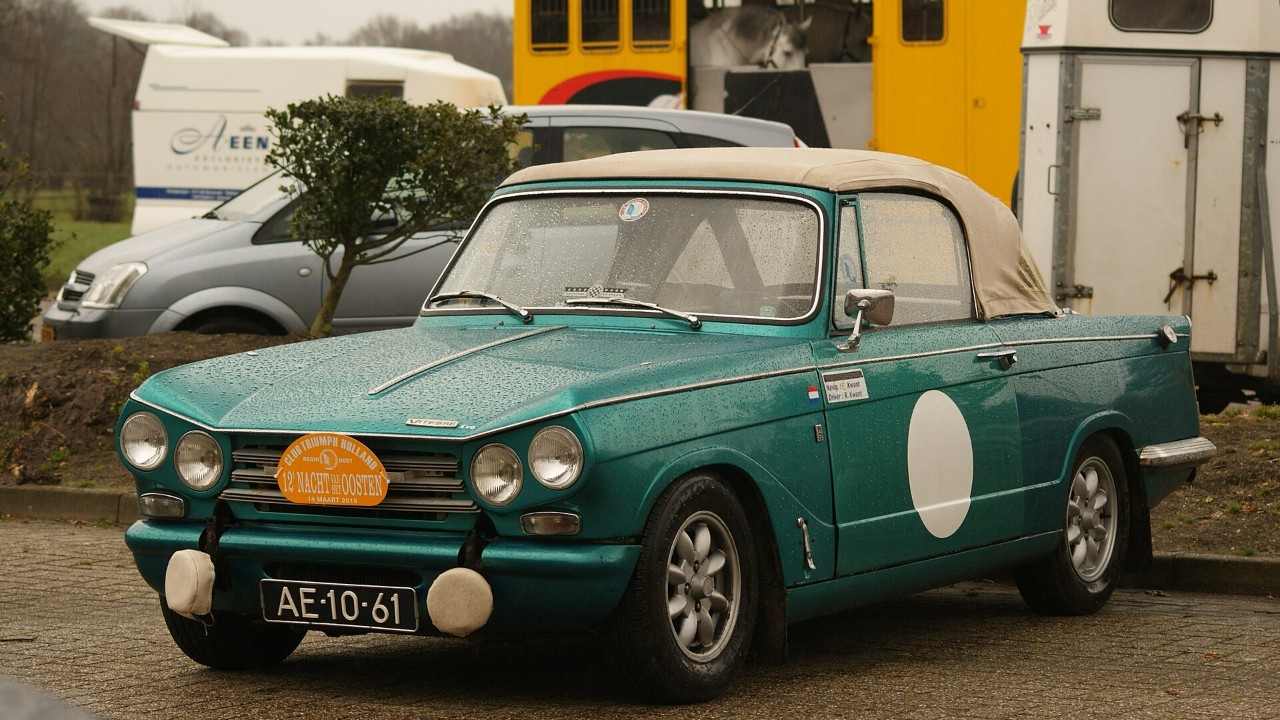
The Vitesse took Triumph’s small Herald, added a four-headlamp nose by Michelotti and dropped in a six. By 1966, that engine had grown to 1998 cc. Then the Mk2, announced in October 1968, raised output to 104 bhp. It also reworked the rear suspension with lower wishbones and Rotoflex couplings, which cut the unwanted camber change that had hurt earlier cars.
That meant a family-sized Triumph with the same power as the GT6 coupe. The Mk2 could pass 100 mph and reach 60 mph in just over 11 seconds. Triumph offered it as a sedan and a convertible, and it built 9,121 Mk2s: 5,649 sedans and 3,472 convertibles.
We’d call the Vitesse Mk2 a sleeper in plain clothes. It looks like a cheerful economy car, and then a smooth six pulls it past cars that cost much more. The convertible is the one we’d want, since you get the Triumph six’s sound with the top down and room for friends. If you’re shopping, the revised rear end is the main reason to choose a Mk2 over an earlier car.
8. 1968–1969 Triumph 2.5 PI
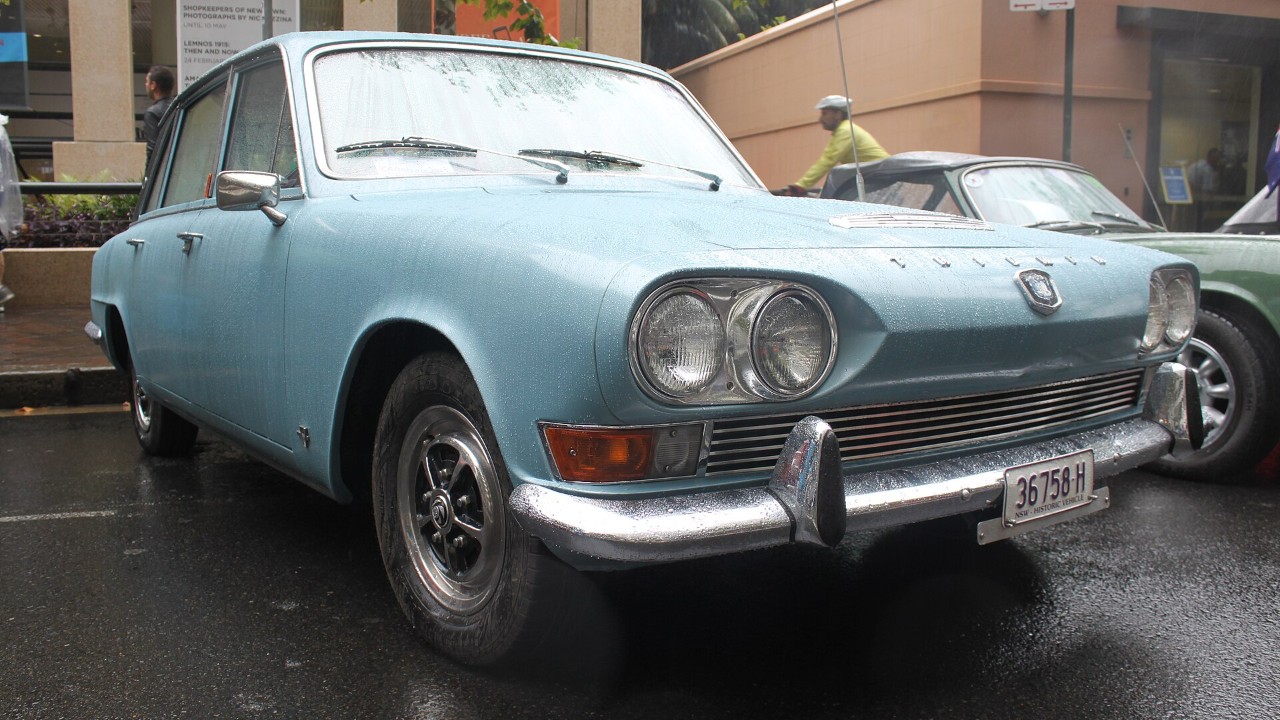
The 2.5 PI took the TR5’s injected engine and put it into Triumph’s big executive sedan. According to Classic & Sports Car’s guide to the Mk I, the 2,498 cc six made 132 bhp in this car, against 150 bhp in the TR5. Period press called it a “hot rod,” and it ran about 105 mph.
Triumph offered it with automatic or overdrive, and it built 2.5 PI estates only in 1969. As a result, those wagons are very rare today, the guide says. However, the early injection systems could be troublesome, and Classic & Sports Car suggests that buyers who just want a big Triumph consider the carbureted version instead.
Our take: a roomy four-door sedan with a fuel-injected sports car engine was an unusual thing in 1968. It could carry a family and still worry the drivers of bigger, pricier sedans on a fast road. Think of it as a TR5 for people with kids. If you buy one, find a specialist who knows the Lucas system. That’s the same injection that made the TR5 PI famous back in 1967.
More from Fast Lane Only