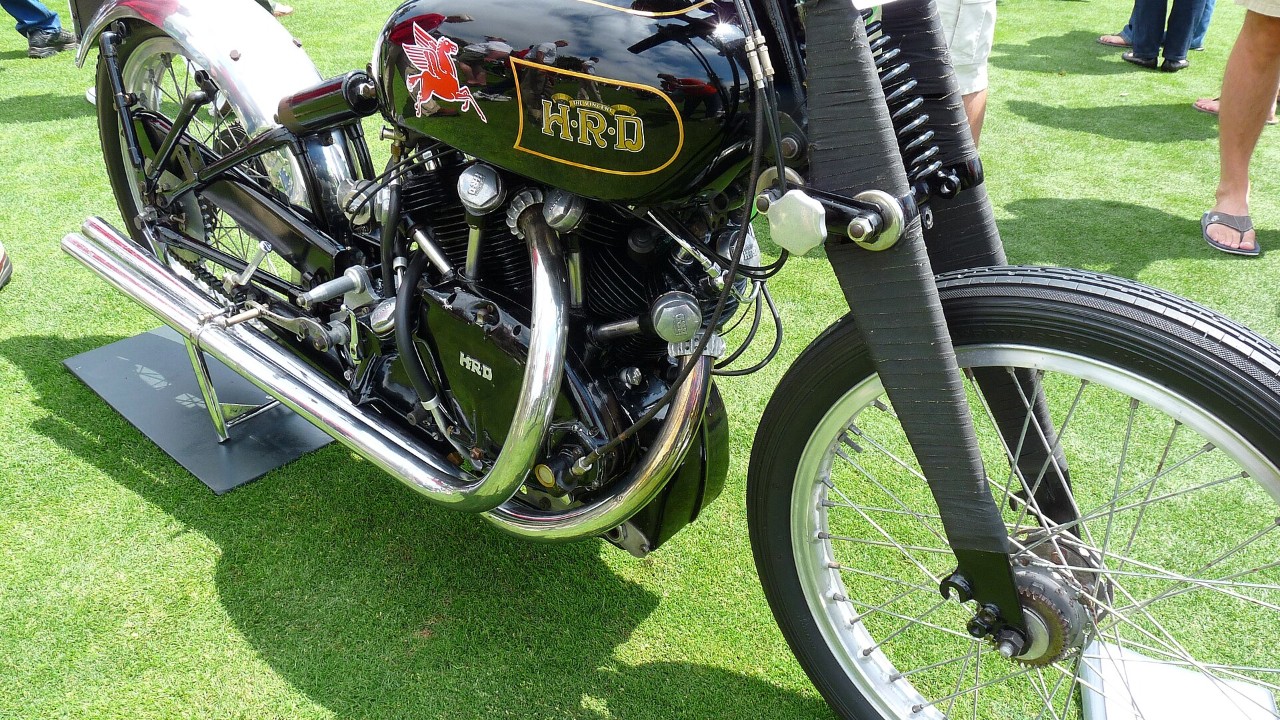
The 1980s was a transformative decade for automobiles, marked by innovation, design, and a cultural shift towards performance and style. As I look back, it’s clear that certain vehicles defined the era, leaving a lasting legacy that still resonates today. From the iconic muscle cars to the sleek sports coupes, these automobiles captured the spirit of a generation and became symbols of freedom and adventure.
Ford Mustang (1980-1989)
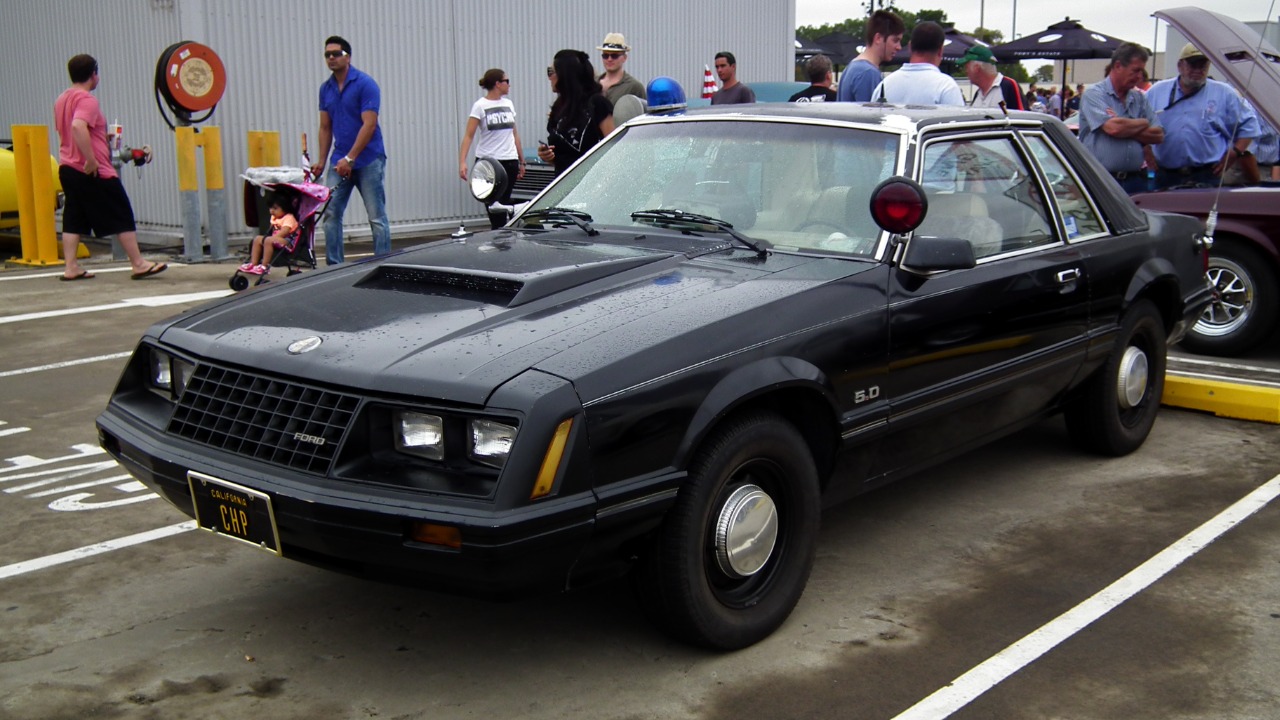
The Ford Mustang of the 1980s continued to be a symbol of American muscle. With a variety of trims, including the beloved GT, the Mustang offered a potent blend of style and performance. The introduction of the Fox Body platform in 1979 carried through the decade, providing a lightweight chassis that improved handling and acceleration. The 5.0-liter V8 engine made a significant comeback, restoring the Mustang’s reputation as a performance icon. As I reminisce about the era, I can’t help but recall how the Mustang represented freedom on the open road, its roar echoing through the streets.
In 1987, the Mustang underwent a significant facelift, featuring a more aerodynamic design that appealed to a new generation of drivers. The addition of fuel injection improved performance and efficiency, making the Mustang a more competitive option in the sports car market. This decade also saw the Mustang become a pop culture phenomenon, appearing in films and music videos, solidifying its status as an automotive legend. For a deeper dive into the impact of 80s cars, you can check out this link.
Chevrolet Corvette (C4) (1984-1996)
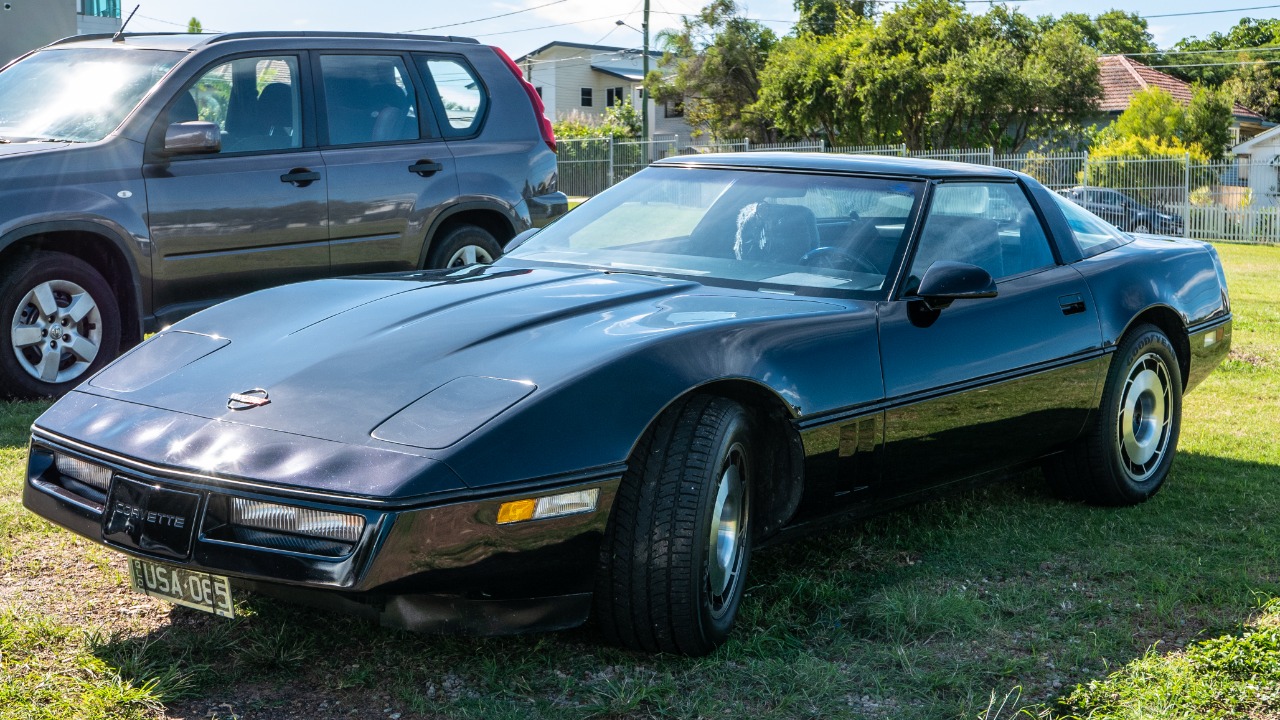
The Chevrolet Corvette C4, introduced in 1984, marked a new era for America’s sports car. With a sleek and modern design, the C4 was a significant departure from its predecessor and showcased advanced technology for its time. The introduction of a lightweight fiberglass body and a new chassis improved handling and performance. Under the hood, the 5.7-liter V8 engine produced impressive horsepower, allowing the Corvette to compete with European sports cars. Driving the C4 was a thrilling experience, one that made it a standout in the 1980s automotive landscape.
Throughout the decade, the Corvette became a symbol of performance and American ingenuity. The introduction of features like digital dashboards and anti-lock brakes set the C4 apart from competitors. It was also famous for its appearance in popular media, often associated with speed and luxury. The Corvette’s legacy continues today, making it a timeless icon in the automotive world. For more on the cultural impact of 80s vehicles, visit this article.
Porsche 911 (1980-1989)
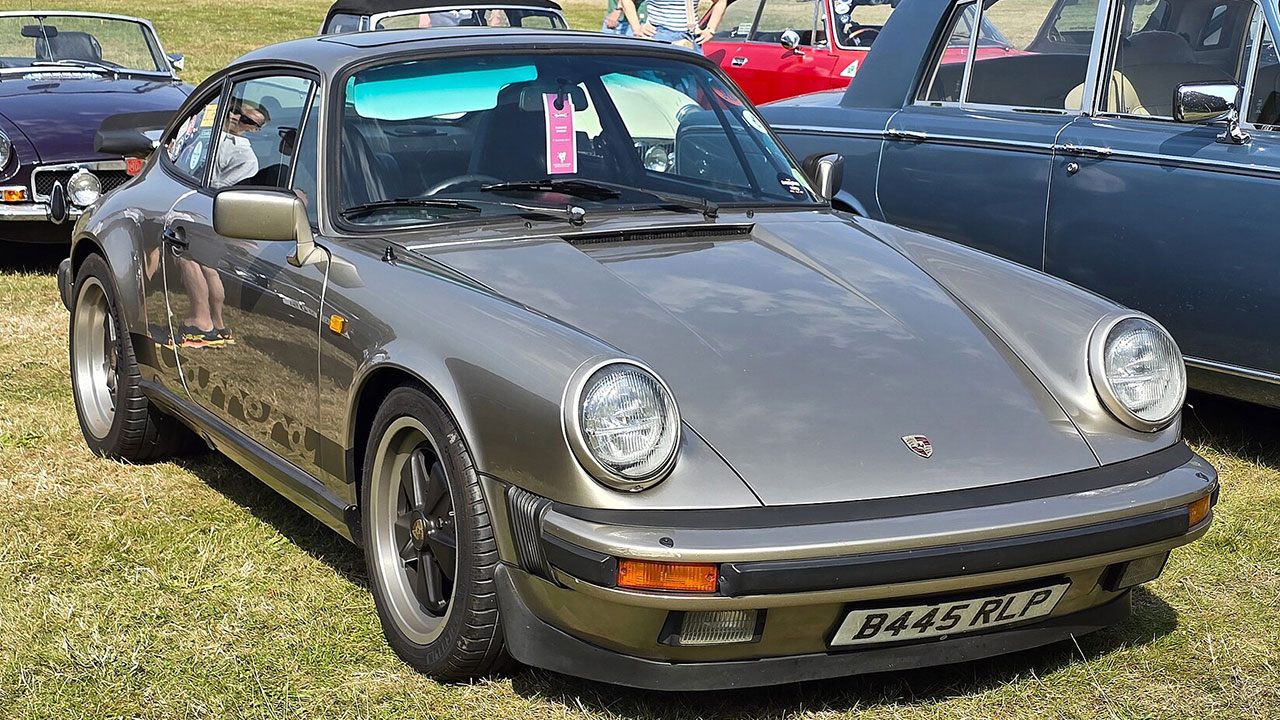
The Porsche 911 remained an emblem of sports car excellence throughout the 1980s. The introduction of the 911 Carrera in 1984 brought performance enhancements, including a more powerful 3.2-liter engine that delivered exhilarating speed and agility. With its unmistakable silhouette and rear-engine layout, the 911 captured the hearts of car enthusiasts and casual drivers alike. I remember how the sound of the flat-six engine was music to the ears of anyone passionate about driving.
The 911 was not just about speed; it also excelled in handling, thanks to its well-engineered suspension system. The decade saw Porsche refining the 911, leading to the introduction of features like the G50 transmission in 1987, which improved shifting accuracy. The car’s presence in motorsport solidified its iconic status, making it a favorite among racing fans. To explore more about famous cars from the 80s, check out this link.
Toyota Supra (A70) (1986-1992)
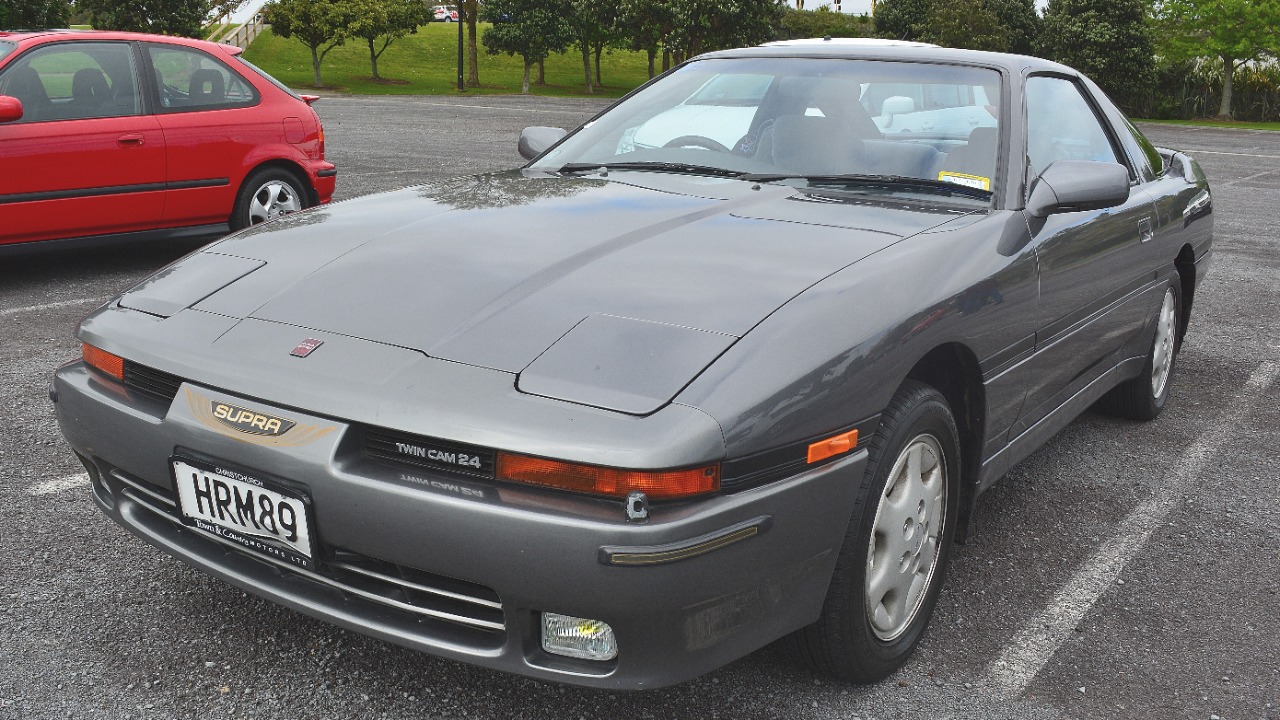
The Toyota Supra A70 debuted in 1986 and quickly garnered attention for its performance and engineering. This generation boasted a turbocharged 3.0-liter inline-six engine that produced impressive power, making it a favorite among enthusiasts. The Supra’s sleek design and rear-wheel-drive layout contributed to its reputation as a performance icon. I remember seeing Supras at car meets, where their blend of style and speed made them stand out.
In addition to its performance, the A70 featured advanced technology for the time, including an optional multi-link rear suspension that enhanced handling. The Supra became a staple in the tuning community, with many owners modifying their vehicles for even greater performance. Its legacy continued into the 1990s, but the impact of the A70 on the 80s automotive scene remains undeniable. For a broader look at the decade’s unforgettable vehicles, check out this post.
Lamborghini Countach (LP400) (1985-1988)
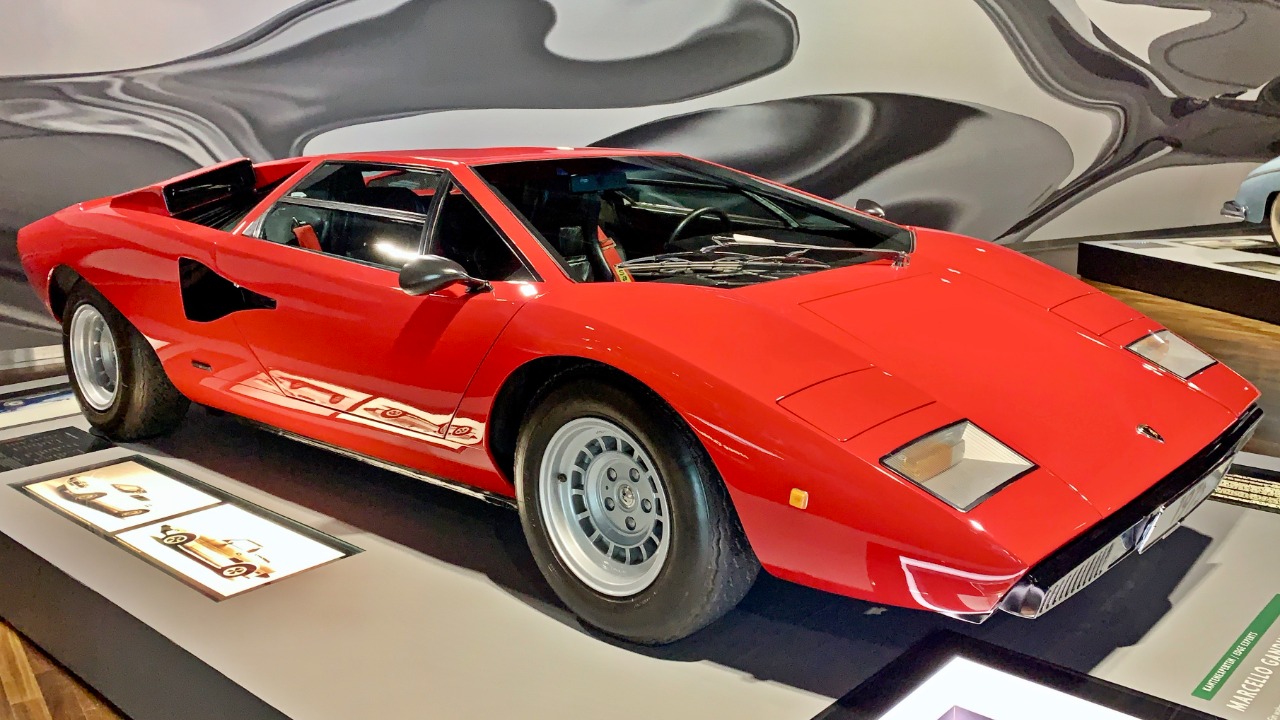
The Lamborghini Countach is often regarded as the poster car of the 1980s. With its sharp angles and striking design, the Countach captured the imagination of car lovers everywhere. The LP400 model, released in the early 80s, featured a 4.0-liter V12 engine that could propel the car to impressive speeds. I still remember the first time I saw one in person; it felt like witnessing a piece of art that was also a high-performance machine.
The Countach’s distinctive scissor doors and low-slung profile made it a sensation in popular culture, appearing in films and music videos that showcased its extravagant appeal. As the decade progressed, Lamborghini continued to refine the Countach, leading to more powerful variants. Its influence on automotive design and performance is still felt today, making it a true icon of the 1980s automotive scene.
BMW M3 (E30) (1982-1994)
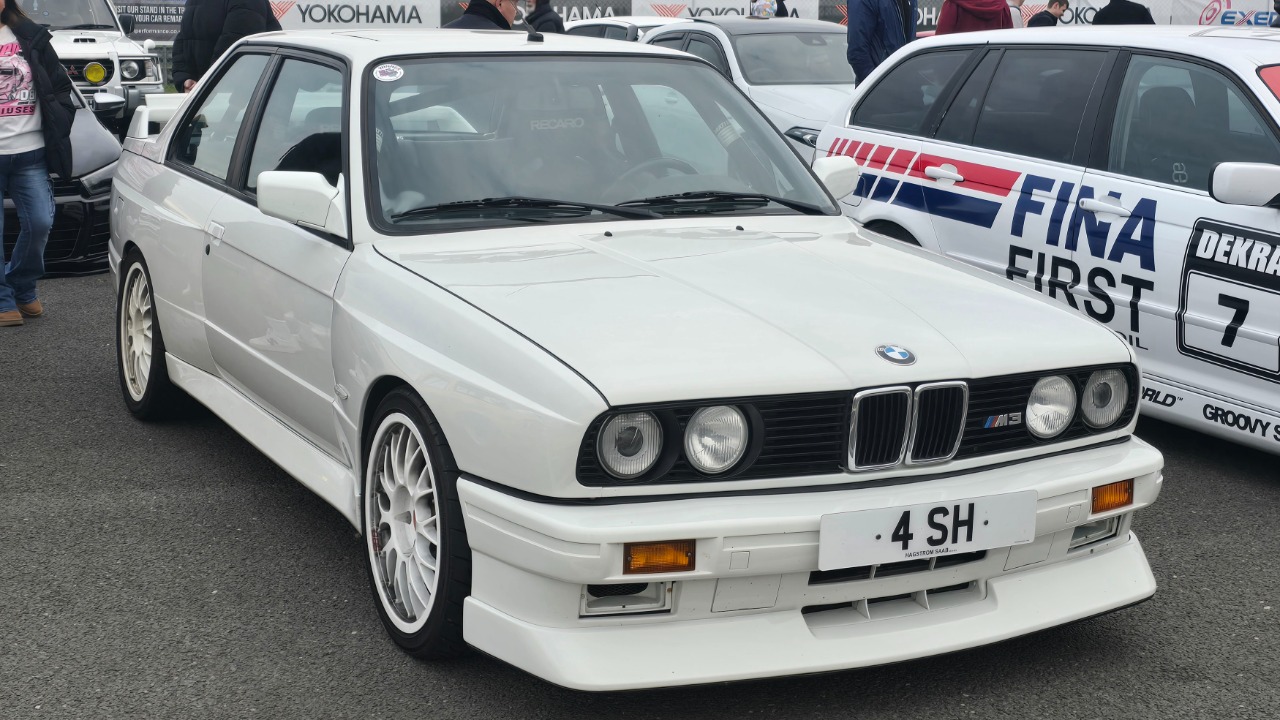
The BMW M3 E30 is widely regarded as one of the greatest performance cars of the 1980s. Launched in 1982, this compact sports coupe was powered by a high-revving 2.3-liter inline-four engine that delivered thrilling performance and precise handling. The M3 quickly became a favorite among driving enthusiasts, and I can recall the excitement of seeing one on the road, its sporty stance and aggressive styling turning heads everywhere.
Throughout its production run, the E30 M3 earned a reputation for its motorsport pedigree, dominating in various racing events. The combination of lightweight construction and a finely tuned suspension made it a joy to drive on both the street and the track. The E30 M3’s iconic status is cemented in automotive history, and it remains a sought-after classic today. For more automotive nostalgia, you might enjoy checking out the this Instagram reel showcasing 80s vehicles.
Dodge Charger (1980-1987)
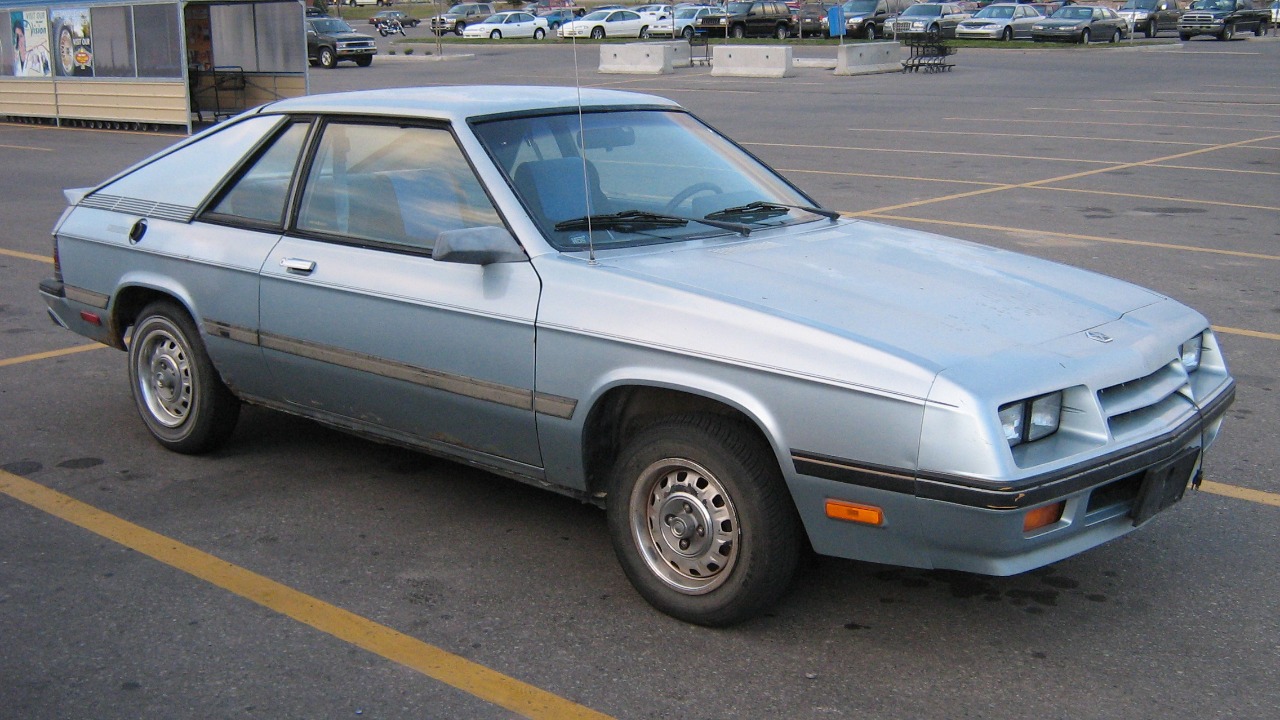
The Dodge Charger of the 80s took a different direction than its muscle car predecessors, but it still made an impact. The third-generation Charger, produced from 1983 to 1987, featured a sporty design and a range of engines, including a turbocharged four-cylinder option. Although it wasn’t the powerhouse that earlier models were, the Charger maintained a distinct presence on the road. I remember the excitement surrounding its sporty lines and unique styling.
This generation of the Charger also introduced features like digital dashboards and optional air conditioning, catering to a new era of drivers. Despite its shift from muscle car roots, the Charger still resonated with fans, demonstrating that performance could come in various forms. Its legacy continues to be celebrated today, proving that the Charger remains relevant in automotive culture.
Nissan 300ZX (Z31) (1984-1989)
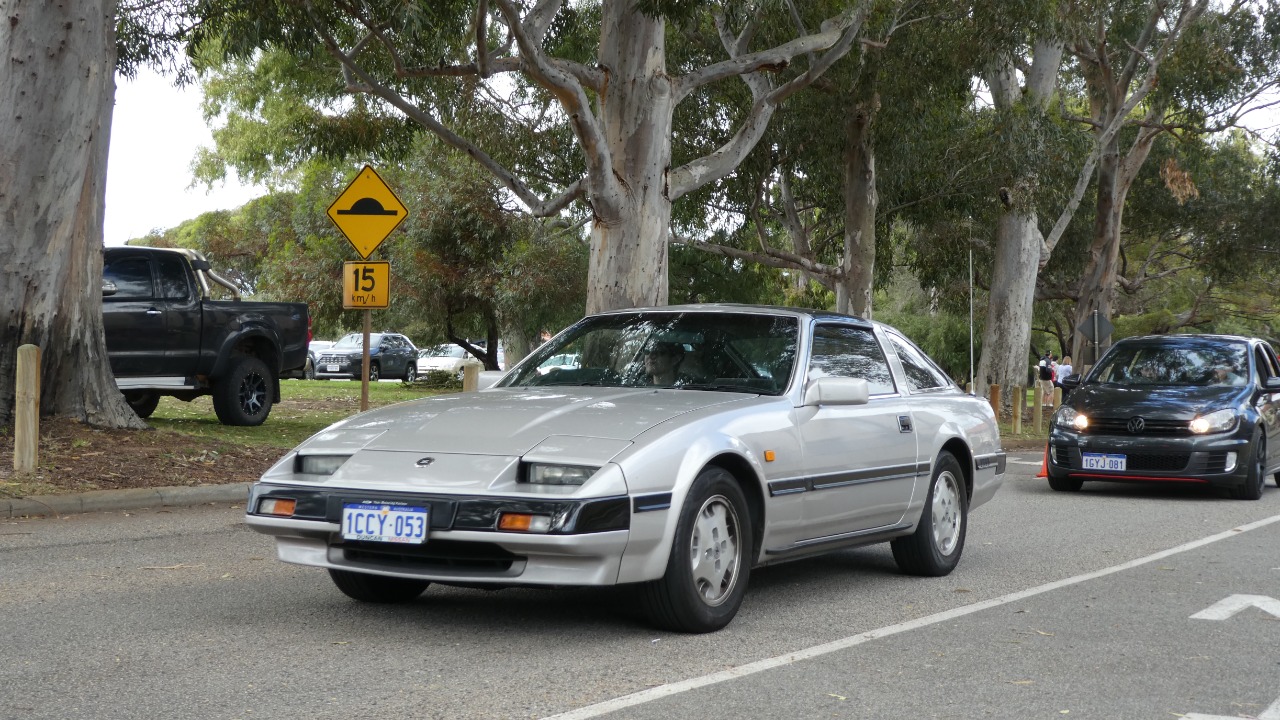
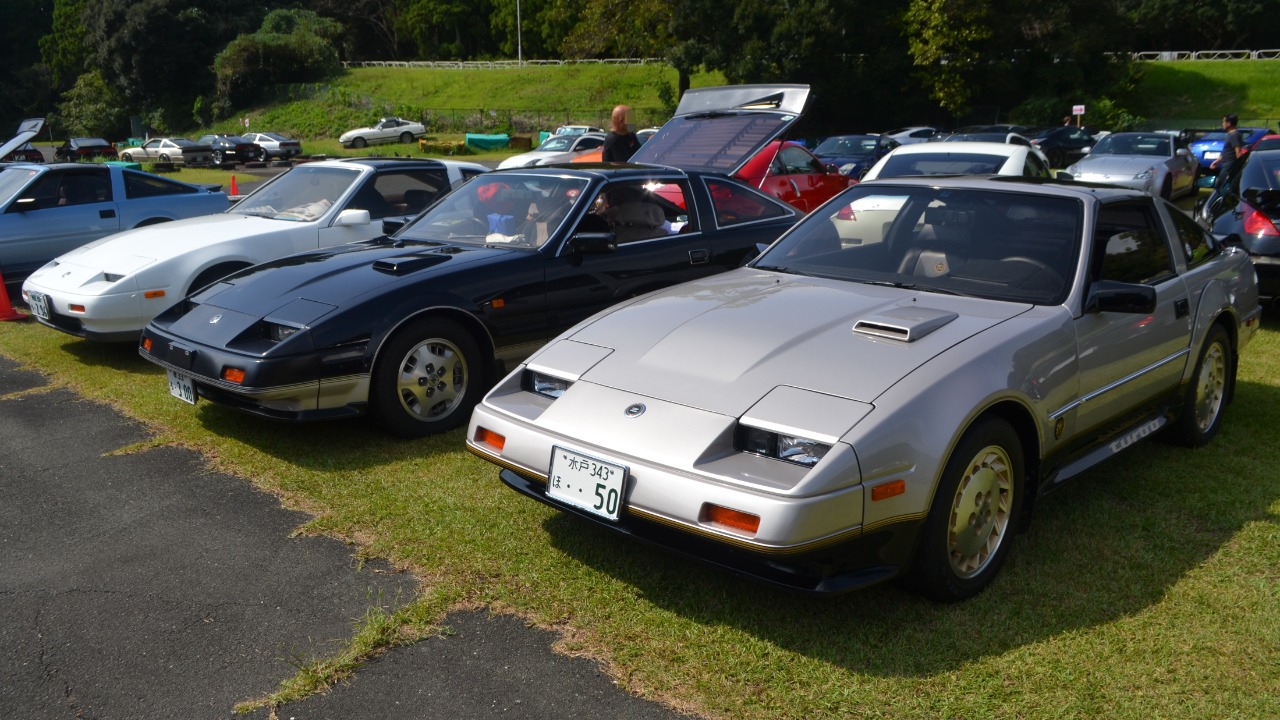
The Nissan 300ZX, also known as the Z31, debuted in 1984 and became a favorite in the sports car segment. With a sleek design and a powerful 3.0-liter V6 engine, the 300ZX offered impressive performance and handling. I fondly recall the excitement of seeing one on the road, with its iconic shape and sporty demeanor capturing the essence of the 80s.
The Z31 was also notable for introducing advanced technology, such as an available turbocharged version and an innovative multi-link suspension system. These features enhanced performance and made the 300ZX a formidable competitor against other sports cars of the era. Its legacy paved the way for future Z models, showcasing Nissan’s commitment to performance and innovation.
Audi Quattro (1980-1991)
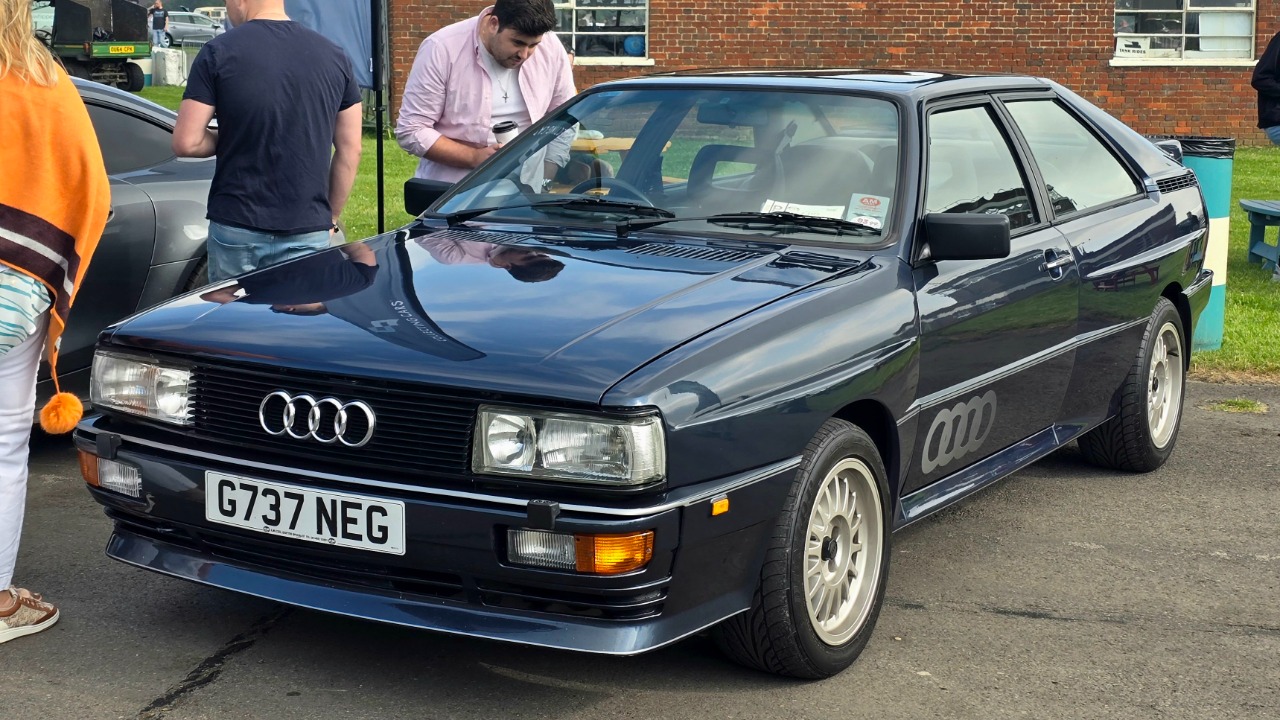
The Audi Quattro revolutionized the automotive world with its all-wheel-drive technology. Launched in 1980, it became a dominant force in rally racing, showcasing its capabilities on various terrains. The combination of a turbocharged 2.1-liter inline-five engine and quattro all-wheel drive made it a game-changer in the sports car segment. The Quattro’s unique design and performance characteristics made it a standout in the 80s, and I often think of the thrill of witnessing its prowess on and off the road.
As the decade progressed, the Quattro became synonymous with performance and innovation. Its success in rally racing not only established Audi as a leader in the automotive industry but also influenced the development of all-wheel-drive technology in other vehicles. The Quattro’s legacy continues to influence modern cars, showcasing the lasting impact of 80s automotive engineering.
Ferrari Testarossa (1984-1996)
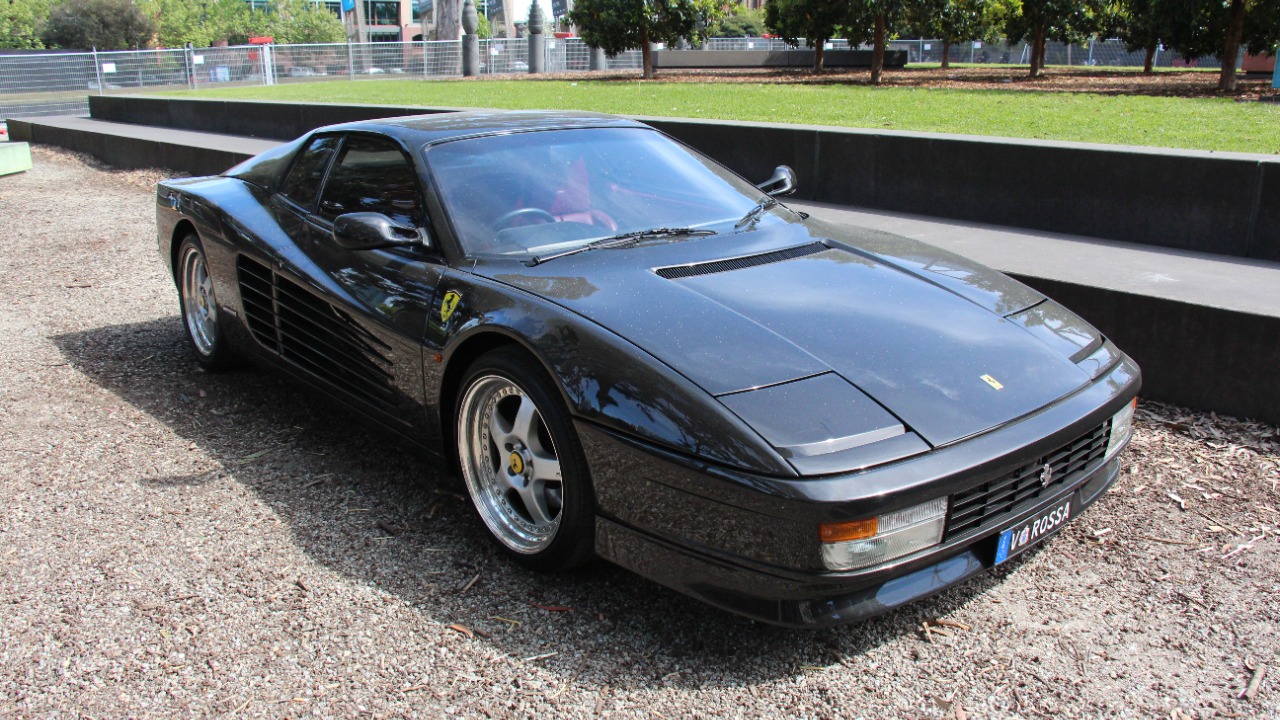
The Ferrari Testarossa is often seen as the quintessential supercar of the 1980s. Launched in 1984, its striking design, characterized by wide rear fenders and distinctive side strakes, made it an instant classic. Powered by a 4.9-liter flat-12 engine, the Testarossa delivered exhilarating performance and became a symbol of luxury and speed. I remember the awe it inspired whenever it graced the streets or appeared in the media.
The Testarossa’s presence in popular culture, including films like “Miami Vice,” solidified its status as an icon of the decade. The combination of its stunning looks and impressive performance made it a dream car for many enthusiasts. Today, the Testarossa remains a celebrated symbol of 80s automotive excellence, reminding us of a time when speed and style ruled the roads.
Chevrolet Camaro (1982-1992)
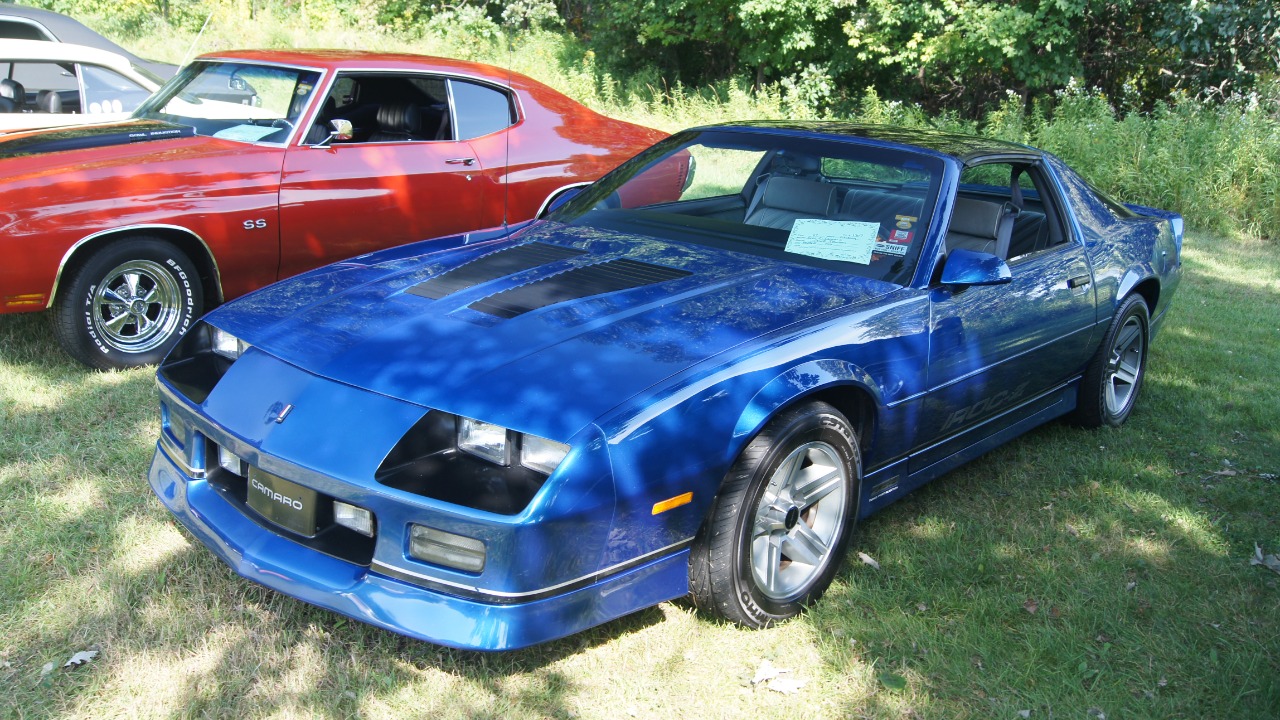
The Chevrolet Camaro of the 1980s, particularly the third generation, was a key player in the muscle car revival. With its aggressive styling and performance options, the Camaro continued to capture the hearts of American drivers. The introduction of the IROC-Z model in 1985 brought new excitement, featuring a more powerful engine and sporty enhancements that made it a standout on the road. I recall the thrill of seeing IROC-Zs at car shows, their design exuding an undeniable aura of speed.
Throughout the decade, the Camaro offered a range of engines, including a turbocharged option that appealed to performance enthusiasts. The combination of style and speed kept the Camaro at the forefront of American automotive culture, making it a beloved icon of the 80s. Today, the Camaro’s legacy continues, reminding us of a time when performance and design were paramount.
Mitsubishi Starion (1982-1989)
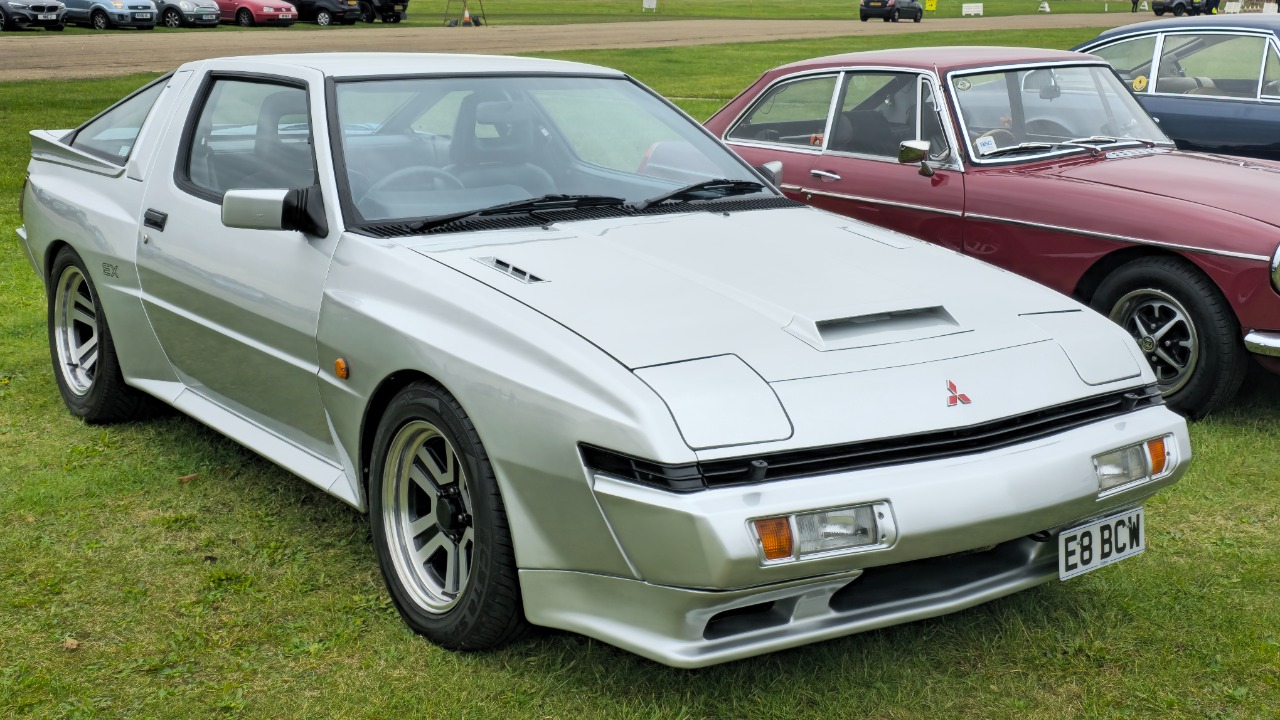
The Mitsubishi Starion was a hidden gem of the 1980s sports car scene. With its turbocharged engines and lightweight design, the Starion offered impressive performance at an affordable price. Launched in 1982, it featured a distinctive wedge shape and a rear-wheel-drive layout, appealing to driving enthusiasts. I remember how the Starion stood out among its competitors, offering a unique blend of style and performance.
The Starion was known for its tuning potential, making it a favorite among car enthusiasts looking to modify their vehicles. Its presence in motorsport further solidified its reputation, showcasing its capabilities on the track. As I reflect on the 80s, the Mitsubishi Starion serves as a reminder of the diverse range of performance vehicles that defined the decade.
More from Fast Lane Only
- Unboxing the WWII Jeep in a Crate
- 15 rare Chevys collectors are quietly buying
- 10 underrated V8s still worth hunting down
- Police notice this before you even roll window down
*Research for this article included AI assistance, with all final content reviewed by human editors.