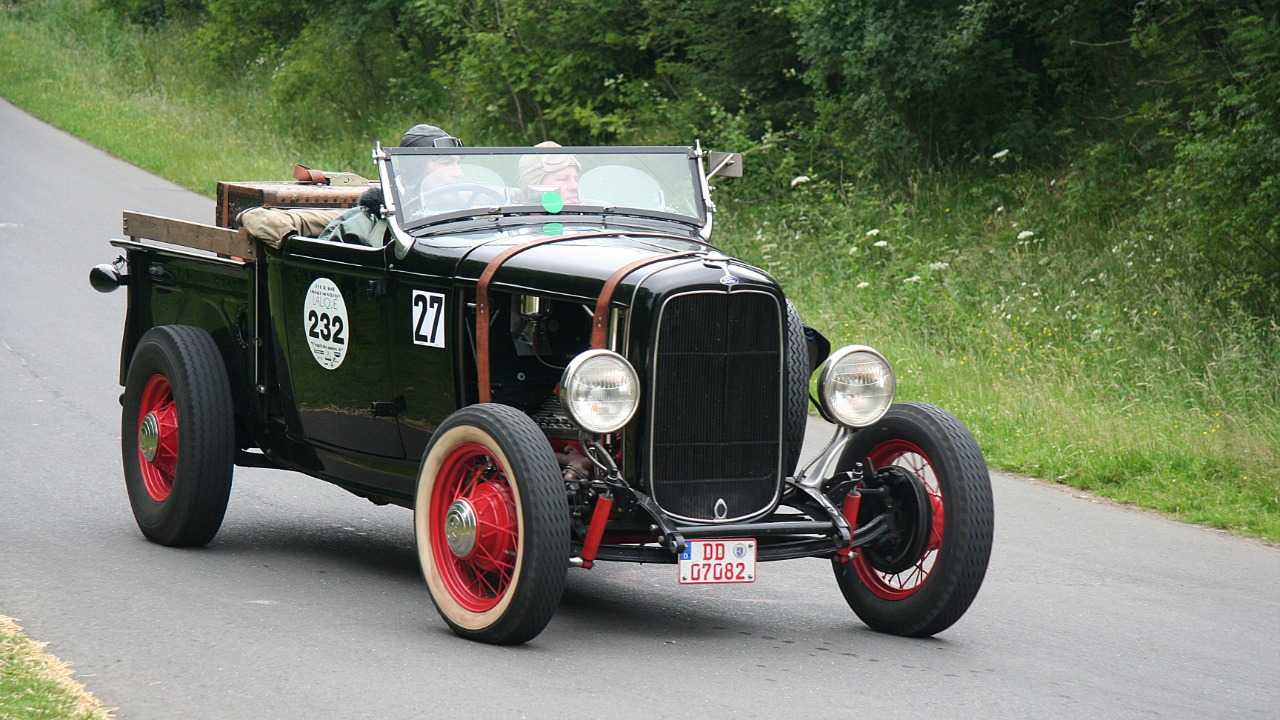
Wally Parks played a pivotal role in transforming hot rodding from a grassroots pastime into a recognized national movement. His vision and leadership not only shaped the culture of automotive enthusiasts but also laid the groundwork for organized motorsport in America.
The Early Days of Hot Rodding
The origins of hot rodding can be traced back to the post-war era of the 1940s and 1950s, a time when American youth sought new forms of self-expression and a way to rebel against societal norms. With the end of World War II, many young men returned home with newfound skills and a desire for speed. They began modifying their vehicles, turning stock cars into powerful machines capable of impressive performance. This movement was not just about speed; it was a statement of individuality and freedom, reflecting the desires of a generation eager to carve out their identities.
California, with its open roads and sunny climate, became the epicenter of hot rodding culture. The state’s vast stretches of highway and empty desert offered the perfect playground for car enthusiasts looking to test their creations. Places like the dry lakes of Southern California became popular venues for informal racing, where hot rodders gathered to push their modified vehicles to the limit. These early races fostered a sense of camaraderie among participants, who shared not only a love for speed but also a passion for craftsmanship and innovation in automotive design.
Informal gatherings and races played a crucial role in building a community around hot rodding. Events like the famous “Muroc Dry Lake Races” allowed drivers to showcase their vehicles, while spectators cheered them on, creating an electric atmosphere of competition and excitement. These early gatherings set the stage for what would eventually evolve into organized racing events, highlighting the need for a more structured environment for enthusiasts to come together.
Wally Parks and the Birth of Organized Racing
In 1951, Wally Parks recognized the potential of hot rodding as more than just a rebellious pastime; he saw the opportunity to establish a formal structure that could support and promote the sport. This vision led to the founding of the National Hot Rod Association (NHRA). Parks aimed to create a safe and organized environment for drag racing, allowing enthusiasts to compete in a controlled setting. His commitment to safety was revolutionary at the time and laid the groundwork for the regulations we see in motorsports today.
Parks was a staunch advocate for implementing safety standards that would protect both drivers and spectators. He understood that the thrill of speed should not come at the expense of safety. The NHRA introduced rules and guidelines that helped minimize accidents while also improving the overall experience for everyone involved. This focus on safety was instrumental in legitimizing drag racing, attracting more participants and spectators who may have previously viewed it as a dangerous or reckless activity.
The impact of organized events on the hot rodding community was profound. By providing a structured framework for competition, Parks helped to legitimize the culture surrounding hot rodding. Events organized by the NHRA began to attract a broader audience, drawing in families and newcomers who wanted to witness the excitement of drag racing. Local car clubs flourished, providing a sense of belonging and community among enthusiasts, further solidifying hot rodding as a national movement.
Promotion of Hot Rodding as a Lifestyle
One of the most significant contributions of Wally Parks was his role in elevating hot rodding to a recognized lifestyle. As the editor of Hot Rod Magazine, Parks showcased the artistry and creativity involved in car modifications, inspiring countless enthusiasts to express themselves through their vehicles. The magazine became a vital platform, sharing stories, tips, and techniques that encouraged readers to push the boundaries of their automotive craftsmanship.
Hot rodding quickly evolved into a form of art and creativity, where customization became a way for individuals to leave their unique mark on their vehicles. From the iconic 1932 Ford Model B to the classic Chevrolet Bel Air, hot rodders began to see their cars as canvases for artistic expression. Parks championed this notion, promoting the idea that modifications were not just about performance but also about personal style and individuality. This cultural shift helped solidify hot rodding as a lifestyle choice, intertwining it with the fabric of American identity.
The influence of hot rodding extended beyond the automotive world, permeating American culture in significant ways. The 1960s saw hot rodding inspire music, as songs like “Little Deuce Coupe” by The Beach Boys celebrated the love for customized cars. Movies such as “American Graffiti” showcased the rebellious spirit of hot rodding, while fashion trends began to reflect the aesthetics of car culture. Parks’ efforts in promoting hot rodding as a lifestyle not only resonated with car enthusiasts but also captured the imagination of the broader public.
Wally Parks’ Lasting Legacy
Wally Parks’ vision and dedication to hot rodding led to the expansion of the NHRA, cementing its status as a premier organization in motorsports. Under his leadership, the NHRA grew from a fledgling association into a powerhouse that organized events across the country. This expansion played a crucial role in establishing drag racing as a mainstream sport, attracting sponsorships and media coverage that further legitimized the movement.
Key events, such as the NHRA Finals, became showcases for the best of drag racing and hot rodding. These events not only highlighted the skills of top racers but also served as a celebration of the culture that Parks had helped to cultivate. The NHRA Finals became an essential gathering for enthusiasts, families, and fans, reinforcing the sense of community that had been built around hot rodding.
Even after his passing, Parks’ influence on the automotive world continues to be recognized. He has received numerous accolades and honors, including induction into the Motorsports Hall of Fame. These recognitions solidify his status as a legendary figure in automotive history, a testament to his lasting impact on the sport and its culture.
The Evolution of Hot Rodding Today
Today, hot rodding continues to evolve, adapting to modern trends and technologies. The rise of electric vehicles and advancements in automotive technology have introduced new opportunities for customization. Contemporary hot rodders are not limited to traditional combustion engines; they are exploring electric conversions and hybrid technologies, pushing the boundaries of performance and sustainability. This evolution reflects the ongoing creativity and innovation that Wally Parks championed throughout his career.
The principles that Wally Parks instilled in the hot rodding community—emphasizing safety, community, and creativity—remain relevant even in today’s landscape. Enthusiasts continue to gather at car shows, local meets, and online forums, sharing their passion and knowledge. The sense of community that Parks helped establish has only been amplified by social media platforms, allowing hot rodders to connect, share ideas, and showcase their builds like never before.
Platforms such as Instagram and Facebook have transformed the way car enthusiasts engage with one another. Groups dedicated to specific car models or customization techniques have flourished, creating vibrant online communities where individuals can exchange tips, showcase their projects, and celebrate their shared love of hot rodding. The accessibility of information and inspiration through social media has empowered a new generation of hot rodders, ensuring that Parks’ vision for a passionate and creative community continues to thrive.
More from Fast Lane Only
- Unboxing the WWII Jeep in a Crate
- 15 rare Chevys collectors are quietly buying
- 10 underrated V8s still worth hunting down
- Police notice this before you even roll window down
*Research for this article included AI assistance, with all final content reviewed by human editors.