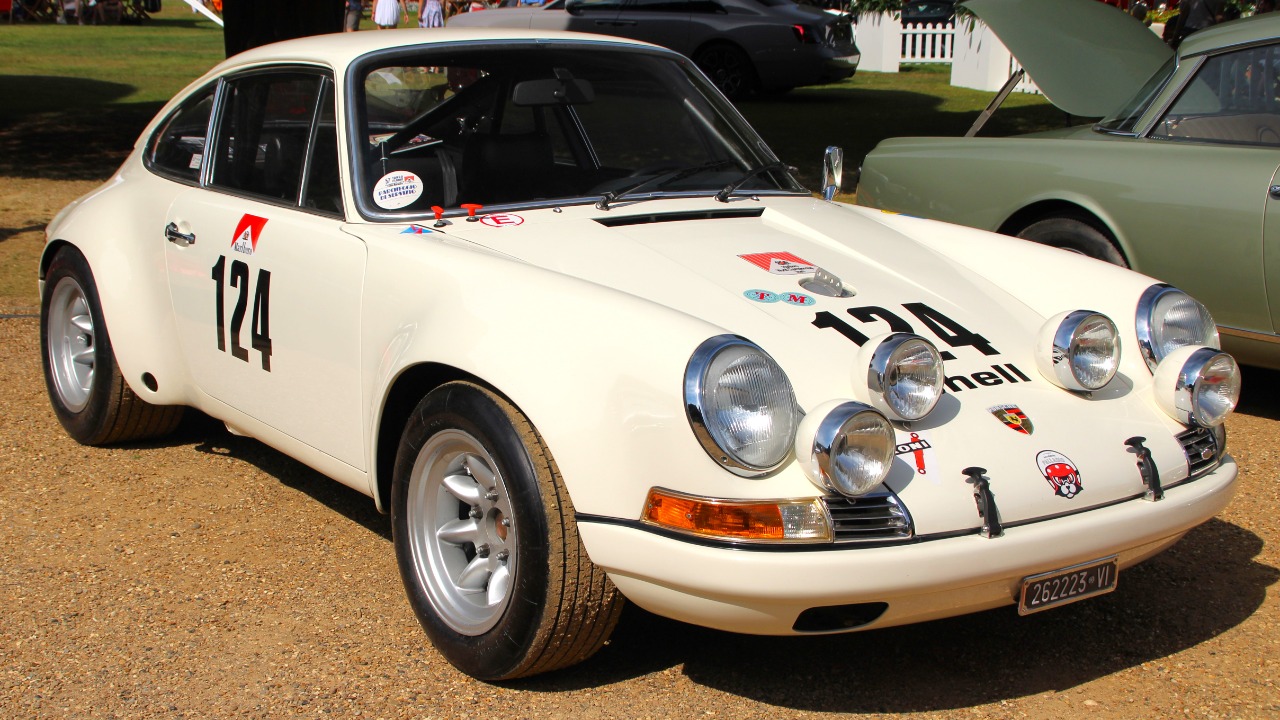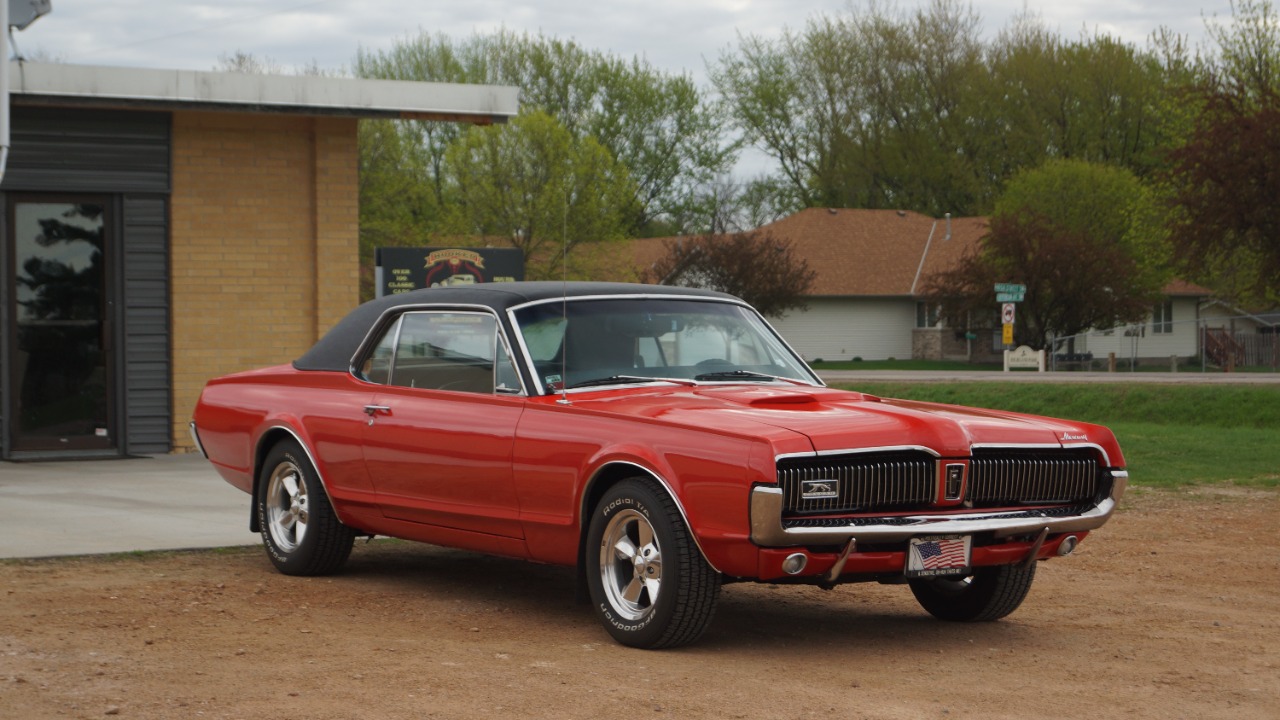
Pony cars have carved out a unique niche in the automotive world, blending performance with style at an accessible price point. Originating in the 1960s, these vehicles captured the imagination of car enthusiasts and everyday drivers alike, and many have become iconic symbols of American automotive culture. While some models are well-known, others have quietly become legends in their own right, offering stories of innovation, design, and performance that continue to resonate with fans today.
Ford Mustang (1964)
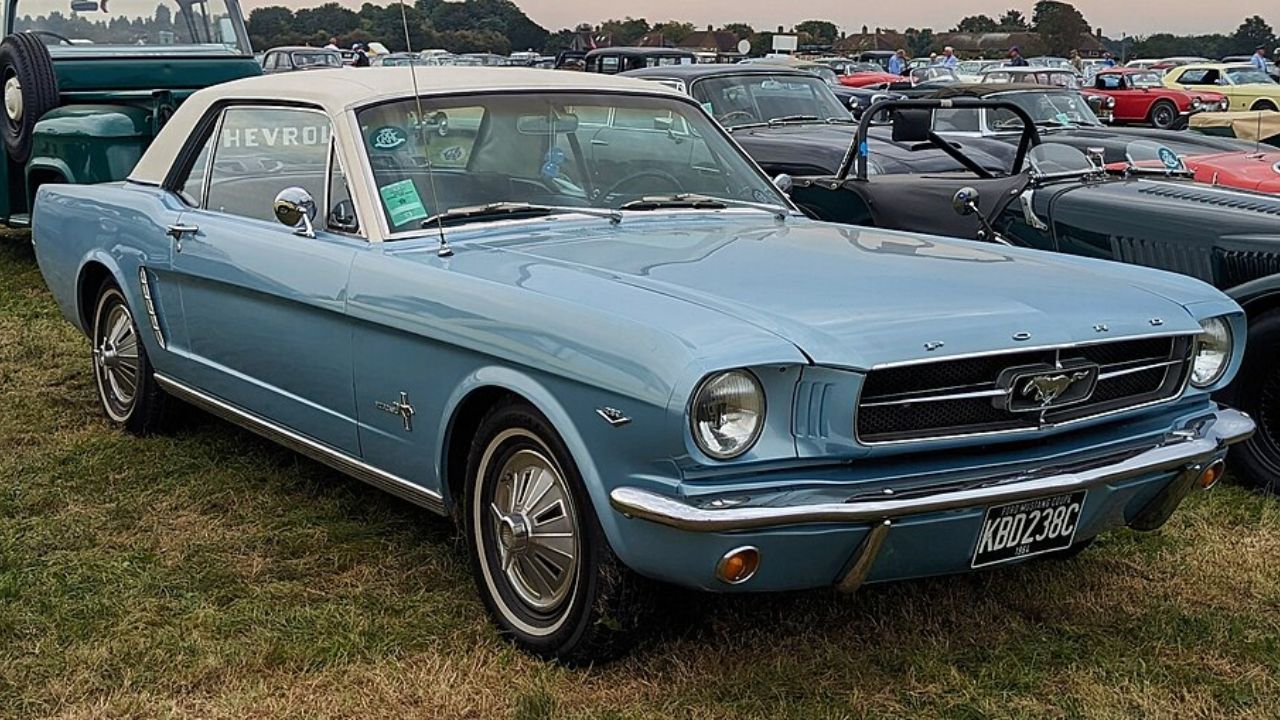
The Ford Mustang debuted in 1964 and quickly became a cultural phenomenon. With its sporty design and range of engine options, it appealed to a wide audience, from young drivers to families looking for excitement. The first-generation Mustang introduced features like the long hood and short rear deck, a design that has influenced countless vehicles since. Its success led to a burgeoning pony car market, setting the stage for competitors. The Mustang has evolved through the years, but its essence remains intact, keeping it relevant to new generations. For more on the Mustang’s impact, check out this book.
Chevrolet Camaro (1966)
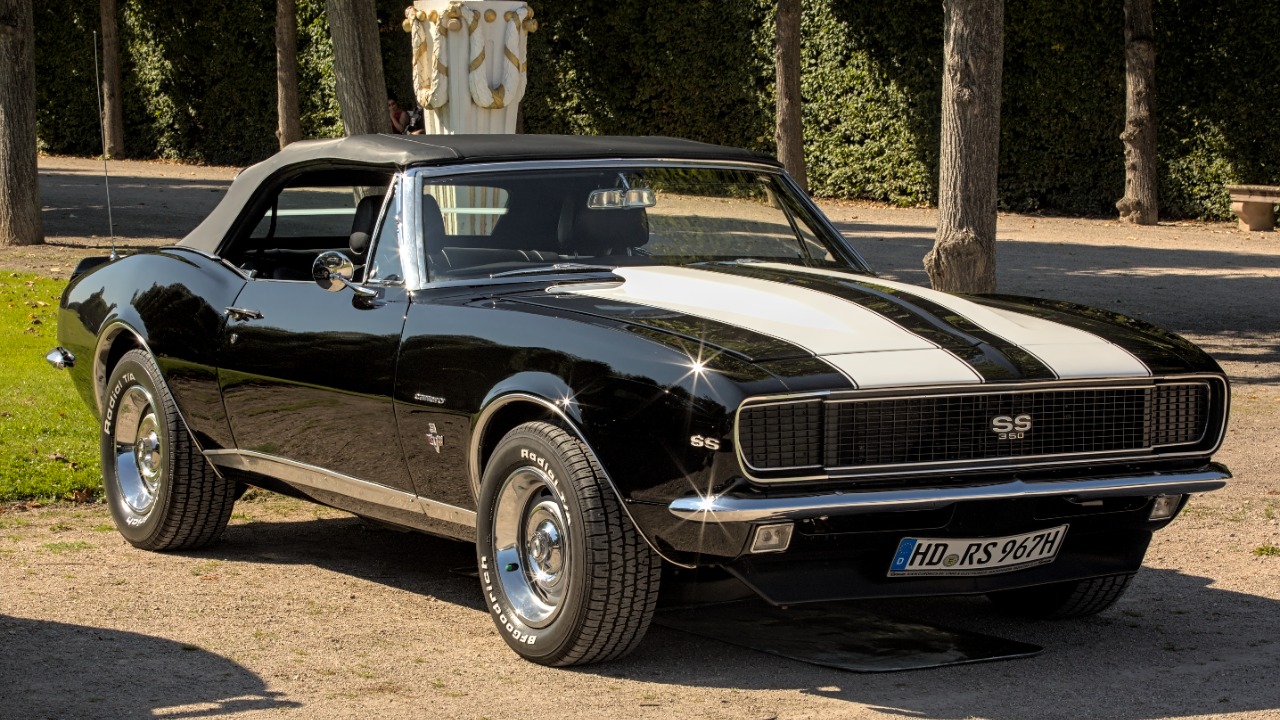
Introduced in 1966, the Chevrolet Camaro was born out of the need to compete with the Mustang. It quickly found its place in the hearts of car lovers with its aggressive styling and powerful engines. The first-generation Camaro offered a wide range of options, allowing buyers to customize their cars to fit their tastes and driving needs. The Camaro has seen multiple redesigns over the decades, each maintaining the bold styling that made it a classic. Its prominence in racing and pop culture has solidified its status as a legendary pony car. For a deeper dive into its history, visit this article.
Pontiac Firebird (1967)
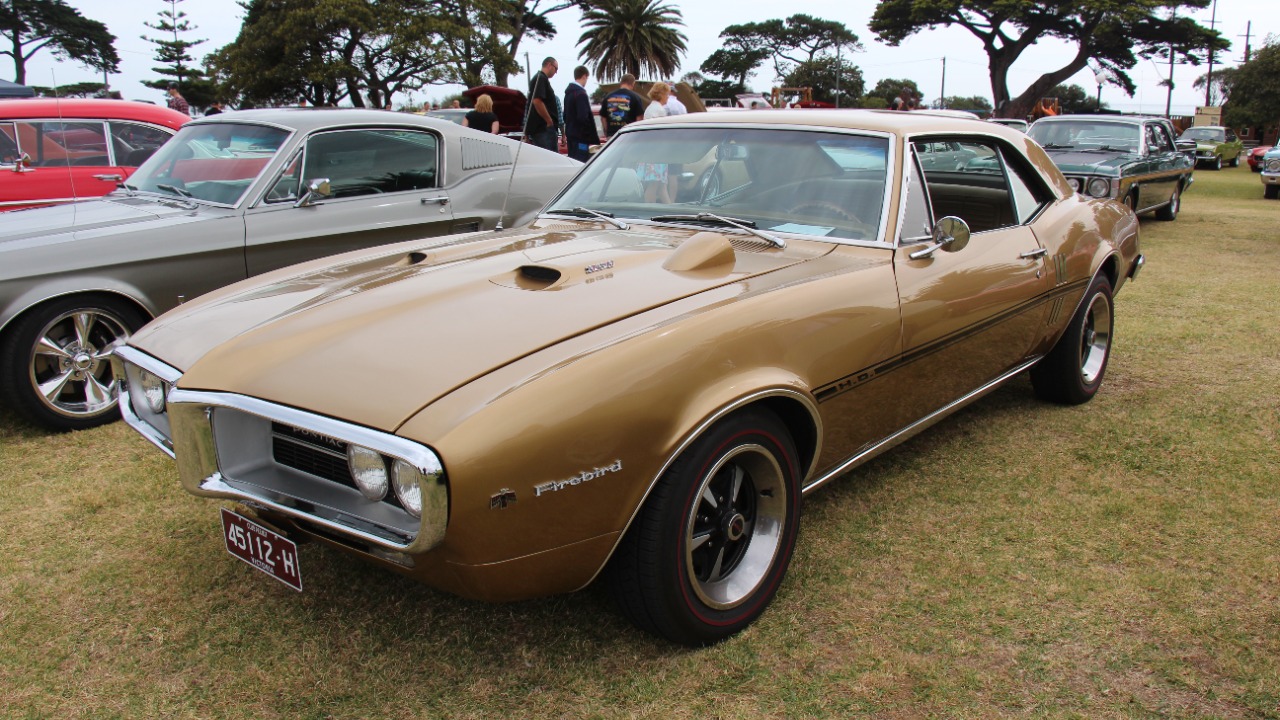
The Pontiac Firebird, launched in 1967, shared its platform with the Camaro but developed a unique identity. Its bold design and performance-oriented options, including the iconic Trans Am package, made it a favorite among enthusiasts. The Firebird was not just a pretty face; it boasted impressive performance capabilities, particularly in its early years. It became a staple in motorsports and American culture, appearing in movies and TV shows that solidified its legendary status. Even today, the Firebird remains a sought-after classic, attracting collectors and fans alike. To learn more about its cultural impact, check out this source.
Dodge Challenger (1970)
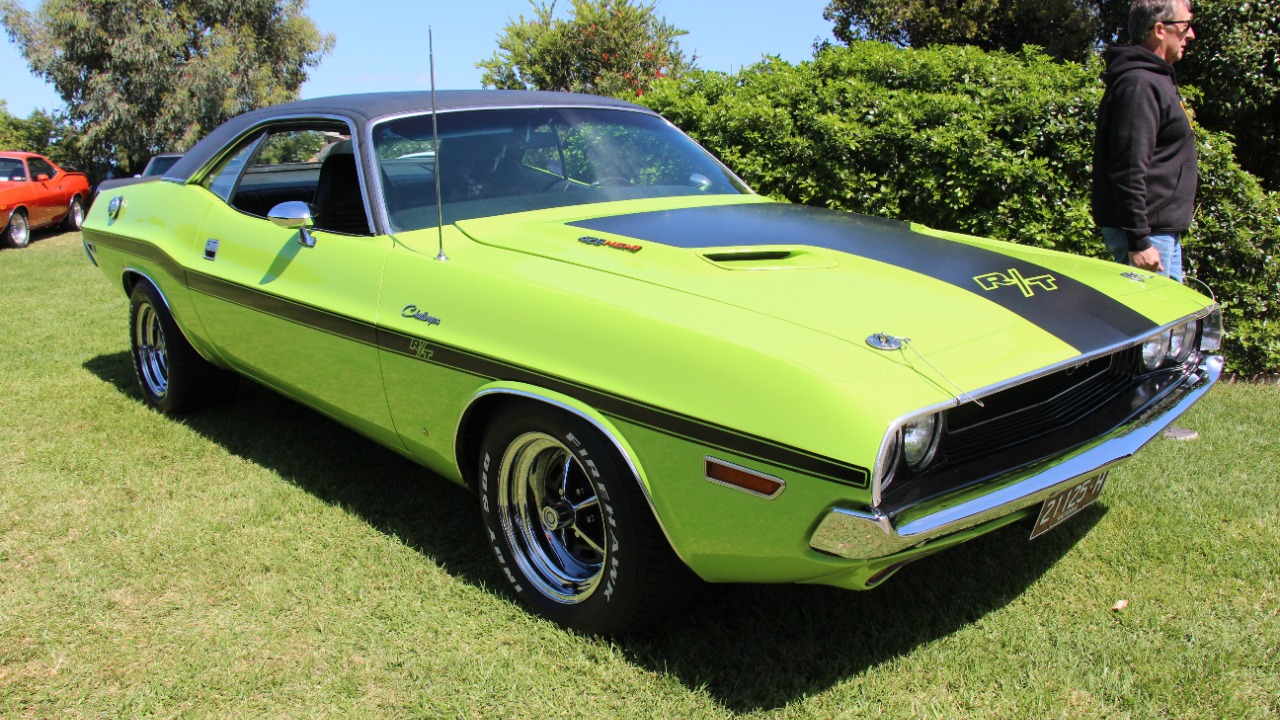
The Dodge Challenger made its debut in 1970, entering the pony car race with a bold design and powerful engine options. Its muscular stance and aggressive styling set it apart from its competitors, appealing to those who craved performance and presence. The Challenger’s variety of engine choices, including the legendary Hemi, made it a favorite among muscle car enthusiasts. Over the years, the Challenger has undergone several transformations but has retained its classic charm. The modern iterations continue to honor its heritage while incorporating contemporary technology and design. Fans of this iconic model often celebrate its legacy in car shows and online communities.
Mercury Cougar (1967)
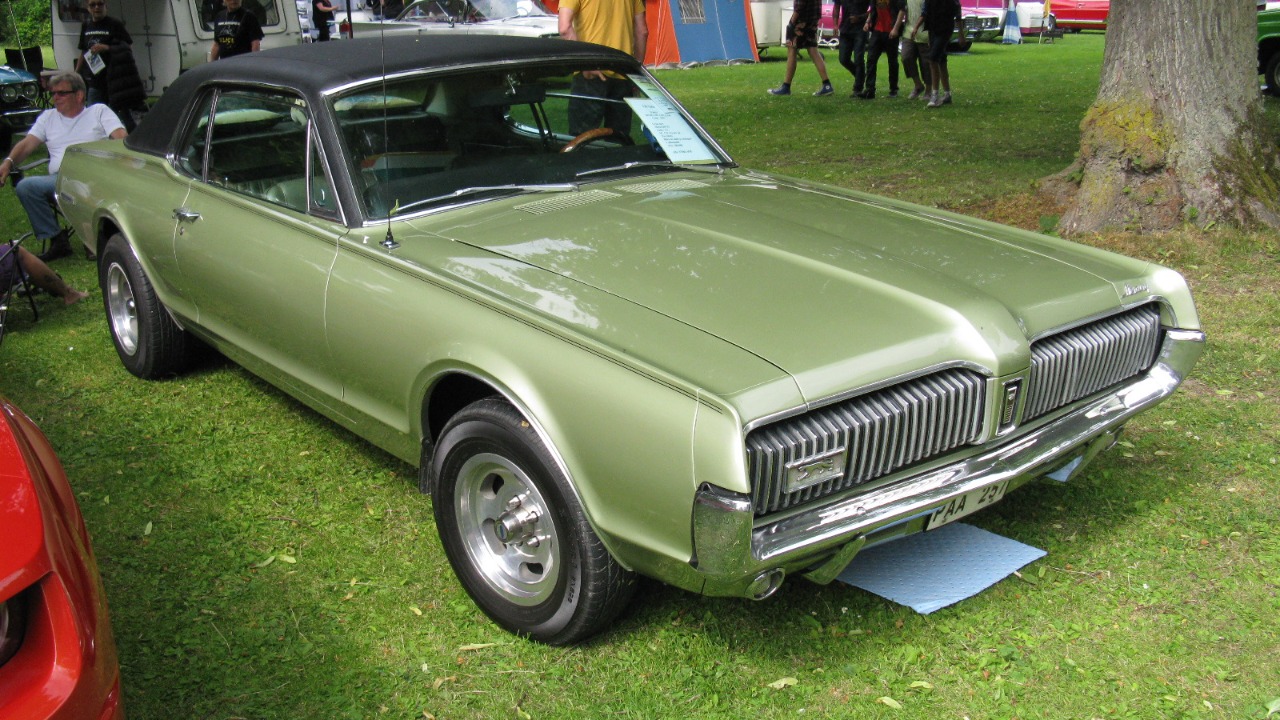
The Mercury Cougar was introduced in 1967 as Mercury’s answer to the pony car craze. Originally positioned as a more upscale alternative to the Mustang, the Cougar offered a blend of performance and luxury. Its unique styling, characterized by a longer hood and a more refined interior, attracted buyers looking for a sporty yet comfortable ride. The Cougar featured a range of powerful engines, allowing it to perform well on both the street and track. Despite its eventual decline in popularity, the Cougar remains a cherished classic among enthusiasts, often celebrated at vintage car events and in collector circles.
Plymouth Barracuda (1964)
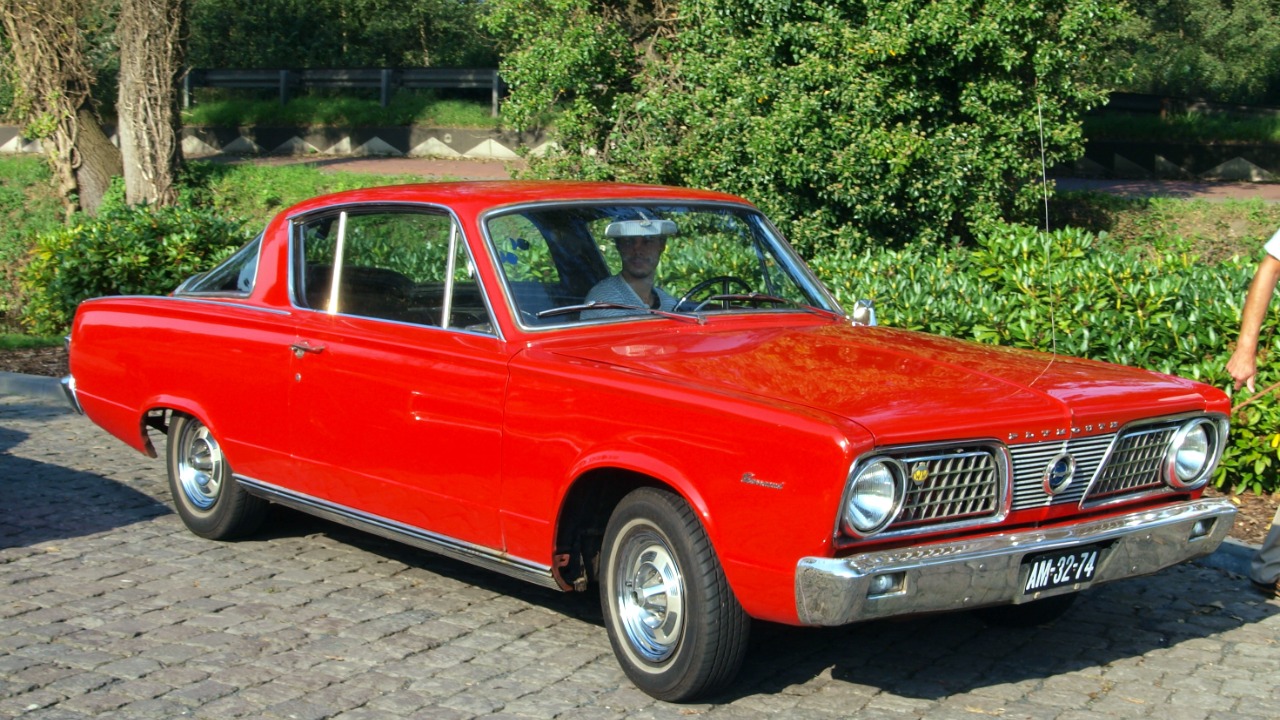
The Plymouth Barracuda debuted in 1964, making its mark as one of the earliest pony cars. With its distinctive fastback design, the Barracuda stood out in a crowded market. Available with a variety of engine options, it offered performance that appealed to speed enthusiasts. Notably, the Barracuda is remembered for its early adoption of the muscle car ethos, paving the way for future models. Though production ceased in 1974, the Barracuda has maintained a loyal following and is often regarded as a classic. Its legacy is celebrated in automotive history and remains a sought-after model among collectors.
Nissan Z-Car (1970)
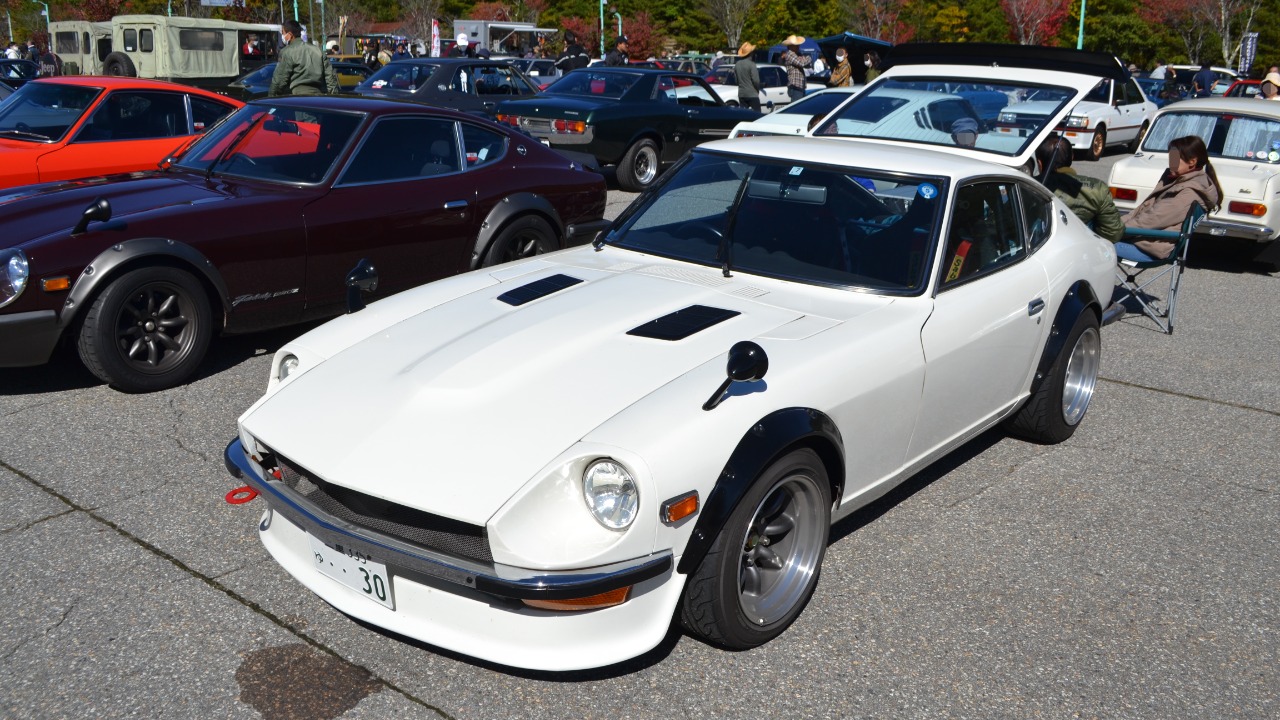
The Nissan Z-Car series began with the 240Z in 1970 and has since become synonymous with affordable sports cars. The Z-Car’s sleek design and impressive performance made it an instant hit, garnering respect in both the American and global markets. The combination of lightweight construction and powerful inline-six engines provided an exhilarating driving experience that appealed to enthusiasts. Over the years, the Z-Car has evolved through various generations, each offering advancements in technology and performance while retaining the spirit of the original. Today, the Z-Car is celebrated for its rich heritage and continues to be a favorite among sports car fans.
Toyota Celica (1970)
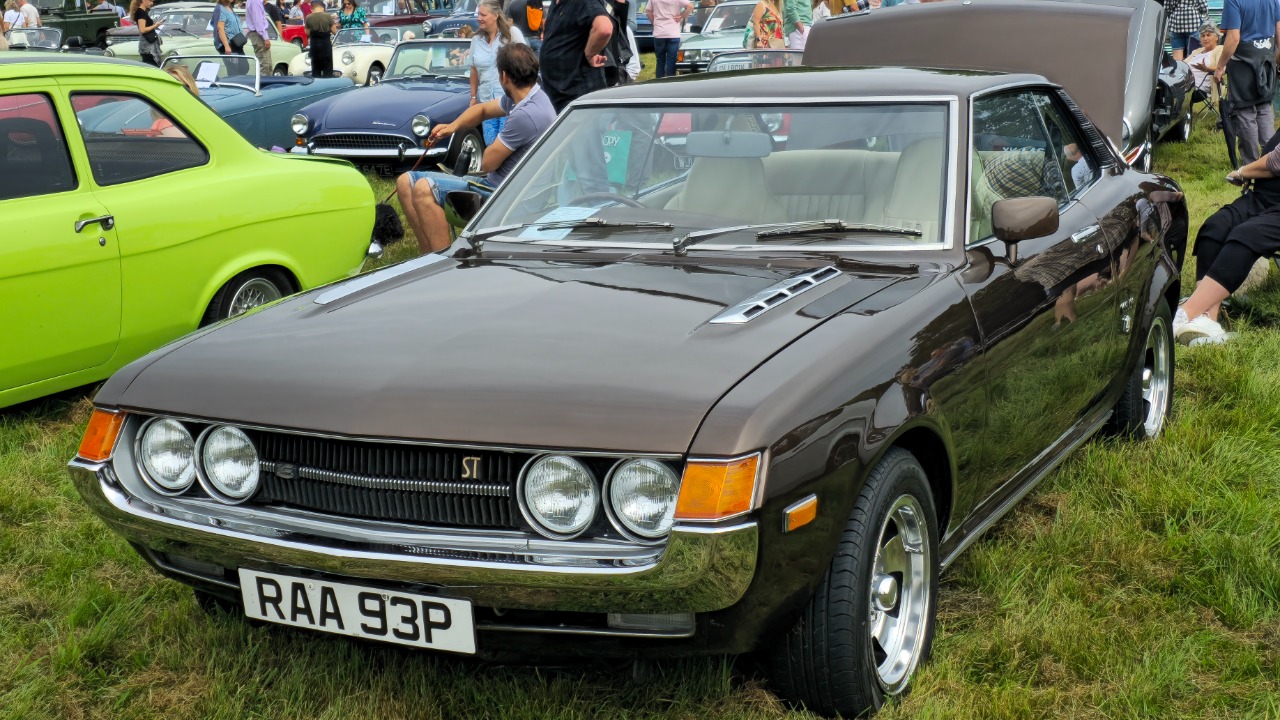
Launched in 1970, the Toyota Celica quickly gained popularity as an affordable, sporty coupe. With its stylish design and range of engine options, the Celica appealed to a diverse audience. The model’s success led to numerous iterations, each improving upon the last in terms of performance and comfort. The Celica established itself as a reliable and fun-to-drive vehicle, often used in motorsports and rallying. Over the years, it garnered a reputation for durability and value, making it a favorite among car enthusiasts. The Celica’s legacy continues to influence Toyota’s design philosophy, even as new models are introduced to the market.
AMC Javelin (1968)
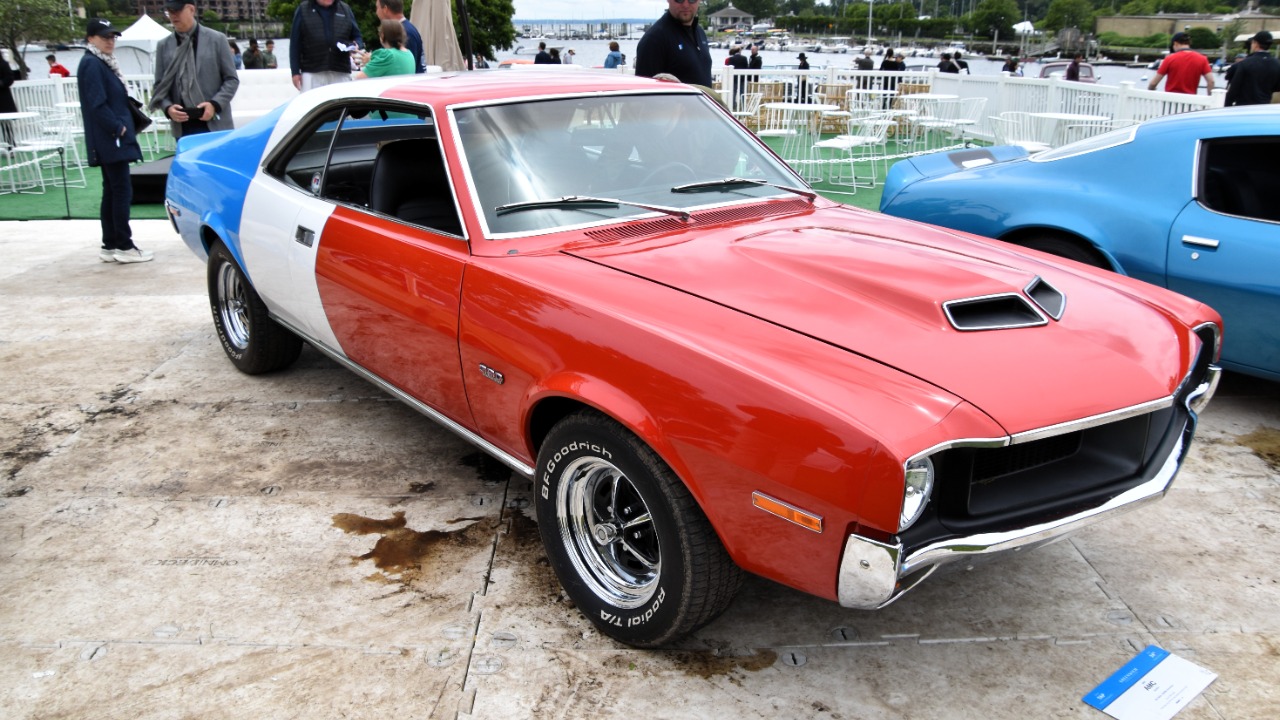
The AMC Javelin entered the scene in 1968 as part of American Motors Corporation’s foray into the pony car segment. With its distinctive design and sporty performance, the Javelin garnered attention from consumers seeking an alternative to the more mainstream options. The model offered a variety of engine choices, appealing to both performance enthusiasts and casual drivers. Although produced for a relatively short time, the Javelin has become a beloved classic, often celebrated for its unique styling and innovative features. Its place in automotive history is marked by a dedicated following that appreciates its distinct character and performance capabilities.
Ford Torino (1968)
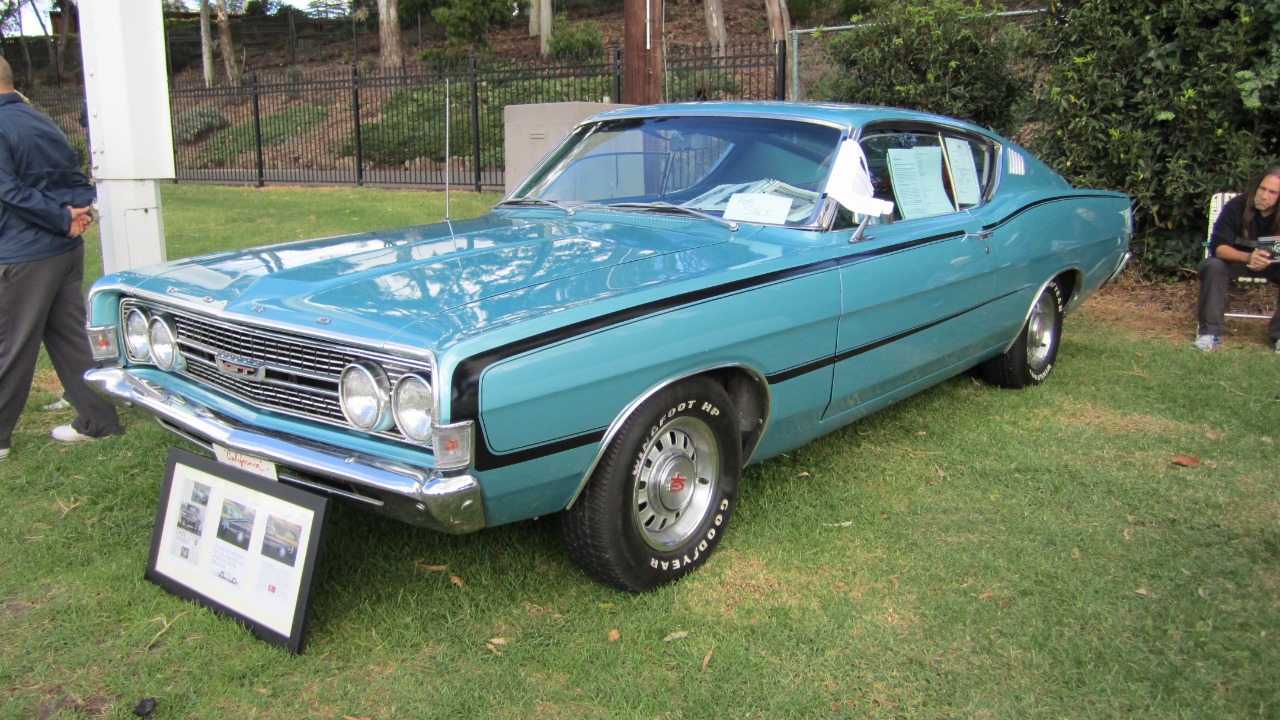
Initially introduced as a full-size car, the Ford Torino evolved into a sporty option in the late 1960s. Its sleek lines and performance-oriented design made it a contender in the muscle car market. The Torino offered an impressive lineup of engines, making it a favorite among drivers seeking power and performance. As the 1970s approached, the Torino maintained its popularity, partly due to its success on the racetrack. It gained recognition for its role in NASCAR, further cementing its status in automotive history. The Torino remains a sought-after classic, appreciated by collectors and enthusiasts for its unique blend of style and substance.
Chevrolet Nova (1962)
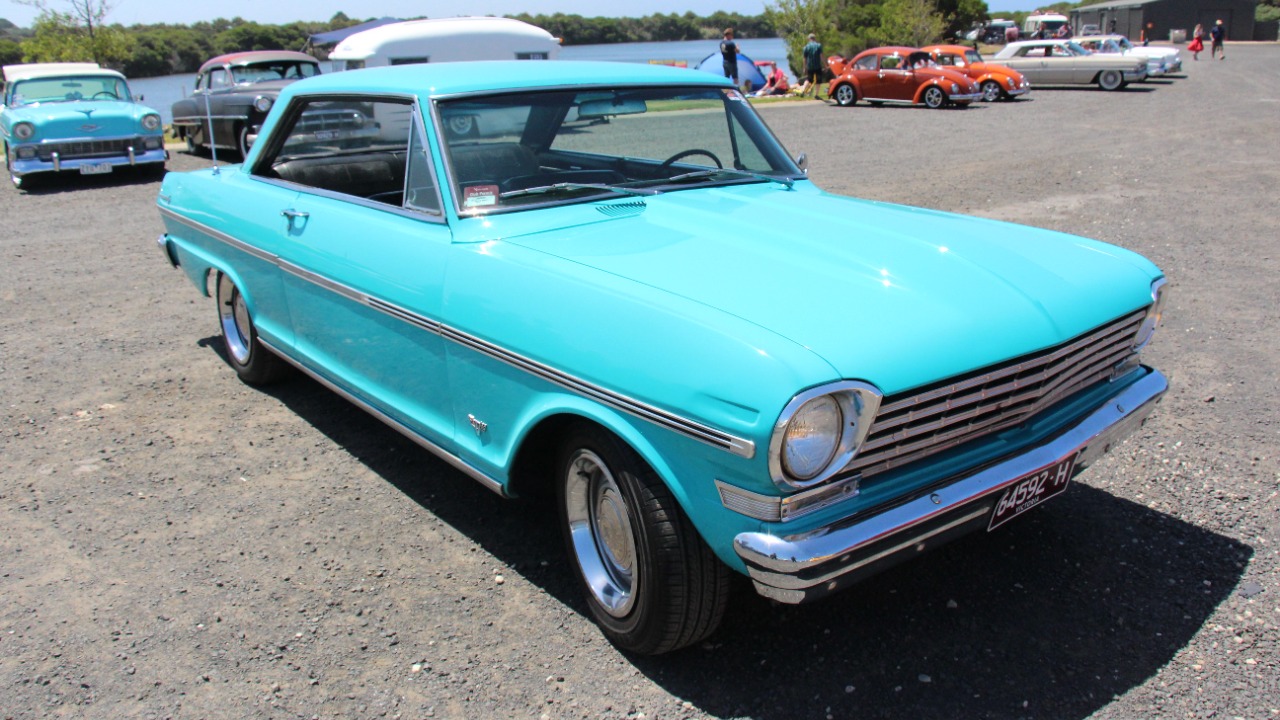
The Chevrolet Nova made its debut in 1962, originally marketed as a compact car. However, it quickly transitioned into the pony car category, thanks to its performance potential and stylish design. The Nova offered a range of engines, including the powerful V8 options that appealed to performance enthusiasts. Its lightweight construction and agile handling made it a favorite for both street driving and racing. Over the years, the Nova has developed a cult following, appreciated for its classic styling and accessible performance. Today, it remains a popular choice among collectors and is often featured in classic car shows.
Hyundai Genesis Coupe (2008)
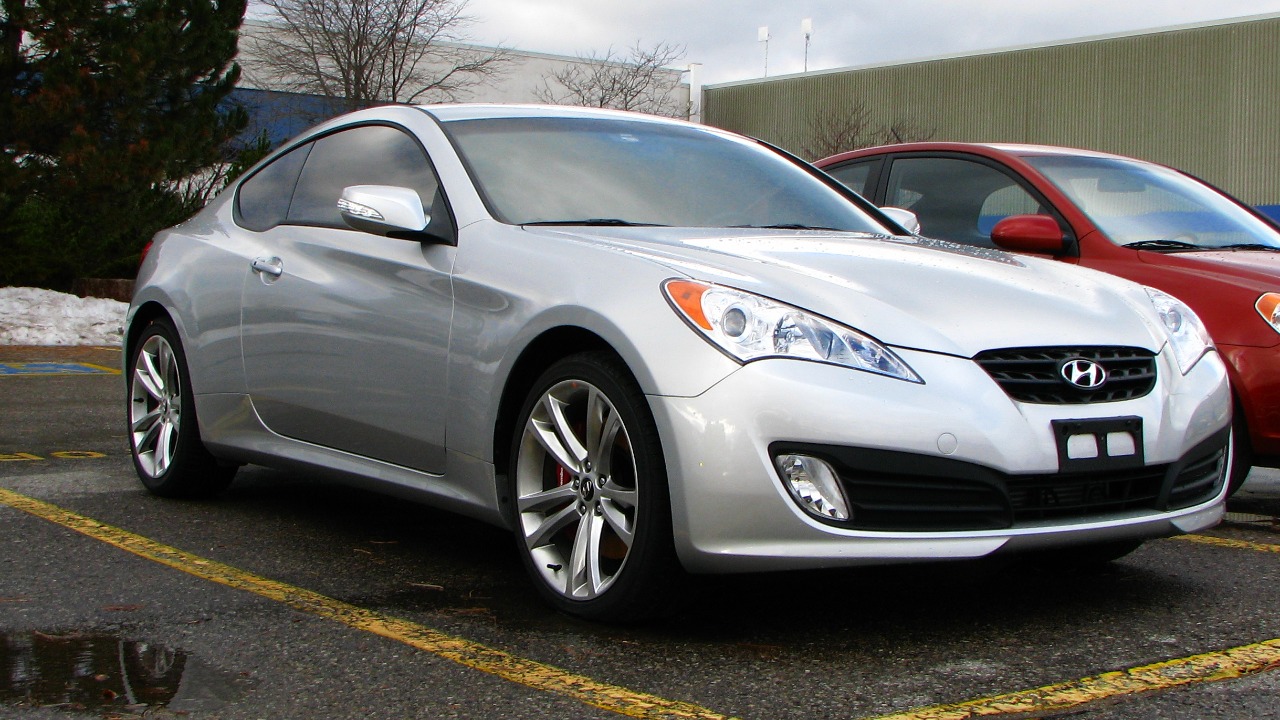
The Hyundai Genesis Coupe, launched in 2008, marked the company’s entry into the sporty coupe segment. With its rear-wheel-drive layout and robust engine options, it quickly gained traction among enthusiasts looking for performance at a reasonable price. The Genesis Coupe featured a modern design and advanced technology, appealing to a younger demographic. Its balanced handling and impressive power made it a strong contender against established players in the market. Although production ceased in 2016, the Genesis Coupe has left a lasting impact, admired for its performance and value. It continues to be celebrated among fans and collectors of modern pony cars.
More from Fast Lane Only
- Unboxing the WWII Jeep in a Crate
- 15 rare Chevys collectors are quietly buying
- 10 underrated V8s still worth hunting down
- Police notice this before you even roll window down
*Research for this article included AI assistance, with all final content reviewed by human editors.