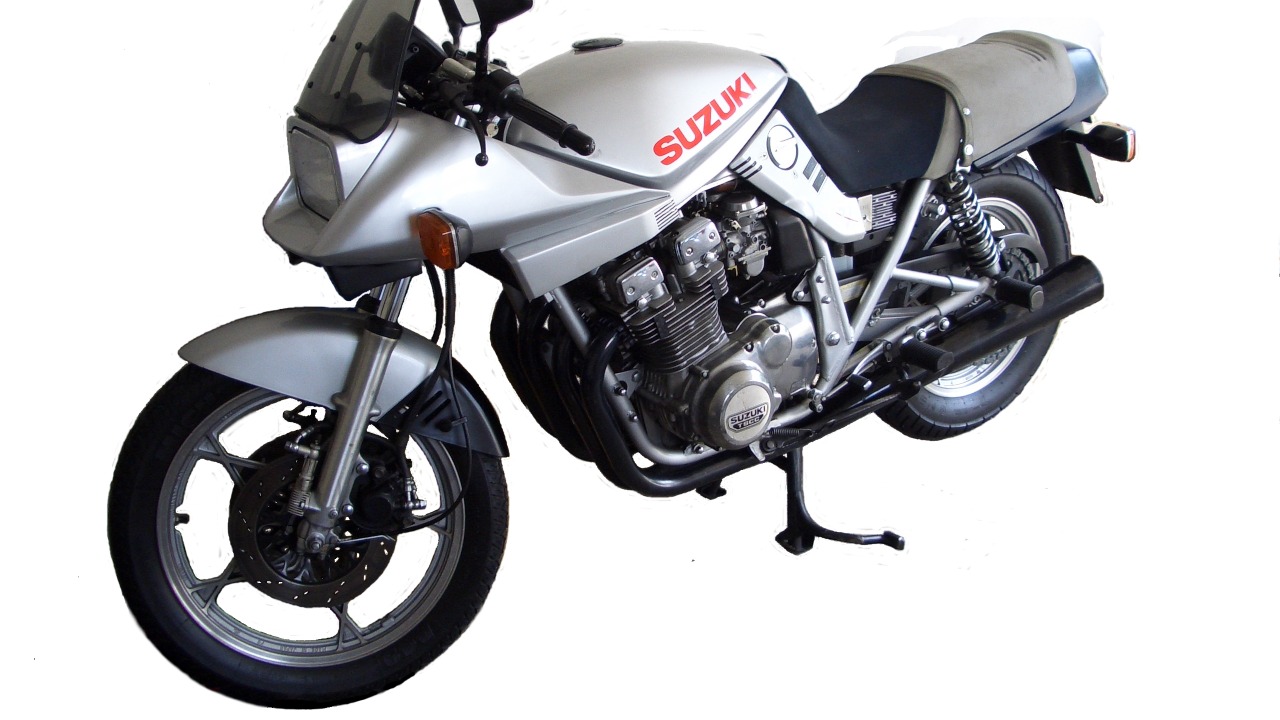
Honda priced the 1983 VF750F Interceptor at $3,499, and within months owners were hearing noises from the cylinder heads. A year earlier, the Yamaha XJ650 Turbo had arrived costing $2,000 more than the regular XJ650 for a small gain in speed. Both were four-cylinder bikes from an era when four cylinders meant serious performance.
The fours of the late 1970s through the early 1990s gave riders smooth power and big top speeds. However, not every one aged well. Some carried design faults, some were too complex for their own good, and some now hide parts problems that can stall a restoration for months.
These twelve are our picks for the four-cylinder motorcycles we’d think twice about, and why. The verdicts are our opinion. The reasons behind them, from known failures to period test results, come from motorcycle magazines, buyer’s guides and auction records. Each entry ends with a line of advice if you’re shopping anyway.
1. 1982 Yamaha XJ650 Turbo
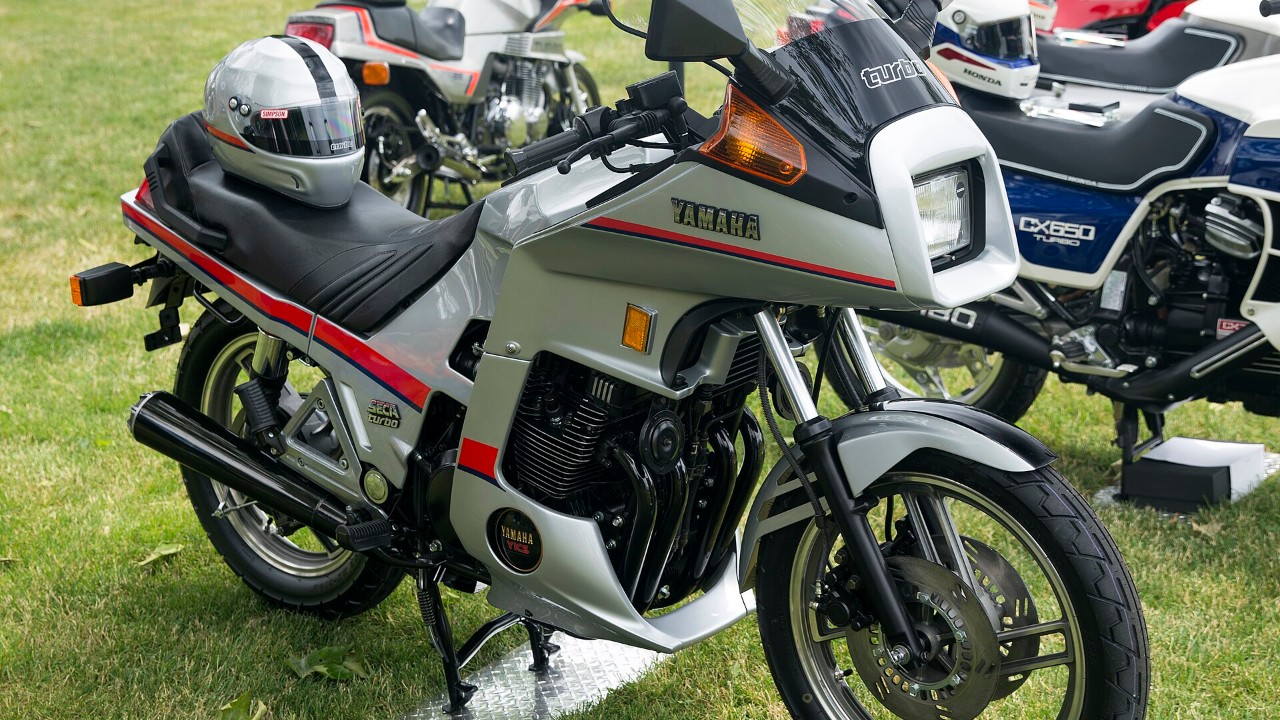
The Yamaha XJ650 Turbo, sold as the Seca Turbo, bolted a 39mm Mitsubishi turbocharger to a 650cc four. According to The Autopian, it ran 7 psi of boost and made up to 90 horsepower, up from about 73. The turbo sat only a few inches ahead of the rear tire.
Unfortunately, the payoff was small. The turbo hardware added 65 pounds, and the bike cost $4,999 at launch. In a period test, it ran the quarter mile in 12.61 seconds, against 12.83 seconds for the regular XJ650. In other words, the Yamaha XJ650 Turbo gave you a small gain for a lot of extra cost and plumbing. Boost also arrived late, which made hard cornering harder to manage.
Our take: we’d pass on the Yamaha XJ650 Turbo unless you collect turbo oddities. Yamaha sold it only for 1982 and 1983, and The Autopian calls it one of the least popular Japanese turbo bikes to collect. It has seen them offered for roughly $2,000 to $3,000, which reflects that. Buyer advice: if you want the XJ650’s character, buy the regular model, and only take on a Turbo that is complete and running.
2. 1983 Suzuki XN85
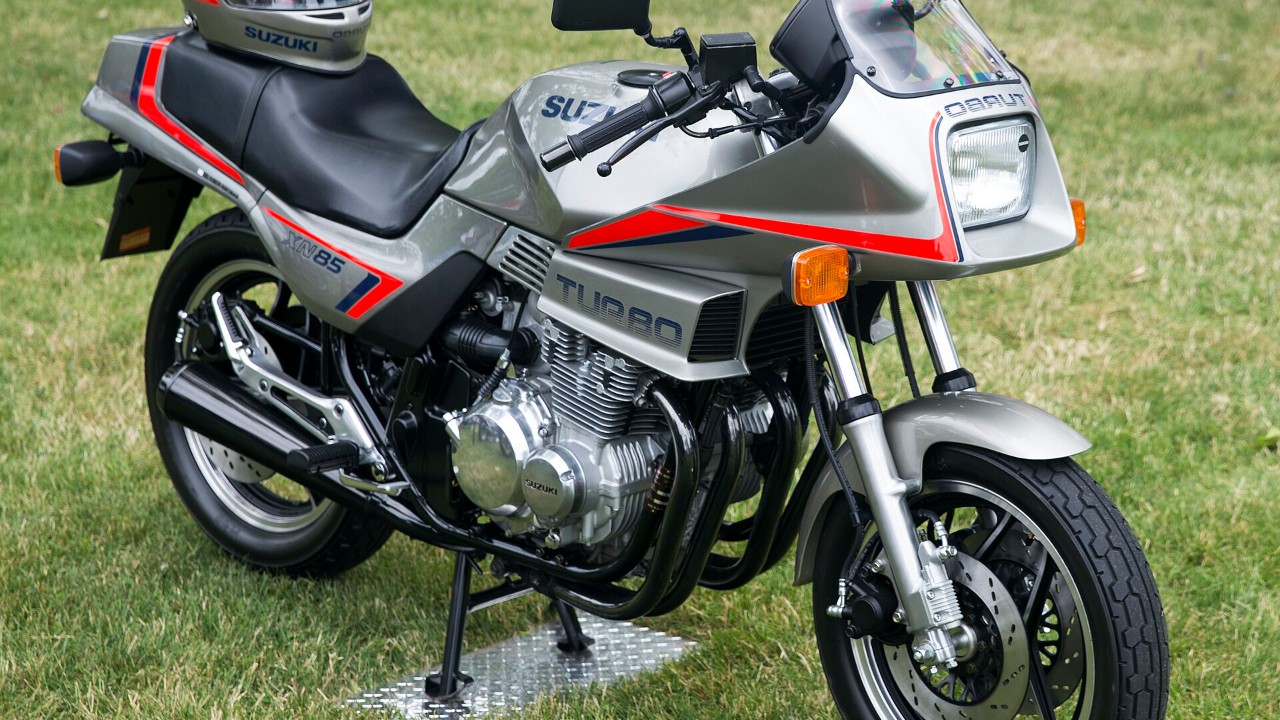
Suzuki’s XN85 arrived in early 1983 as a turbocharged sport bike. It used a 673cc air- and oil-cooled four with fuel injection and an IHI turbocharger. Suzuki took the name from a claimed 85 horsepower.
However, real-world numbers fell short of that. Rear-wheel measurements came in at the low 70s. The engine was also rather tame until boost kicked in around 5,000 rpm. From there, it pulled strongly, yet it didn’t match the performance of larger sport bikes.
Rarity cuts both ways here. Suzuki built only 1,153 XN85s from 1983 to 1985. Just 300 came to the U.S., where Suzuki sold it only for 1983. That makes it an interesting find. In our view, though, it also means a tiny parts pool for a complex turbo and injection system.
Our take: the XN85 is a fascinating piece of turbo-era history. As a bike to buy and ride, we’d steer clear. You’d be paying for complexity that never delivered big-bike speed. Buyer advice: buy one only with a service history and the original turbo and injection parts in place, because those are the hardest pieces to replace.
3. 1984 Kawasaki GPz750 Turbo
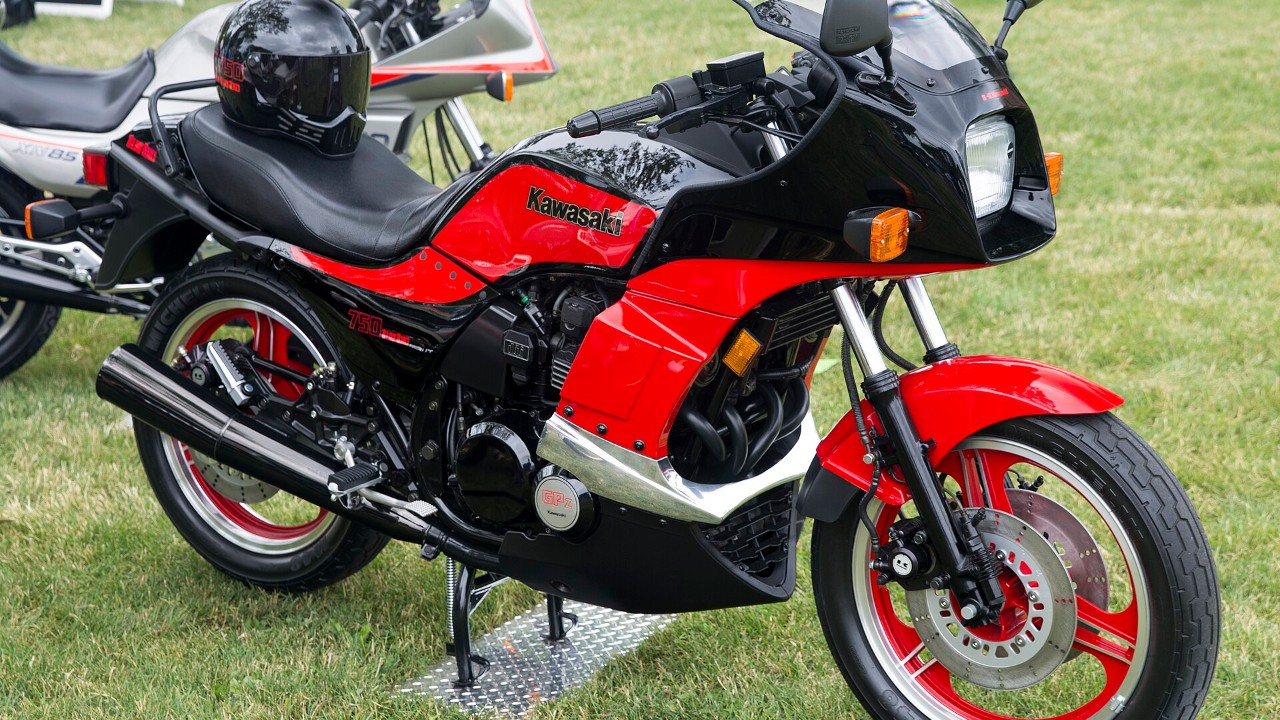
Kawasaki’s turbo bike made the most of the idea. Rider magazine says it made 95 horsepower at the rear wheel, against just under 70 for the regular GPz. Torque jumped from 41 to 63 lb-ft. A 47mm Hitachi turbo pushed 11.2 psi through Kawasaki’s Digital Fuel Injection, with compression lowered to 7.8:1.
Today, though, the complexity is the problem. The system used cutouts for excess boost and engine speeds past 11,500 rpm. Rider also notes the oil-foam air filter sat low and did poorly on dirt roads. The bike weighed about 555 pounds wet, and the chassis favored straight-line stability over cornering.
Kawasaki sold about 3,500 Turbos in the U.S. After that, it replaced the bike with the liquid-cooled Ninja 900. The new bike made slightly more power, used four valves per cylinder and cost less.
Our take: the GPz750 Turbo is fast and important, but we’d avoid it as a rider. A 40-year-old turbo and injection system is a big gamble. Buyer advice: if you want this kind of speed from the same era, the Ninja 900 gives it to you without the turbo plumbing.
4. 1983 Honda VF750F Interceptor
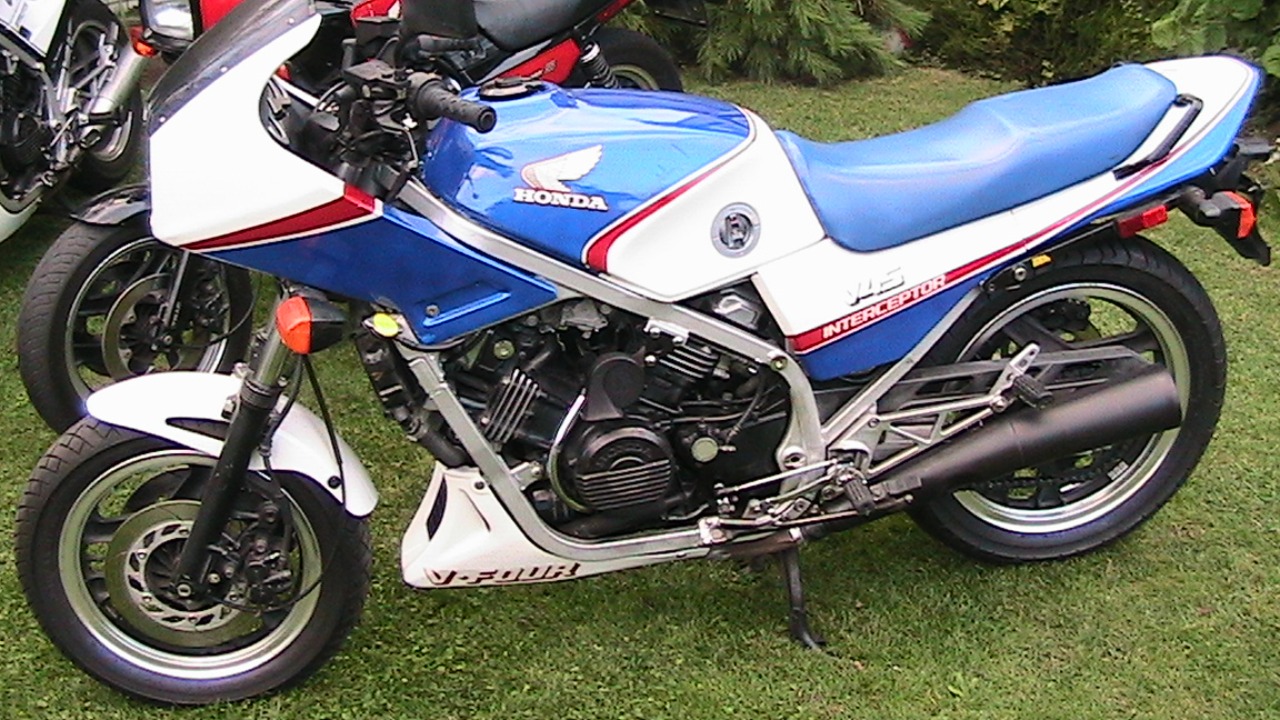
The Interceptor looked like a race bike for the street, and Honda priced it to sell. Cycle News notes it cost only $3,499. Then the engine trouble started, eventually traced to its camshafts.
A detailed history of the original Interceptor fills in the rest. Within months of launch, owners reported mechanical noise from the cylinder heads. Technicians found excessive cam wear and failing cam chain tensioners, which could disintegrate within a few thousand miles. The cause was in the machining. On these chain-drive V4s, Honda milled out the cam towers and fitted off-the-shelf caps, which could let the camshafts move.
Honda offered warranty fixes through service advisories rather than a full recall. Those changes helped with cam wear, but they didn’t solve the tensioner failures. As a result, by the time a full fix arrived, the article says, the V4 had lost its credibility.
Our take: the VF750F is a gorgeous bike with a known weak spot, so we’d pass on an unknown one. Buyer advice: ask for proof of cam and tensioner work, or look for the 1986 VFR750F, which moved to a gear-driven cam train.
5. 1984 Honda VF1000R

Honda introduced the VF1000R in Europe in March 1984 as a high-end sport bike. It had gear-driven cams and made 122 horsepower, or 125 in U.S. form, up from 113 on the VF1000F. On paper, it looked unbeatable.
In practice, however, it was heavy. The finished bike weighed nearly 600 pounds with half a tank of fuel. In other words, it carried roughly 85 pounds more than the VF1000F. Period tests also criticized its riding position as too committed for the road. Meanwhile, it rarely raced, and it struggled to be competitive when it did.
The gear-driven cams have a trade-off, too. Gear noise is a well-known drawback of a cam geartrain. Honda went on to make gear-driven cams a key feature of its VFR750 line.
Our take: the VF1000R is a handsome Honda. However, as a bike to ride, it asks you to carry a lot of weight in an uncomfortable crouch. We’d skip it. Buyer advice: if you love the style, check the fairing and bodywork carefully before you pay, and consider the lighter VF1000F if comfort matters.
6. 1983 BMW K100
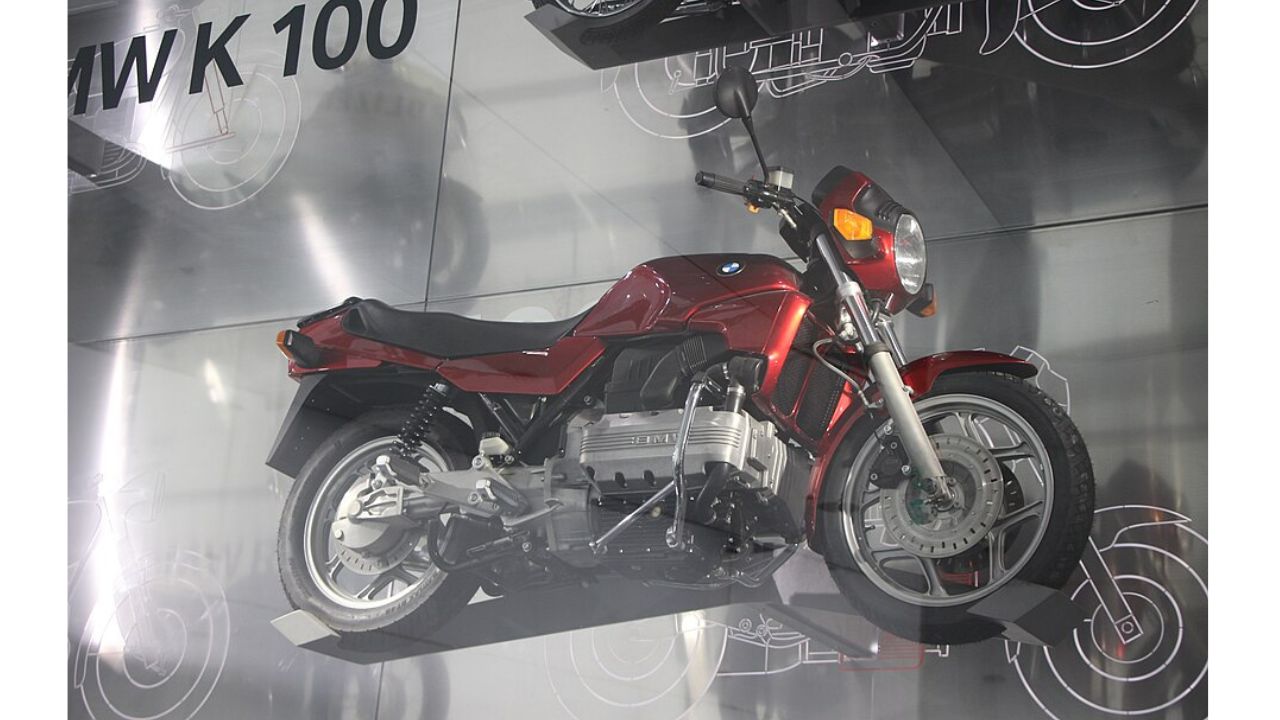
BMW’s K100 laid a 987cc four flat in the frame, with the crankshaft on the right side. Fans nicknamed it the Flying Brick. The design suited BMW’s shaft drive, yet the four-cylinder engine suffered from secondary vibration.
Even so, the bigger worries are mechanical. MCN’s buyer’s guide warns that early output shaft retaining rivets can loosen. BMW used six rivets at first and later improved the design to twelve. The shaft drive splines also need regular lubrication, or they wear early. On top of that, failing oil and water pump seals can show up as emulsified oil in the coolant tank.
The good news is that the K100’s single-plate dry clutch is normally good for 60,000 to 70,000 miles. So, the bike isn’t fragile overall. It just has a few expensive surprises.
Our take: we’d avoid an early K100 with no records. Buyer advice: listen for knocking with the engine cold and rock the rear wheel to check for final-drive play, then favor a later twelve-rivet bike.
7. 1984 Yamaha FJ1100
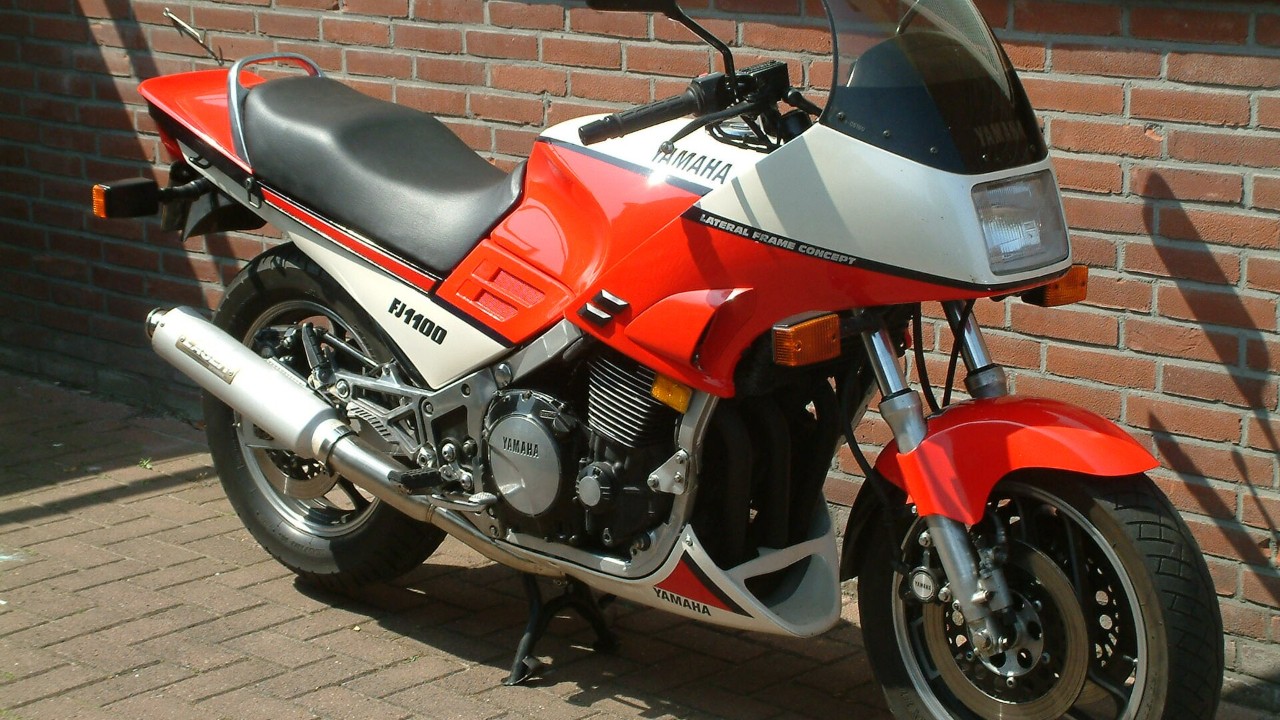
Yamaha sold the FJ1100 for the 1984 and 1985 model years. Its 1,097cc air-cooled four made around 123 horsepower, according to Australia’s Old Bike Mag. The magazine lists a dry weight of 227 kilograms, and owners often call the engine bulletproof.
Instead, the problem is the parts around it. The FJ1100 ran 16-inch wheels front and rear, and 16-inch rear tires are now scarce. Old Bike Mag also says the original silencers, made from a special high-nickel steel, are all but unobtainable. The belly pan tends to develop lumps and bubbles and becomes brittle.
Yamaha improved the bike quickly. In 1986, it became the 1,188cc FJ1200, and a 17-inch front wheel arrived in 1987. We’ve praised that later bike before in our list of four-cylinder motorcycles that never seemed to quit.
Our take: we’d skip the early FJ1100 and go straight to the bike it became. Buyer advice: if you do buy an FJ1100, check the silencers and belly pan first, because those are the hardest parts to replace.
8. 1992 Honda NR750
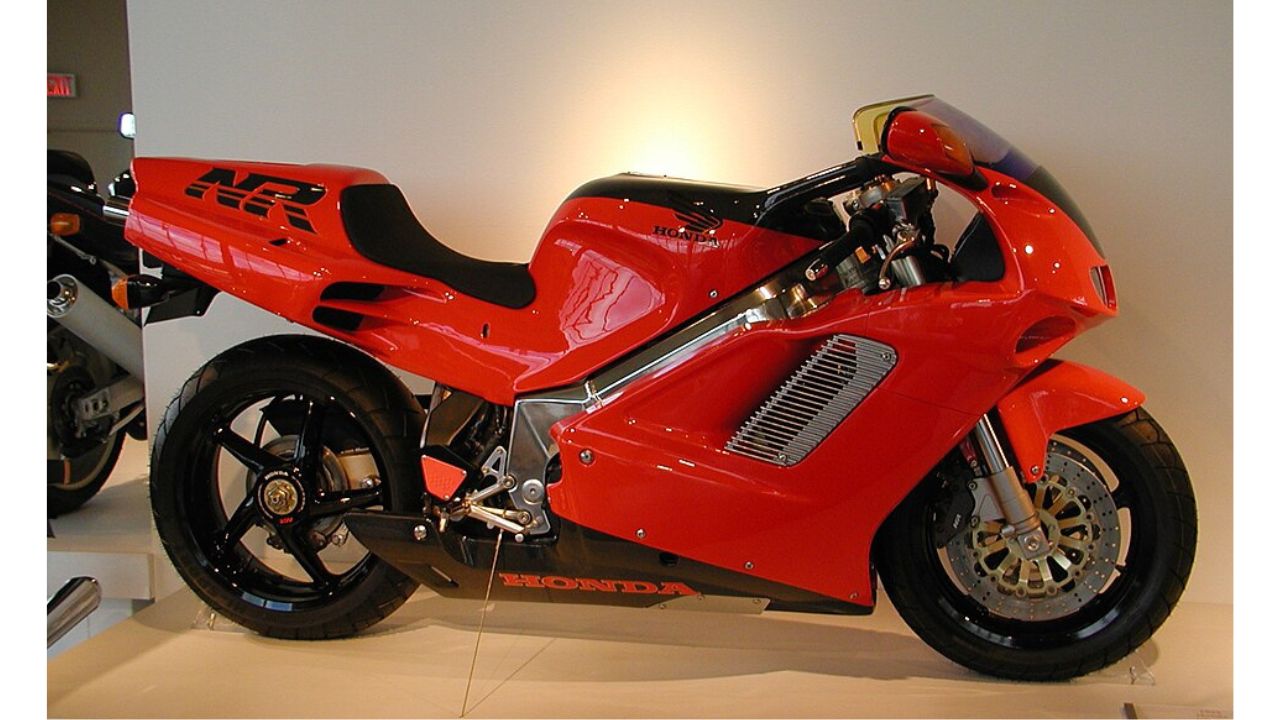
The NR750 is one of the strangest engines Honda ever sold. Honda stretched its four cylinders into oval chambers, with two connecting rods per piston and eight valves per cylinder. Hagerty puts the street bike’s output at 125 horsepower at 14,000 rpm.
Honda sold about 300 of them in 1992. The price was the real shock. It sold for $50,000 when new. It was also a heavy machine by modern standards, at 538 pounds.
For that reason, it’s a tough ownership case. You pay supercar money for a bike with sport-bike performance and an engine full of unique parts. Hagerty also notes that owners kept most of the 1992 bikes as collector pieces. That’s why low-mileage examples come up for sale.
Our take: the NR750 is a technical marvel and a museum piece. As a bike to ride, we’d avoid it, because one engine problem could leave you with a very expensive sculpture. Buyer advice: treat it as a collectible, buy the lowest-mileage, best-documented example you can, and plan on specialist care.
9. 1976 Honda CB400F Super Sport
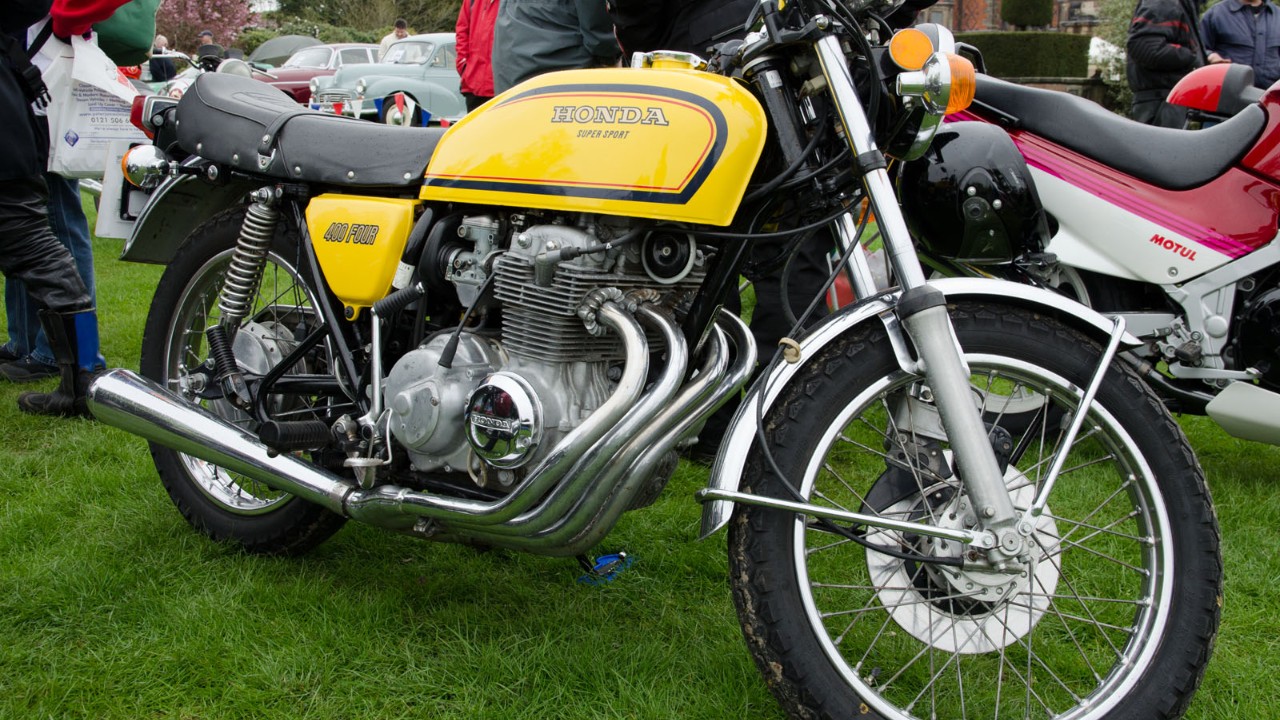
The CB400F is a lovely little bike, but it was a tough sell even when new. Its 408cc four made a claimed 37 horsepower at 8,500 rpm. It also cost 15% to 20% more than its rivals. Worse, it lacked the acceleration of the competition’s two-strokes, and U.S. sales fell short of what Honda expected.
Even so, Honda sold around 105,000 of them from 1975 to 1977. The bike’s best-known feature is its swooping four-into-one exhaust. Yet that same exhaust is the buying trap now. Bike-urious notes that original pipes are not always easy to find. One clean 1976 example with its original exhaust sold for $7,500 on eBay.
If you’re a Honda fan, our list of Honda CB motorcycles that became legends covers the family’s high points.
Our take: a CB400F with a replacement exhaust loses much of its appeal, and finding the original part can cost you time and money. We’d pass on any bike missing its pipes. Buyer advice: insist on the original four-into-one exhaust, or budget for it before you make an offer.
10. 1979 Yamaha XS1100
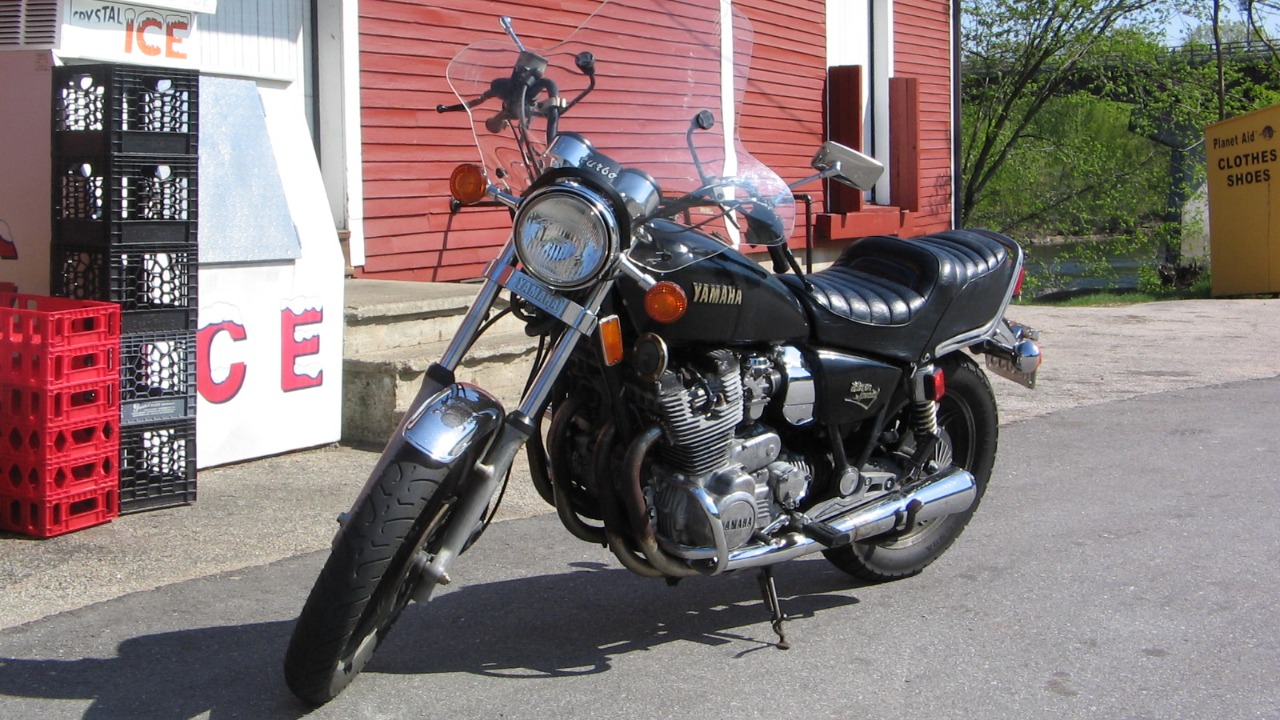
Yamaha’s XS1100 was a powerful, heavy touring four. In a 1978 road test reported by Two Wheels, it weighed 620 pounds fueled, about 77 pounds more than Suzuki’s GS1000. Yamaha claimed 105 horsepower at the crank, while the magazine’s dyno showed 77. The bike changed little through the 1979 model.
Meanwhile, handling was the weak point. Two Wheels found wheelspin common on damp roads and even painted lines, and the front wheel could lift over humps. Cycle magazine warned that the bike could go, stop and steer, just never two at the same time. The rear tire also wore quickly under power.
Later bikes didn’t fix that. U.S. emission changes for 1980 reduced performance, and late models had noticeably worse cold starts. They also never matched the 11-second quarter miles of the 1978 and 1979 bikes.
Our take: we’d avoid an XS1100 if you want a sporty ride. It’s best treated as a straight-line tourer. Buyer advice: choose a 1978 or 1979 bike, fit quality tires, and budget for frequent rear tire changes.
11. 1982 Suzuki GSX1100S Katana
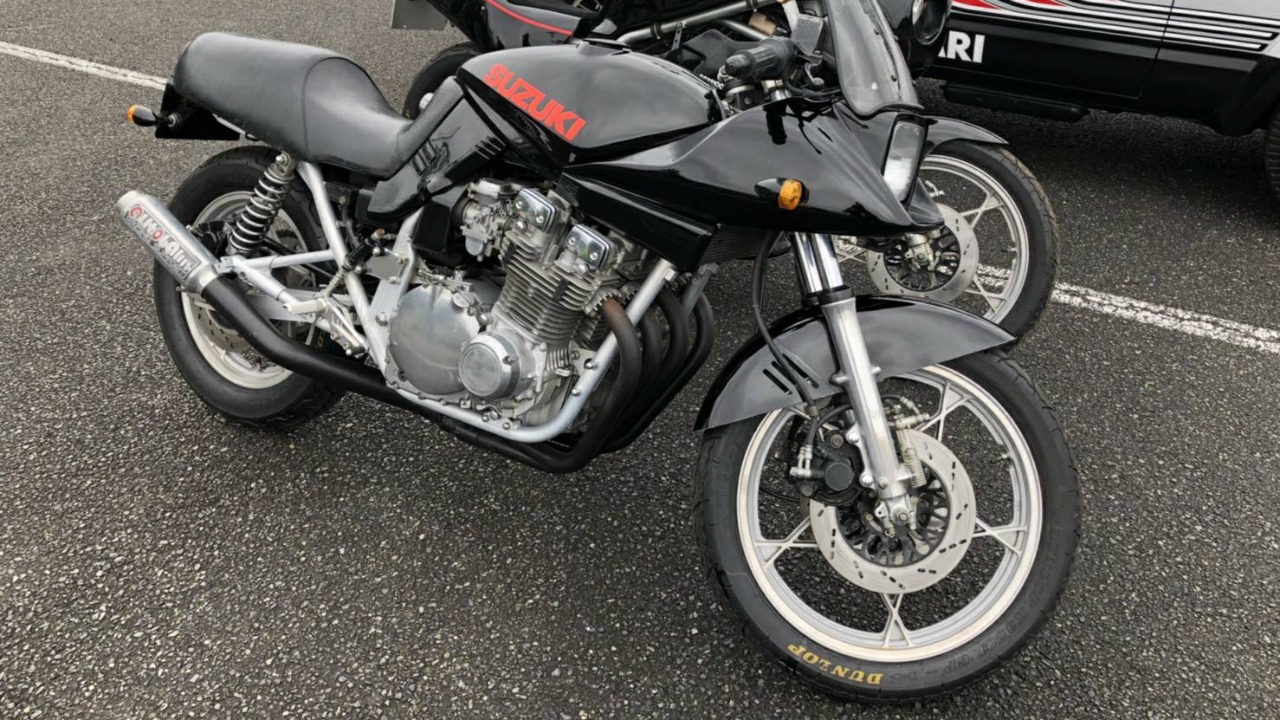
The Katana’s look came from Target Design, a team led by former BMW styling chief Hans Muth. It turned heads from its 1981 launch. Underneath sat a 1,074cc air-cooled four with 16 valves, rated at 111 horsepower. In 1983, Cycle Canada recorded a top speed of 147 mph for the 1100 Katana.
The real problem, though, is living with it. Bennetts BikeSocial calls the riding position “cripplingly uncomfortable,” with a long reach to the low clip-on bars and cramped footrests. The bike also weighs a claimed 232 kilograms, or about 511 pounds, dry.
On top of that, prices make the decision harder. BikeSocial lists values from £3,000 to £10,000, and it says patience and about £10,000 will get you a mint example. Most bikes have already had at least one restoration.
Our take: the Katana is a design icon, but we’d skip it as a bike to ride often. Buyer advice: take your time, stick to your budget, and sit on any Katana for a while before you buy, because the riding position is the deal-breaker.
12. 1985 Suzuki GSX-R750

Suzuki unveiled the GSX-R750 at the Cologne show in October 1984 for the 1985 model year. To save weight, it used an air-and-oil-cooled engine instead of water cooling. Its flat bodywork later earned these early bikes the “slabby” nickname. Bennetts lists a dry weight of 176 kilograms and a claimed 100 horsepower.
However, early bikes had a serious flaw. BikeSocial’s buyer’s guide says they suffered from high-speed weaves and tankslappers. In addition, the flat-slide carbs run poorly at low revs, and the big oil cooler can be expensive to replace. BikeSocial adds that bleeding the brakes and fixing the anti-dive system are both complicated jobs. Many owners also crashed their bikes or turned them into streetfighters, and some 750 frames now carry 1100 engines.
Our take: the first GSX-R is a landmark in our view, but we’d avoid the earliest 1985 bikes. A weave at speed is not a fault you want to discover the hard way. Buyer advice: look for a 1986 or later bike, when Suzuki addressed the weave with stronger wheels and bigger spindles.
More from Fast Lane Only