Smart buyers like you are looking past glossy ads and focusing on what really matters: reliability, resale value, and everyday livability. Drawing on large-scale reliability survey data and detailed depreciation analysis, the vehicles below are attracting more red flags than interest. If you want your next purchase to feel smart years from now, these are 12 models you should think twice about before signing anything.
Chrysler Pacifica Hybrid
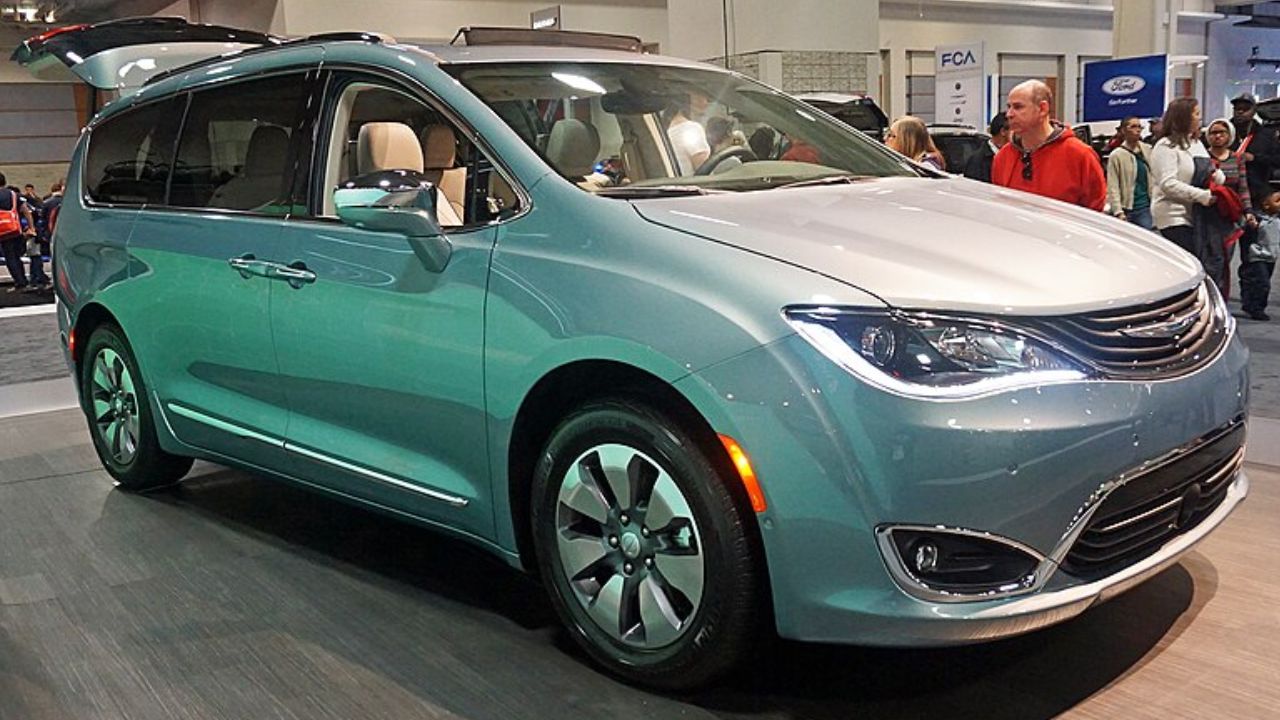
The Chrysler Pacifica Hybrid has become a cautionary tale for shoppers who want plug-in efficiency without constant service visits. In a list of the top 10 least reliable vehicles for 2026, the Pacifica Hybrid is singled out with a troubling Reliability score and a warning that complex plug-in systems are “almost always the most problematic.” That means more time at the dealer and higher repair bills once warranties expire, especially for families who rack up miles quickly.
For you, the risk is that a minivan bought to simplify life instead becomes a long-term headache. When a model is already near the bottom of reliability rankings this early in its life cycle, used values can soften, extended warranties get pricey, and ownership costs climb. If you want a family hauler with fewer unknowns, a conventional gasoline Pacifica or a rival minivan with a stronger track record is likely a safer bet.
Honda Prologue

The Honda Prologue is attracting attention for the wrong reasons, both for reliability concerns and for what it really is under the skin. In a ranking of Least Reliable Vehicles, the Honda Prologue lands with a score of 25 out of 100, and the Article even highlights a 2025 Honda Prologue Elite Photo by Honda to underline how new it is. Another analysis bluntly notes that “The Honda Prologue is a rebadged Chevy Blazer. It is a Chevy with a Honda badge on it,” warning that Residual value and quality may not match traditional Honda expectations.
For a smart buyer, that combination is troubling. You are paying Honda pricing and banking on Honda durability, yet the platform and battery tech are tied to Chevy. If early reliability scores are already this low, you could face both higher repair risk and weaker resale. Until long-term data improves, you may be better off with an EV that is engineered and supported entirely in-house by its brand.
Toyota Mirai

The Toyota Mirai, often misspelled as Marai, was supposed to showcase Hydrogen as the next big thing, but the economics have turned sharply against owners. One breakdown of “WORTHLESS” cars in 2026 notes that Hydrogen prices spiked to over 30 dollars per kg and that at these rates fueling a Marai costs nearly 2 times what drivers expected, making everyday running costs punishing. Another list of vehicles expected to plummet in value singles out the Toyota Mirai as a prime example of a car whose resale prospects have collapsed.
For you, the stakes are clear: a limited fueling network, volatile Hydrogen prices, and shrinking demand combine to crush used values. Even generous discounts on a new Mirai may not offset the risk of owning a sedan that many buyers simply cannot refuel conveniently. Unless you live right on top of multiple hydrogen stations and accept the resale hit, this is a technology play most smart shoppers are now avoiding.
Chevrolet Bolt
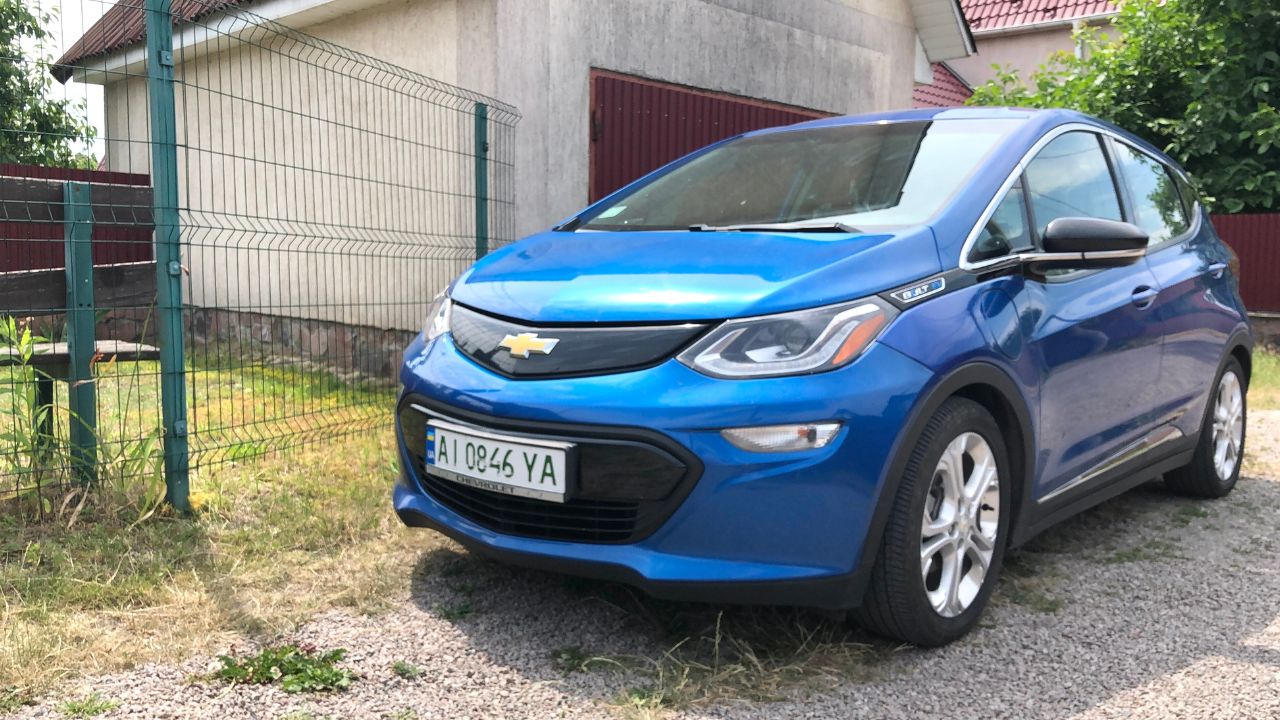
The Chevrolet Bolt once looked like an affordable gateway into EV ownership, but its reputation has been dented by serious battery issues. In a review of electric vehicles to avoid, one analysis cites battery fire recalls in the Chevrolet Bolt and raises concerns about how those recalls were handled. Even if the hardware fixes are in place, the stigma of fire risk can linger in shoppers’ minds and in used-car pricing guides.
As a buyer, you have to weigh the attractive purchase price against that history. Insurance costs, charging restrictions in some buildings, and nervous future buyers can all chip away at the value proposition. When there are newer small EVs without this baggage, many savvy shoppers are deciding that the Bolt’s discount is not worth the long-term uncertainty.
Mazda MX-30
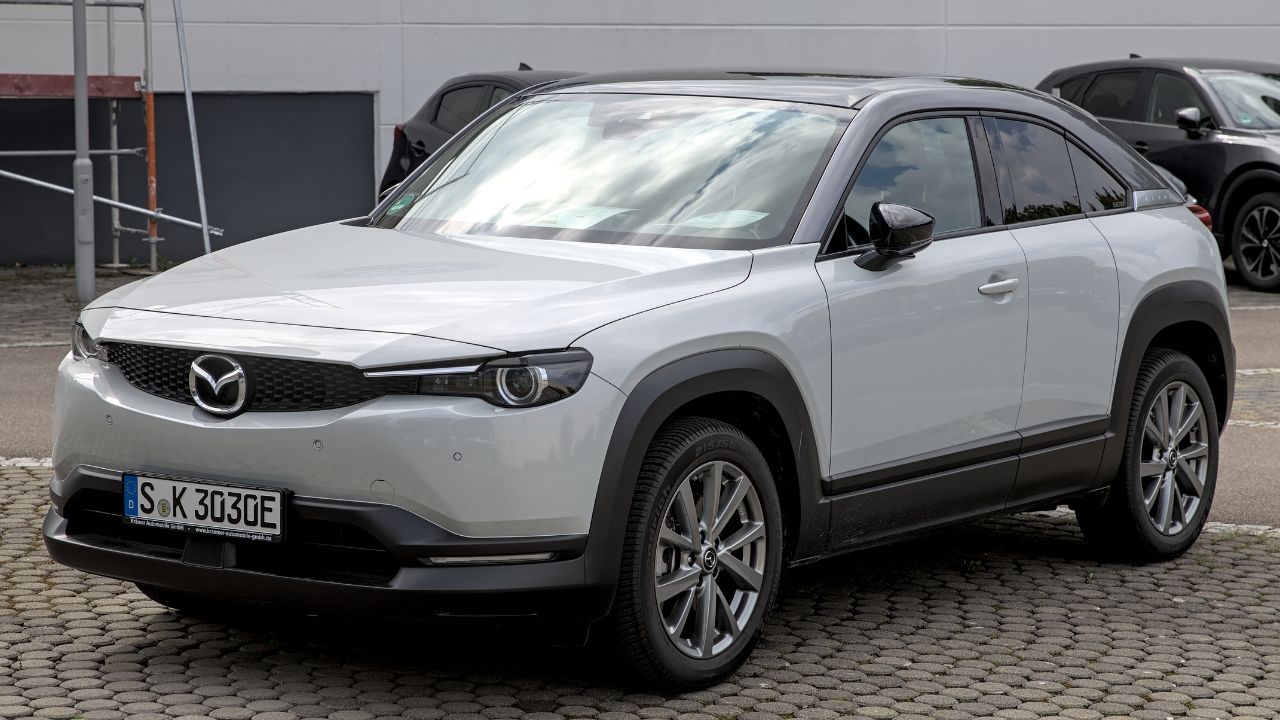
The Mazda MX-30 is another EV that smart buyers are quietly passing over, largely because of its limited range. The same review that flags the Bolt also criticizes the Mazda MX for offering so little real-world driving distance that it becomes hard to justify as a primary car. When you combine that with restricted market availability and modest charging performance, the MX-30 starts to look like a niche experiment rather than a practical daily driver.
For you, the risk is getting locked into a vehicle that feels outdated almost immediately. Short range can limit road trips, complicate winter driving, and reduce appeal on the used market. As more capable EVs arrive with longer ranges at similar prices, the MX-30’s weaknesses become more obvious, which is why value-focused shoppers are steering away.
Mini Cooper SE Electric
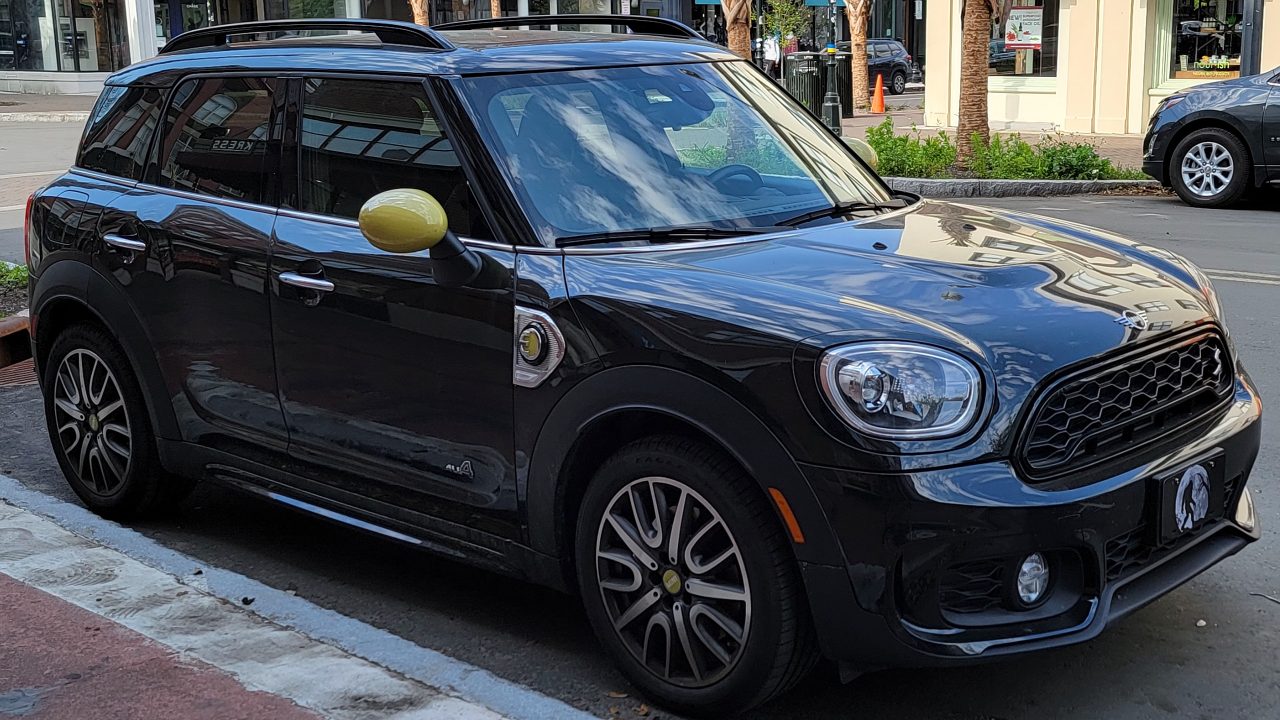
The Mini Cooper SE Electric delivers fun handling and iconic styling, but its compromises are turning off informed buyers. In the same discussion of EVs to skip, the Mini Cooper SE is flagged for limited range that restricts it mostly to city duty. That might be fine if pricing were rock-bottom, yet the car still carries a premium badge and the higher insurance and repair costs that come with it.
From your perspective, that means paying a lot for a second car that cannot easily replace your main vehicle. As charging infrastructure and expectations evolve, a short-range EV risks feeling obsolete faster, which can drag down resale values. Unless you are shopping specifically for a stylish urban runabout and accept those trade-offs, there are more balanced options for the money.
Chrysler Pacifica (plug-in and gas)

It is not just the hybrid version of Chrysler’s minivan that is raising eyebrows. In a broad look at the 10 least reliable, Chrysler models, including the Pacifica line, show up with low predicted scores based on a survey of about 380,000 vehicles. That kind of sample size suggests the problems are not isolated, and they often involve complex electronics and sliding-door hardware that are expensive to fix once warranties end.
For families like yours, a minivan is supposed to be the dependable workhorse that just runs. When a model appears repeatedly in reliability warnings, it can mean more time juggling service appointments and rental cars. Over several years, those hassles and repair bills can easily outweigh any upfront discount, which is why many smart buyers are now cross-shopping more reliable vans instead.
Ram 1500 (certain recent years)

The Ram 1500 has a loyal following for its comfort and towing ability, but recent reliability data is sobering. In a ranking of the most and Least Reliable Vehicles, the Ram 1500 receives a score of 5 out of 100, a “truly awful” result that highlights repeated issues with drivetrains and in-car electronics. For a truck that many owners depend on for work, that level of risk is hard to ignore.
If you are shopping for a pickup to tow, haul, or commute long distances, frequent repairs can quickly erase any comfort or styling advantages. Downtime means lost income for contractors and higher rental costs when the truck is in the shop. With rival trucks posting stronger reliability scores, many savvy buyers are deciding that the Ram 1500 is simply too big a gamble right now.
Volkswagen Taos

The Volkswagen Taos promises big-car space in a small SUV footprint, but its reliability record is already shaky. A detailed look at 2025 gas SUVs under 30,000 dollars notes that the 2024 Taos earned a woeful 1 out of 5 rating in Volkswagen Taos Reliability testing, with the engine and transmission singled out as trouble spots. Even with updates for 2025, that kind of early track record is hard to shake.
For you, the concern is buying into a model that may still be working through first-generation bugs. Compact SUVs are supposed to be low-stress, low-cost transportation, not rolling science projects. When a vehicle is already on reliability watchlists this early, resale values can soften and extended warranties become almost mandatory, which eats into any savings you thought you were getting.
Hyundai Santa Cruz
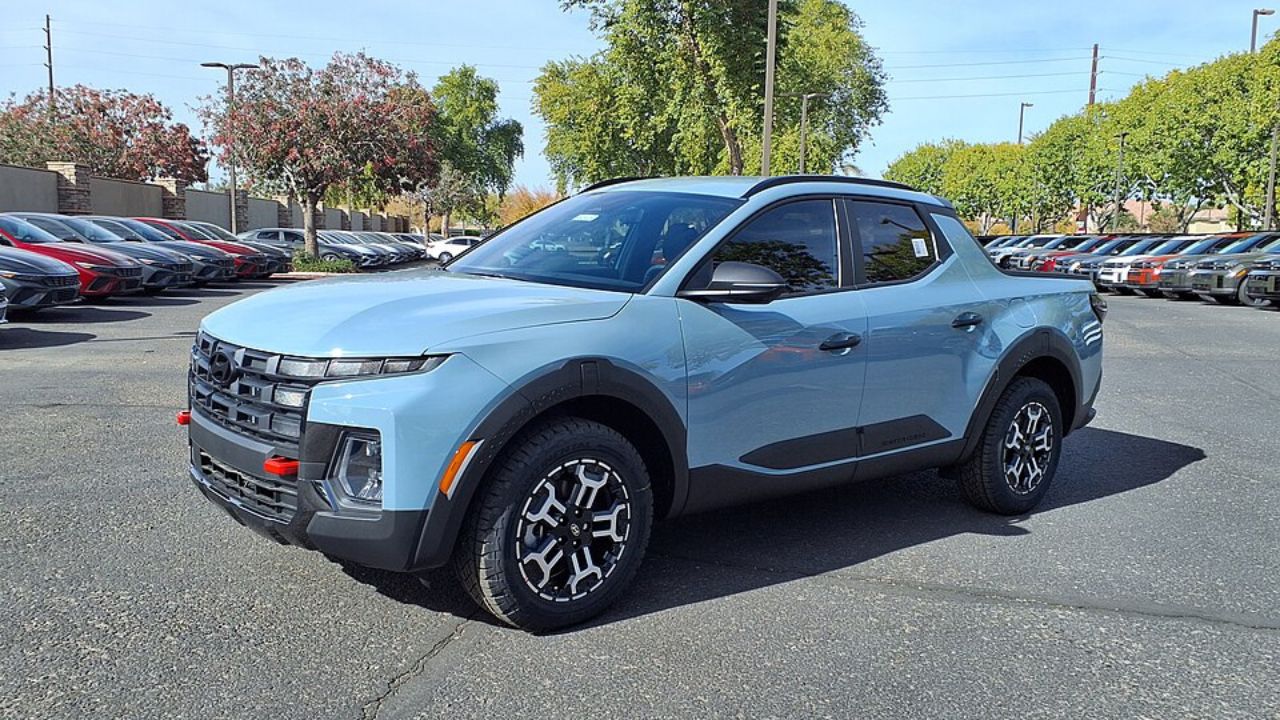
The Hyundai Santa Cruz is often praised as a clever “sport adventure vehicle,” but smart buyers are starting to question its long-term value. A comparison that crowns the Most Practical Pickup actually gives that title to The Rivian R1T, noting its Top Safety Pick award from the IIHS and its ability to avoid many of the compromises that come with owning a full-sized electric truck. In that context, the Santa Cruz’s small bed, modest towing, and crossover-based structure look less compelling.
From your standpoint, the Santa Cruz can feel like it falls between categories, without excelling at either. It lacks the serious work capability of a traditional pickup yet does not match the cargo flexibility of a true SUV. As buyers gravitate toward vehicles that clearly fit their needs, that in-between positioning could hurt resale and make this quirky trucklet a tougher sell down the road.
Nissan Titan
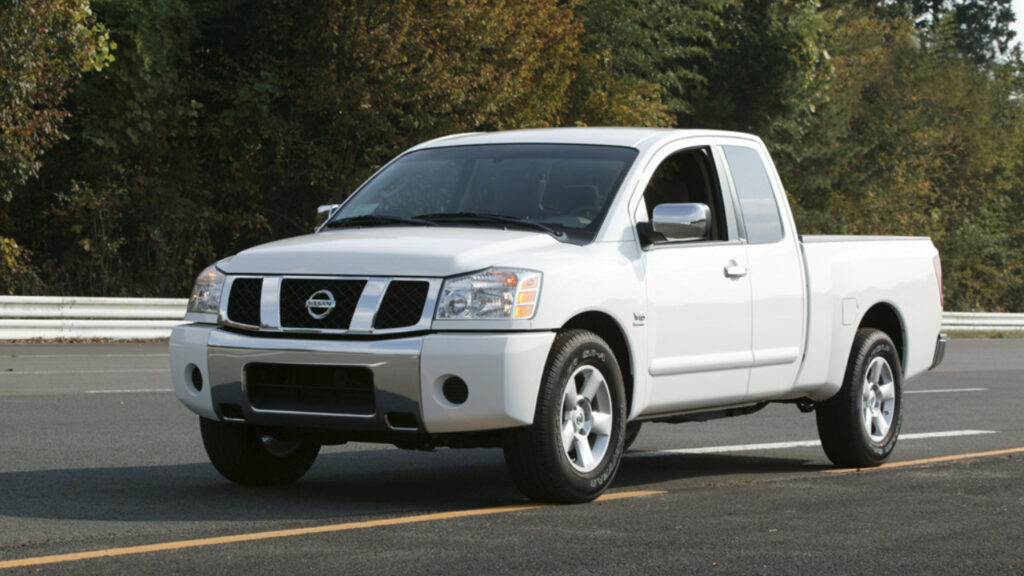
The Nissan Titan offers strong V8 power and generous standard features, but its uncertain long-term future gives cautious buyers pause. With production reportedly winding down in some markets, resale value projections are less predictable than rivals with clearer product roadmaps and stronger sales momentum.
Smart buyers are wary of investing in a full-size truck that may lack ongoing development and strong aftermarket support. In a competitive segment dominated by Ford, Chevrolet, and Ram, the Titan struggles to match refinement, efficiency, and long-term brand backing, making alternatives feel like safer bets.
Jeep Grand Wagoneer
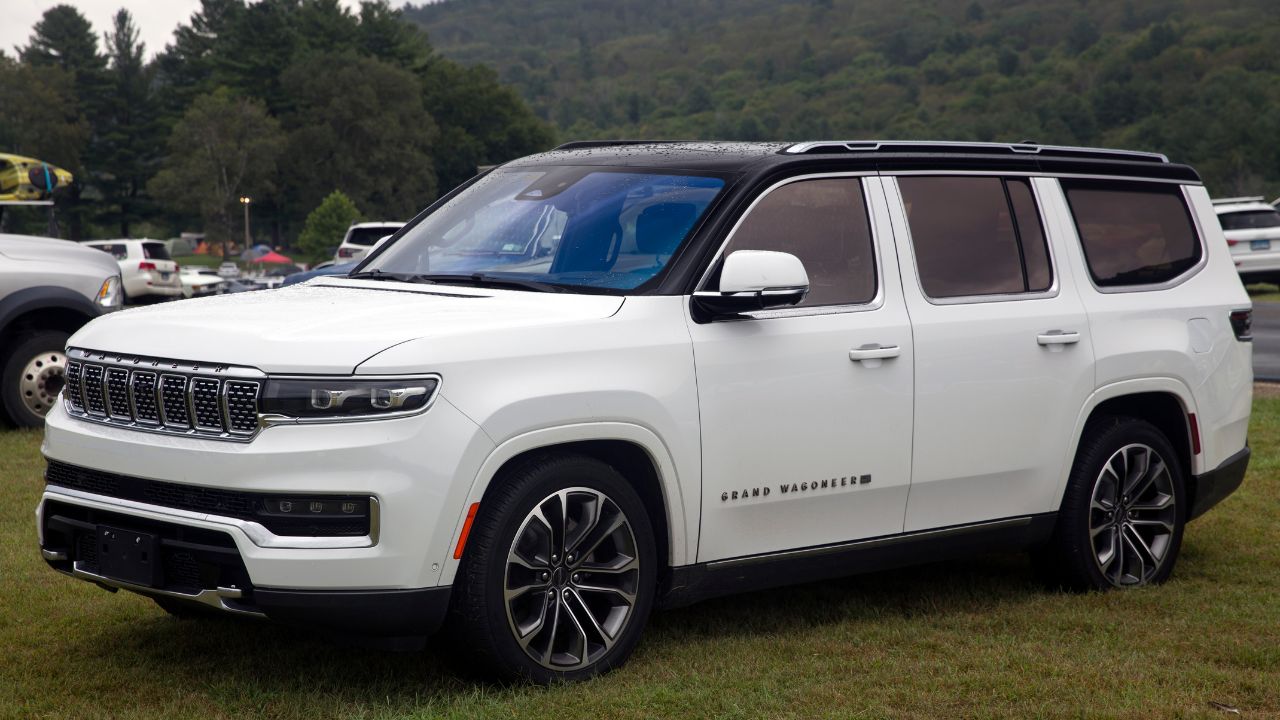
The Jeep Grand Wagoneer delivers impressive size, technology, and luxury appointments, yet its premium pricing pushes it into direct competition with established luxury brands. Early depreciation patterns suggest it may not retain value as strongly as some traditional high-end rivals.
Fuel economy and long-term maintenance considerations also factor into buying decisions. With many well-proven alternatives available, cautious shoppers often hesitate before committing to a large, newly reintroduced luxury nameplate with evolving market positioning.
More from Fast Lane Only