If you are shopping for a new ride, the cars losing value fastest can quietly drain tens of thousands from your net worth. Depreciation is not just an abstract percentage, it is the gap between what you pay today and what you can realistically get back in a few years. Here are 10 specific models that recent data shows are shedding value far faster than most buyers expected.
BMW 7 Series

The BMW 7 Series has become a textbook case of brutal luxury-car depreciation. Research on Series Resale Value notes that a new BMW 7 Series can lose more than four fifths of its value over a typical ownership cycle, with one benchmark putting five year depreciation at 83.8 percent. Another analysis of cars that depreciate the most reports that the top car with the fastest deprecation is the BMW 7 Series, with an average drop of 72.6% over five years.
A social breakdown of the highest depreciating vehicles even highlights the BMW seven series at “67” percent in one ranking, underlining how consistently this flagship sedan appears near the bottom of resale charts. For you as a buyer, that means a lavish new 7 Series can be a painful financial move, while a lightly used example might be a bargain if you are comfortable owning a car that keeps sliding in value.
Maserati Levante

The Maserati Levante shows how quickly prestige can evaporate on the used market. A detailed look at luxury SUVs that lose value finds the Maserati Levante suffering “72% Depreciation After Thr” years, meaning nearly three quarters of its original price can vanish in roughly the time it takes you to pay off a typical loan. That aligns with broader commentary that luxury brands like Maserati tend to lose value much faster than average.
For you, the implication is stark. A new Levante delivers an exotic badge and dramatic styling, but the combination of high running costs, limited dealer networks and an aging platform makes used buyers wary. If you are tempted, it is far safer to let the first owner absorb that 72 percent hit, then shop carefully for a well documented used example at a fraction of the original sticker.
Jaguar XJL

The Jaguar XJL is another luxury sedan that looks like a steal on the used lot precisely because it has already punished its first owner. One resale study notes that the Jaguar XJL “depreciates by 66.4% after 5 years of ownership,” wiping out roughly two thirds of the car’s initial value. That kind of slide is far steeper than mainstream sedans and even many rival luxury models.
Behind those numbers are familiar worries, from reliability perceptions to shrinking dealer footprints and the brand’s shifting product strategy. If you buy an XJL new, you are effectively betting that the comfort and style justify losing most of your investment within one loan term. If you buy used, you can enjoy the same long wheelbase luxury for a price that reflects how quickly the market has turned on this once aspirational sedan.
Jaguar F-Pace

The Jaguar F-Pace shows that the brand’s depreciation problem is not limited to sedans. An analysis of the top 10 highest depreciating cars for 2025 singles out the Jaguar F-Pace, with author Valerie Raskovic stressing that “When purchasing a new car, one of the most significant factors to consider is depreciation.” In that context, Depreciation becomes the central reason the F-Pace lands on the wrong side of the value equation.
For you, the F-Pace’s rapid slide reflects both brand specific concerns and the broader cooling of some luxury SUV segments as buyers chase newer tech and more efficient drivetrains. While the F-Pace still offers sharp handling and distinctive styling, its resale track record suggests you should negotiate aggressively on any new purchase or, better yet, target a certified pre owned model that has already absorbed the steepest part of the curve.
Audi RS e-tron GT

The Audi RS e-tron GT illustrates how cutting edge electric performance cars can lose value even faster than their gasoline peers. Depreciation data shows that An Audi RS e-tron GT will depreciate “63% after 5 years” and have a 5 year resale value of “$62,690,” despite its six figure starting price. That means nearly two thirds of your initial outlay can disappear in half a decade.
Part of the problem is the pace of EV technology, with rapid improvements in range and charging making early generations feel dated quickly. Social breakdowns of the ten highest depreciating vehicles also flag “rapid tech changes (especially” in EVs as a key driver, as highlighted in one video breakdown. If you crave this car’s performance, buying used after that initial 63 percent drop can dramatically improve your value equation.
Tesla Model 3 (2022)

The 2022 Tesla Model 3 was once treated as a safe bet, but it now appears among the fastest depreciating cars in recent rankings. A review of the Fastest depreciating cars in 2025 lists the “2022 Tesla Model 3” among the top five, noting that the cars reported to depreciate the fastest seemed to have one notable thing in common, They were electric vehicles. That pattern reflects a broader shift in demand for EVs.
Several analyses of EV markets point out that interest in electric models has cooled as buyers worry about costs, charging access and long term battery health. At the same time, new data shows that EVs are depreciating much faster than gas powered cars, raising questions about the long term viability of electrification. For you, that means a new Model 3 is no longer the resale champion it once appeared to be, and a used example may offer far better value.
Cadillac ATS

The Cadillac ATS was engineered to rival established European sport sedans. It delivered sharp handling and competitive performance.
Despite strong reviews, shifting consumer preferences away from sedans reduced demand. That decline in segment popularity caused resale values to drop faster than projected.n be a risk if you buy new but an opportunity if you shop used and plan to keep the car for many years.
BMW 5 Series (selected trims)
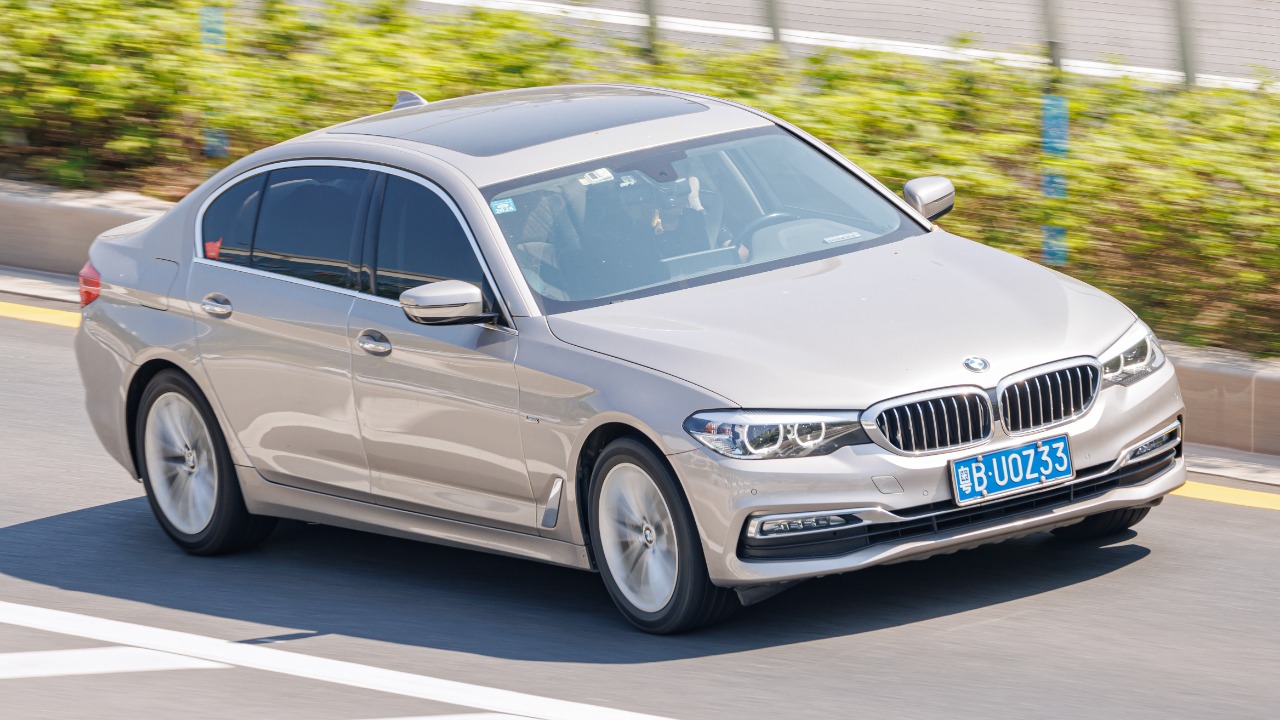
While not as extreme as its bigger sibling, the BMW 5 Series appears in several depreciation rankings that should give you pause. A social list of the top 10 highest depreciating vehicles highlights the BMW brand repeatedly, with one segment noting that in second, the BMW seven series is at 67.1 percent and that other BMW models follow similar paths. A separate table on the Depreciation Path for shows some trims with an Estimated Value Retained After 5 Years of roughly 45 percent.
That implies a depreciation of around 55 percent, which is steep for an executive sedan. For you, the message is that certain BMW 5 Series configurations, especially heavily optioned luxury or plug in variants, can lose value faster than you might assume from the badge alone. If you are set on a 5 Series, focusing on simpler, well known trims and buying after the initial three year drop can help you avoid the worst of that slide.
Maserati Ghibli

The Maserati Ghibli reinforces the pattern that has made Maserati a cautionary tale for resale. Financial experts quoted in one analysis state, “From my experience, luxury brands like Maserati, BMW and Cadillac tend to lose value much faster than average,” with Bialaszewski singling them out as examples. The Ghibli, as Maserati’s volume sedan, sits squarely in that high risk zone.
Used price guides routinely show Ghiblis selling for a fraction of their original MSRP after only a few years, reflecting concerns about reliability, dealer coverage and running costs. For you, that means a new Ghibli is one of the cars most likely to lose value faster than you expect, while a carefully vetted used car can deliver the same Italian drama at a price that already bakes in the brand’s steep depreciation curve.
Nissan Leaf (Early Models)
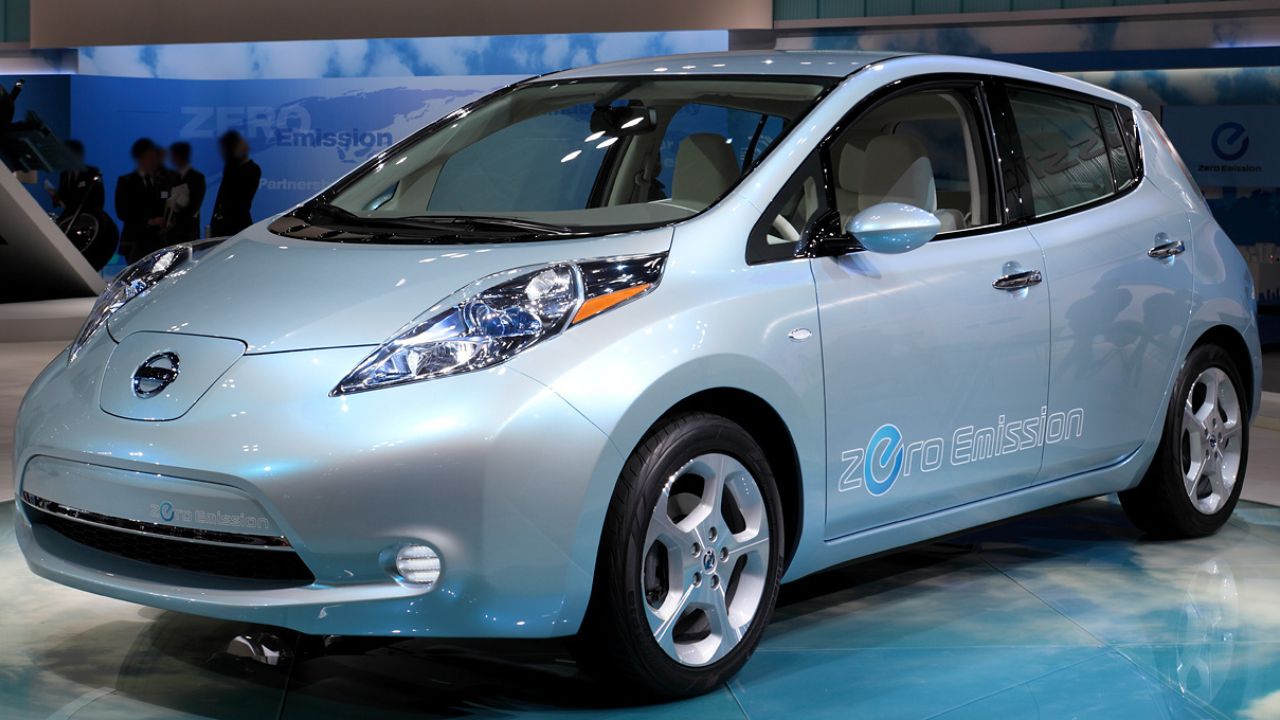
The early Nissan Leaf played a pioneering role in mainstream electric mobility. Its affordability and practicality appealed to early adopters.
As battery technology improved rapidly, earlier models felt outdated. Limited range and evolving charging standards pushed resale values down faster than many expected in the growing EV market.
More from Fast Lane Only