You probably know that a new car loses value the second you sign the paperwork, but some models shed cash faster than others. Data on depreciation, resale values, and slow sales shows that certain luxury sedans, SUVs, and EVs can become money pits almost as soon as you leave the lot. Here are 14 specific cars that have been hammered on value, so you can think twice before watching your investment evaporate in the first year.
Tesla Model S
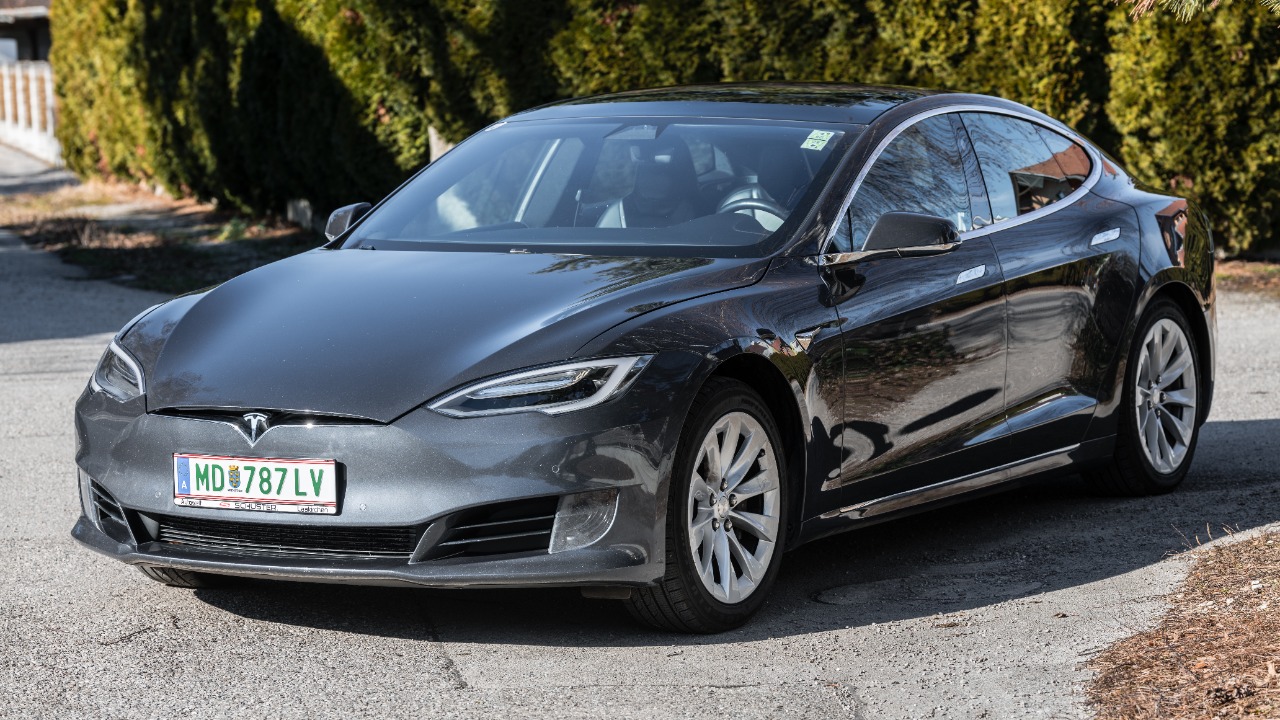
The Tesla Model S is a textbook case of a high-tech car that can lose value quickly once you drive away. Analysts tracking The Tesla Model warn that it is facing an “onslaught of factors” pushing down prices, from rapid battery and software updates to fierce competition from newer EVs. When a car’s tech feels outdated after only a year or two, used buyers demand steep discounts, so your brand-new flagship sedan can look overpriced almost immediately.
At the same time, broader EV trends are working against you. Market watchers note that Used EV Prices, which is great if you are shopping secondhand but brutal if you just paid full sticker. Even the prestige of buying directly from Tesla cannot fully shield you from that slide, so you need to factor in aggressive early depreciation before committing.
Jaguar I‑Pace EV
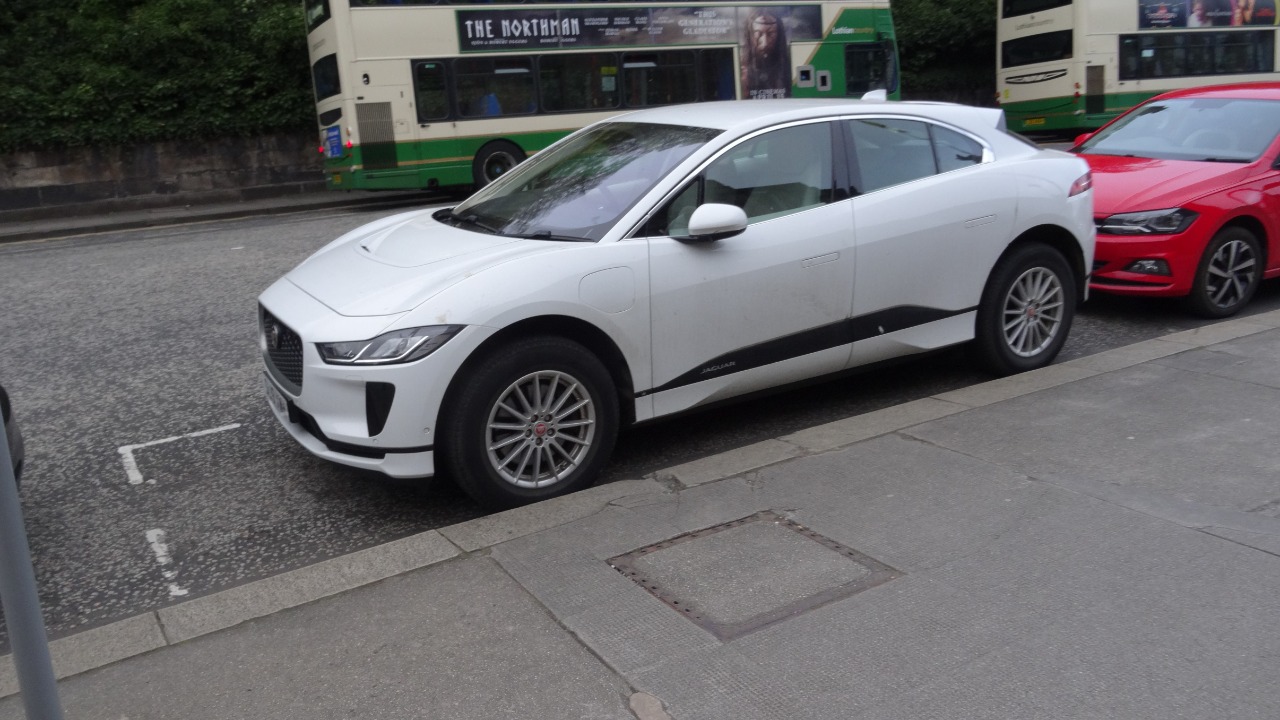
The Jaguar I‑Pace EV is one of the starkest examples of a luxury electric crossover that craters in value. Data compiled on five-year resale shows the Jaguar i‑Pace EV losing 72% of its original MSRP, or $51,953, over that period. Another analysis notes that The Jaguar I‑Pace loses over 70% of its value, citing a 72.2% drop after five years.
When a car is projected to shed more than 70% of its MSRP, the hit starts the moment you leave the lot, because dealers and private buyers price in that future loss. If you finance heavily, you risk being upside down on your loan almost immediately. For you as a shopper, that means the I‑Pace can be a bargain used, but a risky choice new if you care about preserving equity.
BMW 7 Series
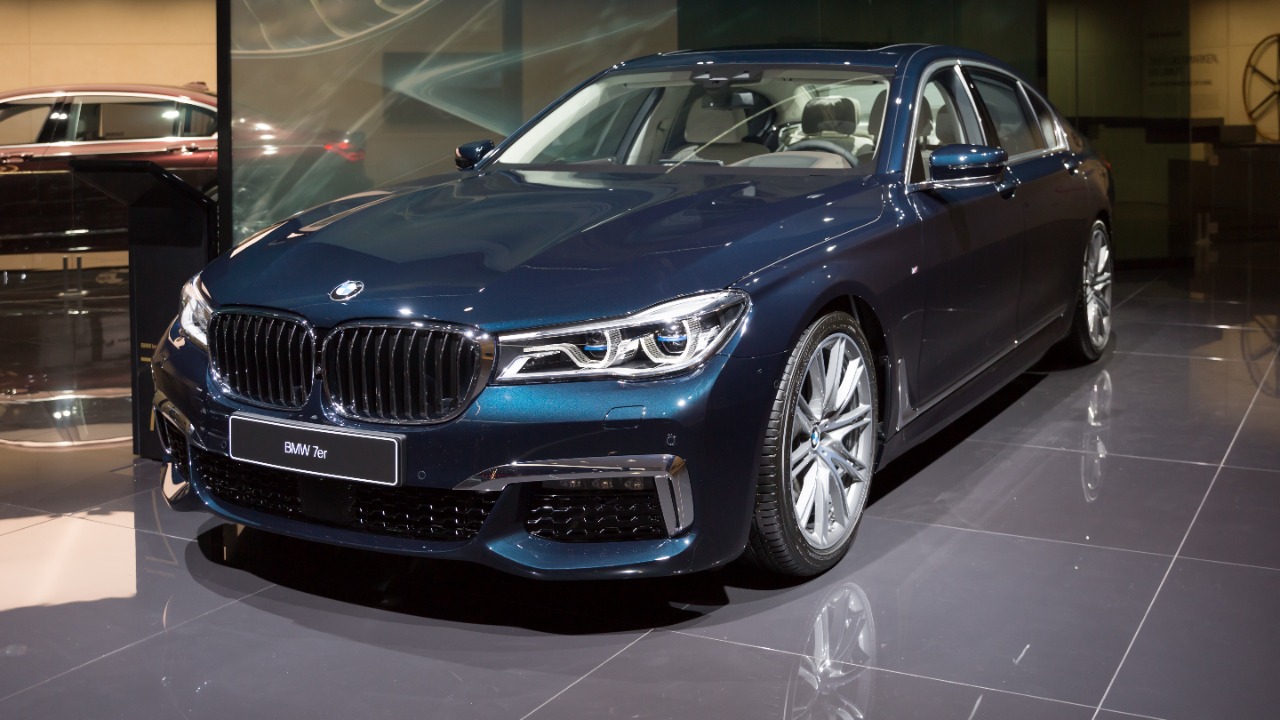
The BMW 7 Series is a classic luxury sedan that quietly punishes owners on resale. One depreciation study found the BMW 7 Series sedan loses 67.1% of its value, or $65,249 of MSRP, over five years. Another breakdown of Series Five Year Depreciation calls The BMW 7 Series the “king of depreciation,” pegging that same 67.1% slide.
Even short term, the pattern is clear. An Appraisal Report for a 2026 model shows how quickly Car Value and Depreciation numbers diverge in just one year. For you, that means the prestige of a flagship BMW comes with a steep, almost immediate financial haircut once you roll off the dealer’s property.
BMW 5‑Series Hybrid
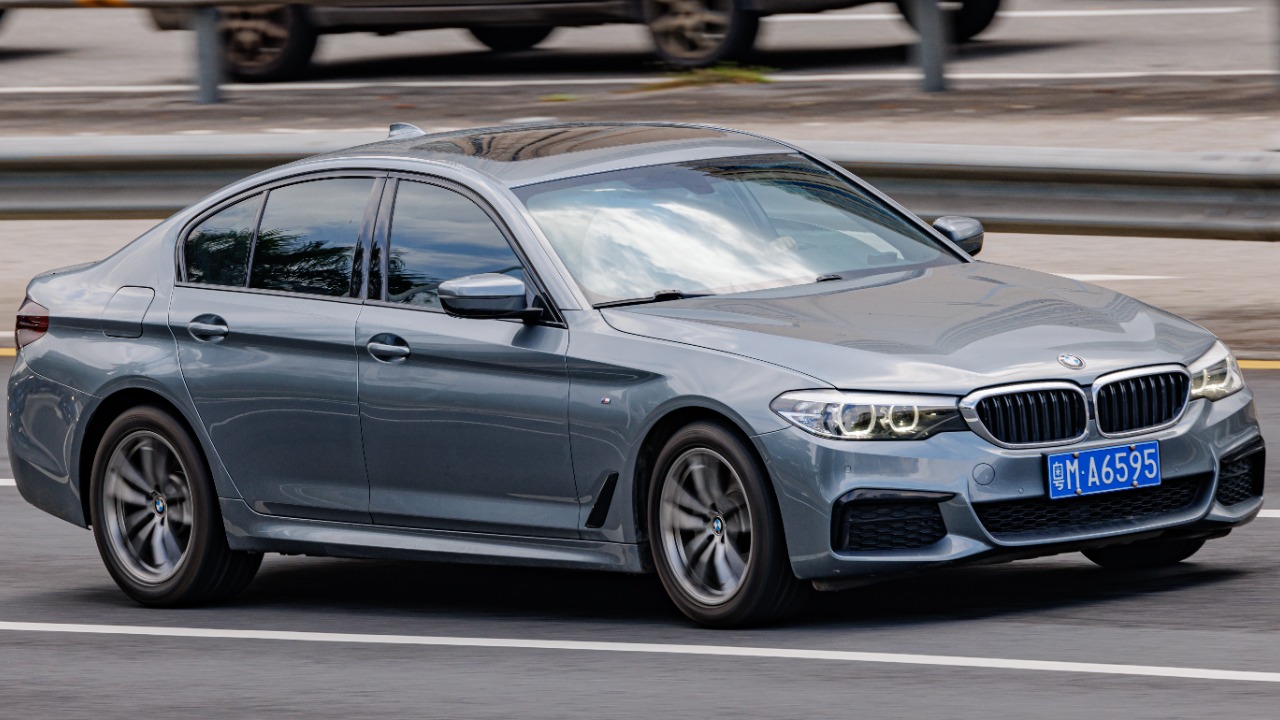
The BMW 5‑Series Hybrid looks like a smart compromise between performance and efficiency, but its resale story is rough. Analysts examining vehicle ROI describe the BMW 5‑Series Hybrid as a model where BMWs are notorious for craftsmanship and quality, While they are also by design expensive to maintain and quick to depreciate. That combination means buyers expect a discount the moment the car is no longer “new,” even if the mileage is low.
Hybrids can be especially vulnerable when newer battery tech or more efficient engines arrive, because shoppers see last year’s system as outdated. For you, that translates into a car that feels cutting edge when you sign the contract but is already priced like an older luxury sedan as soon as it appears on used-car listings. If you want a 5‑Series, you are often better off letting the first owner absorb that initial drop.
Infiniti QX80
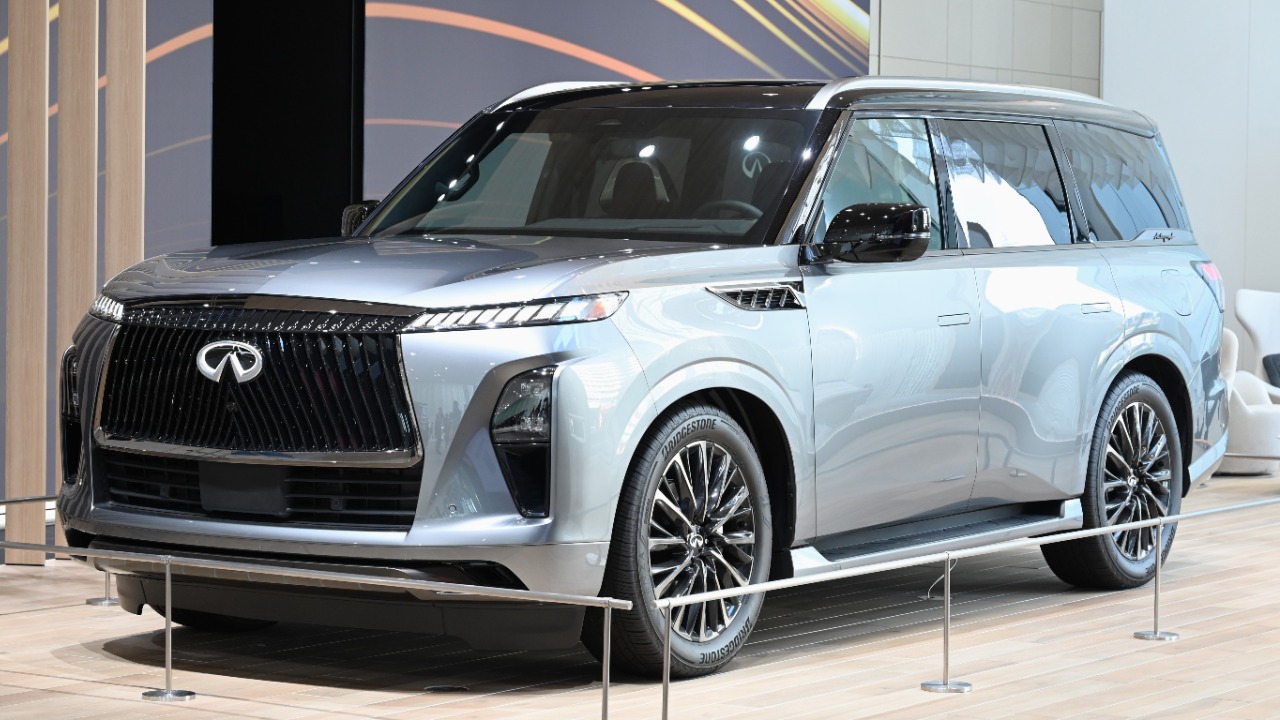
The Infiniti QX80 is a full-size luxury SUV with a depreciation curve that should make you pause before buying new. Analysts answering Which Luxury SUVs Lose Value Fastest highlight the Infiniti QX80 with more than 50% depreciation within the first few years. That “50%” figure means half your purchase price can effectively vanish before you have even finished paying off a typical loan.
Large luxury SUVs often suffer from high fuel costs and rapid styling changes, and the QX80 is no exception. When you drive it off the lot, used buyers already know they can find nearly identical trucks for far less, so trade-in offers are brutal. If you love the QX80’s comfort and presence, you are usually far safer letting someone else take that early 50% hit and buying certified pre-owned instead.
Cadillac Escalade ESV
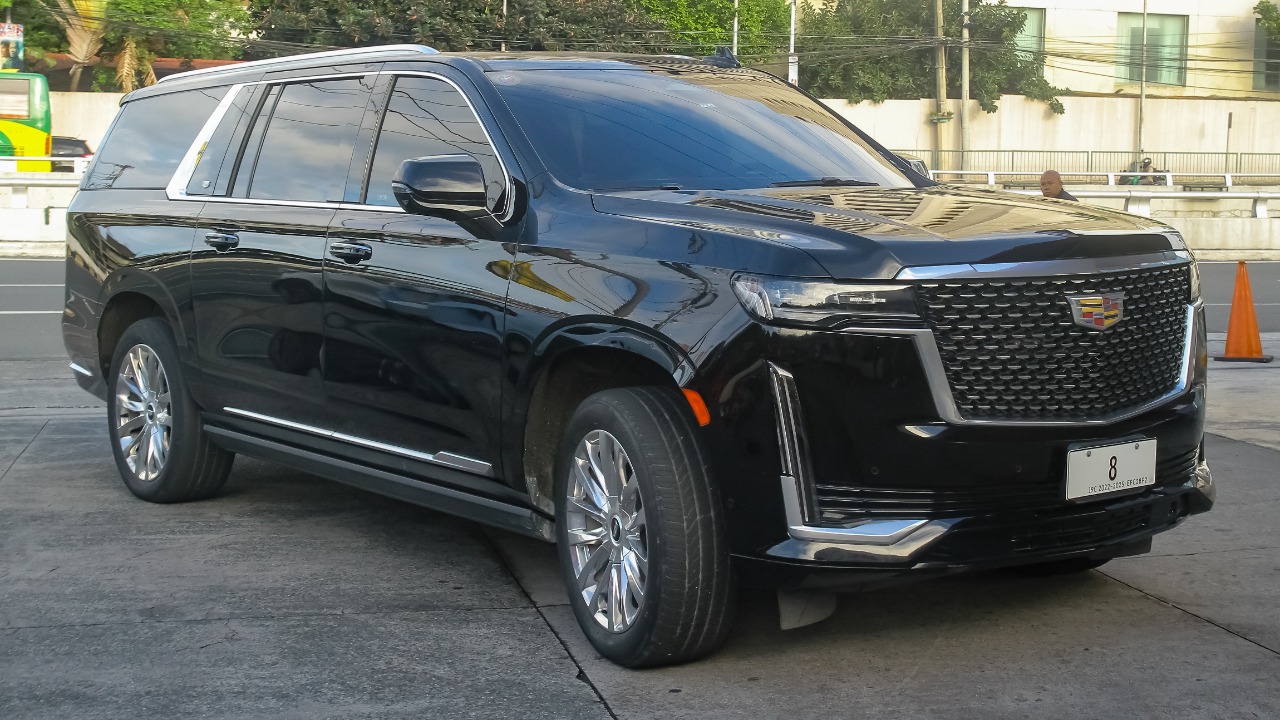
The Cadillac Escalade ESV has huge curb appeal, but its value story is not as glamorous. In the same breakdown of Lose Value Fastest luxury SUVs, the Cadillac Escalade ESV is grouped with models that shed more than 50% of their value in the first few years. That kind of 50% haircut is baked into dealer offers from day one, so the second you leave the lot, your six-figure SUV is worth something closer to a well-equipped crossover.
Because the Escalade ESV is often leased or heavily financed, owners can quickly find themselves owing more than the truck is worth. For you, that raises the stakes if your situation changes and you need to sell early. The smarter play is often to target a slightly older ESV, where the first owner has already absorbed the steepest part of the curve.
Mercedes‑Benz EQS

The Mercedes‑Benz EQS shows how even cutting-edge electric flagships can hemorrhage value. One detailed depreciation model for the Benz EQS estimates it will depreciate 47% after 5 years, leaving a 5‑year resale value of $63,962. That 47% projection is only the average, which means some owners will see even steeper drops, especially if newer battery packs or software make early cars feel dated.
Real-world owners are already sounding alarms. In a widely shared discussion titled Losing, one driver describes Losing over 50k in value in less than a year on a 580, noting that 580s start are over 125k brand new and that the post drew Upvote 163 and Downvote 143 G reactions before people hit Share. If you buy an EQS new, you need to be comfortable with that kind of immediate paper loss.
Audi Q8 e‑tron

The Audi Q8 e‑tron is another premium EV that looks like a safe bet until you check the resale math. According to projections for An Audi Q8 e‑tron, the SUV will depreciate 62% after 5 years, leaving a 5‑year resale value of $29,528. When a vehicle is expected to lose nearly two thirds of its value, the steepest part of that curve hits in the first year or two, right after you leave the showroom.
That kind of 62% slide reflects both rapid EV tech turnover and limited demand for used luxury electrics at high prices. For you, it means a new Q8 e‑tron is financially risky unless you plan to keep it long enough that you do not care about resale. If you are payment sensitive or might need to trade early, the safer move is to hunt for a low-mile used example where someone else has already eaten the big loss.
Maserati Ghibli

The Maserati Ghibli is a seductive Italian sedan that can quietly wreck your balance sheet. Analysts examining Maserati Ghibli The describe it as one of the brand’s worst‑depreciating models, warning that buyers will lose money through both maintenance costs and resale. When a car is notorious for reliability questions and expensive service, used shoppers demand a steep discount, which hits you as soon as the car is no longer brand new.
Because the Ghibli trades heavily on image, its value is also sensitive to newer designs and fresher rivals. The moment you leave the lot, your car is competing with discounted demos and nearly new lease returns, all of which push prices down. If you are drawn to the badge, you are usually better off buying a carefully inspected used Ghibli and letting someone else pay for that first brutal year of depreciation.
Maserati Levante

The Maserati Levante brings the same Italian flair to an SUV body, and it carries the same depreciation baggage. A detailed ranking of high‑depreciation models notes that The Maserati Levante is the third Maserati on a list of worst performers and that Maserati SUVs are considered generally undesirable on the used market. When a vehicle is tagged that way, dealers build heavy discounts into trade‑in offers from day one.
For you, that means the Levante’s glamorous image hides a harsh financial reality. High running costs, limited dealer networks, and a small pool of used buyers all combine to drag prices down as soon as the odometer starts ticking. If you want a luxury SUV that holds value, you are often better off with a more mainstream brand, even if the Maserati badge feels more special in the showroom.
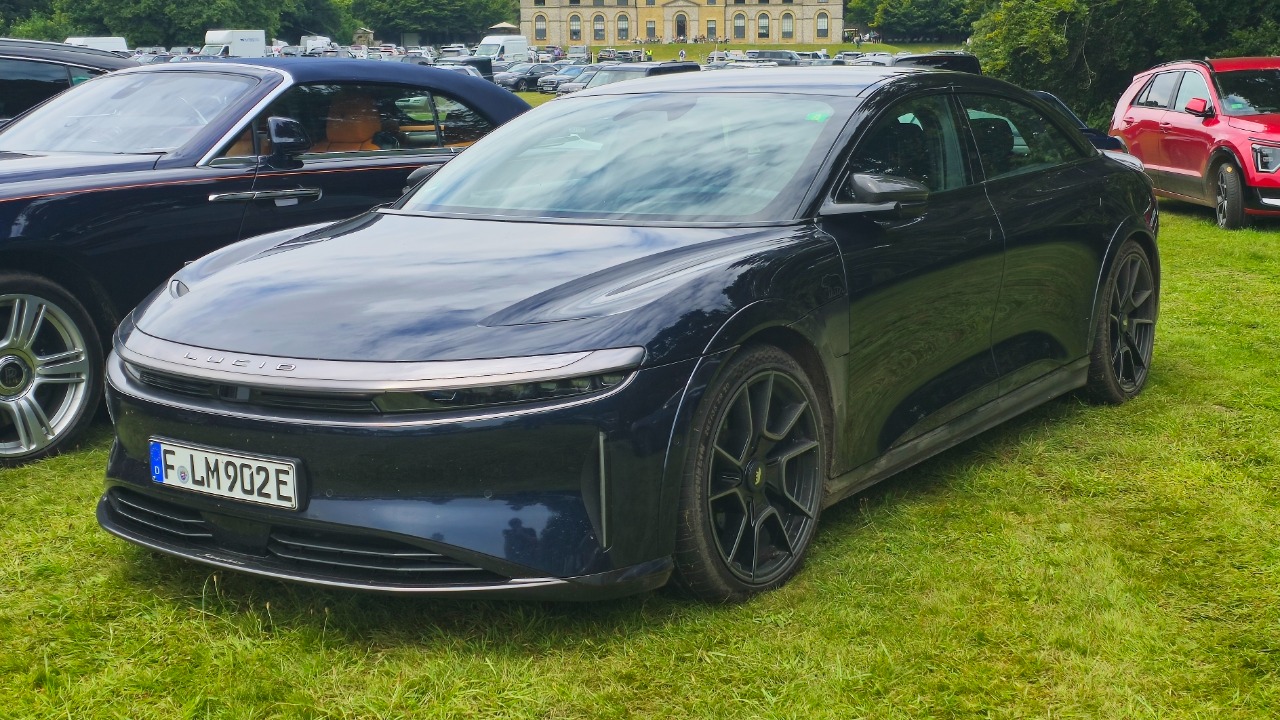
Lucid Air
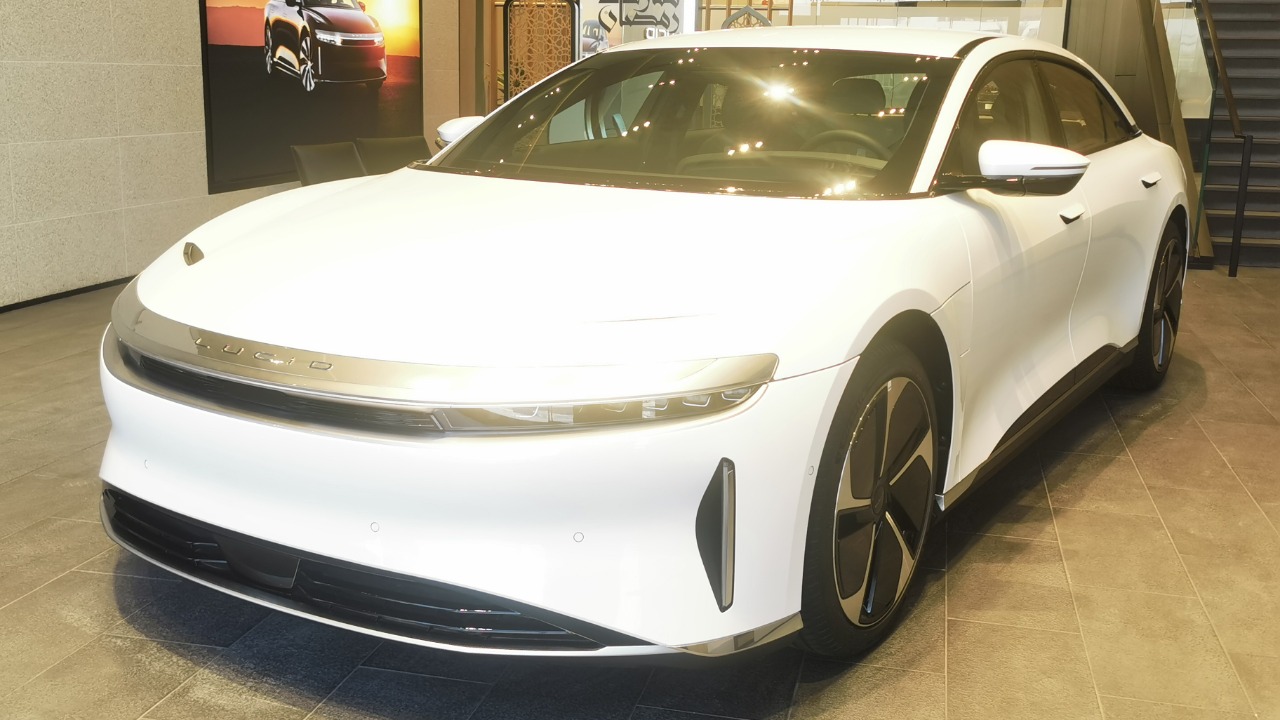
The Lucid Air is one of the most advanced EV sedans on the road, yet it has already shown how quickly values can collapse. A breakdown of the Fastest depreciating cars in 2025 highlights the 2022 Lucid Air among models that lost value at alarming speed. The report notes that They shared a common trait of being expensive, tech‑heavy vehicles that buyers were reluctant to pay full price for on the used market.
Because the Air is still a relatively new brand entry, concerns about long‑term support and battery longevity also weigh on resale. When you drive a new Lucid off the lot, potential second owners are already factoring in those unknowns, which pushes offers down. If you are tempted by its range and performance, you may want to look for a nearly new example where the first owner has already absorbed the steepest part of the curve.
Mercedes‑Benz EQS SUV
The Mercedes‑Benz EQS SUV shares much of its technology with the EQS sedan, and it appears to share the same depreciation problem. Broader EV market analysis shows that Used EV Prices, which hits large, expensive electric SUVs particularly hard. When used buyers can pick up a nearly new EQS SUV for far less, your brand‑new example takes a value hit the instant you leave the lot.
On top of that, the sedan’s projected 47% five‑year drop and owner stories about Losing over 50k in value in less than a year create a perception that the whole EQS family is risky. That perception alone can depress trade‑in offers on the SUV from day one. If you want a luxury electric family hauler, you should run the numbers carefully and consider whether leasing might shield you from the worst of that early depreciation.
Audi A6 (gas)

The gas‑powered Audi A6 is not just battling depreciation, it is also struggling to move off dealer lots. A review of slow‑selling models notes the Audi A6 sitting on lots for 409 Days, With the new Tron variant on the way and the current gas model being phased out. When a car lingers that long, dealers resort to heavy discounts that immediately drag down perceived market value.
For you, that means the moment you buy a new A6, you are competing with unsold inventory that is being marked down aggressively. Those discounts reset what shoppers think the car is worth, so your nearly new sedan looks overpriced on the used market. If you like the A6, you are often better off taking advantage of those dealer incentives rather than paying close to MSRP and watching the value slide as soon as you leave.
Generic new luxury cars
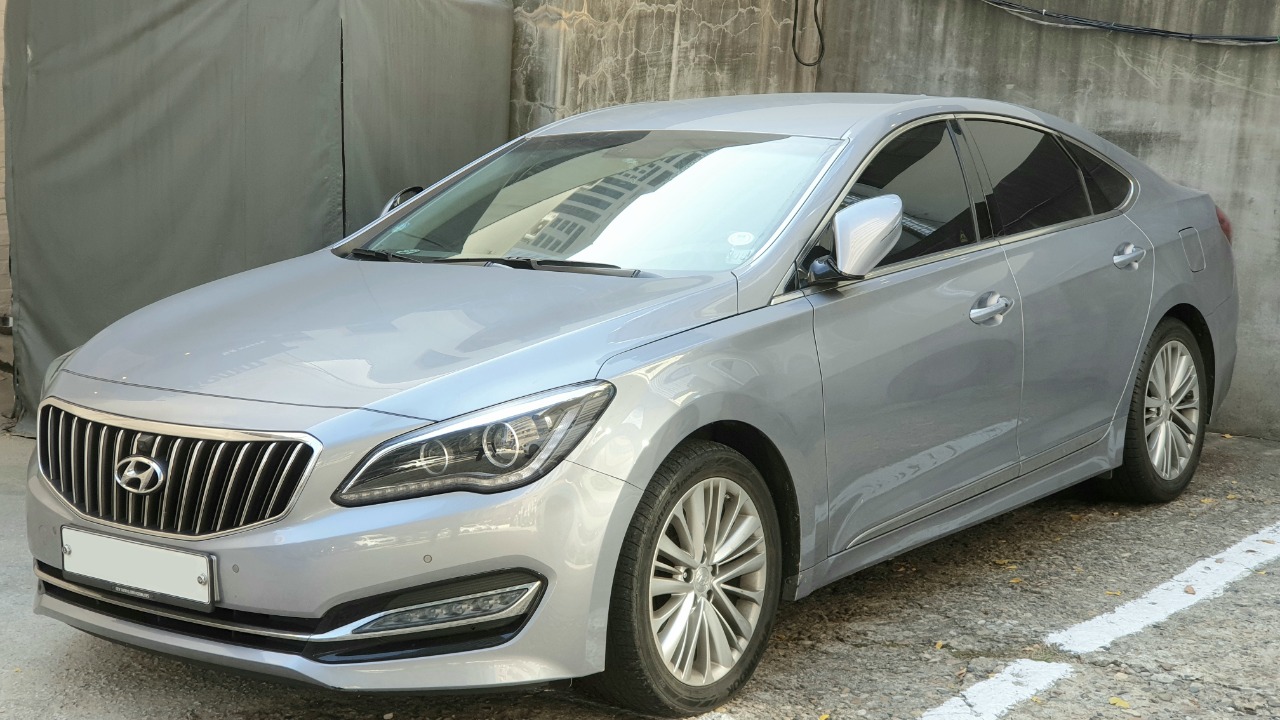
Beyond specific models, you should remember that almost every new luxury car loses value the second it leaves the lot. Dealers themselves acknowledge that it is common knowledge that new vehicles decrease in value the minute they are purchased and driven off the lot, and that Although some vehicles maintain their value better than others, the initial drop is unavoidable. Video explainers on depreciation add that a new car will lose 20 to 30% of its value in the first year alone.
That 20 to 30% range effectively starts the moment you drive away, because the car is no longer “new” in the eyes of the next buyer. For you, the takeaway is simple: if you care about preserving value, focus on models with proven resale strength and consider buying lightly used. Otherwise, be prepared for the reality that a big chunk of what you pay for a new luxury car evaporates as soon as you hit the street.
More from Fast Lane Only