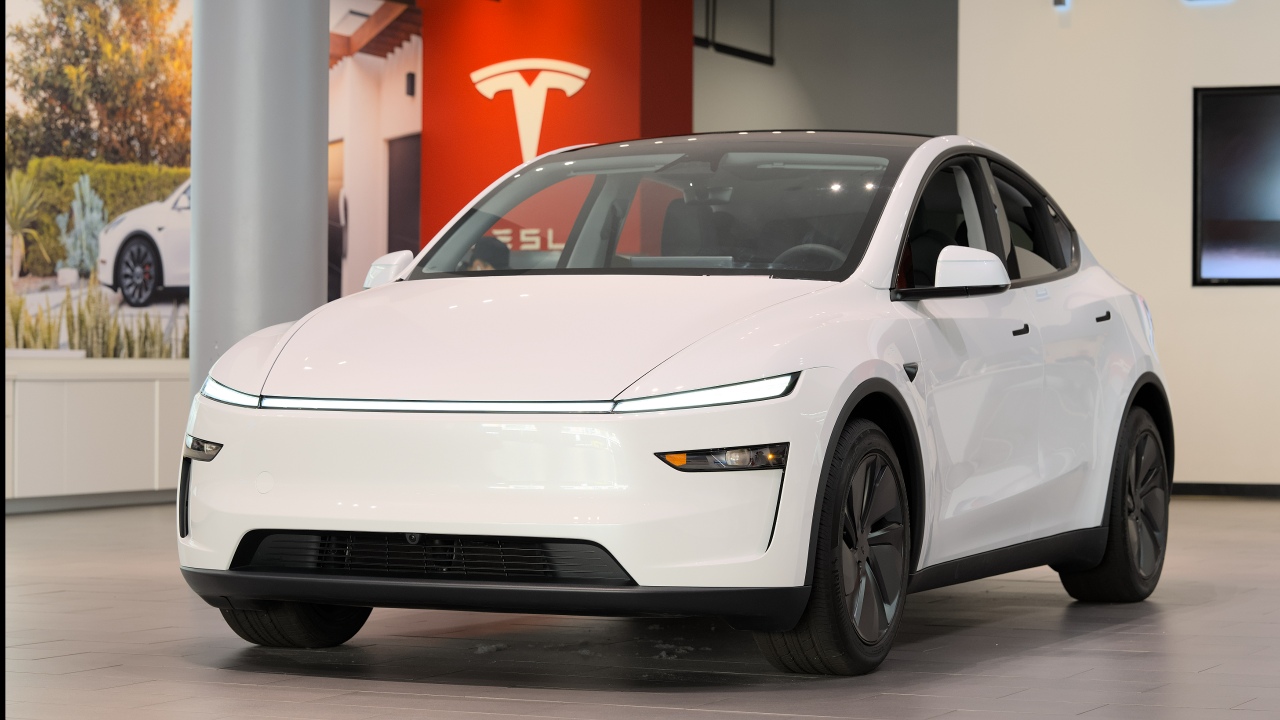
You expect a new car to bring peace of mind, not a parade of four-figure invoices. Yet some models hide repair bills that can stun first owners, especially once the factory warranty fades and you are locked into complex parts, specialized labor, and dealership-only fixes. Here are 10 vehicles where the repair costs, maintenance demands, or long-term reliability patterns can turn that new-car glow into genuine sticker shock.
BMW 3 Series
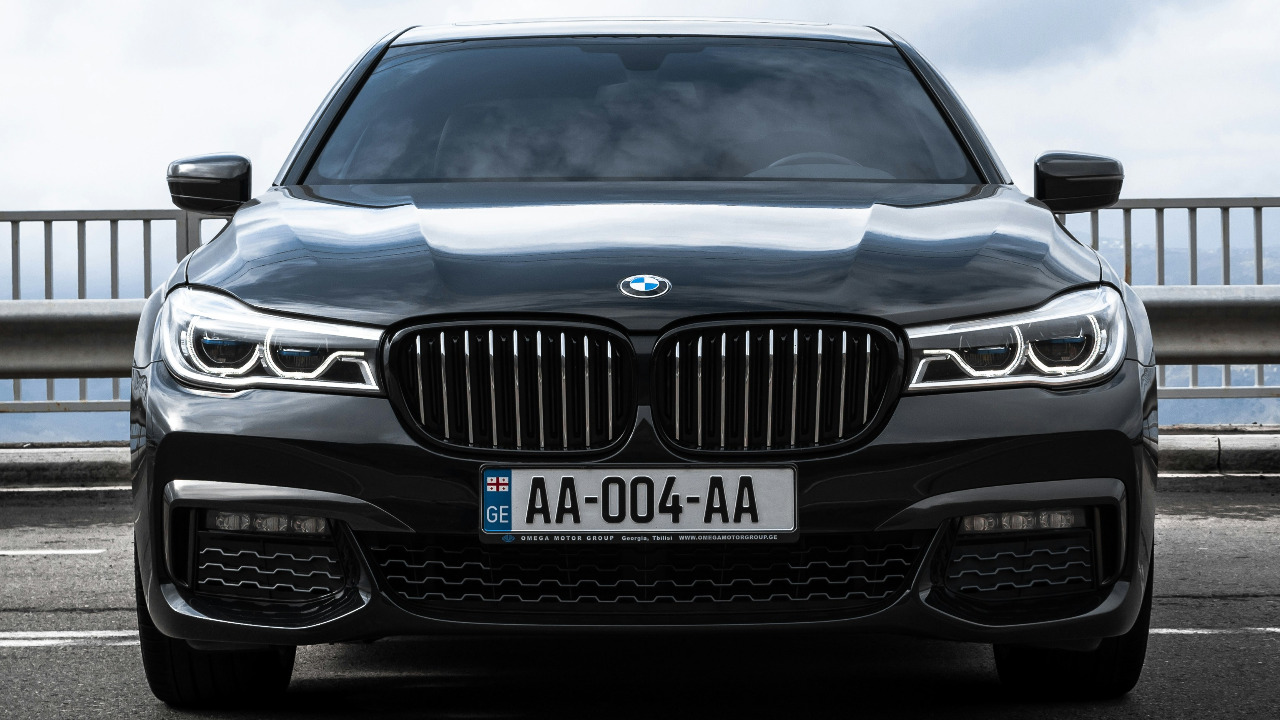
The BMW 3 Series often lures you in with sharp handling and a premium badge, but long-term repair costs can be brutal. An analysis of BMW costs notes that the brand sits near the top for lifetime maintenance, with figures that can climb into five digits. Turbocharged engines, complex electronics, and tightly packaged engine bays mean even routine work can require hours of labor.
For a first owner, the shock often arrives around the 60,000 to 80,000 mile mark, when items like cooling systems, suspension bushings, and high-pressure fuel components start to age. If you skip an extended warranty, you may face a single repair that rivals several months of car payments. The stakes are higher if you rely on the car for commuting, because unexpected downtime and rental costs pile on top of already steep shop bills.
Porsche 911

The Porsche 911 is a dream car that can quickly become a financial wake-up call. Reporting on luxury models with steep upkeep lists the 911 with an Average annual repair, a figure that does not include tires, insurance, or fuel. That number reflects the reality that specialized parts, performance brakes, and intricate flat-six engines require expert technicians and premium components.
As a first owner, you might assume a new 911 will be relatively carefree, but performance cars are engineered to tight tolerances and often driven hard. When items like active suspension dampers or dual-clutch transmissions need attention, you are not shopping in the bargain bin. Expect each visit to the service department to feel more like a luxury hotel bill than a quick oil change, and budget accordingly if you want to keep the car in top shape.
Mercedes S-Class
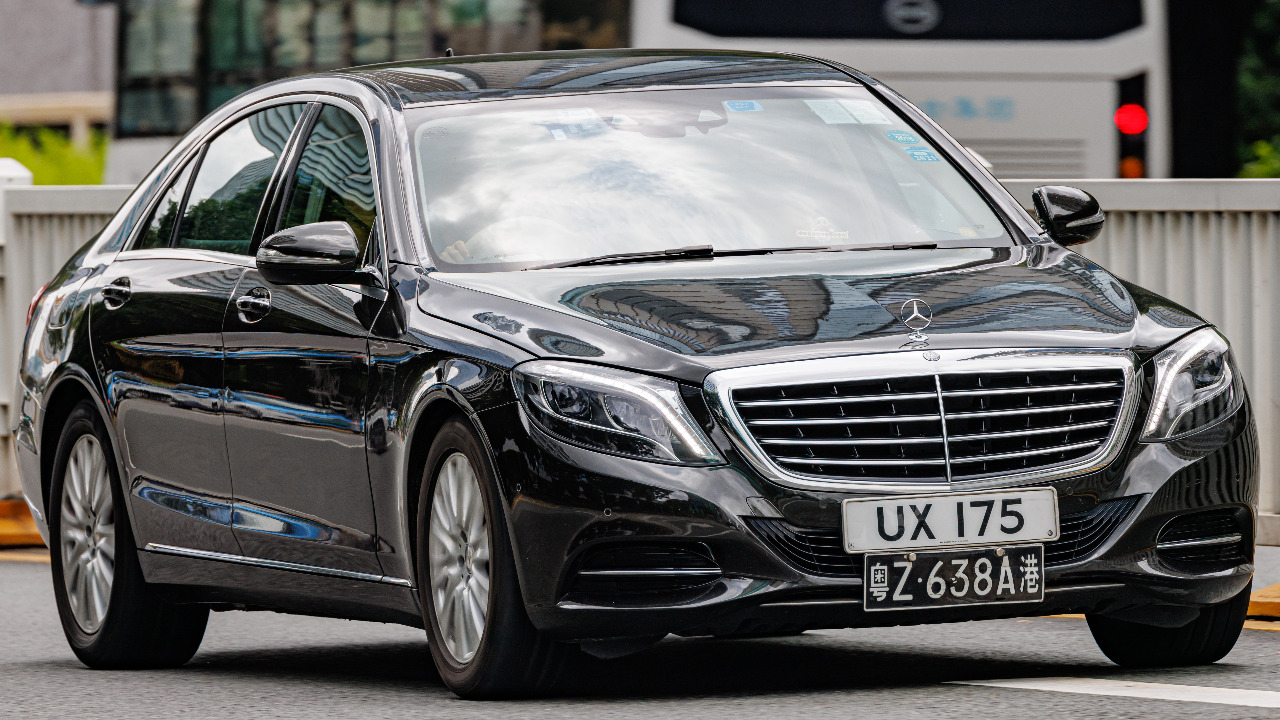
The Mercedes S-Class is marketed as a flagship, and the price tag reflects that. Coverage of high-mileage repair risks notes that many buyers spend over $100,000 to buy one, then discover that “Mercedes S-Class vehicles are built to last” but also that major repairs and even routine changes cost more than average. Air suspension components, complex driver-assistance systems, and extensive interior electronics all add layers of expense.
For a first owner, the surprise comes when the initial maintenance plan ends and every service line item is billed at full luxury rates. A single failure in the air suspension or infotainment system can run into the thousands, and you may have little choice but to use a dealer or specialist. That reality turns the S-Class into a car you must budget for long after the last payment, especially if you plan to keep it beyond 100,000 miles.
Jeep Grand Cherokee

The Jeep Grand Cherokee sells you on rugged style and family practicality, but long-term costs can be far from friendly. Analysis of retirement-age buyers warns that Jeeps often appear on mechanics’ lists of models to avoid because their 10-year maintenance and repair costs sit well above average. The Grand Cherokee, with its available V8s and four-wheel-drive hardware, layers complexity on top of that reputation.
As a first owner, you may not anticipate how quickly suspension components, transfer cases, and electronic modules can add up, especially if you tow or drive off-road. Higher-than-average failure rates mean more frequent shop visits, and parts pricing reflects the brand’s positioning as a capable SUV rather than a basic commuter. Those realities can turn what seemed like a solid family hauler into a budget strain once the odometer climbs.
Hyundai Elantra
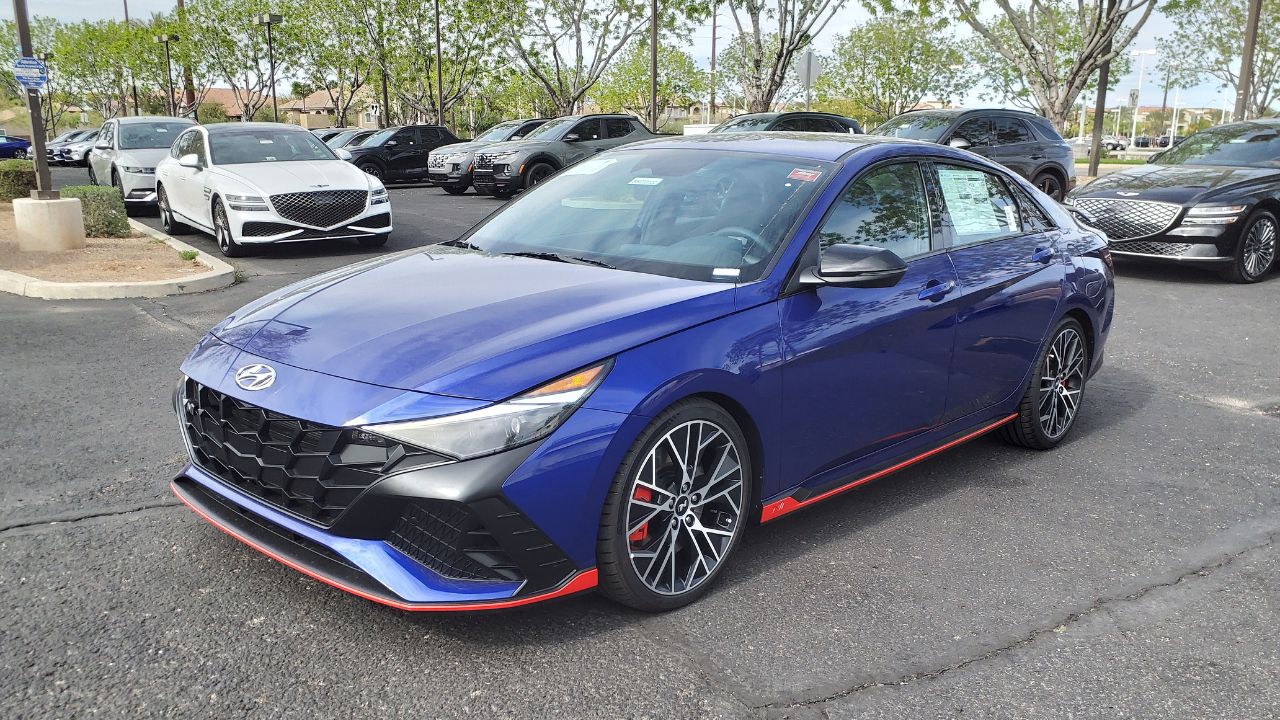
The Hyundai Elantra looks like a safe, affordable compact sedan, which is why its repair history surprises many first owners. A roundup of wallet-draining models highlights the Hyundai Elantra as a car that can generate costly repair bills despite its modest sticker price. Owners have reported engine and transmission issues that, once out of warranty, can cost more than the car’s remaining value.
For you as a first buyer, the risk is assuming that a low monthly payment guarantees low lifetime costs. If you keep the Elantra past the powertrain warranty, a single major failure can erase years of savings compared with a more durable rival. That dynamic is especially painful for budget-conscious drivers who chose the car to avoid financial surprises, only to be hit with a repair estimate that rivals a down payment on a replacement vehicle.
Mercedes-Benz Sprinter

The Mercedes-Benz Sprinter has become the default choice for vanlifers and small businesses, but its repair bills can be eye-watering. A breakdown of Luxury Car Brands notes that the Sprinter is among the most expensive new vehicles to maintain over a five-year period, with costs like $6,014 cited for some ownership spans. Diesel emissions systems, tall-body suspension, and commercial-grade brakes all contribute to those numbers.
If you are a first-time van owner, you might underestimate how quickly commercial-vehicle maintenance intervals arrive, especially when you rack up highway miles. Each service visit often involves specialized diagnostics and parts that are priced for fleet budgets, not casual campers. For small businesses, those repair bills can erode profit margins, while private owners may find that their dream camper van quietly becomes a rolling money pit.
Porsche Cayenne

The Porsche Cayenne blends SUV practicality with sports-car performance, and that combination carries a maintenance penalty. In the same research that pegs the 911 with an Average annual repair cost of $1,072, the Cayenne appears as another luxury model with notoriously high upkeep. Complex air suspension, powerful turbocharged engines, and heavy curb weight all accelerate wear on expensive components.
As a first owner, you may be drawn to the Cayenne because it feels like a practical way to enjoy the Porsche badge. The shock comes when brake jobs, tire replacements, and out-of-warranty repairs arrive with sports-car pricing. For families, that means budgeting not just for fuel and insurance, but also for the reality that every maintenance visit can rival a vacation bill, especially once the SUV crosses 60,000 miles.
Ford F-150 (High-Trims)
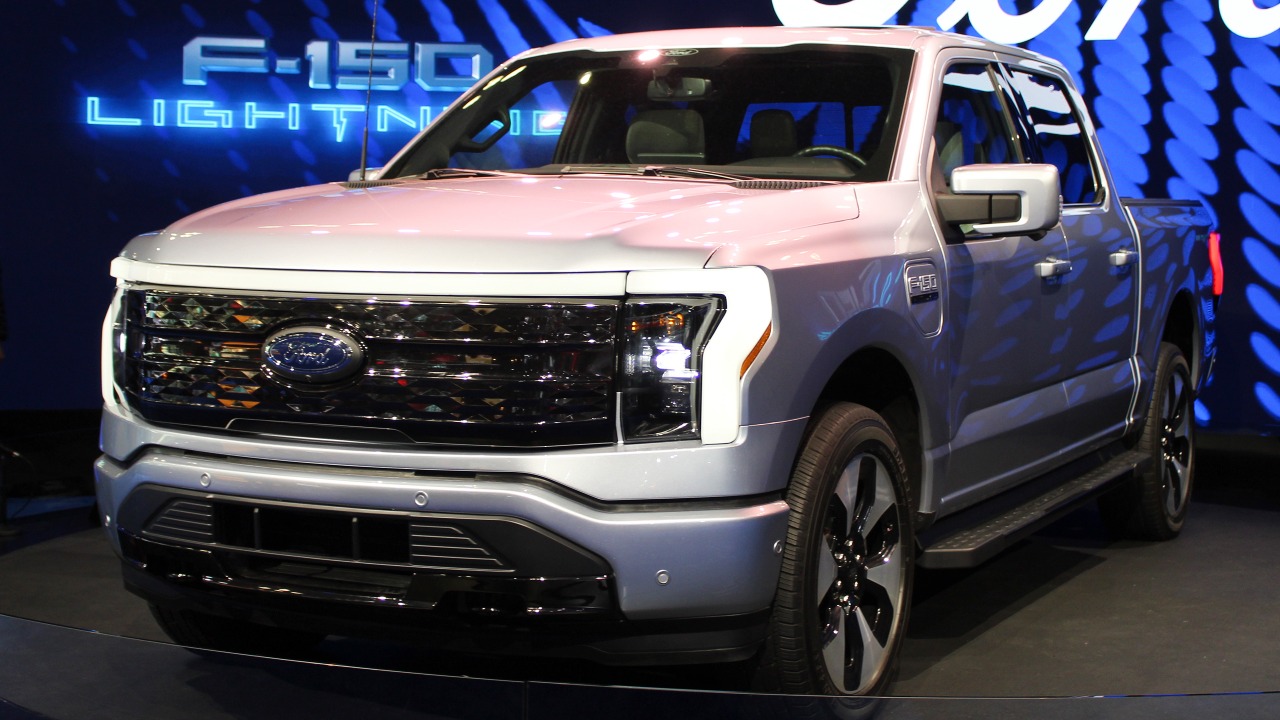
The Ford F-150 is America’s workhorse, yet its higher trims can surprise you with repair costs. Analyses of maintenance patterns show that full-size pickups, especially those loaded with turbocharged engines and advanced towing tech, often sit near the top of long-term expense charts. When you add in features like adaptive cruise control, panoramic roofs, and complex 4×4 systems, the number of things that can break multiplies quickly.
For a first-time truck buyer, the shock is realizing that a luxury-spec F-150 behaves more like a premium SUV than a simple work rig when it hits the shop. Replacing aluminum body panels, recalibrating driver-assistance sensors, or repairing turbo components can all generate four-figure estimates. If you use the truck for work, downtime also carries an opportunity cost, turning every repair into both a financial and logistical headache.
Tesla Model S

The Tesla Model S promises low fuel costs and minimal routine maintenance, but repair bills can still catch first owners off guard. Independent data and owner reports point to high costs for out-of-warranty items like door handles, air suspension, and large touchscreen units. Because many components are proprietary, you may have limited options beyond factory service centers, which can set their own labor and parts pricing.
For you as a new EV owner, the surprise is that skipping oil changes does not mean skipping big expenses. Collision repairs on aluminum bodies and battery-related diagnostics require specialized equipment, which narrows the field of shops that can help. When something major fails outside the basic warranty, the combination of parts scarcity and specialized labor can turn a seemingly minor issue into a major financial event.
Any New Car In Today’s Market

Even if you avoid all the specific models on this list, you are not immune to repair sticker shock. Reporting on current trends warns that while car prices are stabilizing, repair prices are soaring, driven by complex electronics, advanced safety systems, and higher labor costs. At the same time, guidance for buyers stresses that Feeling Safe and with a new car can be misleading if you are not comfortable with the chance of future repairs.
Videos aimed at shoppers, such as a Nov warning about “landmines” that lock you into dealership prices, underline how vulnerable first owners are to modern complexity. The implication is clear: no matter what you buy, you should budget for diagnostics, software updates, and sensor replacements that did not exist a decade ago. In today’s market, the most shocking repair bill might simply be the first one you did not plan for.
More from Fast Lane Only