You expect old pickups to rust away behind barns, not to quietly turn into five- and six-figure investments. Yet a wave of classic trucks is now selling for far more than anyone predicted, from workhorse farm rigs to turbocharged street missiles. If you are hunting for value, or wondering why your neighbor’s dusty project suddenly matters, these 14 pickups show how quickly the market can reward the right badge, body style, and story.
1956 Ford F-100 Big Window
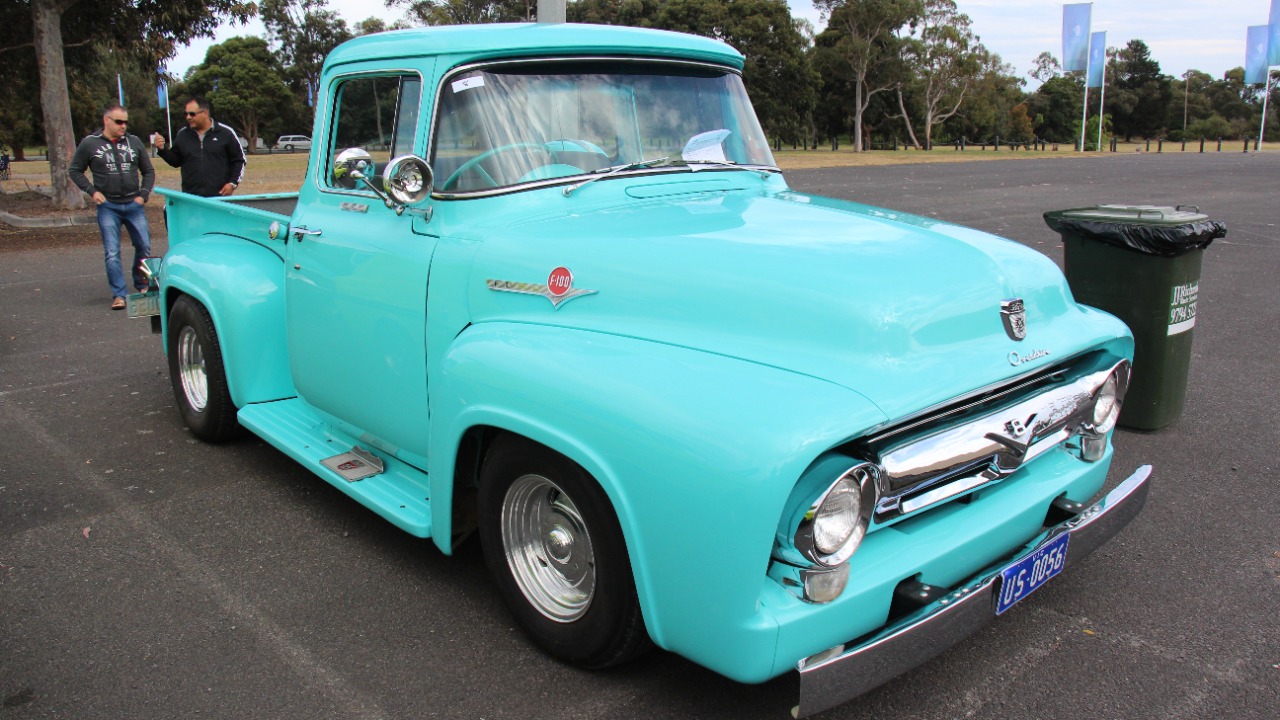
The 1956 Ford F-100 Big Window is the truck that proves how a single design tweak can change values. Collectors zero in on this second-generation Ford F-Series because the wraparound rear glass looks sporty and rare, and recent guides peg clean examples at about $35,000. That figure would have sounded wild when these were still cheap shop trucks, yet the combination of V8 power, simple mechanicals, and that distinctive cab has pushed prices far beyond old expectations.
If you are looking at one, the stakes are clear. Restoring a rough Big Window is not cheap, but the market has shown a willingness to reward correct paint, original trim, and period wheels. As more buyers move from muscle cars into usable classics, this F-100 has become a bridge: you can haul parts on Saturday and park at a show on Sunday without feeling out of place.
Second-Generation Ford F-Series (1953–1956)
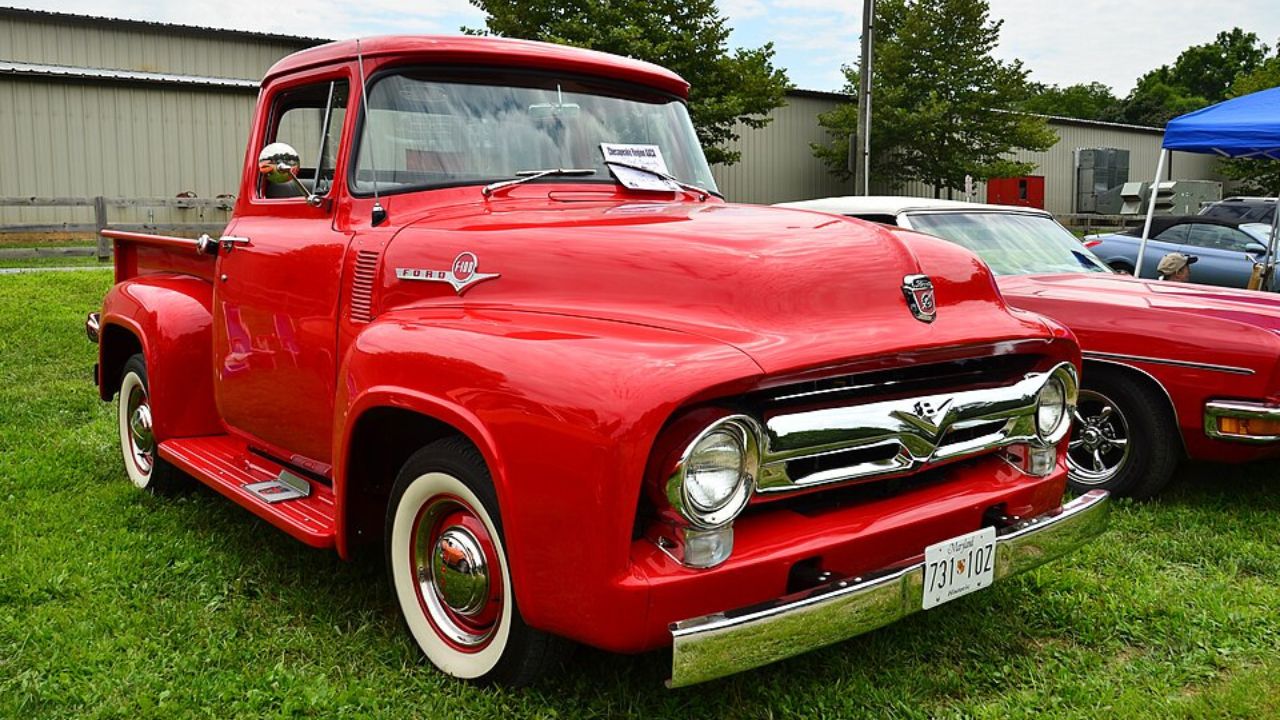
The broader second-generation Ford F-Series, built from 1953 to 1956, has also climbed far beyond its blue-collar roots. Price guides that group these trucks together now treat them as vintage pickups worth, especially when they retain original body lines and period-correct drivetrains. Buyers are drawn to the rounded fenders and simple grilles, which read as timeless rather than dated, and that design stability keeps demand strong.
For you as a shopper, that means even plain long-bed models have stopped being casual purchases. Where a few thousand dollars once bought a driver, you now need to budget serious money for rust-free trucks and even more for rare trim or factory V8s. The shift signals how collectors are treating these F-Series as historic vehicles instead of disposable tools, which keeps pushing values higher.
1936–1938 Dodge Fore-Point Series
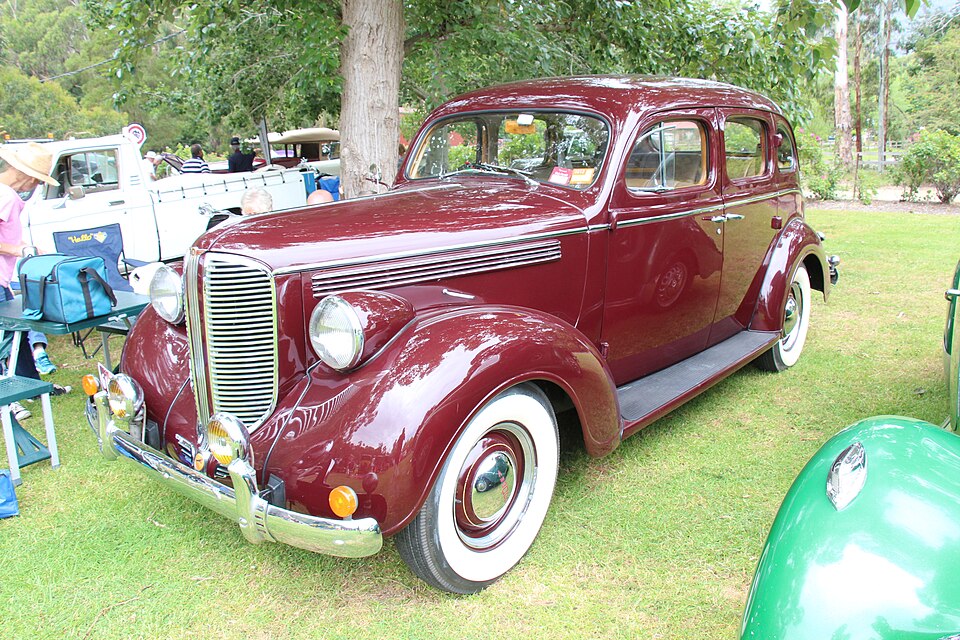
The 1936 to 1938 Dodge Fore-Point Series is a surprise star from the prewar era. Market trackers list these trucks at about $23,500 for strong examples, a figure that would have stunned owners who once saw them as obsolete farm rigs. The pointed grille and flowing fenders give the Dodge Fore Point Series real presence, and that styling, combined with low production, has turned them into sought-after display pieces.
Because prewar commercial vehicles were often worked to death, survivors with solid frames and original bodywork command a premium. If you find a Fore Point with matching numbers and intact trim, you are looking at a truck that sits at the intersection of design history and scarcity. Collectors chasing complete prewar lineups now have to compete with enthusiasts who simply love the look, which keeps nudging prices upward.
1984–1988 Toyota Pickup
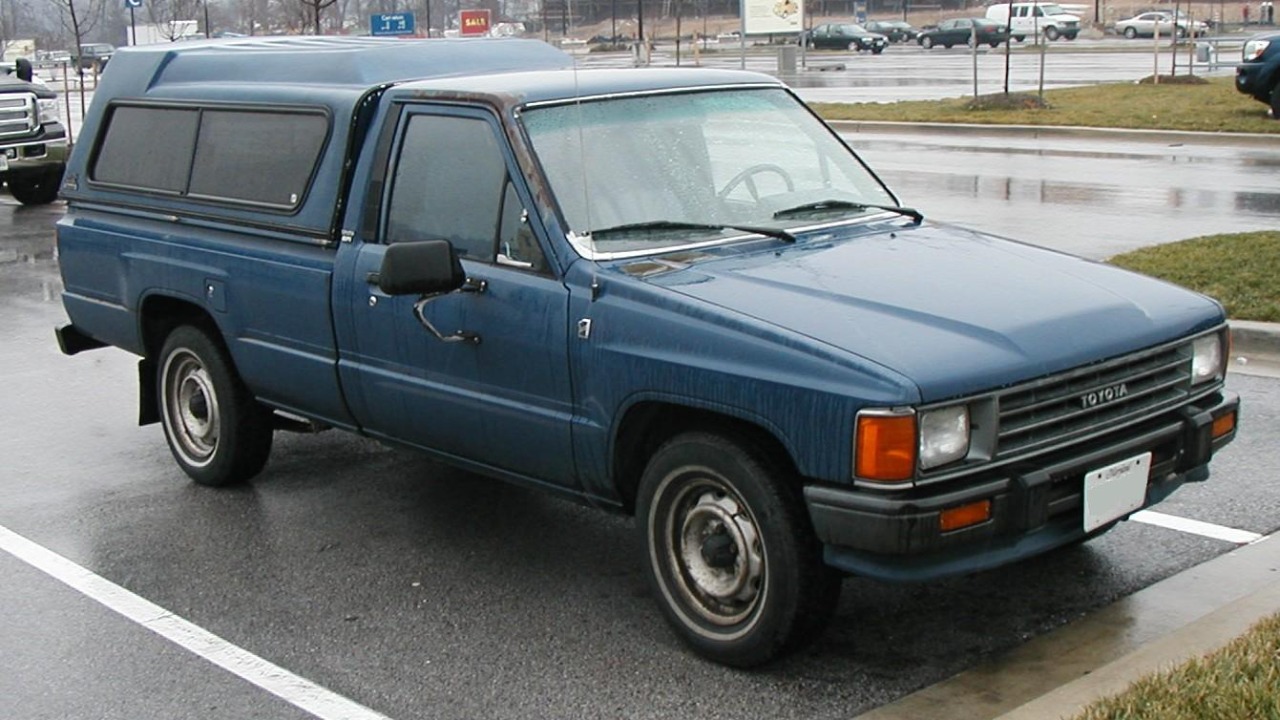
The 1984 to 1988 Toyota pickup is the classic that proves reliability can be a value driver all by itself. A pricing study of the Most Reliable Classic Trucks to Buy lists the Toyota pickup from these years with an Average price of $19,592, which is a striking number for what began as a basic compact truck. Owners praise the simple four-cylinder engines and stout frames that shrug off abuse.
For you, the implication is that even high-mileage examples can command strong money if they remain structurally sound. Enthusiasts who grew up seeing these Toyotas in off-road magazines now want clean survivors, especially with original graphics and period wheels. That nostalgia, combined with a reputation for going well past 200,000 miles, has turned what was once a cheap used truck into a serious collectible.
1991 GMC Syclone

The 1991 GMC Syclone might be the most dramatic example of a pickup outpacing early value predictions. The GMC Syclone packed a turbocharged 4.3 liter V6 and all-wheel drive that let it embarrass sports cars, and collectors now treat it as a high-performance icon. Commentators describing The GMC Syclone call it a jaw-dropper when new and still potent today.
Values have accelerated as low-mile trucks surface at auction. A recent listing highlighted a Syclone with Only 6,000 Miles, Finished in Black over black cloth, and that kind of preservation pushes bidding into territory no one forecast in the early 1990s. If you are considering one, the stakes are clear: originality, documented mileage, and unmodified hardware now separate investment-grade trucks from weekend toys.
1991 GMC Syclone (Chicago Motor Cars example)

A specific 1991 GMC Syclone promoted by Chicago Motor Cars shows how individual trucks can reset expectations. The seller emphasized that it had Only 6k Miles and was Finished in Black over black cloth, positioning it as an ultra-low-mileage performance truck. That kind of marketing, backed by photos and window sticker details, turns a niche pickup into a centerpiece for serious collections, and the bidding rush reflects how far the Syclone story has come.
When you see a truck like this highlighted on social media and auction platforms, it signals that the market is watching every exceptional example. Collectors who missed out when these were new now chase the cleanest survivors, and each strong sale encourages owners of similar trucks to hold out for higher numbers. For buyers, that means acting quickly when a well-documented Syclone appears, because hesitation can be expensive.
1992 GMC Typhoon

The 1992 GMC Typhoon, the Syclone’s SUV sibling, has ridden the same unexpected wave. Built with a similar turbocharged 4.3 liter V6 and all-wheel drive system, it delivered sports-car acceleration in a practical package. Analysts who describe the Syclone as a jaw-dropper extend that praise to the Typhoon, and price guides now show tidy examples trading for far more than their original window stickers, especially in rare colors like Forest Green or Apple Red.
If you are weighing a Typhoon purchase, you are stepping into a market that increasingly treats these as limited-production performance machines rather than quirky curiosities. Rust-free bodies, unmodified drivetrains, and intact interior trim can move a truck from driver-grade money into collector territory. The surge also illustrates how performance-focused pickups and SUVs, once dismissed as odd experiments, now sit at the center of enthusiast attention.
1970 Chevrolet C10 Fleetside

The 1970 Chevrolet C10 Fleetside has shifted from farm duty to collectible status in a way few predicted. Classic truck roundups now list square- and slab-sided Chevys among vintage pickups worth, especially when they feature factory V8s and original trim. The C10’s clean lines, comfortable ride, and huge aftermarket support make it an easy entry point for you if you want a classic that still feels usable.
As more buyers chase these trucks, even work-worn examples have gained value as restoration candidates. Short-bed models, step-side beds, and rare factory colors command the biggest premiums, but long-bed trucks are no longer cheap afterthoughts. The trend shows how 1970s and late 1960s pickups have become the new muscle cars, with buyers willing to pay for style, sound, and a bed that can still haul.
1987 Buick GNX
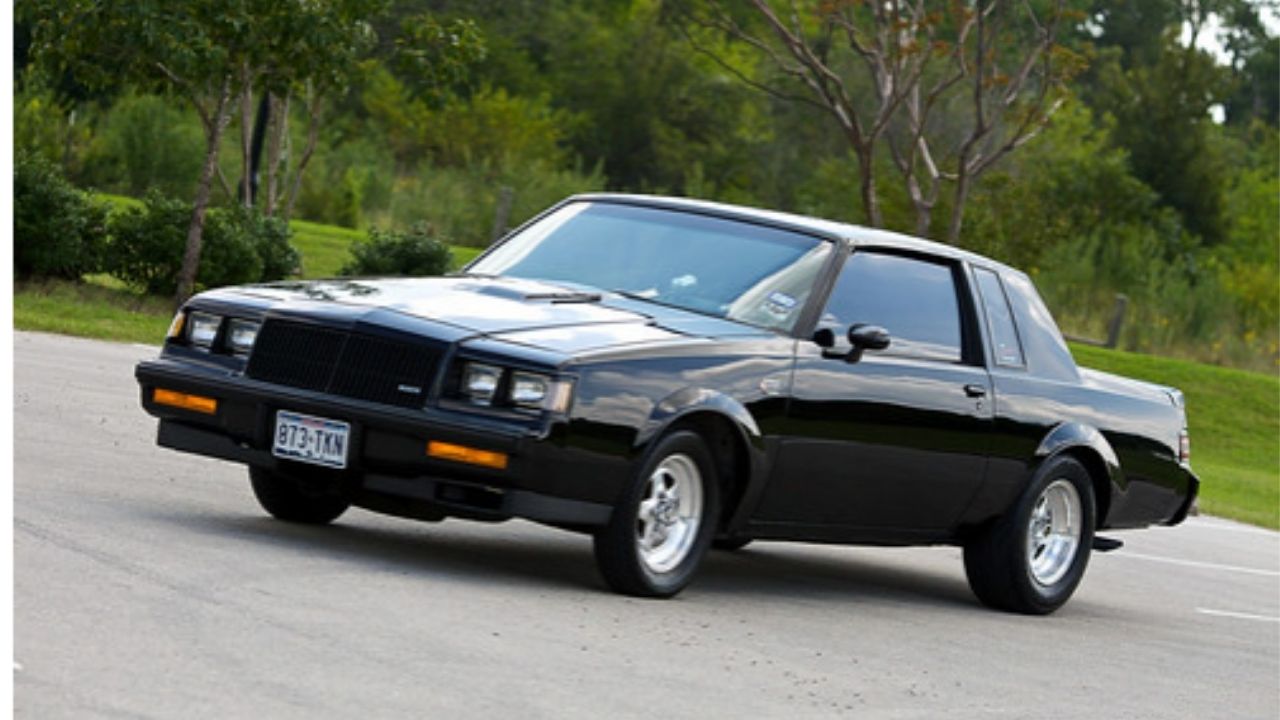
While not a traditional pickup, the 1987 Buick GNX shows how performance vehicles from the same era as many classic trucks have exploded in value. Its turbocharged V6 and limited production numbers made it special from day one.
Today, pristine GNX examples sell for staggering sums, reinforcing how scarcity and performance history can dramatically shift a vehicle’s market position.
1950 Chevrolet 3100 Five-Window
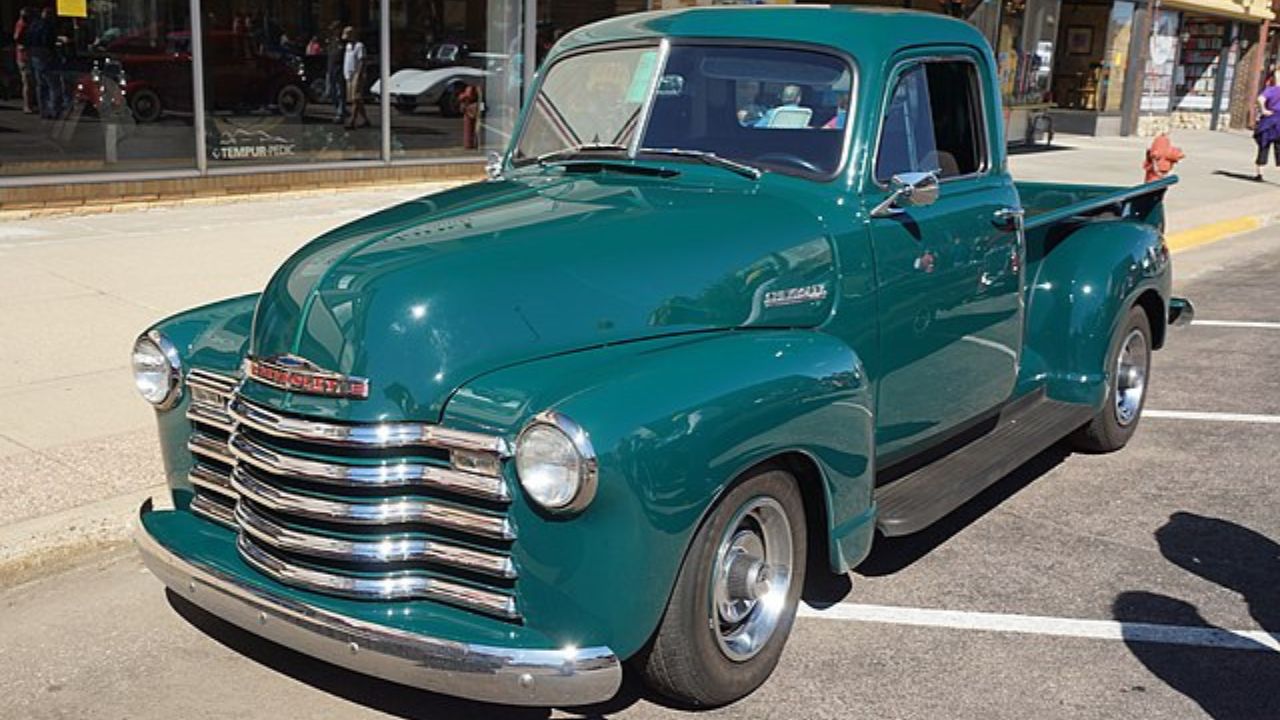
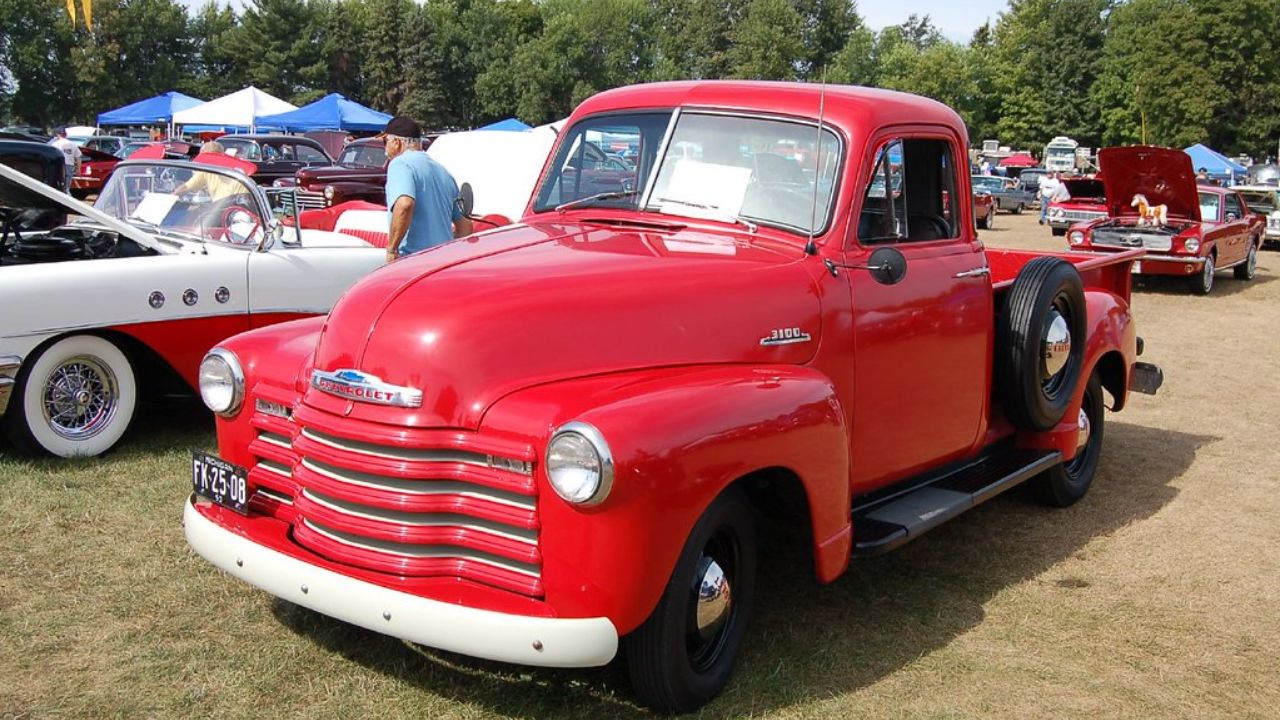
The 1950 Chevrolet 3100 Five-Window is a textbook case of design driving value. Those extra corner windows in the cab, combined with rounded fenders and a simple grille, have made the 3100 a favorite in lists of vintage pickup trucks that now bring serious money. Where plain three-window cabs were once the norm, the five-window layout now signals rarity and style, which buyers reward with higher bids.
If you are shopping, you will see a wide spread between modified and stock examples. Restomods with modern V8s and updated suspensions can fetch strong prices, but untouched trucks with original drivetrains and patina are gaining ground as well. The shift shows how collectors are willing to pay both for period-correct restorations and for tasteful upgrades that keep the classic look while improving drivability.
1972 Chevrolet K10 Cheyenne

The 1972 Chevrolet K10 Cheyenne blends luxury and utility in a way that has aged very well. Period equipment like woodgrain trim, bucket seats, and two-tone paint turned the Cheyenne into an upscale pickup, and modern buyers now see that as a precursor to today’s premium trucks. Market watchers who track classic pickup values often highlight well-optioned K10s as standouts.
For you, that means options matter. Factory air conditioning, original Cheyenne badging, and correct trim packages can add thousands to a truck’s value. Clean 4×4 examples with short beds are especially desirable, because they combine show-truck looks with real off-road ability. As newer pickups lose some of their mechanical simplicity, the K10 Cheyenne’s blend of comfort and straightforward engineering keeps pulling in enthusiasts.
1989 Toyota Pickup SR5 4×4

The 1989 Toyota pickup SR5 4×4 shows how late-1980s imports have quietly become collectibles. Pricing studies that group the Most Reliable Classic Trucks to Buy place Toyota trucks near the top, with an Average price of $32,251 for certain configurations. That number reflects not just durability but also the cultural cachet of these trucks in movies, off-road culture, and surf communities.
From your perspective, the SR5 badge, factory graphics, and original alloy wheels now matter as much as odometer readings. Enthusiasts want period-correct details, and they will pay more for trucks that have not been hacked up for extreme off-roading. The rising values also highlight a broader trend: compact, efficient 4x4s from Japan are no longer just budget choices, they are key pieces of automotive history.
1953 Dodge B-Series Pickup

The 1953 Dodge B-Series pickup has long lived in the shadow of Ford and Chevrolet rivals, which is exactly why its recent value jump surprised many observers. As collectors work through the obvious choices, they have started to appreciate the B-Series’ distinctive nose and practical cab layout, and price guides that discuss old pickups worth now include Dodge alongside the usual names.
If you are open to something different, a B-Series can still undercut equivalent Ford and Chevy models while offering similar visual impact. That gap is narrowing as more people discover them, especially in well-restored form with correct colors and trim. The trend suggests that underappreciated brands can catch up quickly once enthusiasts realize how few solid examples remain.
1955 Chevrolet Task Force 3100

The 1955 Chevrolet Task Force 3100 marks the start of a styling era that collectors love, and values have followed. Commentators who profile expensive old collector often point to Task Force pickups as key examples, thanks to their wraparound windshields and bolder front ends. Those design cues, once just a mid-decade refresh, now read as peak 1950s Americana.
For you, the message is that even trucks from well-known nameplates can exceed expectations when a specific generation captures the market’s imagination. Short-bed 3100 models with original chrome and correct two-tone paint bring the strongest money, but even drivers benefit from the halo effect. As newer pickups face rapid depreciation, these midcentury Chevys show how the right blend of style and history can move a work truck into investment territory.
More from Fast Lane Only