Some pickups earn legendary status through horsepower, styling, or rarity, but others get there by doing one thing exceptionally well: staying on the road. These classic trucks survived hard labor, neglected maintenance, rough roads, and decades of daily use. Their simple designs and sturdy mechanicals helped turn ordinary work vehicles into machines enthusiasts still want today.
Toyota Hilux
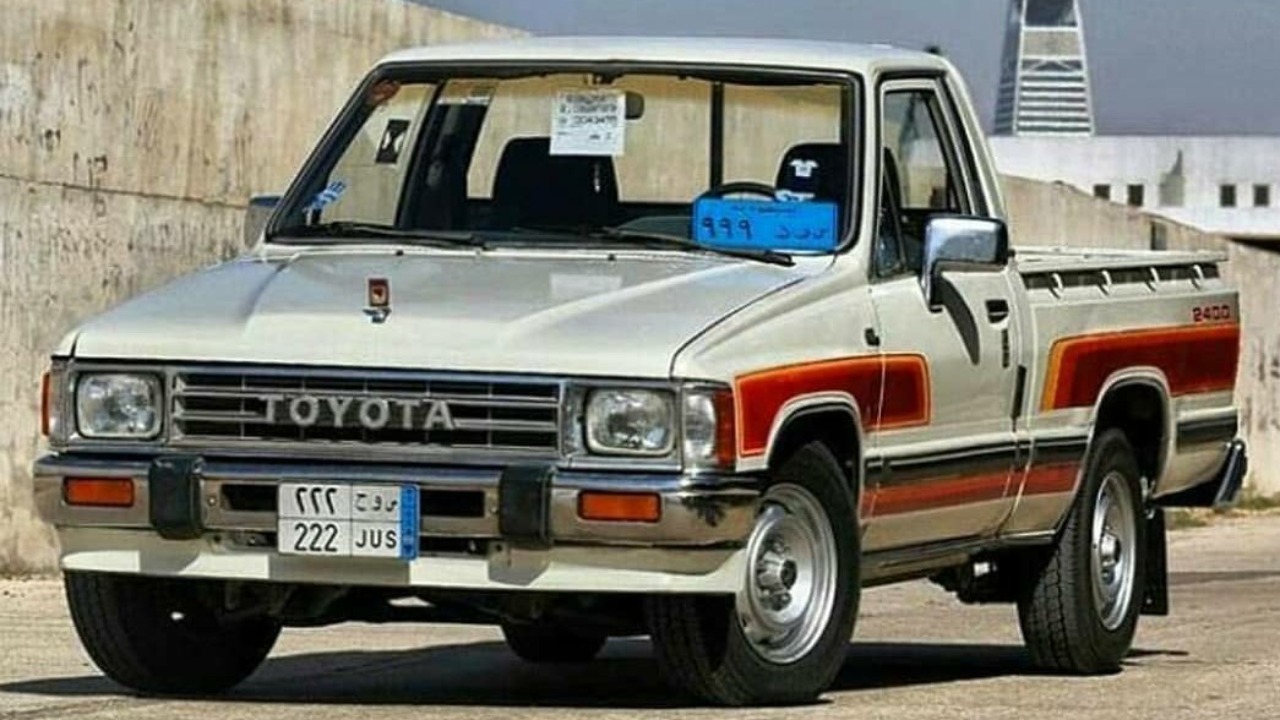
The Toyota Hilux became one of the most respected compact pickups by proving that a small truck could handle serious punishment. Its simple construction, durable engines, and tough chassis made it useful for everything from farm work to remote transportation. Many were driven for years with little more than routine maintenance and occasional repairs. The Hilux eventually became famous worldwide for its ability to keep operating under difficult conditions, giving it a reputation that has followed the nameplate for generations.
Ford F-100
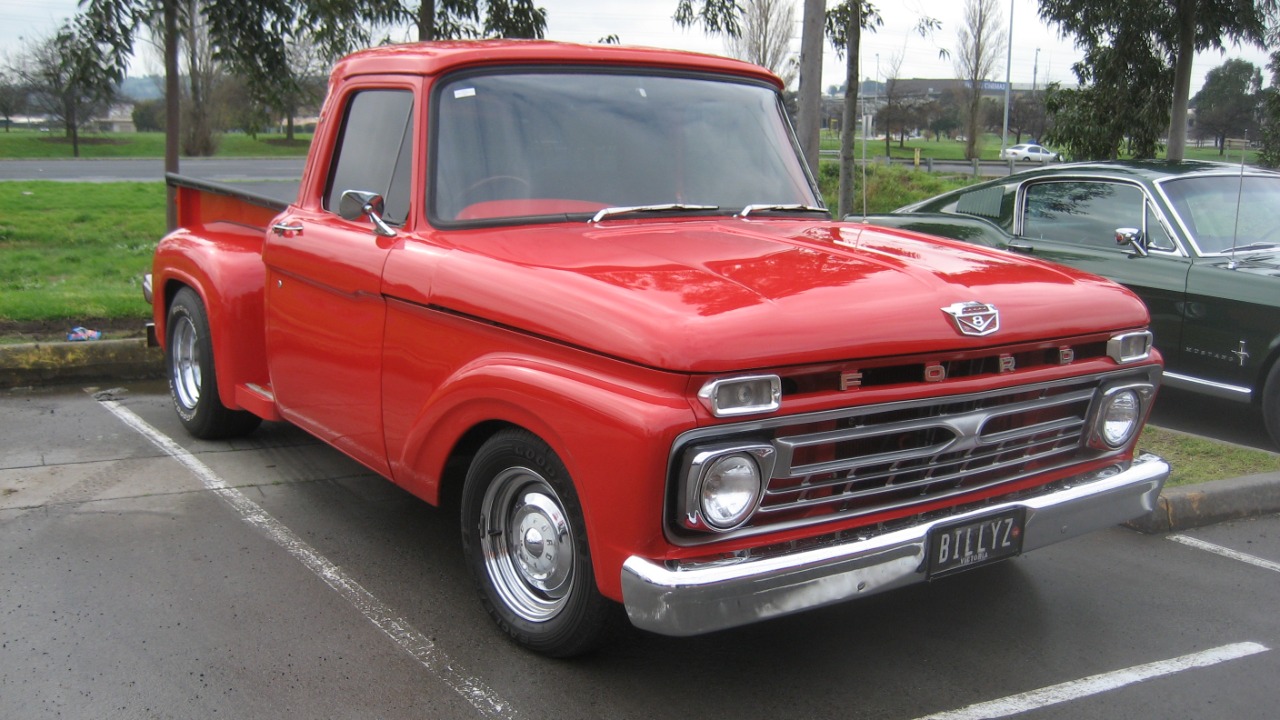
The Ford F-100 became a cornerstone of the American pickup market because it was built around straightforward mechanical engineering and practical usefulness. Earlier versions could be repaired by ordinary mechanics without specialized equipment, while their sturdy frames handled years of hauling and towing. Many F-100s were treated as tools rather than collector vehicles, which makes surviving examples especially interesting today. Their combination of recognizable styling, simple mechanicals, and working-truck durability helped establish the F-Series legacy.
Chevrolet C10
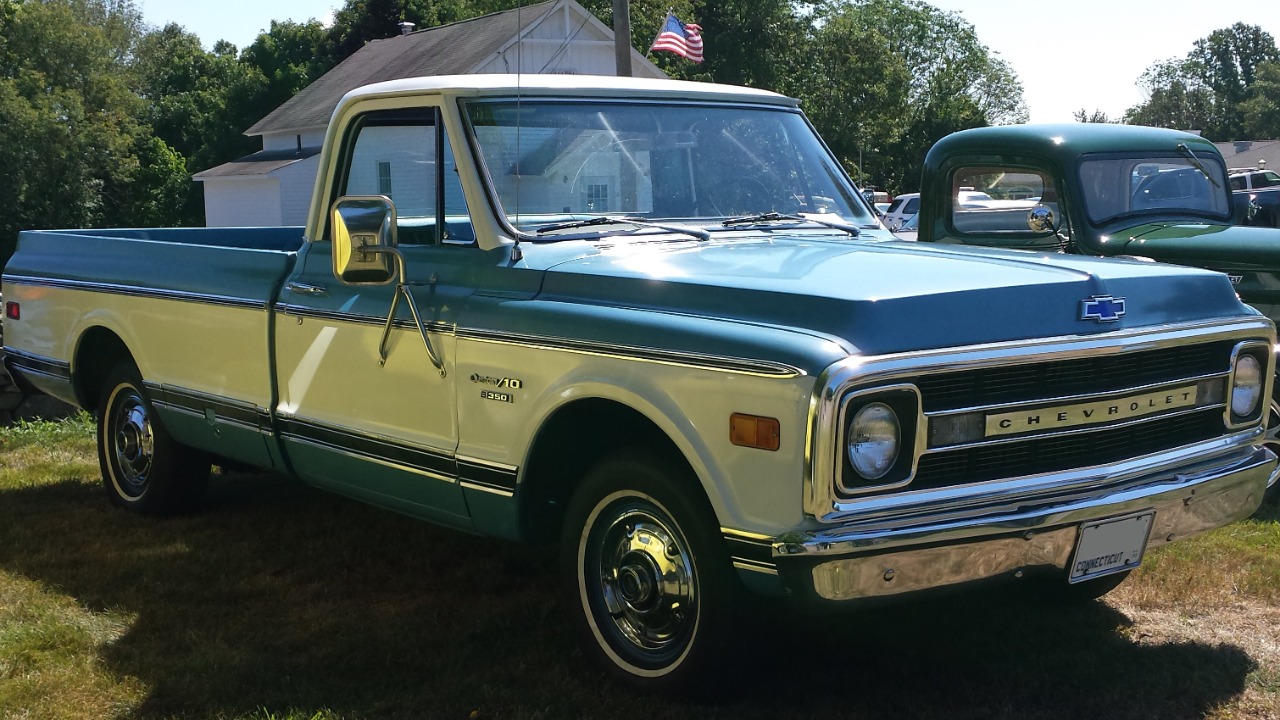
The Chevrolet C10 became legendary partly because it could serve almost any owner. Farmers, tradesmen, small businesses, and everyday drivers all found uses for its practical dimensions and dependable mechanical package. Its body-on-frame construction and familiar Chevrolet engines made repairs relatively straightforward. Many examples accumulated decades of use before becoming classics. Today, the C10 is equally comfortable at a car show or parked beside a workshop, showing how a basic work truck can eventually become a highly desirable classic.
Nissan Hardbody
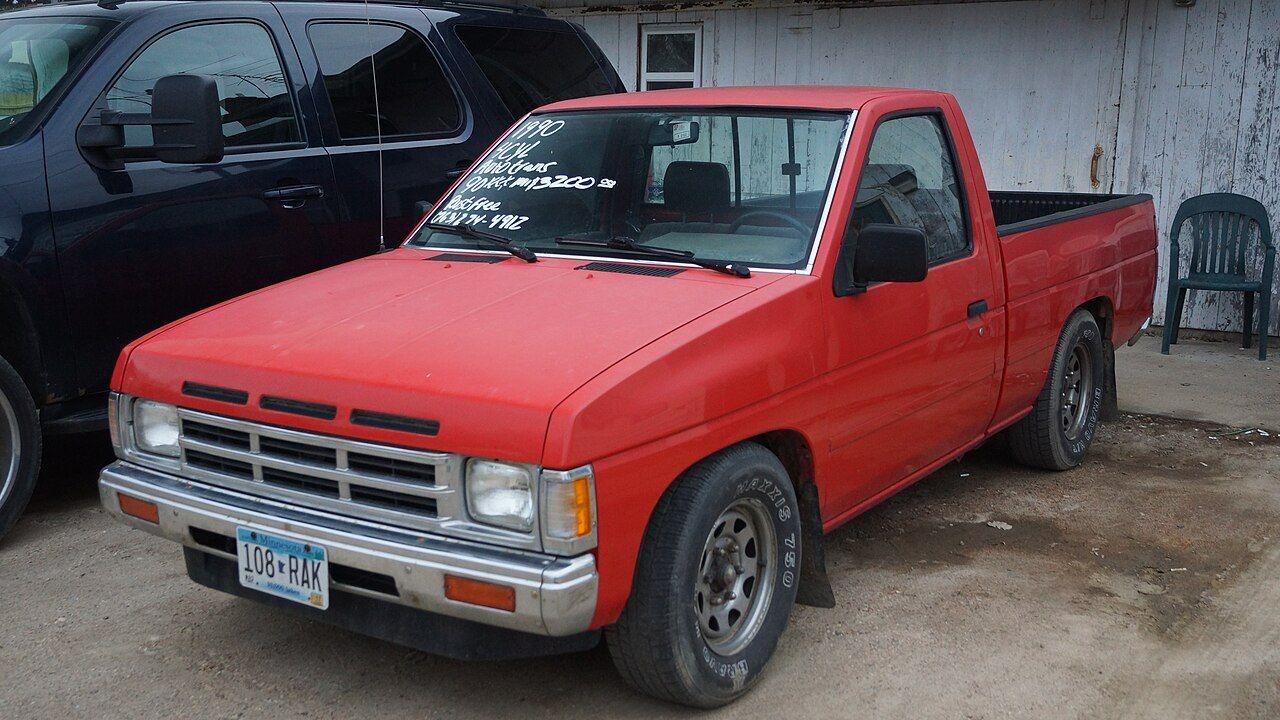
The Nissan Hardbody earned its reputation through a combination of compact size and remarkable toughness. Its straightforward engines and durable chassis allowed many examples to rack up impressive mileage while remaining useful as everyday transportation. Owners often appreciated that the truck could handle work without requiring the size or fuel consumption of a full-size pickup. Clean examples are increasingly sought after today because the Hardbody captures the uncomplicated character of older trucks while offering a reputation for durability that still resonates with enthusiasts.
Ford Ranger
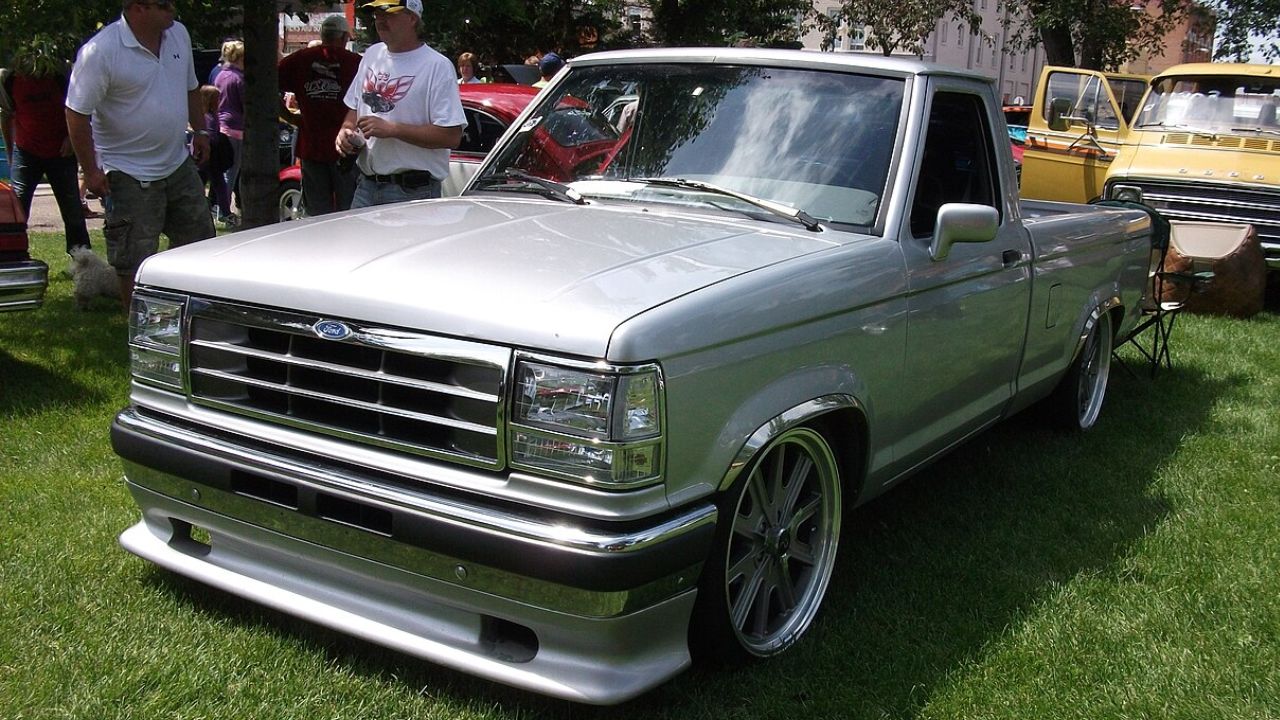
The early Ford Ranger helped make compact pickups a major part of the American market. It provided enough bed space for everyday jobs while remaining easier to maneuver and operate than a full-size truck. Its conventional engines and mechanical systems also made it approachable for owners who preferred doing their own repairs. Many Rangers remained daily transportation for years after newer models arrived. That long service life helped establish the Ranger as one of the most recognizable compact pickups of its era.
Chevrolet S-10
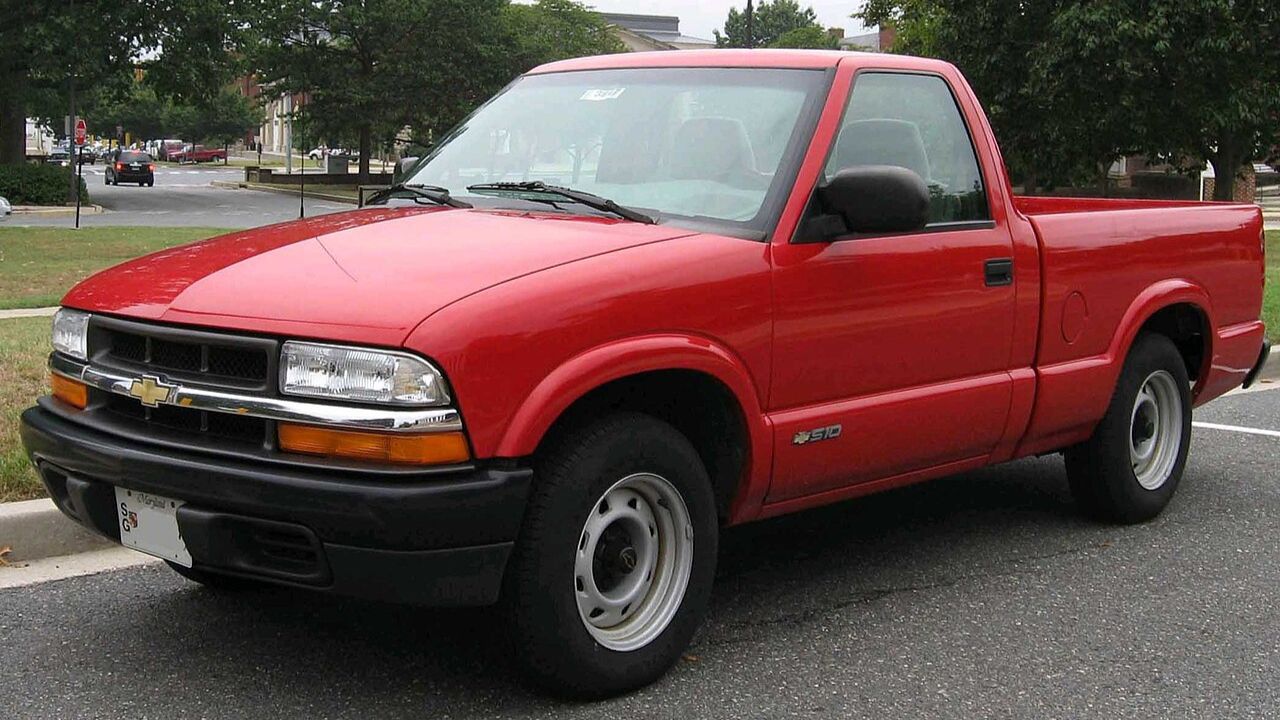
The Chevrolet S-10 became a popular choice for buyers who wanted truck utility without the bulk of a full-size pickup. Its simple drivetrain, compact dimensions, and familiar GM engines made it inexpensive to keep running. Many were used for everything from weekend projects to serious work, often accumulating years of service in the process. Because they were once so common, surviving examples can be overlooked, but a well-kept S-10 now represents a disappearing form of simple, practical American trucking.
Toyota Pickup
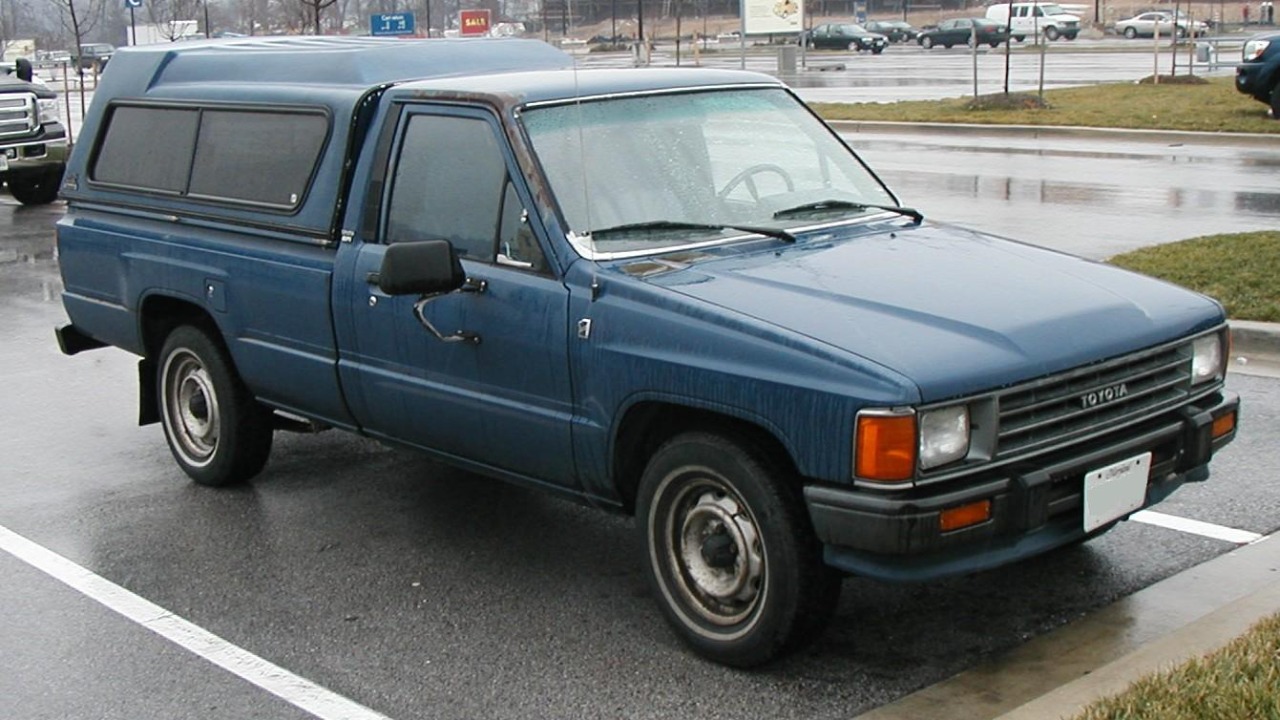
Before the Tacoma became Toyota’s best-known compact pickup in America, the Toyota Pickup established the company’s reputation for long-lasting trucks. Its straightforward construction and durable powertrains helped it survive heavy use, while four-wheel-drive versions became especially popular with off-road owners. Many were kept running through basic repairs rather than expensive restoration. That practicality explains why these trucks remain so appealing. They were designed to work, and decades later, their reputation continues to be based on exactly that purpose.
Mazda B-Series
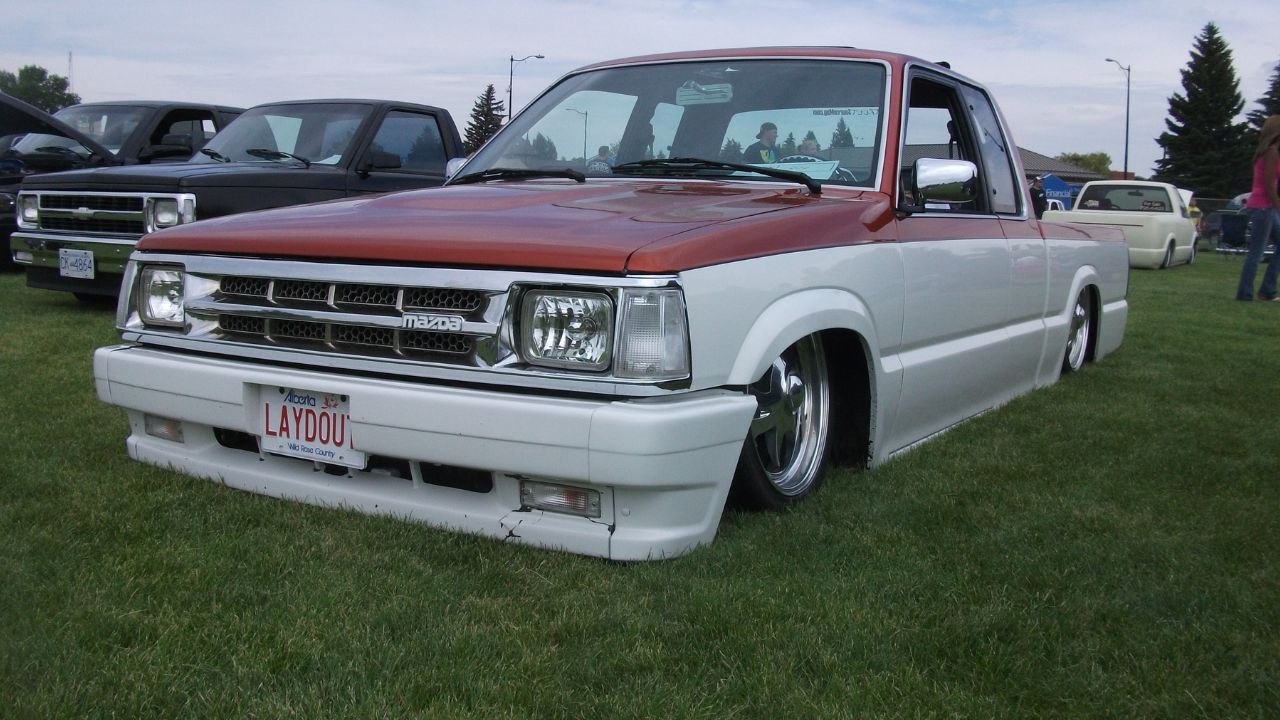
The Mazda B-Series was never the largest or most powerful pickup on the road, but it offered something many buyers valued more: simplicity. Its compact body, conventional drivetrain, and economical engines made it practical for light hauling and everyday transportation. Owners could often keep them going without the complicated electronics found in newer trucks. Many were worked hard and eventually disappeared, making surviving examples increasingly interesting. For enthusiasts, the B-Series is a reminder that a useful truck does not need to be oversized.
Dodge D-Series
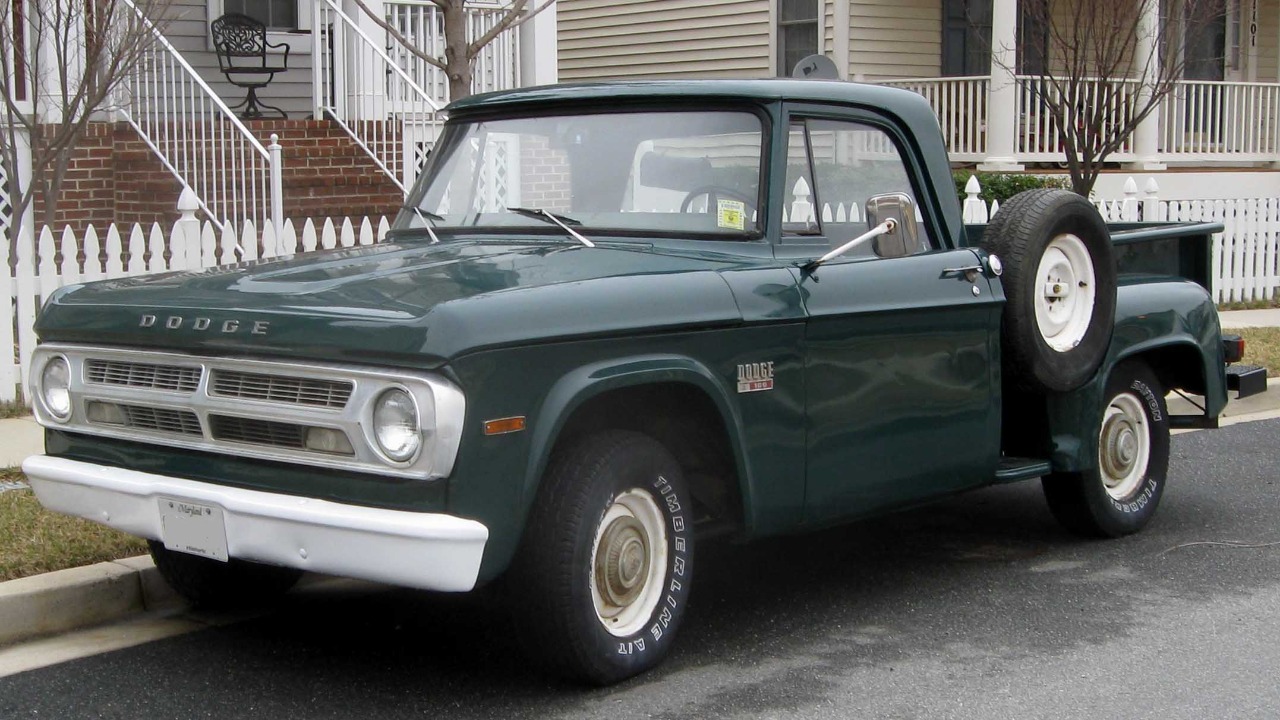
The Dodge D-Series represented the traditional American pickup formula with sturdy frames, straightforward mechanicals, and available V8 power. These trucks were commonly used for demanding work, towing, and hauling, yet their basic engineering made long-term maintenance manageable. Their distinctive styling also helped them stand apart from Ford and Chevrolet competitors. Many survived because owners simply kept repairing them instead of replacing them. Today, restored D-Series pickups have strong appeal because they combine genuine working-truck history with unmistakable vintage character.
Chevrolet K10
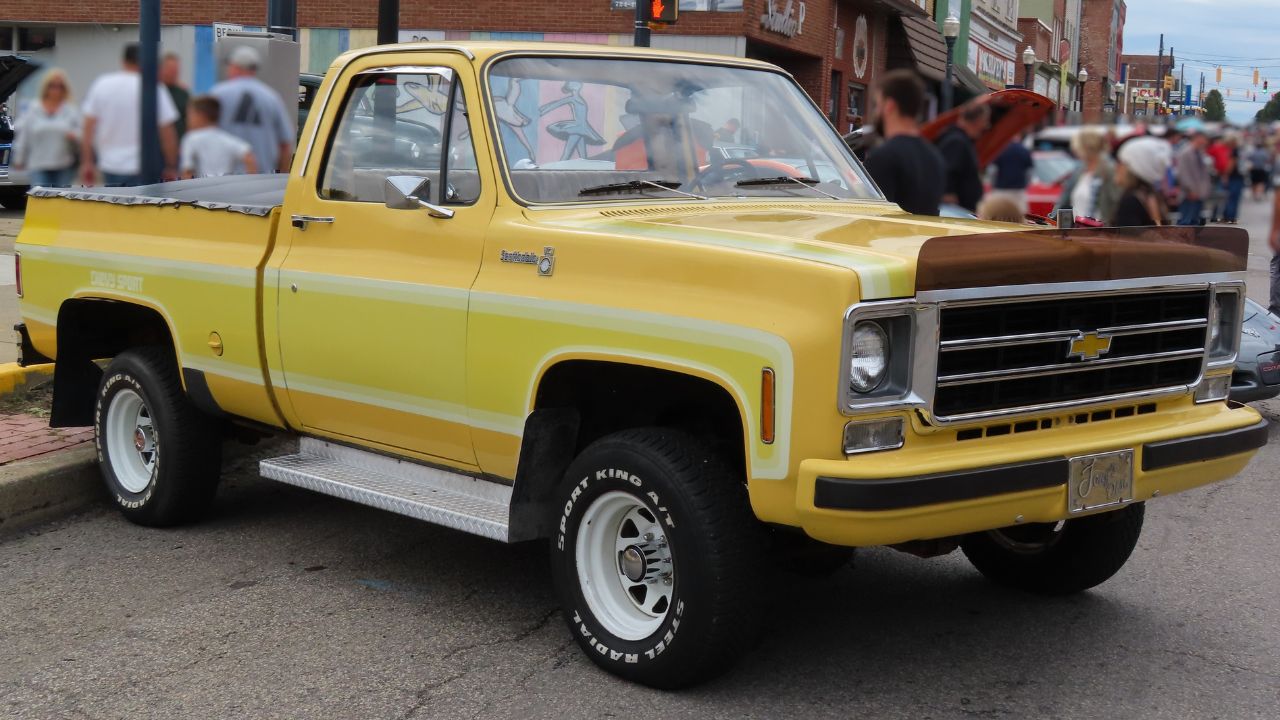
The Chevrolet K10 brought four-wheel-drive capability to a popular light-duty pickup platform and became a favorite for people who needed traction as much as hauling ability. Its traditional frame, durable drivetrain, and available V8 engines gave it plenty of capability for farm work, towing, and off-road use. Many were exposed to harsh conditions throughout their lives. The survivors that remain today show why the K10 developed such a strong following among classic truck owners and off-road enthusiasts.
GMC Sonoma
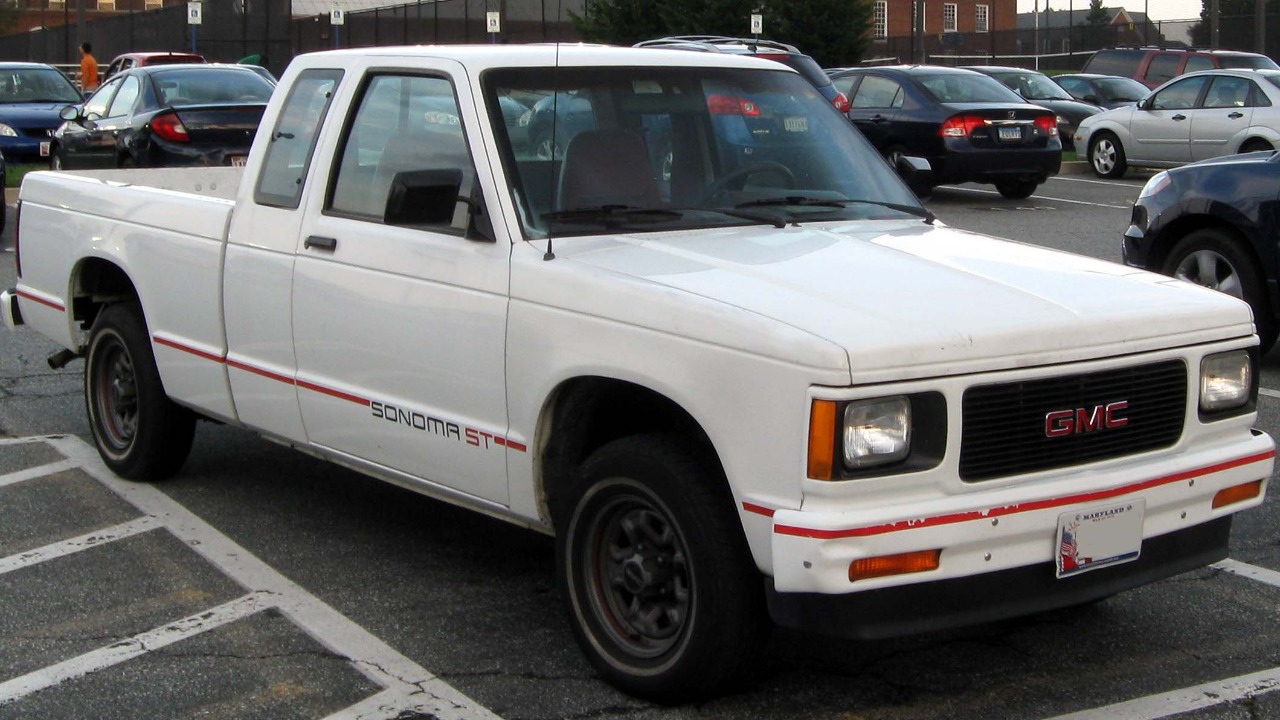
The GMC Sonoma shared much of its mechanical foundation with the Chevrolet S-10 while offering its own styling and trim choices. Its compact proportions made it useful around town, while available four-wheel-drive versions added capability for rougher conditions. The truck’s relatively simple mechanical layout also helped owners keep aging examples on the road. Many were inexpensive enough to be used hard without much concern for preservation. That makes clean Sonomas increasingly interesting as examples of a disappearing generation of compact pickups.
Ford F-250
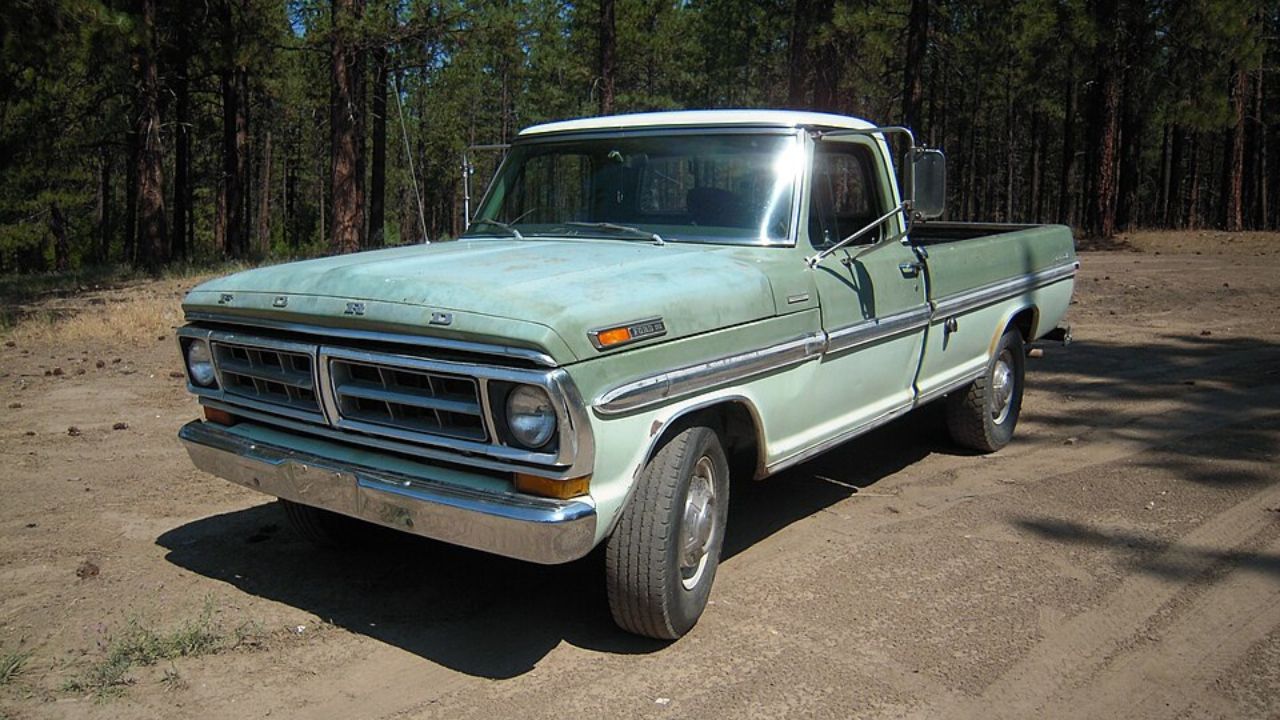
The Ford F-250 was designed for owners who needed more strength than a half-ton pickup could provide. Its heavier-duty chassis, suspension, and available V8 engines allowed it to handle serious hauling and towing duties. Older versions were also relatively easy to service, making them practical long-term work vehicles. Many spent decades on farms, ranches, and job sites before retirement. The F-250’s reputation today comes largely from that working history, with surviving trucks demonstrating how much punishment these pickups could absorb.
Chevrolet LUV
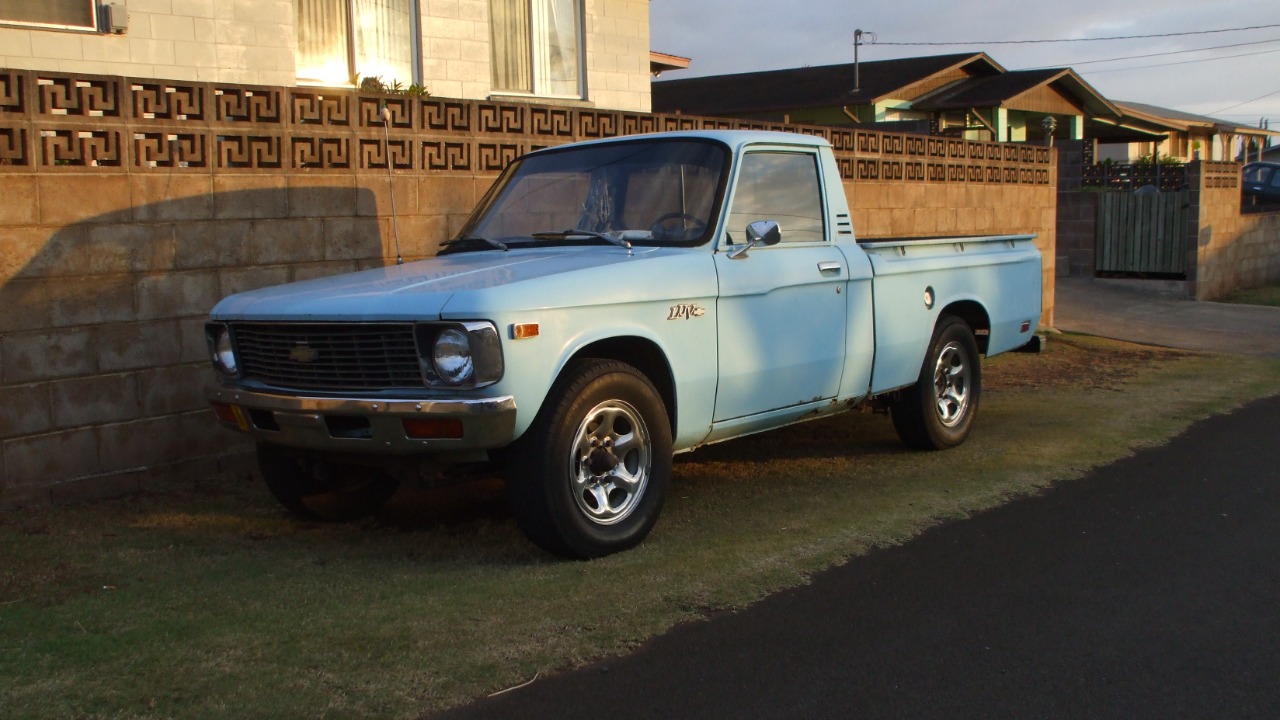
The Chevrolet LUV brought compact Japanese-style pickup engineering to Chevrolet showrooms at a time when smaller trucks were becoming increasingly popular. Its lightweight construction and economical four-cylinder engine made it easy to operate, while the small bed provided useful cargo space. The LUV was never as common as Chevrolet’s full-size pickups, and many were used until they were worn out. That makes surviving examples particularly appealing today. It represents an important period when buyers discovered they did not always need a massive truck.
Ford Courier
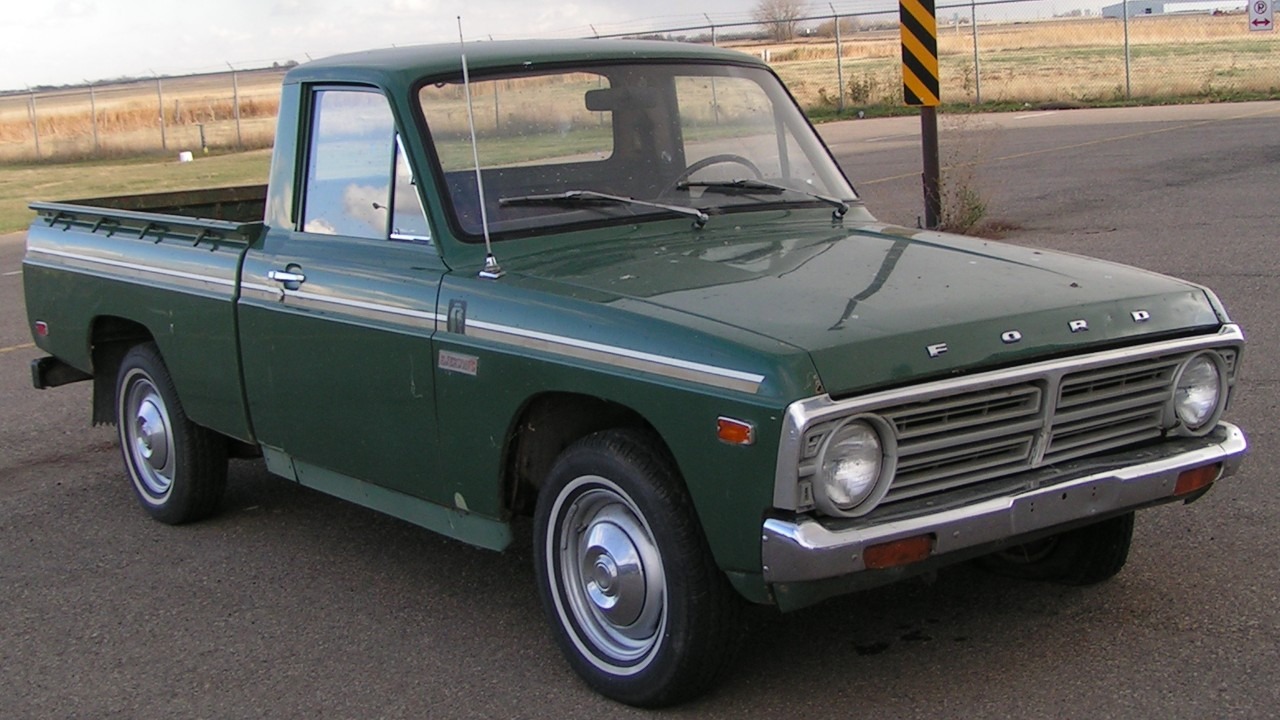
The Ford Courier was another compact pickup that emphasized practicality over size and complexity. Its smaller engine and lightweight construction helped keep operating costs manageable, while the bed made it useful for light work. It was especially appealing to buyers who wanted pickup capability without committing to a full-size truck. Many Couriers spent their lives as inexpensive work vehicles, which means relatively few were preserved. The survivors now have a certain charm because they represent a simpler era of everyday pickup ownership.
International Harvester Scout II
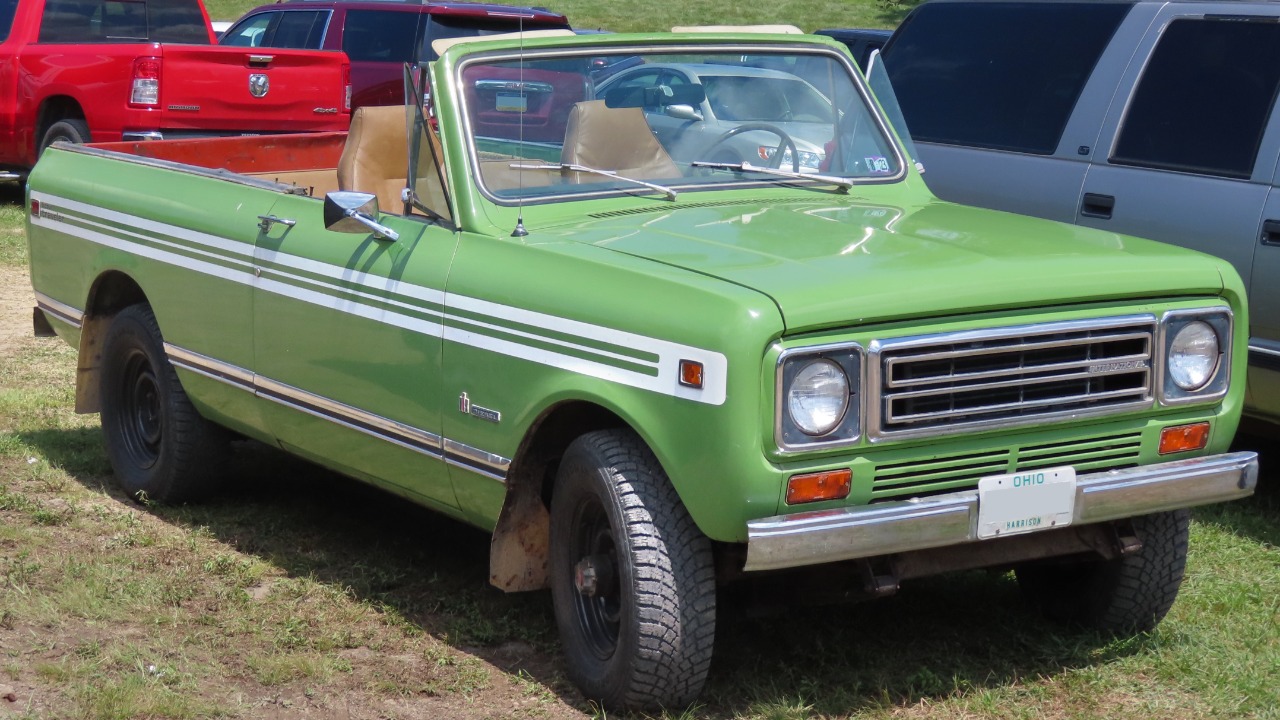
The International Harvester Scout II was technically a utility vehicle rather than a conventional pickup, but its rugged construction and available pickup-style configurations made it a natural workhorse. Its four-wheel-drive system and straightforward engines were designed for demanding conditions. Scouts were frequently used on farms, ranches, trails, and work sites where durability mattered more than comfort. Their ability to survive those environments helped build a loyal following. Today, a restored Scout II is valued for both its toughness and its distinctive place in American truck history.
Jeep Comanche
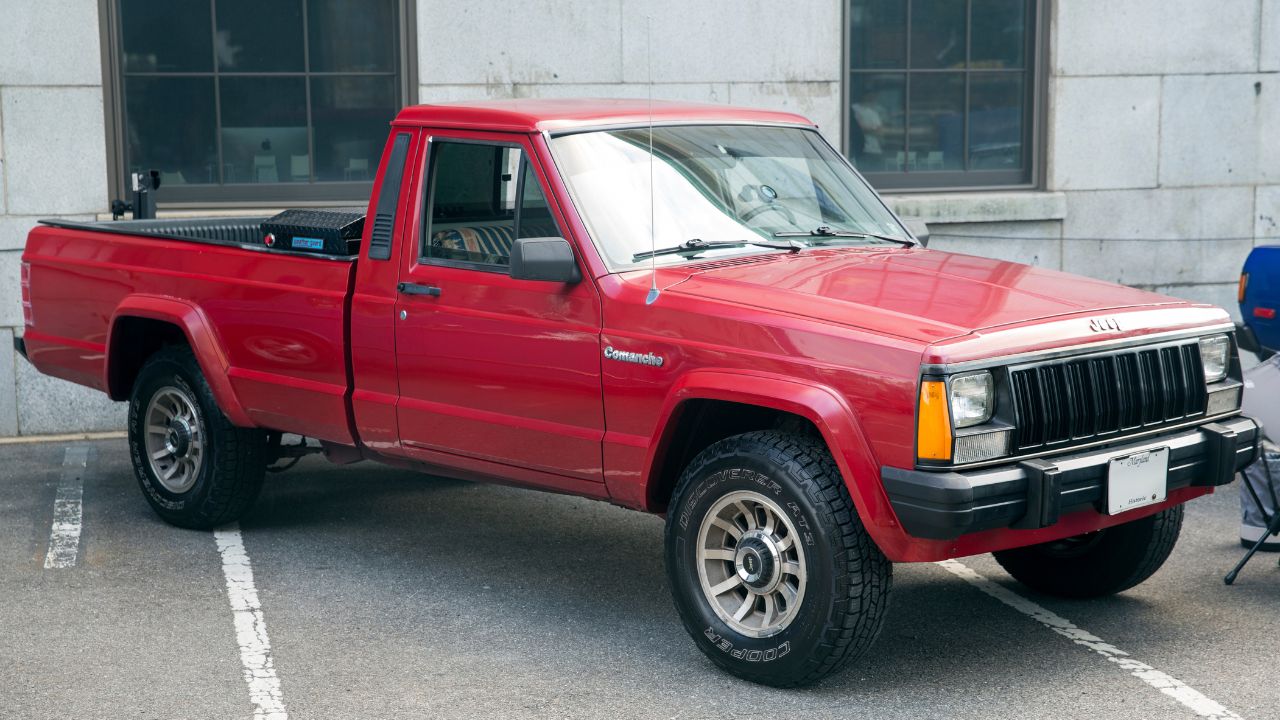
The Jeep Comanche brought pickup practicality to the Jeep lineup while retaining the brand’s reputation for off-road capability. Four-wheel-drive versions could handle difficult terrain, while later models offered the durable 4.0-liter inline-six that became particularly respected. The Comanche’s relatively short production run means surviving examples are becoming harder to find. Many were used as inexpensive work trucks or recreational vehicles rather than carefully preserved. That makes today’s clean examples especially appealing to people who appreciate unusual but genuinely capable classic pickups.
Mitsubishi Mighty Max

The Mitsubishi Mighty Max offered American buyers a compact alternative to increasingly large domestic pickups. Its economical engines, manageable dimensions, and straightforward mechanical design made it useful for everyday hauling without excessive operating costs. Four-wheel-drive versions added versatility for owners who needed additional traction. Like many compact pickups of its era, the Mighty Max was usually purchased as a practical tool rather than a future collectible. Its survival into the present is therefore a strong reminder of how durable simple truck engineering could be.
Isuzu Pickup
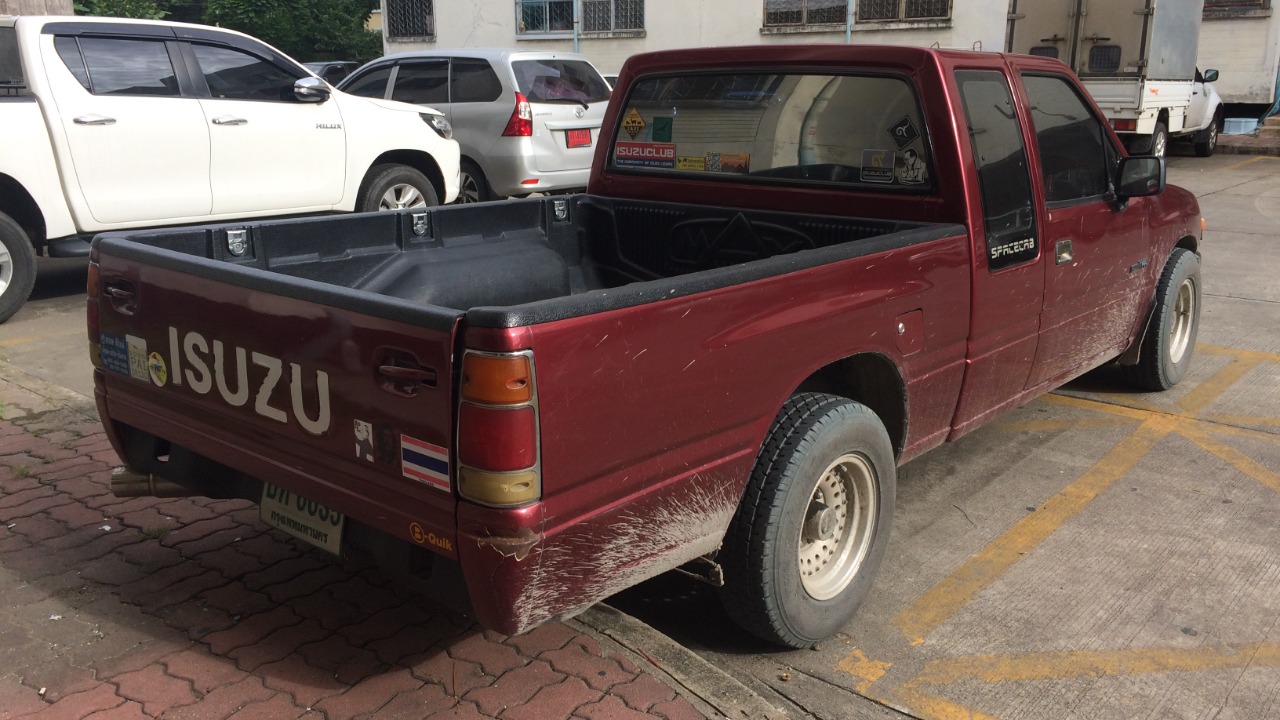
The Isuzu Pickup was built around a straightforward philosophy: provide useful truck capability without unnecessary complexity. Its compact dimensions and economical engines made it appealing to small businesses and private owners who needed basic transportation that could also haul cargo. Many were driven for years because they were inexpensive to keep in service. Clean survivors are less common now, partly because so many were used until they were exhausted. That working history is precisely what gives the Isuzu Pickup its understated classic appeal.
GMC Sierra Classic

The GMC Sierra Classic represented an era when pickups were still primarily designed as tools. Its traditional frame, familiar GM engines, and straightforward drivetrain made it suitable for towing, hauling, and everyday work. Many owners kept these trucks running through routine maintenance and relatively simple repairs. Their boxy styling has also aged well, giving surviving examples a strong visual identity. The Sierra Classic may not have started life as a collector vehicle, but its combination of durability and practicality helped it become one.
More from Fast Lane Only
- Unboxing the WWII Jeep in a Crate
- 15 rare Chevys collectors are quietly buying
- 10 underrated V8s still worth hunting down
- Police notice this before you even roll window down
*Research for this article included AI assistance, with all final content reviewed by human editors.