Cadillac has spent decades building cars meant to stand above the crowd, but plenty of its most interesting models have faded from everyday memory. Some were technological standouts, others offered remarkable comfort or performance, and a few simply arrived at the wrong time. These forgotten Cadillacs show how often the brand was willing to take a different approach.
Cadillac V-16
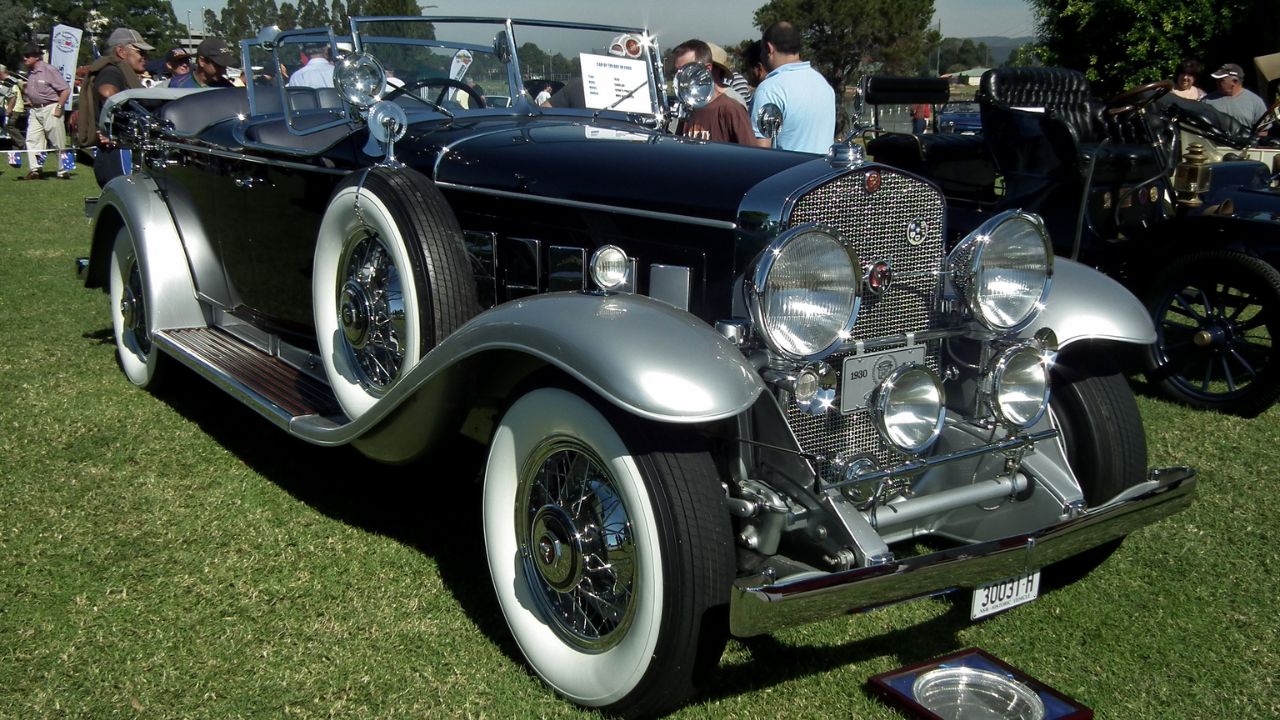
The Cadillac V-16 remains one of the clearest examples of the brand’s ambition during the prewar luxury era. Its massive sixteen-cylinder engine gave Cadillac an extraordinary level of prestige, while the car was available in an impressive range of body styles. It was built for wealthy buyers who wanted something more substantial than an ordinary luxury car. Even today, the V-16 stands apart for its engineering, craftsmanship, and sheer presence, making many contemporary rivals seem considerably more conservative.
Cadillac V-12
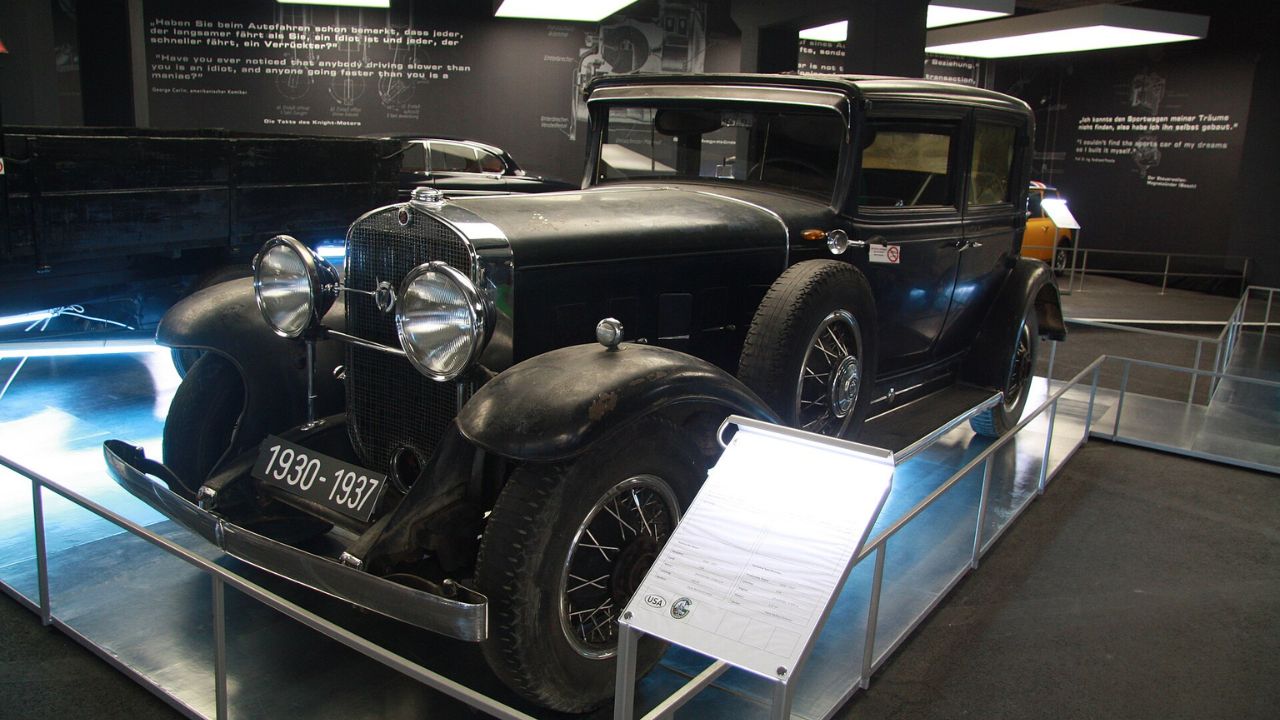
The Cadillac V-12 offered much of the refinement of the V-16 in a somewhat more accessible package. Its twelve-cylinder engine delivered smooth power, while Cadillac’s large bodies and carefully finished interiors made the car a serious luxury statement. The V-12 could compete with prestigious European marques while retaining Cadillac’s distinctly American character. Although the model has been overshadowed by the V-16 in collector conversations, enthusiasts recognize the V-12 as one of the company’s most important early luxury automobiles.
Cadillac LaSalle
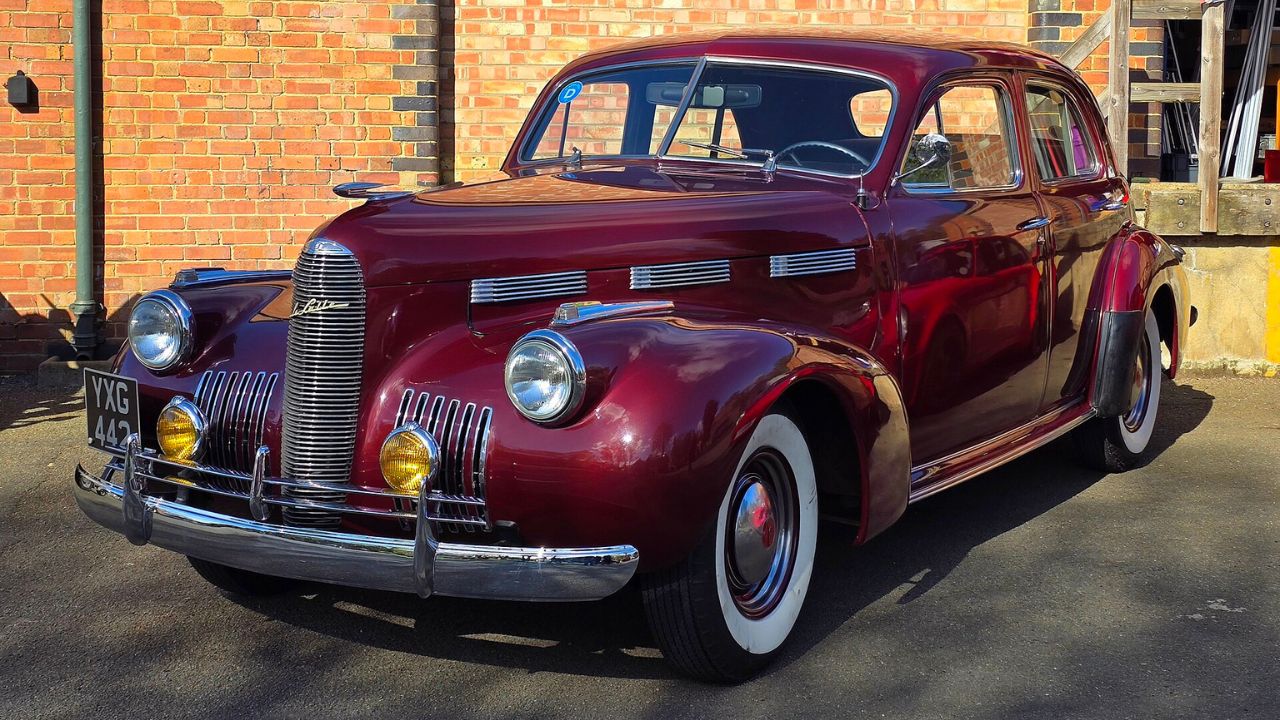
The LaSalle was created to give buyers Cadillac engineering and prestige in a slightly smaller, more affordable package. Its styling helped distinguish it from conventional Cadillacs, while Harley Earl’s influence gave the car a more modern appearance. LaSalle quickly became an important part of General Motors’ luxury strategy. It also helped establish design ideas that would influence future Cadillac products. Today, the LaSalle is often forgotten outside collector circles, despite playing a major role in the development of American luxury cars.
Cadillac Series 70
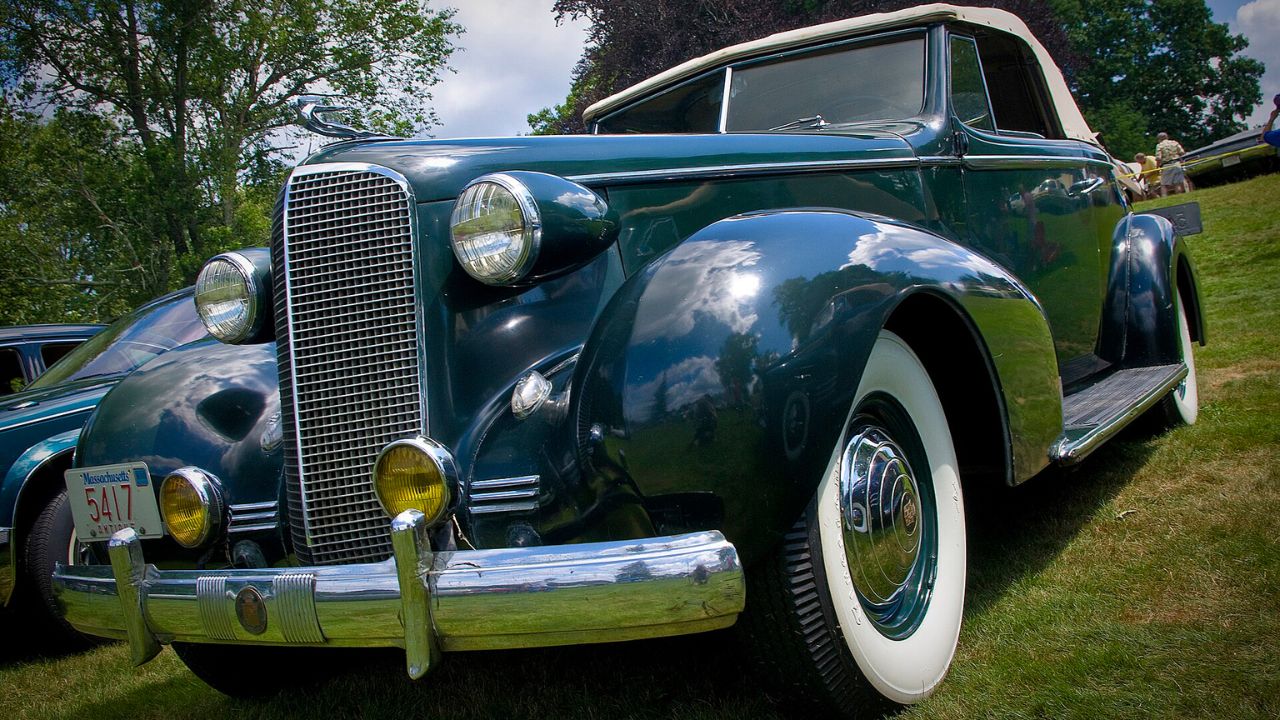
The Series 70 became one of Cadillac’s important full-size offerings and was positioned above several of the company’s more accessible models. It offered strong V8 performance, generous interior space, and the kind of imposing styling buyers expected from a premium American automobile. Its long production history also reflected Cadillac’s ability to adapt its flagship formula through changing decades. The Series 70 may not have the instant recognition of the Eldorado, but it represents the traditional Cadillac formula at its most substantial.
Cadillac Series 80
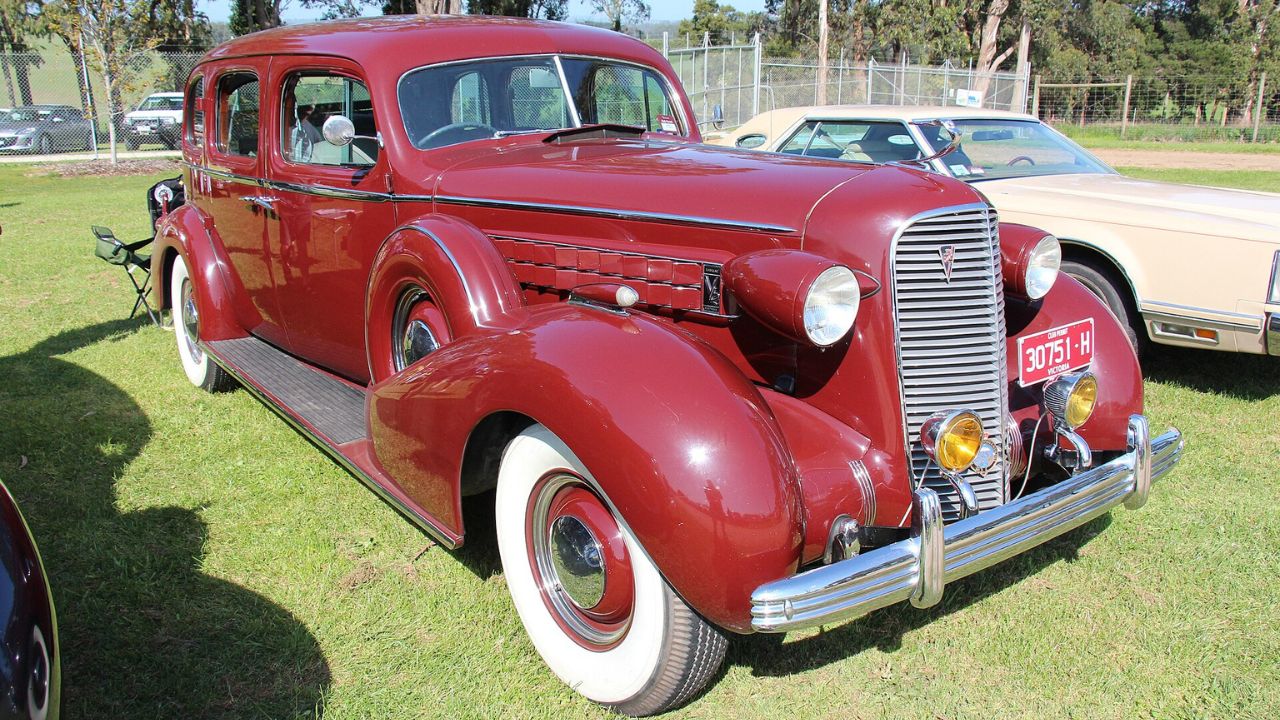
The Series 80 was another substantial Cadillac that catered to buyers seeking exceptional space and prestige. Its large body and V8 power gave it the presence expected of a premium automobile during its era. Cadillac’s reputation for smooth operation and comfortable cruising was central to the car’s appeal. The Series 80 has largely disappeared from casual automotive conversation, yet it remains an interesting example of how many different full-size luxury cars Cadillac offered before its postwar lineup became more familiar.
Cadillac Series 90
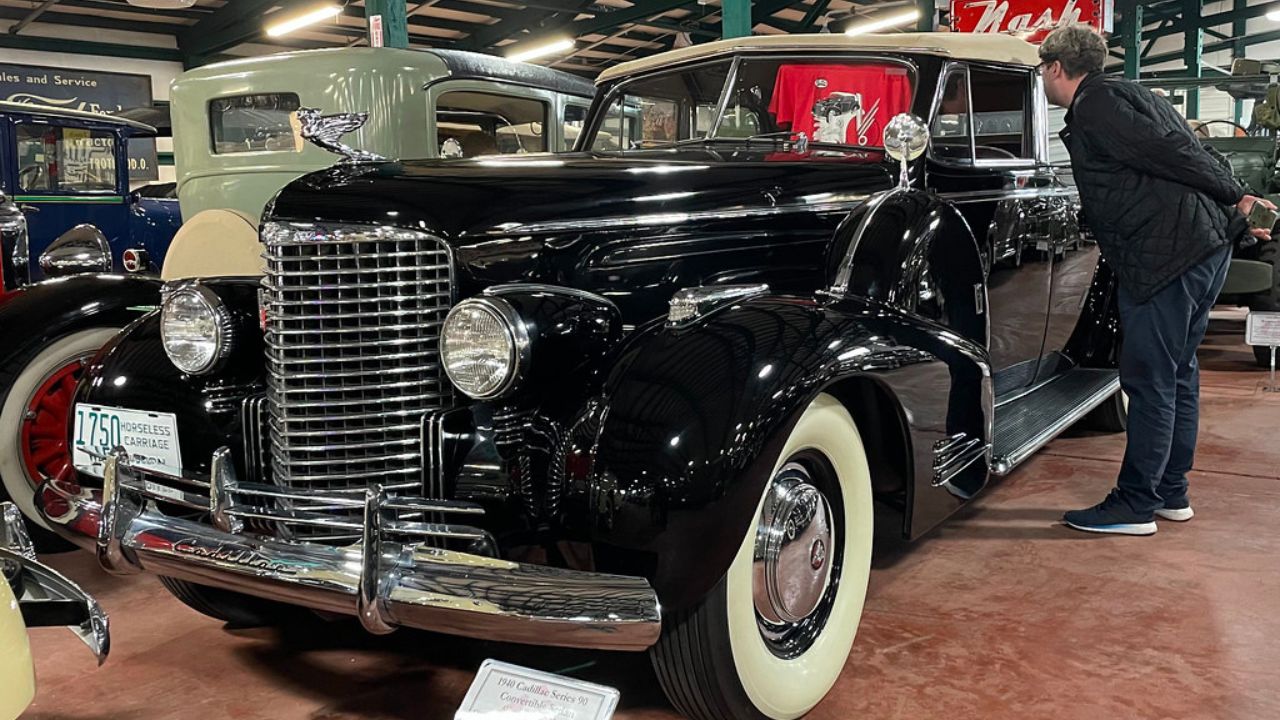
The Series 90 was positioned at the very top of Cadillac’s prewar range and represented the company’s most extravagant approach to luxury motoring. Its V16 powertrain and enormous proportions made it an unmistakable statement car. Buyers could choose from highly elaborate body styles, turning the automobile into a rolling display of wealth and craftsmanship. The Series 90 is rarely encountered today, but its specifications show just how far Cadillac was willing to go when competing for the attention of the world’s wealthiest motorists.
Cadillac Fleetwood Sixty-One
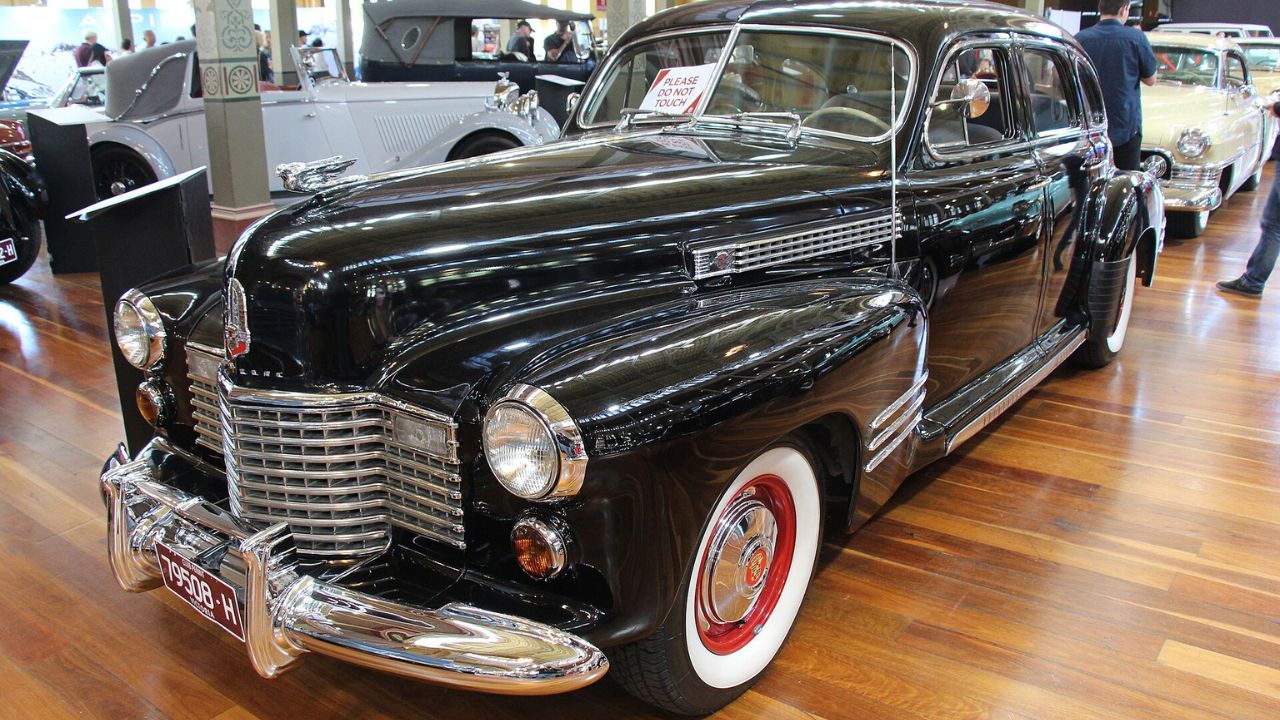
The Fleetwood Sixty-One combined Cadillac’s luxury image with a more approachable full-size format. Fleetwood’s name brought an additional sense of prestige, while the car’s V8 power and carefully finished cabin made it a compelling alternative to other premium American automobiles. It is less remembered than some later Fleetwood models, partly because Cadillac produced so many distinctive cars during this period. Enthusiasts still appreciate the Sixty-One for its elegant proportions and connection to Cadillac’s classic coachbuilding tradition.
Cadillac Series 62 Sedanette
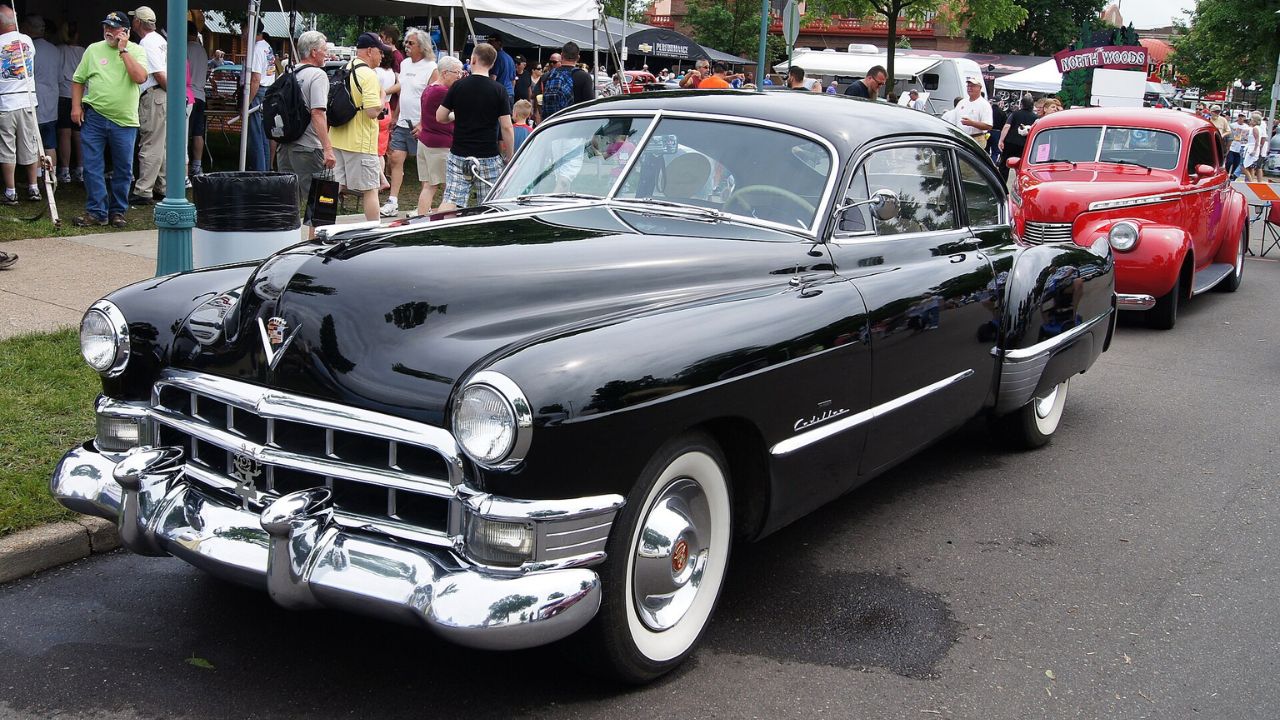
The Series 62 Sedanette brought a striking fastback profile to Cadillac’s postwar lineup. Its flowing roofline made it considerably more distinctive than a conventional sedan, while the large body and V8 engine preserved the comfort and performance expected from the brand. The design captured the optimism of postwar America and helped Cadillac establish a stronger visual identity. Today, the Sedanette can be overshadowed by more famous Cadillac convertibles, but its shape remains one of the brand’s most memorable early postwar designs.
Cadillac Series 60 Fleetwood
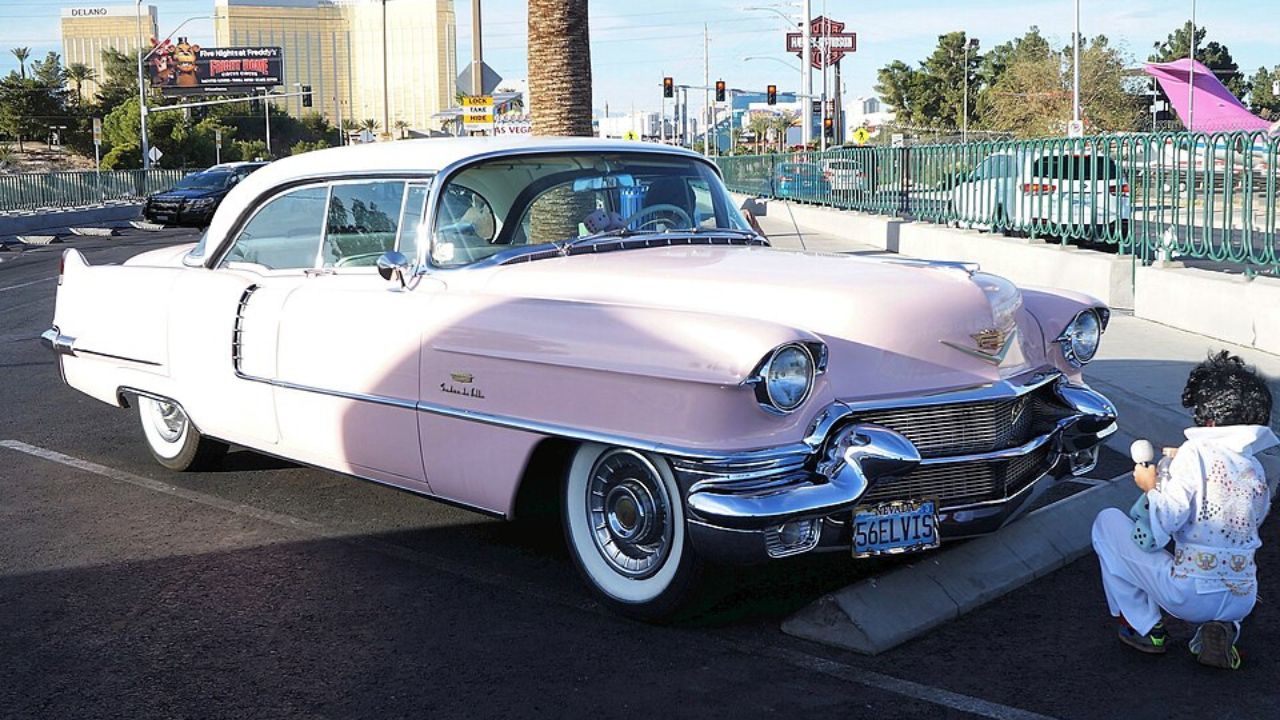
The Series 60 Fleetwood gave Cadillac buyers a luxurious automobile with a more formal character than many of the company’s sportier offerings. Its carefully finished interior and substantial exterior reflected the expectations of affluent American motorists. Fleetwood’s involvement also helped distinguish the model from ordinary production cars. While later Cadillacs became far more recognizable to the general public, enthusiasts value the Series 60 Fleetwood as a reminder of the craftsmanship and formal styling that once defined the brand.
Cadillac Calais
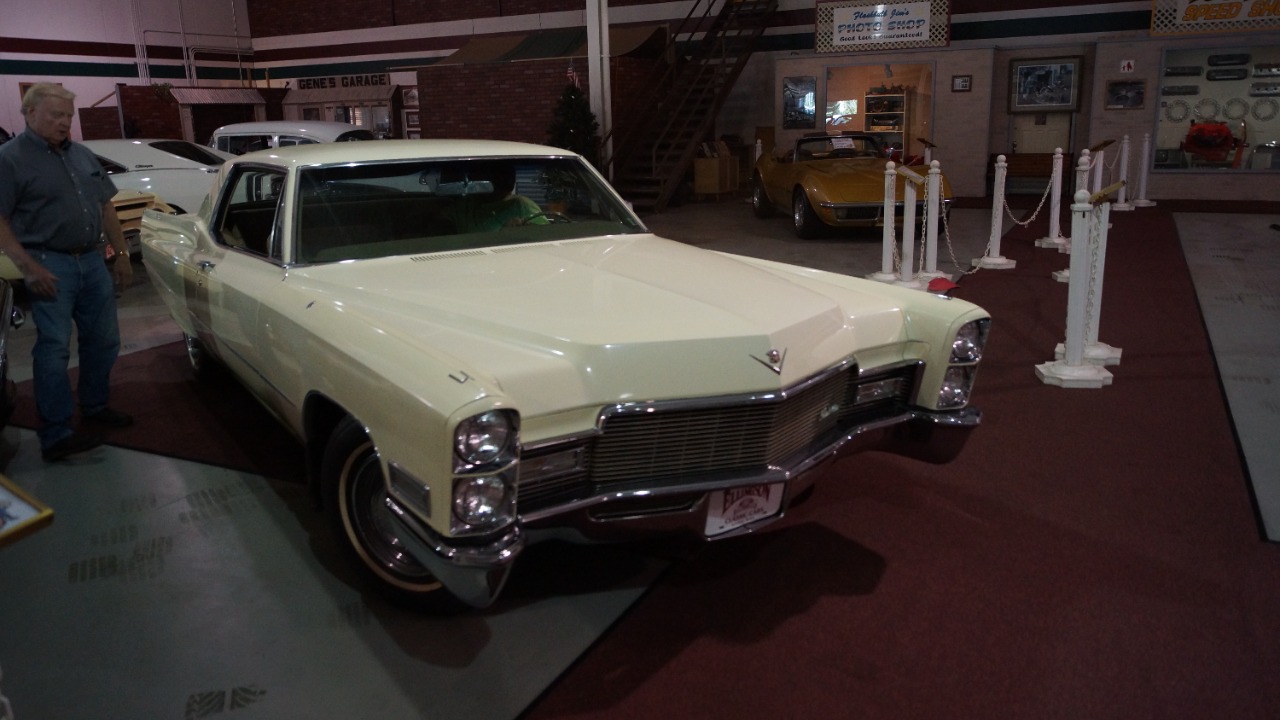
The Calais was Cadillac’s attempt to offer its luxury experience to buyers who did not necessarily want the expense of a top-tier model. It shared much of its basic structure with more expensive Cadillacs while using simpler trim and equipment. That made it an interesting value within the Cadillac range. The Calais eventually disappeared from the lineup, and surviving examples are increasingly unusual. Enthusiasts appreciate it because it provides a different perspective on Cadillac’s strategy during the full-size luxury era.
Cadillac Fleetwood Brougham Coupe
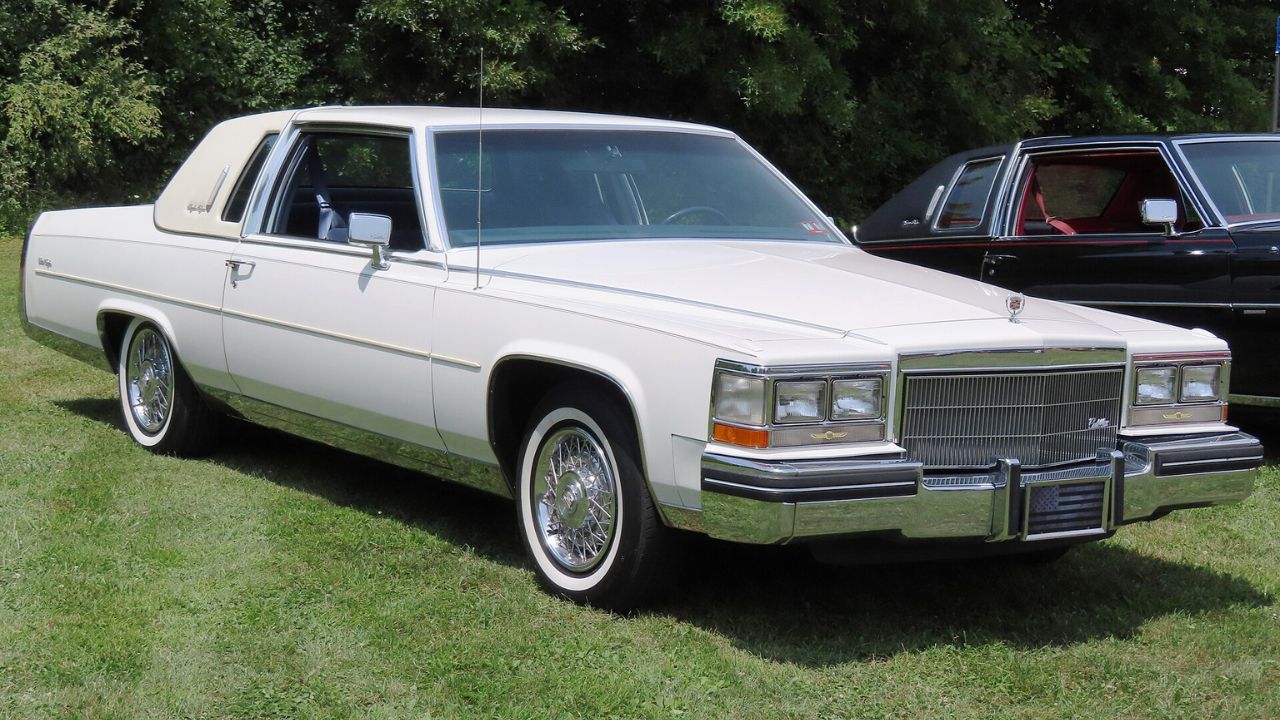
The Fleetwood Brougham Coupe brought Cadillac’s traditional luxury formula into a more personal two-door format. Its large V8, plush interior, and formal styling made it an effortless highway cruiser rather than a sports car. The coupe also demonstrated that Cadillac could make a substantial automobile feel more exclusive simply by giving it two doors. It has been overshadowed by more dramatic Cadillac models, but collectors who appreciate traditional American luxury still recognize the appeal of a well-preserved Brougham Coupe.
Cadillac Seville

The Seville represented a major change in Cadillac thinking. Instead of relying exclusively on huge rear-wheel-drive luxury cars, Cadillac introduced a smaller premium sedan aimed at changing consumer tastes and growing competition. Its clean styling and more manageable proportions made it noticeably different from traditional Cadillacs. The Seville became an important part of the company’s history because it showed Cadillac trying to remain relevant as the luxury market changed. Its importance is often greater than its reputation today suggests.
Cadillac Cimarron
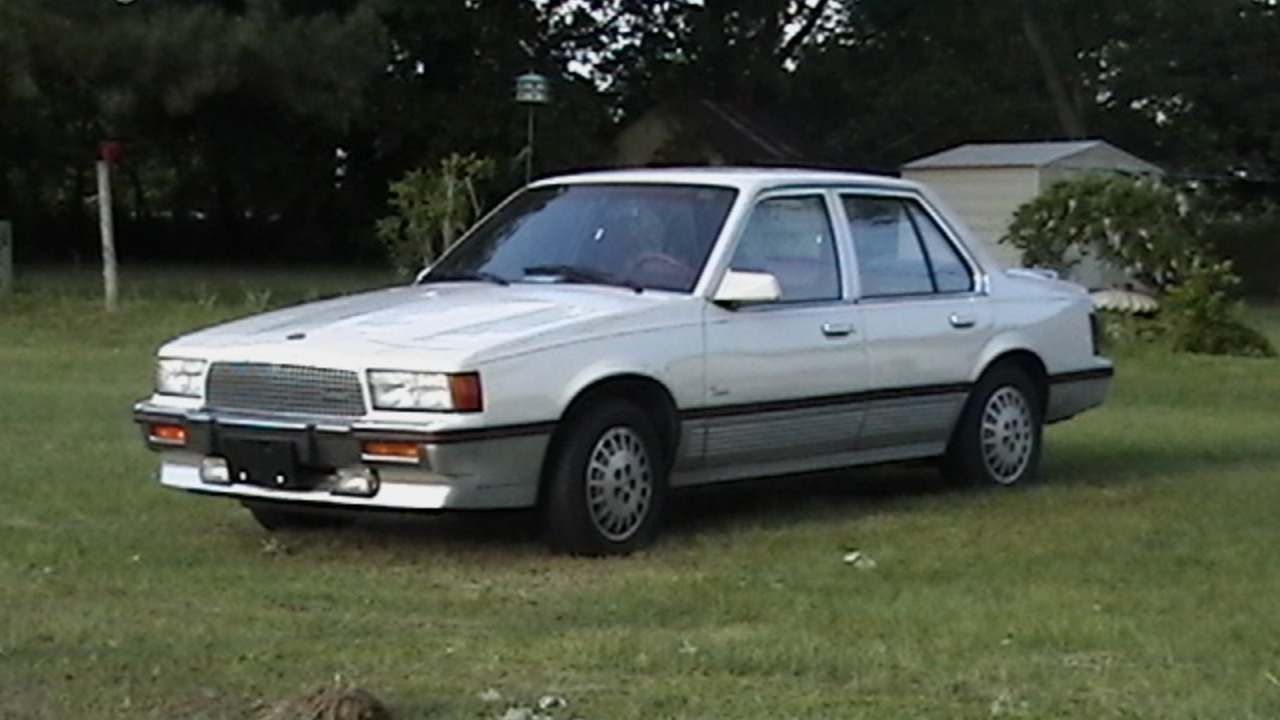
The Cimarron is remembered for very different reasons from Cadillac’s grandest cars, but it deserves a place in the brand’s history. It attempted to bring the Cadillac name to a smaller, more economical platform during a period when luxury buyers were increasingly considering compact vehicles. The execution was controversial, yet the concept reflected a genuine industry shift. Enthusiasts who study Cadillac history recognize the Cimarron as an important example of the difficult choices established luxury brands faced during changing market conditions.
Cadillac Allanté
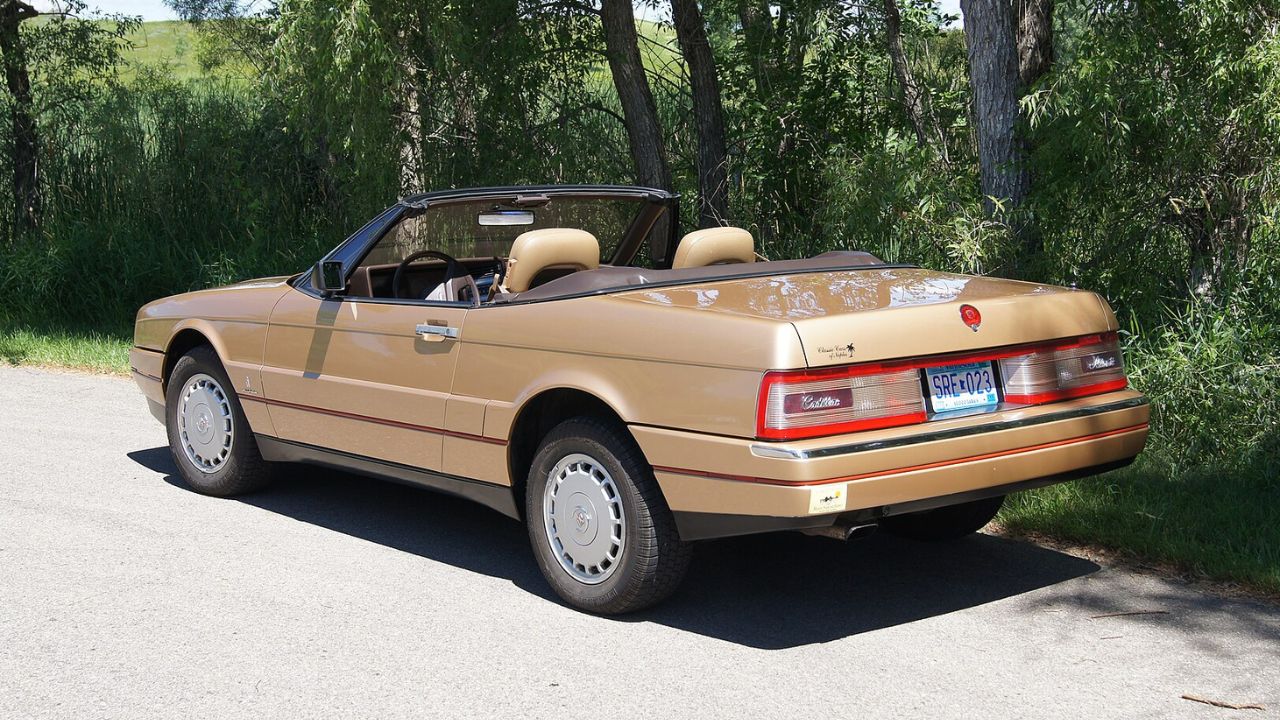
The Allanté was one of Cadillac’s boldest attempts to create a distinctive luxury roadster. Its sleek Italian-designed body gave it a dramatically different appearance from Cadillac’s larger sedans, while its advanced production process made the car unusual even by luxury-car standards. The Allanté was never a huge seller, but that limited production has helped give it a following among collectors. Today, its combination of Cadillac engineering, open-top styling, and European design makes it one of the brand’s most interesting forgotten models.
Cadillac Catera
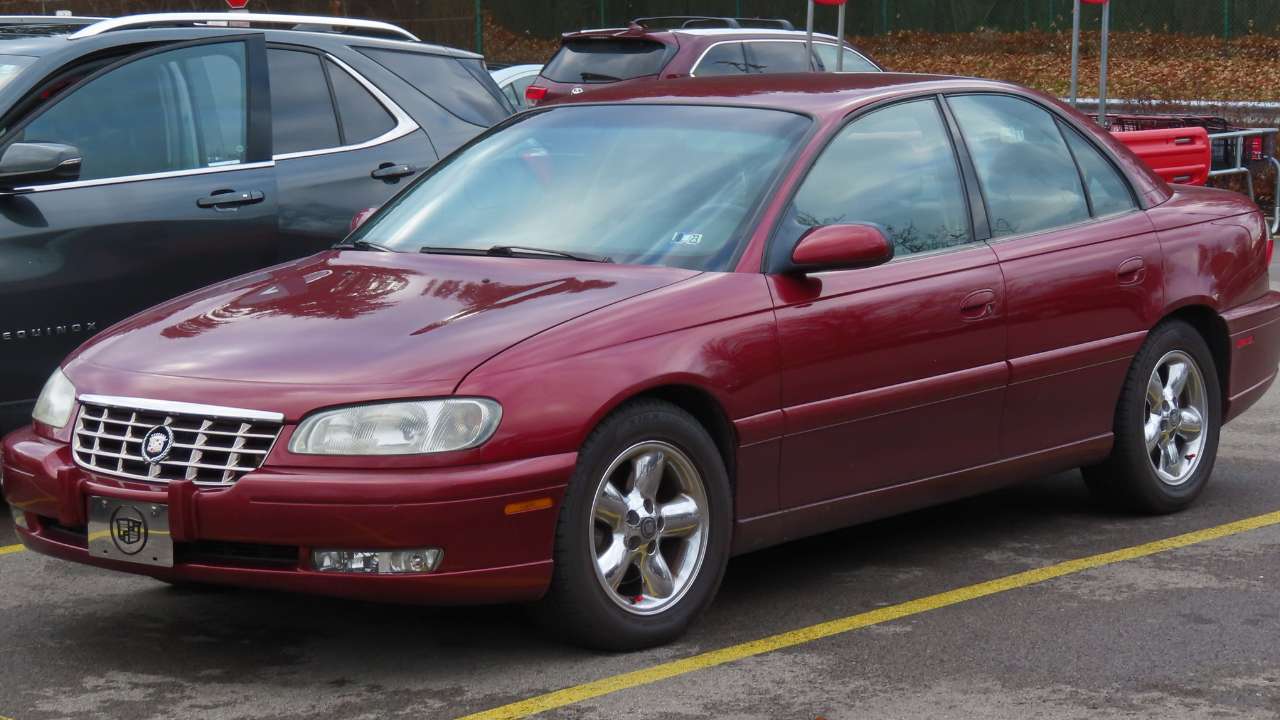
The Catera represented another attempt to bring European-inspired driving characteristics to Cadillac’s showroom. Based on a German-designed platform, it was significantly smaller and more agile than the traditional American luxury sedans associated with the brand. Its V6 engine and rear-wheel-drive layout gave it a different personality from many Cadillacs of the period. Although it failed to become a major sales success, enthusiasts now see the Catera as an important stepping stone toward Cadillac’s later return to sportier rear-wheel-drive cars.
Cadillac XLR
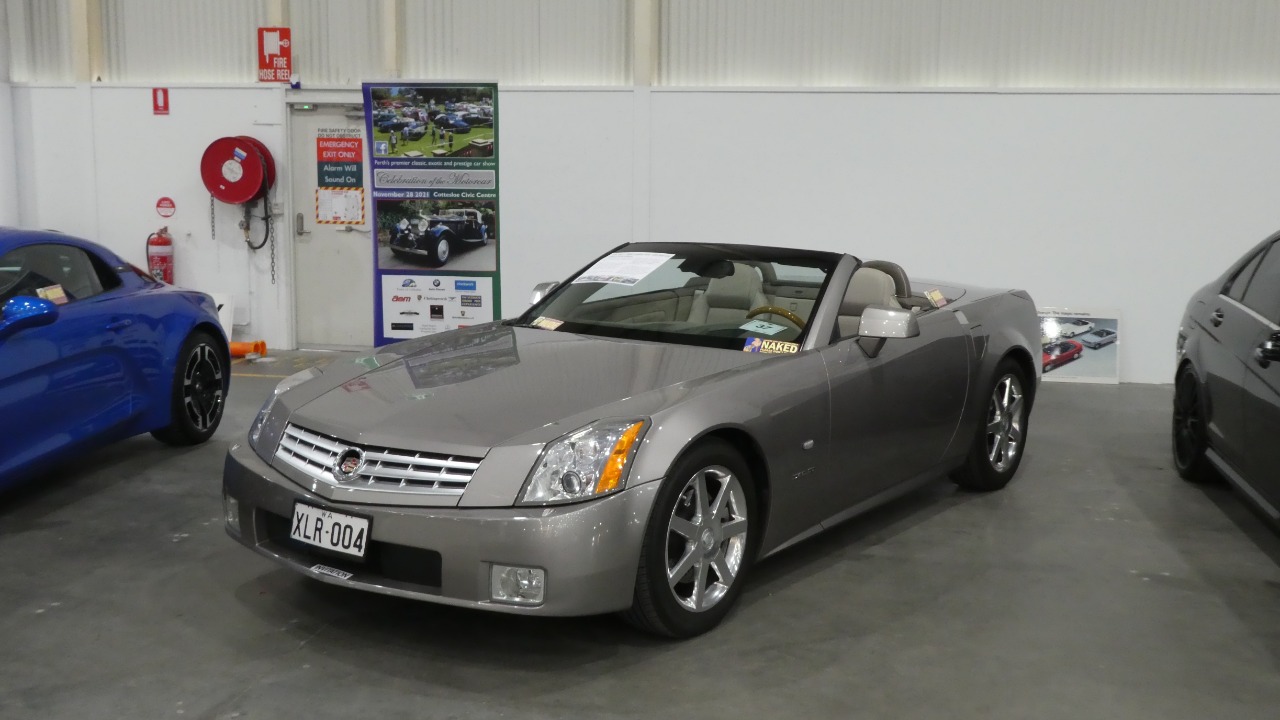
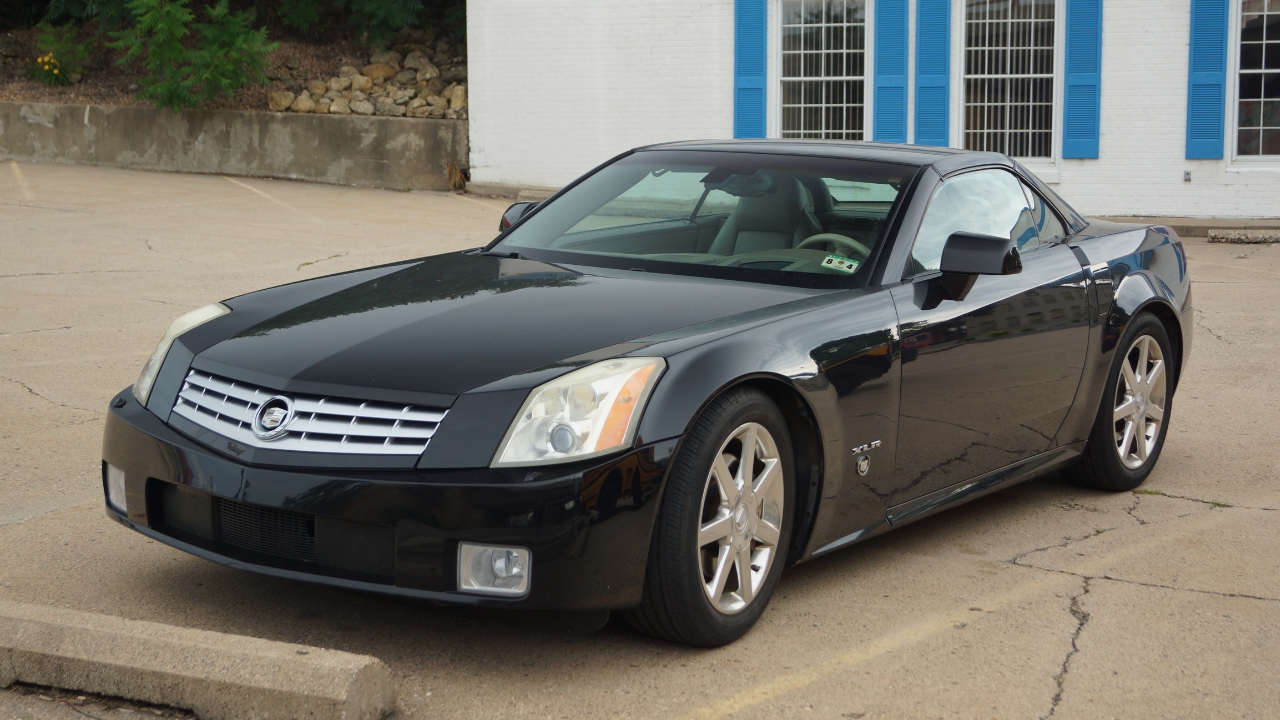
The XLR was Cadillac’s serious entry into the modern luxury roadster market. Its retractable hardtop, angular styling, and Northstar V8 gave it a distinctive identity, while the chassis technology helped separate it from Cadillac’s traditional full-size sedans. The XLR never achieved the same cultural impact as some European rivals, which has made it relatively easy to forget. Collectors increasingly appreciate its unusual combination of American luxury, performance, advanced technology, and dramatic styling.
Cadillac STS-V
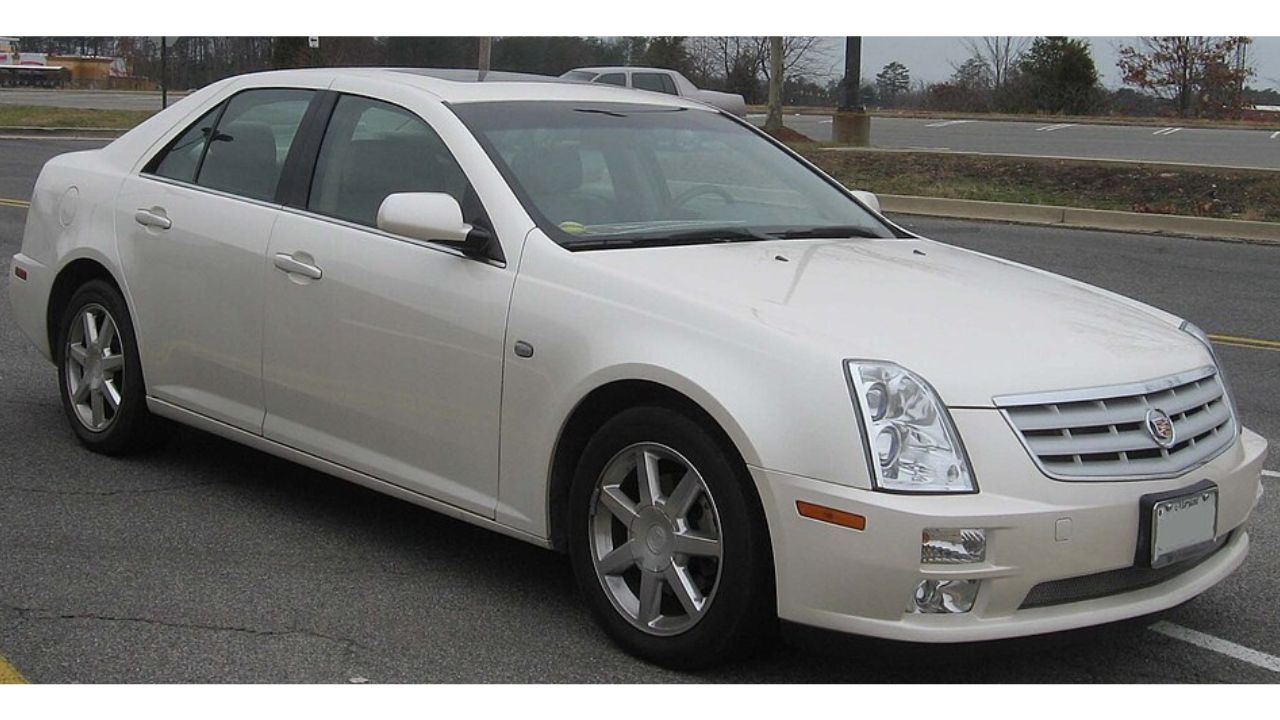
The STS-V showed that Cadillac could turn a sophisticated luxury sedan into a serious performance machine. Its supercharged Northstar V8 gave it substantial power, while the rear-wheel-drive platform and upgraded chassis created a much more focused driving experience. It arrived during Cadillac’s broader performance renaissance but remained overshadowed by the better-known CTS-V. Enthusiasts who remember the STS-V understand that it offered a compelling alternative for buyers who wanted serious performance without giving up the space and comfort of a large luxury sedan.
More from Fast Lane Only
- Unboxing the WWII Jeep in a Crate
- 15 rare Chevys collectors are quietly buying
- 10 underrated V8s still worth hunting down
- Police notice this before you even roll window down
*Research for this article included AI assistance, with all final content reviewed by human editors.