Modern pickups offer impressive technology, comfort, and capability, but some older trucks have earned a different kind of reputation. These are the machines owners keep repairing, maintaining, and putting back to work because they were built with straightforward mechanical systems and durable components. When newer trucks start facing expensive problems, these older workhorses can still be out earning their keep.
Ford F-100
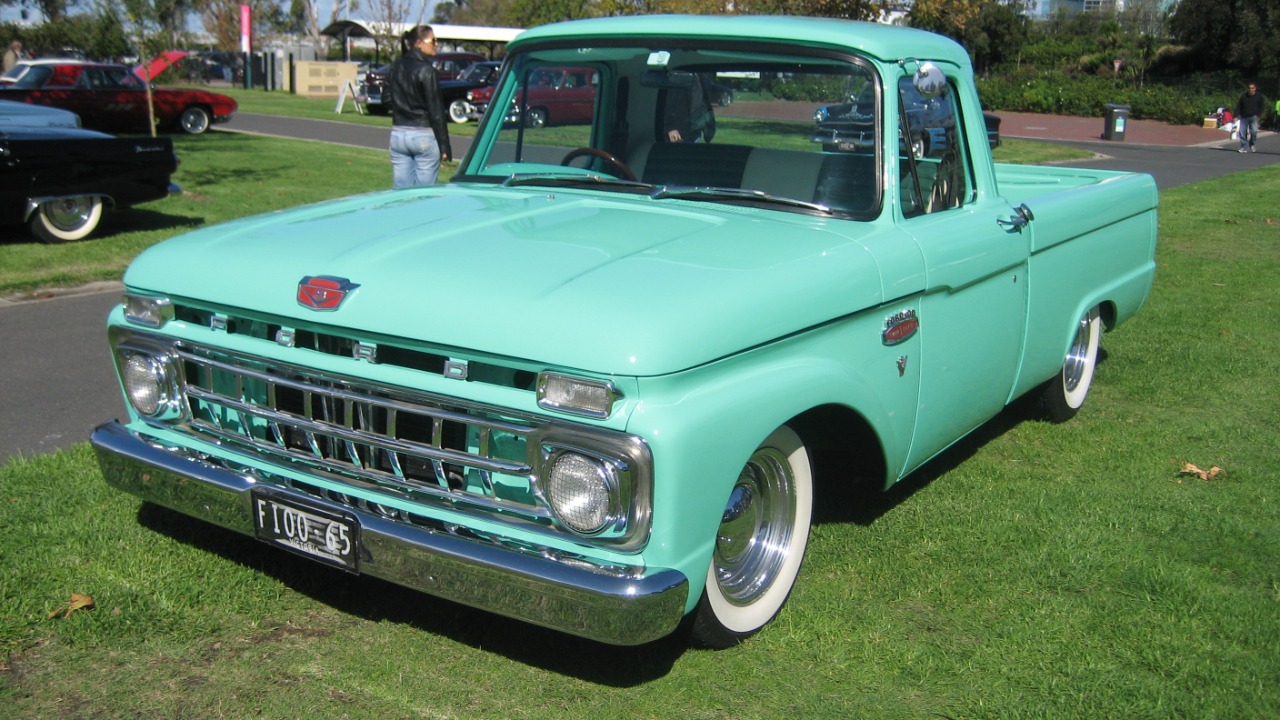
The Ford F-100 became a favorite because it focused on the basics. Older examples were relatively simple to maintain, with straightforward engines, sturdy frames, and mechanical systems that did not require specialized electronics. Many spent their lives hauling tools, materials, and equipment, yet properly maintained trucks could continue working for decades. Their simple construction is also a major reason enthusiasts still restore them. A modern pickup may offer far more features, but an F-100 can still feel reassuringly easy to understand when something needs attention.
Chevrolet K10
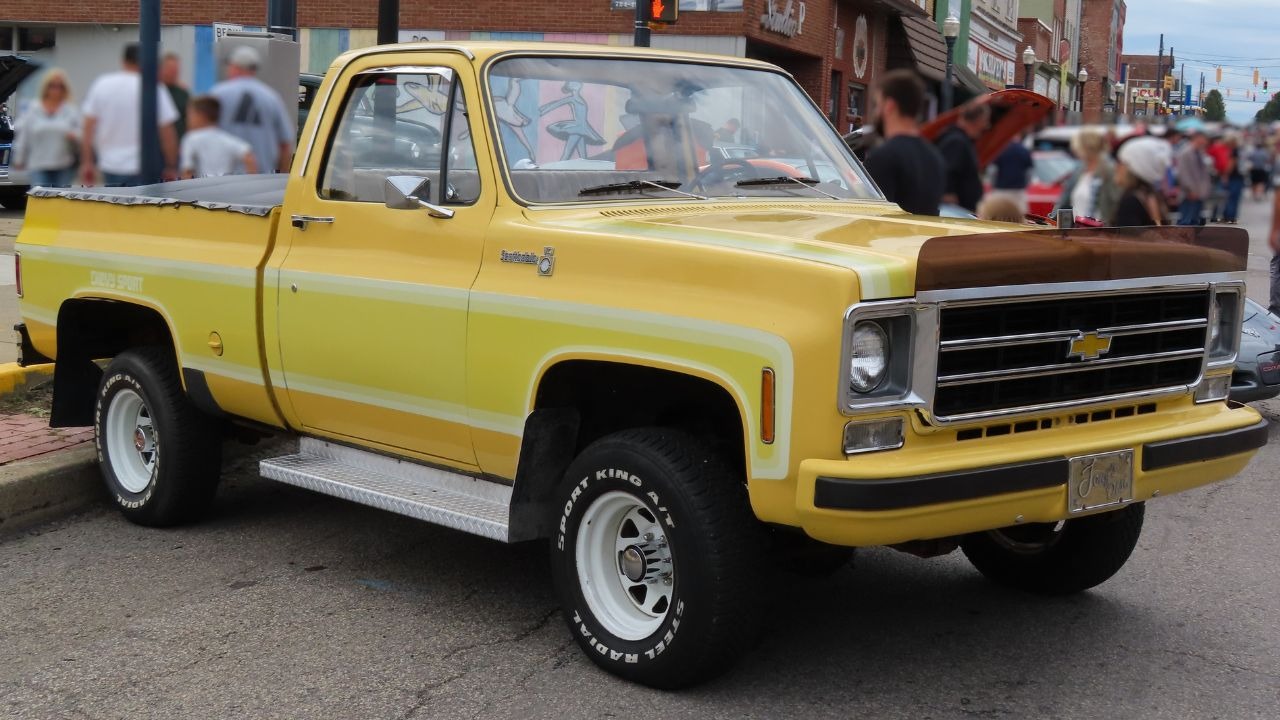
The Chevrolet K10 combined useful four-wheel-drive capability with the straightforward construction that made older Chevrolet pickups so popular. Its body-on-frame design and traditional drivetrains suited everything from farm work to recreational off-roading. Many examples were used hard, but the mechanical simplicity of the truck allowed owners to keep repairing them instead of replacing them. Today, a solid K10 has become highly desirable, partly because it represents an era when a pickup could be both capable and relatively uncomplicated.
Dodge D150
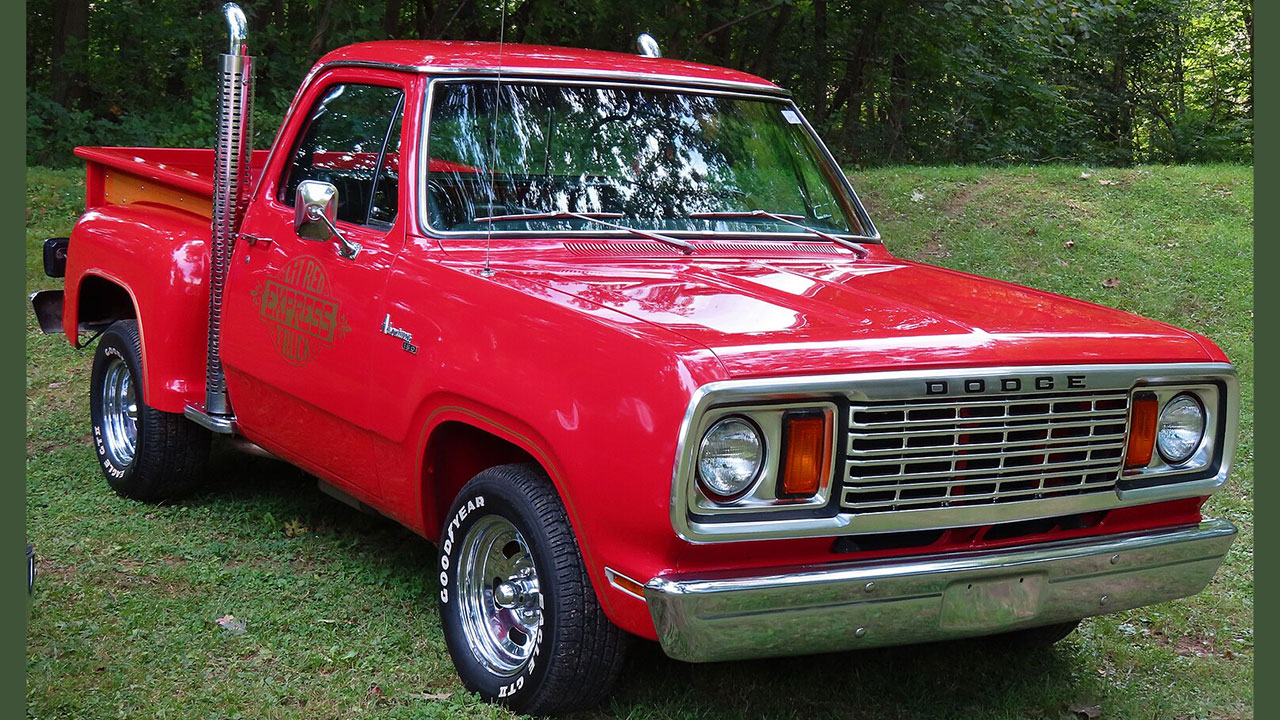
The Dodge D150 offered a simple formula that has aged surprisingly well. Its traditional rear-wheel-drive layout, sturdy chassis, and familiar V8 options made it a dependable choice for everyday hauling and general work. Many were treated as ordinary tools rather than collectible vehicles, which means surviving examples can be especially interesting today. Owners who have kept theirs maintained often appreciate how accessible the mechanical components are. There is something appealing about a truck that can still perform useful work without depending on a long list of electronic systems.
Toyota Tundra
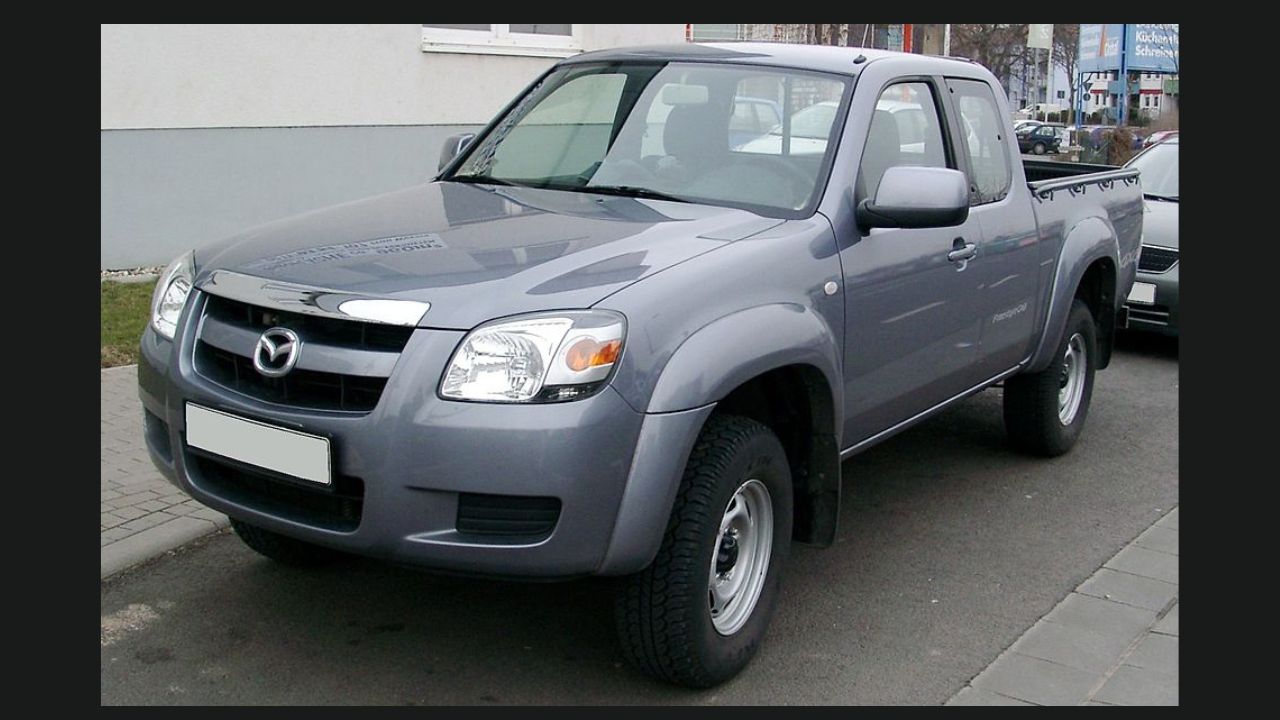
The first-generation Toyota Tundra helped establish Toyota as a serious competitor in the full-size American pickup market. Its V8 power, relatively conservative engineering, and solid reputation made it popular with owners looking for long-term dependability. Many examples accumulated substantial mileage while being used for towing, commuting, and general work. The early Tundra also remains manageable in size compared with some newer full-size pickups. For owners who value durability over having the latest technology, a well-kept first-generation Tundra can still make an extremely convincing daily truck.
Nissan Frontier

The Nissan Frontier has remained appealing to buyers who want a pickup without the enormous dimensions of some modern full-size models. Earlier generations were particularly straightforward, with durable drivetrains and relatively uncomplicated interiors. Owners often kept them for years because the trucks handled everyday hauling and recreational duties without demanding much attention. Their compact proportions also make them useful in places where larger pickups become cumbersome. A properly maintained Frontier can therefore continue serving long after newer, more complicated trucks have become expensive to repair.
Ford Ranger
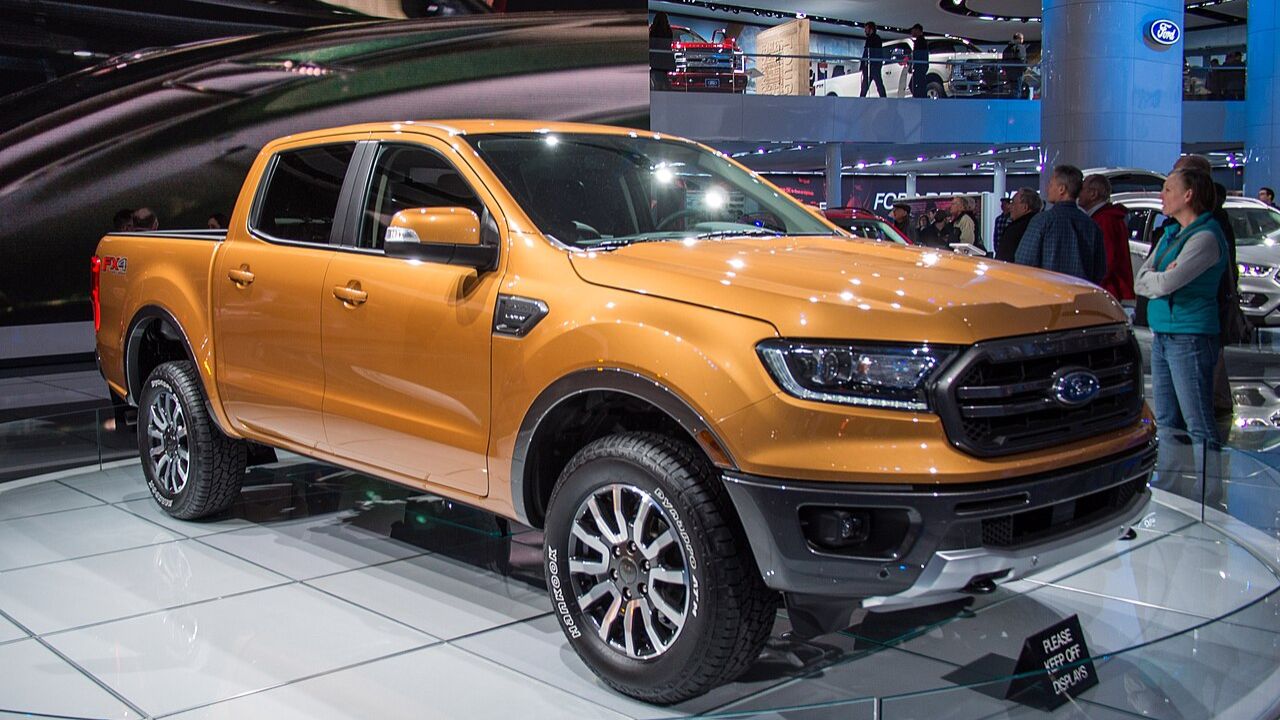
The older Ford Ranger represents the compact pickup at its most practical. Its smaller footprint made it easy to drive and park, while the available engines provided enough capability for everyday hauling. Many Rangers spent years as work trucks, yet their straightforward mechanical layouts made them relatively approachable to maintain. Their popularity also means parts and knowledge are not particularly difficult to find. For owners who do not need the size of a modern full-size pickup, an older Ranger can still make a compelling case for keeping things simple.
Chevrolet S-10
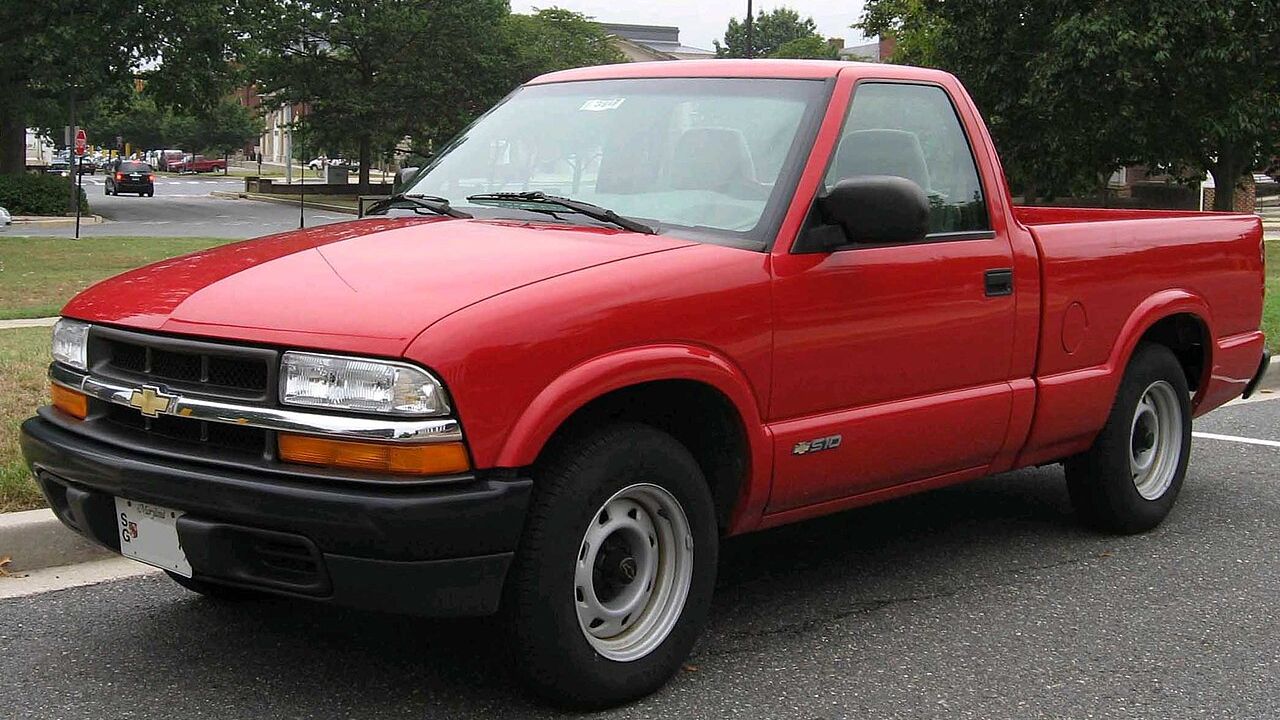
The Chevrolet S-10 became one of America’s best-known compact pickups because it offered useful truck capability without the bulk of a full-size model. Its traditional construction made it relatively easy to service, and millions were sold over the years. That widespread availability helped create a large pool of replacement parts and mechanical expertise. Owners often kept S-10s long after they were considered old because the trucks remained inexpensive to operate. Today, a clean example can seem refreshingly uncomplicated compared with the average new pickup.
GMC Sierra 1500
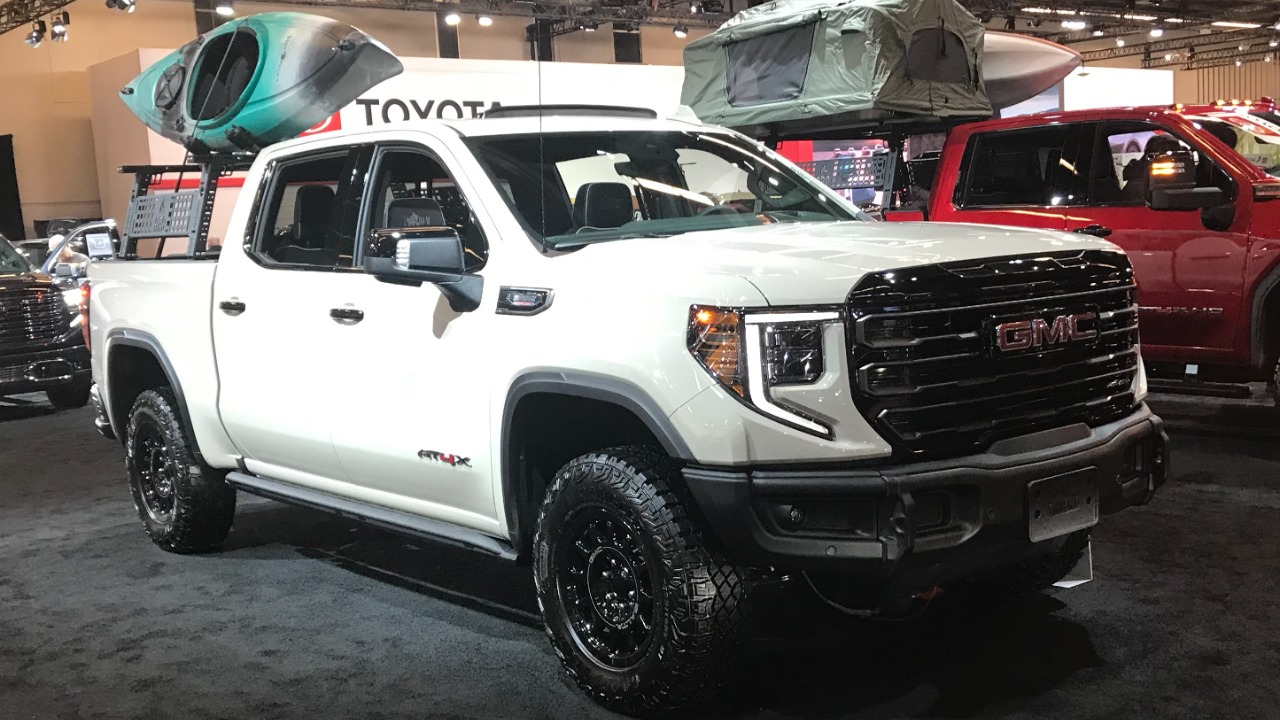
The GMC Sierra 1500 has been a staple of American pickup use for decades, and older generations remain popular because of their familiar mechanical layouts and broad parts availability. Traditional V8-powered examples can provide substantial capability without the complexity found in newer trucks. Owners who maintain them carefully often see little reason to replace a truck that continues handling towing, hauling, and everyday transportation. Their straightforward nature also makes them attractive to people who prefer repairing a vehicle themselves rather than depending entirely on dealership equipment.
Toyota Tacoma
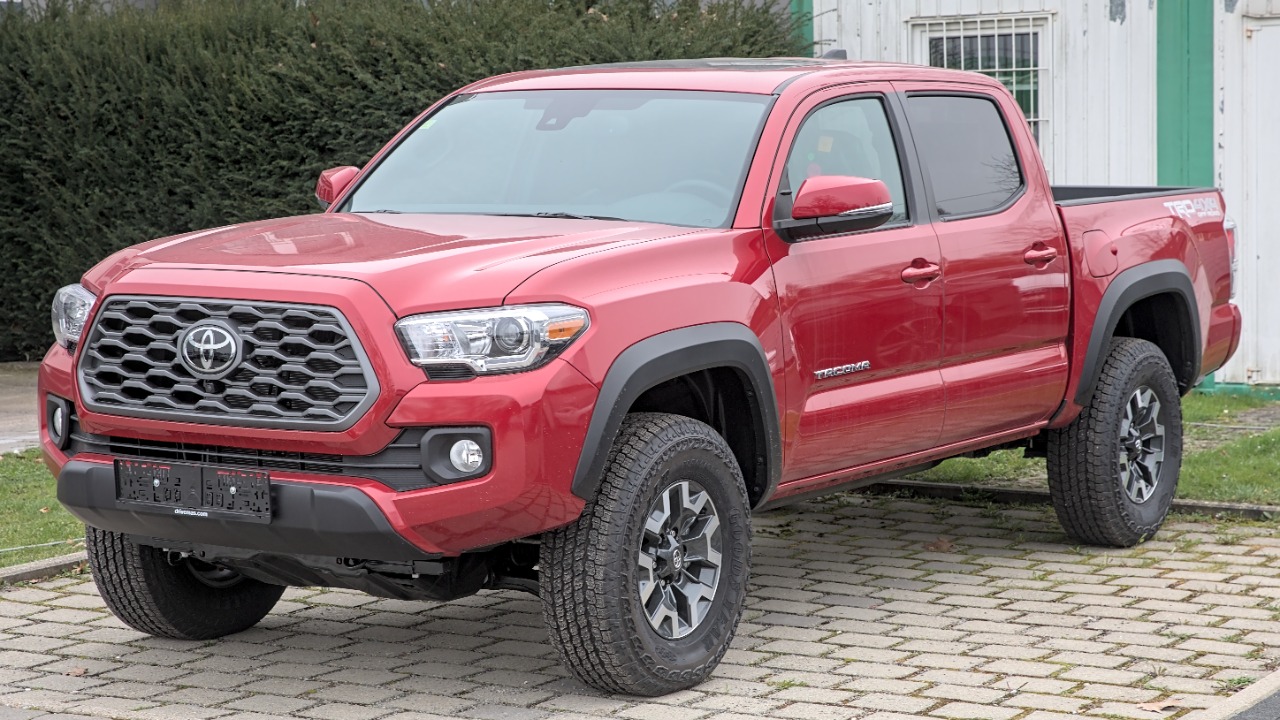
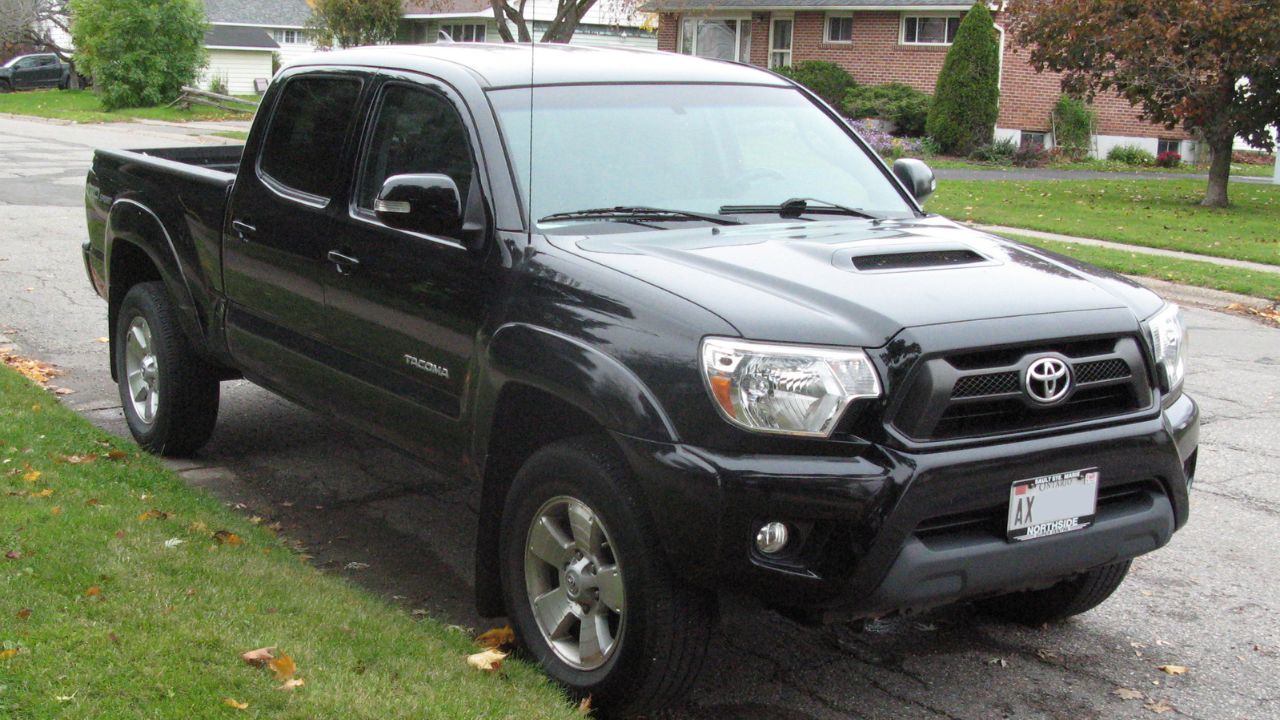
The Toyota Tacoma built a particularly strong reputation among owners who value durability. Earlier examples were frequently used for off-road driving, construction work, camping, and daily transportation, yet many continued accumulating miles with routine maintenance. Their compact dimensions also make them practical in situations where a larger truck can feel excessive. Clean older Tacomas can command strong interest because so many were used hard. For an owner who already knows the truck’s history and keeps up with maintenance, replacing it can be difficult to justify.
Nissan Titan
The Nissan Titan entered the full-size pickup market with a straightforward approach and a strong V8 option. Early Titans offered plenty of towing and hauling capability without trying to overwhelm the driver with technology. Their substantial mechanical components suited demanding use, while the trucks remained comfortable enough for everyday driving. Owners who have maintained them properly often appreciate their durability and distinctive character. As newer pickups become increasingly complex, an older Titan can look appealing to someone who simply wants a strong truck that does what it is supposed to do.
Chevrolet Silverado 2500HD
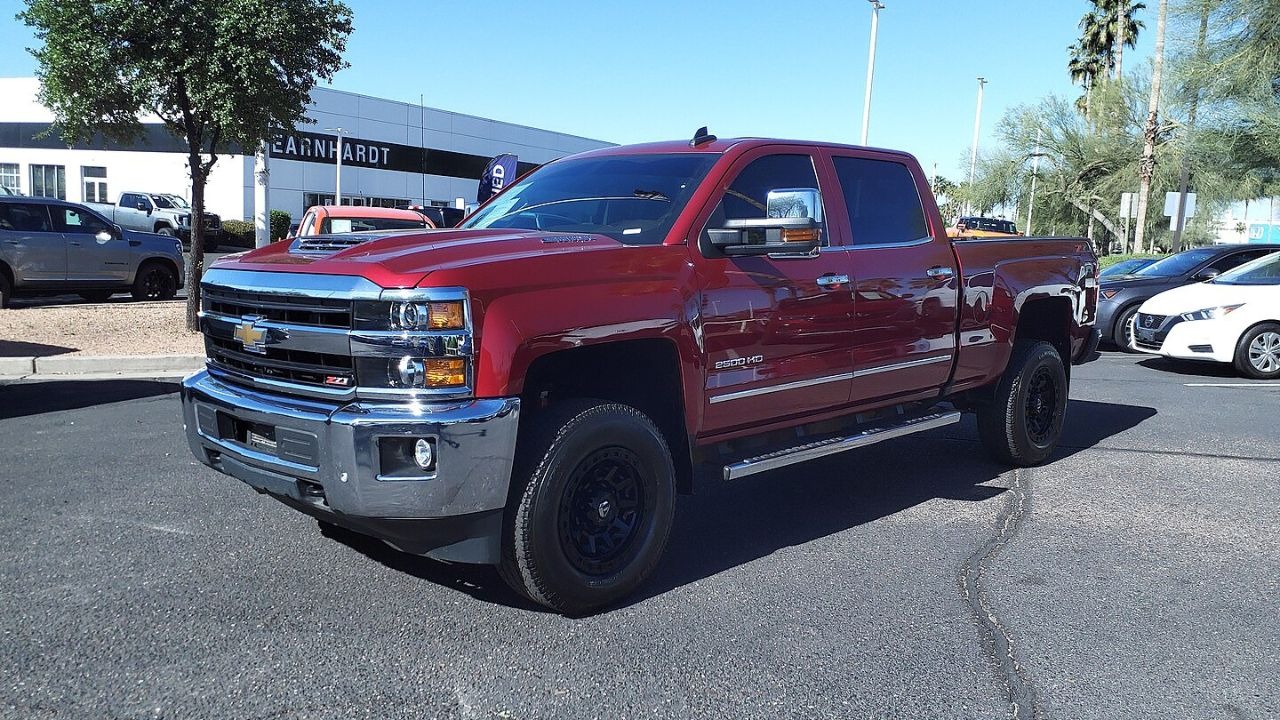
The Silverado 2500HD was designed for owners who needed more than a light-duty pickup could provide. Its heavy-duty frame, suspension, and drivetrain components were built around towing and serious workloads. Older examples can continue performing those jobs for years when maintained correctly. The truck’s widespread use also means replacement parts and mechanical knowledge are readily available. Rather than replacing a proven work truck simply because it has accumulated years and miles, many owners prefer keeping the dependable machine they already know.
Ford F-250
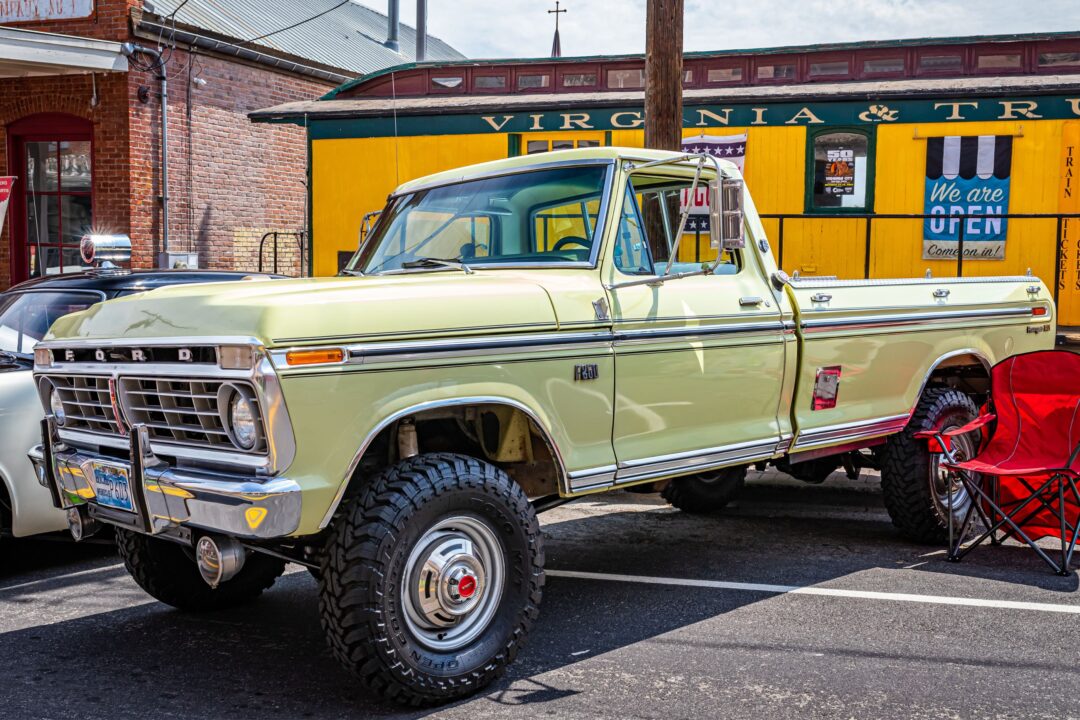
The Ford F-250 has long served owners who demand more capability than a half-ton pickup can offer. Older generations were built around relatively simple mechanical systems, making them easier to diagnose and repair than many newer trucks. Their heavy-duty construction also allows them to tolerate demanding towing and hauling duties. A well-maintained F-250 can therefore remain useful long after its paint has faded and its interior shows its age. For working owners, reliability and proven capability often matter more than having the newest model.
Dodge Ram 2500
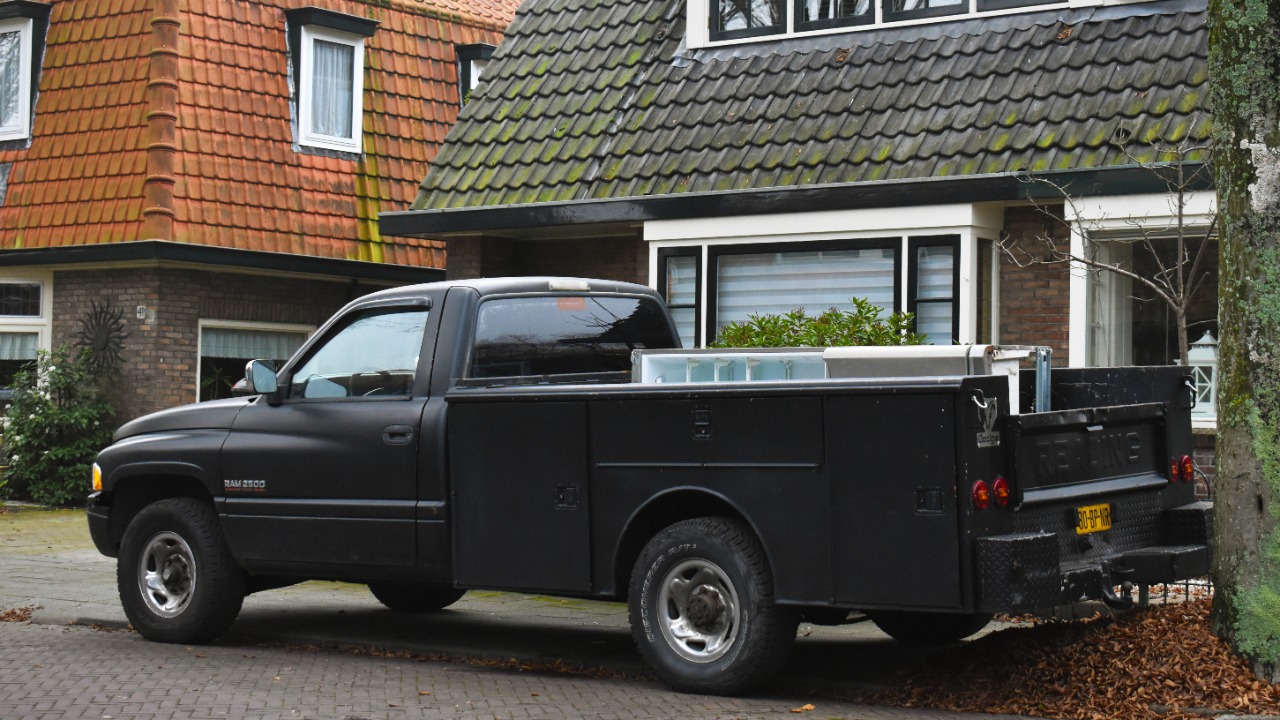
The Dodge Ram 2500 became a favorite among owners who needed serious towing and hauling capability, particularly when equipped with one of the brand’s well-known diesel engines. Its heavy-duty construction gives older examples a substantial advantage when the work becomes demanding. Many owners are willing to invest in maintenance because replacing a proven truck can be expensive and unnecessary. An older Ram 2500 may lack modern screens and driver-assistance features, but its ability to keep pulling heavy loads can make those omissions seem unimportant.
Chevrolet C30
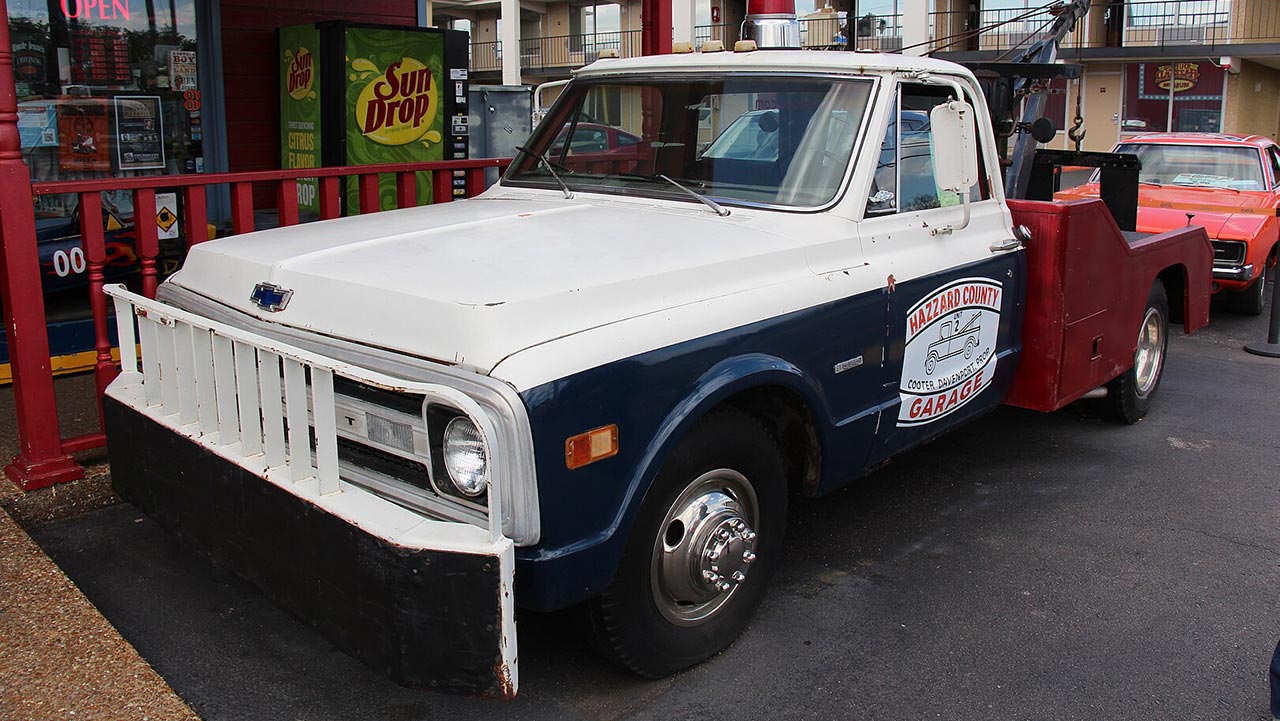
The Chevrolet C30 belongs to an era when heavy-duty pickups were built primarily as working equipment. Its sturdy frame, traditional suspension, and available big-block V8s made it capable of handling demanding jobs. Many were used commercially or on farms, yet surviving examples can still perform useful work decades later. The simple mechanical design is particularly appealing to owners who prefer repairs that do not require complicated diagnostic systems. A well-kept C30 can therefore remain a functional truck rather than becoming merely a display piece.
Ford F-350
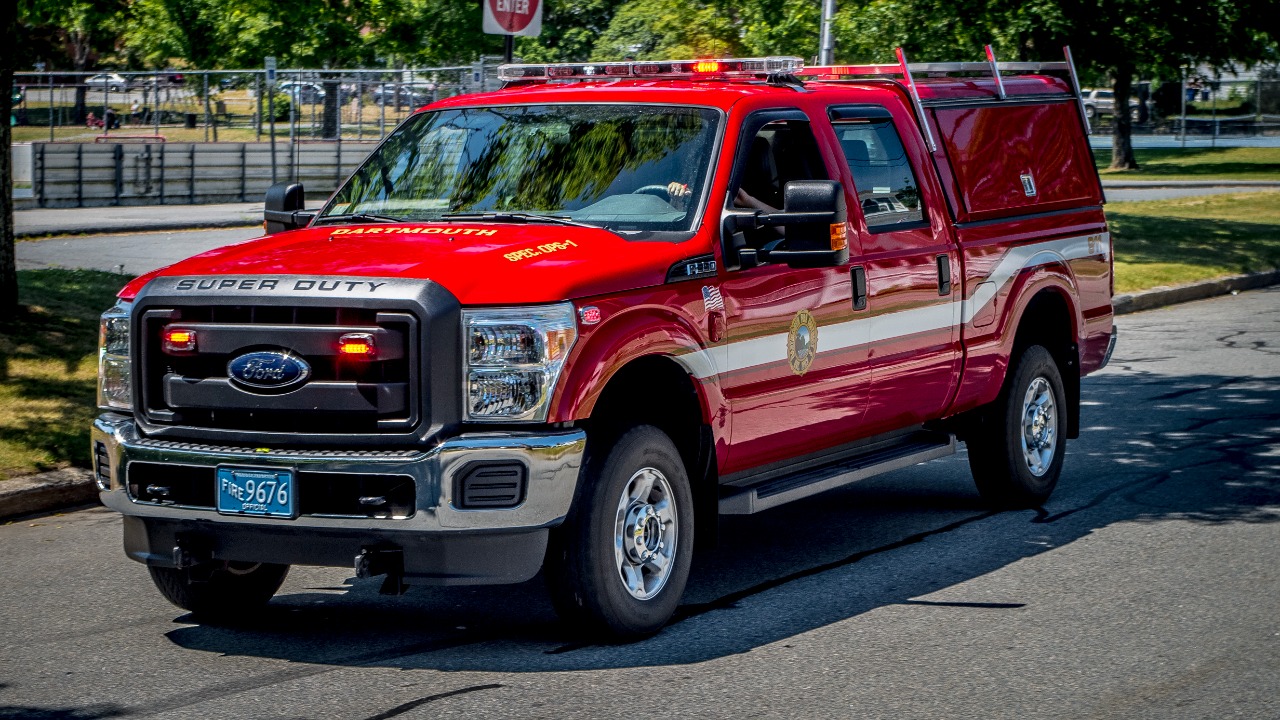
The Ford F-350 has always occupied the serious-work end of Ford’s pickup range. Older models offered substantial payload and towing capability while relying on mechanical systems that were familiar to generations of technicians. That makes them unusually repairable compared with increasingly electronic modern trucks. Owners who have a trusted F-350 often continue maintaining it because the truck already handles their trailer, equipment, or property work. Age alone is not necessarily a reason to retire a machine that continues to do its primary job.
International Harvester Scout II
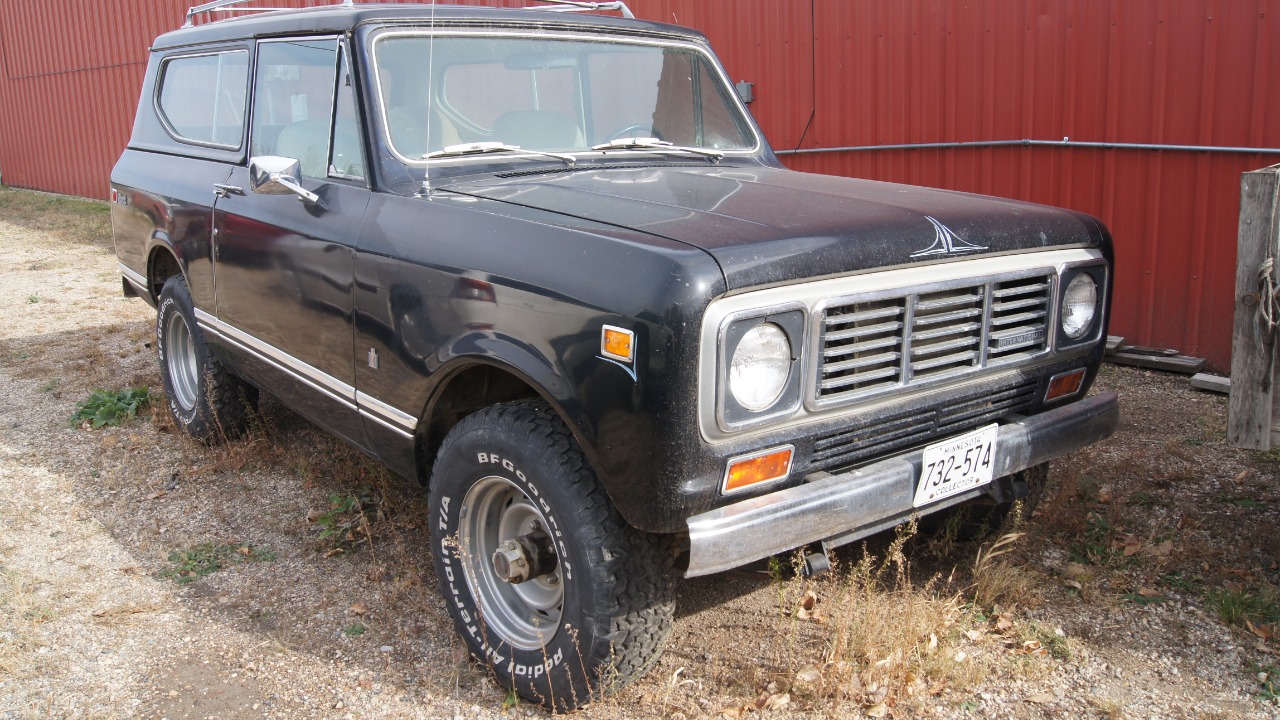
The International Harvester Scout II was not a conventional pickup, but its utility-focused design gave it many of the qualities owners appreciate in old trucks. It was built for rugged transportation, with a sturdy chassis and available four-wheel drive. Many Scouts were subjected to off-road use and demanding work, yet surviving examples continue to attract enthusiasts because of their distinctive construction. Their simple character makes them especially appealing to people who want a vehicle that can be repaired and modified without the complexity of a modern platform.
Jeep Gladiator
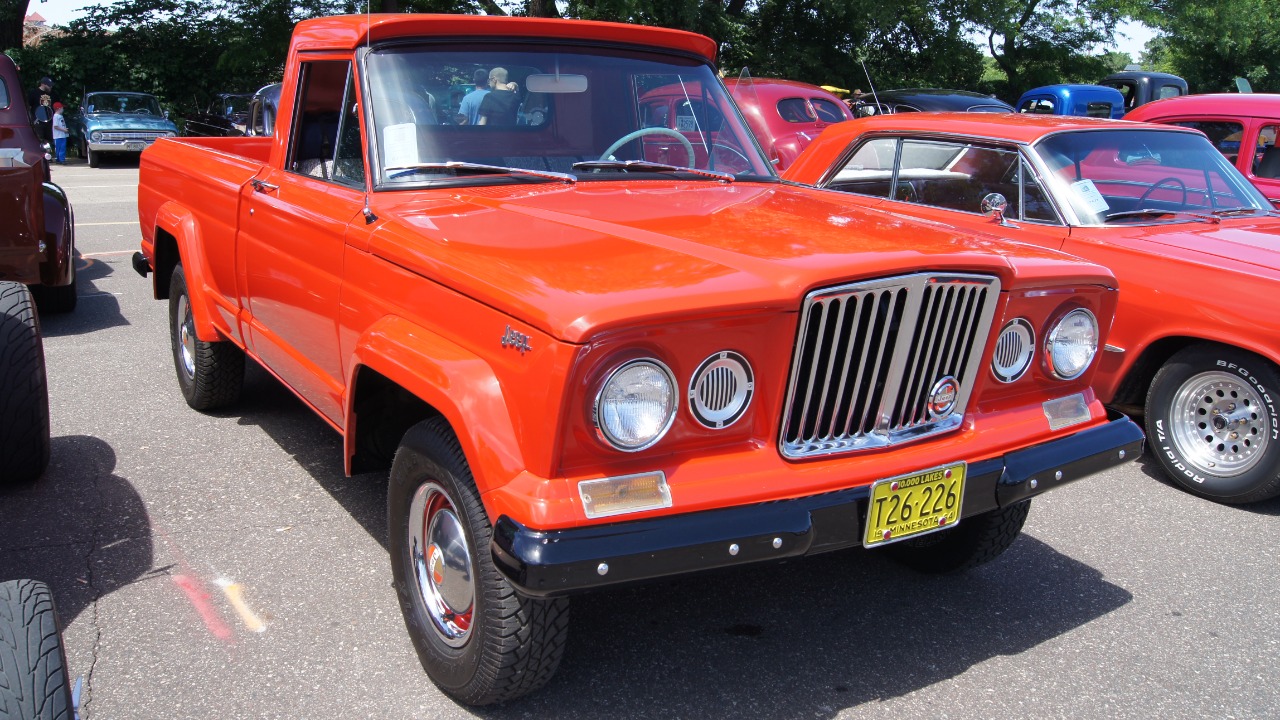
The original Jeep Gladiator was a full-size pickup built when Jeep trucks were still closely associated with traditional utility vehicles. Its rugged construction and four-wheel-drive capability made it useful for work and recreation alike. Surviving examples are now uncommon, but restorers value them because the basic formula remains easy to understand. The Gladiator also has an unmistakable appearance that sets it apart from contemporary pickups. When properly restored, it can still look ready for serious work despite being many decades old.
Chevrolet Apache
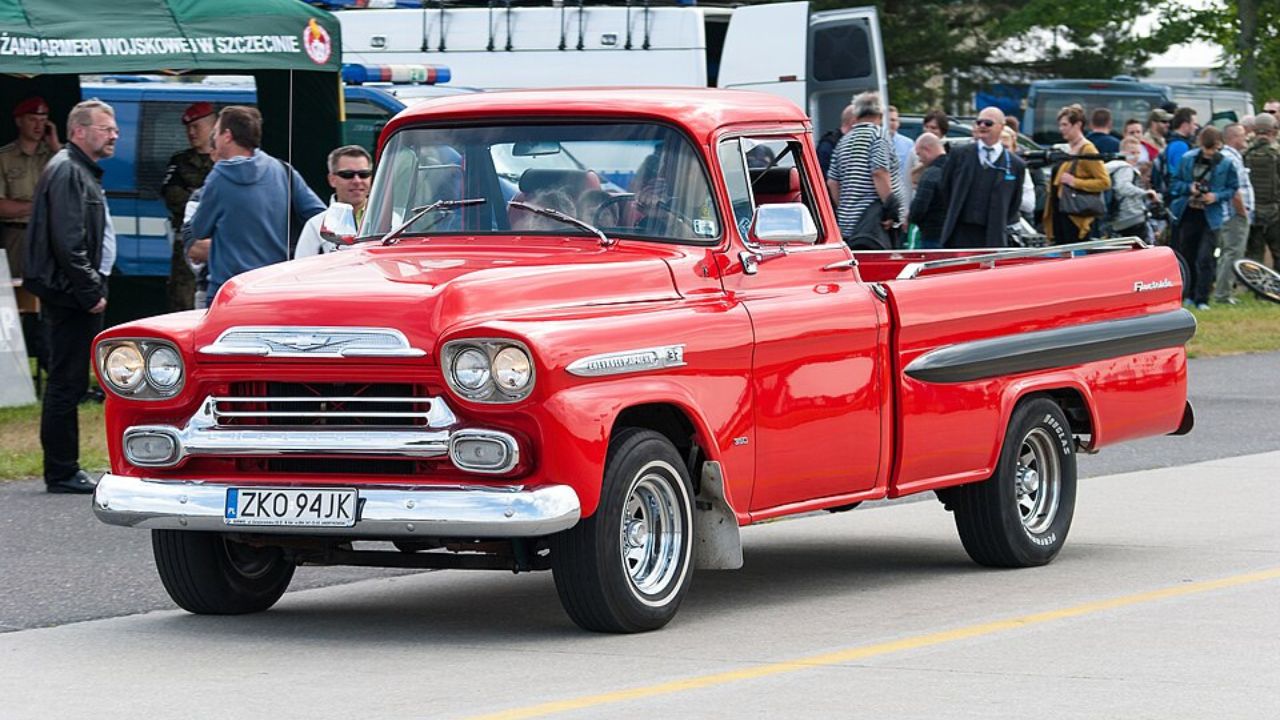
The Chevrolet Apache represented the classic American pickup at a time when trucks were becoming more comfortable without losing their working purpose. Its bold grille, rounded body, and sturdy chassis have made it a favorite among restorers. Underneath the styling is a relatively uncomplicated mechanical package that can still be maintained by experienced enthusiasts. These trucks were built to haul, tow, and work rather than impress with electronic features. That simplicity is a major reason an Apache can remain useful long after many newer vehicles have become difficult to keep running.
Ford F-1
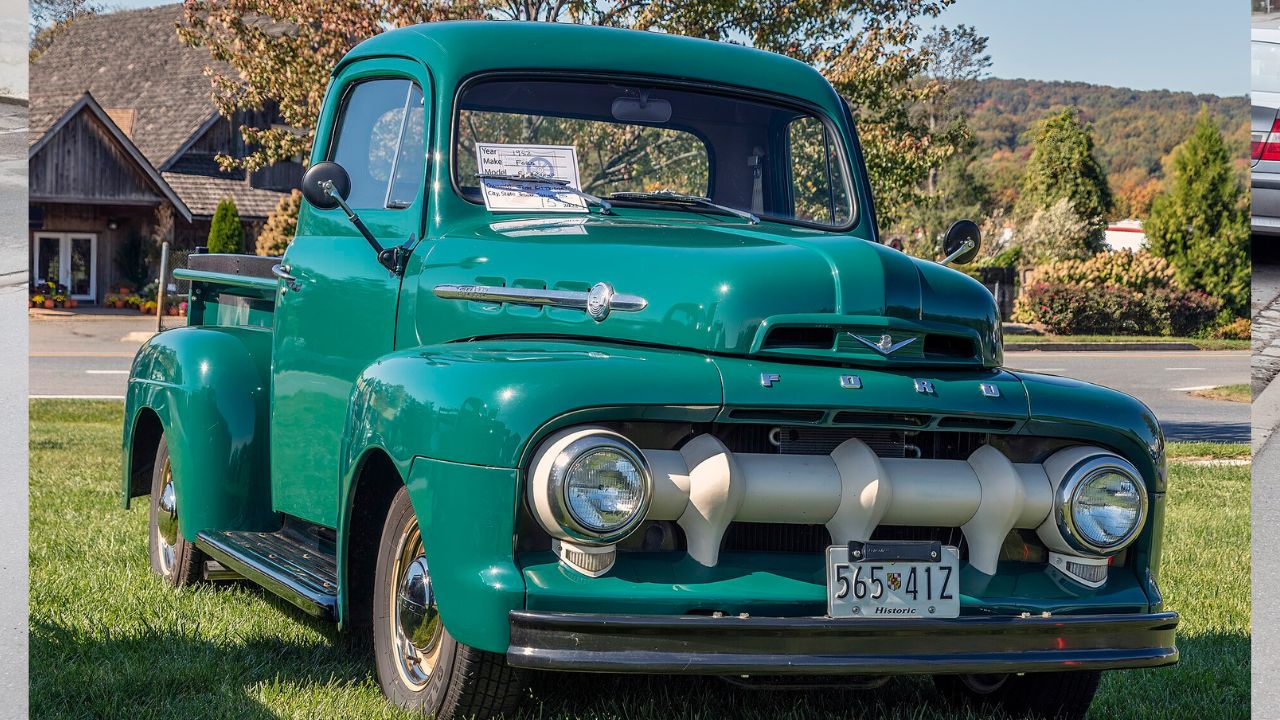
The Ford F-1 helped establish the postwar F-Series as one of America’s most recognizable truck families. Its basic construction reflects a period when pickups were expected to be durable tools first and comfortable transportation second. The mechanical components are comparatively straightforward, and restorers have extensive knowledge and parts support available today. A surviving F-1 may now spend more time at shows than on farms, but its original working character remains obvious. It represents a time when durability was built into the truck’s fundamental design.
Chevrolet Advance Design
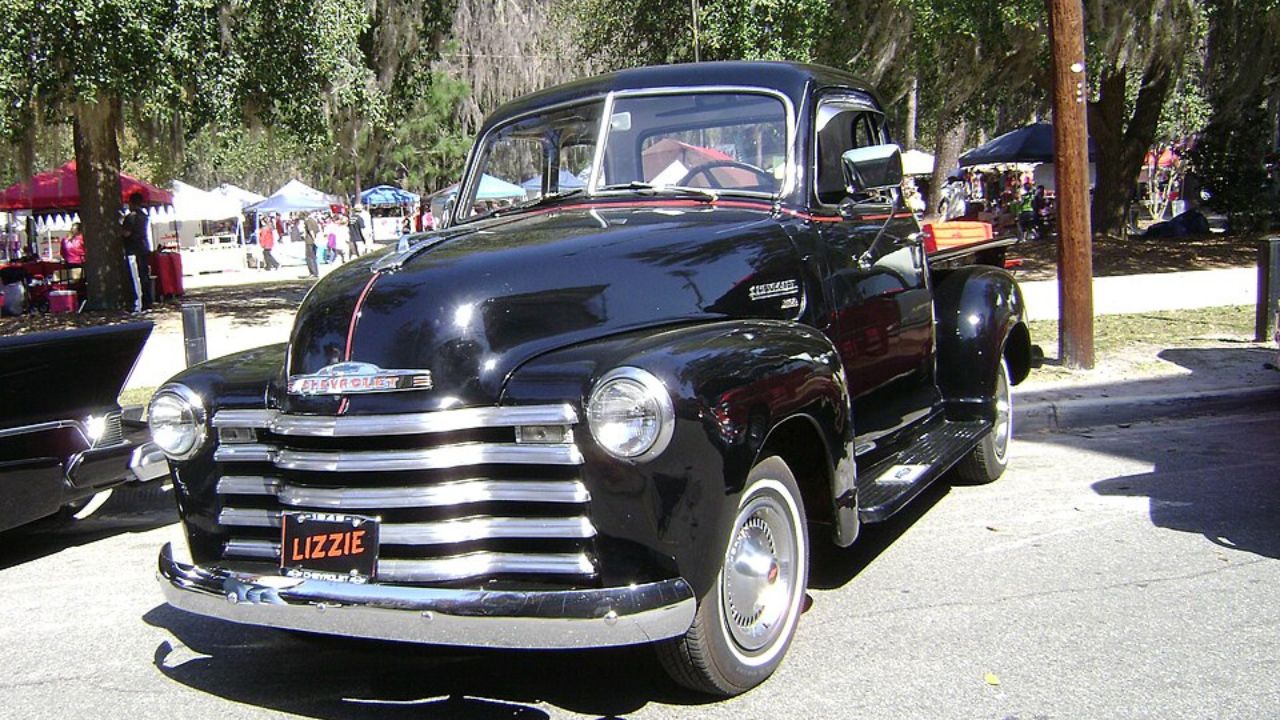
The Chevrolet Advance Design pickup is another postwar truck that continues to attract attention because of its combination of simple engineering and distinctive styling. Its rounded body and broad grille make it instantly recognizable, while its traditional chassis and drivetrain reflect an era when owners were expected to maintain their own equipment. Many surviving examples have been restored, but some are still used for light work and weekend hauling. The fact that these trucks remain functional decades later says plenty about the durability of their basic construction.
More from Fast Lane Only
- Unboxing the WWII Jeep in a Crate
- 15 rare Chevys collectors are quietly buying
- 10 underrated V8s still worth hunting down
- Police notice this before you even roll window down
*Research for this article included AI assistance, with all final content reviewed by human editors.