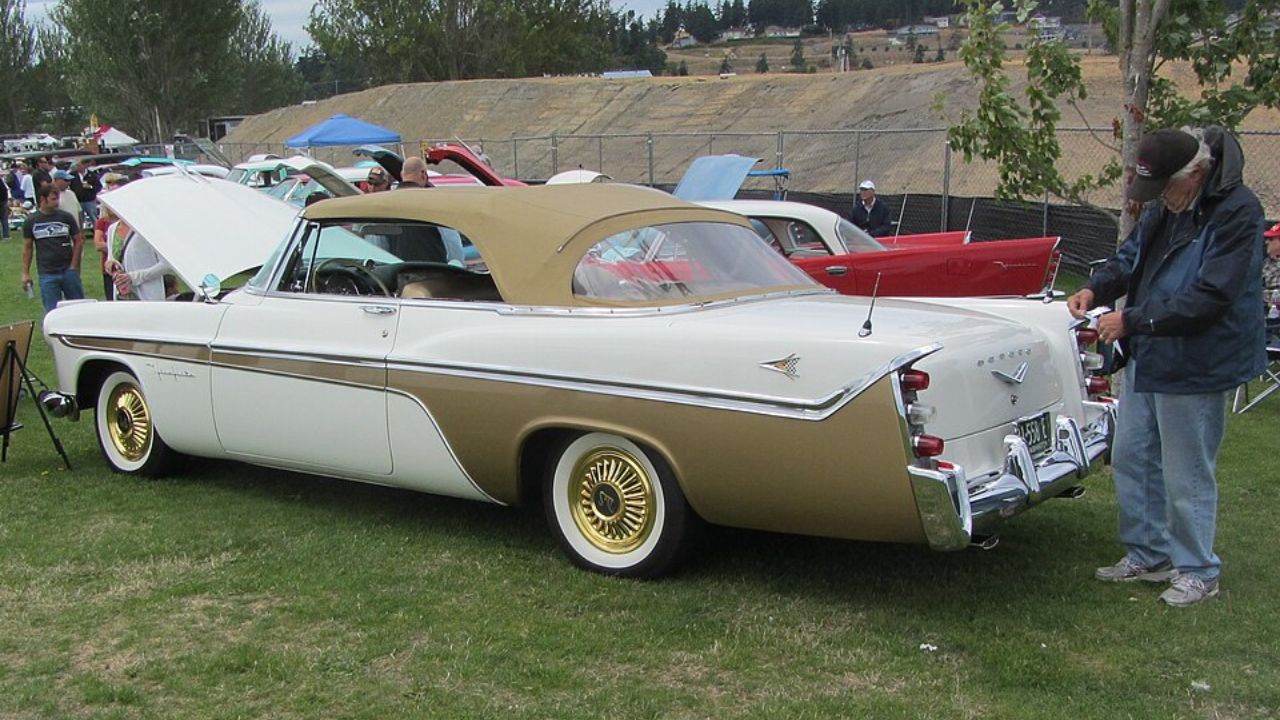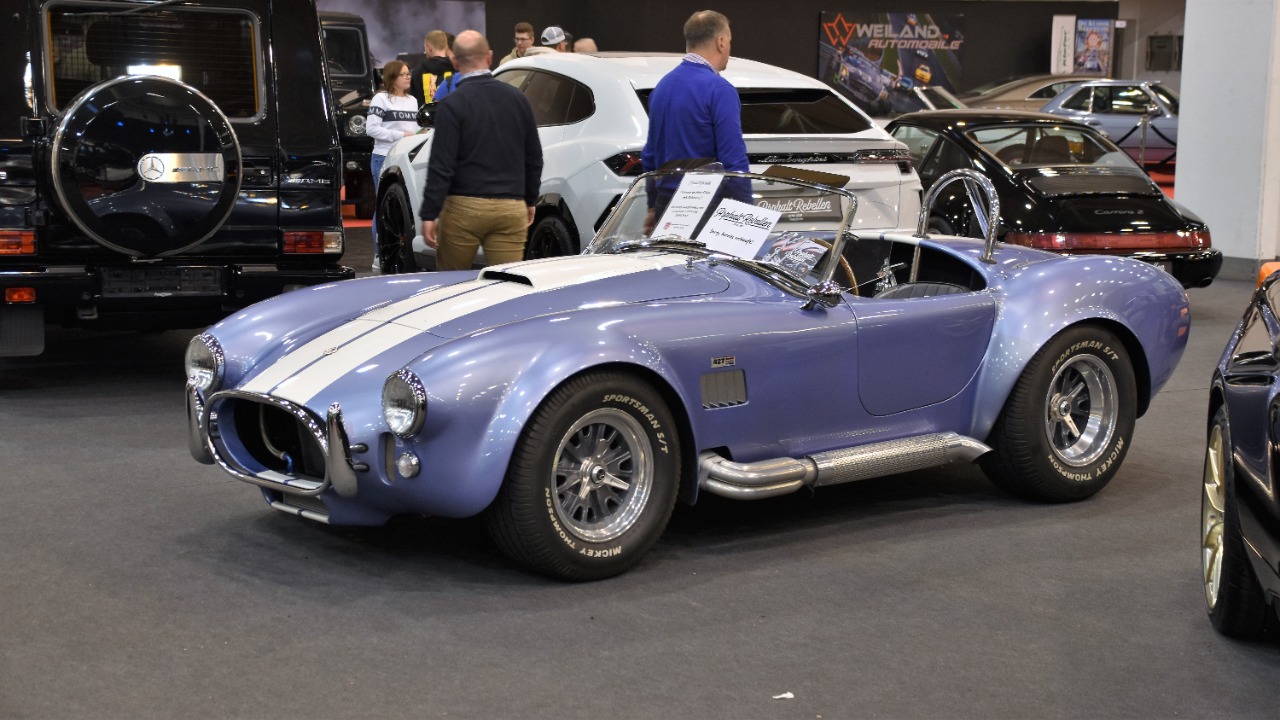
Roadsters have always offered a direct connection between driver, engine, and road. With lightweight bodies, open cabins, and simple mechanical layouts, many became favorites among people who valued driving feel over comfort. These cars delivered memorable performance without relying on excessive technology, making them especially appealing to hands-on enthusiasts and mechanics.
Mazda MX-5 Miata

The Mazda MX-5 Miata became one of the most successful modern roadsters by keeping the formula simple. Its lightweight body, rear-wheel-drive layout, balanced chassis, and compact dimensions made it enjoyable without requiring enormous power. Mechanics often appreciate its straightforward engineering and relatively accessible engine bay. The Miata also became known for strong reliability and a huge supply of replacement and performance parts. Because the car encourages drivers to focus on handling rather than horsepower, it remains one of the clearest examples of a roadster built around pure driving enjoyment.
Honda S2000
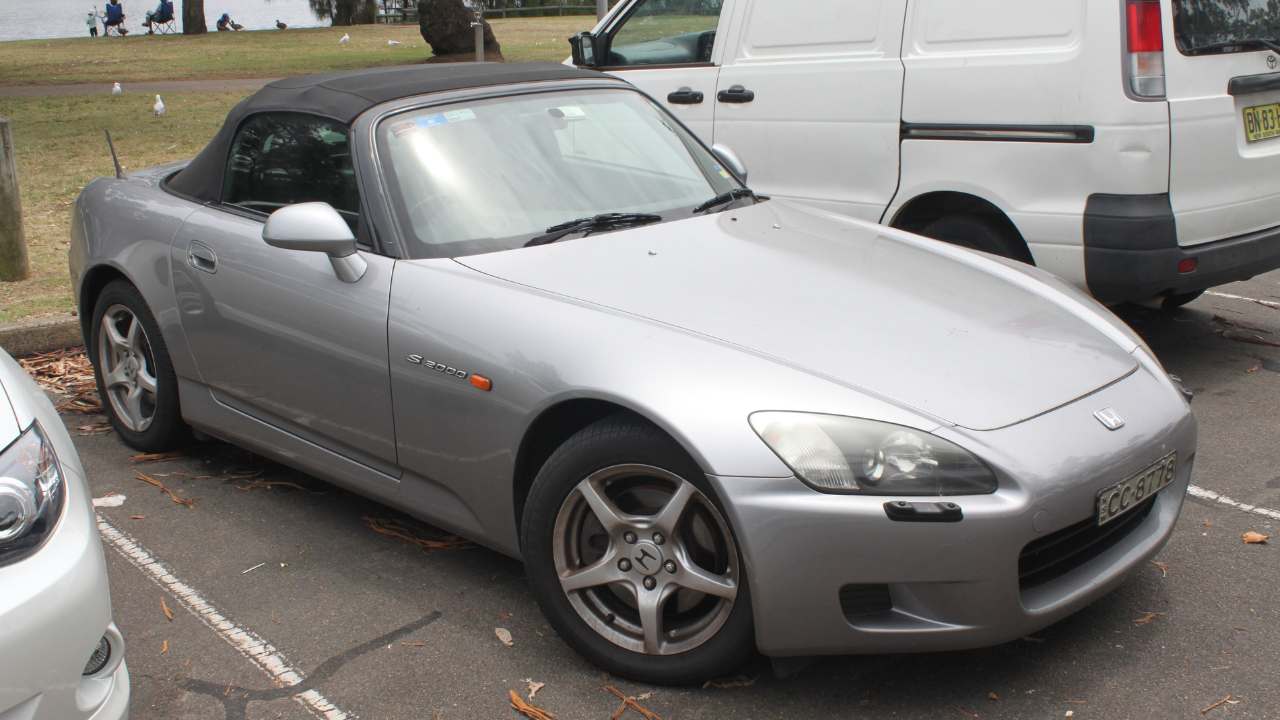
The Honda S2000 combined a lightweight rear-wheel-drive chassis with one of Honda’s most celebrated naturally aspirated engines. Its high-revving four-cylinder could produce strong power without forced induction, while the precise six-speed manual transmission made the driver an active part of the experience. Mechanics also appreciate Honda’s attention to engineering detail and the car’s relatively compact mechanical package. The S2000 demanded respect at higher engine speeds, but its responsive steering, balanced chassis, and manual gearbox made it a memorable roadster for enthusiasts who enjoy involvement behind the wheel.
BMW Z3
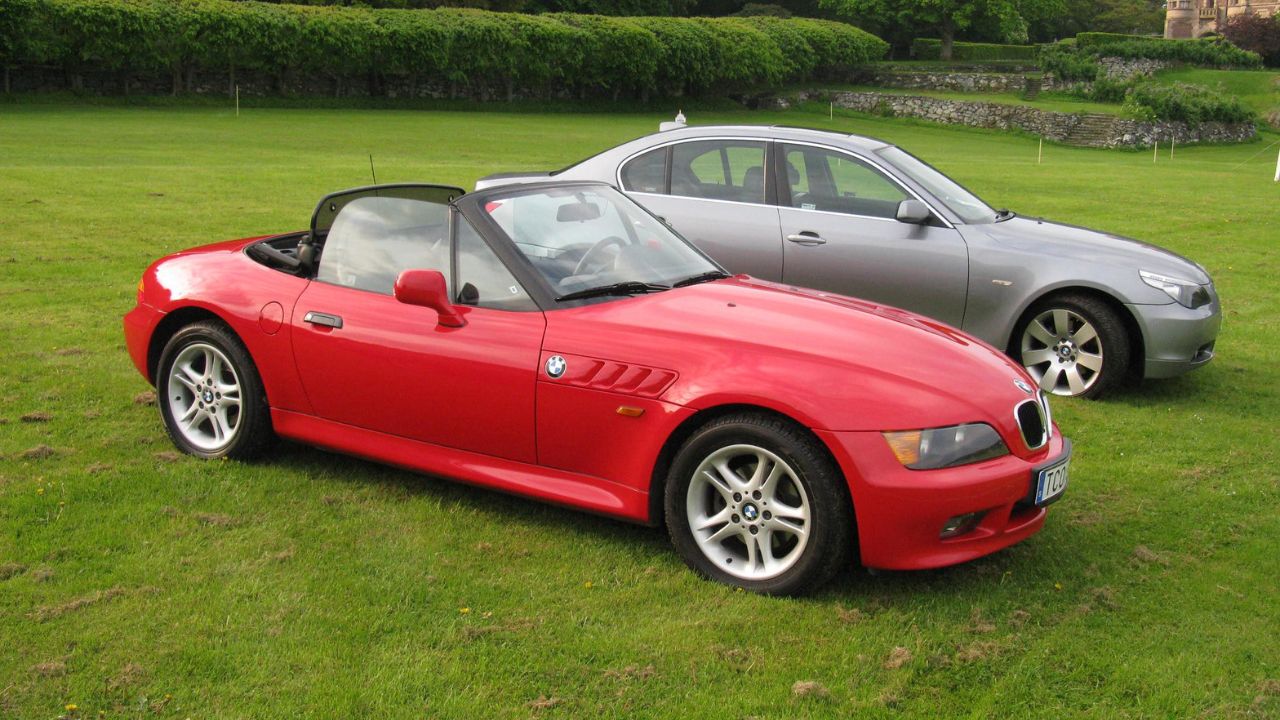
The BMW Z3 brought classic rear-wheel-drive roadster proportions into the modern era. Its long hood, short rear deck, and available six-cylinder engines gave it a distinctive character. The car was also relatively simple compared with many newer performance vehicles, making routine mechanical work more approachable. Later versions received stronger engines and improved chassis components, increasing their performance potential. Mechanics and enthusiasts continue to value the Z3 because it delivers traditional roadster sensations while offering more practicality than many lightweight two-seat sports cars.
BMW Z4

The BMW Z4 developed the roadster concept further with stronger engines, sharper handling, and a more modern chassis. Early Z4 models retained the traditional rear-wheel-drive layout and offered naturally aspirated inline-six engines known for smooth power delivery. The car also provided a relatively direct driving experience compared with many contemporary luxury sports cars. Its combination of performance and everyday usability made it appealing to drivers who wanted an open-top sports car without giving up long-distance comfort. Well-maintained examples can still provide an engaging mechanical experience.
Porsche Boxster
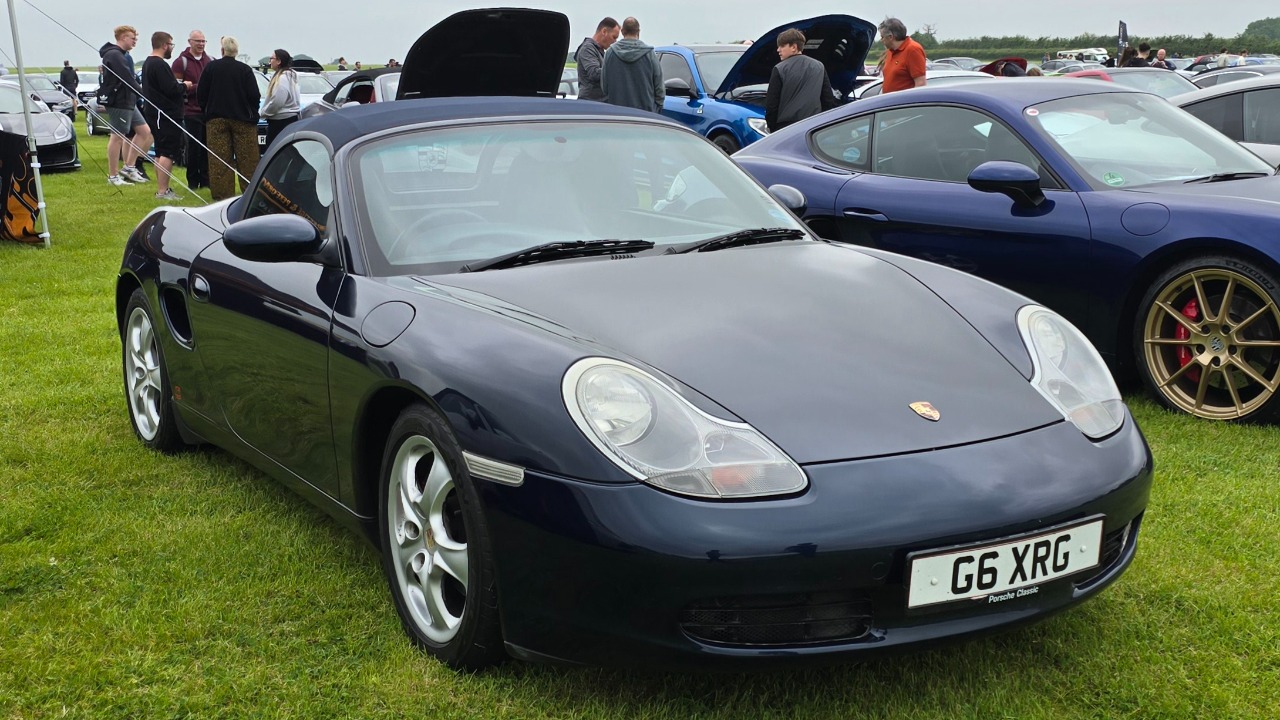
The Porsche Boxster helped redefine the affordable mid-engine sports car when it arrived in the 1990s. Its mid-mounted flat-six engine provided excellent weight distribution, while the compact roadster body made the car highly responsive through corners. Mechanics familiar with Porsche products recognize the importance of proper maintenance, especially on older examples. The Boxster rewards careful ownership with precise steering, strong braking, and excellent balance. Unlike many front-engine roadsters, its mid-engine layout gives it a distinct handling character that remains central to the car’s appeal.
Lotus Elise
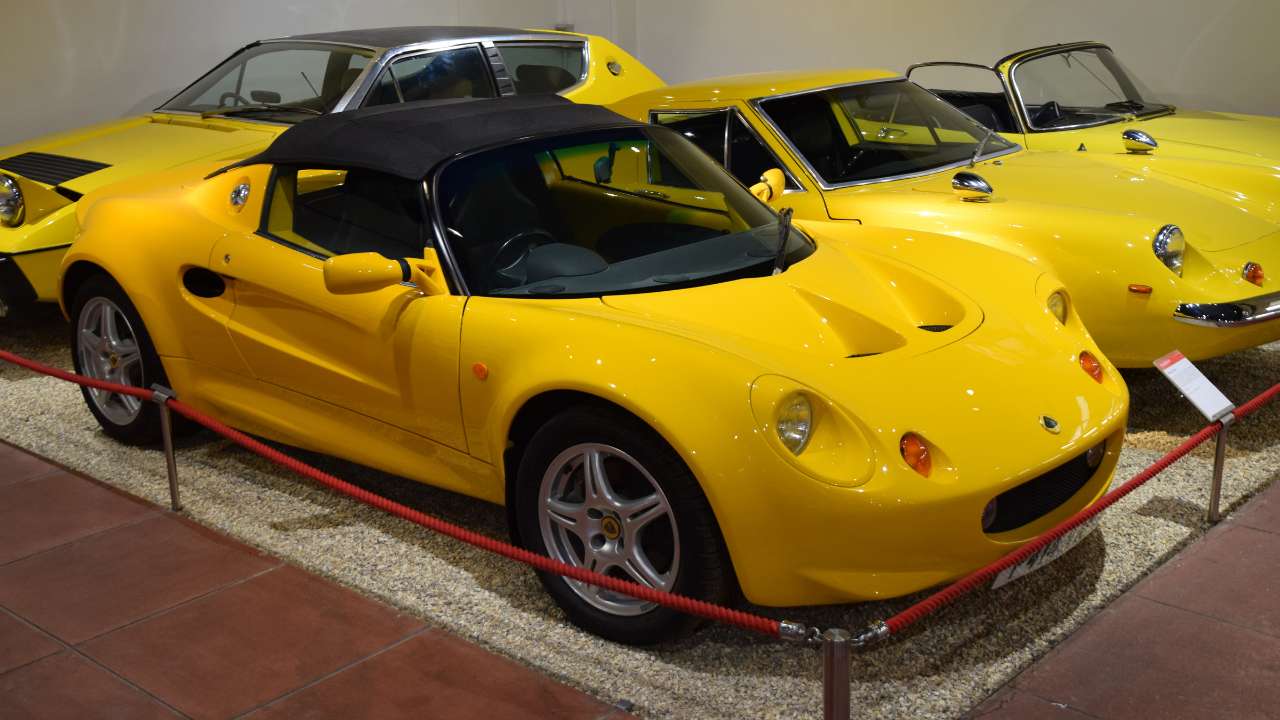
The Lotus Elise followed Colin Chapman’s philosophy of minimizing weight rather than simply adding power. Its extremely light construction made even modest engines feel exciting from behind the wheel. The Elise used a compact aluminum chassis and a focused suspension setup designed primarily for handling. Mechanics and experienced owners often recognize that the car’s simplicity contributes significantly to its character. Getting into an Elise is less about luxury and more about experiencing steering response, cornering forces, and road feedback. Few modern roadsters demonstrate the benefits of low weight as clearly.
Caterham Seven
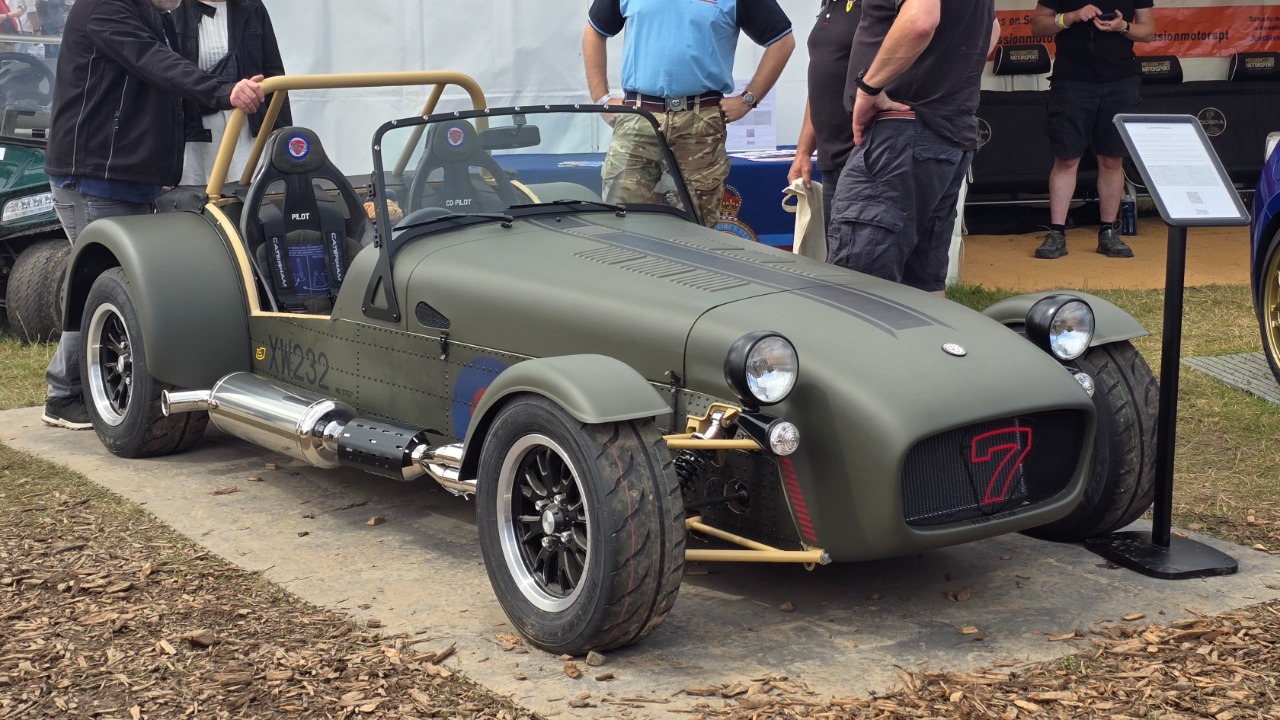
The Caterham Seven is essentially a road-going expression of lightweight sports-car engineering. Its open body, minimal equipment, rear-wheel drive, and low mass put nearly everything under the control of the driver. There is little insulation between the occupants and the mechanical experience. Mechanics appreciate the car’s accessible components and uncomplicated construction, while enthusiasts value its extraordinary responsiveness. Depending on specification, the Seven can use several different engines, but the fundamental recipe remains unchanged: keep the car light, keep the controls direct, and let the driver experience every movement.
MG MGB
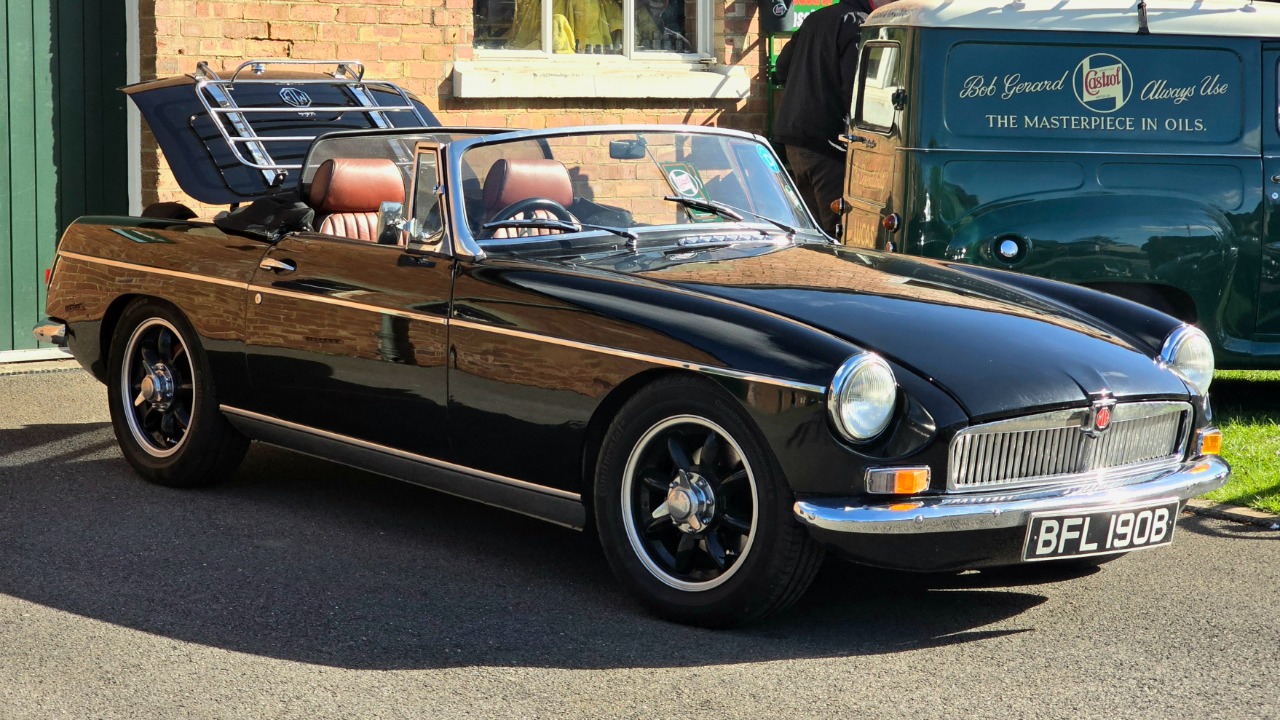
The MG MGB became one of Britain’s best-known affordable roadsters after its introduction in the 1960s. Its compact dimensions, simple four-cylinder engine, manual transmission, and rear-wheel-drive layout created an uncomplicated driving experience. The car was never about enormous horsepower, but its lightweight character made it enjoyable on winding roads. Mechanics also appreciate the relatively simple mechanical systems compared with modern sports cars. Thousands were produced, helping create a strong supply of parts and restoration knowledge. Today, the MGB remains an accessible way to experience classic British roadster driving.
Triumph Spitfire
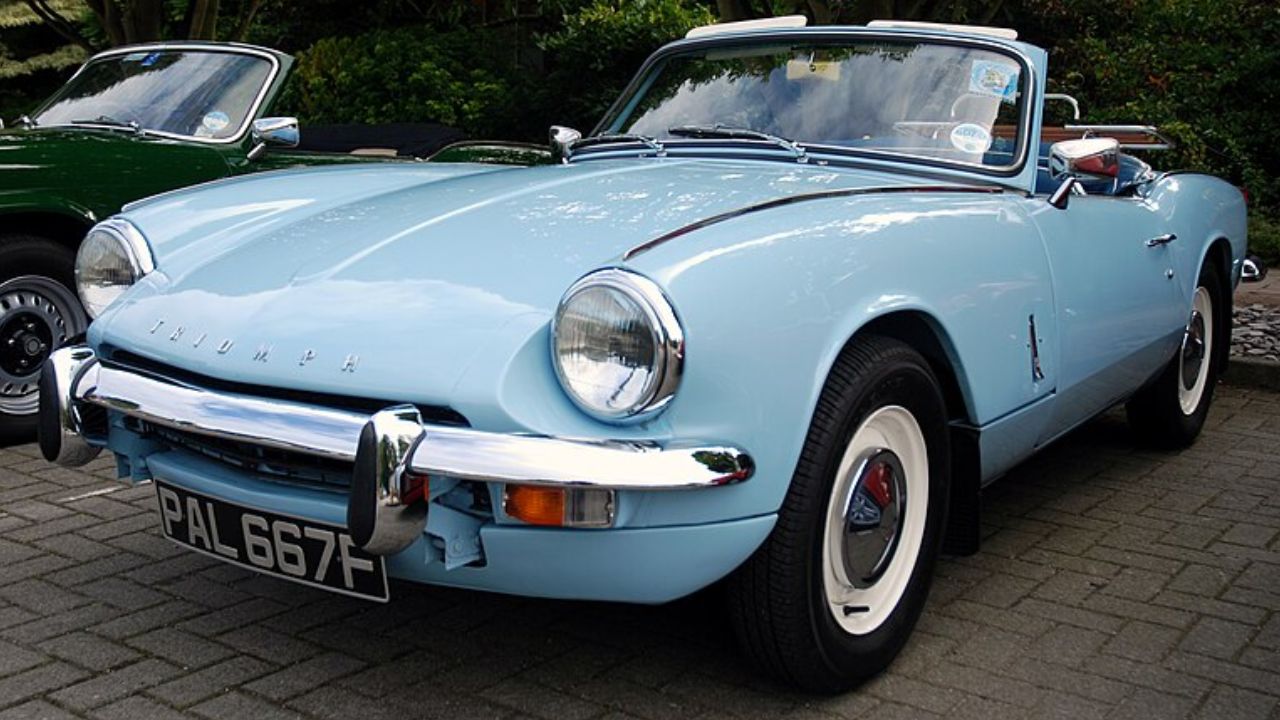
The Triumph Spitfire combined small dimensions with classic British roadster styling and a simple mechanical layout. Its lightweight construction allowed the modest four-cylinder engine to provide enough performance for enjoyable back-road driving. The car was relatively easy to work on, which helped make it popular among home mechanics and restoration enthusiasts. Its compact chassis and open cabin delivered the kind of direct road experience that became associated with British sports cars. Although not particularly powerful, the Spitfire demonstrates how low weight and simplicity can create an engaging driving machine.
Triumph TR6
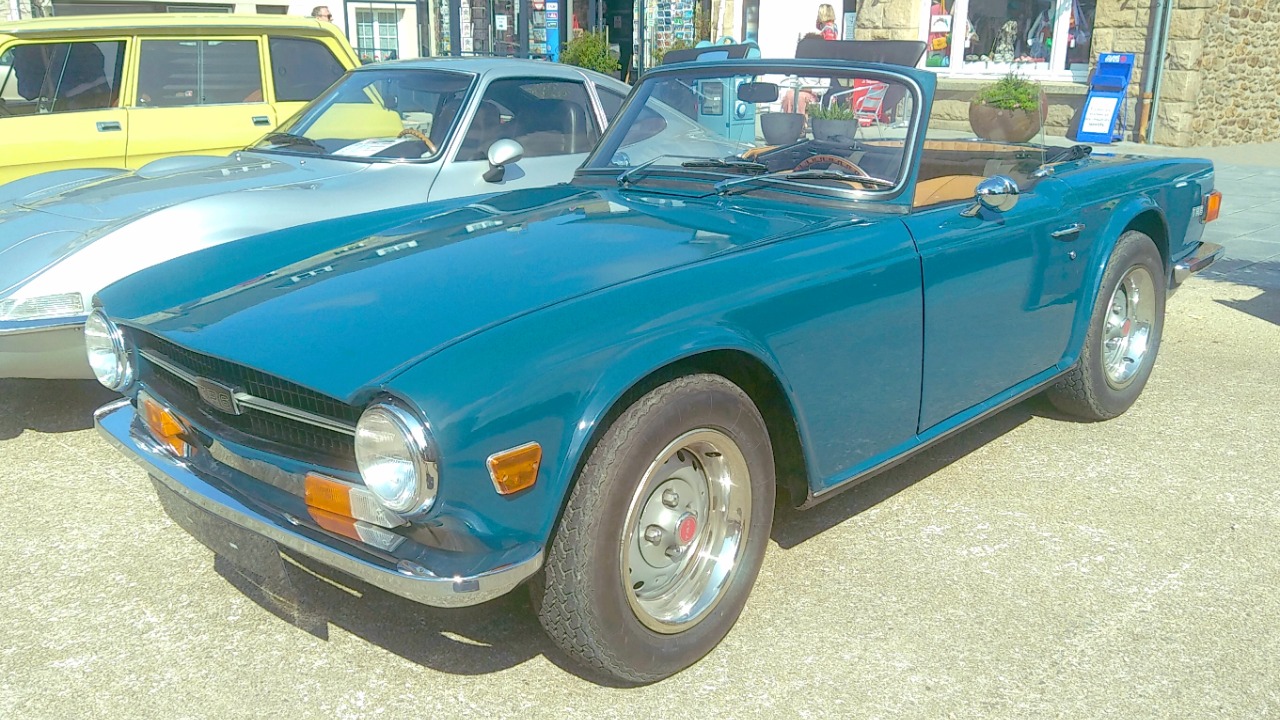
The Triumph TR6 added more power and a more muscular character to the traditional British roadster formula. Its inline-six engine provided substantially more torque than the smaller engines used in some earlier Triumph models. The rear-wheel-drive chassis, manual gearbox, and open cabin kept the driver closely connected to the road. Mechanics appreciate the relatively straightforward mechanical design, although maintaining an older British sports car requires attention to electrical and mechanical details. Properly restored TR6s remain desirable because they combine classic styling with a more substantial driving experience.
Austin-Healey 3000
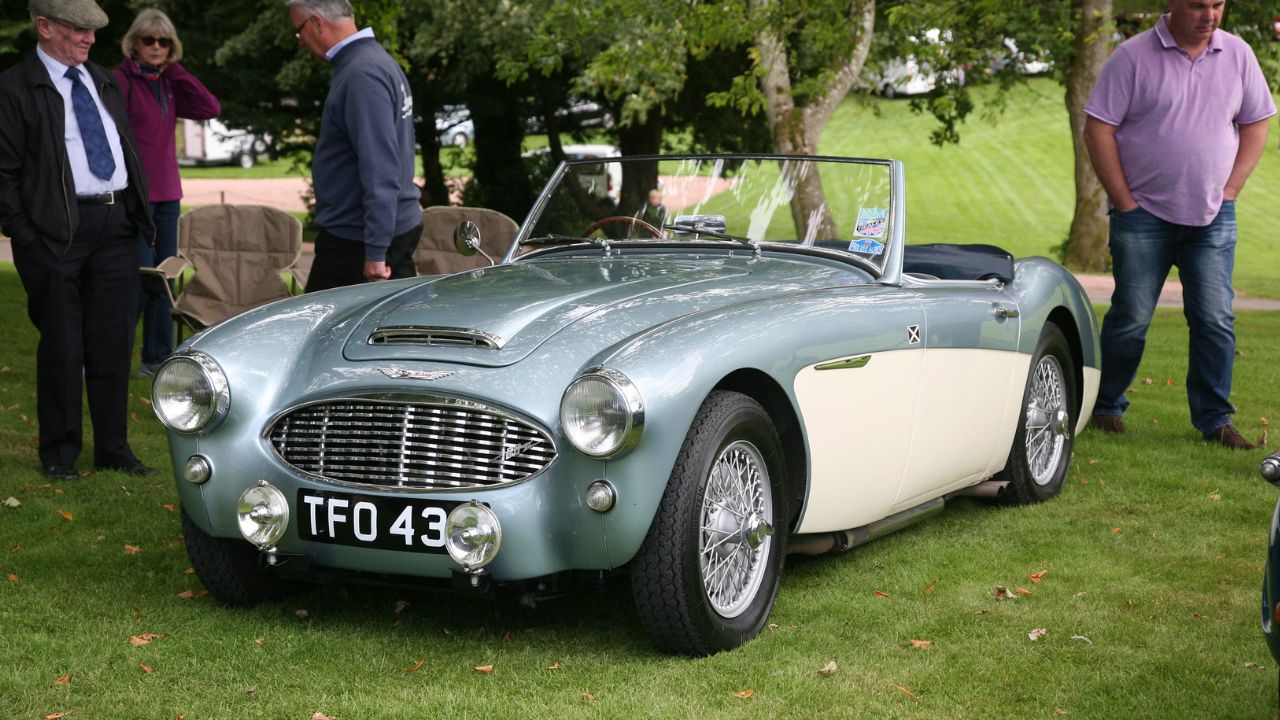
The Austin-Healey 3000 became famous for combining British roadster character with a relatively powerful six-cylinder engine. Its 3.0-liter inline-six delivered useful torque, allowing the car to feel energetic without needing extremely high engine speeds. A manual transmission and rear-wheel-drive layout kept the driving experience direct. Mechanics value its traditional construction because many systems can be inspected and serviced without modern electronic equipment. The Austin-Healey 3000 remains an important example of a classic roadster where mechanical simplicity, engine character, and open-air driving all work together.
Jaguar XK120 Roadster
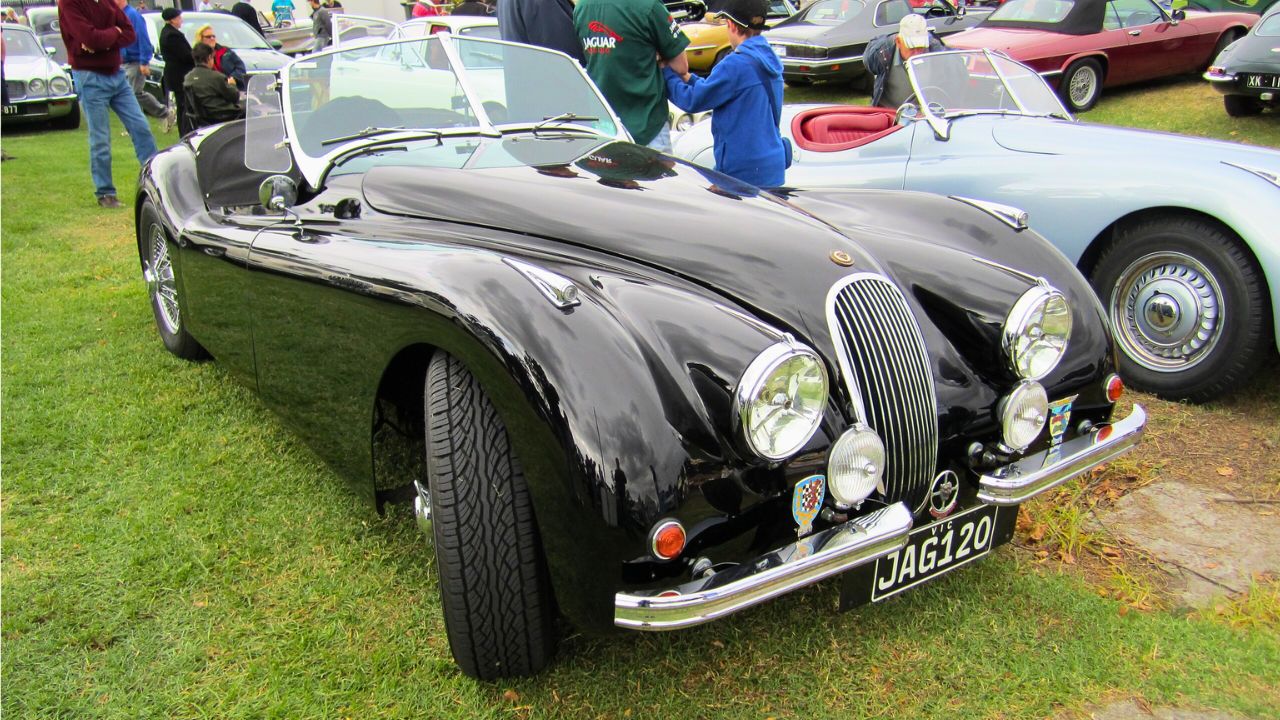
The Jaguar XK120 Roadster helped establish Jaguar as a serious performance-car manufacturer after World War II. Its sleek body concealed a powerful straight-six engine that gave the car impressive performance for its era. The long hood, rear-wheel drive, and open cockpit created a distinctive grand-touring roadster experience. Mechanics recognize the XK120 for its substantial mechanical engineering and historically important engine design. Restoring one today requires specialized knowledge, but surviving examples remain valuable because they combine elegant styling with genuine period performance.
Mercedes-Benz 190 SL
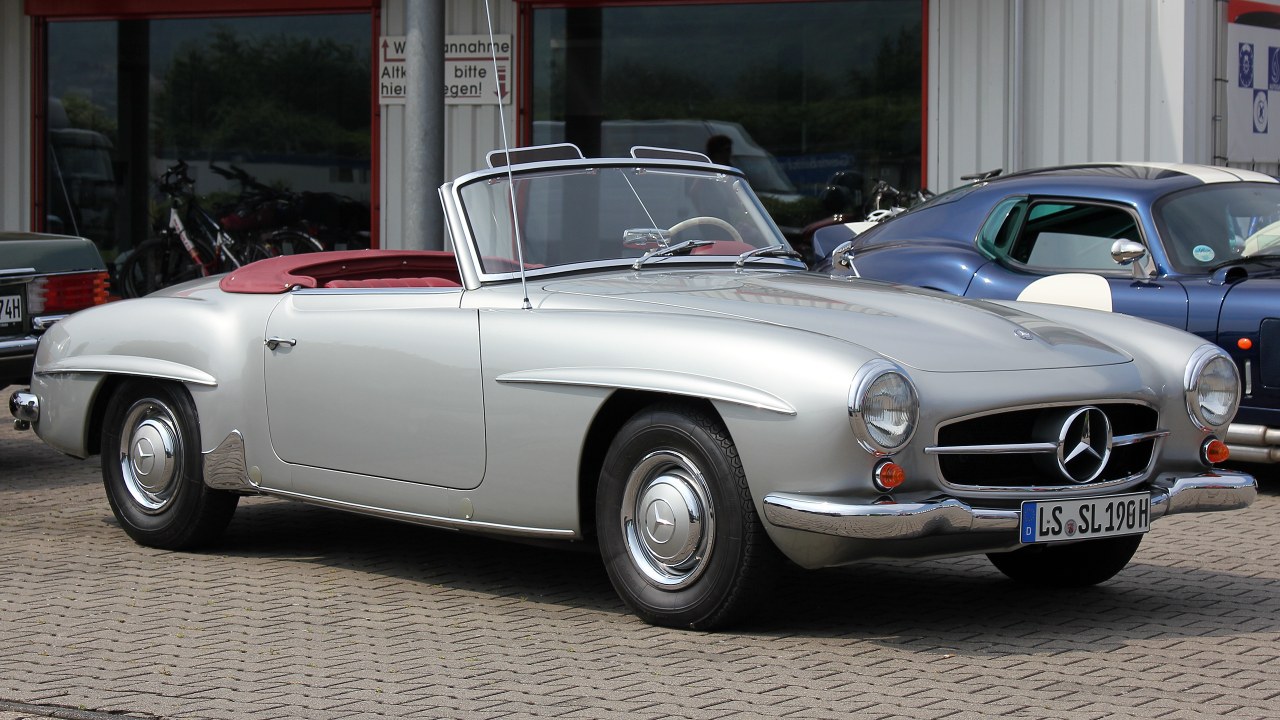
The Mercedes-Benz 190 SL offered a more accessible alternative to the company’s much more expensive 300 SL. Its four-cylinder engine and refined chassis emphasized smooth road manners rather than extreme performance. The roadster still provided rear-wheel drive, a manual transmission option, and classic open-top proportions. Mechanics appreciate the robust engineering associated with Mercedes-Benz vehicles of the period, although restoration can be demanding because original components are increasingly valuable. The 190 SL remains an interesting example of how a roadster can prioritize precision, elegance, and enjoyable driving rather than outright speed.
Alfa Romeo Spider
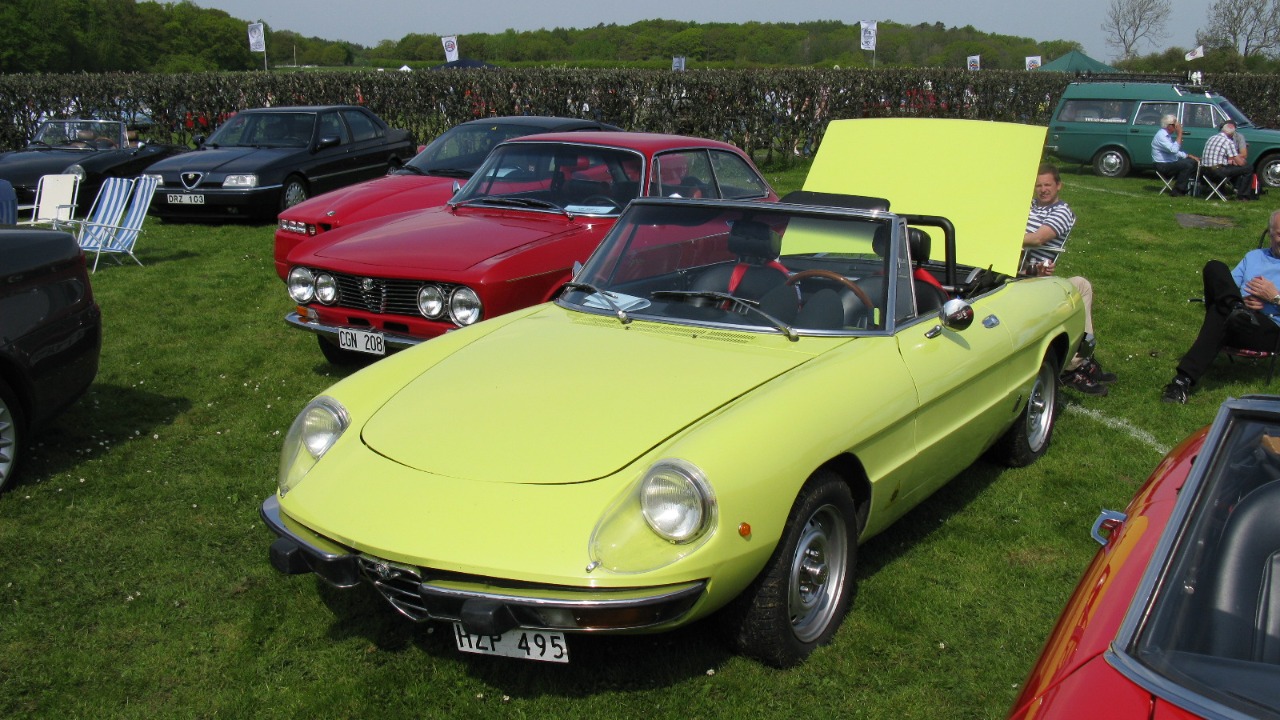
The Alfa Romeo Spider became one of Italy’s most recognizable roadsters, combining elegant styling with a lively four-cylinder engine and rear-wheel drive. Its balanced proportions and responsive controls helped create an engaging experience even without enormous power. The manual gearbox encouraged active driving, while the open cabin added to its character. Mechanics familiar with classic Alfa Romeos know that maintenance is important, but properly cared-for examples can remain rewarding. The Spider’s long production history also means enthusiasts can choose among several generations with different mechanical characteristics.
Fiat 124 Spider
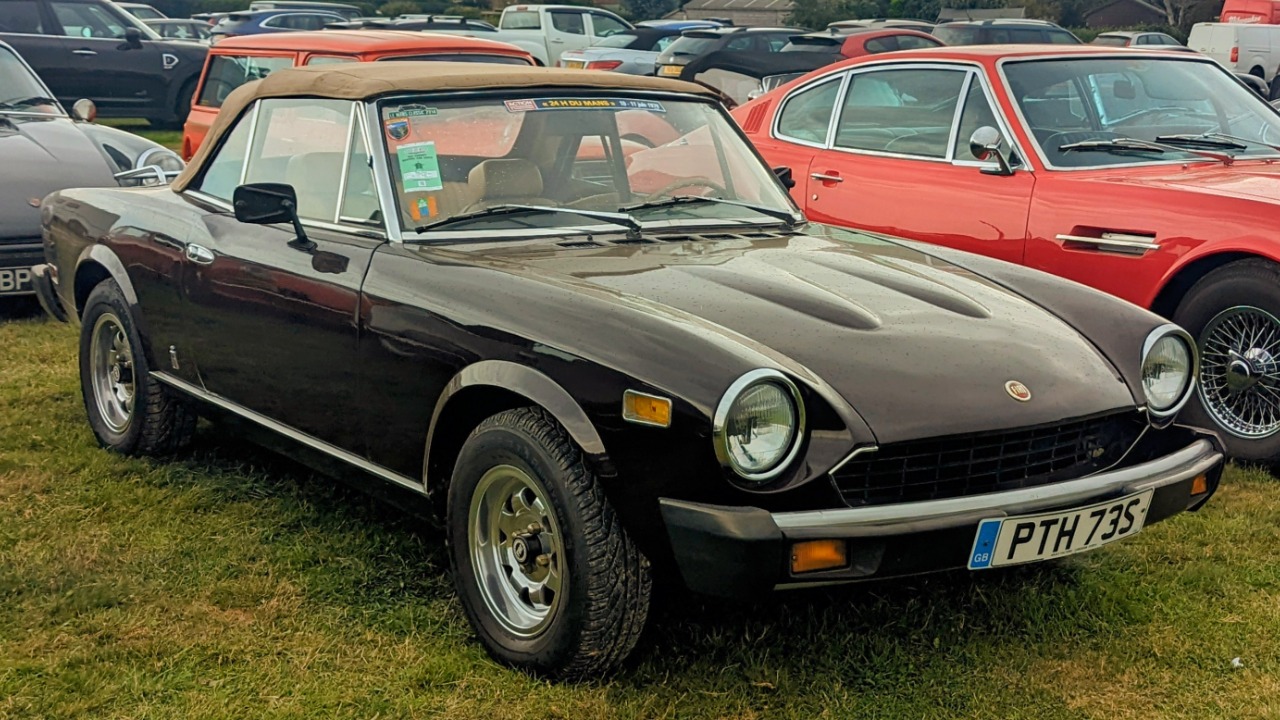
The Fiat 124 Spider offered Italian styling combined with relatively straightforward mechanical engineering. Its compact four-cylinder engine, rear-wheel drive, and manual transmission created a lightweight package that worked well on winding roads. Later versions also benefited from additional engineering input and turbocharged power. Mechanics generally value the car because its basic systems are accessible compared with many modern performance vehicles. The 124 Spider also became popular with restorers because replacement parts and enthusiast knowledge remain available. It is a roadster that emphasizes balance and simplicity rather than overwhelming performance.
Datsun 2000 Roadster
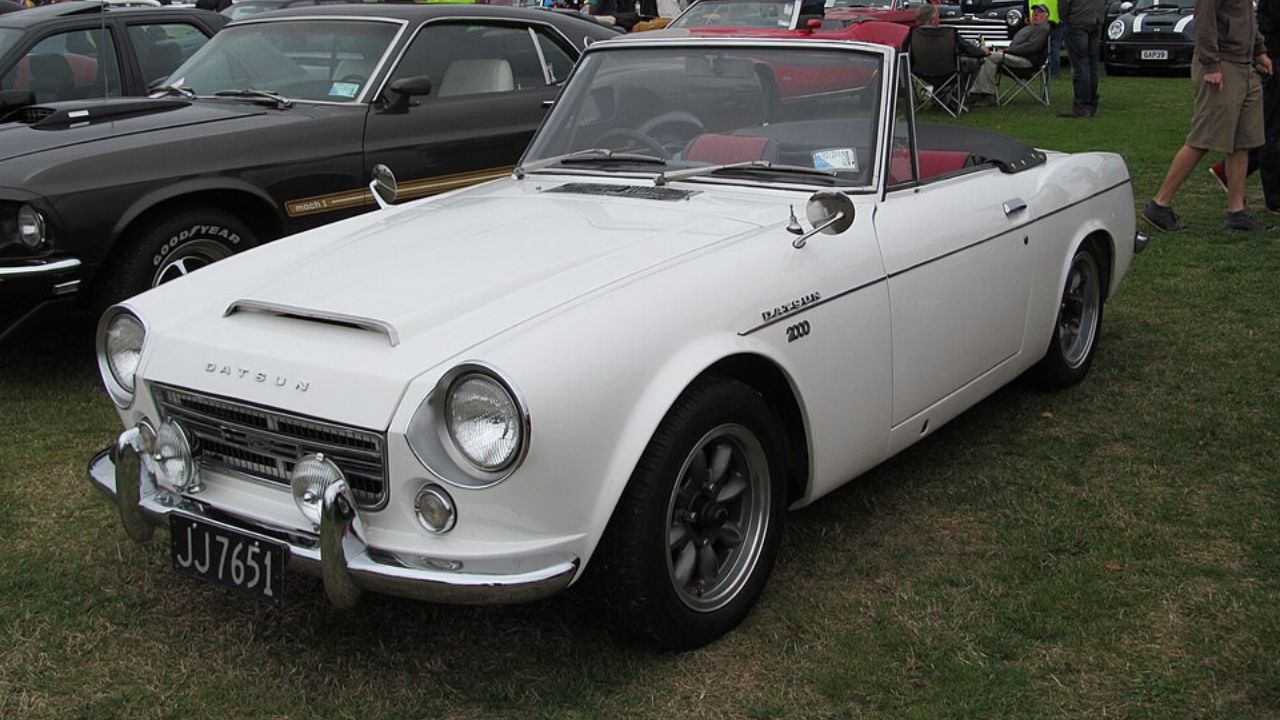
The Datsun 2000 Roadster demonstrated how Japanese manufacturers could compete directly with established British sports-car brands. Its two-liter four-cylinder engine provided strong performance for its size, while the manual transmission and rear-wheel-drive chassis gave the driver plenty of involvement. The car was also known for its relatively durable mechanical components compared with some contemporary British roadsters. Mechanics appreciate its straightforward engineering and serviceability. Today, surviving examples are increasingly interesting to collectors because the 2000 Roadster represents an important stage in Datsun’s development as a global sports-car manufacturer.
Chevrolet Corvette C1
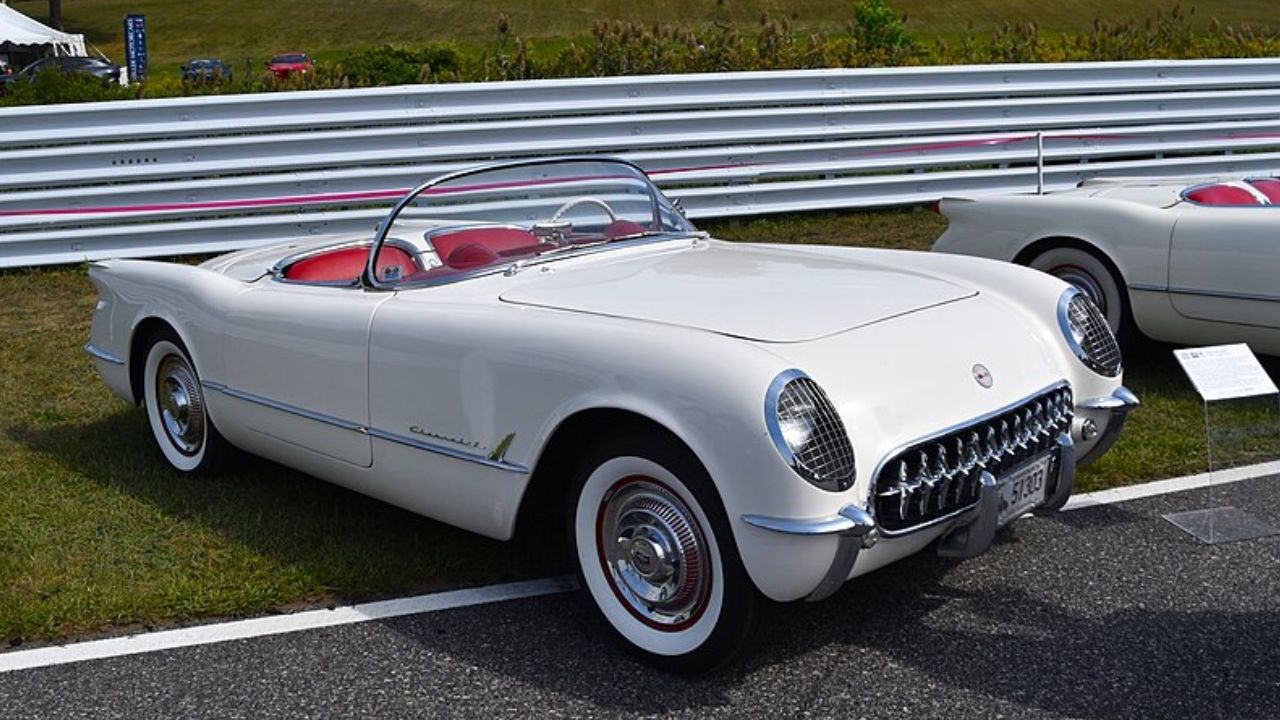
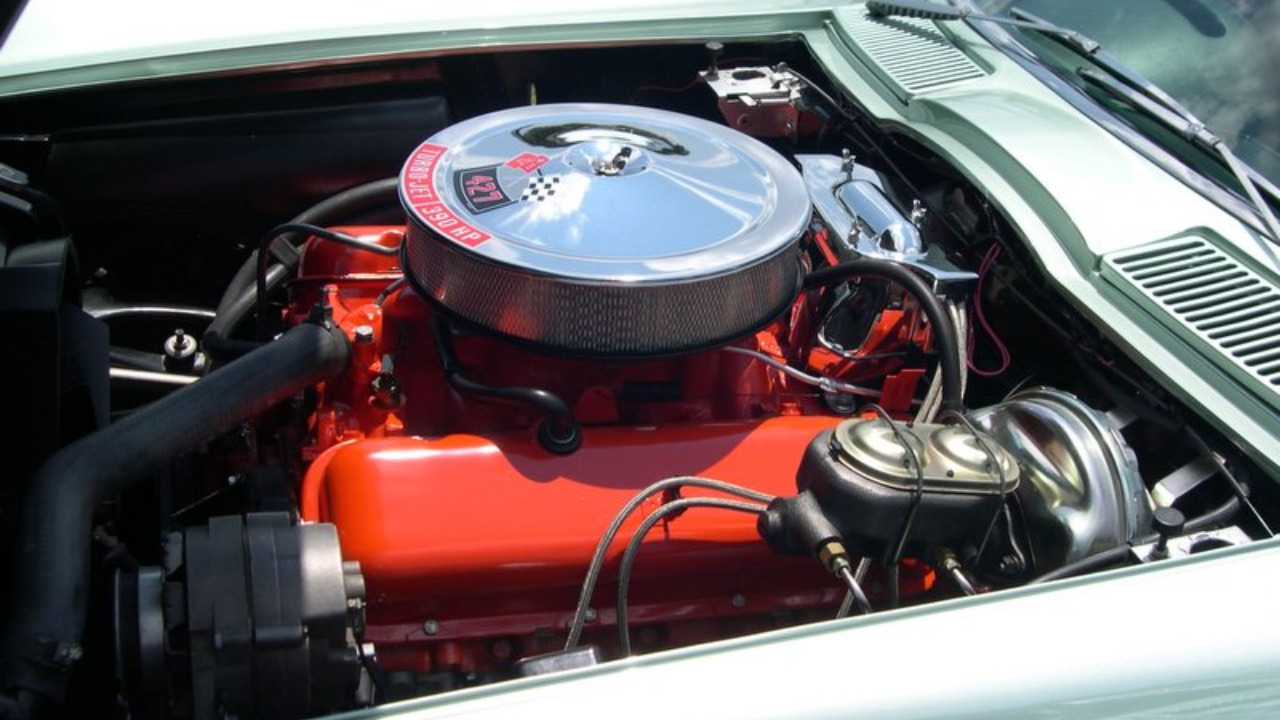
The first-generation Chevrolet Corvette introduced the American roadster concept to a much wider audience. Early examples used modest six-cylinder power, but later versions gained increasingly powerful V8 engines. The fiberglass body kept weight relatively low, while the rear-wheel-drive layout gave the car a familiar sports-car character. Mechanics appreciate the Corvette’s simple American mechanical architecture and broad parts availability. Early Corvettes are now important collector cars, but their fundamental appeal remains the driving experience created by an open body, front-mounted engine, and straightforward mechanical controls.
Shelby Cobra
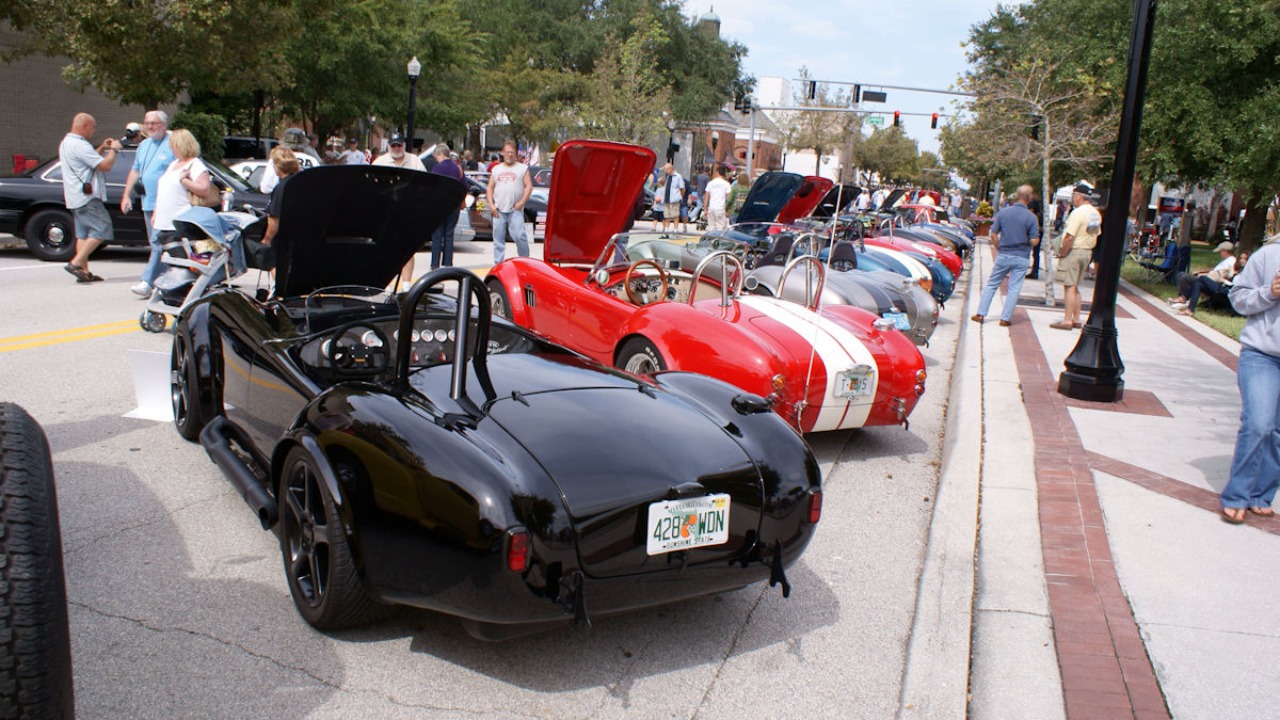
The Shelby Cobra combined a lightweight British roadster chassis with powerful American V8 engines, creating one of the most dramatic performance combinations of the 1960s. Its compact body could accommodate engines producing far more power than the chassis originally suggested. The result was an extremely direct and demanding driving experience. Mechanics appreciate the relatively uncomplicated drivetrain, while collectors value the Cobra’s racing history and rarity. The car became famous precisely because it avoided unnecessary complexity: lightweight construction, strong V8 power, rear-wheel drive, and a manual gearbox formed its essential recipe.
Morgan Plus 4
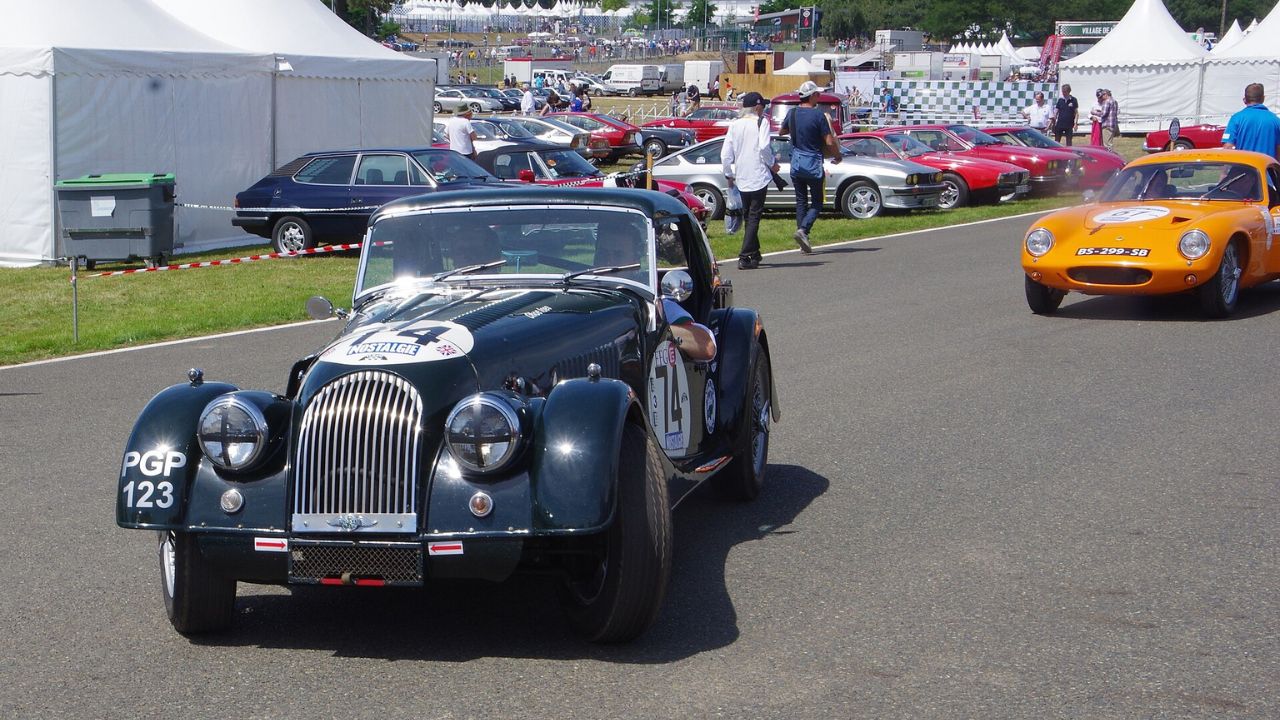
The Morgan Plus 4 represents a roadster philosophy that remained remarkably consistent across decades. Traditional styling, an open cabin, rear-wheel drive, and a lightweight chassis kept the focus on driving rather than technology. Different generations used different engines, but the fundamental character remained intact. Mechanics often appreciate Morgan’s unusual construction methods and the accessibility of many components. The Plus 4 shows that a driving machine does not need extreme horsepower or sophisticated electronics. Its appeal comes from mechanical involvement, low weight, and a strong connection between driver and road.
More from Fast Lane Only
- Unboxing the WWII Jeep in a Crate
- 15 rare Chevys collectors are quietly buying
- 10 underrated V8s still worth hunting down
- Police notice this before you even roll window down
*Research for this article included AI assistance, with all final content reviewed by human editors.