Big-block engines became so powerful that racing officials could not simply let every combination compete without restrictions. Sanctioning bodies used displacement limits, minimum weights, homologation rules, induction restrictions, and other technical measures to keep competition under control. These 18 engines became closely associated with an era when horsepower was rising faster than the rulebooks could keep up.
Chrysler 426 Hemi
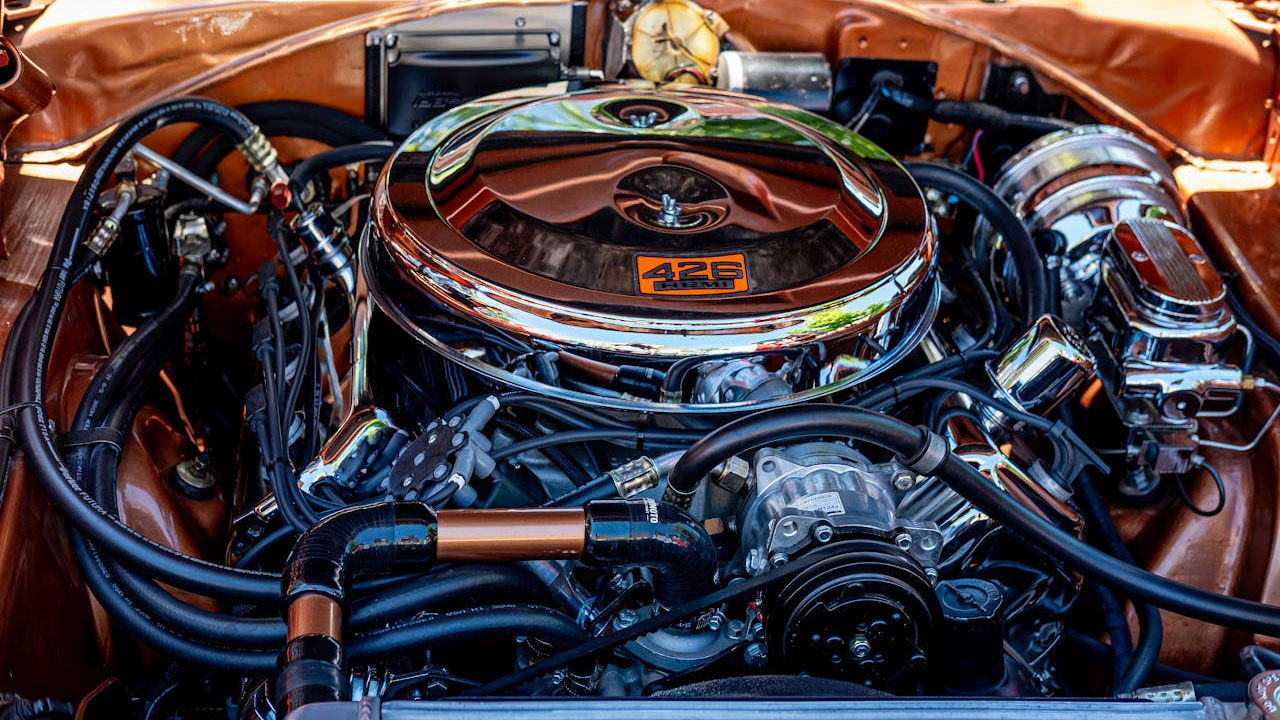
The Chrysler 426 Hemi quickly became one of the most powerful engines in American racing. Its hemispherical combustion chambers allowed excellent airflow and supported serious high-rpm performance. NASCAR required Chrysler to produce enough street versions for homologation before allowing the engine to compete. When Chrysler could not immediately meet the revised requirement, the Hemi was excluded from NASCAR competition for 1965. The engine returned after Chrysler produced sufficient street cars to satisfy the rules.
Ford 427 SOHC
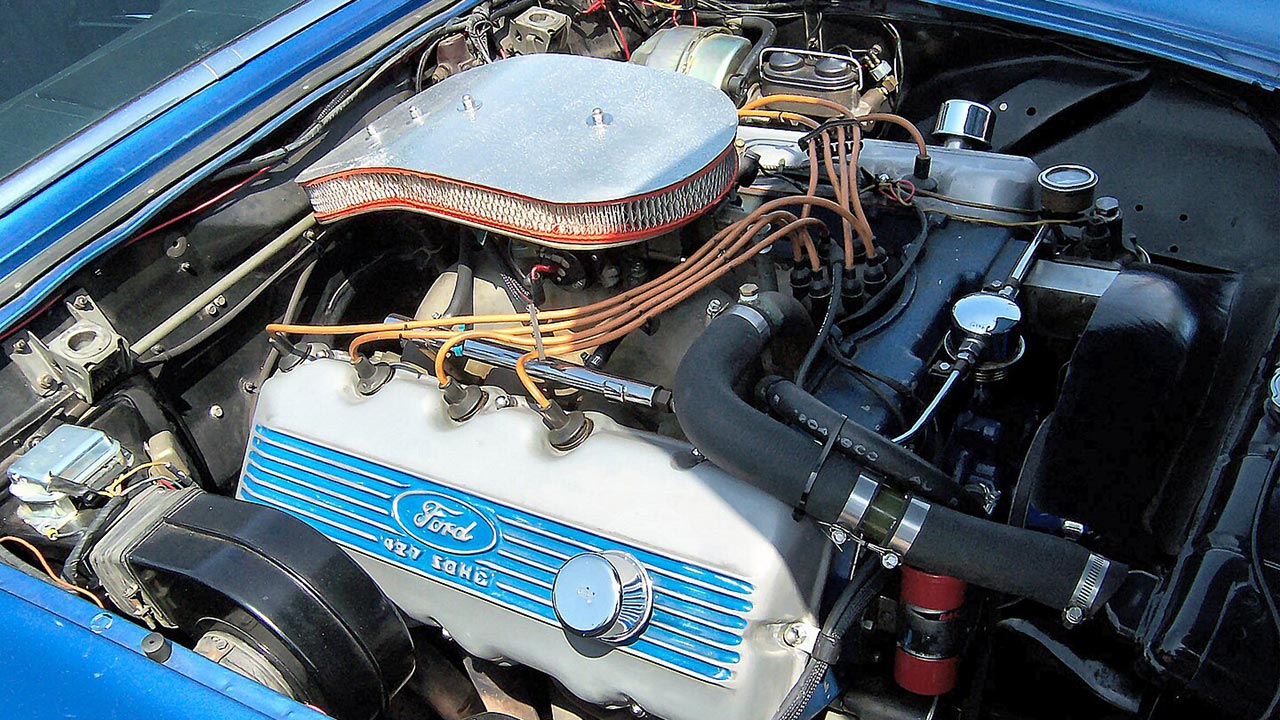
Ford’s 427 SOHC Cammer was an extraordinary development of the FE big-block. Instead of using conventional pushrods, it employed a single overhead camshaft for each cylinder bank, allowing impressive valve control at high engine speeds. NASCAR officials rejected the engine for stock-car competition because it was considered too far removed from the production engines required by the rules. Its exclusion redirected the Cammer toward drag racing, where its specialized design became legendary.
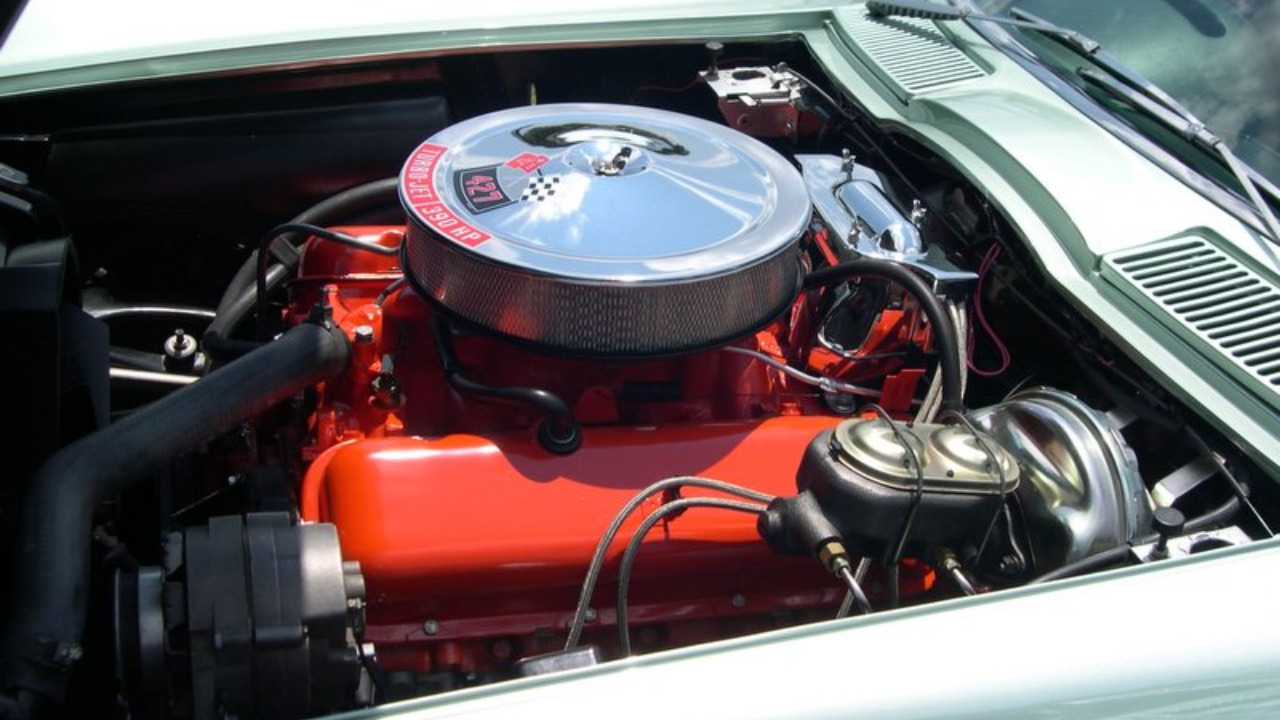
Chevrolet 427 L88
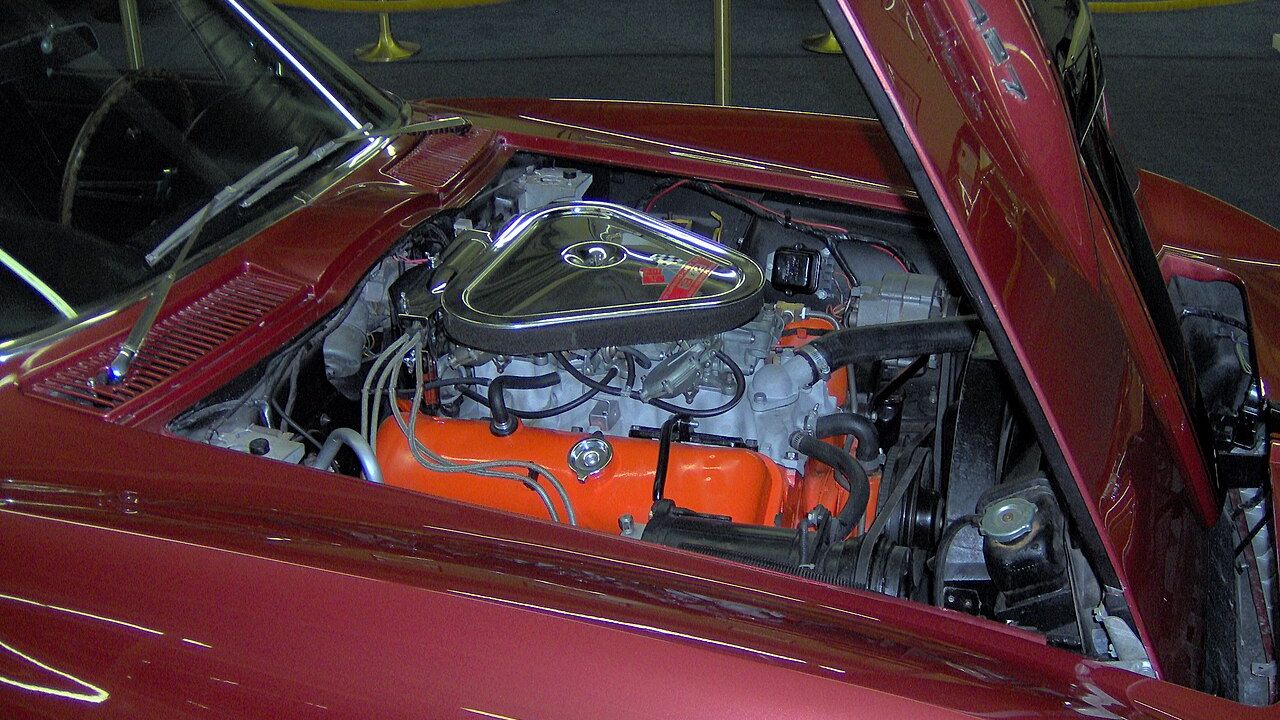
The Chevrolet 427 L88 was built with serious competition hardware hidden beneath a production-car identity. Its high-flow heads, aggressive camshaft, high compression, and large carburetor gave it enormous potential. Chevrolet produced very few examples, which made homologation an important consideration in racing. The L88’s specialized nature meant that competition organizations could control its use through production requirements, displacement classifications, vehicle weight, and restrictions on modifications.
Chevrolet 427 ZL1
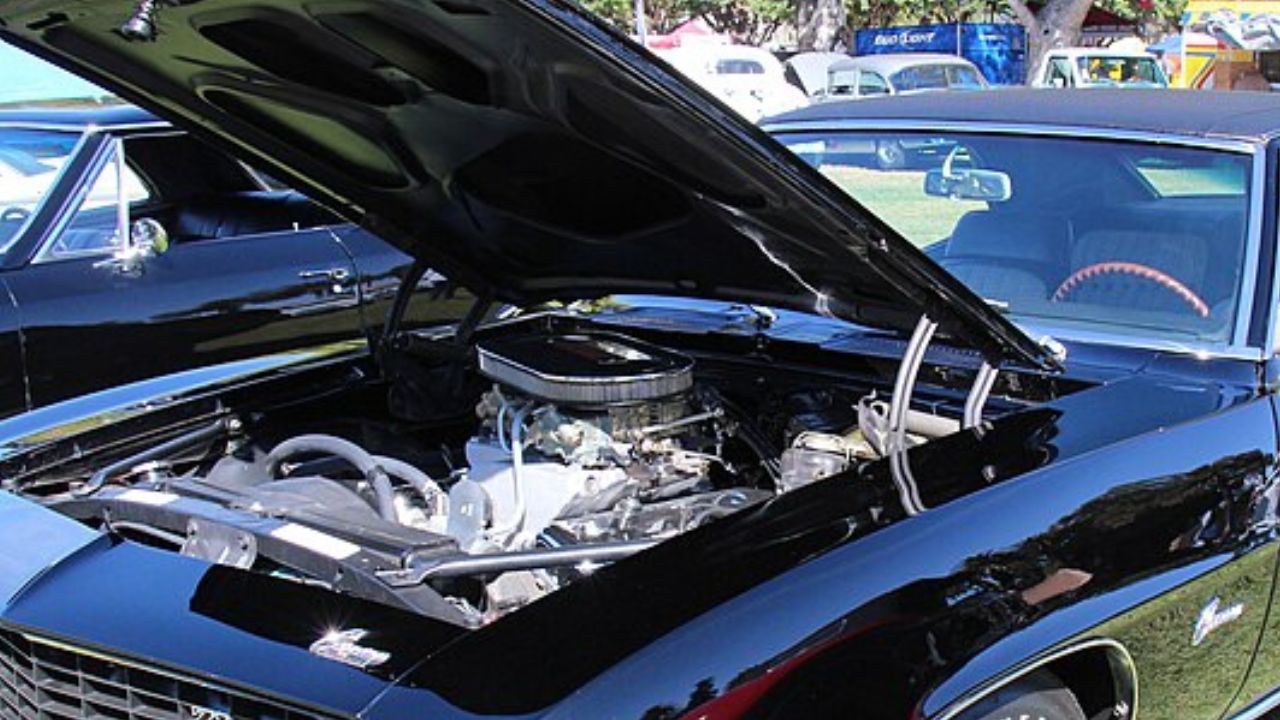
The 427 ZL1 used an aluminum block instead of the conventional iron block, significantly reducing engine weight. That advantage was especially valuable in racing, where every pound could affect acceleration and handling. Racing officials therefore had to consider both the engine’s displacement and its lightweight construction when determining eligibility. Because very few ZL1 engines were produced, production-based homologation rules also limited where the engine could legally compete.
Chevrolet 409
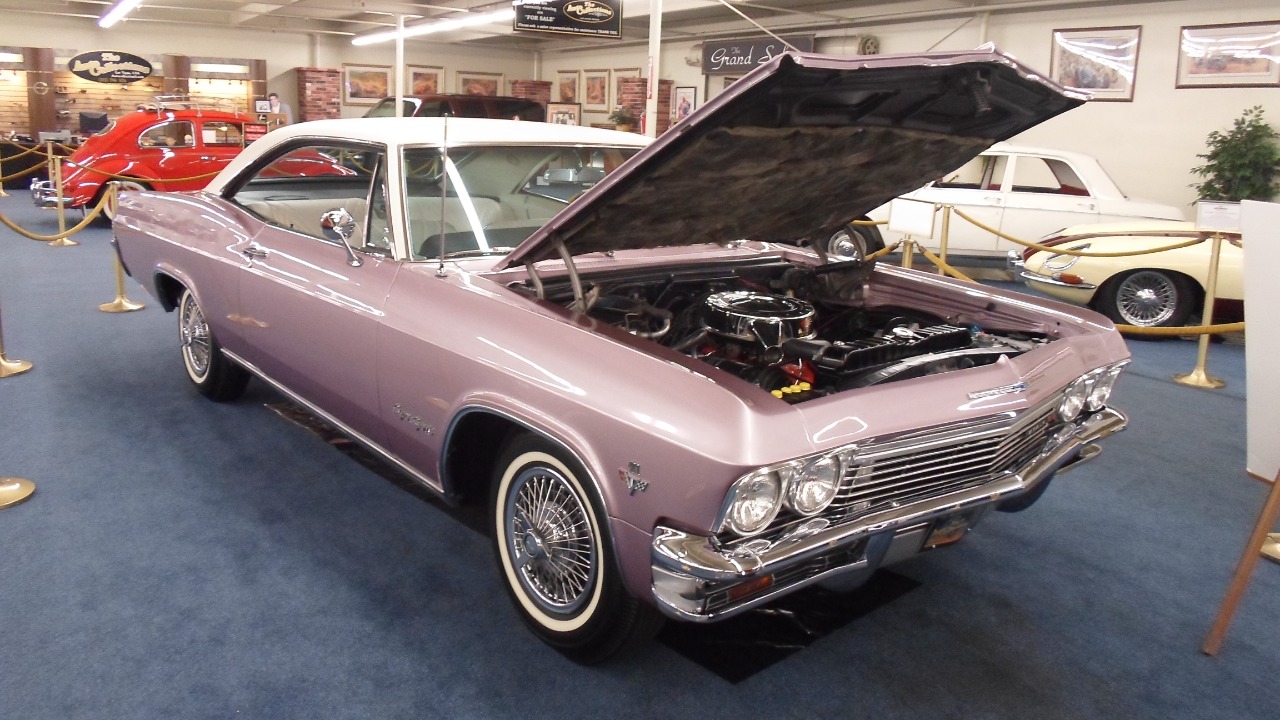
The Chevrolet 409 became famous as one of Chevrolet’s early high-performance big-blocks. Its large displacement and strong torque made it competitive in drag racing and other forms of motorsport. As racing officials developed more formal production-based classes, the 409 had to operate within displacement, weight, and equipment rules. These regulations prevented Chevrolet from gaining an unlimited advantage simply by installing a larger and more powerful engine.
Pontiac 389 Tri-Power
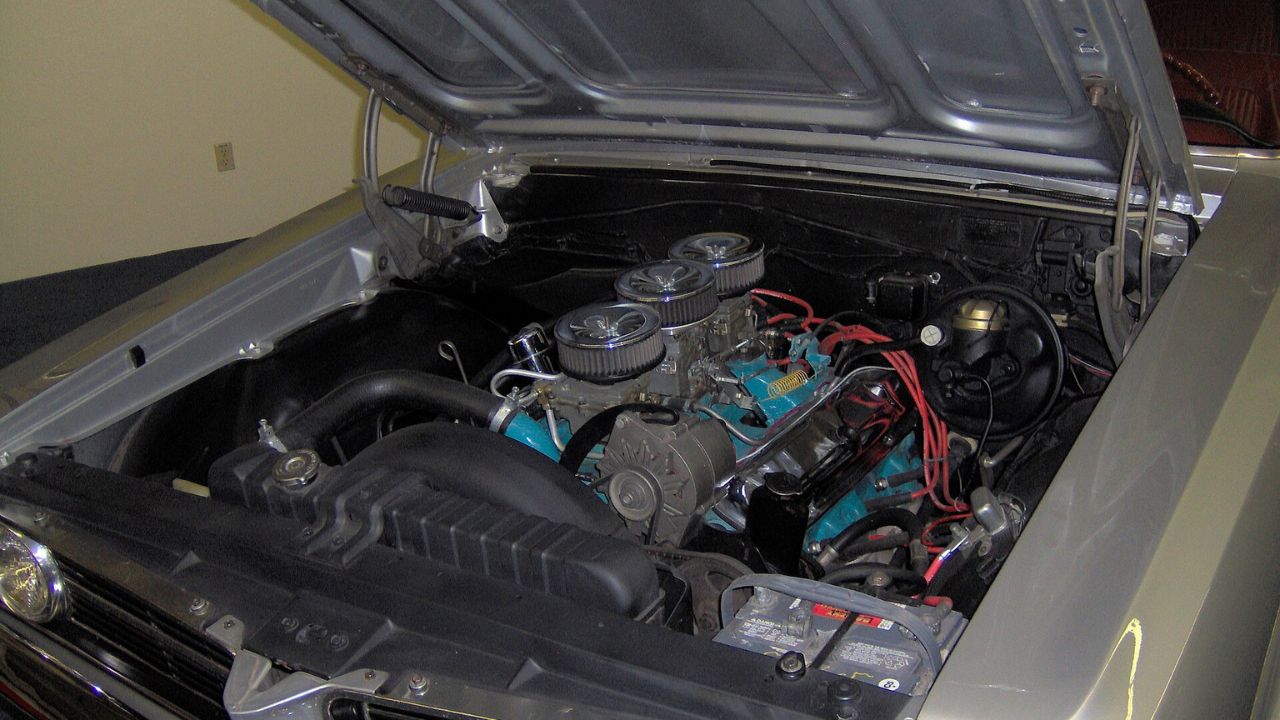
The Pontiac 389 Tri-Power combined substantial displacement with three two-barrel carburetors. When all three carburetors were operating, the engine could receive a large amount of airflow. Racing officials could control such combinations through restrictions on induction systems, displacement, and minimum vehicle weight. These rules limited how much advantage a multi-carburetor big-block could gain over engines using simpler induction systems.
Buick 455 Stage 1
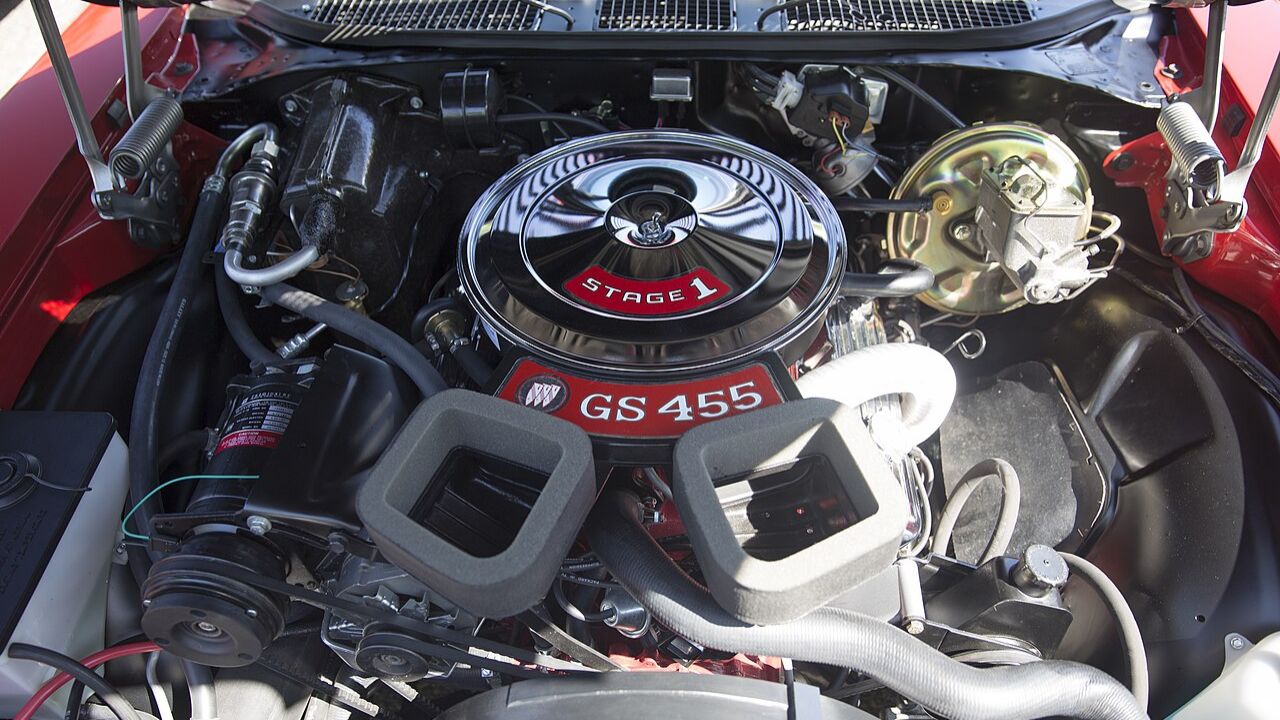
The Buick 455 Stage 1 combined huge displacement with improved cylinder-head and valvetrain specifications. Its enormous torque made it particularly effective in heavy performance cars. Production-based drag-racing classes used minimum-weight formulas to prevent large engines from pairing their displacement advantage with extremely lightweight vehicles. As a result, the 455’s size became both an advantage and a regulatory burden.
Oldsmobile 455
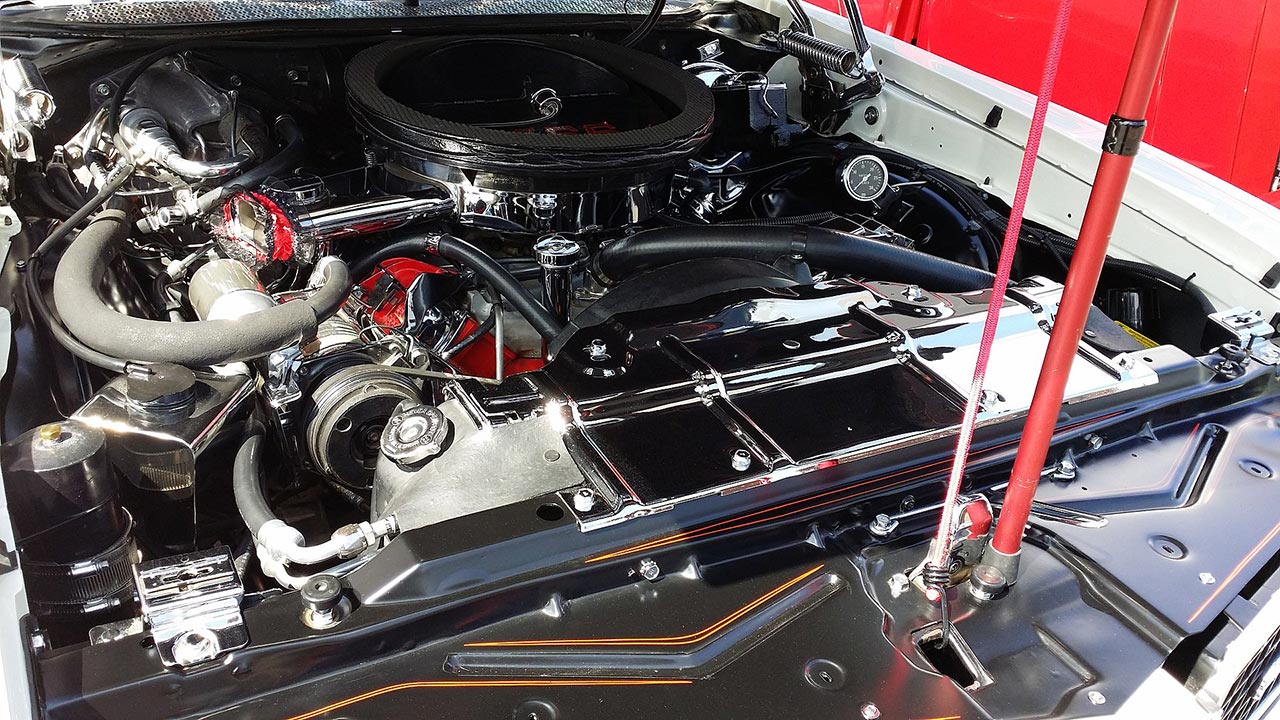
Oldsmobile’s 455 was one of GM’s largest performance engines and became known for its strong torque output. Racing officials had to account for its 455 cubic inches when establishing class requirements. Weight-per-cubic-inch formulas were one way sanctioning bodies controlled large-displacement combinations. A 455-powered car therefore had to carry enough weight to offset some of the performance advantage created by its extra cubic inches.
Chevrolet 454 LS6
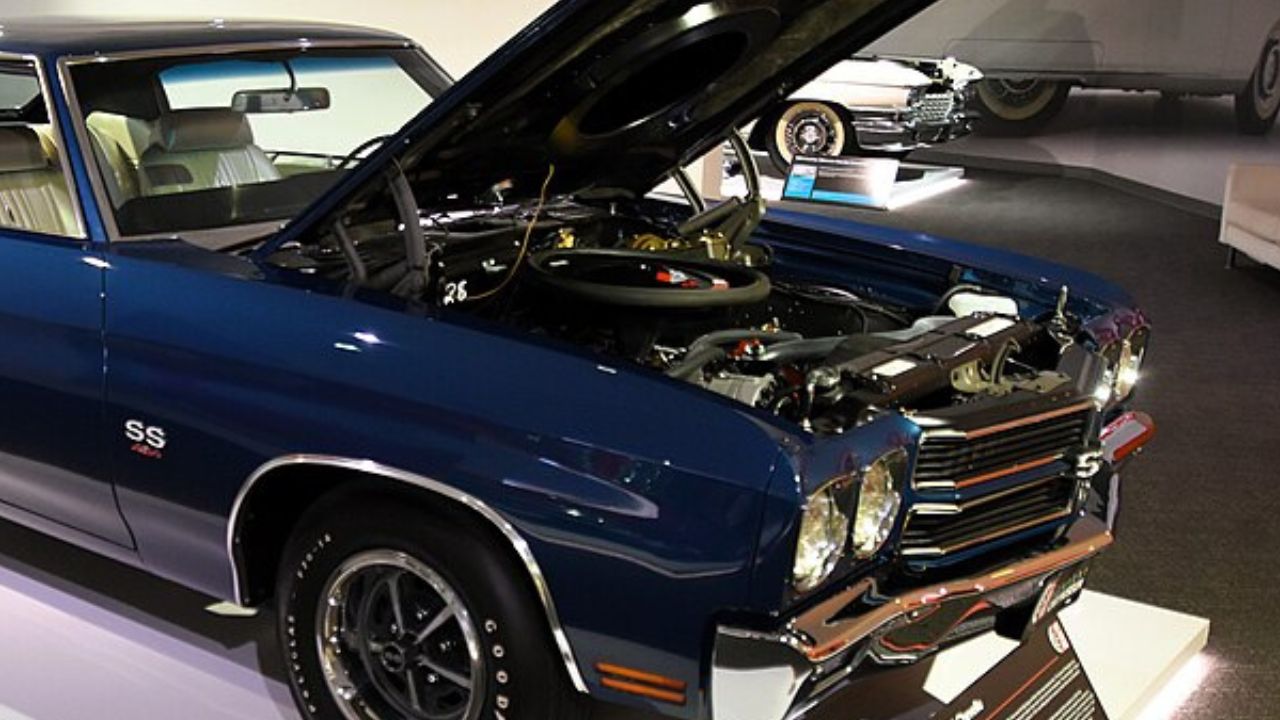
The Chevrolet 454 LS6 arrived with extremely strong factory performance and became one of the defining big-blocks of the muscle-car era. Its 454 cubic inches placed it firmly into large-displacement racing categories. Officials could control its advantage through minimum vehicle weight, displacement classifications, and restrictions on internal modifications. The engine was not necessarily banned, but the car carrying it could face additional requirements because of its enormous displacement.
Ford 429 Super Cobra Jet
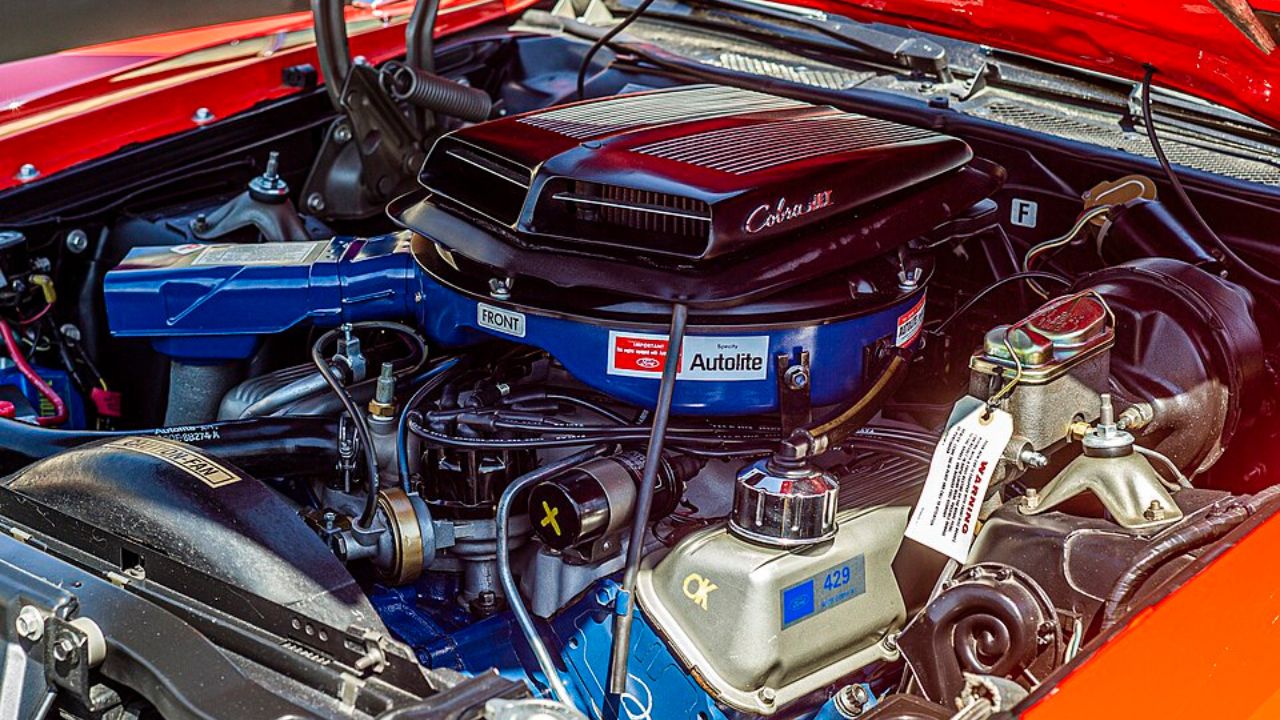
CC BY-SA 4.0 / Wiki Commons
The 429 Super Cobra Jet was an even more competition-focused version of Ford’s 429. Stronger components and specialized equipment made it suitable for demanding performance use. Racing officials could control such combinations through class rules covering displacement, vehicle weight, and legal engine components. The engine remained a formidable competition powerplant, but its size and specialized hardware meant that it had to operate within a carefully controlled technical framework.
Chrysler 440 Six Pack
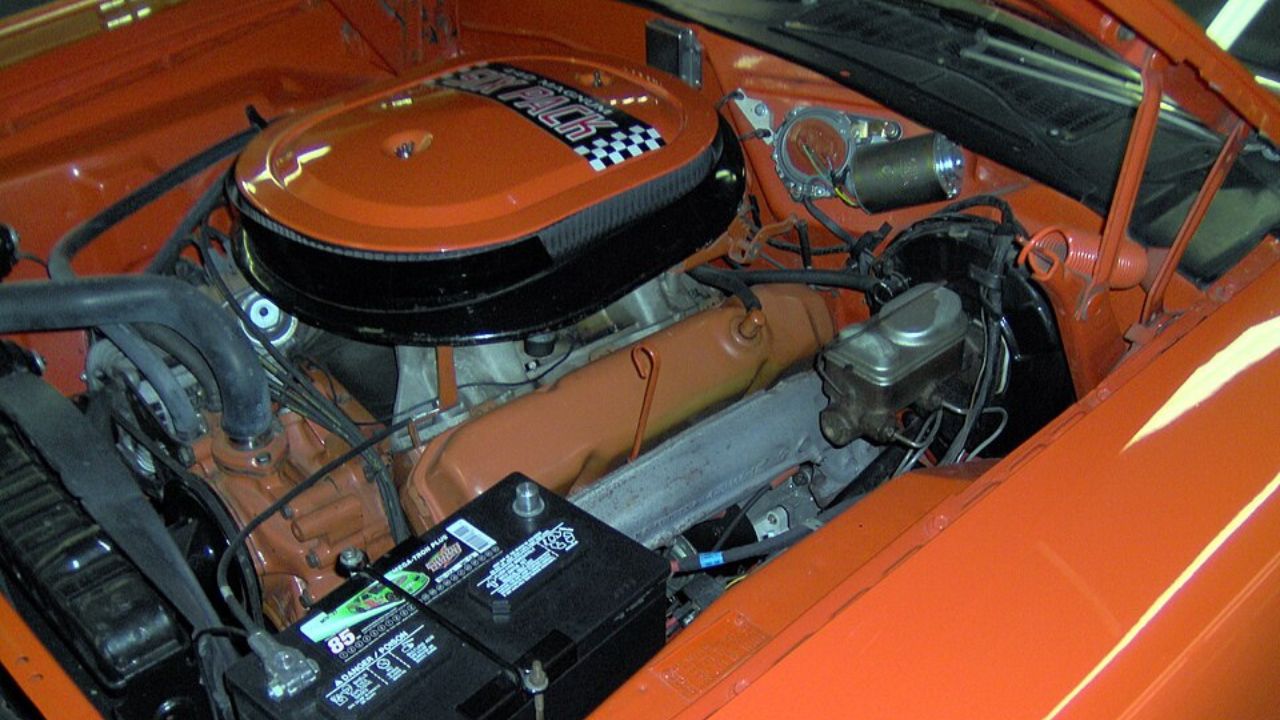
The Chrysler 440 Six Pack paired a massive 440-cubic-inch engine with three two-barrel carburetors. The combination delivered substantial airflow and torque, making it highly effective in straight-line competition. Racing officials could limit its advantage by applying displacement-based weight formulas and induction rules. The 440 therefore could not simply rely on its enormous size and multi-carburetor system while also benefiting from an unrestricted lightweight vehicle.
Chevrolet 502
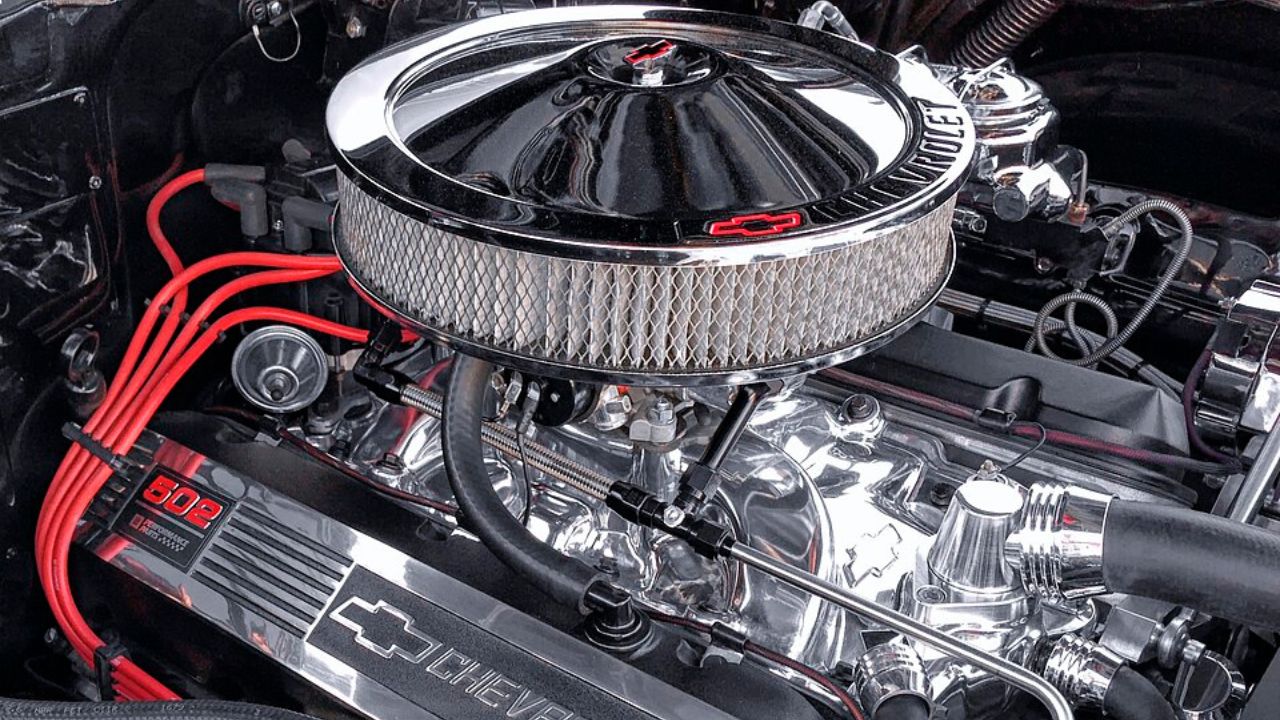
The Chevrolet 502 is one of GM’s most recognizable crate big-blocks, built around 502 cubic inches of displacement and designed to deliver massive torque. Its size made it popular for hot rods, drag cars, trucks, and custom builds. In racing, however, engines this large could face displacement-based class limits or minimum-weight requirements. A 502 could produce serious power, but its cubic-inch advantage also made it difficult to fit into racing categories designed around smaller engines.
Chevrolet Monte Carlo coupe
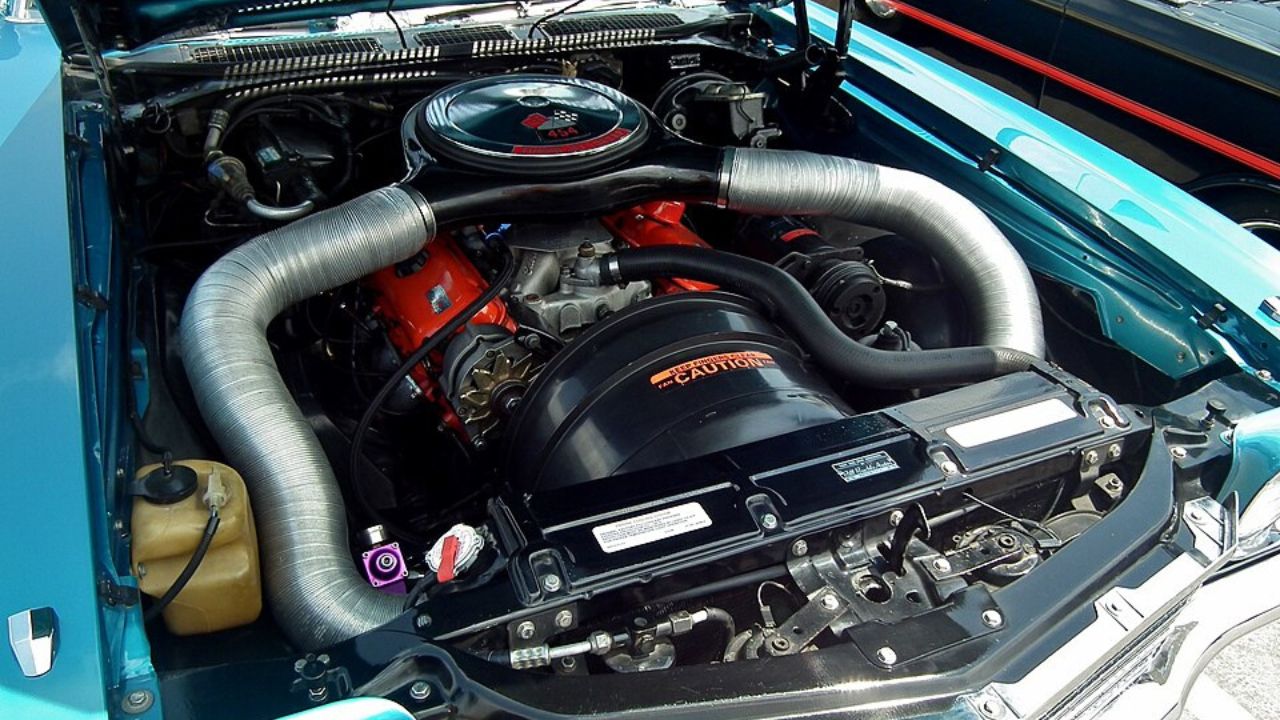
The Chevrolet Monte Carlo was a popular American personal-luxury coupe produced by Chevrolet from 1970 through 2007, with a production break in the late 1980s and 1990s. Known for its long hood, comfortable interior, and rear-wheel-drive layout in earlier generations, the Monte Carlo also became closely associated with NASCAR. Its combination of stylish design and available V8 power made it a notable part of Chevrolet’s performance-oriented coupe lineup.
Buick 400
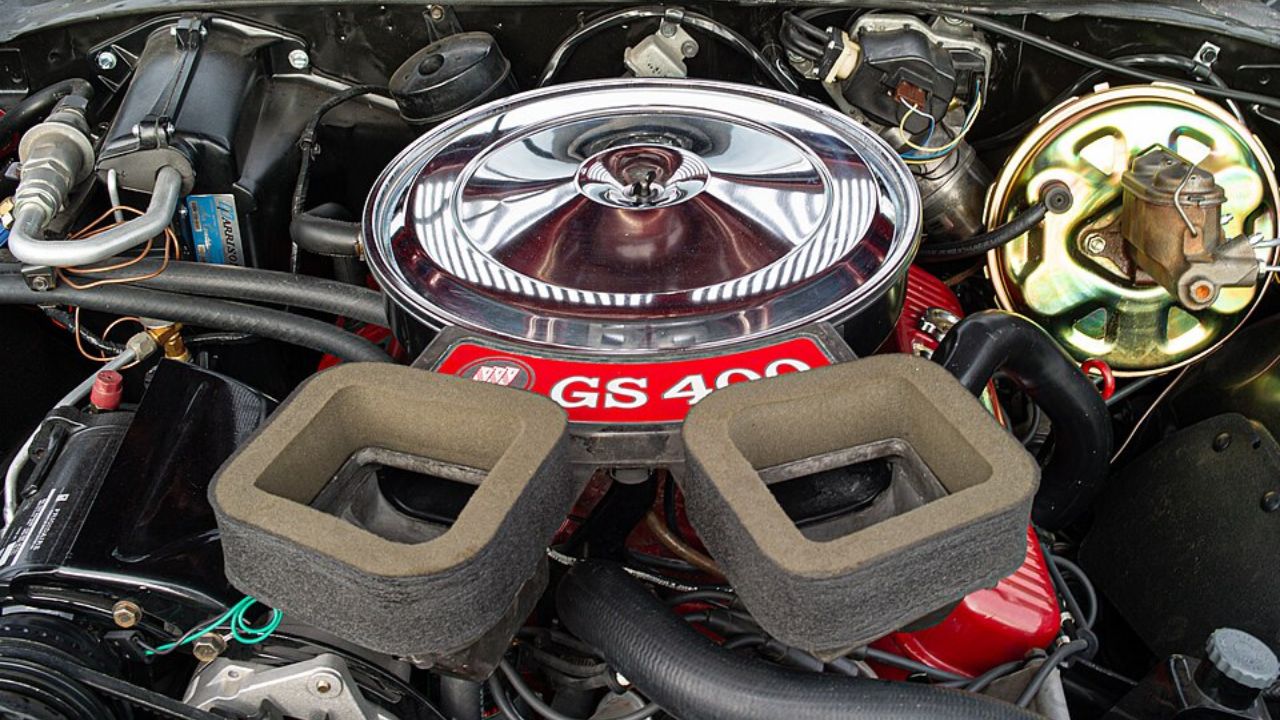
The Buick 400 was a 400-cubic-inch V8 introduced for the 1967 model year as Buick’s first engine to use the new 400-cubic-inch displacement. It delivered strong low-end torque and became available in several Buick performance cars. The engine was later used in models such as the GS 400, where Buick paired the big-block with performance-oriented components. Its combination of displacement and torque made the Buick 400 an important part of Buick’s late-1960s muscle-car era.
Buick 430cid V8
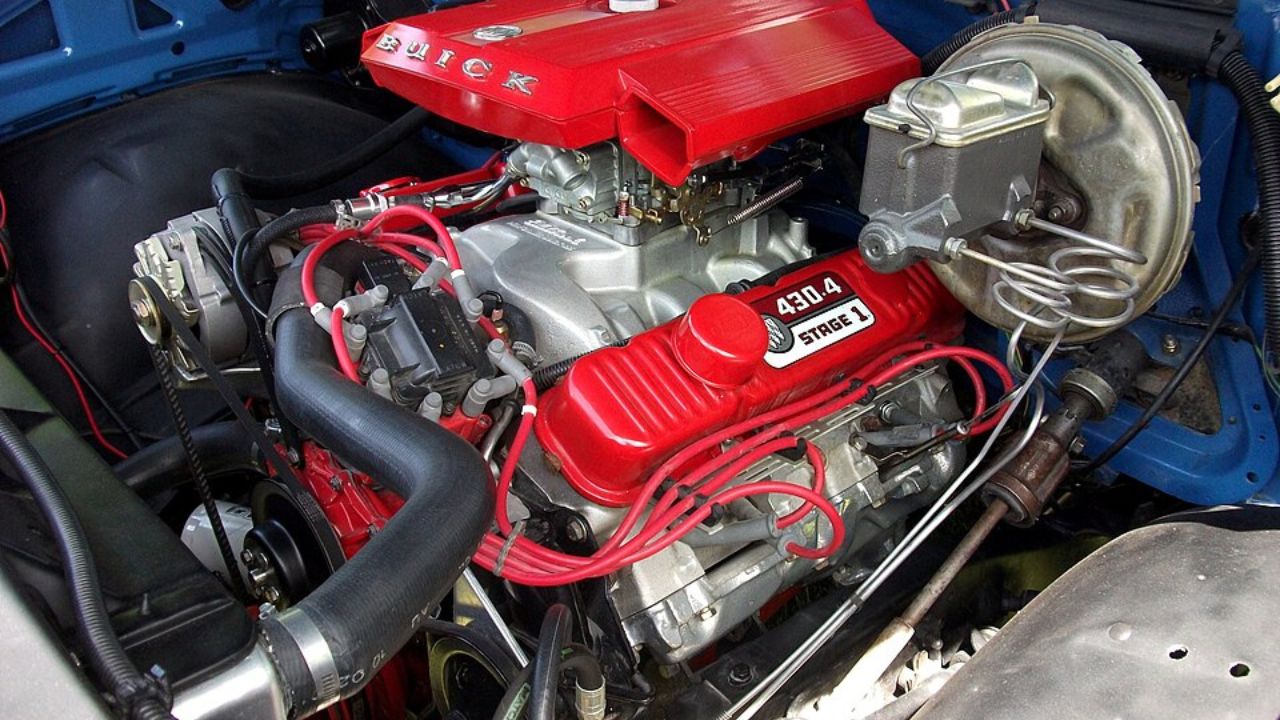
The Buick 430cid V8 was a large-displacement engine introduced in 1967 as a replacement for Buick’s 425 V8. With 430 cubic inches of displacement, it delivered strong torque and smooth power, making it well suited to Buick’s larger cars. It was also used in performance-oriented models such as the Riviera and Wildcat. Its large displacement placed it in categories where racing rules could impose weight or displacement limits, especially in classes designed to keep different engine sizes competitive.
Chrysler 440 RB
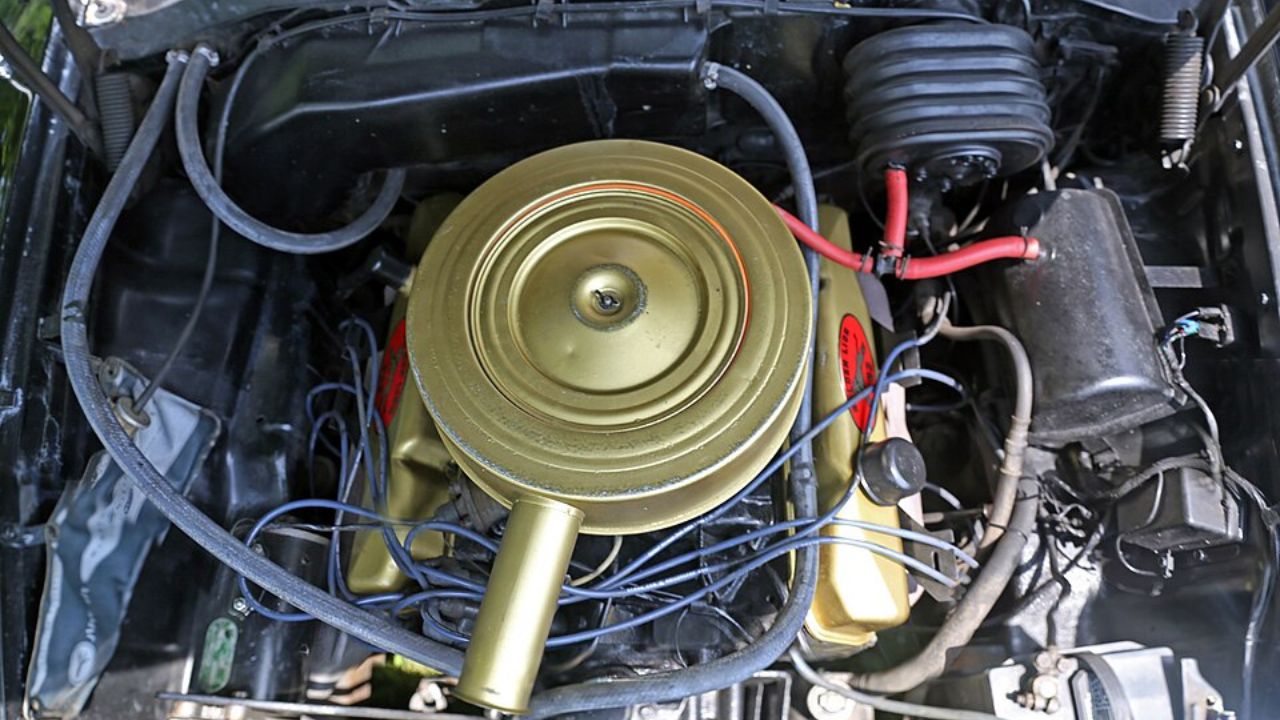
The Chrysler 440 RB was one of Mopar’s largest and most powerful big-block V8s, displacing 440 cubic inches. Introduced in 1966, it became widely known for its strong torque and was offered in performance versions such as the 440 Magnum and 440 Six Pack. Its large displacement made it important in racing classes that used cubic-inch and minimum-weight formulas. Rather than allowing its extra displacement to provide an unrestricted advantage, racing rules could require heavier vehicles or place the engine in a more restrictive class.
Ford FE V8
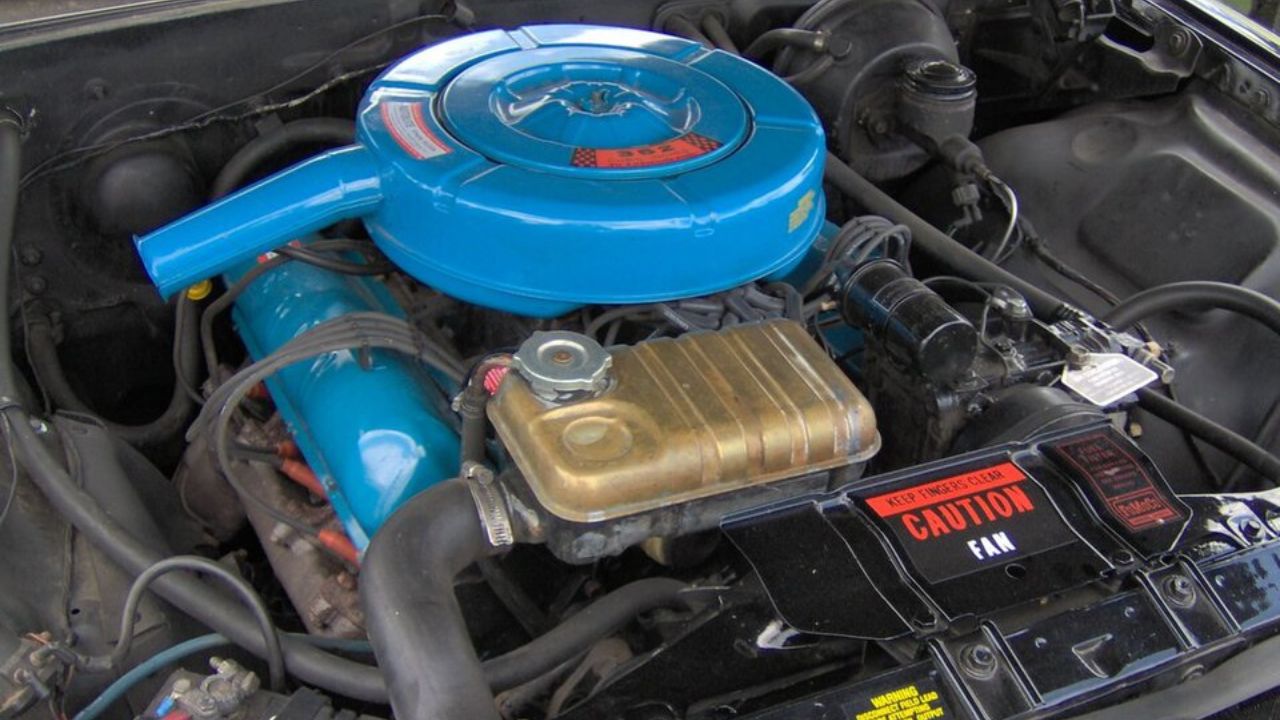
The Ford FE V8 was one of Ford’s most important big-block engine families, produced from 1958 through 1976. It powered famous performance engines such as the 390, 406, and 427, with the 427 becoming especially important in NASCAR and drag racing. Racing rules placed limits on displacement and engine design, shaping how Ford developed its competition versions. The FE’s combination of strong construction, large displacement, and racing success helped make it one of Ford’s most recognized big-block engine families.
Oldsmobile Rocket 455 V8
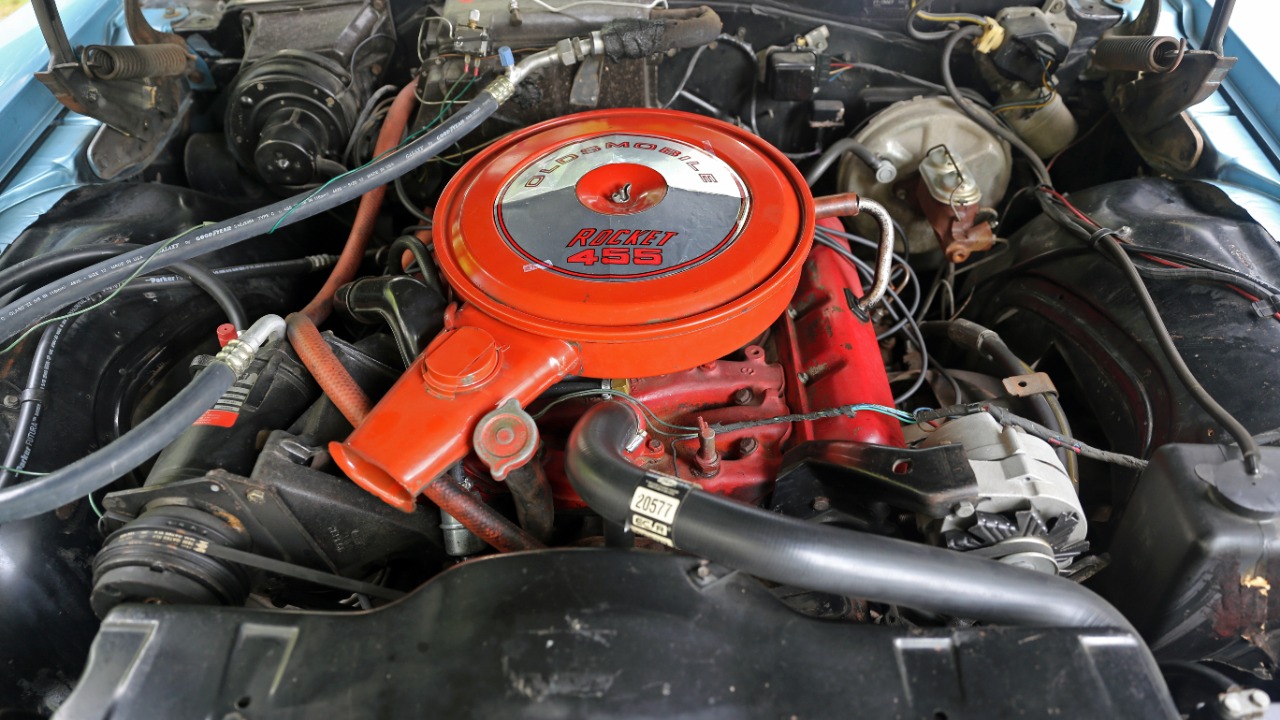
The Oldsmobile Rocket 455 V8 was one of Oldsmobile’s largest and most powerful engines during the muscle-car era. Introduced in 1968, it produced strong torque and became available in performance models such as the 442 and Hurst/Olds. Its 455-cubic-inch displacement gave Oldsmobile a major performance advantage, but large engines were often affected by racing rules based on displacement and vehicle weight. These regulations helped prevent high-displacement engines from gaining an unlimited advantage over smaller powerplants in organized competition.
More from Fast Lane Only
- Unboxing the WWII Jeep in a Crate
- 15 rare Chevys collectors are quietly buying
- 10 underrated V8s still worth hunting down
- Police notice this before you even roll window down
*Research for this article included AI assistance, with all final content reviewed by human editors.