Packard built its reputation around engineering, craftsmanship, and understated luxury, but some models were far less common than others. These cars ranged from elegant convertibles and imposing senior models to unusual coupes and limited-production designs. Many have become difficult to encounter today, yet their distinctive styling and impressive engineering still make them stand out whenever one appears at a classic-car gathering.
Packard Twelve
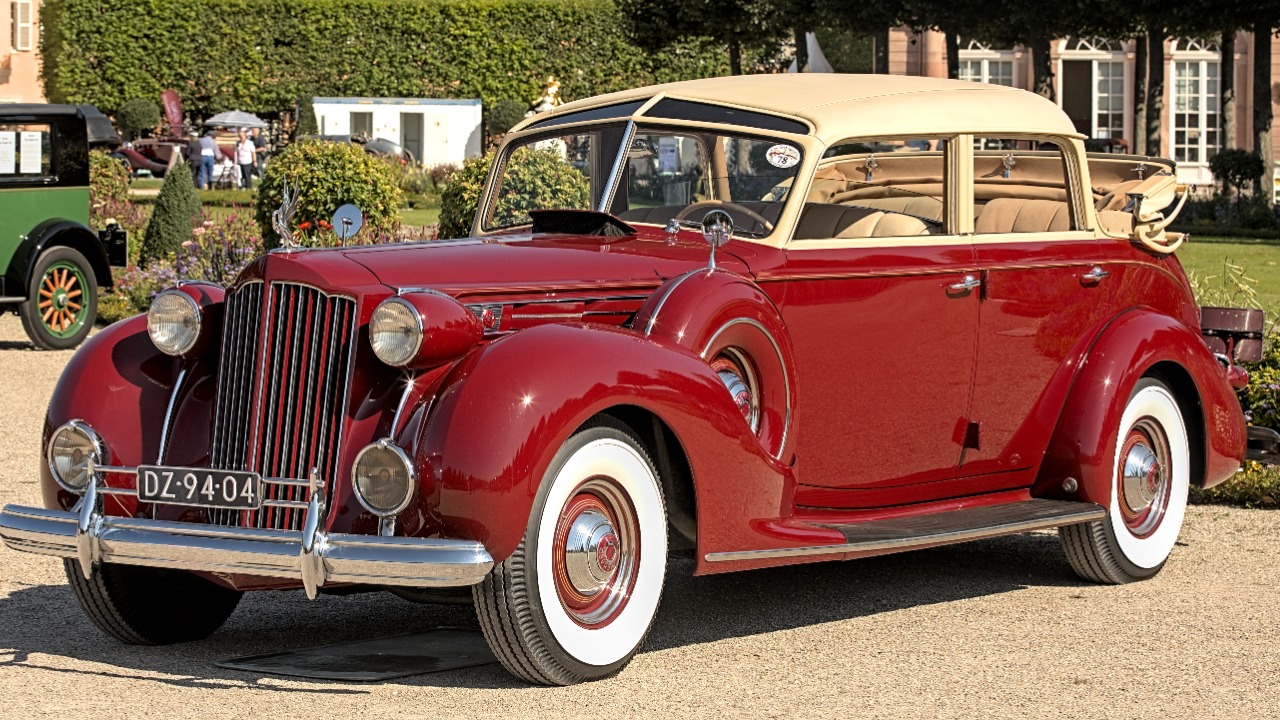
The Packard Twelve represented the top of the company’s prewar lineup, combining a powerful twelve-cylinder engine with an impressive selection of body styles. Its smooth power delivery allowed the large car to move with remarkable ease, while the craftsmanship reinforced its luxury status. Surviving examples are especially significant because they represent Packard at the height of its engineering ambition, when large multi-cylinder engines were among the ultimate expressions of prestige.
Packard Super Eight
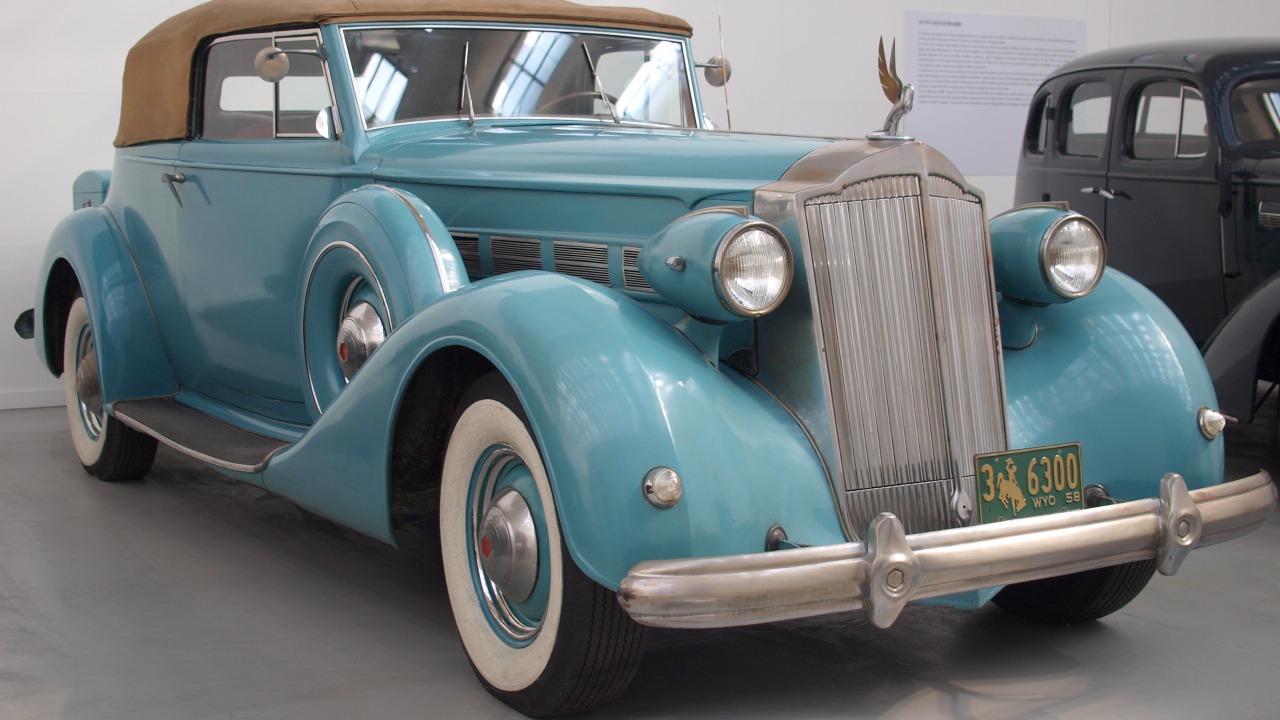
The Super Eight was one of Packard’s most respected senior models, offering a large straight-eight engine and a level of refinement that placed it firmly among America’s premium automobiles. It was available in several body styles, from sedans to elegant open cars. The combination of strong performance, smooth operation, and formal styling gives surviving Super Eights plenty of presence. It remains one of the Packards most likely to stop a crowd at a show.
Packard Caribbean
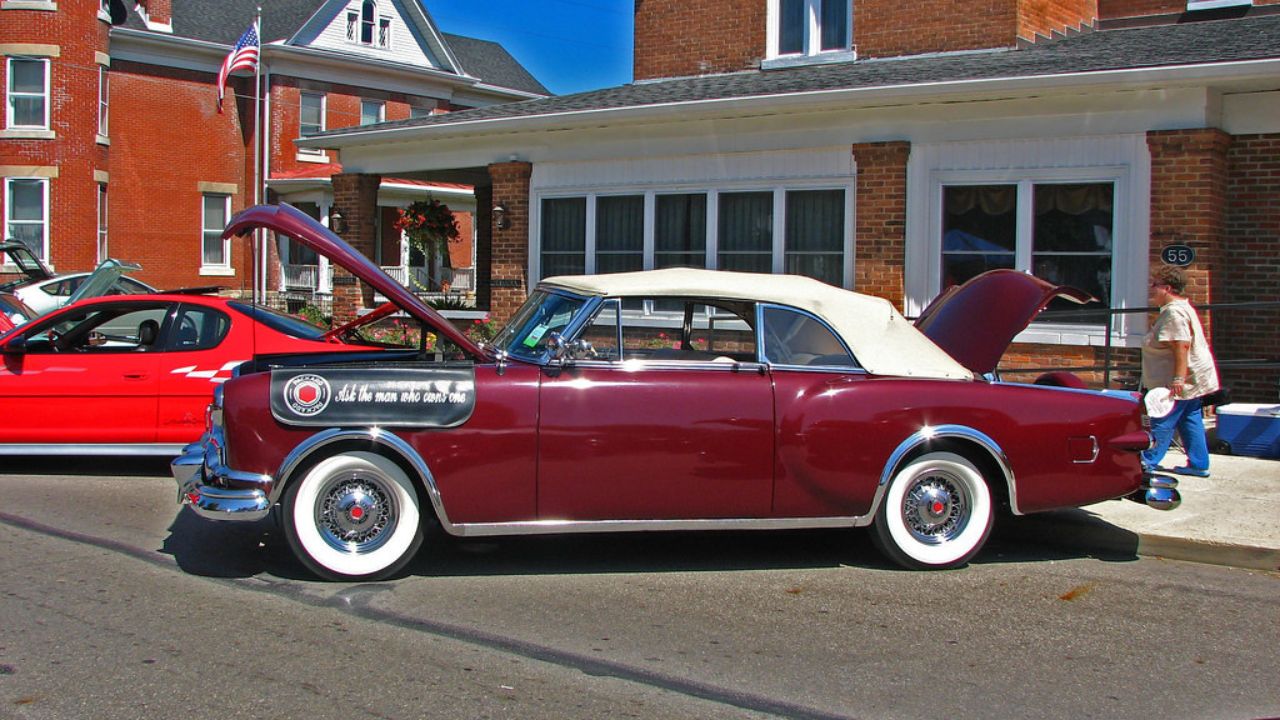
The Packard Caribbean brought more color and personality to a company better known for restrained luxury. It was offered as a stylish convertible and later as a hardtop, with distinctive trim and powerful V8 engines. Limited production helped make the Caribbean especially desirable among collectors. Its bold styling also marked an important period in Packard history, when the company was trying to compete in a changing American luxury market.
Packard Predictor
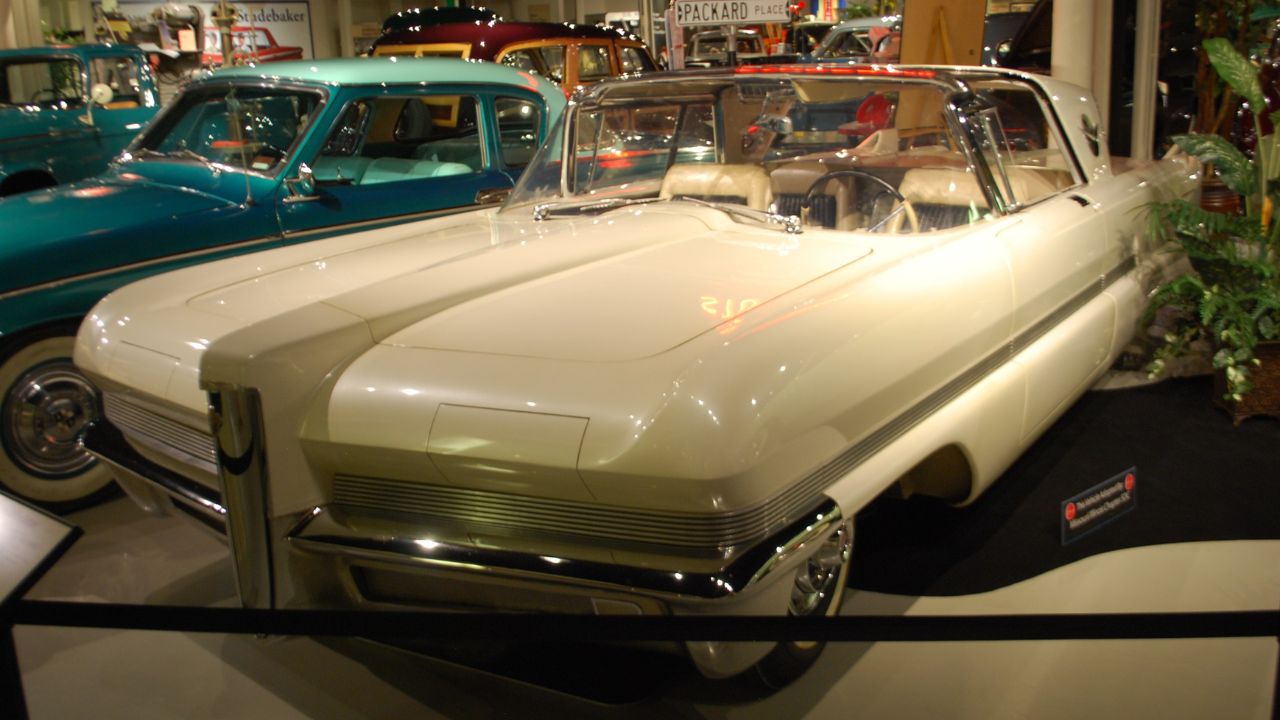
The Packard Predictor was a dramatic concept car that showcased ideas Packard hoped to bring into future production. Its sweeping body, unusual roof treatment, and futuristic interior made it look unlike the company’s conventional sedans. Although it never became a production model, the Predictor remains one of the most recognizable Packard designs. Its rarity and experimental styling make it especially interesting to enthusiasts who enjoy the company’s less familiar creations.
Packard Hawk

The Packard Hawk was one of the company’s final attempts to create a sporty personal car. Based on the Studebaker Hawk platform, it received distinctive Packard styling, a powerful V8, and a more dramatic appearance than traditional Packards. Production was limited, making surviving examples unusual. The Hawk is especially interesting because it represents Packard experimenting with a sportier identity shortly before the brand disappeared from the American market.
Packard Caribbean Convertible
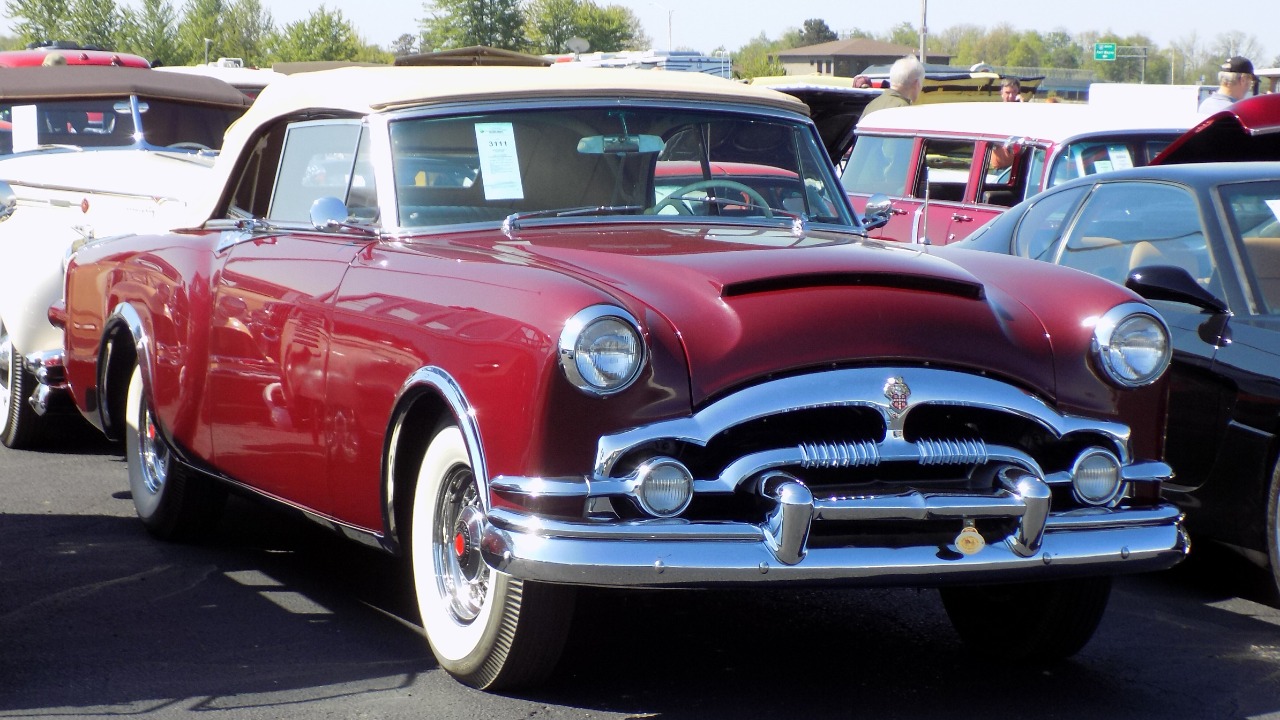
The Caribbean Convertible deserves special attention because it combined one of Packard’s most recognizable names with open-top luxury. Its powerful V8, distinctive bodywork, and elaborate interior made it one of the company’s most ambitious postwar offerings. Production numbers were never large, and surviving examples are now highly collectible. For enthusiasts, the car captures Packard’s attempt to compete with increasingly glamorous offerings from Cadillac and other luxury manufacturers.
Packard 400
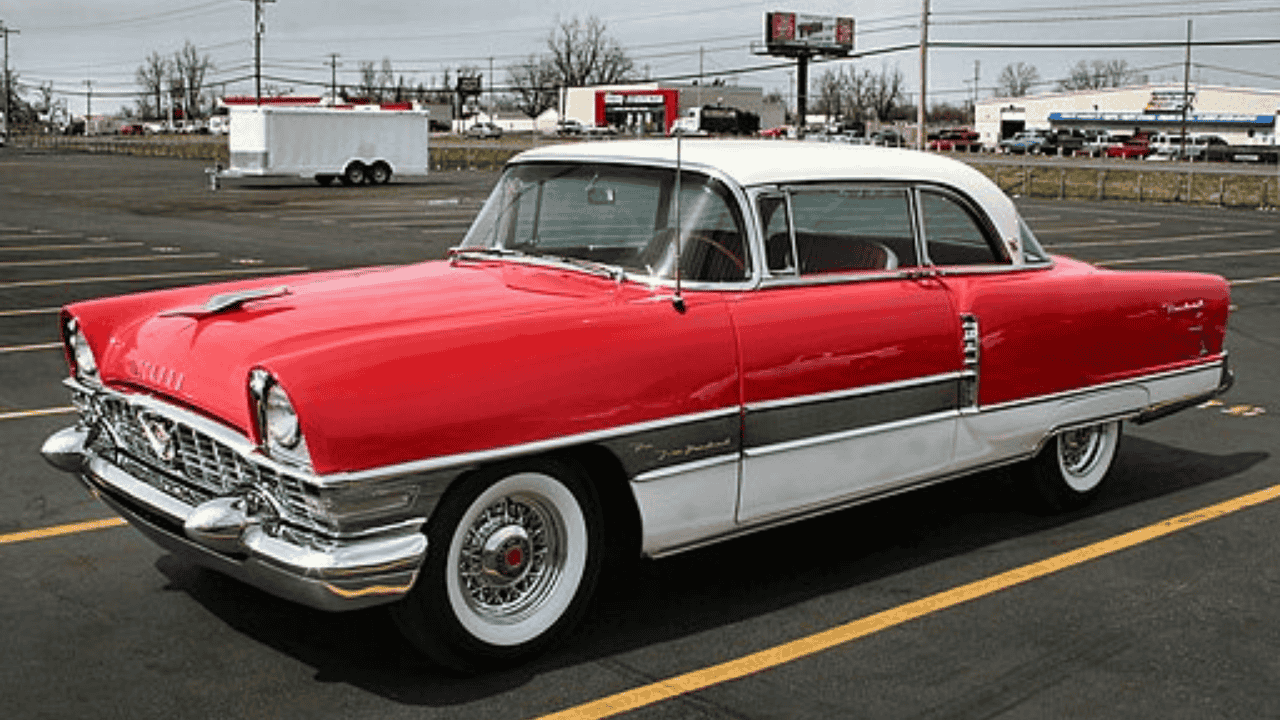
The Packard 400 represented the company’s upper-level hardtop offering during the 1950s. Its pillarless body gave it a modern appearance, while the large V8 supplied smooth and effortless power. The 400 name reflected Packard’s emphasis on premium equipment and status. Today, clean examples are increasingly interesting because they combine dramatic 1950s styling with the engineering and craftsmanship that remained central to Packard’s identity.
Packard Patrician
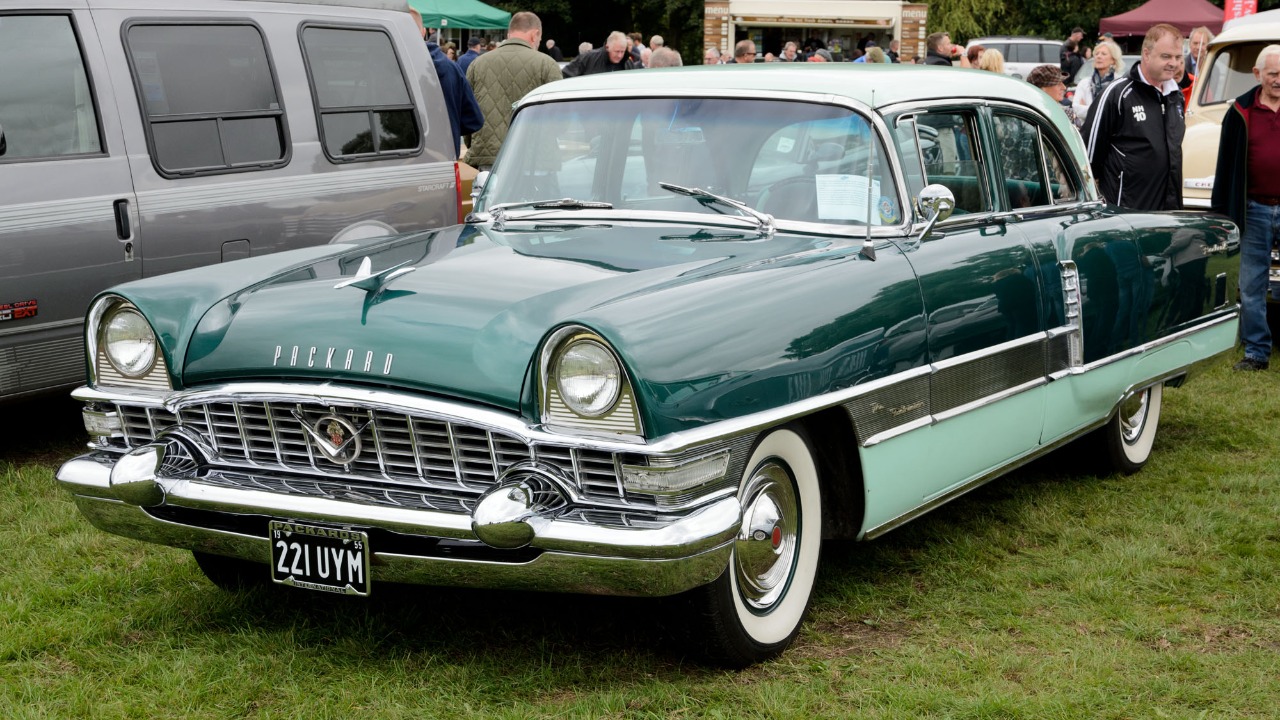
The Patrician served as one of Packard’s flagship sedans during the company’s final independent years. It offered a powerful straight-eight early on and later gained Packard’s new V8, along with a richly equipped interior. The car’s restrained appearance can make it easy to overlook beside flashier American classics, but that understated character is part of its appeal. A well-preserved Patrician still carries the presence expected from a premium Packard.
Packard Clipper Super
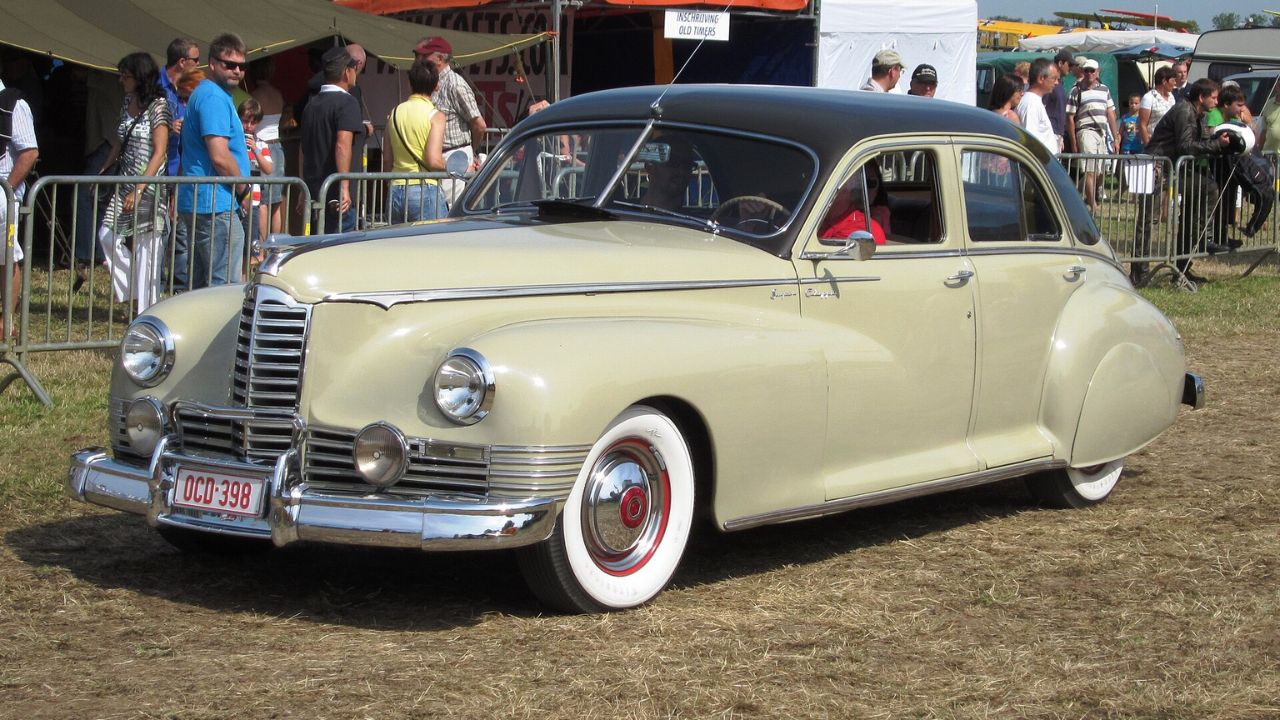
The Clipper Super offered Packard’s luxury engineering in a somewhat more accessible package than the company’s largest senior models. Its smooth straight-eight engine and streamlined body gave it a modern appearance for its era. The Clipper name eventually became associated with a separate Packard division, but early Super models remain closely connected to the company’s traditional luxury identity. Surviving examples are uncommon and particularly interesting to collectors of prewar Packards.
Packard Custom Super Clipper
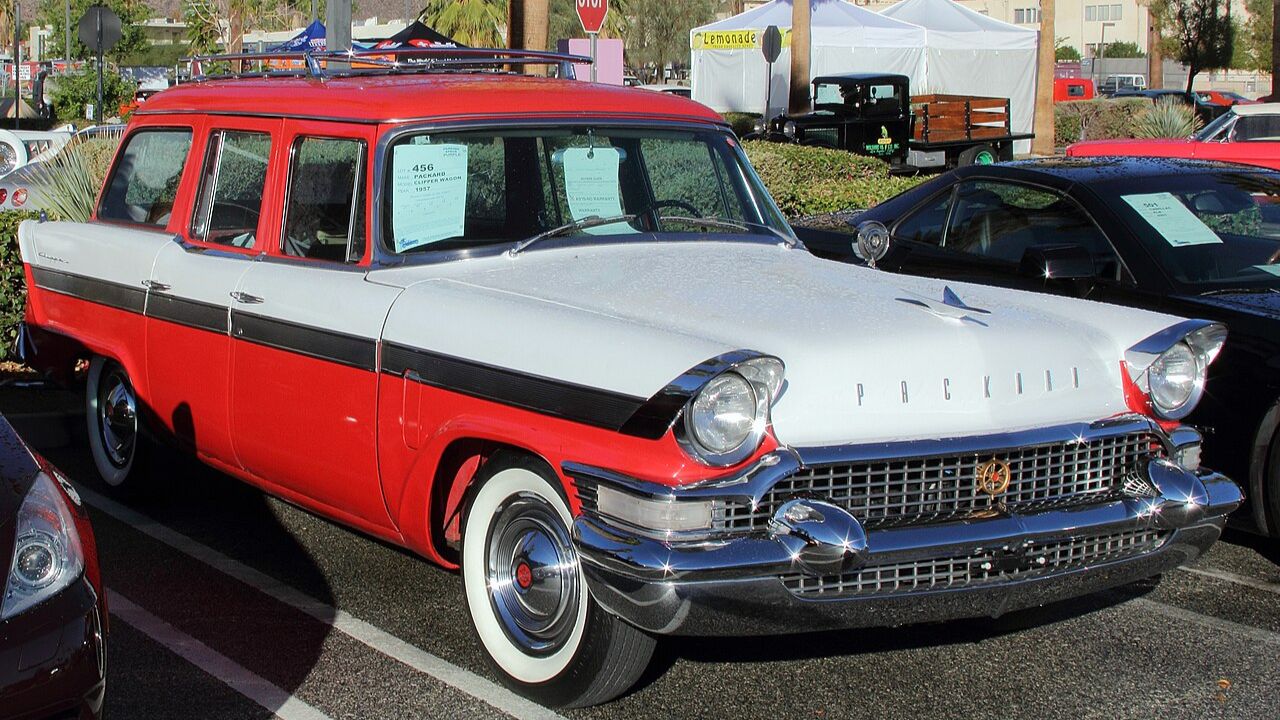
The Custom Super Clipper represented the upper end of the Clipper range, combining substantial size with a strong straight-eight engine and carefully finished interiors. It offered many of the qualities buyers expected from a premium Packard while carrying the more streamlined Clipper body. Its relatively limited numbers make surviving cars noteworthy today. The model provides an excellent example of how Packard blended traditional engineering with changing American styling trends.
Packard Convertible Victoria
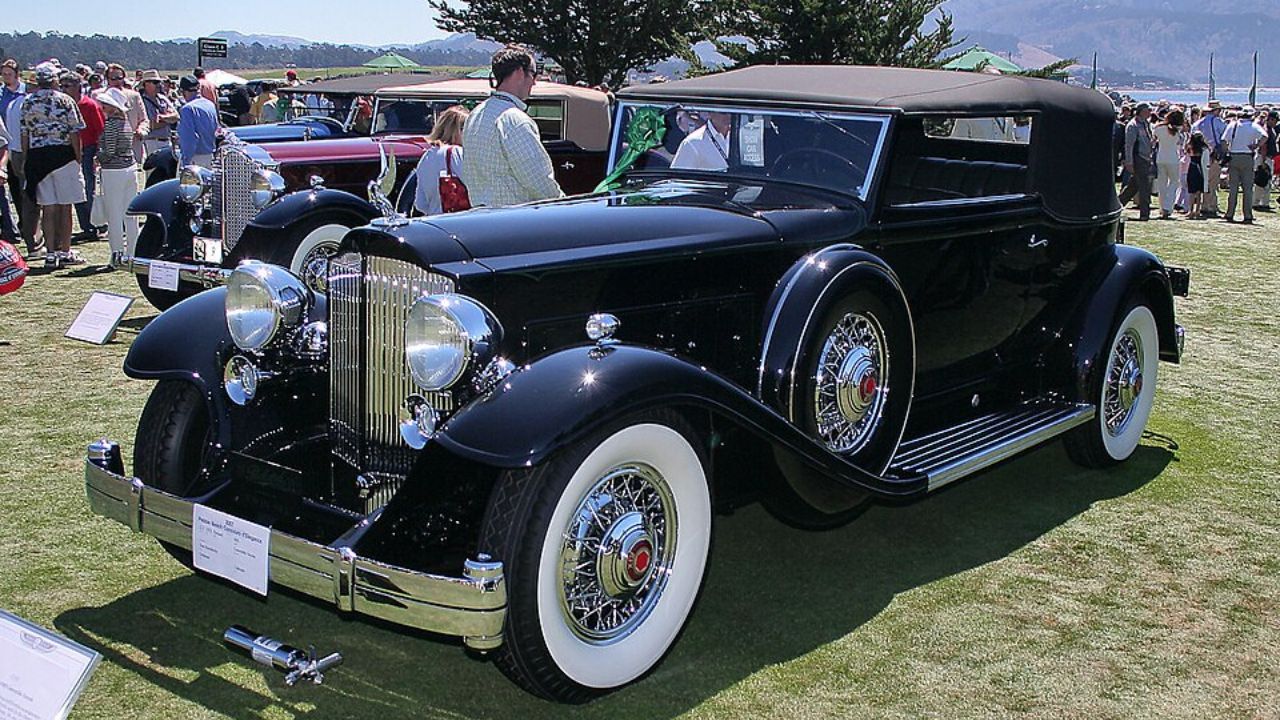
The Packard Convertible Victoria was one of the company’s elegant open cars, offering two-door styling and a relatively intimate cabin compared with Packard’s large sedans. Its flowing bodywork and substantial engineering gave it a sophisticated road presence. Open Packards were never as common as their sedan counterparts, making surviving examples especially desirable. The Victoria name also carries a strong connection to the formal coachbuilt tradition that influenced luxury cars of the period.
Packard Super Eight Convertible
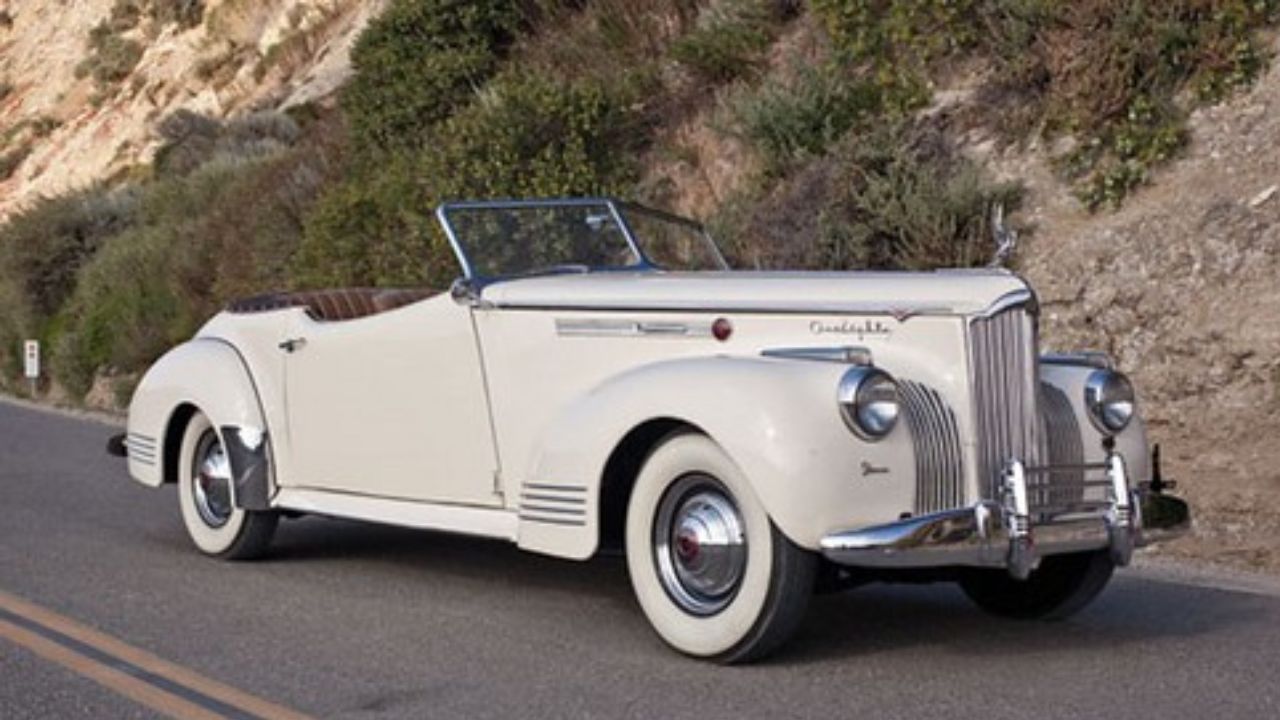
The Super Eight Convertible combined Packard’s powerful straight-eight engine with the appeal of open-air touring. Its long hood, sweeping fenders, and substantial proportions gave it the presence expected from a senior luxury car. Convertibles were produced in far smaller numbers than ordinary sedans, which makes surviving examples particularly valuable to enthusiasts. The car remains a striking reminder of Packard’s position among America’s leading luxury manufacturers before the war.
Packard Eight Convertible
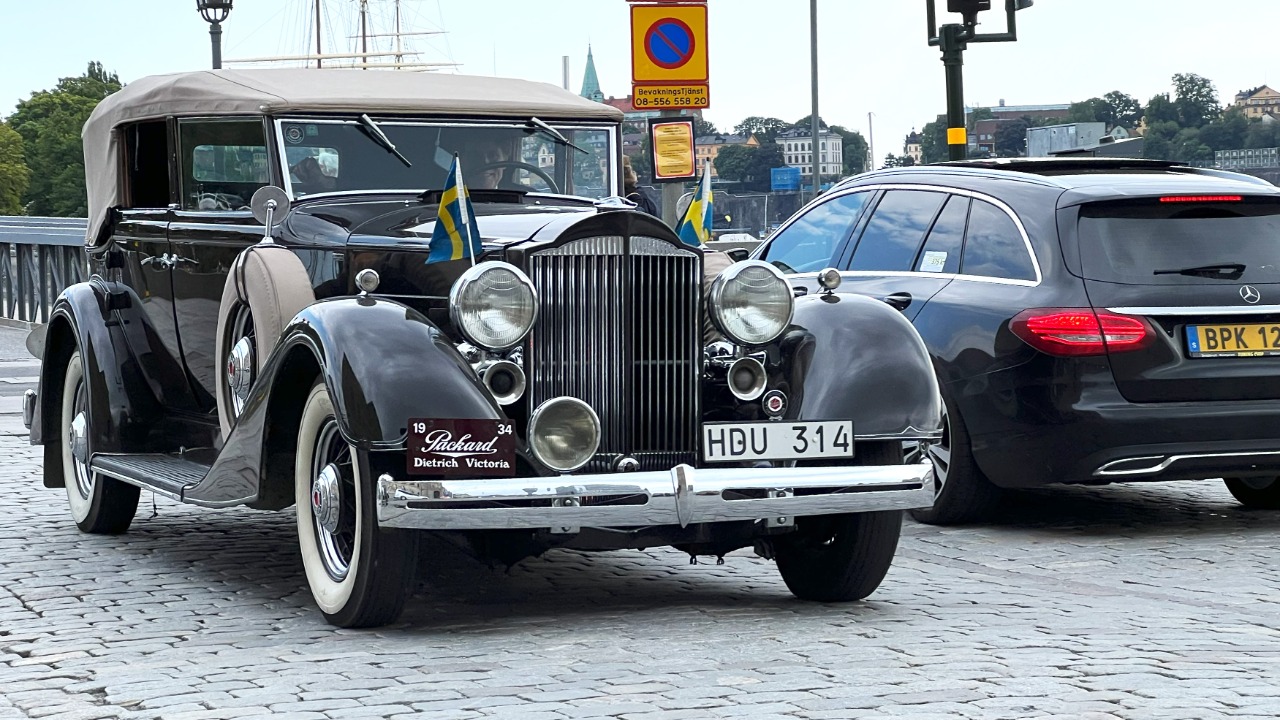
The Packard Eight Convertible offered a more accessible route into Packard’s open-car lineup while retaining the company’s smooth straight-eight power. Its two-door body and folding roof gave it a sportier appearance than the typical Packard sedan. The combination of traditional luxury and open-air driving makes it especially appealing today. Surviving examples also provide a glimpse into the variety of body styles available from Packard during its most influential years.
Packard Eight Coupe
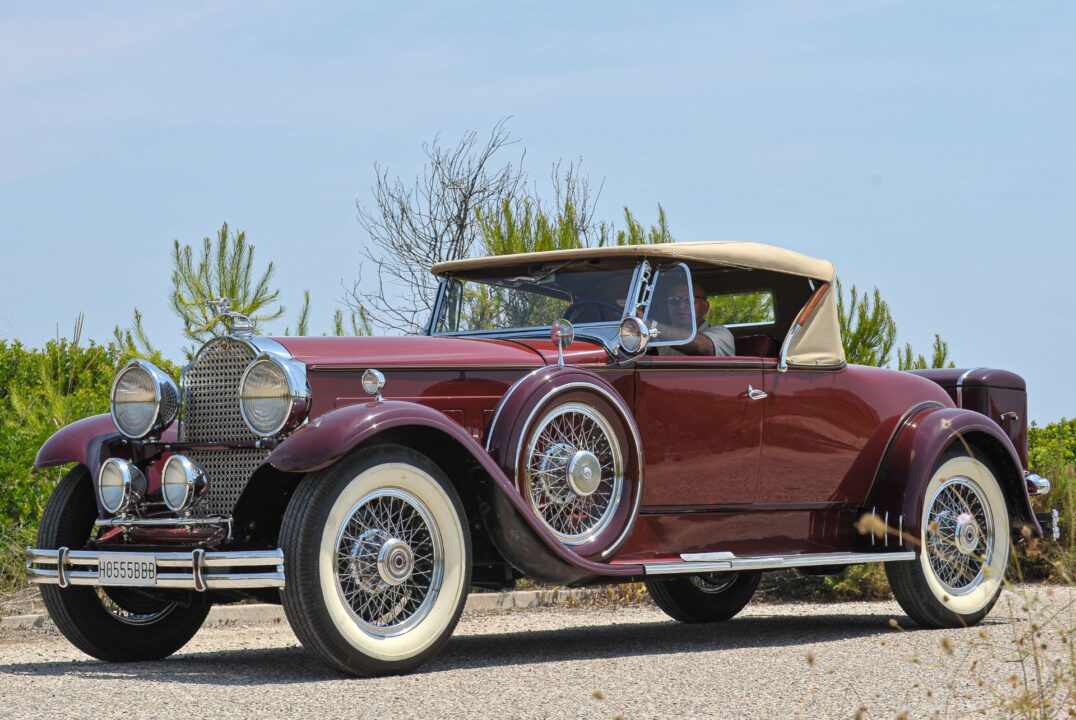
The Packard Eight Coupe gave buyers the company’s well-known straight-eight engineering in a more compact and personal body style. Its long hood and formal proportions maintained the traditional Packard appearance, while the two-door configuration made it more distinctive. Coupes were less common than four-door models, particularly in excellent original condition. That relative rarity gives the Eight Coupe plenty of appeal among enthusiasts looking for a Packard that stands apart from the usual sedan.
Packard Twelve Coupe
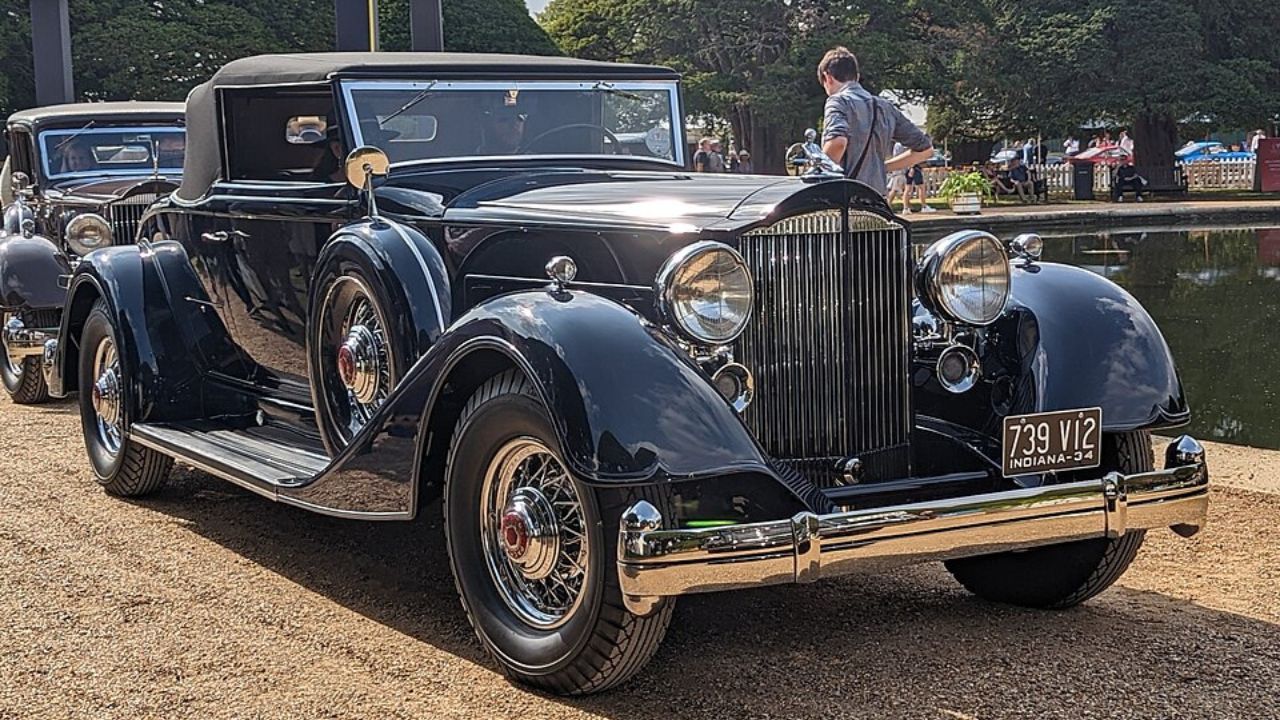
The Packard Twelve Coupe combined one of the company’s most prestigious engines with a more intimate two-door body. The twelve-cylinder powerplant delivered exceptionally smooth performance, while the coupe proportions gave the car a sporting edge without sacrificing luxury. Very few cars from the era could match its combination of engineering and elegance. A surviving example is therefore not simply an old luxury car but an important piece of Packard history.
Packard 110
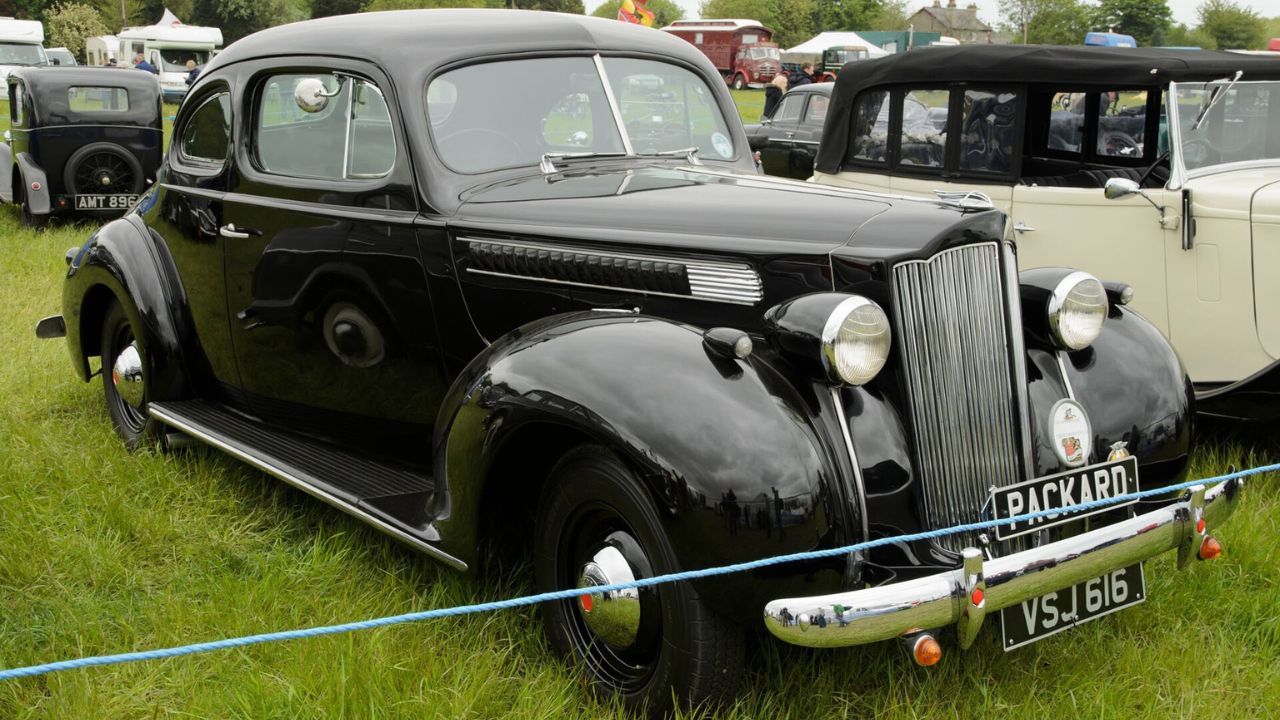
The Packard 110 represented the company’s effort to broaden its market during the late 1930s by offering a smaller and less expensive model. Its six-cylinder engine was simpler than the large engines found in senior Packards, but the car still carried the brand’s distinctive styling and attention to construction. Today, surviving 110s are interesting because they show how Packard tried to expand its customer base without abandoning its established identity.
Packard 120
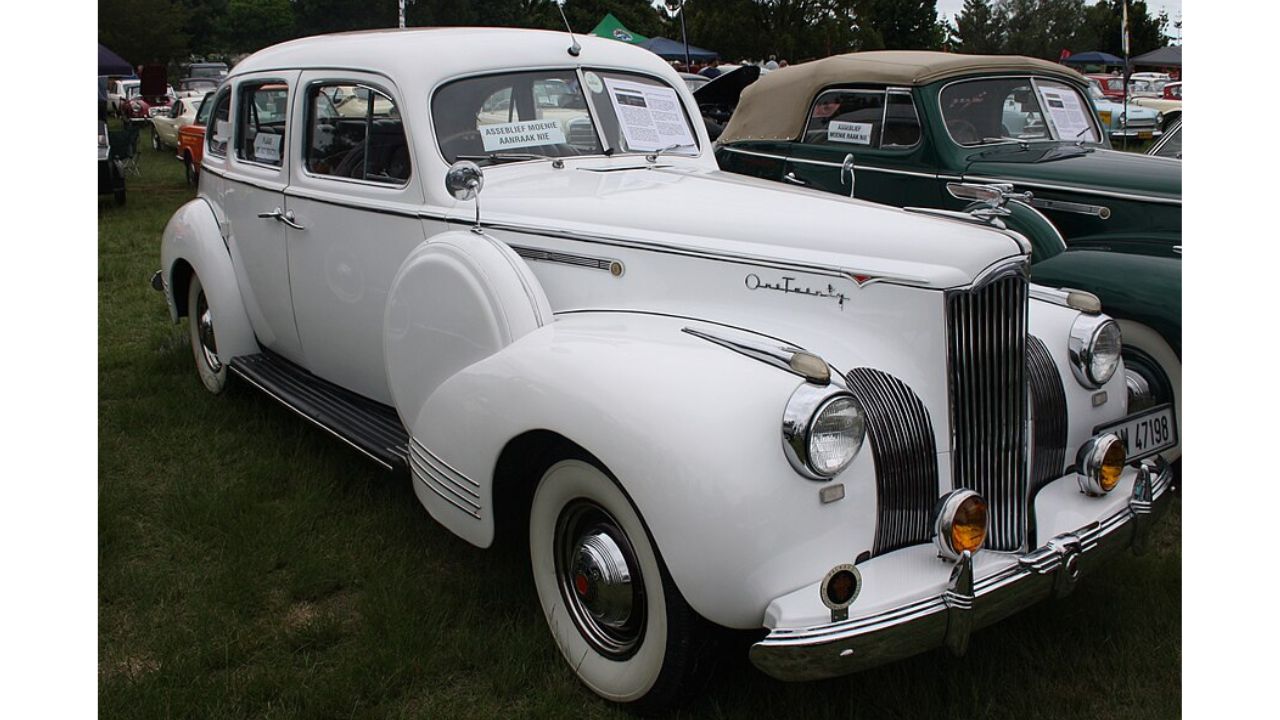
The Packard 120 played an important role in bringing the company’s engineering to a wider audience. Its straight-eight engine gave it more performance than many buyers expected from a comparatively affordable luxury car, while the streamlined styling made it attractive to younger customers. The model became an important commercial success for Packard. Well-preserved examples remain sought after because they combine classic Packard character with a more approachable size and price point.
Packard 200
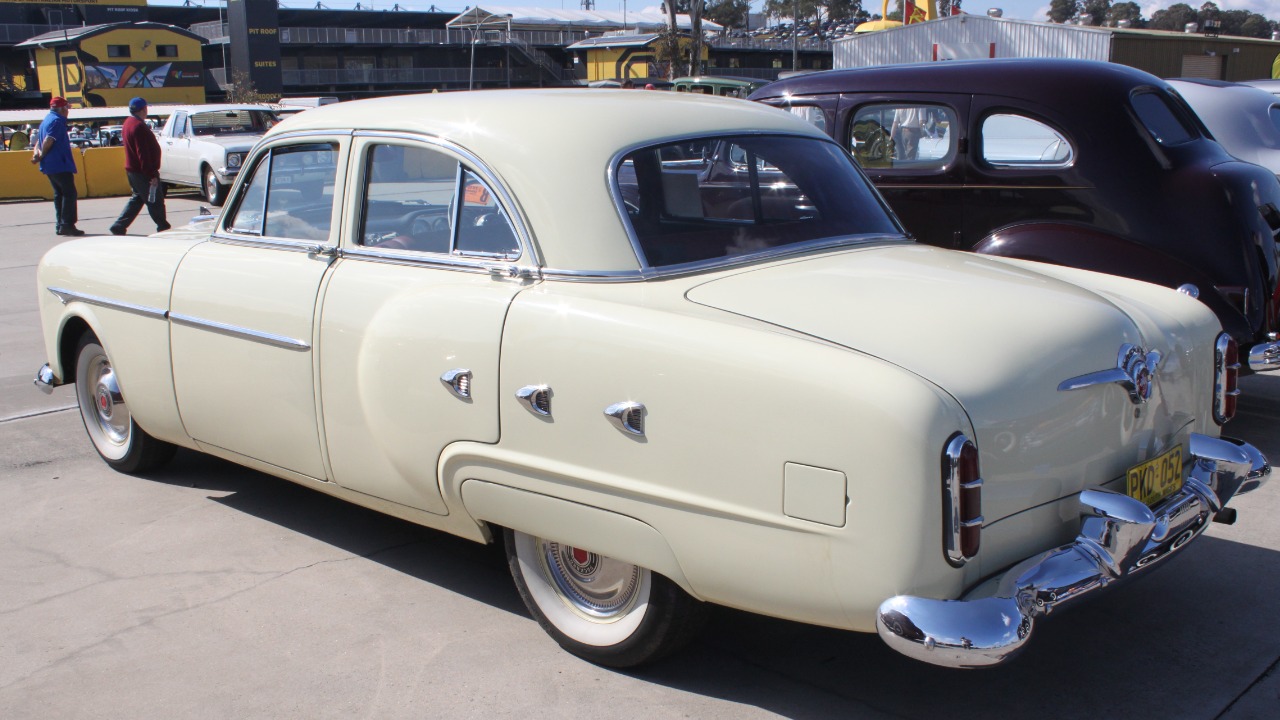
The Packard 200 occupied an important position in the company’s postwar lineup, offering traditional Packard quality in a more accessible package. It used a smooth straight-eight engine and shared much of the company’s recognizable styling. The model helped Packard reach buyers who wanted the prestige of the badge without stepping into the most expensive models. Today, surviving examples offer a less commonly seen alternative to the better-known senior Packards.
Packard Mayfair
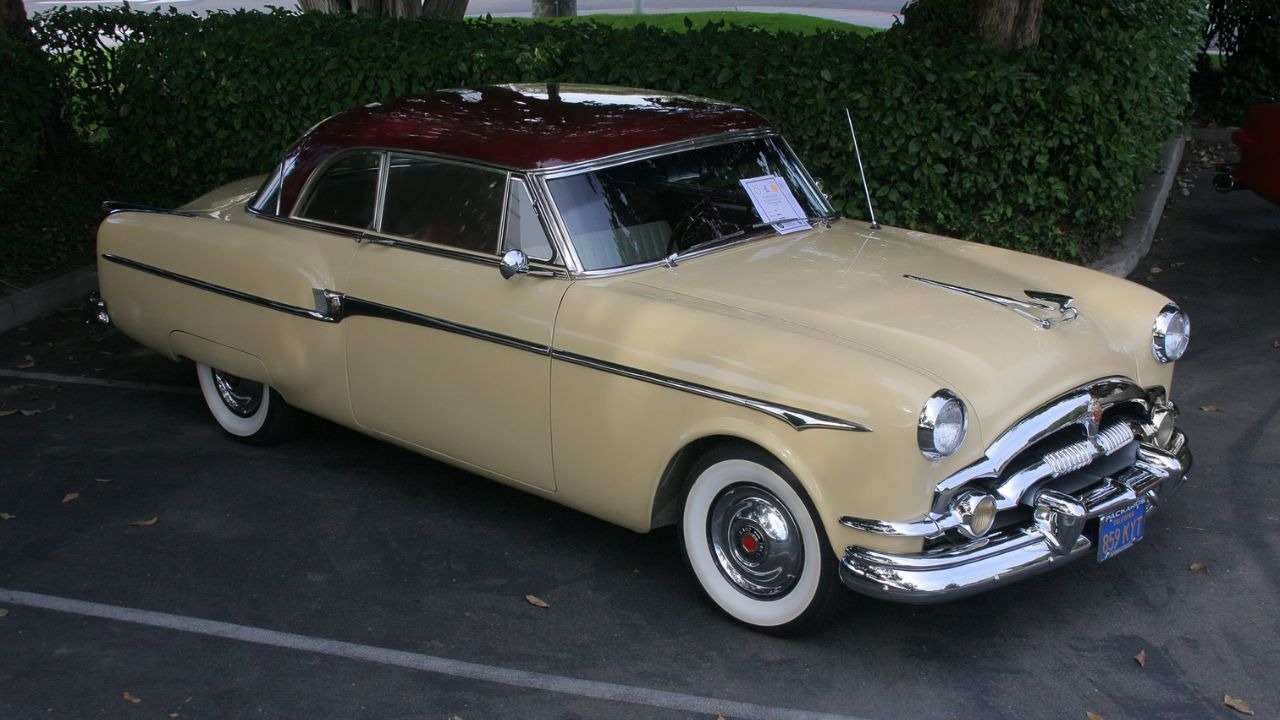
The Packard Mayfair was a stylish hardtop that gave the company a more youthful interpretation of luxury motoring. Its pillarless roofline and two-door body created a clean profile, while Packard’s V8 provided effortless performance. The Mayfair was produced during a challenging period for the company, making surviving examples especially interesting. Its combination of restrained elegance and 1950s hardtop styling gives it plenty of presence without being as familiar as competing models.
More from Fast Lane Only
- Unboxing the WWII Jeep in a Crate
- 15 rare Chevys collectors are quietly buying
- 10 underrated V8s still worth hunting down
- Police notice this before you even roll window down
*Research for this article included AI assistance, with all final content reviewed by human editors.