American pickups have always been more than transportation. They have hauled equipment, pulled trailers, crossed job sites, and served as everyday transportation for generations. The best examples were built around sturdy frames, proven engines, and mechanical systems that could handle years of demanding use. These trucks earned their reputations by working hard, staying useful, and giving owners plenty of reasons to keep them around.
Ford F-100
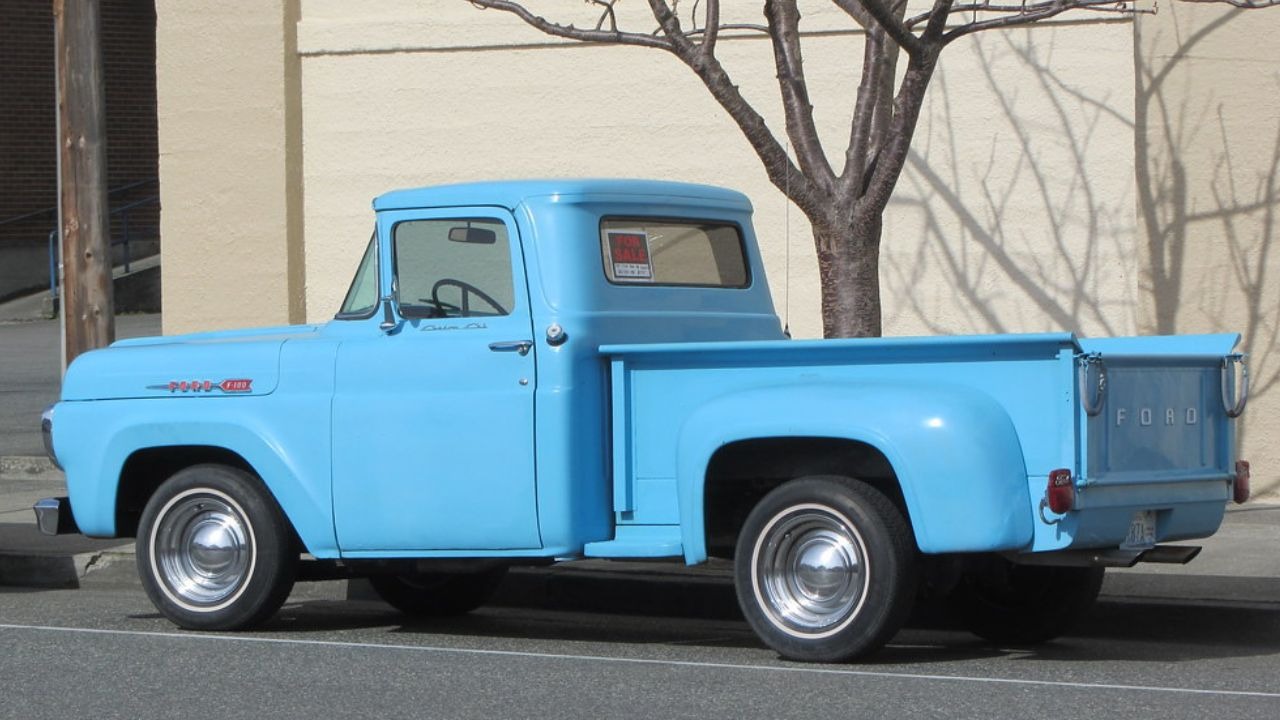
The Ford F-100 became one of America’s most recognizable work trucks by offering a straightforward combination of sturdy construction and useful power. Earlier generations used simple mechanical systems that were familiar to owners and independent repair shops. A wide range of engines and configurations also allowed buyers to choose a truck suited to their needs. Its longevity comes from a practical design that was built to be used rather than pampered.
Chevrolet C10
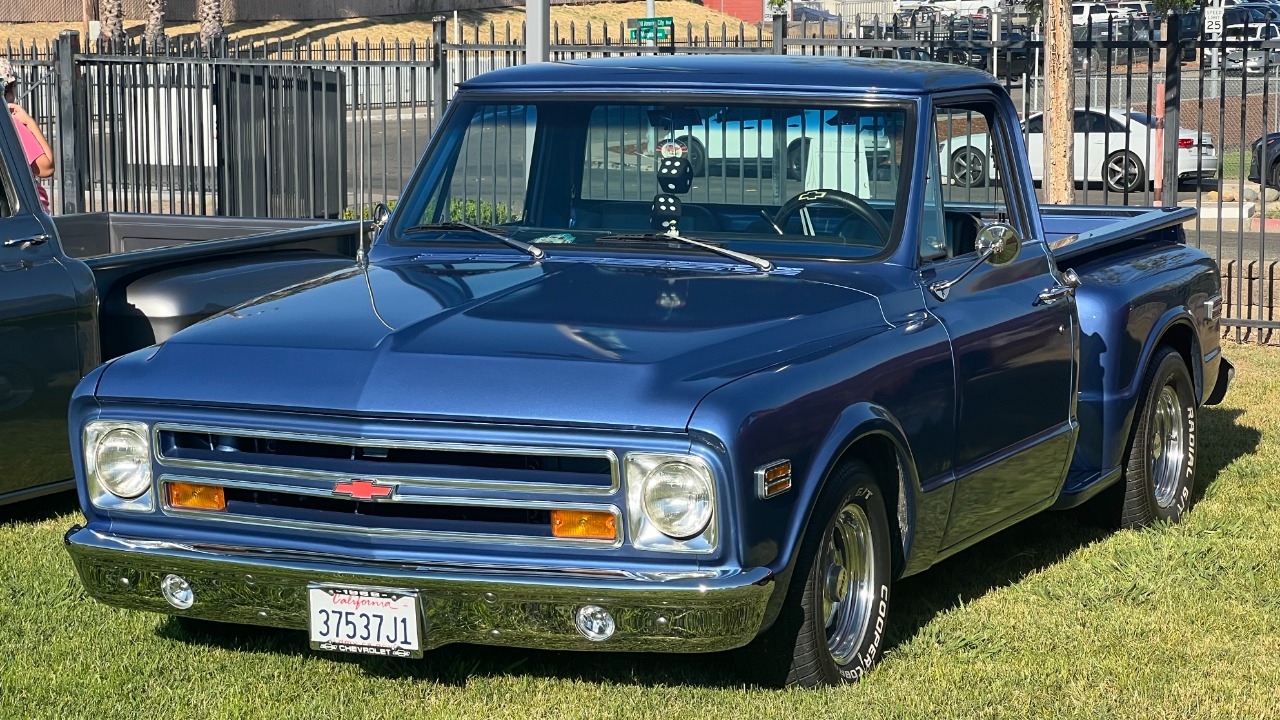
The Chevrolet C10 became a favorite among drivers who wanted a full-size pickup that could handle work while remaining comfortable enough for everyday use. Its body-on-frame construction and broad selection of engines gave owners plenty of flexibility. The simple mechanical layout also made maintenance relatively approachable. Today, the C10 remains popular because its proportions, straightforward engineering, and useful bed make it just as recognizable as many more expensive classics.
Ford F-150
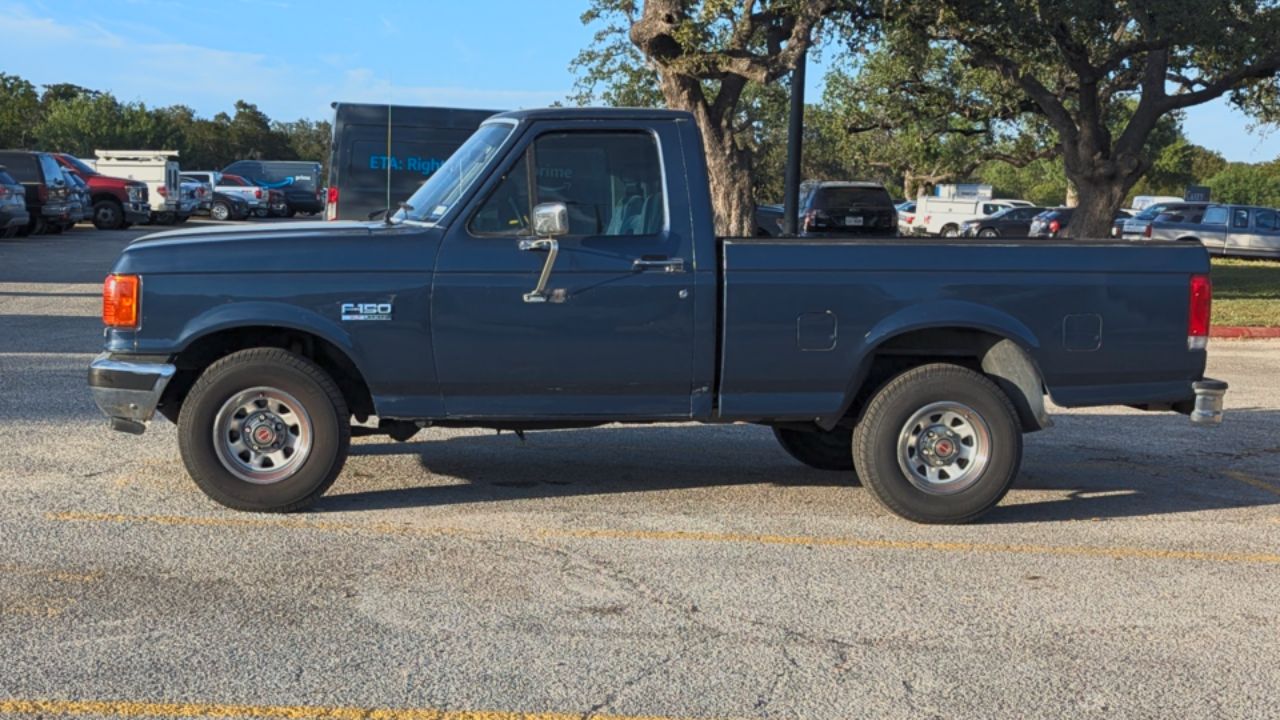
The Ford F-150 has been a mainstay of American truck ownership for decades, with generations designed around the demands of work and utility. Traditional versions relied on sturdy frames, conventional suspension systems, and familiar engines that could be serviced by mechanics across the country. The F-150’s enormous popularity also meant parts and knowledge were rarely difficult to find. That combination helped turn it into one of America’s most enduring working vehicles.
Chevrolet K10
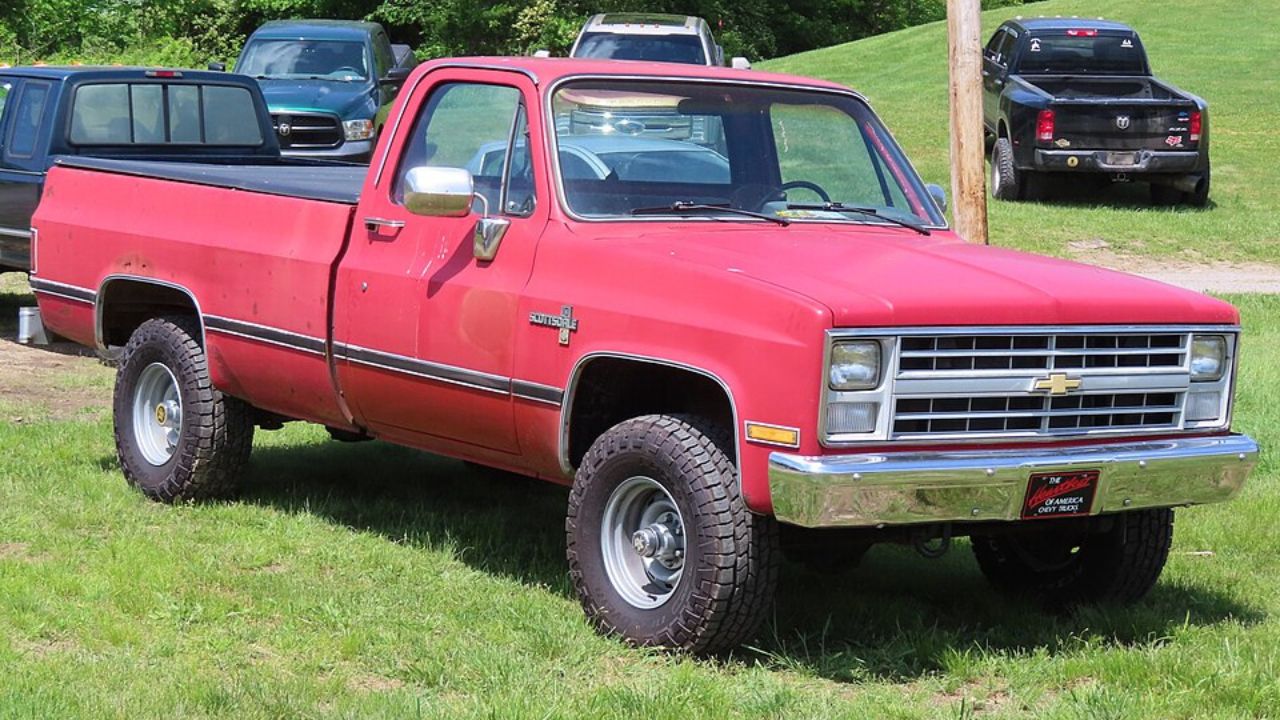
The Chevrolet K10 added four-wheel-drive capability to the traditional full-size Chevrolet pickup formula. Its rugged chassis and durable drivetrain made it useful for farms, construction sites, hunting trips, and difficult roads. Earlier versions were relatively straightforward mechanically, which made them easier to diagnose and repair. The K10’s combination of utility and off-road capability helped it remain useful long after newer trucks became more complicated and expensive.
Ford F-250
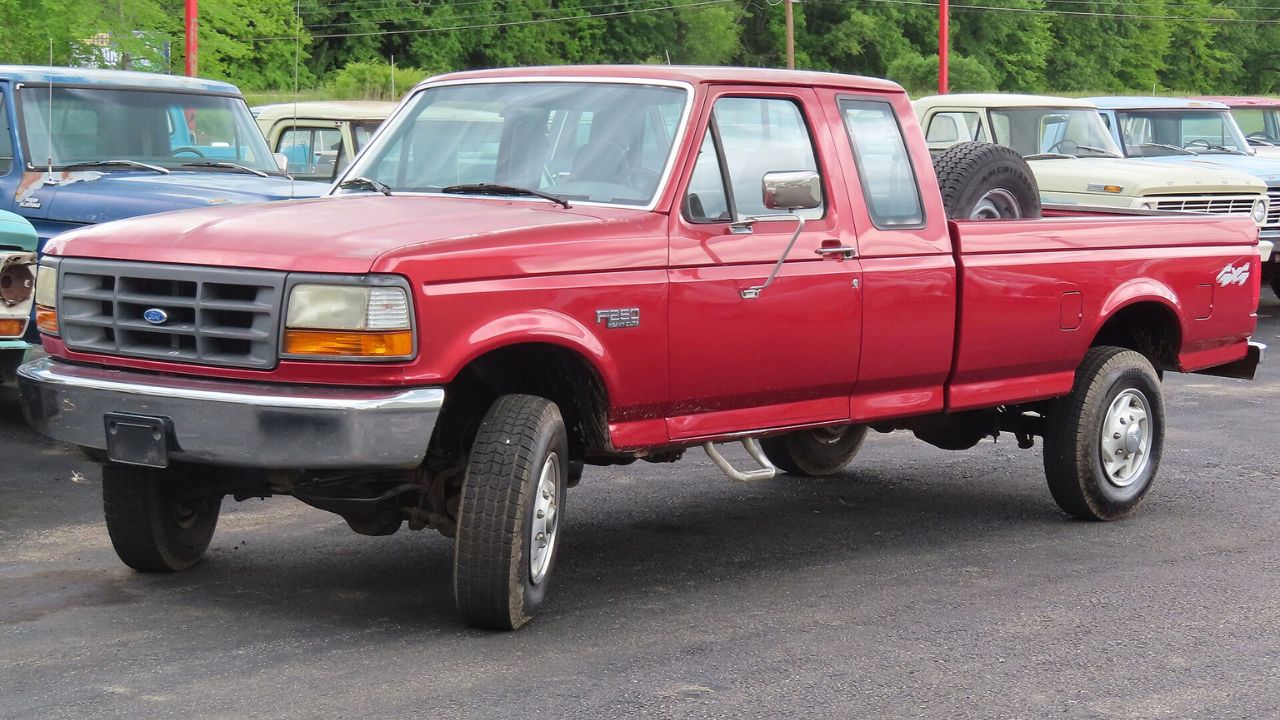
The Ford F-250 was designed for buyers who needed more capability than a half-ton pickup could provide. Its stronger frame, suspension, axles, and available V8 or diesel engines made it well suited to towing and heavy workloads. Earlier versions were also relatively simple compared with modern heavy-duty trucks. Owners who depend on their vehicles for demanding jobs often value the F-250’s extra strength and the straightforward engineering behind its working-truck reputation.
Chevrolet C30
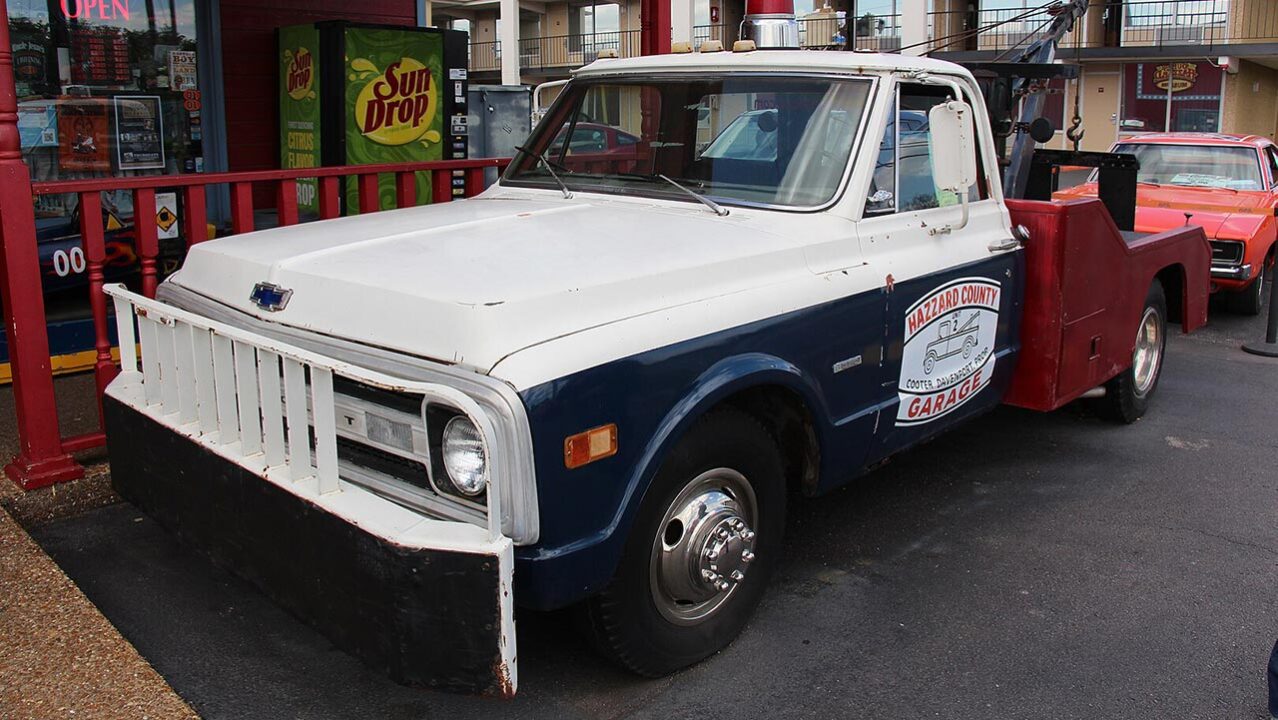
The Chevrolet C30 occupied the heavier end of Chevrolet’s traditional pickup lineup. Its stronger chassis and suspension allowed it to handle substantial loads without requiring the complexity found in newer heavy-duty trucks. Big-block and small-block V8 options also gave owners plenty of power choices. The C30 remains an appealing classic for people who want a genuine work truck with simple controls, substantial construction, and enough capacity for serious hauling.
Dodge D-Series

The Dodge D-Series covered a broad range of pickups and became an important part of the company’s truck history. Its conventional construction, rear-wheel-drive layout, and available V8 engines gave it a familiar American pickup character. Four-wheel-drive versions added even more capability. While these trucks were often basic compared with modern pickups, their simplicity is part of their appeal today. Owners can understand the machinery without needing layers of electronic equipment.
GMC C/K
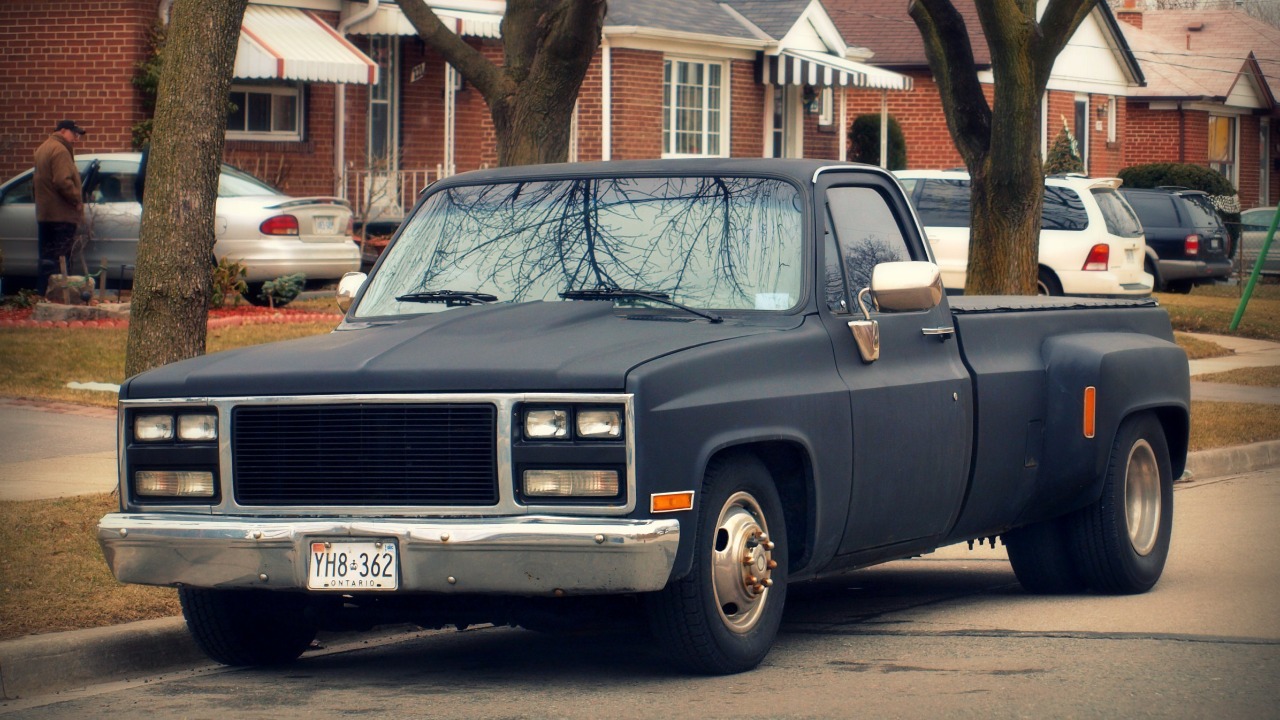
The GMC C/K series shared much of its engineering with Chevrolet’s pickups while offering its own styling and trim choices. Buyers could choose from different body configurations, engines, and drivetrain combinations depending on the intended workload. Strong frames and traditional suspension systems helped these trucks handle demanding use. Today, the C/K remains popular with collectors and working-truck enthusiasts who appreciate its combination of classic styling and straightforward mechanical design.
Ford F-350
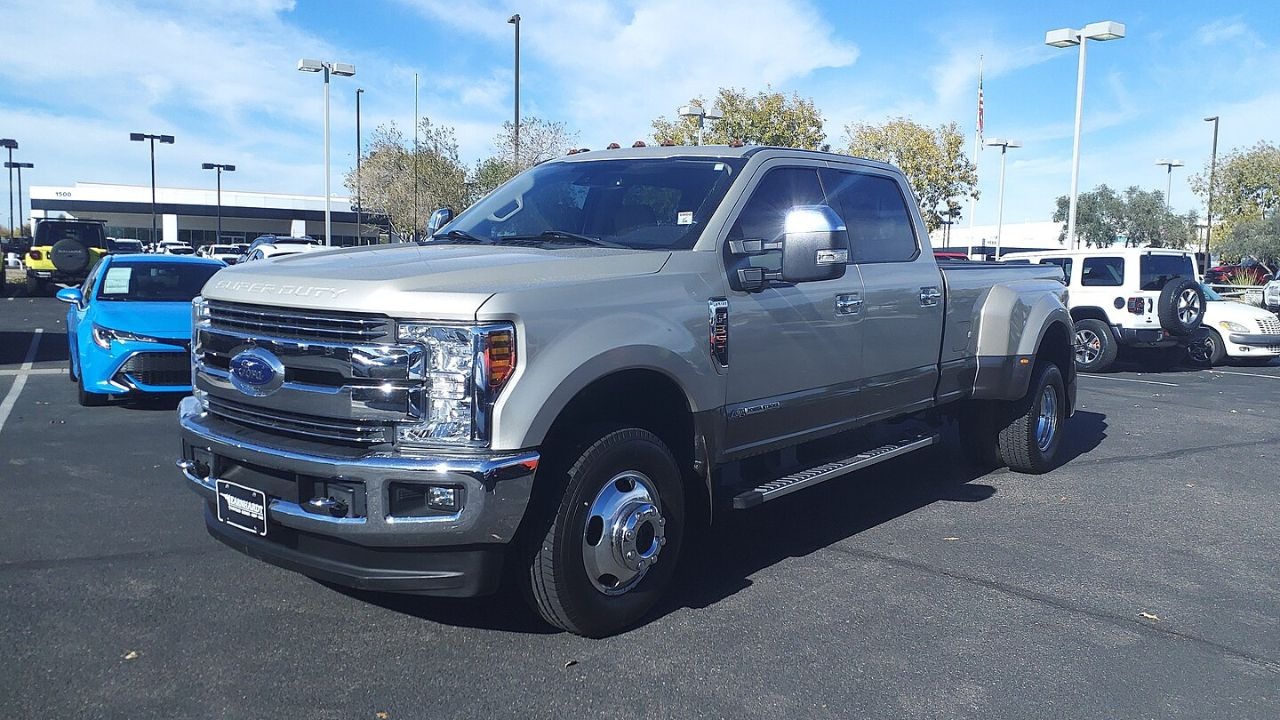
The Ford F-350 was built for jobs that demanded more than a typical pickup could provide. Its heavier-duty chassis, axles, springs, and available V8 or diesel engines made it a natural choice for towing and hauling. Older versions also had relatively uncomplicated mechanical systems that could be repaired without specialized electronic equipment. The F-350’s appeal comes from that working-truck focus, with capability taking priority over unnecessary complexity.
Chevrolet Silverado 2500
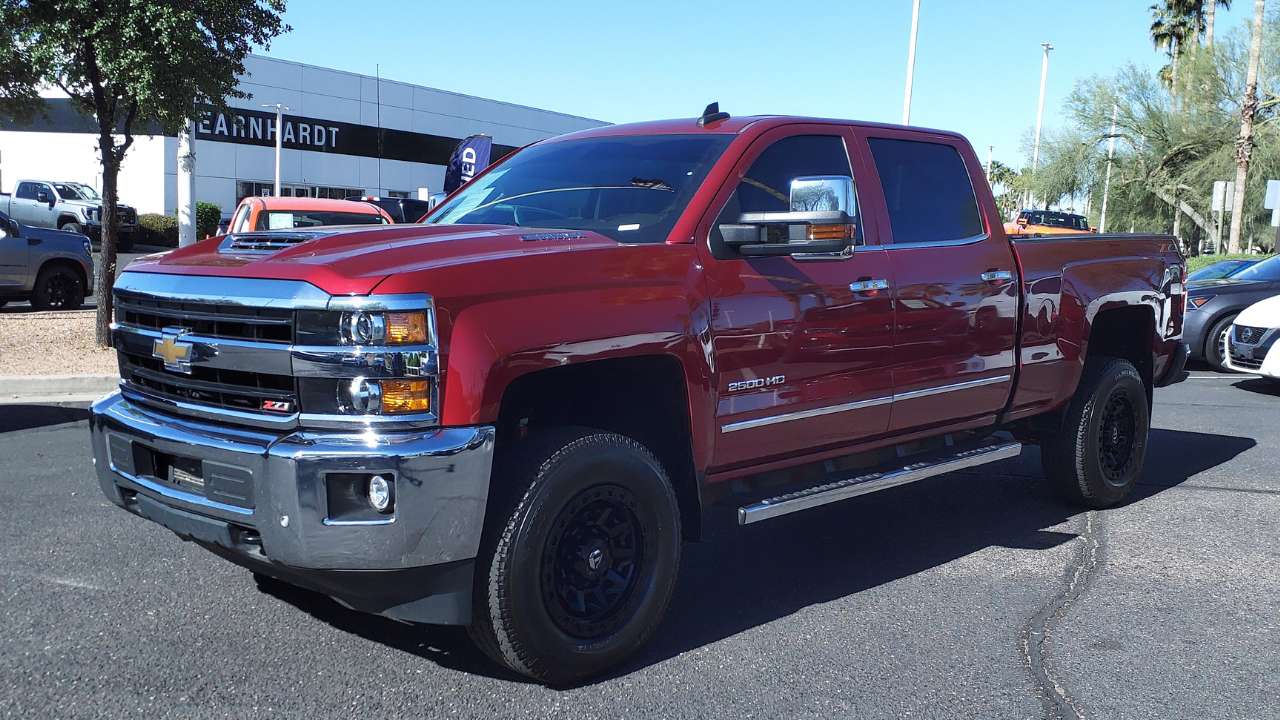
The Silverado 2500 brought Chevrolet’s heavy-duty pickup formula into a more modern era while retaining the basic principles of traditional truck construction. Its larger brakes, stronger suspension, and available heavy-duty powertrains made it suitable for serious towing and hauling. The widespread use of General Motors truck components also means mechanics are familiar with many of its systems. For owners who need a dependable workhorse, the 2500 remains a practical choice.
GMC Sierra 2500
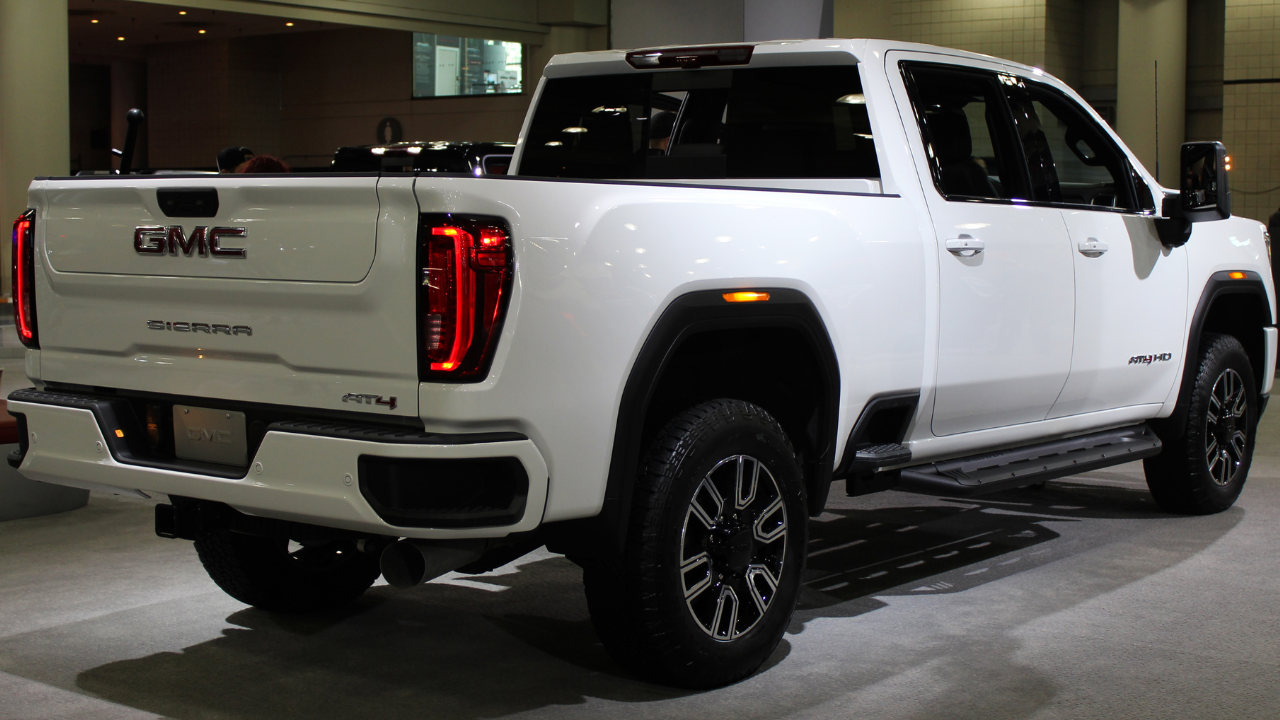
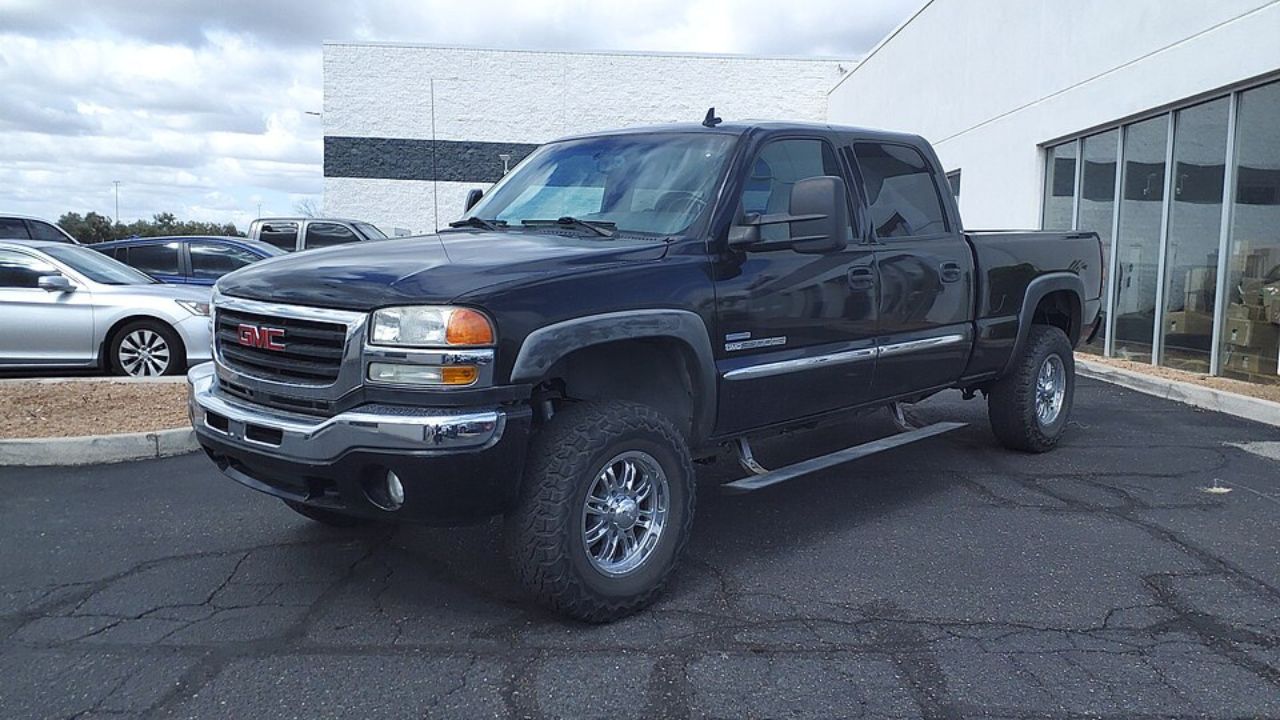
The GMC Sierra 2500 shares its underlying platform with the Silverado 2500 but offers its own styling and equipment combinations. Its heavy-duty frame and suspension allow it to handle substantial loads, while available gasoline and diesel engines provide different levels of towing capability. The truck’s conventional body-on-frame construction also makes its purpose clear. It was designed to work hard, and that straightforward mission has helped these trucks remain useful for years.
Dodge Ram 2500

The Dodge Ram 2500 became especially popular with owners who wanted a heavy-duty pickup with strong diesel capability. Cummins-powered versions developed a particularly loyal following because of their torque and long-standing reputation among truck enthusiasts. The conventional frame and solid mechanical foundation also made these trucks well suited to hard work. A properly maintained Ram 2500 can remain useful for years, especially when owners understand its service requirements.
Ford F-450
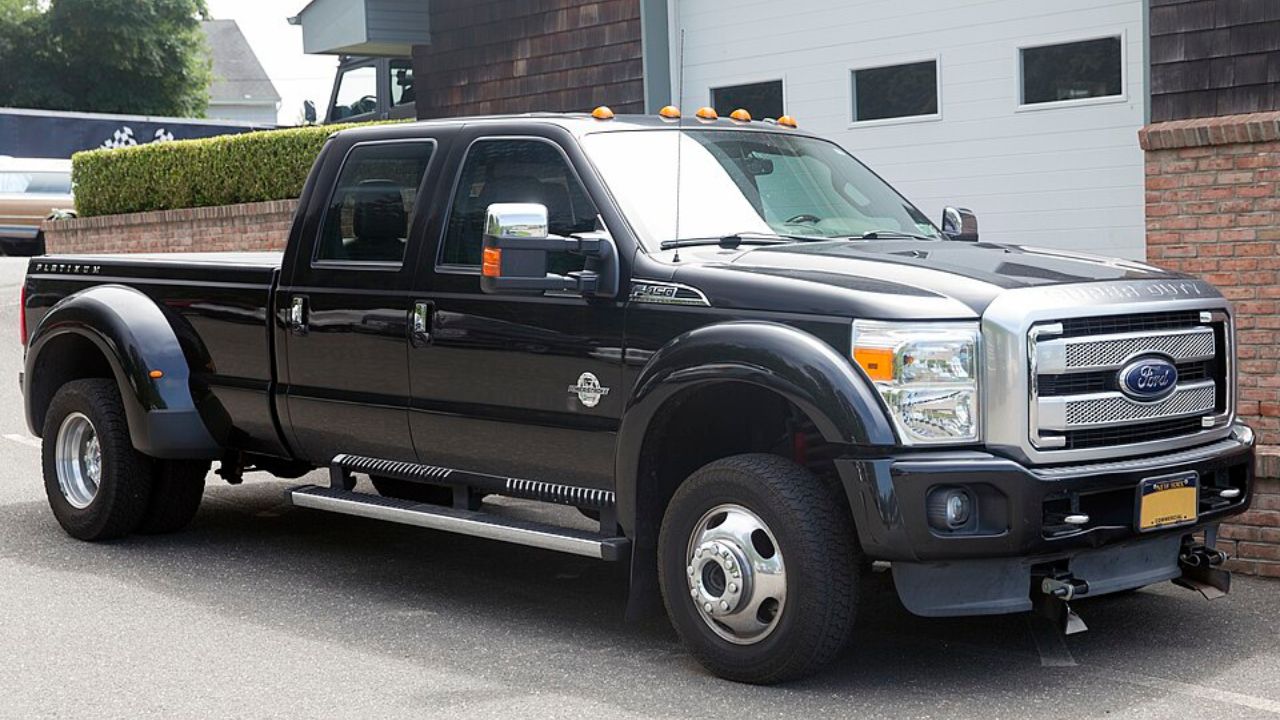
The Ford F-450 sits closer to commercial-duty territory than an ordinary pickup, with a chassis designed for serious towing and payload demands. Its heavier axles, brakes, suspension, and frame give it capabilities that exceed those of a typical half-ton truck. For owners who regularly pull large trailers or carry heavy equipment, that extra strength can be valuable. The F-450 demonstrates how American truck engineering has long prioritized durability when the workload demands it.
Chevrolet Apache
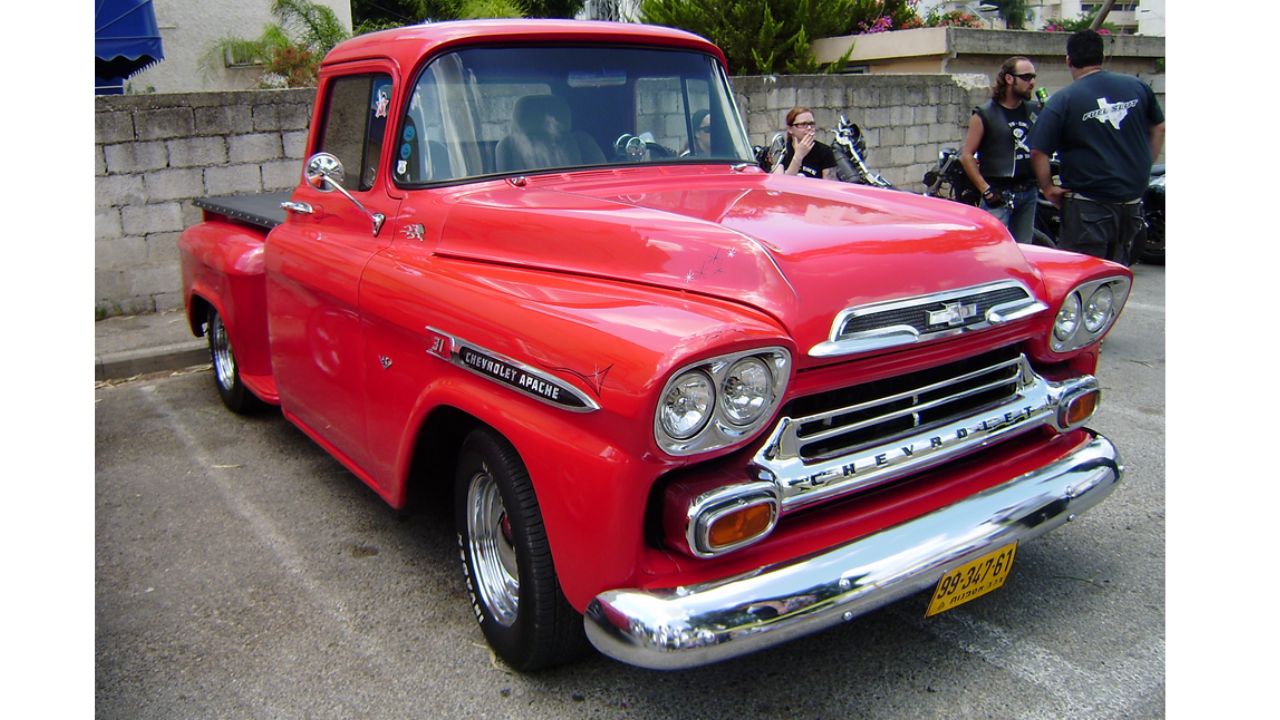
The Chevrolet Apache became one of the defining pickups of the late 1950s and early 1960s. Its distinctive styling gives it plenty of visual appeal, but its traditional frame and simple mechanical systems are equally important to its character. Inline-six and V8 engines provided useful power for the period. Today, the Apache remains popular because it combines classic American truck styling with a mechanical simplicity that makes it approachable for enthusiasts.
Ford F-1
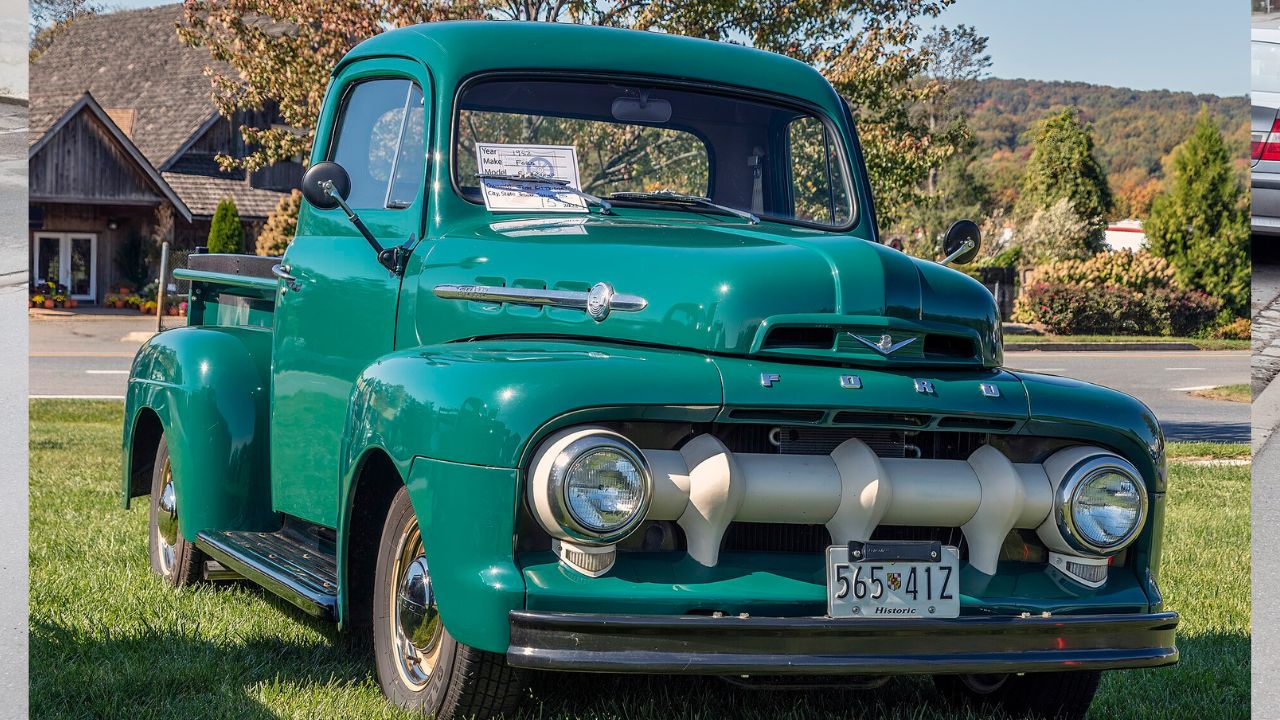
The Ford F-1 was part of Ford’s first postwar F-Series generation and helped establish the basic pickup formula that would eventually become the F-150. Its simple chassis, straightforward engines, and practical cargo bed made it a useful working vehicle. The F-1 did not have modern comfort or technology, but it was designed around durability and utility. Surviving examples remain popular because they capture the beginnings of Ford’s long-running truck tradition.
Chevrolet Advance Design
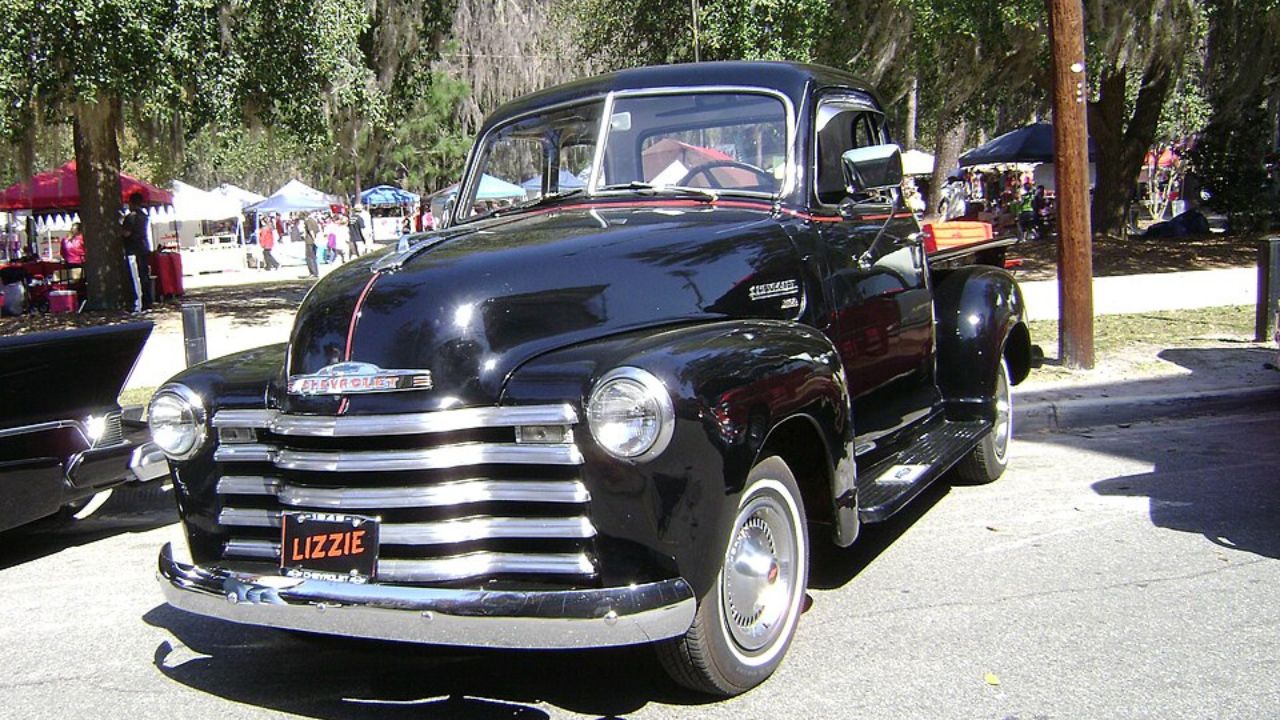
The Chevrolet Advance Design trucks introduced a more modern appearance and improved practicality after World War II. Their rounded bodies, spacious cabs, and conventional mechanical components made them useful work vehicles while giving them a distinctive look. Inline-six engines were common, and the basic design was straightforward to maintain. Today, the Advance Design series remains one of the most recognizable examples of an early American pickup built primarily for useful everyday work.
International Harvester Scout II
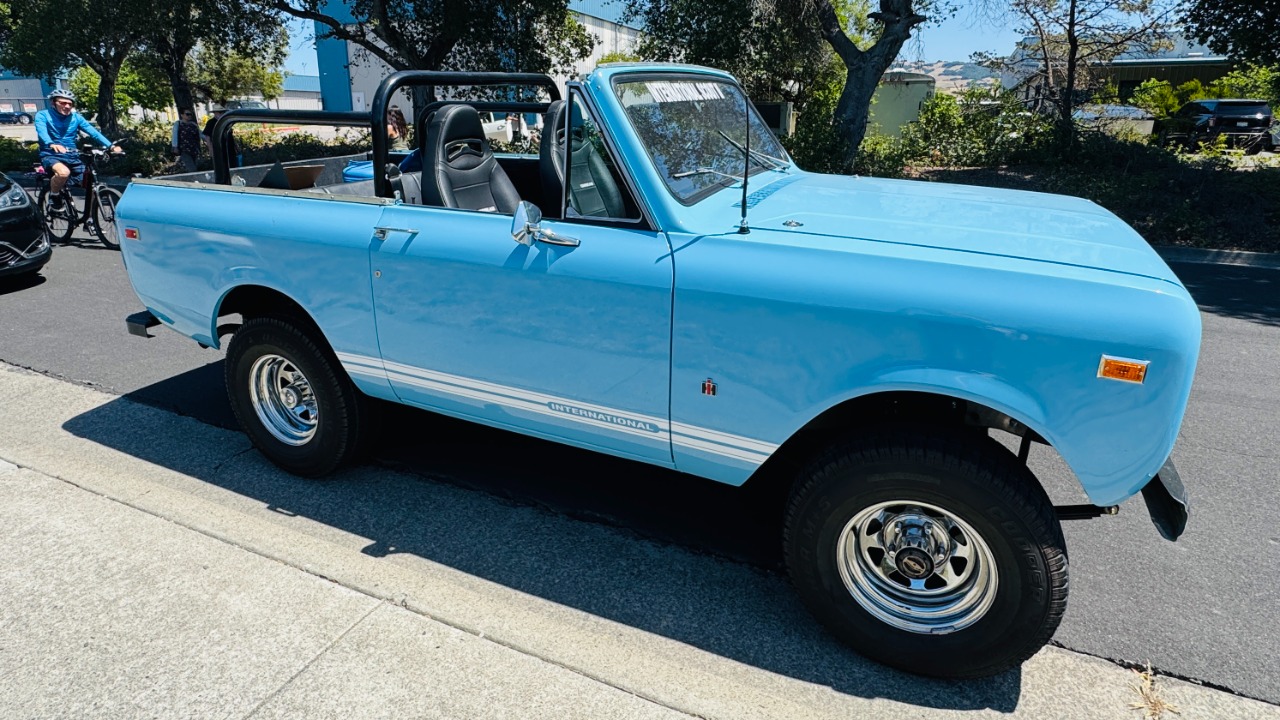
The International Harvester Scout II was not a conventional pickup, but pickup-style versions and its rugged utility design made it an important part of America’s working four-wheel-drive vehicle history. Its body-on-frame construction, simple drivetrain, and off-road capability made it useful on farms, ranches, and rough terrain. The Scout’s mechanical character also makes it appealing to enthusiasts who prefer vehicles that can be understood and repaired without excessive electronic complexity.
Jeep Gladiator
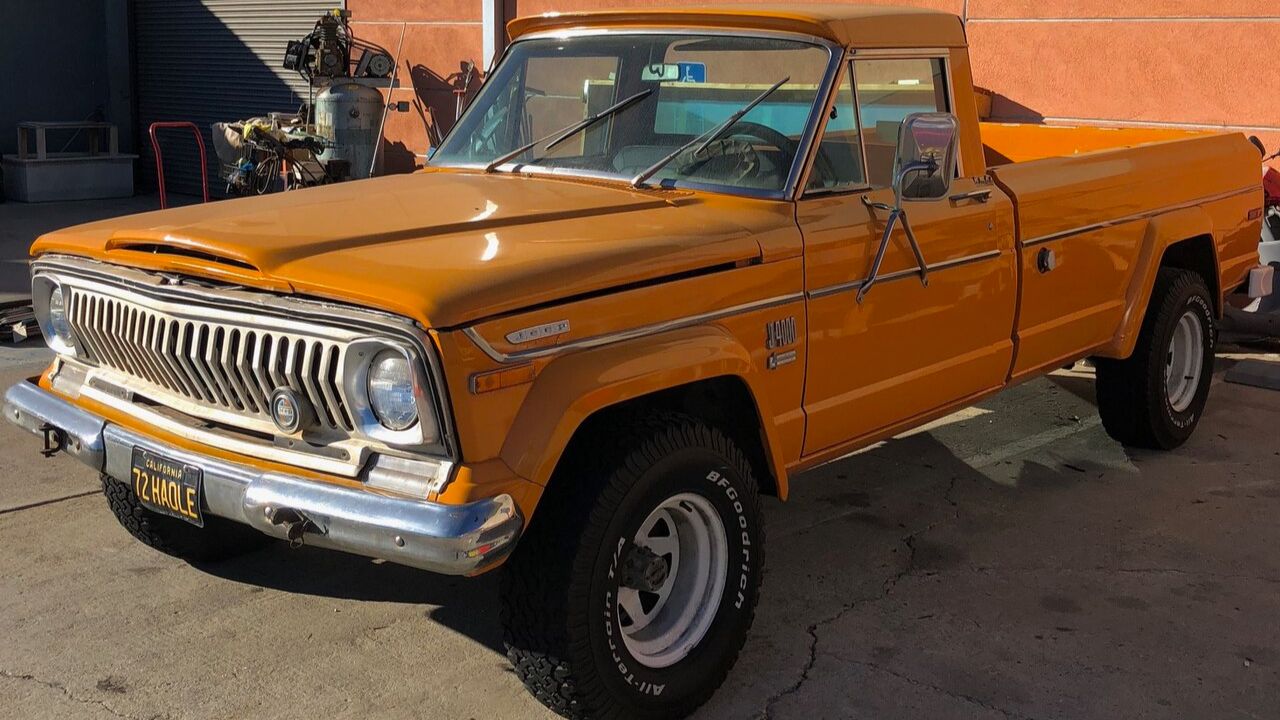
The Jeep Gladiator name has appeared on different generations of pickup trucks, but the original version remains particularly interesting as an early American four-wheel-drive utility pickup. Its rugged construction and available four-wheel-drive hardware made it useful for demanding conditions. The modern Gladiator revived the name with a very different level of refinement, but the basic idea remains familiar: combine Jeep off-road capability with an open cargo bed.
Ford Ranchero
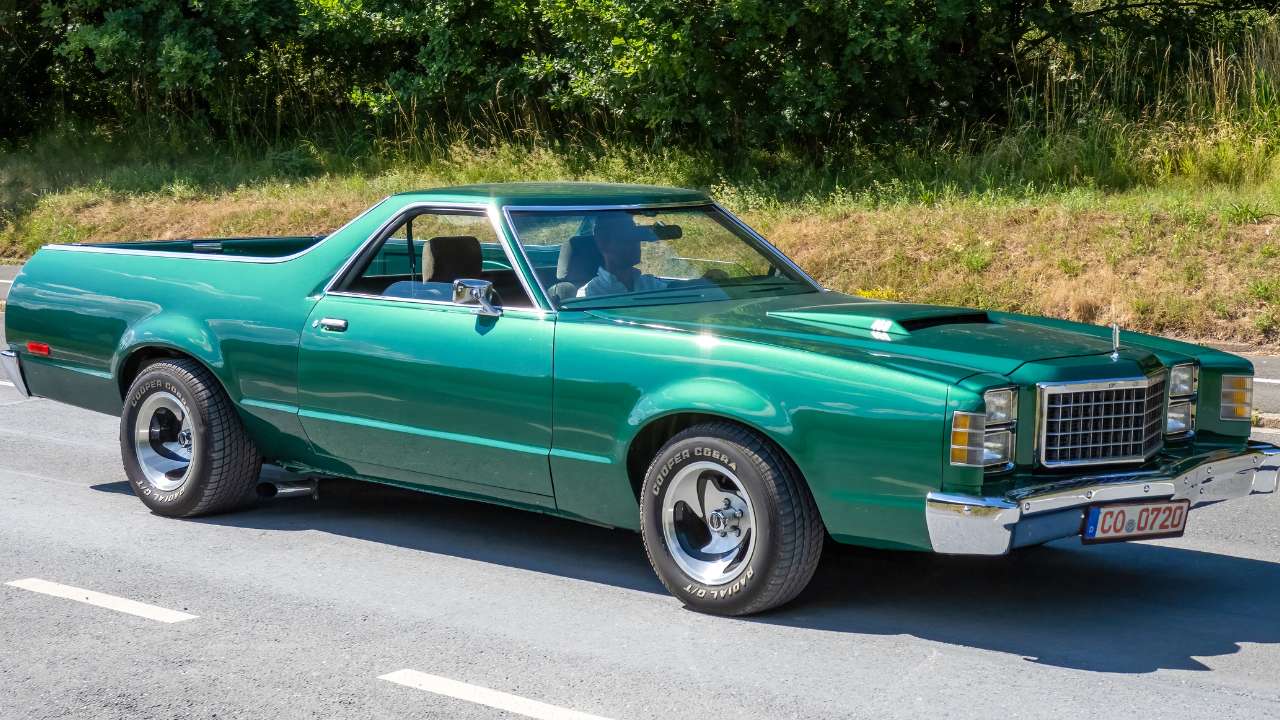
The Ford Ranchero took the pickup concept in a different direction by combining an automobile-based chassis with an open cargo bed. Its lower stance and car-like driving manners made it easier to use on pavement than a traditional truck, while available V8 engines provided plenty of character. The Ranchero was never meant to replace a heavy-duty work pickup, but its unusual design helped it earn a loyal following that continues today.
More from Fast Lane Only
- Unboxing the WWII Jeep in a Crate
- 15 rare Chevys collectors are quietly buying
- 10 underrated V8s still worth hunting down
- Police notice this before you even roll window down
*Research for this article included AI assistance, with all final content reviewed by human editors.